
Hyundai Sonata Tire Tread Wear Indicator Bar: Where to Find It
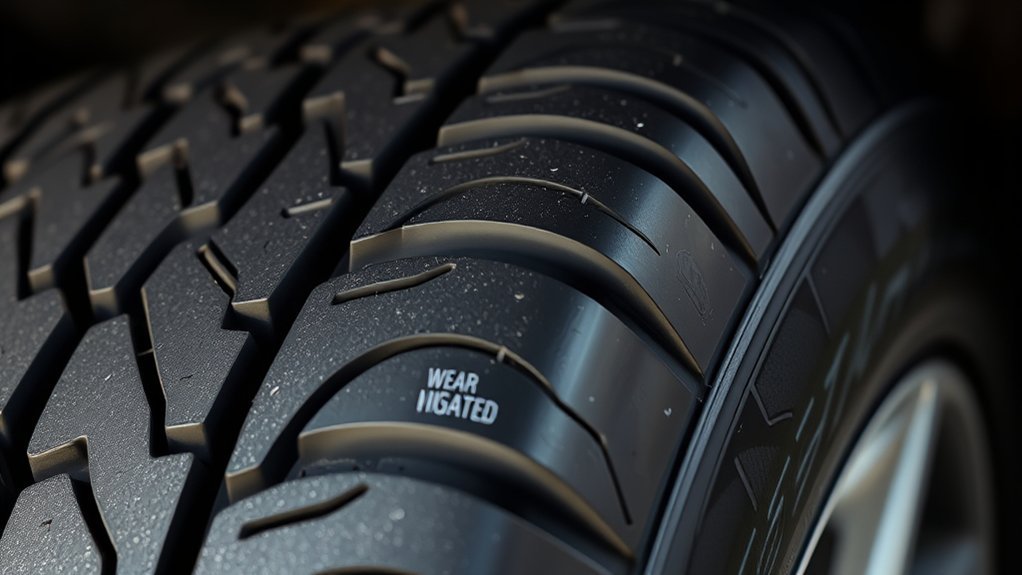
To find the tire tread wear indicator bars on your Hyundai Sonata, look inside the main tread grooves of each tire. The indicators are small raised rubber bars molded across the grooves. When the surrounding tread wears down until it is even with those bars, the tire has reached the replacement point and should be inspected or replaced before regular driving.
Quick Answer
On a Hyundai Sonata, tire tread wear indicator bars sit inside the main tread grooves as small raised rubber bridges. Check each tire in several spots. If the tread surface is level with the bars, only about 2/32 inch, or 1.6 mm, of tread remains and the tire should be replaced.
Key Takeaways
- Wear bars are molded inside the major tread grooves, not on the wheel, rim, or dashboard.
- If the tread is flush with a wear bar, the tire is at about 2/32 inch or 1.6 mm remaining tread.
- Check all four tires and use the lowest tread reading, because one tire may wear faster than the others.
- A tread depth gauge gives the most accurate reading; the penny test is a quick backup check.
- Uneven wear, exposed cords, bulges, cracks, or vibration should be checked by a tire professional.
At a Glance
| Time Required | 5–10 minutes for all four tires |
| Difficulty | Easy |
| Tools Needed | Flashlight, tread depth gauge, or penny; tire pressure gauge optional |
| Cost | Free with a penny; usually low cost for a basic tread depth gauge |
What Are Tire Wear Bars and Why Are They Important?
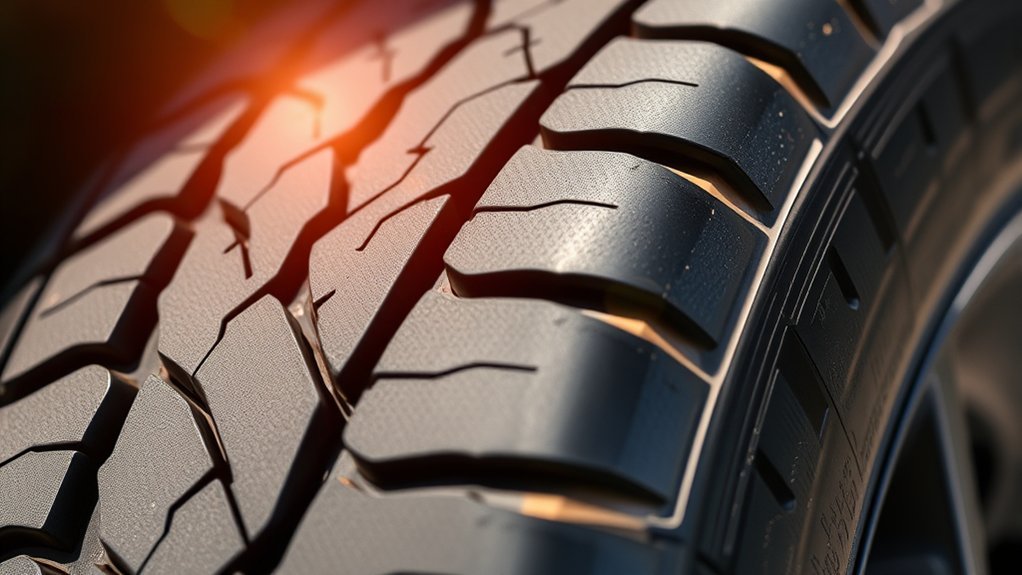
Tire wear bars, also called tread wear indicators, are small raised rubber bars built into the tread grooves of your Hyundai Sonata’s tires. They give you a simple visual warning when the tread is nearly worn out.
Hyundai’s owner-manual guidance says that when the tire is worn evenly, the tread wear indicator appears as a solid band across the tread, showing that less than 1/16 inch, or 1.6 mm, of tread remains. That is the same as about 2/32 inch. When you see this, do not wait for the band to appear across the entire tire before replacing it.
These indicators matter because tread helps your tires grip the road, move water away from the contact patch, and maintain braking and steering control. Once the tread reaches the wear bars, wet-road traction and stopping performance can be reduced, especially in rain or standing water.
How to Locate Tire Wear Bars on Your Hyundai Sonata
Locating the tire wear bars on your Hyundai Sonata is simple once you know what to look for. They are not on the sidewall or wheel. They are inside the main tread grooves, spaced around the tire.
- Park safely. Stop on a flat surface, set the parking brake, and make sure the tires are cool enough to touch.
- Use good light. A phone flashlight or small work light makes the bars much easier to see.
- Look in the main grooves. Inspect the deepest-looking channels that run around the tire. The wear bars look like small rubber bridges crossing those grooves.
- Check for shoulder markings. Many tires have small “TWI” letters, triangles, or arrows on the outer shoulder that point toward a wear bar. Not every tire marks them the same way, so still inspect the grooves directly.
- Compare the tread to the bar. If the tread blocks stand higher than the bar, tread remains. If the tread is even with the bar, the tire is at the replacement point.
- Repeat in several spots. Check around the tire and across more than one groove, then repeat the process on all four tires.
Note: If the front wheels block your view, turn the steering wheel left or right while parked so you can see more of the front tire tread.
What Do Tread Wear Indicators Do?
Tread wear indicators show when your tire tread has reached the minimum replacement zone. The U.S. Tire Manufacturers Association explains that tires have built-in wear bars and that when the tops of these bars are flush with the tread, the tire needs replacement.
The indicators are useful because they do not require special tools. You can kneel near the tire, look inside the grooves, and quickly see whether the tread is still above the bars. However, they are a final warning, not an early-warning system. For a more precise check, use a tread depth gauge.
How to Check Tread Depth Using Wear Bars
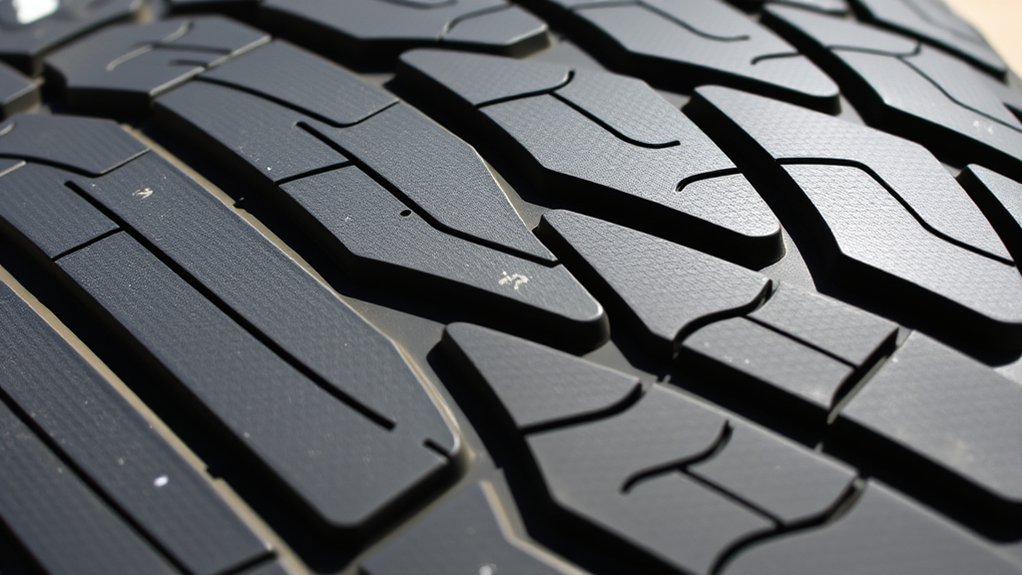
Checking the tread depth on your Hyundai Sonata is a simple maintenance step that can help you avoid driving on worn tires. Use the wear bars first, then confirm with a gauge or penny if you are unsure.
- Wear bar check: If the tread is level with the wear bars, replace the tire.
- Tread depth gauge: Place the probe into a main tread groove and read the depth in 32nds of an inch or millimeters. Check several points and use the lowest reading.
- Penny test: Insert a penny into the tread with Lincoln’s head upside down. If the top of Lincoln’s head is fully visible, the tread is around the 2/32 inch replacement threshold.
- Across-tire check: Measure the inner, center, and outer tread areas. Big differences can point to alignment, inflation, or suspension issues.
Warning: Do not keep driving on tires with exposed cords, visible steel belts, sidewall bulges, deep cuts, or tread that is flush with the wear bars. Have the tire inspected or replaced before normal driving.
Key Indicators Your Tires Are Unsafe
Worn tires can reduce your Hyundai Sonata’s grip, especially in rain. Check for these signs during every tread inspection:
- Wear bars are flush with the tread: This means the tire has reached the replacement point.
- Exposed cords or wires: This is a serious safety issue and the tire should not be used for normal driving.
- Uneven wear: One edge wearing faster than the other may point to alignment, tire pressure, or suspension problems.
- Center wear: A badly worn center strip may suggest overinflation or aggressive driving habits.
- Both-edge wear: Heavy wear on both shoulders may suggest underinflation.
- Bulges, cracks, or vibration: These can signal tire damage or internal failure and need professional attention.
Legal Minimum Tread Depth: What You Need to Know
In many U.S. driving situations, 2/32 inch is treated as the minimum tread depth for passenger-car tire replacement. Hyundai’s tire replacement guidance describes the wear indicator as showing less than 1/16 inch, or 1.6 mm, of tread left. The National Highway Traffic Safety Administration also provides tire-safety guidance for checking tread, pressure, rotation, recalls, and ratings.
Even if your tires are slightly above the wear bars, they may still perform poorly in heavy rain, snow, or emergency braking. If you drive often in wet weather, check tread depth before the tire reaches the bars and consider replacing tires earlier when grip begins to noticeably decline.
The wear bars are a final visual warning. If your Sonata’s tread is level with them, the tire is already at the end of its usable tread life.
Tips for Maintaining Tire Wear Bars and Safety
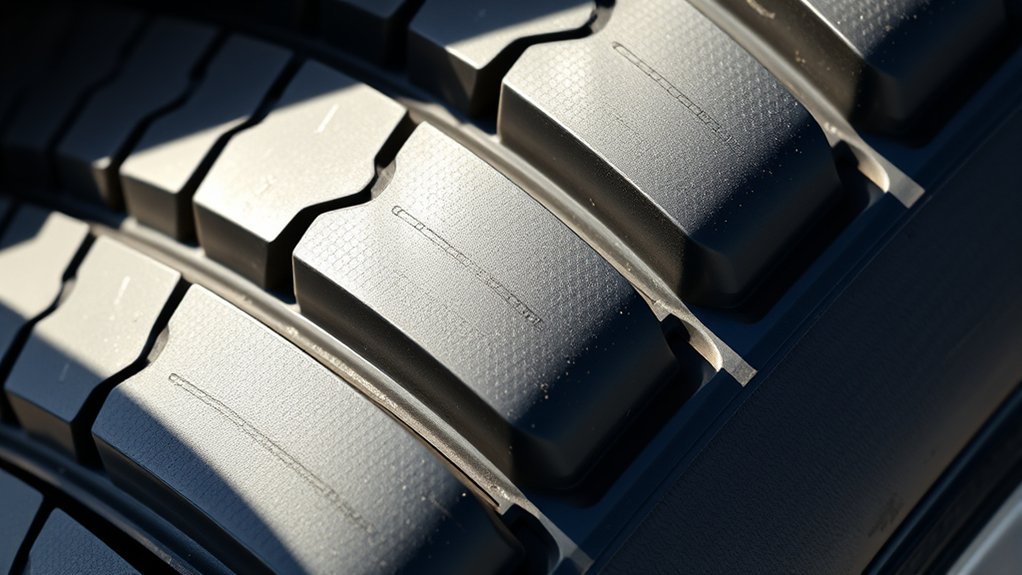
Wear bars do not prevent tire wear; they only show when the tread is worn down. Good tire maintenance helps the tread last longer and wear more evenly.
- Check tire pressure monthly. Use the pressure listed on your Sonata’s driver-side door placard, not the maximum pressure printed on the tire sidewall.
- Rotate tires on schedule. Regular rotation helps spread wear more evenly across all four tires.
- Inspect after pothole hits. A hard impact can damage a tire or knock alignment out of spec.
- Look for uneven wear early. Catching it before the wear bars are flush can save tread life and improve safety.
- Replace tires in matched sets when needed. Follow your owner’s manual and tire-shop guidance, especially if two tires are more worn than the others.
Pro Tip: Keep a small tread depth gauge in your glove box. It is more accurate than guessing by sight and takes less than a minute per tire.
Wear Bars vs. Tire Treadwear Rating
Do not confuse tread wear indicator bars with a tire’s treadwear rating. They are different things:
- Wear bars are physical rubber indicators inside the tread grooves. They tell you when the tire is worn down to the replacement point.
- Treadwear rating is part of the Uniform Tire Quality Grading system, often written on the sidewall as something like “TREADWEAR 500 TRACTION A TEMPERATURE A.”
The federal UTQG standard covers comparative treadwear, traction, and temperature information for many passenger tires. A higher treadwear number can help compare expected wear under test conditions, but it does not tell you how much tread is left on your current tire. For that, use wear bars or a tread depth gauge.
Why Does Tread Depth Matter for Driving Performance?
Tread depth matters because your tires are the only parts of your Hyundai Sonata that touch the road. Adequate tread helps the tire grip pavement, channel water, and maintain steering and braking response.
Grip and Traction
Healthy tread gives the tire edges and grooves room to bite into the road surface. As tread wears down, the tire has less ability to grip, especially during quick stops, sharp turns, and wet-weather driving.
Water Dispersion Efficiency
The grooves in your tires help move water away from the contact patch. Shallow tread cannot move water as effectively, which can increase the risk of hydroplaning on wet roads. If your Sonata feels less stable in rain, check tread depth and tire pressure as soon as possible.
Braking and Control
Braking performance depends on tire condition, road surface, vehicle speed, and weather. Worn tread can reduce control during emergency maneuvers. The safer habit is to inspect your tires before they reach the wear bars, not after handling already feels poor.
When to Get Professional Help for Tire Issues?
Get professional help if any tire on your Hyundai Sonata has tread level with the wear bars, visible cords, exposed steel belts, bulges, sidewall cracking, repeated pressure loss, vibration, or uneven wear. You should also have the tires checked if the car pulls to one side or the steering wheel shakes at speed.
A tire shop or Hyundai service technician can measure tread depth, check tire pressure, inspect for damage, look for alignment problems, and recommend whether a tire rotation, alignment, repair, or replacement is needed.
Frequently Asked Questions
Where is the tread wear indicator on a Hyundai Sonata?
The tread wear indicator is inside the tire’s main tread grooves. Look for small raised rubber bars crossing the grooves between the tread blocks. When the tread is level with those bars, the tire is worn to about 2/32 inch, or 1.6 mm, and should be replaced.
Where can I find my tire treadwear rating?
The treadwear rating is part of the UTQG rating printed on many passenger-tire sidewalls and in tire product specs. It is not the same as the wear bars. Wear bars show remaining tread depth; the treadwear rating is a comparative tire-grade number.
Do all Hyundai Sonata tires have wear bars?
Most modern passenger tires have built-in tread wear indicators, but the exact pattern and shoulder markings vary by tire brand and model. Look inside the major grooves and check the tire shoulder for “TWI,” triangle, or arrow markings that may point toward the bars.
Is the penny test better than checking wear bars?
The penny test is a quick backup method, but a tread depth gauge is more precise. Wear bars are useful because they are built into the tire, but they mainly show when the tire has already reached the replacement point.
Should I replace my tires as soon as they touch the wear bars?
Yes. If the tread is flush with the wear bars, the tire is at about 2/32 inch remaining tread and should be replaced. If you often drive in rain or notice reduced traction, have the tires checked before they reach the bars.
Conclusion
Finding the tire tread wear indicator bars on your Hyundai Sonata is easy once you know where to look: inside the main tread grooves, between the tread blocks. These small raised rubber bars show when the tire has reached about 2/32 inch of remaining tread. Check all four tires regularly, confirm questionable readings with a tread depth gauge, and replace any tire that is flush with the wear bars, unevenly worn, damaged, or showing exposed cords. A few minutes of inspection can make your Sonata safer and more predictable on the road.
Sources
- Hyundai Owner’s Manual — Tire replacement — backs up the 1/16 inch / 1.6 mm tread wear indicator guidance.
- NHTSA TireWise — supports tire safety, tread, pressure, rotation, recalls, and tire rating guidance.
- U.S. Tire Manufacturers Association — Tire Care Essentials — supports wear-bar, 2/32 inch, inspection, pressure, and rotation guidance.
- 49 CFR § 575.104 — Uniform tire quality grading standards — supports the UTQG treadwear, traction, and temperature rating explanation.
- Bridgestone — How to Check Tire Tread Depth: The Penny Test — supports the penny test as a quick tread-depth check.

Related Articles

Danger of Using Summer Tires in Winter on a Hyundai Sonata
Potentially perilous, using summer tires in winter on your Hyundai Sonata can compromise safety—discover the hidden dangers that await you on icy roads.
Read More
Can You Mix Nitrogen and Air in Hyundai Sonata Tires? Answered
Discover the implications of mixing nitrogen and air in your Hyundai Sonata tires—are the benefits worth the risks? Explore the answer inside!
Read More
How to Tell If Hyundai Sonata Tires Are Too Old to Use Safely
Understand how to assess the age of your Hyundai Sonata tires and discover crucial signs of deterioration that could compromise your safety on the road.
Read More