What Does TEMPERATURE A Mean on a Tire? Load, Speed & Rating Guide
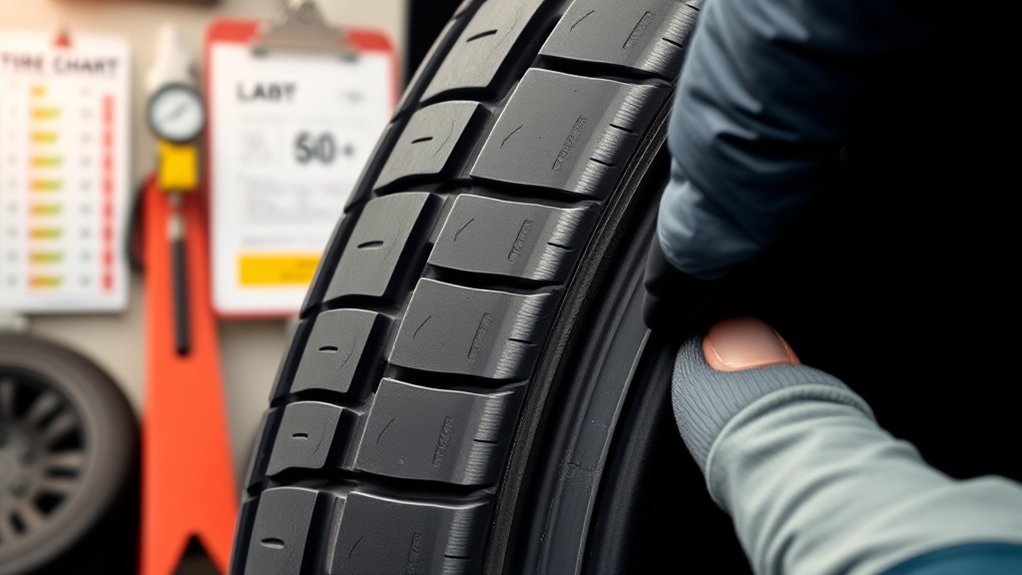
A temperature A tire rating means your tire has the highest heat resistance in the UTQG system. You get better protection against overheating at higher speeds and under heavier loads, especially if you keep proper inflation. B and C ratings handle less heat, so they’re better for lighter-duty use. If you drive fast, tow, or carry heavy cargo, an A-rated tire can improve safety and durability, and the details below show how to check yours.
Key Takeaways
- Temperature A means the tire has the highest UTQG heat-resistance rating, handling up to 249°F under test conditions.
- A-rated tires are designed for higher speeds, generally above 115 mph, and better resist heat buildup.
- Tire load and speed both raise temperature; heavier loads and faster driving increase internal heat and overheating risk.
- Proper inflation is critical because underinflation and overloading reduce heat resistance and can lead to blowouts.
- Check the UTQG code on the sidewall, and choose A, B, or C based on your driving, load, and safety needs.
What Does Temperature A Mean on a Tire?
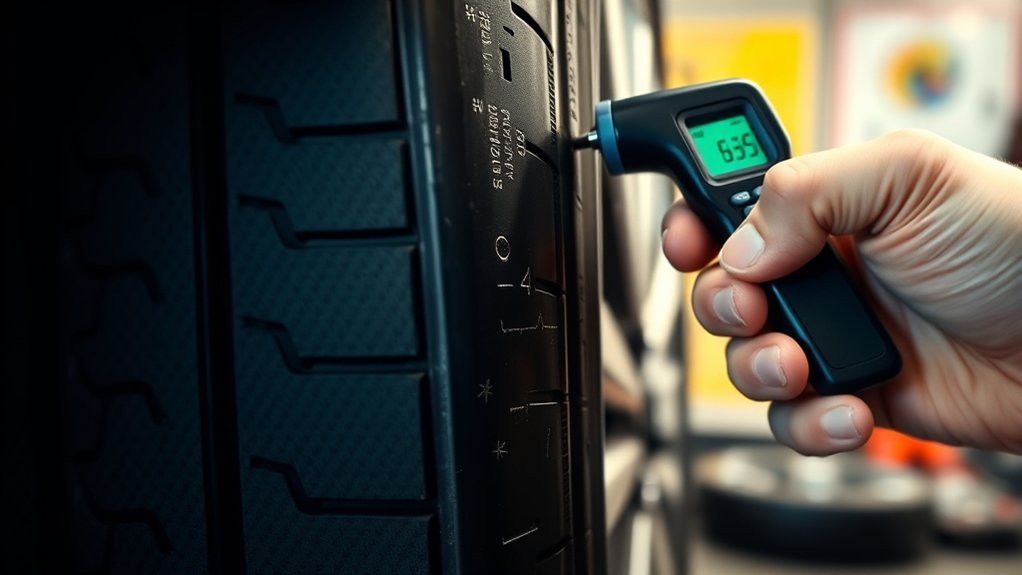
Temperature A on a tire means the tire has the highest heat-resistance rating in the standard U.S. grading system, so it can effectively dissipate heat and maintain performance at speeds over 115 mph. You’re looking at a tire built for controlled heat resistance, tested under standardized conditions to verify that it can handle temperatures up to 249°F. This rating tells you the tire can dissipate heat more efficiently, which lowers overheating risk and helps prevent failure during demanding driving. A-rated tires suit high speeds and heavy loads, so you get stronger safety margins and more stable performance when conditions intensify. About 62% of tires sold in the U.S. carry this rating, showing how common this level of capability is. When you understand tire ratings, you can choose equipment that supports tire longevity and keeps your mobility from being limited by heat. Additionally, tires like the Fullway HP108 are designed for consistent traction and stability, contributing to reliable performance in various driving conditions.
How A, B, and C Tire Ratings Compare
When you compare tire temperature ratings, A, B, and C show how much heat each tire can tolerate under standardized testing. An A-rated tire carries the highest Temperature grade, with heat resistance up to 249°F, and it’s built for demanding use; that’s why about 62% of tires sold in the U.S. are A-rated. A B-rated tire handles up to 230°F and fits many everyday applications, giving you solid tire performance without the same thermal margin. A C-rated tire meets the minimum federal standard, resisting up to 212°F, so it suits lower-performance uses. Your driving habits should guide your choice, because the wrong rating can raise heat buildup and reduce tire safety. Match the rating to your speed rating and conditions, and you’ll keep the tire working within its design limits. Additionally, selecting tires with good traction can further enhance safety and performance under various driving conditions.
How Load and Speed Ratings Affect Temperature
You’ll see temperature rise as load increases because heavier tires flex more and generate more internal heat. As speed climbs, especially above 115 mph, the tire’s heat load also rises, so an A rating matters for sustained high-speed use. If you combine high load with speed, you’ll push the tire closer to its thermal limit unless inflation is correct. Additionally, understanding rolling resistance is crucial for optimizing tire performance and fuel efficiency.
Load Increases Heat
As load rises, tire flexing and internal friction increase, which drives heat buildup and makes temperature rating more critical. You’re pushing the tire closer to its load capacity, so tire temperature ratings matter more than style or price. Under the Uniform Tire Quality Grade system, a higher Temperature Rating signals better resistance to excessive heat during service. If you’re hauling heavy cargo, trailers, or trucks, choose C tires or higher when the load demands it. Every 10% load increase can raise heat sharply, so don’t guess. Keep tires properly inflated, because underinflation adds more flex and more heat. Match the tire to your use, and respect speed ratings, since they set the operating envelope that keeps the tire safe and free.
Speed Raises Temperature
Speed raises tire temperature fast because sustained velocity increases friction, reduces cooling airflow, and adds thermal stress to the carcass. When you push speed, you demand more from the tire’s rubber and structure, so temperature climbs. Temperature A tires and other tire temperature ratings tell you how much heat a tire can tolerate; Temperature A means up to 249°F at speeds above 115 mph. At highway speed, tires can run 20-40°F hotter. If you also carry heavy load, flexing increases and overheating becomes more likely. Most tire blowouts start with underinflation and overheating, not luck. You protect yourself through proper tire maintenance: check inflation, respect load limits, and match speed to the rating. That’s how you prevent heat-related failures and keep control.
Why A-Rated Tires Handle Heat Better
When you choose an A-rated tire, you get higher heat resistance that lets the tire tolerate temperatures up to 249°F under demanding conditions. You’ll also see lower operating temperatures because the tread and internal materials dissipate heat more efficiently during sustained high-speed use. That thermal margin helps you preserve structural integrity and reduces the risk of overheating or blowouts on long, heavy-load trips. Additionally, A-rated tires often feature UTQG ratings that indicate their durability and performance under varied conditions.
Higher Heat Resistance
A-rated tires handle heat better because their construction is designed to dissipate thermal buildup more efficiently during demanding use. When you push them at high-speed, their Temperature tolerance can reach 249°F, so you get stronger heat resistance without sacrificing tire integrity. Engineers test each A-rated design under controlled conditions to confirm it can dissipate heat effectively and keep the carcass stable under load. That matters because excess heat accelerates wear, weakens internal materials, and can trigger tire failure. With better thermal control, you maintain performance longer and protect longevity in demanding driving. This is why A-rated tires dominate the market: about 62% sold in the U.S. carry this rating, giving you a reliable choice when you want freedom to drive faster with confidence.
Lower Operating Temperatures
That stronger heat resistance also shows up in everyday operating temperature: A-rated tires are built to run cooler under sustained stress, even at speeds over 115 mph. You get lower operating temperatures because the compound and carcass dissipate heat faster, so the tire keeps its structural integrity during high-speed use.
- Better thermal control: A-rated tires can handle up to 249°F, giving you more margin than B-rated tires.
- Smarter support: Proper inflation and load management help you keep temperature down and preserve performance.
- Safer freedom: Cooler running reduces blowout risk, so you can drive hard with more confidence and safety.
When you demand sustained pace, that extra Temperature reserve lets the tire work, not overheat, and keeps your road freedom intact.
When Tire Temperature Rating Matters Most
At sustained highway speeds or under heavy towing loads, tire temperature rating becomes critical because heat builds quickly and can push a tire beyond its safe operating range. Your Temperature rating tells you how well a tire resists heat, and A-rated tires deliver the highest thermal resistance, handling up to 249°F and speeds above 115 mph. You need that margin when sustained speeds or heavy loads raise carcass temperature and reduce safety. Trailer tires can run 20-40°F hotter than passenger tires, so towing demands extra attention. Proper tire maintenance, especially inflation and regular monitoring, helps preserve the rating’s protection. If you underinflate or overload, you compromise heat control and raise the risk of overheating and blowouts. For you, that means more than performance—it means protecting your freedom to travel hard, tow confidently, and keep rolling with control when the road asks more of your tires. Additionally, understanding tire load ratings is crucial for ensuring that your tires can handle the demands of your vehicle and driving conditions.
How to Find the Temperature Rating on the Sidewall
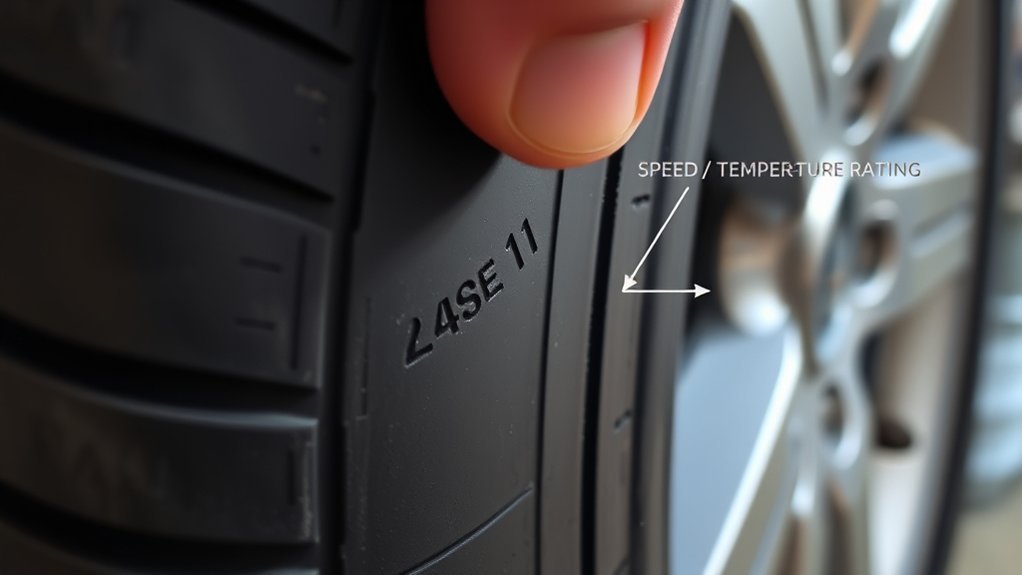
To check a tire’s temperature rating, look on the sidewall for the UTQG label molded into the rubber. You’ll see a letter grade—A, B, or C—that tells you how the tire handles heat resistance under controlled testing. An A-rated tire offers the highest temperature rating and the strongest heat management.
- Find the UTQG code on the sidewall.
- Read the temperature grade next to traction and treadwear.
- Match the letter to your driving needs and tire quality.
The National Highway Traffic Safety Administration uses this grading system to help you compare tires. Keep proper inflation and load in mind, because underinflation or overload can reduce real-world performance. If you need to move fast and stay composed, an A-rated tire can support higher heat buildup, up to 249°F in testing. You’re not guessing—you’re reading a standardized signal of thermal capability and freedom. Additionally, tire performance is influenced by factors such as inflation and load, which can impact your driving experience significantly.
Is a Temperature A Tire Worth It?
Yes—if you drive hard, haul loads, or simply want more heat margin, a Temperature A tire is often worth the extra cost. A temperature A tire gives you stronger heat resistance, so you’re less likely to fight overheating at sustained highway speeds above 115 mph or under heavy trailer loads. That higher tire rating means the casing can tolerate up to 249°F, adding a real safety margin when conditions turn demanding. You’ll usually pay $15 to $40 more per tire than a B-rated option, but that’s often cost-effective when you compare it with a blowout that can run $200 to $500 or more. A-rated tires also match market preference in the U.S., where they account for 62% of sales. If you value performance, durability, and freedom from heat-related failure, the upgrade makes sense. Additionally, premium all-season tires can provide enhanced traction and stability, contributing to a safer driving experience in various conditions.
Frequently Asked Questions
Is Tire Traction a or B Better?
A traction rating A is better than B, so you’ll get stronger wet braking and more secure road surface interaction. Your tire performance factors improve because tread design impact and rubber compound differences boost grip, while traction control systems still help when conditions turn slippery. Weather conditions effects, driving habits influence, tire maintenance tips, and seasonal tire choices all matter, but A gives you better stopping power and stability overall.
Is Tire Temperature Better, AA or A?
A is better for temperature because it handles heat up to 249°F, while AA is a traction rating, not a heat rating. You’ll get stronger tire performance, handling stability, and tire longevity with A in high-speed driving. In hot weather conditions, correct air pressure helps limit tread wear and supports traction control. Check safety ratings to match your needs, since temperature effects and load demand influence your choice.
What Is the Difference Between Grade a and Grade B Tires?
Grade A tires resist heat better than Grade B tires, so you get stronger tire performance comparison and safer high-speed operation. You’ll see temperature rating implications in grade A advantages like better heat resistance features, longer tire wear patterns, and fewer overheating risks. Grade B disadvantages include lower thermal margin and more limited driving conditions influence. Traction impact factors stay similar, but your safety standards evaluation favors Grade A.
Do I Need to Add Air to My Tire When the Temperature Drops?
Yes—you should usually add air when temperatures drop, because tire pressure falls with cold weather and air expansion changes. You can lose about 1 PSI for every 10°F, so check pressure regularly during seasonal changes. Follow maintenance tips by measuring when tires are cold, and keep a steady inflation frequency. Proper tire pressure reduces safety concerns, limits tire wear, and improves performance impact, fuel economy, and handling.
Conclusion
To sum up, a temperature A tire gives you the highest heat resistance rating, so you can drive with more confidence when loads, speeds, and road temperatures climb. You’ll still need the right load and speed ratings, but an A-rated tire helps manage heat better than B or C options. If you tow, drive fast, or face long highway runs, that extra margin can feel like a lifesaver. Always check your sidewall before you buy.

Related Articles
What Does R20 Mean on a Tire? Load, Speed & Rating Guide
Curious what R20 means on a tire and how load and speed ratings affect safety?
Read More
What Does Left RR Tire Low Mean? Dashboard Warning Explained
Check your dashboard for the meaning behind “Left RR Tire Low” and discover why this warning could signal more than just low pressure.
Read More
What Does H Mean on a Tire? Load, Speed & Rating Guide
What does H mean on a tire, and how does it affect load, speed, and safety?
Read More