
How to Tell the Height of a Tire: Reading Tire Size Numbers
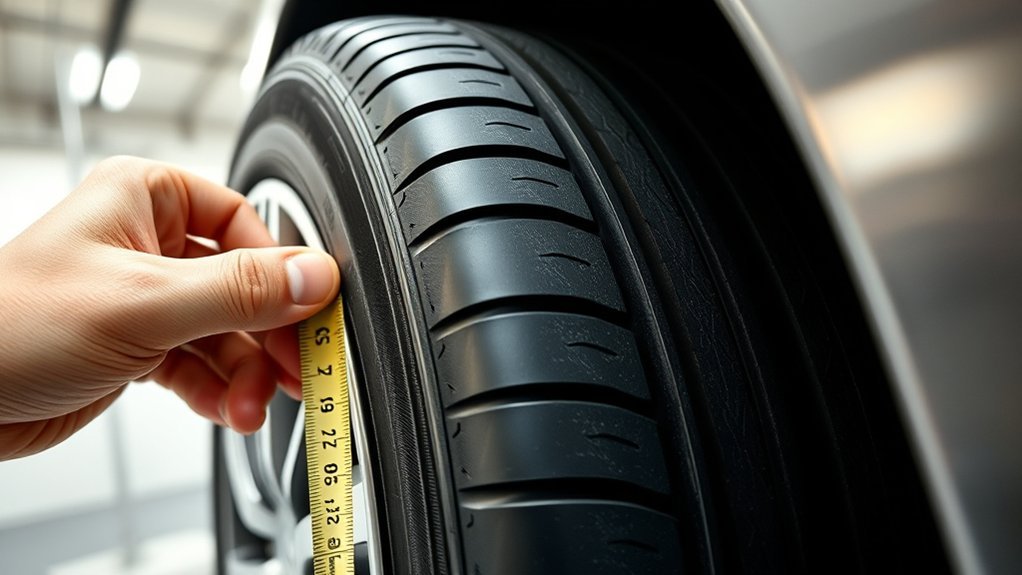
You can tell a tire’s height by reading the size code on the sidewall, like P225/70R16. The first number is the width in millimeters, the second is the aspect ratio, and the last number is the rim diameter in inches. Multiply the width by the aspect ratio, divide by 25.4 to get sidewall height in inches, then double it and add the rim diameter. That gives the tire’s overall height, and there’s more to compare too.
Key Takeaways
- Read the tire size code: the first number is section width in millimeters, not the full tire height.
- The second number is the aspect ratio, showing sidewall height as a percentage of tire width.
- Calculate sidewall height by multiplying width by aspect ratio, then divide by 25.4 to convert millimeters to inches.
- Total tire height equals two sidewalls plus the rim diameter in inches.
- Compare tire height with wheel clearance and speedometer needs before changing sizes.
How to Calculate Tire Height
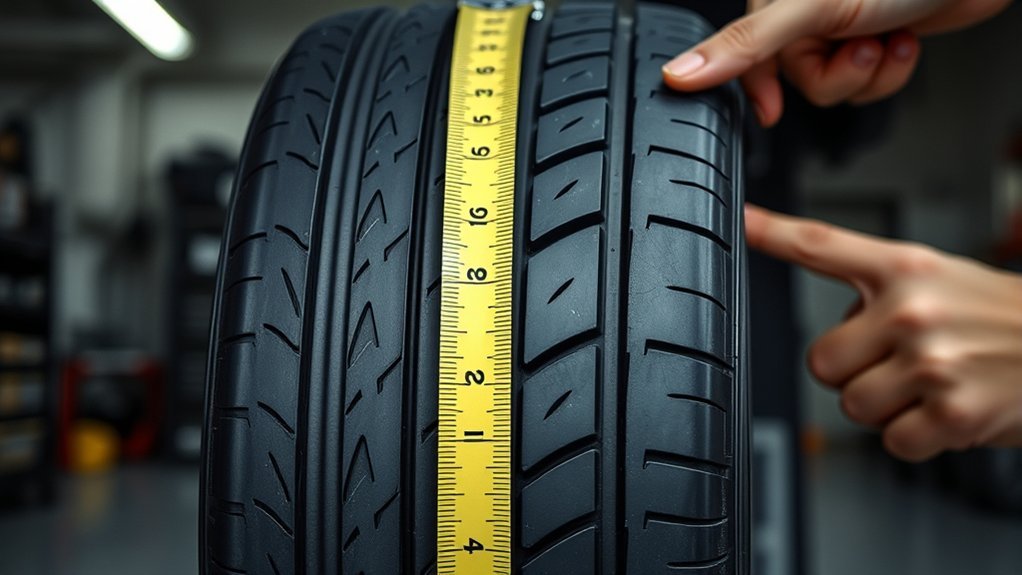
To calculate tire height, start by finding the tire’s section width in the size code—for example, a P205 tire is 205 mm wide. Use that section width to calculate tire height with the aspect ratio. Multiply 205 by 0.60 to get a sidewall height of 123 mm. Then convert sidewall height to inches by dividing by 25.4; you get about 4.84 inches. Next, apply the total tire height formula: (sidewall height × 2) + rim diameter. With a 16-inch rim diameter, your total tire height becomes (4.84 × 2) + 16 = 25.68 inches. This method lets you read tire size numbers and verify tire sizing with precision. You don’t need guesswork; you use the numbers to measure what your vehicle needs. When you calculate tire height this way, you gain control over fitment, clearance, and performance. Additionally, consider the tread life of your tires, as it can impact your vehicle’s overall handling and longevity.
What Tire Size Numbers Mean
You can read tire sidewall numbers as a compact size code, such as P225/70R16, that tells you the key dimensions at a glance. The 225 is the section width in millimeters, the 70 is the aspect ratio, and the 16 is the rim diameter in inches; the R indicates radial construction. Once you know how to parse each number, you can use the code to estimate tire height and verify proper fitment. Understanding UTQG ratings can also help you make informed decisions about tire durability and performance.
Tire Size Breakdown
A tire size code is a compact formula that tells you the tire’s basic dimensions and fitment. When you read a tire size, the first number gives tire width in millimeters, sidewall to sidewall. The second number is the aspect ratio, so it shows sidewall height as a percentage of width. Use it to gauge total tire height and proper fitment without guesswork.
- First number = tire width
- Second number = aspect ratio
- Sidewall height = width × ratio
- Rim diameter is measured in inches
For example, 205/60R16 means a 205 mm tire width and a 60% aspect ratio. That yields a 123 mm sidewall height and about 25.68 inches total tire height. You can verify fitment and keep your setup precise.
Reading Sidewall Numbers
Those size numbers stamped on the sidewall tell you exactly how the tire is built and how it’ll fit your vehicle. When you’re reading sidewall numbers, start with tire size like P205/60R16. The 205 is tire width in millimeters. The 60 is the aspect ratio, so sidewall height equals 60% of width, or 123 mm here. The R means radial construction, the standard layout that improves flex and grip. The 16 shows tire diameter, meaning a 16-inch rim. To estimate total height, convert rim inches to mm, then add twice the sidewall height. Check tire load and maximum speed ratings too. These markings guide tire performance, help you choose correctly, and keep your vehicle rolling with the freedom of precise fit.
Read the Aspect Ratio
The aspect ratio is the two-digit number that follows the tire width in the size code and tells you the sidewall height as a percentage of that width. You read it to gauge how a tire’s shape will serve your driving goals. In a tire size like 205/60R16, the 60 is the aspect ratio. Use it like this:
The aspect ratio shows sidewall height as a percentage of tire width, helping you choose the right ride feel.
- Find the tire width.
- Read the aspect ratio.
- Treat it as sidewall height as a percentage.
- Match it to your performance needs.
A lower aspect ratio means shorter sidewalls, firmer handling, and sharper cornering. A higher ratio gives you taller sidewalls, better ride comfort, and more absorption of road imperfections. When selecting tires, don’t just chase looks or numbers; choose a tire size that supports how you drive. If you want control, precision, and freedom on the road, the aspect ratio tells you a lot about how that tire will feel and respond. Additionally, consider the importance of treadwear warranties when evaluating your options to ensure long-term value.
Convert Tire Height to Inches
Once you know the aspect ratio, you can turn that sidewall height into inches for a more practical fitment check. Start with the section width, multiply by the aspect ratio, then divide by 25.4 to convert tire height from millimeters to inches. For a 205/60 tire, 205 × 0.60 = 123 mm, and 123 ÷ 25.4 = 4.84 inches of sidewall height. Use that value to find total height by doubling the sidewall and adding the rim diameter. Understanding the correct tire specifications is crucial for optimal performance.
| Step | Formula | Result |
|---|---|---|
| Sidewall height | 205 × 0.60 | 123 mm |
| Convert to inches | 123 ÷ 25.4 | 4.84 in |
| Total height | 4.84 × 2 + 16 | 25.68 in |
That number lets you judge proper fitment without guesswork. When you understand tire height, you protect vehicle performance and keep your setup free from avoidable compromise.
Compare Tire Heights Before Buying
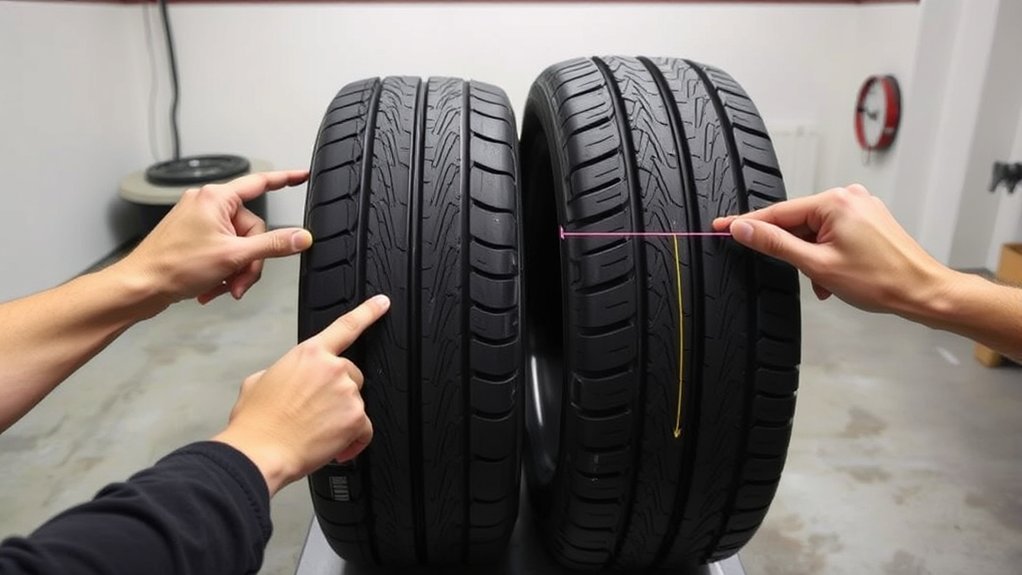
- Compare section width and aspect ratio side by side.
- Verify rim diameter matches your wheels.
- Check suspension clearance and speedometer calibration.
- Review manufacturer guidelines for safety and performance.
Taller tires can raise ground clearance and soften the ride, but they can also reduce torque and stopping power. You need that tradeoff measured, not guessed. When you compare sizes carefully, you protect your setup, preserve control, and keep your vehicle aligned with its intended limits. Additionally, tire selection criteria are crucial for ensuring that your new tires meet your driving needs.
Where to Find Your Tire Size
Now that you know how to compare tire heights, the next step is finding the correct size information on your vehicle or current tires. Start with the sidewall: the tire size appears there in a code such as P205/60R16. When you check sidewall markings, you’ll read the width, aspect ratio, construction, and diameter in inches. That’s the core of reading tire size and calculating height of the sidewall. If you’re using the original tires, the sidewall gives the exact tire specifications you need. Next, inspect the driver’s side door jamb for the manufacturer’s recommended tire size; automakers place a sticker there for quick reference. Your owner’s manual also lists the proper tire size and type for your model. If you don’t have the tire on hand, use a tire size lookup tool online to match your vehicle’s make and model. This ensures you select tires that provide optimal performance and maintain the safety standards set by the manufacturer.
Frequently Asked Questions
How to Tell Tire Size, Height, and Width?
You can tell tire size by reading the sidewall code, like 205/60R16. The first number is tire width, the second is aspect ratio, and the last is rim diameter. Multiply width by aspect ratio to estimate height, then compare with manufacturer specs. Check load index, speed rating, tire pressure, and tread pattern. Match seasonal tires or performance tires to your needs, and keep up with tire maintenance.
What Tire Is Taller, 65 or 70?
The 70 tire’s taller. In your tire height comparison, a 70 aspect ratio means more sidewall height than 65, so your tire size measurement yields a larger overall diameter. Understanding tire profiles and sidewall height explained helps you see the aspect ratio impact on ride quality. You’ll feel softer compliance, but tire pressure effects and performance tire choices matter. For all season vs. performance and seasonal tire differences, choose what frees your drive.
Which Tire Is Taller, 45 or 50?
A 50 aspect ratio is taller than a 45, and that 11.25 mm sidewall height gap can improve comfort. You’ll notice more tire diameter, slightly softer ride, and different performance rating. Check tread depth, load index, tire inflation, seasonal tires, tire brands, and wheel compatibility before you choose. With the same width, the 50 tire’s sidewall stands higher, so you get more give and less harshness on rough roads.
How Tall Is a 275 Tire in Inches?
A 275 tire isn’t one fixed height; you need the full metric tire sizes code. The 275 mm width equals about 10.83 inches, but your tire height depends on the tire aspect ratio and rim size. Use tire height calculation: sidewall = width × aspect ratio, then add twice the sidewall to the rim. That’s tire dimensions explained, and it matters for tire width impact, tire selection tips, and tire maintenance advice.
Conclusion
Now you can read tire size numbers and estimate tire height with confidence. Check the width, aspect ratio, and rim diameter, then convert the result to inches if you need a clearer comparison. Use those numbers before you buy new tires, because a small size change can affect clearance, speedometer accuracy, and ride quality. Your tire size is a blueprint, and once you know how to read it, the road gets much easier to navigate.

Related Articles
How to Remove a Motorcycle Tire: Complete Tutorial
Gear up to remove a motorcycle tire the right way, with expert tips that keep you reading for the full, safe tutorial.
Read More
How to Remove a Stripped Lug Nut From a Tire: Expert Methods
Discover expert methods to remove a stripped lug nut from a tire before damage worsens, and see which fix works best.
Read More
How to Read a Tire Gauge at a Gas Station: Quick Guide
Pump your tire gauge correctly at the gas station, and discover the PSI secrets that keep your car safe, smooth, and ready.
Read More