Disclosure: As an Amazon Associate, we earn from qualifying purchases. If you click a link on this page and make a purchase, we may receive a small commission at no extra cost to you.
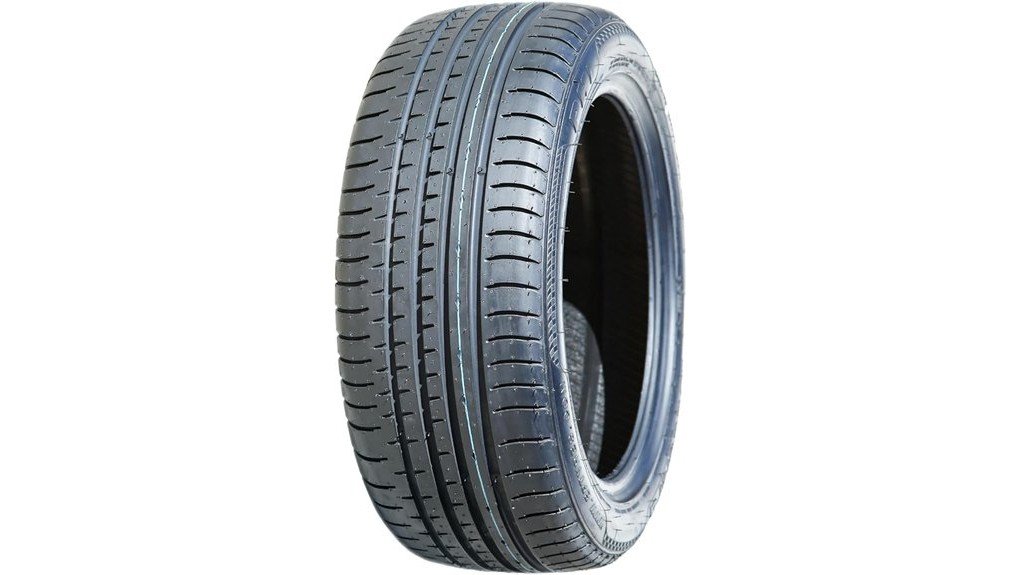
Choosing a budget-friendly 20-inch performance tire means balancing grip, comfort, tread life, and fitment without assuming a lower price can match every premium tire. The Accelera Phi in 255/40R20 101Y XL is an all-season, high-performance option with an asymmetrical tread, a 400AA UTQG rating, a 44 PSI maximum pressure, and an overall diameter of about 28 inches. Its strongest case is everyday dry and wet road performance at a value-focused price point, while its 30,000-mile limited tread-life warranty is shorter than some touring-oriented alternatives. This review helps you decide whether that mix fits your vehicle and driving priorities.
Quick Verdict
Rating: 8/10, Recommended with caveats
Best For: Drivers who need a 255/40R20 101Y XL tire and prioritize responsive all-season street handling at a value-focused price.
Bottom Line: The Accelera Phi gives you a high Y speed rating, XL load range, wet-road drainage features, and stable straight-line behavior. Its main tradeoff is a 30,000-mile limited tread-life warranty, so buyers focused on maximum mileage may prefer a longer-warranty alternative.
Accelera Phi Fitment and Specs
| Specification | Detail |
|---|---|
| Brand | Accelera |
| Model | Phi |
| Product type | All-season high-performance radial tire |
| Size | 255/40R20 or 255/40ZR20 |
| Service description | 101Y |
| Load range | XL |
| Maximum load | About 1,819 to 1,820 lbs per tire |
| Speed rating | Y |
| UTQG | 400 A A |
| Tread design | Asymmetrical performance tread |
| Tread depth | Retailer listings vary from 9/32 to 9.5/32 inch |
| Overall diameter | About 28 inches |
| Section width | About 10.2 inches |
| Approved rim-width range | 8.5 to 10 inches |
| Maximum inflation pressure | 44 PSI |
| Construction | 4-ply-rated, XL |
| Sidewall | Blackwall |
| Limited tread-life warranty | 30,000 miles |
Key Takeaways
- The 255/40R20 Accelera Phi combines a 101Y service description, XL load range, and asymmetrical tread for performance-focused street use.
- Dynamic lateral grooves are designed to move water away from the contact area, while the straight center rib supports straight-line stability.
- Shoulder-block and variable-pitch features are intended to improve cornering support and reduce road noise compared with a more aggressive tread layout.
- The 400 A A UTQG rating gives you a standardized treadwear, wet-traction, and temperature grade, but it does not guarantee a specific real-world mileage result.
- The verified limited tread-life warranty is 30,000 miles, so this tire is a better fit for value-focused performance buyers than drivers who put warranty mileage first.
What Is the Accelera Phi?
The Accelera Phi is an all-season high-performance radial tire sold in a wide range of low-profile sizes. In the 255/40R20 configuration reviewed here, it carries a 101Y service description and an XL load range. That combination makes the tire relevant to vehicles that require this exact size and an equal or lower original-equipment service requirement, subject to the vehicle maker’s fitment rules.
The tread uses a straight center rib, lateral grooves, and shoulder blocks to balance steering response, wet-road water evacuation, stability, and noise control. This is not a run-flat tire, so your vehicle needs an appropriate puncture plan such as a spare, repair kit, or roadside assistance if the original setup depended on run-flat capability.
Who Should Buy It?
Best For
- You need the exact 255/40R20 size with a 101Y XL service description.
- You want responsive dry handling plus all-season wet-road capability for normal street use.
- You value a lower-cost performance tire more than a long mileage warranty.
Skip If
- Your vehicle requires a different size, load index, speed rating, or run-flat construction.
- You want a longer tread-life warranty than 30,000 miles.
- You regularly drive in severe winter conditions and need a dedicated winter tire.
Before You Buy: A 255/40R20 marking alone does not confirm fit. Check the tire placard, owner’s manual, wheel width, load requirement, speed rating, and run-flat requirement before ordering. The approved rim-width range for this tire is listed at 8.5 to 10 inches.
Fit and Compatibility
The 255/40R20 size means a nominal 255 mm section width, a sidewall height equal to 40% of that width, and a 20-inch wheel diameter. Retailer data for this Phi size lists an overall diameter of about 28 inches and a section width around 10.2 inches. Those dimensions matter because even a tire with the correct wheel diameter can create clearance or speedometer issues if its overall size is wrong for your vehicle.
The 101 load index corresponds to roughly 1,819 to 1,820 pounds of maximum load per tire under the tire maker’s rated conditions. The Y speed rating is a high-performance rating, but it is not a recommendation to drive at that speed. Your replacement tire should meet the vehicle manufacturer’s load, speed, size, and construction requirements.
Materials, Construction, and Tread Design
The Phi uses a 4-ply-rated XL construction in this listing, paired with a black sidewall and asymmetrical tread. XL means the tire is designed for a higher load capacity at the specified pressure than a comparable standard-load tire. It does not mean you should inflate it to the 44 PSI sidewall maximum for everyday driving. Your normal cold inflation target should come from the vehicle placard unless the vehicle manufacturer specifies otherwise.
Accelera’s tread design uses a straight medium rib to support straight-line stability, dynamic medium lateral grooves to help channel water, and shoulder blocks to support cornering. Retailers also describe variable-pitch shoulder elements intended to reduce cabin noise. These are practical design features, but actual grip and noise still depend on pavement, temperature, alignment, inflation, vehicle weight, and tread wear.
Dry Handling, Ride Comfort, and Noise
On dry pavement, the Phi’s wide 255 mm footprint, center rib, and shoulder-block layout are designed for a more responsive feel than a comfort-first touring tread. That makes the tire a reasonable match for drivers who want predictable lane changes and stable cornering in normal street driving. The 40-series sidewall can also feel firmer over sharp pavement edges than a taller-sidewall tire.
Noise control is helped by the shoulder design and variable pitch used in the tread pattern. You should still expect cabin noise to vary by road surface and vehicle insulation. Uneven wear from poor alignment or missed rotations can make any low-profile performance tire noticeably louder as mileage builds.
Wet Grip, Hydroplaning, and Braking
The Phi’s dynamic lateral grooves are designed to reduce water buildup in the contact patch, which supports wet traction and hydroplaning resistance. Its UTQG traction grade of A also indicates strong controlled-test wet braking performance within the UTQG system. That grade is useful for comparison, but it does not predict stopping distance in every rain, temperature, road, or vehicle condition.
Tread depth matters as the tire wears. Current retailer listings for this exact size differ slightly, showing about 9/32 to 9.5/32 inch when new. Regardless of the starting figure, wet-weather performance generally becomes more sensitive to tread wear, inflation, and standing water over time, so regular inspections matter.
How It Performs in Real Use
For Daily Commuting
For routine city and suburban driving, the Phi’s straight center rib and all-season compound make the most sense when you want stable tracking without paying for a premium-brand performance tire. The XL construction can suit vehicles that specify the higher load capability, but the low-profile 40-series sidewall may transmit more road texture than a softer touring setup.
For Highway Driving
At highway speeds, the Y-rated construction and center-rib design support steady directional behavior when the tire is correctly fitted and inflated. You will get the best result when all four tires are properly balanced and the vehicle alignment is within specification. A vibration or pull should be inspected rather than blamed on the tread design alone.
For Rainy Conditions
The lateral groove design and A wet-traction grade give the Phi a credible wet-road foundation. You should still reduce speed in standing water because no tread pattern can eliminate hydroplaning risk. Worn tread, underinflation, and excessive speed can reduce the benefit of the water-evacuation channels.
For Long-Term Ownership
The 400 treadwear grade suggests a balance between performance and wear in the standardized UTQG system, while the verified limited tread-life warranty is 30,000 miles. That makes the tire easier to justify for drivers who prioritize initial value and performance sizing, but less compelling if a long warranty is your main buying criterion.
Fit and Maintenance Tips
- Match the full service description: Confirm 255/40R20, load index, speed rating, XL requirement, and run-flat requirement, not just the wheel diameter.
- Use the vehicle placard pressure: The 44 PSI figure is the tire’s listed maximum inflation pressure, not a universal daily-use target.
- Check wheel width: This size is listed for an 8.5 to 10-inch rim-width range, with 9 inches commonly used as the measuring rim.
- Rotate when the vehicle setup allows: Rotation can help even out wear, but staggered front and rear sizes may limit rotation patterns.
- Inspect alignment: Low-profile tires can show shoulder wear quickly when toe or camber is out of specification.
Pro Tip: Before ordering, compare the full tire code on your current tire with the vehicle placard. If your car came with run-flat tires or staggered sizes, verify the replacement plan with a qualified tire installer.
Treadwear, Warranty, and Lifespan
The Phi carries a 400 A A UTQG grade in this size. The first number is a standardized comparative treadwear grade, while the two letters represent wet traction and temperature resistance. UTQG is useful for comparing categories of passenger tires, but it should not be converted directly into a guaranteed mileage figure.
The supported mileage figure for this model is a 30,000-mile limited tread-life warranty. The earlier 50,000-mile estimate is not supported by the current product data used for this review. Real tread life will still depend on alignment, pressure, rotation, driving style, vehicle weight, climate, and road conditions.
Pros and Cons
Pros
- 101Y XL service description suits demanding performance fitments that call for this specification.
- Asymmetrical tread combines straight-line stability, cornering support, and wet-road drainage features.
- 400 A A UTQG gives you a useful standardized wear, traction, and temperature reference.
- 8.5 to 10-inch approved rim-width range provides clear wheel-fit guidance.
- Value-focused positioning can make it attractive when premium-brand pricing is not your priority.
Cons
- The 30,000-mile limited tread-life warranty is modest compared with some longer-warranty alternatives.
- The low-profile 40-series sidewall may feel firmer over broken pavement than a comfort-oriented tire.
- It is not a run-flat tire, so it may not be a direct replacement for vehicles that require run-flat capability.
Is It Worth the Price?
The Accelera Phi sits in the value-focused performance segment. You get a 101Y XL rating, all-season tread, a 400 A A UTQG grade, wet-road channeling features, and a 30,000-mile limited tread-life warranty without moving into premium-brand territory. That combination can be strong value when the exact fit matches your vehicle and your priority is everyday performance rather than maximum warranty mileage.
It is less attractive if you want a long-distance touring tire, a run-flat replacement, or dedicated winter capability. In those cases, paying more for the feature you actually need can be the better long-term decision.
How It Compares to Alternatives
The Lexani LX-Twenty and Fullway HP108 are two other 255/40R20 value-oriented performance tires worth comparing. Current listings show both in 101W variants, while the Phi reviewed here carries a higher Y speed rating. The Lexani may appeal more if a longer tread-life warranty is your priority, while the Fullway HP108 is another budget-focused all-season option with an asymmetrical tread.
The Accelera Phi makes the most sense when you specifically want the 101Y XL service description, its 400 A A UTQG grade, and its balance of wet-road features and straight-line stability. Always compare the exact size and service description rather than assuming every 255/40R20 tire is interchangeable.
Frequently Asked Questions
Is the Accelera Phi 255/40R20 an all-season tire?
Yes. This Phi size is sold as an all-season high-performance tire. All-season labeling does not make it a dedicated winter tire, so severe snow and ice may call for a winter-specific setup.
What does 101Y XL mean on this tire?
The 101 load index corresponds to roughly 1,819 to 1,820 pounds per tire under rated conditions, while Y is the speed rating. XL means Extra Load construction. Your vehicle’s required service description remains the deciding fitment reference.
What wheel width fits the Accelera Phi 255/40R20?
The approved rim-width range is listed at 8.5 to 10 inches, with a 9-inch measuring rim commonly shown in product data. Confirm the wheel and vehicle specifications before mounting.
Does the Accelera Phi have a 50,000-mile warranty?
No current product data used for this review supports a 50,000-mile warranty for this model. The verified limited tread-life warranty is 30,000 miles. Check the seller’s current warranty terms before purchase because coverage conditions can change.
Is the Accelera Phi a run-flat tire?
No. Current listings for this 255/40R20 Phi identify it as a non-run-flat tire. If your vehicle was designed around run-flat tires, confirm that a conventional replacement is appropriate before buying.
Should I inflate it to 44 PSI?
Not automatically. The 44 PSI figure is the tire’s listed maximum inflation pressure. For normal use, follow the vehicle manufacturer’s cold tire-pressure specification unless a qualified professional or vehicle documentation instructs otherwise.
Who should skip the Accelera Phi?
Skip it if your vehicle needs another size or service description, requires run-flat construction, or you want a longer mileage warranty. Drivers facing regular severe winter conditions should also compare dedicated winter tires suitable for their vehicle.
The Bottom Line
The Accelera Phi 255/40R20 101Y XL is a sensible value-focused choice when you need its exact fitment and want responsive all-season street manners, wet-road drainage features, and a high Y speed rating. Its main limitation is the 30,000-mile limited tread-life warranty, so mileage-first buyers or drivers who require run-flat or severe-winter capability should compare other options.