How Big Is a 265 Tire? Full Size Breakdown & Dimensions
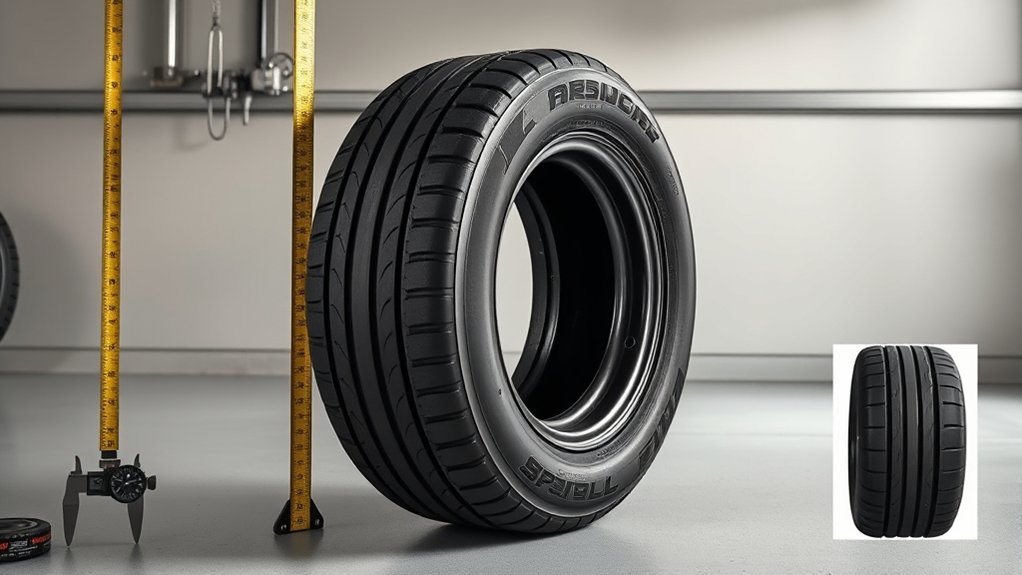
A 265 tire is 265 millimeters wide, or about 10.4 inches, and its actual height depends on the full size code. For example, a 265/70R17 measures about 31.6 inches tall, with a 7.3-inch sidewall and a 99.2-inch circumference. That means it’s just under a true 32-inch tire, not a 33. It can also affect speedometer accuracy, fitment, and clearance, so the exact size matters if you want to know more.
Key Takeaways
- A 265/70R17 tire is about 31.6 inches tall, so it’s closer to a 32-inch tire than a true 33-inch tire.
- Its width is 265 mm, or roughly 10.4 inches, which affects clearance, steering feel, and stability.
- The sidewall height is about 7.3 inches, since the 70 aspect ratio means the sidewall is 70% of the tire width.
- Each 265/70R17 tire turns about 638 revolutions per mile, which can slightly change speedometer readings.
- Fitment depends on wheel well space, offset, and suspension travel, and larger tires may require calibration or re-gearing.
What Is a 265 Tire Size?
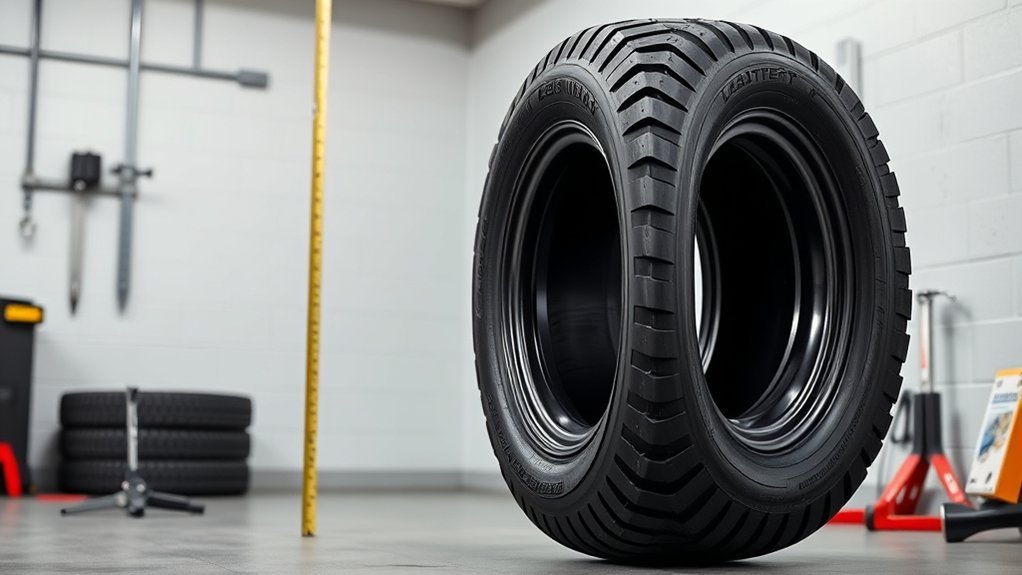
A 265 tire size tells you the tire is 265 millimeters wide, which is about 10.4 inches, and its aspect ratio shows how tall the sidewall is relative to that width. When you read the Tire Size, you’re looking at a coded spec, not guesswork, so you can choose fitment with confidence. In a 265/70R17, the 70 means the sidewall height equals 70% of the width, or about 7.3 inches. The R17 part tells you it’s built for a 17-inch wheel, though other compatible rims may work. You also need to track Overall Diameter, because it shapes handling, gearing, and speedometer accuracy. For this size, the diameter is about 31.6 inches, and the tire turns roughly 638 revolutions per mile. This allows for better tire selection based on performance without relying on vague claims.
How Big Is a 265 Tire in Inches?
How big is a 265 tire in inches? You’re looking at an overall diameter of about 31.6 inches when the tire uses a 70 aspect ratio. That means the tire spans a little over 2.6 feet from top to bottom. The section width measures about 10.4 inches, so you get a broad footprint that supports load and grip without excess bulk. The sidewall height comes to roughly 7.3 inches, which helps you judge fitment against fenders, suspension parts, and brake clearance. Around the tire, the circumference is about 99.2 inches, so each revolution covers just over 8 feet. That also means you’ll see about 638 revolutions per mile, a useful number when you’re checking speedometer behavior, tire wear, or fuel-use changes. With these measurements, you can choose fitment with confidence and keep your setup practical, efficient, and free from guesswork. Additionally, a well-chosen tire like the Fullway HP108 can enhance your driving experience with its reliable traction and comfort.
265 Tire Width, Sidewall, and Diameter Explained
When you break down a 265 tire, the width comes first: 265 millimeters is about 10.4 inches across, giving you a clear idea of its footprint on the road. That width works with the aspect ratio to set your sidewall height, which lands at roughly 7.3 inches, or 185.5 mm, on a 265/70 tire. You can use that figure to judge ride feel, clearance, and how much sidewall flex you’ll get under load. Add the sidewalls top and bottom, and the tire diameter reaches about 31.6 inches, or 802.8 mm. That tire diameter matters because it sets your rolling height, affects speedometer readings, and changes how your vehicle responds. The tire’s circumference is about 99.2 inches, so it turns roughly 638 times per mile. That rotation count influences wear, efficiency, and how your setup performs when you want control and independence. Additionally, the hydroplaning resistance of a tire is crucial for safety, especially in wet conditions.
Is a 265 Tire a 33-Inch Tire?
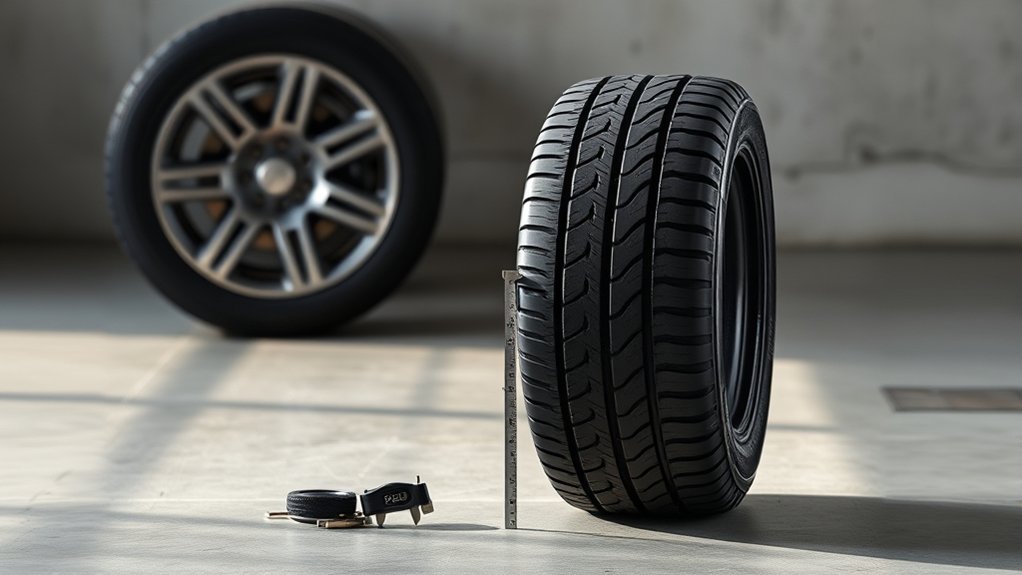
A 265/70R17 tire measures about 31.6 inches in overall diameter, so you’re closer to a 32-inch tire than a true 33-inch tire. You may hear it called a 33-inch tire, but that label usually applies more accurately to sizes like a 285/70R17, which is about 32.7 inches tall. That real-world size difference affects fitment, clearance, and speedometer accuracy, so you should compare actual diameter instead of relying on the label. Additionally, choosing the right tire size is crucial for optimal handling characteristics when selecting tires for vehicles like the 2023 Toyota RAV4.
265 Tire Diameter
The 265 tire’s overall diameter is typically about 31.6 inches, so it’s closer to a 32-inch tire than a true 33-inch tire. When you read tire sizes, the 265 marks width, not wheel diameter: it equals about 10.4 inches across. With a common 70 aspect ratio, you get a sidewall height near 7.3 inches, which shapes the final diameter. That measurement matters when you calibrate your speedometer, check fitment, or compare vehicle performance. If you need more ground clearance or a taller stance, you’ll want a larger tire spec, like a 285/70R17, which runs about 32.8 inches. Knowing the real diameter helps you choose confidently, without letting marketing shorthand define your setup.
33-Inch Tire Comparison
No, a 265/70R17 isn’t a true 33-inch tire, even though people often group it with that size range. You’re looking at about 31.6 inches of overall diameter, so it sits closer to a 32-inch Tire than a 33-inch tire. Compare it here:
| Size | Diameter | Width |
|---|---|---|
| 265/70R17 | 31.6 in | 10.4 in |
| 285/70R17 | 32.7 in | 11.2 in |
| 33-inch tire | ~33.0 in | varies |
That difference matters when you want precise fitment, speedometer accuracy, and predictable handling. If you’re choosing for freedom on the road or trail, know that the 265 delivers a smaller footprint than a true 33-inch tire, so it won’t match the larger category exactly.
Real-World Size Difference
Even though a 265/70R17 is often discussed alongside 33-inch tires, it doesn’t actually measure a true 33 inches. You’re looking at an overall diameter of about 31.6 inches, so it fits closer to a 32-inch tire in real-world use. Its 265 mm width gives you roughly 10.4 inches of tread, which creates a stable contact patch for traction. The 70 aspect ratio means the sidewall equals 70% of the width, or about 7.3 inches tall. That geometry affects ride height, gearing, and clearance. If you compare it with a 285/70R17, you’ll see why larger tires get the 33-inch label more often: that tire measures about 32.7 inches. So, for precise fitment, treat the 265 as a strong 32-inch option.
265 Tire Sizes by Rim Diameter
A 265 tire is about 10.4 inches wide, and its overall diameter changes with rim size even when the width stays the same. When you compare tire sizes, the sidewall shrinks as rim diameter grows, so you can match fitment without changing tread width. A 265/70R17 uses a 17-inch rim and measures about 31.6 inches tall, with a sidewall near 7.3 inches. Move to an 18-inch rim, and a 265/65R18 keeps the same 10.4-inch width while staying about 31.6 inches in diameter. On a 20-inch rim, a 265/60R20 comes in at roughly 31.5 inches tall and still holds that same width. This gives you practical freedom: you can choose wheel size for stance, clearance, or braking space while keeping the tire footprint consistent. Use rim diameter as your main reference, then verify overall diameter before you buy. Additionally, tire performance in rain and snow is a crucial factor to consider when selecting the right tire for your vehicle.
How a 265 Tire Changes Speedometer Readings
When you install a 265 tire, especially a 265/70R17 with an overall diameter of about 31.6 inches, your speedometer can read slightly fast because the tire covers more ground per revolution. That bigger circumference means fewer rotations per mile, so the vehicle’s stock calibration assumes more wheel turns than you’re actually making. In practice, you’ll often see a 3-4% error. At an indicated 65 mph, you may really be moving about 67-68 mph. The 265/70R17 turns roughly 638 revolutions per mile, which changes the signal your speed sensor and odometer use. If you want precise readings, speedometer calibration can correct the offset. In some setups, gear ratios also need adjustment to keep drivetrain behavior and display data aligned. With the right correction, you keep control, avoid guesswork, and match your dash to the road. Additionally, using the correct tire size can enhance all-season performance, ensuring optimal handling and safety across various driving conditions.
What to Check Before Installing 265 Tires
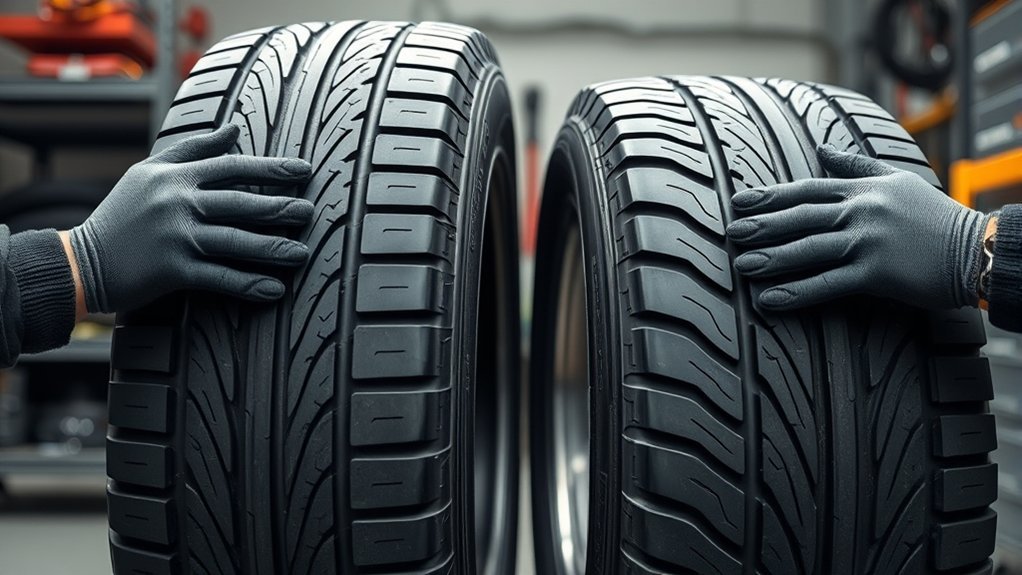
Before you install 265 tires, check your vehicle’s fitment limits against the manufacturer’s recommended sizes and confirm that the tire’s approximate 31.6-inch overall diameter will clear the wheel well without rubbing. Compare the 10.4-inch width to your stock tires, because added section width can change steering feel, stability, and clearance at full lock. Inspect suspension travel, wheel offset, and inner fender space, especially if you drive off-road or load the vehicle heavily. Verify speedometer accuracy too; larger tires can make readings run 3–4% low, so your indicated speed may no longer match reality. If you rely on crisp acceleration or tow, evaluate whether re-gearing differentials makes sense, since taller tires can blunt low-end torque. Additionally, consider the impact of off-road capability on your tire choice, as it can greatly enhance your driving experience. Do this work before you buy, and you’ll keep control, protect components, and choose tires that fit your goals rather than forcing your vehicle to adapt.
Frequently Asked Questions
Is a 265 Tire the Same as a 31?
No, you can’t treat a 265 tire as the same as a 31. In tire width comparison, 265 refers to about 10.4 inches wide, while a 31-inch tire means overall diameter. A 265/70R17 usually measures about 31.6 inches, so it’s closer to a 32. For off road performance, you should verify exact specs, because manufacturer variation can change fitment, gearing, and clearance.
Is a 265 or 275 Tire Better?
Neither’s universally better; you choose the one that fits your road. Like a knight picking armor, you’ll trade speed for shield. A 265 tire usually gives you better fuel efficiency, easier fitment, and lighter steering. A 275 tire boosts tire performance with more traction and stability, especially under load or off-road. If you want efficiency and simpler installation, pick 265; if you want grip, pick 275.
Is a 285 Taller Than a 265 Tire?
Yes, a 285 tire’s taller than a 265 tire. In a tire width comparison, you’re looking at 285 mm versus 265 mm, and the 285 also usually has about 1.1 inches more diameter in common 70-series sizes. That means you’ll gain ground clearance and may improve off road performance. You should also expect slight speedometer error and possible fitment changes, so measure your wheel well before you upgrade.
Are 265 Tires the Same as 32?
No, you’re not getting an exact 32-inch tire with most 265s. You’ll see that a 265/70R17 usually measures about 31.6 inches in diameter, so it’s close, but not equal. When you check tire specifications, use size conversions instead of the label alone. That way, you’ll choose the fit that serves your build, your clearance, and your freedom to run the setup you want without guesswork or compromise.
Conclusion
In the end, a 265 tire gives you a clear, measurable change in stance, grip, and ground clearance. You can picture that wider footprint meeting the road like a firm hand on pavement. Before you install one, check rim fitment, clearance, and speedometer impact so you don’t create rubbing or inaccurate readings. When you choose the right size, you’ll get the look and performance you want without sacrificing safety or precision.

Related Articles

Are Tire Caps Universal? Expert Facts & Complete Answer
I’ll explain whether tire caps are truly universal, what fits most vehicles, and which small details could save you from costly tire trouble.
Read More
What Is Tire Diameter? How to Find & Calculate It Easily
I’ll show you what tire diameter means and how to calculate it, so you can avoid fitment mistakes and speedometer surprises.
Read More
What Is a 305 Tire in Inches? Easy Size Conversion Explained
Discover what a 305 tire really measures in inches—and why the wheel size could change everything you thought you knew.
Read More