
How Much Does a Car Tire Weigh? Complete Weight Guide by Type
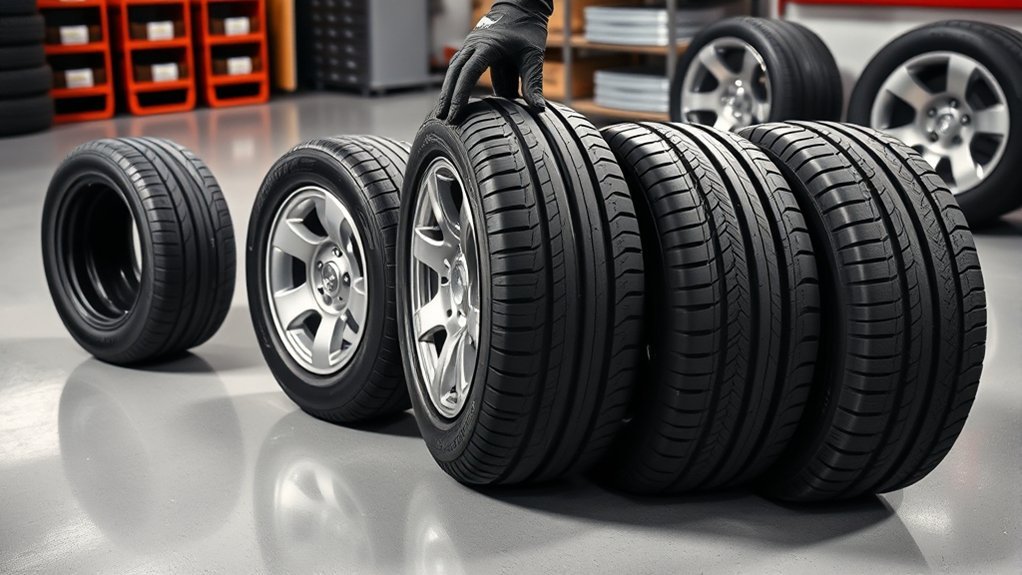
A typical car tire weighs 15 to 25 pounds, though newer passenger tires often land near 25 pounds. You’ll see higher weights as tire size, width, tread depth, and construction increase. SUV and light truck tires usually run 45 to 100 pounds, while motorcycle tires are far lighter. Extra tire mass can raise rolling resistance and reduce efficiency. If you want exact specs, check the manufacturer’s data, and the details get more interesting from there.
Key Takeaways
- Most passenger car tires weigh about 15 to 25 pounds, with newer larger models often near 25 pounds.
- Light truck and SUV tires are much heavier, typically weighing 45 to 100 pounds each.
- Tire weight increases with size, width, construction materials, and aggressive tread depth.
- Heavier tires can reduce fuel economy, braking, and acceleration by increasing rolling resistance and rotational mass.
- Check manufacturer specs or technical sheets for exact tire weight, and remember rims add another 20 to 30 pounds.
What Is the Average Car Tire Weight?
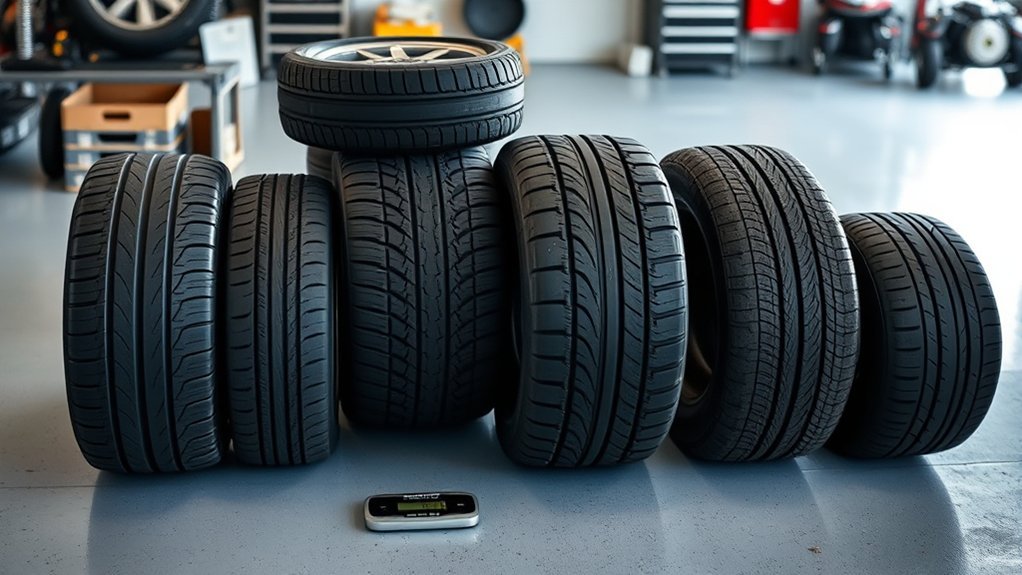
A typical passenger car tire weighs about 15 to 25 pounds, with many newer models clustering closer to 25 pounds as tire sizes have increased. You can treat that as the average weight for most passenger car tires, though tire weight varies across tire categories. Compared with passenger car tires, light truck tires and SUV tires usually weigh far more, often 45 to 100 pounds, because they’re built for higher load ratings and more robust tire construction. Those weight differences matter because extra rotating mass can reduce fuel efficiency and change vehicle response. Tire manufacturers balance strength, tread depth, and casing design to meet performance targets while keeping weight controlled. In practical terms, you gain the most freedom to choose when you match tire construction to your actual driving needs, rather than assuming every tire carries the same mass. If you’re comparing replacements, check the listed weight before buying; it’s a precise indicator of how a tire will behave on the road. Additionally, premium all-season tires are designed to enhance comfort and safety for specific vehicle types.
What Factors Affect Car Tire Weight?
Car tire weight is driven mainly by size, width, and construction, since larger tires use more material and consequently weigh more. You’ll see tire weight rise as tire size and section width increase, because the casing, belts, and sidewalls must support more load. Tire construction matters too: steel, fabric, natural rubber, and synthetic rubber each add to overall weight in different proportions. Tread design also shifts the total; deeper grooves and aggressive patterns need extra rubber and reinforcement, so they don’t stay light. A passenger car tire usually lands near 15-25 pounds, while truck tires and other heavy-duty tire types can reach far higher ranges. If you want lightweight tires, you’re really looking for advanced materials and optimized tire construction that reduce mass without sacrificing durability or grip. In practice, every design choice changes tire weight, so you should compare specifications, not assumptions, when judging overall weight. Additionally, Tread design can significantly influence the overall performance and efficiency of the tire, affecting both weight and handling characteristics.
Car Tire Weight by Vehicle Type
Car tire weight varies sharply by vehicle type, and the differences are driven by load demand, size, and construction. If you’re comparing a passenger car tire with SUV tires or light truck tires, expect a major jump in tire weights.
| Vehicle type | Typical tire weight |
|---|---|
| Passenger car tire | 15-25 lb |
| SUV tires | 45-100 lb |
| Motorcycle tires | 8-30 lb |
| Specialty tires | 5-10 lb |
You’ll notice compact and sedan tires now average near 25 pounds as sizes grow. Motorcycle tires stay lighter to preserve agile handling. Specialty tires for golf carts and lawn mowers remain minimal because they carry little load. At the far end, monster truck tires can reach 800-900 pounds, showing how extreme design changes tire weight. For you, this spread matters because tire weights also relate to fuel economy and rolling resistance. Heavier builds usually mean more material, more strength, and less freedom from drag, while lighter designs support efficient motion. Additionally, understanding tire performance in rain and snow can help you choose the right tire for various weather conditions.
How Tire Weight Affects Performance?
Heavier tires can raise rolling resistance, so you may see fuel economy drop by roughly 1–2% for every extra 10 pounds of tire weight. That means tire weight affects your fuel consumption directly, especially when tire construction adds mass without offsetting it elsewhere. When you choose heavier tires, you also load the suspension more, and braking performance can fall about 1% per 10 pounds added. Acceleration performance suffers too; shedding 12 pounds of wheel weight can cut 0-60 mph time by about 0.29 seconds. By contrast, lighter tires reduce rotating mass, let the suspension react faster, and improve vehicle handling because the contact patch can track the road surface sooner. You’ll also gain efficiency without sacrificing control. The best performance comes from balancing grip, stability, and mass. If you want liberated driving, prioritize lighter tires when road conditions allow, and reserve heavier tires for the traction and stability you actually need. Additionally, tire performance ratings can help you make informed decisions based on your driving needs and conditions.
How to Find a Tire’s Weight Specs?
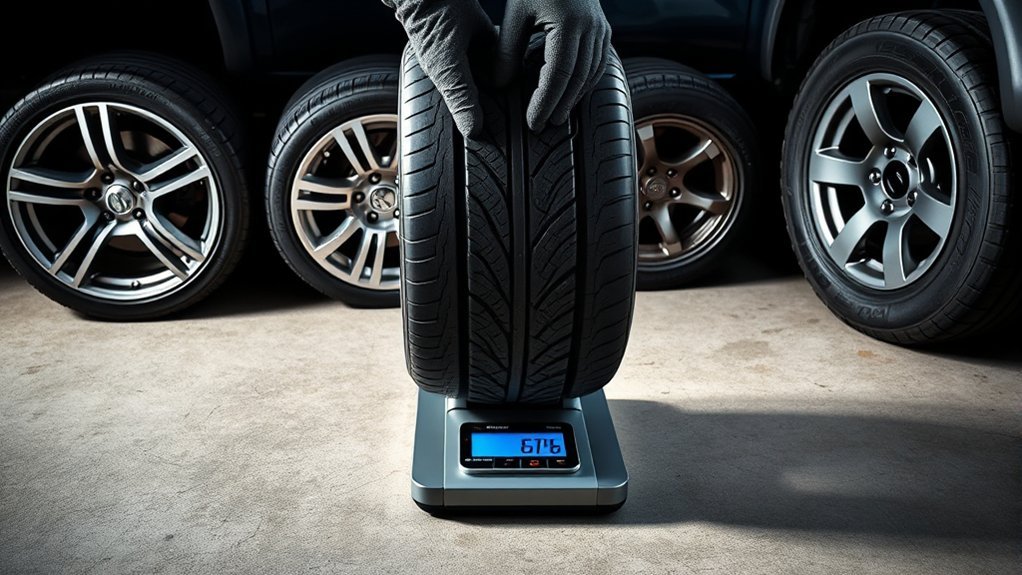
To find a tire’s weight specs, start with the manufacturer’s website and match the product number or DOT serial number on the sidewall to the listed specification. You’ll usually find tire data in the technical sheet, where the manufacturer publishes weight, load rating, and tire construction details. If you need a quick field check, use professional corner scales for precise tire weighing; a quality bathroom scale can give you a rough estimate for one tire. For a passenger car, the current average tire weight is about 25 pounds, but design changes can shift that figure. Always separate tire-only weight from tire-with-rim weight, because a rim often adds 20 to 30 pounds. Updated industry averages, including studies by Liberty Tire Recycling LLC, help you compare specifications more accurately and make informed, independent decisions about your vehicle’s setup and weight balance. Additionally, consider the UTQG rating for insights into tire durability and performance as it can impact overall vehicle handling.
Frequently Asked Questions
How Much Does a 20 Inch Car Tire Weigh?
A 20-inch car tire usually weighs 25 to 35 pounds; SUV or light-truck versions can reach 40 pounds or more. You can use a tire weight comparison to judge 20 inch specifications, because tire materials explained, tread depth significance, and weight distribution factors all shift mass. Performance tires overview and all season benefits often weigh less, while off road tires weigh more. Check tire pressure importance and apply tire maintenance tips.
How Much Does a 17 Inch Tire Weigh?
A 17-inch tire usually weighs 20 to 25 pounds, but you’ll see weight variations by tire brands, tire materials, and tread design. If you choose SUV or light-truck models, expect 30 to 40 pounds for higher load capacity and safety considerations. Your tire maintenance, performance impact, price differences, environmental effects, and production processes all shape the final mass. With rim, you’re often handling 35 to 55 pounds total.
How Many Tires Equal 1 Ton?
About 80 passenger tires equal 1 ton, though you’ll need fewer or more depending on tire material, weight distribution, and load capacity. Tire pressure, tire brands, and tire maintenance all affect actual mass and tire safety. You’ll see about 57 light truck tires, 22 to 45 SUV tires, or 67 to 250 motorcycle tires per ton. Tire replacement choices also shape environmental impact and tire recycling outcomes.
How Heavy Is a 40 Inch Tire?
A 40-inch tire usually weighs 100 to 150 pounds—because, naturally, freedom comes with a little bulk. You’ll see lighter performance options near 100 pounds, while off road tires with tougher tire materials, stronger tire construction, and aggressive tread patterns push higher. Tire pressure, tire maintenance, tire lifespan, weight distribution, tire brands, and load capacity all shape the final number. For trucks and SUVs, that mass changes handling, braking, and fuel efficiency.
Conclusion
In the end, you can see that a tire’s weight isn’t just a tiny spec—it can swing performance like a wrecking ball. A few pounds here or there can change acceleration, fuel use, handling, and even ride feel in surprisingly big ways. So, when you’re comparing tires, don’t guess. Check the numbers, match them to your vehicle, and choose with precision. That’s how you keep your car balanced, efficient, and ready for the road.

Related Articles
How Much Does a Semi Truck Tire Weigh? Exact Weight Guide
Know the exact weight of a semi truck tire, from standard steer tires to heavy-duty options, and discover what changes it next.
Read More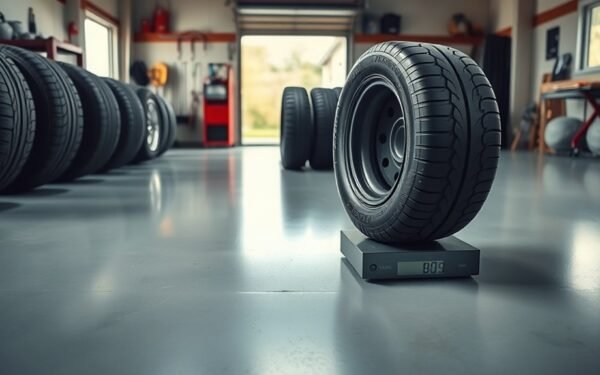
How Much Does a Car Tire Weigh? Exact Weight Guide
Discover how much a car tire weighs and why the exact number depends on size, build, and vehicle type.
Read More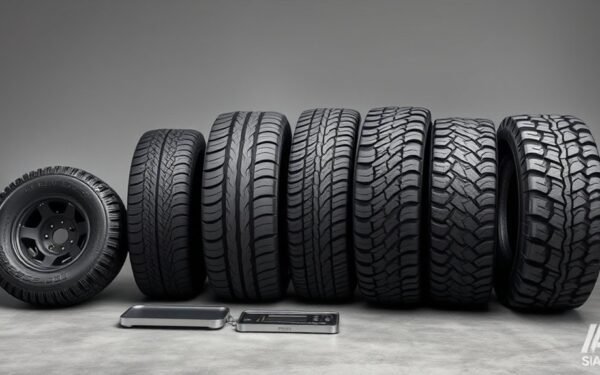
How Heavy Is a Car Tire? Average Weight by Size & Type
Just how heavy is a car tire? Find the average weight by size and type, and discover what else changes before you choose.
Read More