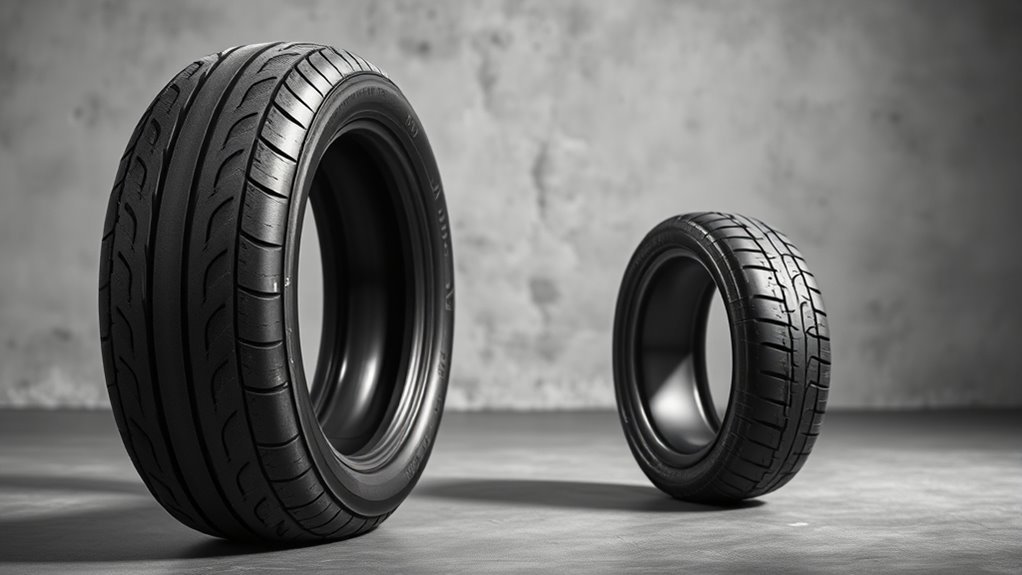
Can You Put a Car Tire on a Motorcycle?
A car tire may look like a cheaper, longer-lasting fix for your motorcycle, but the fit can change how your bike steers, leans, and stops. Motorcycle tires and car tires use different shapes, bead designs, and sidewall behavior because they handle loads in different ways. This guide explains why the swap creates risk, what to check before any fitment decision, and which safer tire choices protect your control on the road.
Quick Answer
You shouldn’t put a car tire on a motorcycle for normal road use. Car tires have a flatter tread profile and different bead shape, so they can change lean behavior, steering feel, and rim fit. Use motorcycle-specific tires that match your bike’s size, load rating, speed rating, and rim design.
Key Takeaways
- Use motorcycle-specific tires because they support lean angles and side loads better than car tires.
- Check rim width, bead seat shape, load rating, and speed rating before you mount any tire.
- A car tire can make steering slower, cornering less predictable, and emergency handling less stable.
- Ask a trained motorcycle tire installer to inspect fitment, clearance, balance, and torque settings.
- Review local rules and your insurance policy before you use any non-standard tire setup.
Can You Put a Car Tire on a Motorcycle? Quick Answer and Checklist
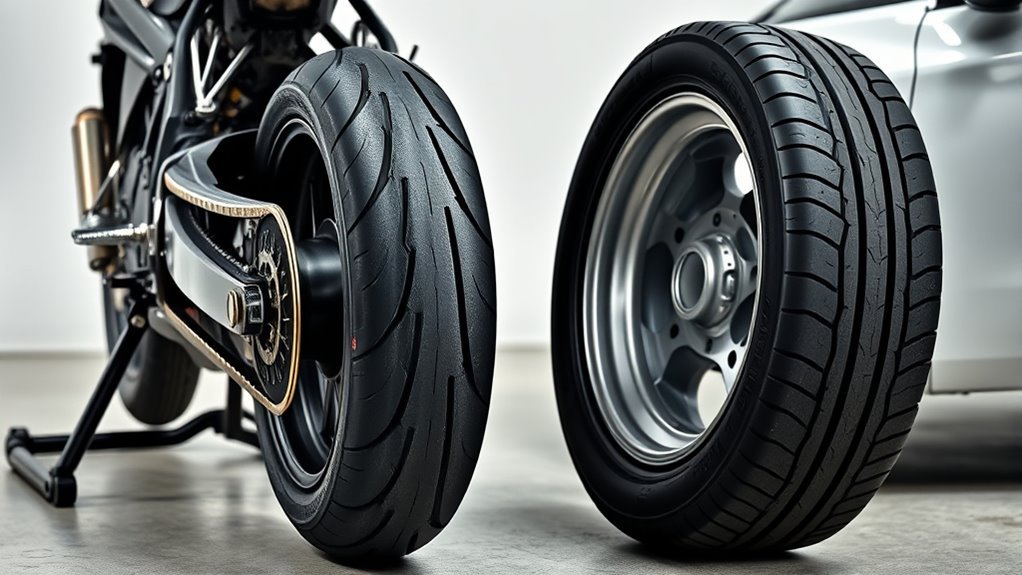
You can’t assume a car tire will fit or work safely on your motorcycle. Tire compatibility depends on the tire profile, bead seating, rim size, load rating, speed rating, and legal compliance.
Motorcycle tires use a rounded profile that helps the contact patch move as you lean. Car tires use a flatter profile that favors upright stability on four wheels. That difference can reduce cornering feel and make the bike respond in ways you don’t expect.
- Check your owner’s manual for the exact tire size, load rating, and speed rating.
- Review local laws and your insurance policy before you use a non-standard tire.
- Inspect rim width, bead shape, valve placement, and sidewall clearance.
- Compare the tire’s load rating with the motorcycle’s gross vehicle weight rating.
- Test steering, braking, and stability only in a controlled, low-risk setting.
Warning: A poor bead fit or tire mismatch can cause air loss, unstable handling, or tire failure while you ride.
Rim and Bead Differences: Motorcycle vs Car Tires
Rim and bead geometry decide how well a tire seats, seals, and stays in place under load. Motorcycle and car rims follow different design goals, so a tire that fits by diameter alone may still seat poorly.
Rim and bead geometry control tire seating, sealing, and stability under side loads.
Motorcycle rims often use bead seat and flange shapes that differ from passenger car rims. The exact measurements vary by wheel standard, rim type, and tire size, so you should confirm them with the motorcycle maker, tire maker, or a trained installer.
- Bead interface: The bead must match the rim seat shape so the tire seals and resists movement.
- Flange shape: The rim flange helps hold the tire bead in place during cornering and braking loads.
- Rim tolerance: Small size differences can affect mounting pressure, sealing, and long-term reliability.
Don’t rely on appearance alone. A tire can look mounted and still place the bead under stress the rim design does not support.
How Tire Construction Changes Motorcycle Handling
Tire construction changes how your motorcycle leans, steers, and grips. A rounded motorcycle tire helps the contact patch shift smoothly as lean angle increases.
Sidewall stiffness also affects how the bike feels. Motorcycle tire sidewalls work with the suspension and frame, so they help transfer load during braking, acceleration, and cornering.
Car tires use a flatter tread and different sidewall behavior because cars usually stay upright. On a motorcycle, that shape can make turn-in feel heavy, change the contact patch at lean, and reduce clear feedback through the bars.
Some motorcycle tires use multiple rubber compounds across the tread. That design can balance center-tread wear with shoulder grip when you lean into turns.
[Products Worth Considering]

The Topeak SmartGauge D2 delivers precise digital tire pressure readings for bikes, motorcycles, and sports equipment up to 250 psi (17 bar). Its rotating SmartHead works with both Presta and Schrader valves, so you can check pressure quickly without adapters. The LCD display makes it easy to read results in psi, bar, or kg/cm² with an included CR2032 battery for immediate use.

Malco tire mounting and demounting lubricant is a ready-to-use tire lube formulated to reduce friction during tire installation for passenger cars, light trucks, farm tires, and heavy-duty equipment. It provides rust-inhibiting protection to help reduce corrosion on rims and wheels, and helps support proper tire bead seating during inflation to reduce air leakage. The silicone-free, soap-free formula is whitewall safe to help prevent discoloration on whitewall tires and sensitive sidewall markings.

Measure tire tread depth quickly and accurately with this LUMITECO dial gauge that reads in 1/32" increments up to 14/32". The color-coded green/yellow/red zones make it easy to judge tire wear and know when replacement is needed. A rugged, compact design with a protective pouch helps keep the gauge ready for use on cars, trucks, motorcycles, and more.
Safety, Legal, and Insurance Risks of Tire Conversions
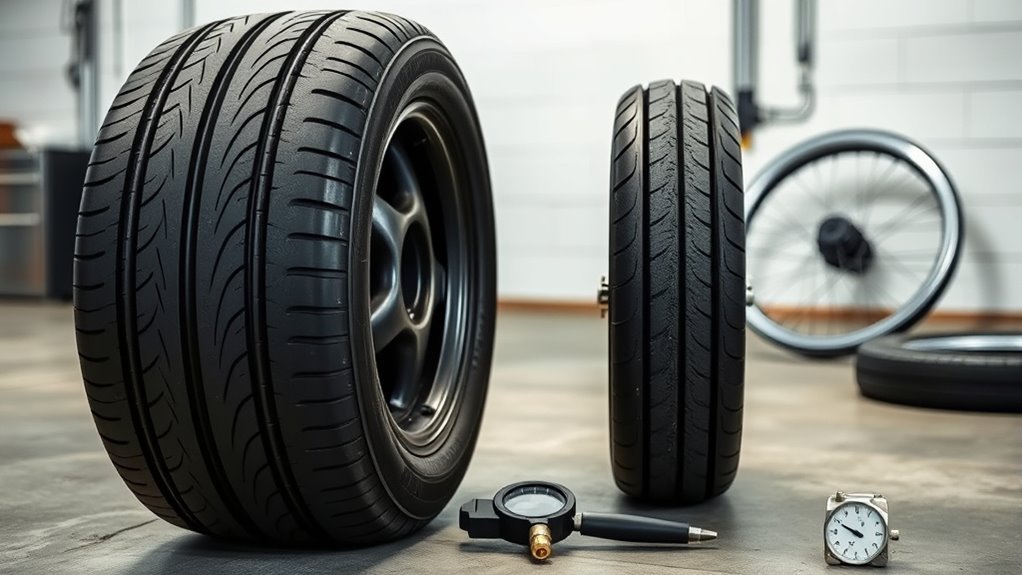
When you fit a car tire to a motorcycle, you change the vehicle’s contact patch and load behavior. That change can affect grip, steering response, braking stability, and emergency control.
Many motorcycle manufacturers specify tire sizes and ratings for safe handling. If you use a non-specified tire, you may risk warranty issues, inspection problems, insurance disputes, or legal liability after a crash.
- Safety risk: You may lose predictable cornering grip and steering feedback.
- Legal risk: Your area may restrict or reject non-standard tire fitments during inspection.
- Insurance risk: Your insurer may question a claim if the tire choice contributed to the crash.
Read your owner’s manual, check your local vehicle rules, and ask your insurer before you make a non-standard change.
Measure and Test: A Step-by-Step Fitment and Ride-Check Guide
If you still want to evaluate a non-standard tire, treat fitment as a safety process, not a guess. Use the steps below with a qualified motorcycle technician.
- Check the motorcycle manual. Confirm the approved tire size, rim size, load rating, and speed rating.
- Measure the rim. Record rim diameter, rim width, bead seat shape, and valve position.
- Compare tire specifications. Match the tire’s ratings against the motorcycle’s weight, speed, and rim requirements.
- Inspect clearance. Check the swingarm, chain or belt, fender, brake parts, and full suspension travel.
- Verify bead seating. Confirm the bead seats evenly and holds pressure without stress or air loss.
- Balance the wheel. Use motorcycle-appropriate balancing equipment and torque all fasteners to spec.
- Perform a slow ride check. Test low-speed steering, braking, and straight-line stability in a controlled area.
- Stop if the bike feels wrong. Do not keep riding through wobble, rubbing, air loss, or unstable turn-in.
Pro tip: Keep a written record of tire size, pressure, clearance, balance, and ride notes after any tire change.
[Products Worth Considering]

Measure tyre tread depth precisely with a digital gauge that reads in both MM and inches, helping you monitor safe driving conditions. The large LCD screen is easy to operate, and the compact tool fits for cars, trucks, and motorcycles. It provides high accuracy with a 0-25.4mm range and includes a 1-year warranty for added peace of mind.
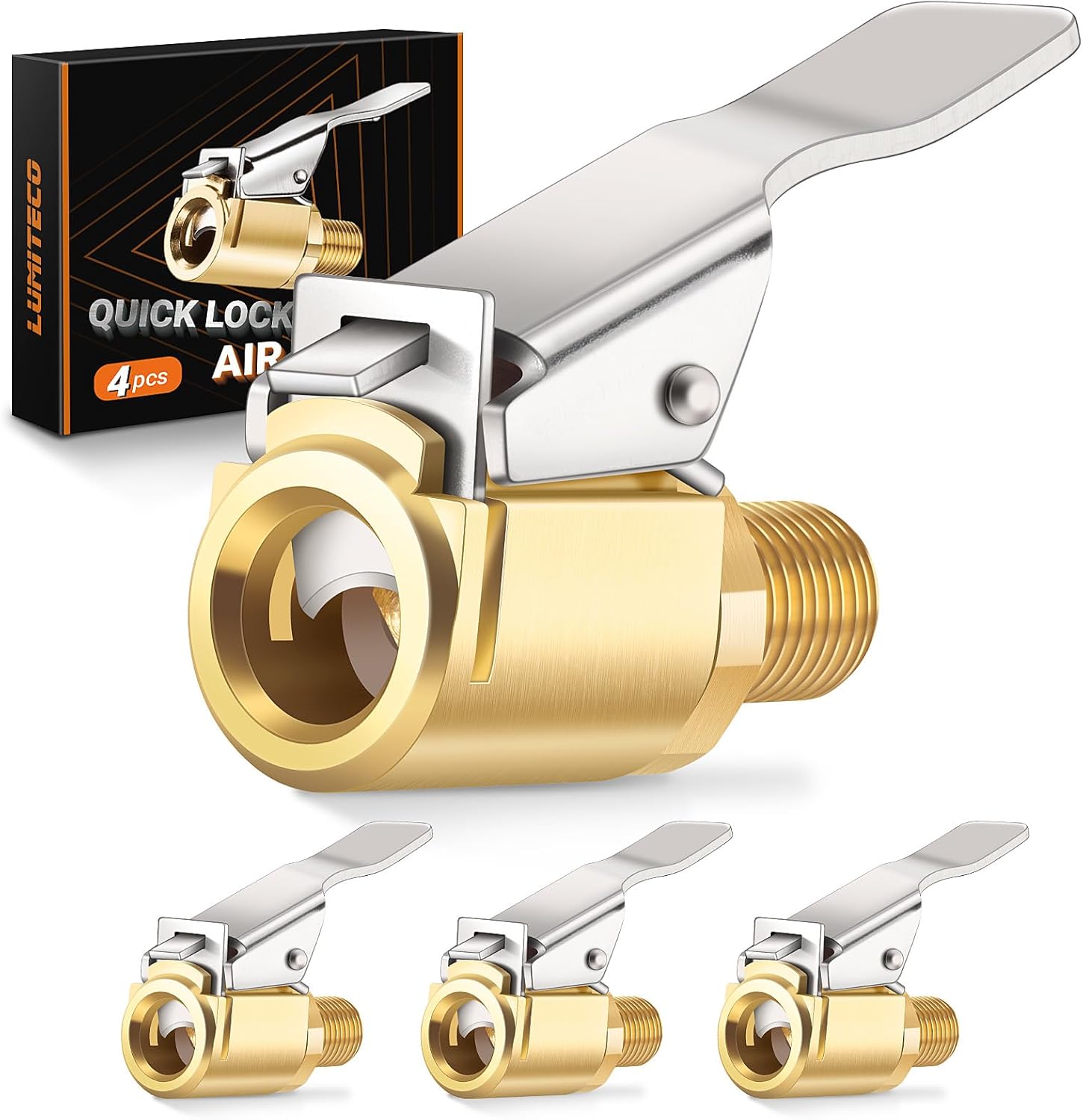
This brass air chuck adapter converts a screw-on inflator connection into a lock-on quick connect for hands-free, no-leak tire inflation. Clip the chuck onto Schrader valve stems and lock it in place to simplify inflating car, bike, and motorcycle tires. Built for durability with a corrosion-resistant brass body and strong quick operation.

The SAFELIFE dial tire tread depth gauge measures tread depth in 1/32 inch increments with clear, easy-to-read 2-inch dial face. Color zones using a traffic light system help you quickly judge whether tread is low, marginal, or ample for safer driving. Built with a durable zinc cast body and a metal detect probe for precise, comfortable use across cars, motorcycles, trucks, and buses.
Safer Alternatives and Recommended Tire Choices
Choose purpose-built motorcycle tires that match the size and ratings your manufacturer lists. This protects handling, stability, braking, and load capacity.
Don’t choose a car tire only for longer tread life or lower cost. The wrong tire can reduce the control you need most during cornering or emergency braking.
[Products Worth Considering]

Monitor tire tread wear with a smart, color-coded depth gauge that shows clear condition ranges at a glance. The bar is range marked for fast, easy readings, helping you maintain safer traction and performance. Each gauge is portable with a pocket clip, and the set includes 20 units for daily use and sharing.

Accurately measure tire tread depth with a calibrated gauge marked from 0 to 1 inch in 1/32 inch increments. The color-coded bar helps you quickly identify tread condition ranges, supporting safe driving for trucks, motorcycles, automobiles, and passenger vehicles.

This professional wheel and rim cleaning brush set lifts brake dust, grime, and dirt with soft, scratch-free microfiber and synthetic wool fibers. The rim brush bends up to 360 degrees for easy access to hard-to-reach areas around spokes, lips, and faces. Ideal for thorough cleaning of car, truck, motorcycle, bicycle, RV, and more wheel and tire surfaces.
Choose Purpose-Built Tires
Motorcycle tires use shapes, compounds, and carcass designs made for leaning vehicles. Those features help the tire keep a more useful contact patch as you corner.
- Rounded profile: Supports smooth lean and predictable steering.
- Motorcycle rubber compound: Balances grip, heat behavior, and tread life for two-wheel use.
- Matched bead and sidewall design: Helps the tire seat correctly and handle motorcycle-specific loads.
Prioritize Motorcycle-Specific Fitment
Fitment affects safety as much as tread depth. Match the tire to your wheel dimensions, bead seat profile, load rating, speed rating, and riding conditions.
Use the size and specification your motorcycle maker lists unless a qualified tire professional approves an equivalent option. A close-looking tire can still change turn-in, mid-corner stability, and braking feel.
Consult Professional Installation
A trained motorcycle tire technician can mount, balance, and inspect the tire with the right tools. That check helps you avoid bead damage, poor seating, clearance problems, and incorrect fastener torque.
- Ask the technician to confirm tire size, rim width, load rating, and speed rating.
- Request dynamic balancing and a final pressure check.
- Confirm swingarm, fender, brake, chain, belt, and suspension clearance.
What Does the Dark Side Mean for Motorcycle Tires?
Some riders call car-tire motorcycle use “the dark side.” The phrase usually refers to fitting a passenger car tire on the rear wheel of a motorcycle, often to seek longer tread life.
Anecdotes about mileage don’t prove safe fitment. Your tire still needs to match the rim, handle lean loads, and meet legal and insurance requirements.
When Should You Replace a Motorcycle Tire Instead?
Replace your motorcycle tire when the tread reaches the legal wear limit, the rubber cracks, the tire shows bulges, or the tire loses pressure without a clear fix. Replace it sooner if handling feels vague or the tire has damage from a puncture, impact, or improper mounting.
Age also matters. Check the tire date code and follow the tire maker’s service guidance, especially if the bike sits for long periods.
Frequently Asked Questions
What’s the Difference Between Motorcycle Tires and Car Tires?
Motorcycle tires use a rounded profile so the bike can lean and still keep predictable grip. Car tires use a flatter tread because cars carry load across four upright wheels.
Are Motorcycle Tires the Same Size?
No. Motorcycle tire sizes vary by rim diameter, rim width, load rating, speed rating, construction, and riding use. Use the size listed in your owner’s manual unless a qualified professional approves an equivalent fitment.
Can a Car Tire Fit a Motorcycle Rim?
A car tire may appear to mount on some motorcycle rims, but appearance does not prove a safe bead fit. You need to verify rim design, bead seating, pressure retention, clearance, and handling before you ride.
Will a Car Tire Last Longer on a Motorcycle?
Some riders report longer tread life from car tires, but mileage alone does not make the swap safe. You should value handling, grip, fitment, and legal compliance over tread life claims.
Can a Car Tire Affect Motorcycle Insurance?
It can. If a non-standard tire contributes to a crash, an insurer may review the modification during the claim process. Ask your insurer before you ride with any non-specified tire setup.
Safety Disclaimer: This article gives general information only and does not replace advice from a qualified motorcycle technician, tire maker, insurer, or local vehicle authority. Always confirm tire fitment and legal requirements before you ride.
Conclusion
A car tire on a motorcycle can reduce the predictable handling you need most. Choose a motorcycle-specific tire that matches your bike’s size, load rating, speed rating, and rim design.
Before your next tire change, check the owner’s manual and have a trained motorcycle tire technician inspect the wheel. Safe fitment gives you better control, more confidence, and fewer avoidable risks on every ride.