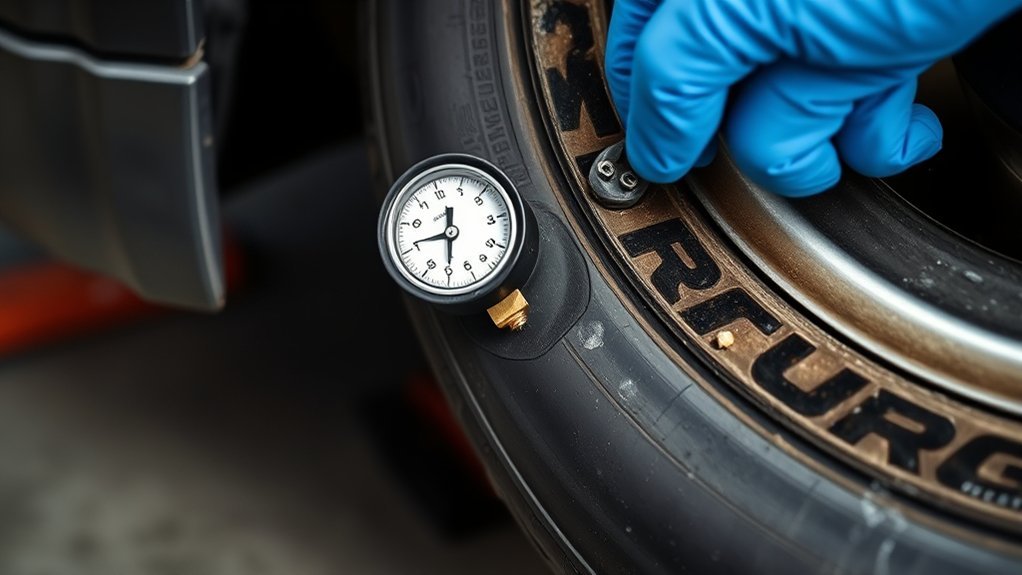
Your tire pressure keeps going down because air can escape slowly through normal rubber permeation, a valve stem, a puncture, a bead leak, or a damaged wheel. Temperature changes can also make pressure drop without a true leak. The right fix depends on whether one tire is losing air, all tires are low, or the warning light appears only on cold mornings.
Quick Answer
A tire usually keeps losing pressure because of normal air loss, cold weather, a puncture, a leaking valve stem, a bead-seal leak, rim corrosion, or wheel damage. Check pressure when the tires are cold, spray soapy water on the tread, valve, and rim edge, and repair the exact leak source.
Key Takeaways
- Tires can lose about 1 PSI per month from normal air permeation, even when nothing is visibly wrong.
- Cold weather can lower pressure by about 1 PSI for every 10°F drop in air temperature.
- If one tire loses air faster than the others, suspect a puncture, valve leak, bead leak, rim corrosion, or wheel damage.
- A soapy-water test can reveal bubbles at the tread, sidewall, valve stem, or rim bead.
- A proper permanent puncture repair usually requires removing the tire, inspecting the inside, and using a plug/patch repair in the tread area only.
At a Glance
| Time Required | 10–20 minutes to check at home; longer if the tire needs shop service. |
| Difficulty | Easy to diagnose; repair difficulty depends on the leak source. |
| Tools Needed | Tire pressure gauge, spray bottle, dish soap and water, chalk or tape, valve caps, and a flashlight. |
| Cost | Usually free to inspect at home; shop repair cost varies by tire damage, valve parts, wheel condition, and local labor. |
Why Do Tires Keep Losing Air?
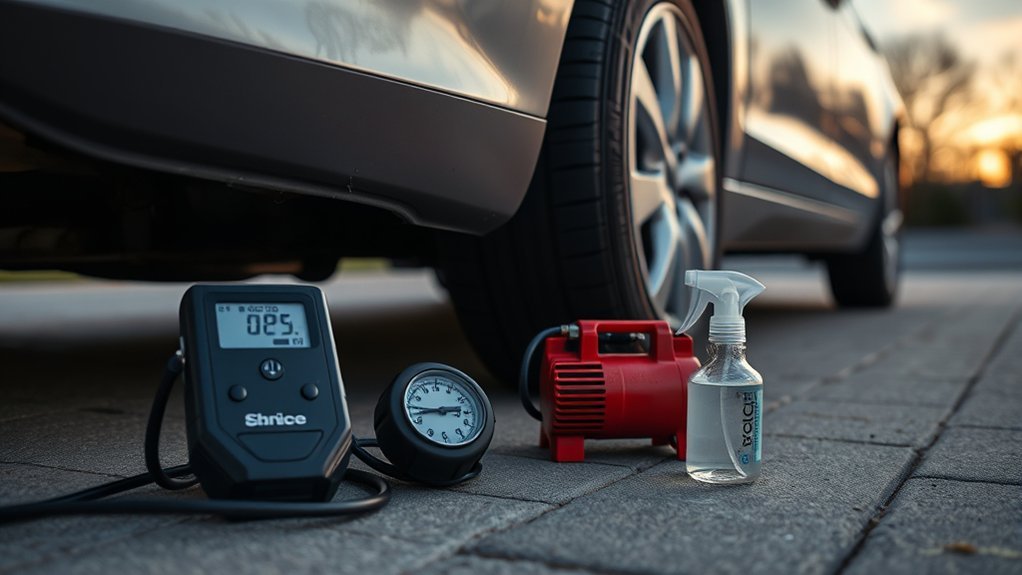
Tires lose air for two broad reasons: normal pressure change or an actual air leak. Normal loss happens slowly through the tire’s rubber and from temperature swings. A leak happens when air escapes through a puncture, valve stem, bead seal, rim, or damaged wheel.
The easiest clue is whether the problem affects one tire or all four. If all four tires are low after a cold night, temperature is probably part of the answer. If one tire keeps dropping faster than the others, treat it like a leak until you prove otherwise.
A healthy tire can still lose about 1 PSI per month, and pressure can change by about 1 PSI for every 10°F change in ambient temperature.
Start with the correct baseline. The proper PSI is the vehicle manufacturer’s recommended cold tire pressure on the driver’s door placard or in the owner’s manual. It is not the maximum pressure printed on the tire sidewall.
Cold Weather and Normal Tire Pressure Loss
Cold weather is one of the most common reasons your low tire pressure light appears in the morning. As air cools, it contracts, so the pressure inside the tire drops. As the tire warms during driving, the pressure rises again, which is why a warning light may turn off later in the day.
Cold Weather Pressure Drops
Expect pressure to drop by about 1 PSI for every 10°F decrease in temperature. For example, a tire set to 35 PSI at 70°F may read close to 32 PSI after a 30°F temperature drop. That does not always mean the tire is punctured, but it does mean you should check and adjust the pressure when the tires are cold.
Note: Check tire pressure when the vehicle has been parked for at least three hours, or before you drive more than a short distance. Warm tires can read several PSI higher than the true cold pressure.
Normal Tire Air Loss
Even without a puncture, tires are not perfectly airtight. Air molecules slowly pass through the tire’s inner liner and rubber structure. This is called permeation. A loss of about 1 PSI per month is common, but faster loss should be inspected.
| What You Notice | Likely Cause | What To Do |
|---|---|---|
| All four tires are slightly low | Normal air loss or cold weather | Set all tires to the door-placard PSI when cold. |
| One tire drops faster than the rest | Puncture, valve leak, bead leak, or rim issue | Do a soapy-water leak test and inspect the tire closely. |
| TPMS light appears on cold mornings | Marginally low pressure plus temperature drop | Check pressure cold instead of waiting for the light to turn off. |
| Tire goes low again within hours or days | Active leak | Avoid long drives and have the tire inspected or repaired. |
How Permeation and Valve Leaks Happen
Permeation is slow, normal air movement through the tire materials. It usually affects all tires gradually. A valve leak is different. The valve core, rubber stem, metal TPMS stem, seal, or cap area can wear, crack, loosen, or corrode.
Valve leaks can be hard to see because the tire may look normal. Spray soapy water around the valve tip and the valve base. If bubbles grow at the valve tip, the valve core may be loose or damaged. If bubbles form around the base, the valve stem or TPMS seal may need replacement.
Pro Tip: Do not ignore missing valve caps. The cap is not the main air seal, but it helps keep dirt and moisture away from the valve core, which can prevent future leaks.
How Wheel Damage Causes Tire Air Leaks
A tire seals against the wheel at the bead. If the wheel is bent, cracked, corroded, dirty, or poorly seated, the bead may not seal evenly. Air can then escape slowly from the rim edge even when the tread has no puncture.
Wheel-related leaks often show up after pothole impacts, curb hits, tire installation, seasonal tire changes, or long exposure to road salt. Low-profile tires can be more vulnerable because there is less sidewall height to absorb sharp impacts.
Look for dents, cracks, vibration, or repeated pressure loss after the tire has already been inflated. If the wheel is bent or cracked, do not rely on sealant as a long-term fix. Have the wheel inspected by a tire or wheel professional.
Spot Bead Leaks and Rim Corrosion
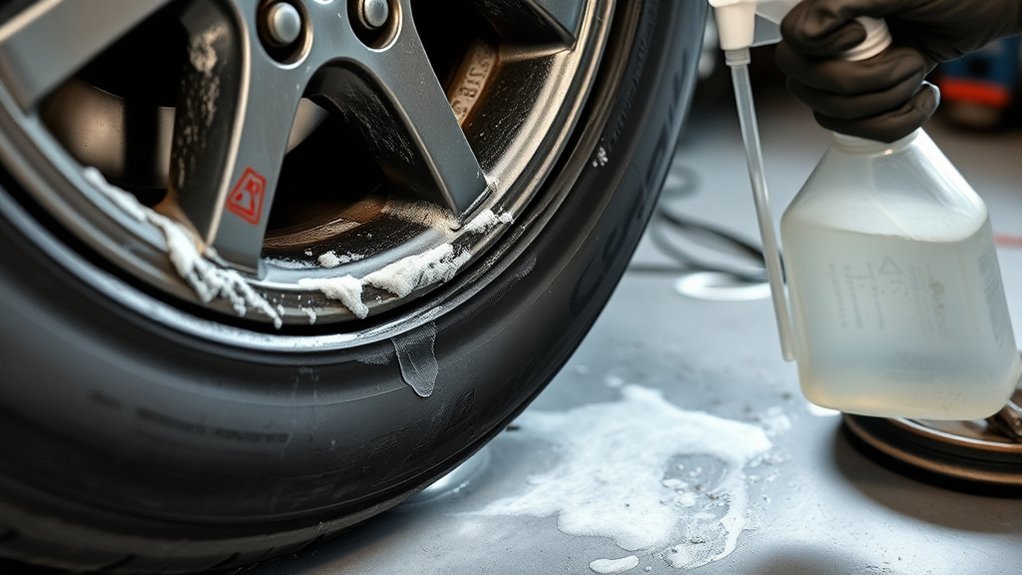
A bead leak happens where the tire bead meets the wheel. It may not leave a visible nail or cut. Instead, the tire slowly loses pressure from tiny gaps caused by corrosion, dirt, old bead sealer, poor mounting, or wheel damage.
Bead Leak Signs
- A tire loses air overnight or over a few days.
- No nail, screw, or tread puncture is visible.
- Soapy water makes bubbles along the rim edge.
- The leak started after a tire change, rotation, pothole hit, or curb impact.
Rim Corrosion Clues
Rim corrosion is common on wheels exposed to road salt, moisture, and age. Aluminum wheels may show white oxidation, pitting, or flaky buildup near the bead seat. Steel wheels may rust. Any rough surface at the bead can break the seal.
- White, chalky buildup along the rim edge
- Rust, pitting, or flaky metal near the bead area
- Bubbles at the tire-rim seam during a soap test
- Repeated leaks after reinflation
Seal Repair Options
Minor bead leaks may be fixed by demounting the tire, cleaning the bead seat, replacing the valve stem if needed, applying bead sealer where appropriate, and remounting the tire correctly. Severe corrosion, cracks, or bent wheels may require wheel repair or replacement.
Find a Tire Leak With Soap and Water
A soapy-water test is one of the simplest ways to find a slow tire leak. You are looking for bubbles that keep forming in one spot. Use this method on the tread, valve stem, sidewall, and rim edge.
- Park safely. Use a flat area away from traffic. Set the parking brake.
- Check the cold PSI. Inflate the tire to the vehicle’s recommended cold pressure if it is safe to do so.
- Mix soap and water. Add dish soap to water in a spray bottle.
- Spray the valve first. Spray the valve tip and valve base, then watch for growing bubbles.
- Spray the tread. Slowly roll the vehicle forward if needed so you can inspect the whole tread.
- Spray the bead area. Wet the tire-rim seam on both sides if accessible.
- Mark the leak. Use chalk or tape so the repair shop can find it quickly.
- Retest after repair. Reinflate, spray again, and confirm the bubbles are gone.
Warning: Do not drive far on a tire that is rapidly losing air, has a sidewall bulge, shows cords, has been driven flat, or keeps dropping after reinflation. Use the spare if your vehicle has one, or call roadside assistance.
[Products Worth Considering]

Malco tire mounting and demounting lubricant is a ready-to-use tire lube formulated to reduce friction during tire installation for passenger cars, light trucks, farm tires, and heavy-duty equipment. It provides rust-inhibiting protection to help reduce corrosion on rims and wheels, and helps support proper tire bead seating during inflation to reduce air leakage. The silicone-free, soap-free formula is whitewall safe to help prevent discoloration on whitewall tires and sensitive sidewall markings.

TireJect Off-Road Tire Sealant Kit provides 5-in-1 sealing to help fix tread punctures up to 3/8", sidewall punctures up to 3/8", bead leaks, slow leaks, and minor dry rot on low-speed tires. It permanently seals with liquid rubber, recycled tire particles, and Aramid fibers, making it ideal for flats caused by thorns, nails, and screws. The included dispensing cap attaches to the valve stem for a no-mess installation, along with a metal valve core remover tool and valve stem cap. This kit is for off-road use only.

These aluminum alloy tire valve stem caps protect the valve core from corrosion and help prevent air leakage for more stable tire pressure. The rubber ring design helps support a secure, safe seal while adding a stylish look to your Honda wheels. Easy to install by hand, these caps are ideal for everyday driving and weather exposure.
How to Fix a Tire That Keeps Losing Air
The right repair depends on where the air is escaping. Do not keep adding air without finding the cause. A tire that repeatedly runs low can overheat, wear unevenly, reduce fuel economy, affect handling, and increase the risk of failure.
[Products Worth Considering]

Keep your tires properly inflated with this analog VONDIOR tire pressure gauge, designed for fast, easy readings without batteries. The swiveling, two-axis hose and large glow dial help you measure at any tire angle with instant visibility. Built with a protective rubber shield, it supports durable, low-maintenance use for cars and trucks.

These universal tire valve stem caps help protect your valve core from dust, debris, moisture, and corrosion, supporting more stable tire pressure. The aluminum alloy design resists long-term wear, while the sealing construction helps help prevent air leakage. They twist on easily for quick installation and help safeguard driving safety across cars, SUVs, trucks, and motorcycles.

Upgrade your Toyota tire setup with these corrosion-resistant, leak-proof valve stem caps designed to help protect the valve core from water, snow, and road grime. The caps feature a snug rubber seal and durable copper alloy construction to resist rust and oxidation while maintaining stable tire pressure. Ideal for replacing worn original caps and keeping your wheels looking clean and stylish.
If the Leak Is in the Tread
A nail or screw in the tread may be repairable, but only if the damage is within the repairable tread area and the puncture is not too large. The U.S. Tire Manufacturers Association recommends repair only when damage is limited to the tread area and the puncture injury is no greater than 1/4 inch, or 6 mm. The tire should be removed from the wheel and inspected from the inside.
A plug by itself or a patch by itself is not considered a proper permanent repair. A proper repair fills the injury channel and seals the inner liner, often with a one-piece plug/patch repair unit.
If the Leak Is at the Valve Stem
If bubbles form at the valve tip, the valve core may need tightening or replacement. If bubbles form around the base, the valve stem, rubber grommet, TPMS valve seal, or full valve assembly may need replacement. Replace worn valve stems when installing new tires.
If the Leak Is at the Bead or Rim
A bead leak usually requires demounting the tire, cleaning the rim, reseating the tire, and replacing the valve stem if needed. If corrosion is severe, the wheel may need refinishing or replacement before the tire can hold air reliably.
If the Wheel Is Bent or Cracked
A bent wheel may be repairable by a specialist, but a cracked wheel is often unsafe. Do not use tire sealant to hide a cracked wheel. Have the wheel inspected and repaired or replaced.
If the Sidewall Is Damaged
Sidewall punctures, shoulder damage, bulges, exposed cords, deep cuts, and tires driven flat usually require tire replacement. These areas flex heavily and are not safe candidates for normal puncture repair.
When to Replace the Valve Stem or Tire?
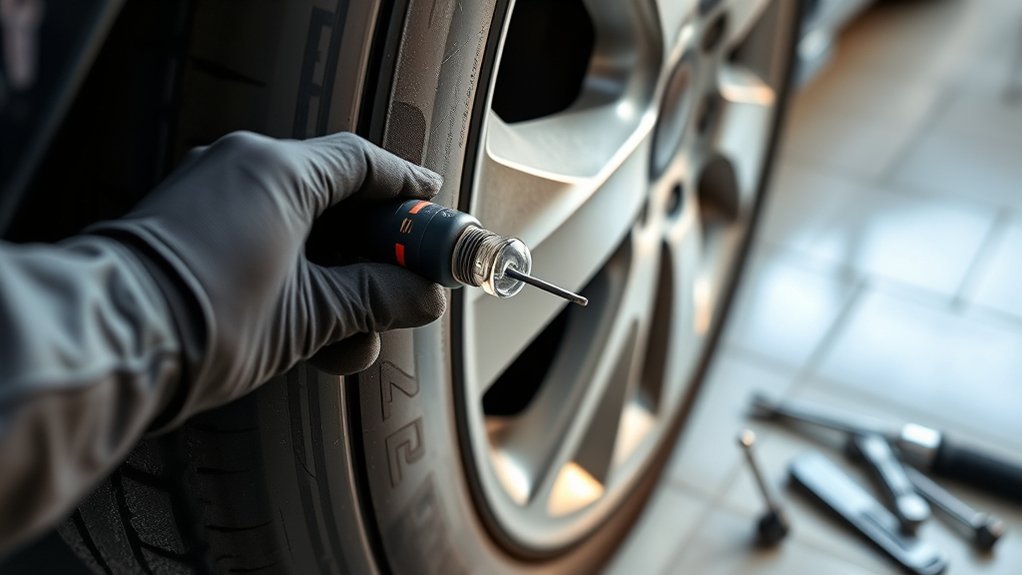
Replace the valve stem if the rubber is cracked, brittle, discolored, loose, or leaking. On vehicles with TPMS, the valve stem may be part of the sensor assembly or use a seal that can fail over time. A tire shop can tell whether you need a valve core, valve stem, seal kit, or sensor-related part.
Replace the tire if the leak is caused by structural damage, sidewall damage, a bulge, exposed cords, severe cracking, unrepaired run-flat damage, or repeated leaks that cannot be sealed safely. Also replace the tire if the tread is worn to the legal minimum or the manufacturer’s service guidance says the tire should be removed from service.
[Products Worth Considering]

Milton S-921 pencil tire pressure gauge helps you maintain optimal tire pressure for passenger cars with accurate readings in PSI and kPa. It features a built-in deflator valve for convenient pressure adjustments, plus a single chuck head and nylon indicator bar for easy use on the go. Built from durable plated brass and designed for reliable performance, it’s a practical road trip and cold-weather maintenance tool.

Keep your tires performing with these valve core removal tools designed to quickly disassemble and reinstall standard valve cores. The compact, portable design makes it easy to carry for bicycle, motorcycle, car, or truck repairs. Durable stainless steel construction helps you handle routine tire maintenance with less hassle.
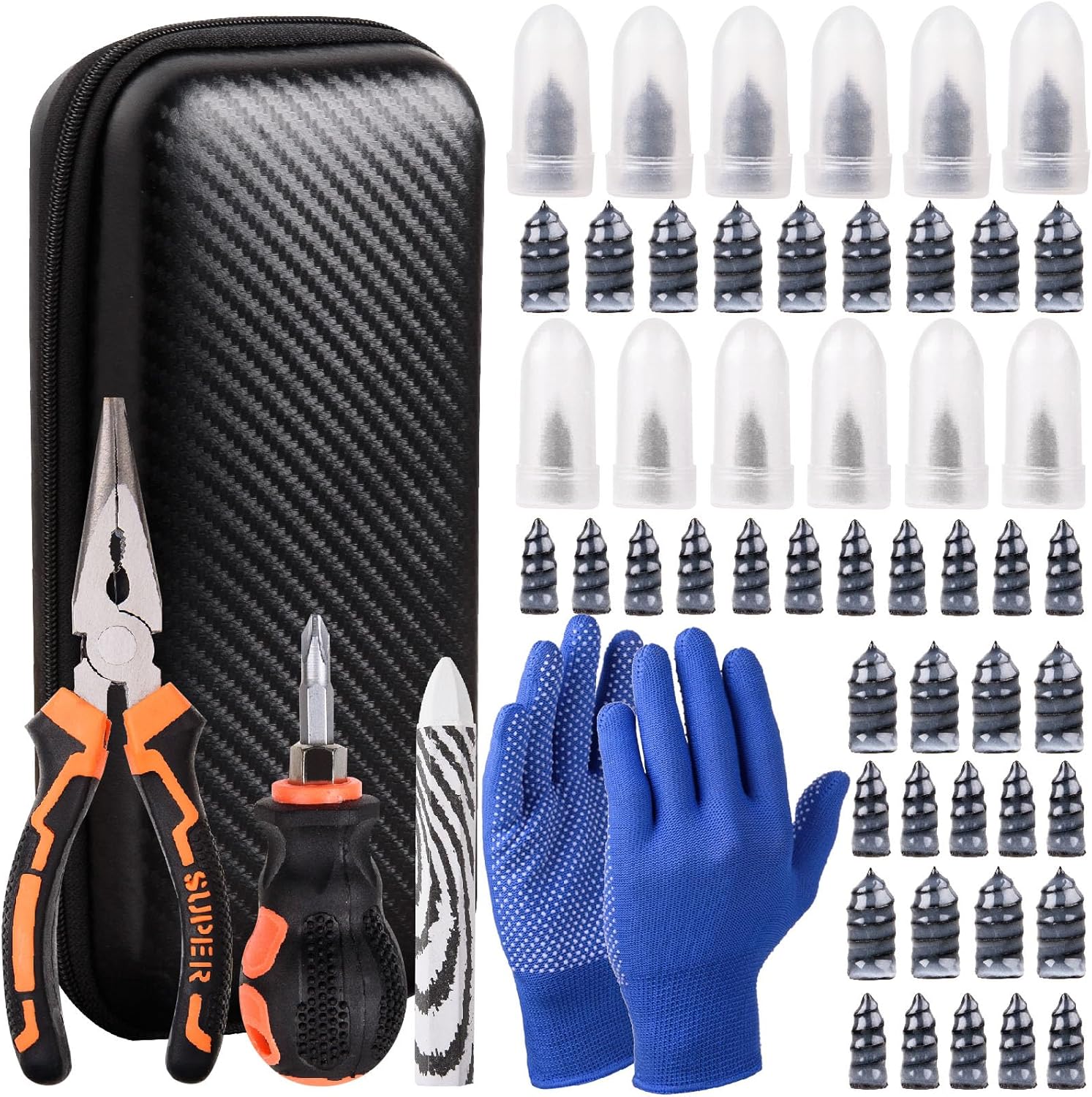
This tire sidewall puncture repair kit fixes flats fast without removing the tire, helping you get back on the road in minutes. It includes self-tapping repair nails, essential tools, gloves, and a portable storage bag for convenient roadside use. Designed for tubeless tires, it helps create a tight, leak-resistant seal for cars, motorcycles, trucks, SUVs, and ATVs.
How to Prevent Future Tire Pressure Loss
Prevention starts with checking pressure before the tire is visibly low. The federal TPMS rule warns that TPMS is not a substitute for proper tire maintenance, so do not wait for the dashboard light before checking PSI.
- Check pressure monthly. Use a reliable gauge and check when the tires are cold.
- Use the door placard. Inflate to the vehicle manufacturer’s recommended cold PSI, not the tire sidewall maximum.
- Check the spare. If your vehicle has a spare tire, include it in your pressure checks.
- Inspect valve stems. Look for cracking, looseness, missing caps, or bubbles during a soap test.
- Watch seasonal changes. Recheck PSI after major temperature swings.
- Keep wheels clean. Dirt, salt, and corrosion can create bead leaks.
- Repair punctures correctly. Do not treat plug-only repairs as permanent repairs.
- Rotate and inspect tires. Regular service helps catch uneven wear, damage, and slow leaks early.
Proper inflation also helps fuel economy. FuelEconomy.gov notes that underinflated tires can lower gas mileage by about 0.2% for every 1 PSI drop in the average pressure of all tires.
Frequently Asked Questions
Why is my tire losing air but no hole?
A tire can lose air without a visible hole because of normal permeation, a leaking valve stem, a loose valve core, a bead leak, rim corrosion, wheel damage, or a very small puncture hidden in the tread. Use soapy water on the valve, tread, sidewall, and rim edge to find bubbles.
Is 40 PSI too much for 35 PSI tires?
If your vehicle’s door placard calls for 35 PSI cold, then 40 PSI cold is usually too high. The correct pressure is the vehicle manufacturer’s cold PSI recommendation, not the maximum PSI printed on the tire sidewall. Check the placard on the driver’s door jamb or the owner’s manual.
What PSI should my Mini Cooper tires be?
Many Mini Cooper models use pressures in the low-to-mid 30 PSI range, but the exact number depends on model year, tire size, load, and front/rear position. Use the tire placard on the driver’s door jamb or your owner’s manual for the correct cold PSI.
What PSI for RAV4 tires?
Many Toyota RAV4 tires are set around the low-to-mid 30 PSI range, but you should not guess. Check the driver’s door placard or owner’s manual for the exact cold PSI for your RAV4’s year, trim, tire size, and load condition.
Can I drive with a tire that has a slow leak?
A very slow leak may allow a short, careful drive to a repair shop after you inflate the tire to the correct PSI. Do not drive on a tire that is rapidly losing pressure, visibly damaged, bulging, flat, or repeatedly going low. Use the spare or call roadside assistance.
Why does my tire pressure light come on and then go off?
This often happens on cold mornings. The air inside the tire contracts overnight, pressure drops, and the TPMS light turns on. After driving, the tire warms up and pressure rises, so the light may turn off. You should still check the tire pressure cold and inflate to the placard PSI.
Can tire sealant fix a tire that keeps losing air?
Tire sealant may help temporarily in some emergencies, but it is not a proper permanent repair for most punctures, valve leaks, bead leaks, rim corrosion, sidewall damage, or cracked wheels. Have the tire inspected and repaired correctly as soon as possible.
Conclusion
A tire that keeps losing pressure is giving you a clue. If all tires are slightly low, normal air loss or cold weather may be the cause. If one tire drops faster than the rest, look for a puncture, valve leak, bead leak, rim corrosion, or wheel damage. Check PSI cold, use soapy water to find bubbles, repair the source correctly, and replace the tire or wheel when damage makes repair unsafe.
Sources
- NHTSA TireWise — correct cold tire pressure, placard guidance, TPMS basics, and tire safety.
- Bridgestone Proper Tire Inflation — monthly pressure checks, typical monthly PSI loss, and temperature-related PSI changes.
- Tire Rack: How Much Tire Air Pressure Changes Over Time — tire permeation and normal pressure loss over time.
- U.S. Tire Manufacturers Association Tire Repair Basics — proper puncture repair limits and plug/patch repair guidance.
- 49 CFR 571.138 Tire Pressure Monitoring Systems — TPMS limitations and underinflation safety warnings.
- FuelEconomy.gov Gas Mileage Tips — fuel economy impact of underinflated tires and placard-pressure guidance.