
When Is a Tire Not Repairable for a RAV4? Key Guidelines
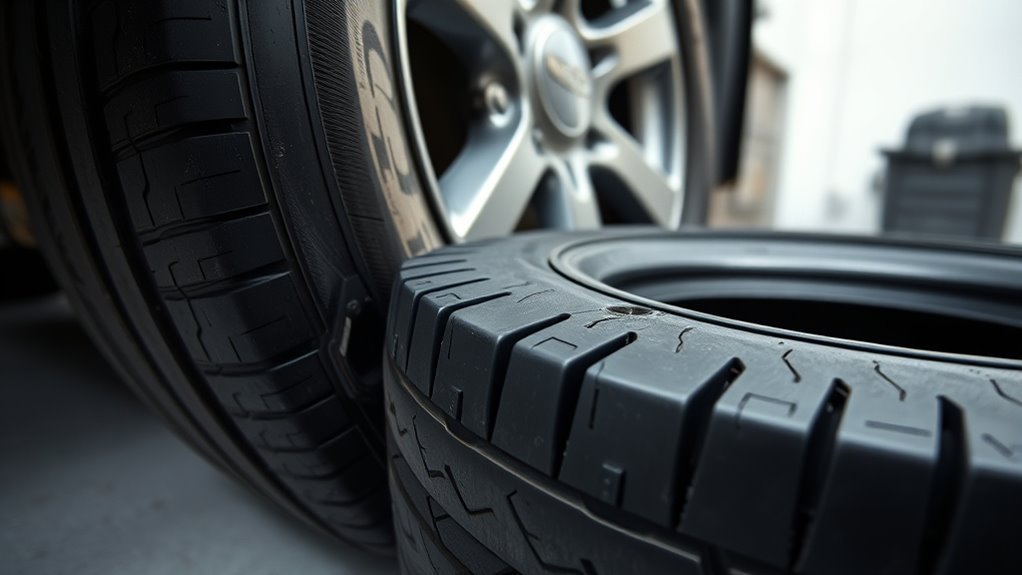
A RAV4 tire is not repairable when the damage is too large, too close to the shoulder or sidewall, hidden inside the tire, or paired with unsafe tread wear. The safest choice is to treat tire repair as a professional inspection decision, not a quick guess from the outside.
Quick Answer
A RAV4 tire usually is not repairable if the puncture is larger than 1/4 inch (6 mm), the damage is in the sidewall or shoulder, tread depth is at or below 2/32 inch (about 1.6 mm), cords are exposed, the tire has a bulge, or it was driven while flat.
Key Takeaways
- A repairable puncture must be in the center tread area and no larger than 1/4 inch (6 mm) in diameter.
- Sidewall, shoulder, exposed-cord, bulge, crack, and separation damage means the tire should be replaced, not patched.
- A proper permanent repair requires the tire to be removed from the wheel, inspected inside, filled with a rubber stem, and sealed with an internal patch.
- At 2/32 inch (about 1.6 mm) tread depth, the tire is worn out and should not be repaired.
- If the tire was driven flat or very low, internal damage may make it unsafe even when the outside looks repairable.
At a Glance
| Time Required | 5–10 minutes for a visual check; longer if a tire shop must demount and inspect the tire |
| Difficulty | Easy visual check; professional repair decision required |
| Tools Needed | Flashlight, tire pressure gauge, tread depth gauge or penny, gloves, and your RAV4 owner’s manual or tire placard |
| Cost | $0–$15 for basic inspection tools; tire repair or replacement costs vary by shop, tire size, and tire model |
Understanding Repairable vs. Non-Repairable Tire Damage
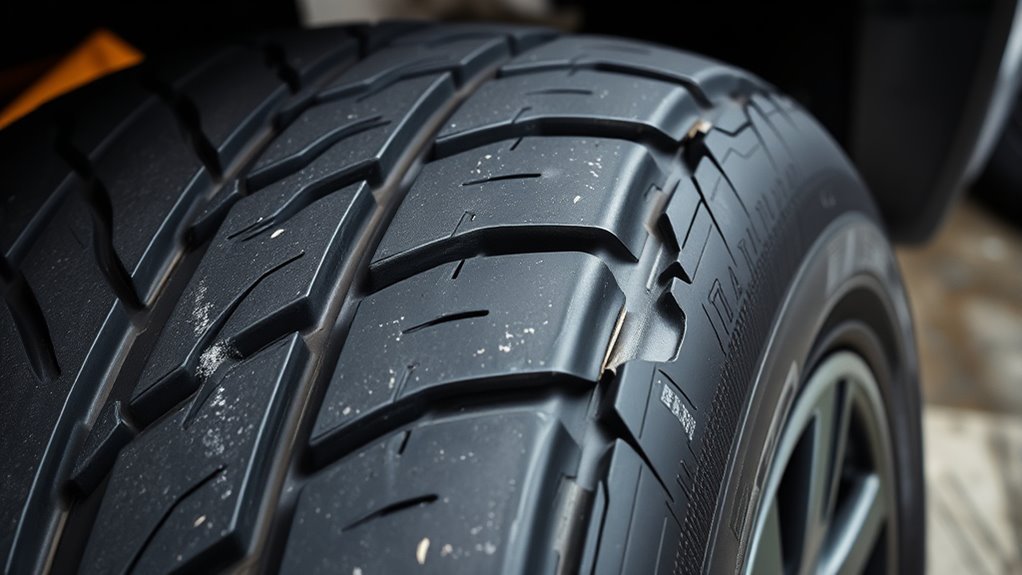
For a RAV4 tire, repairability depends on four things: the puncture size, the puncture location, the remaining tread depth, and whether the tire has internal or structural damage. The U.S. Tire Manufacturers Association says repair may be considered only when the damage is limited to the tread area and the puncture injury is no greater than 1/4 inch (6 mm) in diameter.
A tire should be replaced instead of repaired if the injury reaches the shoulder, belt edge, or sidewall. These areas flex heavily while driving, so a patch cannot restore the tire’s original strength. A tire also should not be repaired if it has exposed cords, bubbles, bulges, deep cracks, tread separation, or damage from being driven flat.
Warning: Do not keep driving on a flat, bulging, cracked, or sidewall-damaged tire. Install the spare if your RAV4 has one and it is safe to use, or call roadside assistance. Driving on a damaged tire can turn a repairable puncture into a non-repairable tire.
[Products Worth Considering]

This tire repair patch tool kit helps you quickly seal small punctures using upgraded mushroom plugs and a built-in roller system that presses for even penetration. The tungsten buffing wheel and HSS twist drill bits prepare the damaged surface for stronger adhesion, while the crown-angle friendly plugs are designed to keep water and debris out. Ideal for puncture repairs on many vehicle types, from cars and trucks to bikes and scooters.

This tire repair kit provides fast emergency puncture repair without removing the tire from the rim, helping you get back on the road quickly. Its screw plug system is designed for punctures in both tread and sidewall and includes a complete patch plug tool set with essential accessories. A portable storage bag makes it easy to carry for cars, trucks, SUVs, motorcycles, and heavy-duty applications.

This compact capsule-style tire repair kit helps you quickly fix punctures and plug flats with minimal effort. The rugged stainless steel shell protects the contents for reliable roadside use, while the simple plug assembly makes repairs fast and tool-free. Suitable for motorcycles, cars, ATVs, UTVs, and even mountain bikes.
Repair or Replace: Quick Decision Table
| Tire condition | Likely outcome | What to do |
| Small nail or screw in the center tread area, 1/4 inch (6 mm) or smaller | May be repairable | Have a trained tire technician demount and inspect it |
| Puncture larger than 1/4 inch (6 mm) | Not repairable | Replace the tire |
| Sidewall or shoulder damage | Not repairable | Replace the tire; do not patch the sidewall |
| Tread at or below 2/32 inch (about 1.6 mm) | Not repairable | Replace the tire |
| Bulge, bubble, exposed cords, deep crack, or tread separation | Not repairable | Stop driving and replace the tire |
| Tire driven flat or very low on air | Possibly not repairable | Have the tire removed and inspected from the inside |
Puncture Size and Location: Repairability Insights
Start with the puncture location. A repairable tire injury must be in the center tread area, sometimes called the crown area. Damage in the shoulder, belt-edge area, or sidewall is not a safe repair candidate. The Tire Industry Association also notes that puncture repairs are limited to the center tread area and that shoulder or sidewall damage is not repairable.
Next, check the puncture size. If the puncture is larger than 1/4 inch, or about 6 mm, the tire should be replaced. A small puncture may still be rejected if it enters at an angle, reaches the shoulder area, overlaps another repair, or sits too close to an older repair.
The correct permanent repair is not an outside-only string plug. A proper repair requires removing the tire from the wheel, inspecting the inner liner, filling the injury channel with a rubber stem or plug, and sealing the inner liner with a patch or one-piece combination repair unit.
Pro Tip: If a nail or screw is still in the tread and the tire is holding air, do not pull it out on the roadside. Check pressure, avoid high-speed driving, and go to a tire shop as soon as possible. Pulling the object may cause rapid air loss.
Tread Depth and Wear Limits
Tread depth matters because a worn tire cannot safely handle water, braking, and cornering loads the way a healthy tire can. In the United States, 49 CFR 570.9 lists 2/32 inch as the minimum tread depth for passenger-car tires. That is about 1.6 mm.
Do not repair a tire that is at or below this limit. Tire shops commonly reject repairs when the treadwear indicators are showing because the tire is already at the end of its safe service life. Toyota also advises RAV4 owners to check treadwear indicators and uneven wear as part of tire inspection in the Toyota RAV4 owner’s manual tire section.
For wet roads, winter driving, or frequent highway travel, replacement may be smart before the tire reaches the minimum legal tread depth. Low tread increases the risk of hydroplaning and longer stopping distances.
Signs Your RAV4 Tire Sidewall Is Compromised
Sidewall damage is one of the clearest signs that a RAV4 tire is not repairable. Look for visible cracks, splits, bubbles, bulges, cuts, scrapes, or exposed cords. These problems point to structural damage, not just a simple air leak.
A sidewall carries major flexing stress every time the tire rolls. Because of that movement, a sidewall patch cannot reliably restore the tire’s strength. If the sidewall has a puncture, deep cut, bubble, or exposed cord, replace the tire instead of attempting a repair.
Also inspect the shoulder, which is the transition area where the tread curves toward the sidewall. Many drivers think shoulder damage is still “tread damage,” but this area is usually outside the safe repair zone.
A tire that shows exposed cords, bulges, knots, or tread separation should be treated as unsafe for continued driving, not as a patch candidate.
How to Address Internal Tire Damage
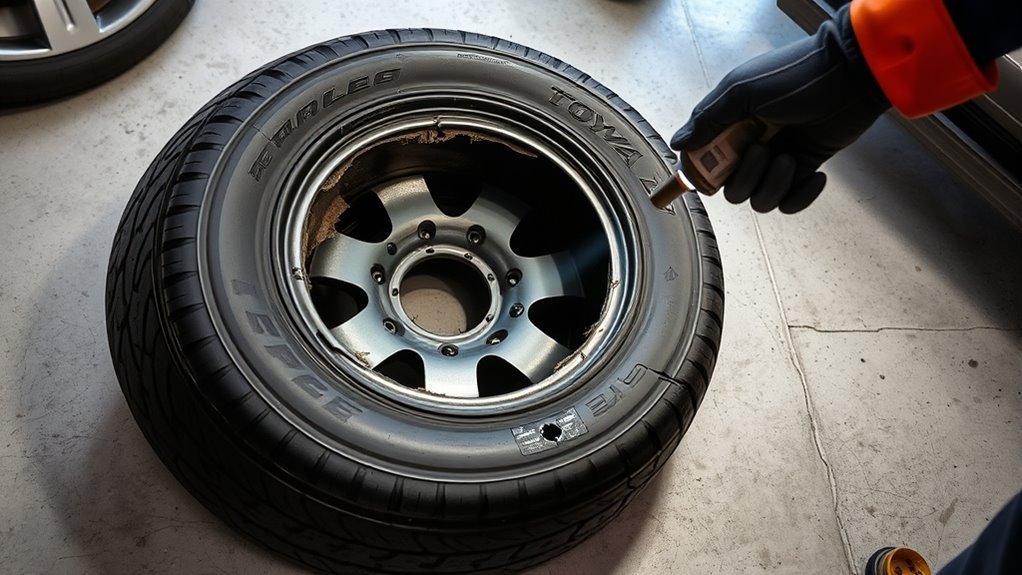
Internal tire damage is the part you cannot confirm from the outside. A tire may look fine on the tread surface but still have inner-liner damage, sidewall abrasion, broken cords, or heat damage from being driven flat.
Use this inspection checklist before deciding what to do next:
- Check tire pressure when the tire is cold, if it is safe to do so.
- Look for a nail, screw, glass, or metal in the center tread area.
- Inspect the shoulder and sidewall for bubbles, cracks, cuts, scrapes, or exposed cords.
- Measure tread depth with a gauge, or use the treadwear indicators as a quick warning sign.
- Check for uneven wear, cupping, feathering, or bald spots.
- Do not drive normally if the tire is flat, very low, or visibly damaged.
- Have a trained tire technician remove the tire from the rim for an internal inspection.
If the tire was driven while flat, replacement is often the safest answer. The sidewall can be crushed between the wheel and road, causing internal damage that is not visible until the tire is demounted.
Note: A TPMS warning means pressure is low, but it does not prove whether the tire is repairable. Treat the warning as a signal to stop, check pressure safely, and inspect the tire before driving farther.
[Products Worth Considering]

Wykodra tire plugs provide quick vulcanizing repairs for tubeless tires, helping you seal punctures and get back on the road. The industrial-strength rubber creates a long-lasting, leak-resistant bond and is designed for emergency fixes without removing the tire. Choose between two standard plug sizes with color-matched options for small to larger damage across many vehicles and off-road uses.
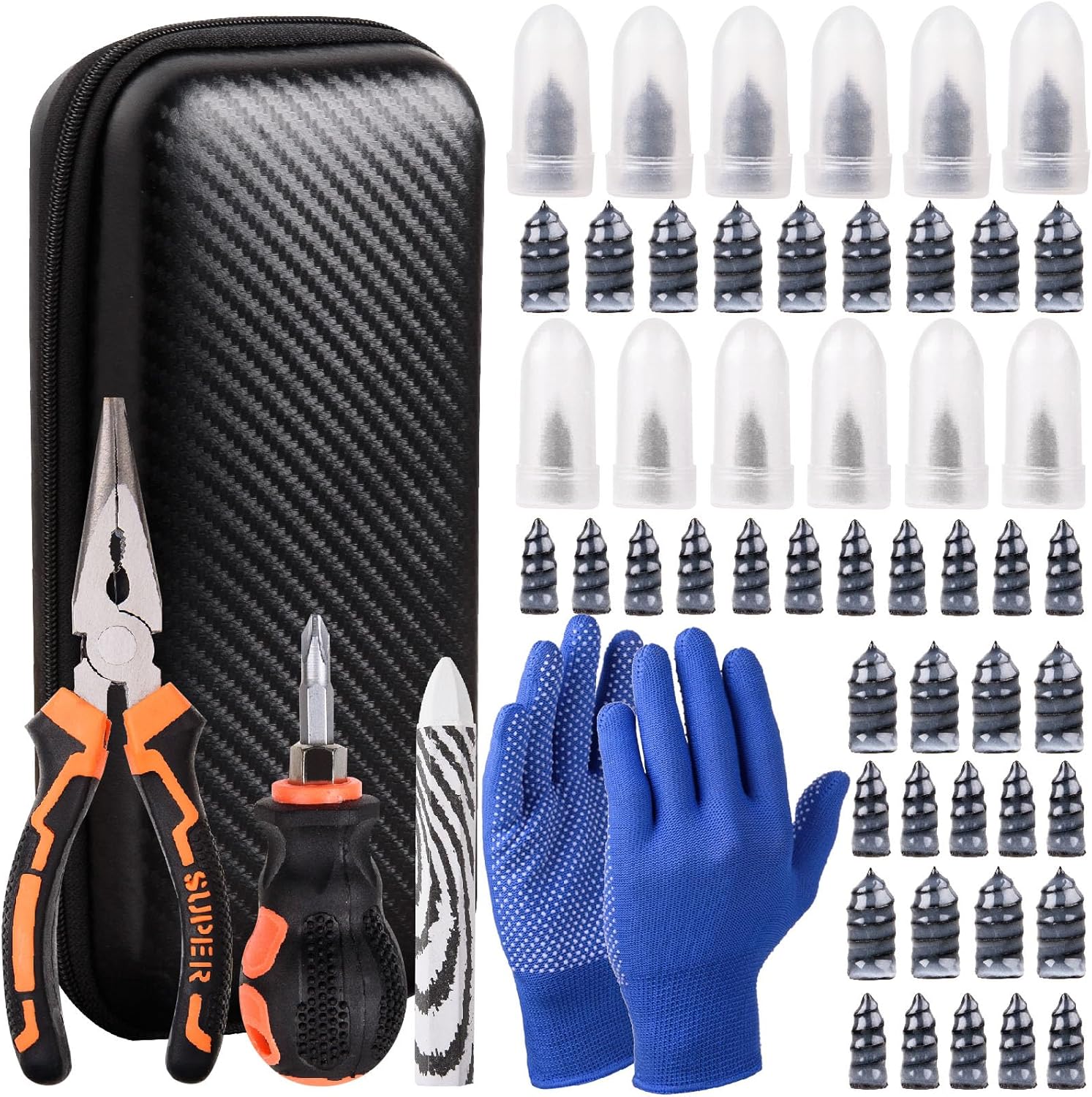
This tire sidewall puncture repair kit fixes flats fast without removing the tire, helping you get back on the road in minutes. It includes self-tapping repair nails, essential tools, gloves, and a portable storage bag for convenient roadside use. Designed for tubeless tires, it helps create a tight, leak-resistant seal for cars, motorcycles, trucks, SUVs, and ATVs.
Temporary Plugs, Sealants, and Mobility Kits
A roadside string plug, emergency inflator, or sealant can sometimes help you get off the road, but it should not be treated as a permanent repair. The Tire Industry Association explains that a plug by itself or a patch by itself is not an acceptable repair because each leaves part of the injury unprotected.
If you use a sealant or emergency inflator, tell the tire shop before service. Some sealants can make inspection and repair more difficult, and the tire still needs to be checked from the inside.
RAV4-Specific Tire Notes
Your RAV4’s repair decision follows the same passenger/light-truck tire repair rules as other vehicles, but there are a few Toyota-specific checks to remember:
- Check the tire information placard for the correct cold tire pressure. Do not use the maximum pressure printed on the tire sidewall as the normal setting.
- Check the spare tire condition and pressure if your RAV4 has a spare and it is part of your tire rotation or emergency plan.
- Watch for uneven wear, especially if the RAV4 pulls, vibrates, or has recently hit a pothole.
- For AWD models, ask the tire shop whether one-tire replacement will create a tread-depth mismatch. In some cases, shaving a tire or replacing more than one tire may be recommended to keep rolling diameter closer across the axle or drivetrain.
- Follow Toyota’s maintenance schedule for tire rotation and inspection.
When to Get Your Tire Checked by a Pro
Get your RAV4 tire checked by a professional if you see a puncture, slow leak, sidewall mark, bubble, exposed cord, uneven wear, or TPMS warning that keeps returning. A technician can remove the tire from the wheel, inspect the inner liner, and decide whether the tire meets repair guidelines.
Go straight to replacement if the puncture is larger than 1/4 inch, the injury is in the sidewall or shoulder, the tire has been driven flat, the tread is at 2/32 inch or less, or there is structural damage such as a bulge or exposed cord.
The best repair decision is conservative. A repaired tire has to carry your RAV4 at highway speed, in heat, rain, potholes, emergency braking, and cornering. If the tire shop says the tire is outside safe repair limits, replacing it is the safer move.
Frequently Asked Questions
Can I drive on a flat RAV4 tire temporarily?
You should not drive normally on a flat tire. Even a short drive can damage the sidewall, wheel, TPMS sensor, and inner liner. If it is safe, pull over, install the spare according to your owner’s manual, or call roadside assistance.
How often should I check my RAV4 tire pressure?
Check tire pressure at least once a month and before long trips, using the cold pressure listed on the driver-side tire placard or owner’s manual. Also check pressure when the temperature changes sharply.
What are the signs of uneven tire wear?
Common signs include one edge wearing faster than the other, bald spots, cupping, feathering, vibration, or a pull to one side. Uneven wear can point to low pressure, overinflation, alignment issues, worn suspension parts, or missed rotations.
How long do RAV4 tires typically last?
There is no single mileage number for every RAV4 tire. Tire life depends on tire model, treadwear rating, road conditions, driving style, alignment, rotation, pressure, load, and climate. Replace tires based on tread depth, age, damage, and manufacturer guidance rather than mileage alone.
Are there warranties on new tires?
Yes, many new tires include a manufacturer defect warranty, and some include a treadwear mileage warranty. Coverage varies by tire brand and model. Damage from road hazards, improper inflation, alignment problems, or neglect may be excluded unless you bought separate road-hazard coverage.
Can a tire shop patch a puncture close to the sidewall?
Usually no. Punctures near the shoulder or sidewall are commonly rejected because the repair may not hold safely under flexing and heat. If the technician says the injury reaches the shoulder, belt edge, or sidewall, replace the tire.
Is a plug-only repair safe for my RAV4 tire?
A plug-only repair should be treated as temporary. A proper permanent repair requires the tire to be removed from the wheel, inspected inside, filled through the injury channel, and sealed at the inner liner with a patch or combination repair unit.
Conclusion
A RAV4 tire is not repairable when the puncture is too large, the damage is in the sidewall or shoulder, the tread is worn to 2/32 inch, cords are exposed, or the tire has internal damage from being driven flat. Small center-tread punctures may be repairable, but only after the tire is removed from the wheel and inspected from the inside. When in doubt, choose the safer option and have a trained tire professional make the final call.
Sources
- U.S. Tire Manufacturers Association — Tire Repair Basics — backs up the 1/4-inch puncture limit, tread-area-only repair guidance, and plug-plus-patch repair requirement.
- Tire Industry Association — Tire Repair — supports the need to demount and inspect the tire, reject sidewall/shoulder damage, and avoid plug-only repairs.
- eCFR 49 CFR 570.9 — Tires — supports the 2/32-inch tread-depth threshold and unsafe conditions such as exposed cords and bulges.
- NHTSA TireWise — supports tire safety, tire pressure, tire tread, TPMS, and tire maintenance guidance.
- Toyota RAV4 Owner’s Manual — Tires — supports RAV4-specific checks for treadwear indicators, uneven wear, spare tire condition, and tire maintenance.

Related Articles

Why These 10 Wheel Locks Are Perfect for Your RAV4
Protecting your RAV4 starts before you lock the doors. Wheel theft is an avoidable cost and a hassle that interrupts your routine, and choosing…
Read More
10 Best 80000 Mile Tires for Rav4
You want tires that last, keep you safe, and save you money over the long run. Choosing 80,000 mile tires for your RAV4 matters…
Read More
10 Long Warranty Tires That Will Transform Your RAV4 Experience
You spend a lot of time behind the wheel of your RAV4, and the right tires change everything from ride comfort to fuel economy…
Read More