A tire marked 91Y tells you two important things about how much weight the tire can carry and how much speed it is built to handle under test conditions. The 91 is the tire’s load index, and the Y is the speed rating. Together, they help you confirm whether a replacement tire matches your vehicle’s safety and performance requirements.
Quick Answer
91Y means the tire has a 91 load index, rated for up to 615 kg (1,356 lbs) per tire, and a Y speed rating, rated up to 186 mph (300 km/h) under controlled test conditions. Always match or exceed the rating listed in your owner’s manual or tire placard.
Key Takeaways
- 91 is the load index, meaning each tire can carry up to 615 kg (1,356 lbs) when used at the correct inflation pressure.
- Y is the speed rating, meaning the tire is rated up to 186 mph (300 km/h) in controlled testing.
- A 91Y tire is common on many performance-oriented passenger cars, but the right rating depends on your exact vehicle, axle load, tire size, and manufacturer requirements.
- Do not install a lower load index or speed rating unless your vehicle manufacturer or a qualified tire professional confirms it is safe for your use.
- Check the owner’s manual, driver-side tire placard, and existing tire sidewall before buying replacements.
What Does 91Y Mean on a Tire?
The “91Y” marking is part of the tire’s service description. You will usually see it near the end of the full tire size, such as 225/45R17 91Y. In that example, the tire size tells you the tire’s width, aspect ratio, construction, and wheel diameter, while 91Y tells you the load and speed capability.
The 91 load index means the tire is rated to carry up to 1,356 lbs (615 kg) per tire. The Y speed symbol means the tire is rated up to 186 mph (300 km/h) under controlled test conditions. Those numbers do not mean you should load the vehicle to the limit or drive at that speed. They simply tell you what the tire is designed to handle when it is properly inflated, undamaged, and used within the vehicle manufacturer’s limits.
That is why checking the correct tire size matters before you buy. A tire can look similar, fit the wheel, and still have the wrong load index or speed rating for your vehicle.
Warning: A speed rating is not permission to exceed posted speed limits. It also does not apply the same way if the tire is damaged, repaired incorrectly, overloaded, underinflated, or used outside its intended conditions.
What Does the 91 Load Index Mean?
In 91Y, the number 91 is the load index. It tells you the tire’s maximum rated load, not its physical size and not its speed capability. A 91 load index equals 615 kg, or 1,356 lbs, per tire when the tire is properly inflated for the vehicle and used within its rating.
Load index is important because every tire has to support part of the vehicle’s weight, plus passengers, cargo, and added equipment. If the load rating is too low, the tire may run hotter, flex more than intended, wear faster, and become more vulnerable to failure. That can reduce traction and handling, especially when the vehicle is heavily loaded or driven at highway speeds.
Many passenger-car and light-truck tire load indexes fall in a broad range, commonly from about 70 to 126. A higher number means a higher maximum load capacity. Still, you should not choose by number alone. The tire also has to match the correct size, construction, load range, inflation pressure, and vehicle requirements.
Note: The pressure molded on a tire sidewall is usually the tire’s maximum pressure, not the vehicle’s recommended pressure. Use the cold inflation pressure listed on the vehicle’s tire placard or in the owner’s manual.
What Does the Y Speed Rating Mean?
The Y speed rating means the tire is rated for speeds up to 186 mph (300 km/h) under controlled test conditions. You will often see Y-rated tires on performance sedans, sports cars, and other vehicles that need strong high-speed stability, steering response, and heat resistance.
Y Rating Max Speed
A standard Y rating means the tire is rated up to 186 mph (300 km/h). If you see the rating in parentheses, such as (91Y) or (99Y), that usually means the tire has been tested for speeds above 186 mph (300 km/h). For normal replacement shopping, the key is simple: match the speed symbol your vehicle requires, and do not assume a lower symbol is acceptable just because you drive at legal road speeds.
Y Rating Performance Benefits
A Y-rated tire is designed for higher speed capability, but the benefit is not only top speed. These tires often use construction, compounds, and tread designs aimed at precise handling, stronger cornering stability, and better control during demanding driving. The tradeoff is that some high-performance tires may wear faster, ride firmer, or cost more than touring tires with lower speed ratings.
A treadwear warranty can help you compare expected service life, but it does not guarantee performance in every condition. Tire compound, alignment, rotation, driving style, road surface, and pressure all affect how long a tire lasts and how well it grips. If you are comparing tire families, look at the full package: speed rating, load index, traction rating, treadwear warranty, wet-weather performance, and your driving needs.
How Load and Speed Ratings Affect Safety
Your tire’s load index and speed rating work together. The load index tells you how much weight the tire can carry. The speed rating tells you the maximum speed capability under test conditions. If either rating is below what your vehicle requires, the tire may not perform as intended.
This matters most when the tire is under stress: long highway drives, hot weather, heavy cargo, full passenger loads, aggressive cornering, or emergency braking. An overloaded or underinflated tire generates extra heat. Heat can accelerate wear and increase the risk of a blowout or tread separation.
NHTSA reported 511 tire-related traffic fatalities in 2024, which is a reminder that tire size, pressure, tread, load rating, and maintenance are safety issues, not just buying details.
For best results, check tire pressure when the tires are cold, inspect tread regularly, and replace tires when they are worn, damaged, aged out, or no longer suitable for the way you drive. Strong traction and handling depend on more than the 91Y marking alone.
Can You Choose a Different Tire Rating?
Yes, you can sometimes choose a different tire rating, but the replacement should normally meet or exceed your vehicle manufacturer’s required load index and speed rating. A higher load index can be acceptable if the tire is the correct size and type for your vehicle. A higher speed rating can also be acceptable, but it may change ride comfort, price, and tread life.
Be careful with lower ratings. A lower load index can reduce the tire’s carrying capacity. A lower speed rating can reduce the tire’s heat resistance and performance margin. If your vehicle came with 91Y tires, do not switch to a lower rating unless the owner’s manual, vehicle manufacturer, or qualified tire professional confirms that the alternate tire is approved for your exact vehicle and driving conditions.
| Option | Usually Safe? | What It Means |
|---|---|---|
| Same size and 91Y rating | Yes | Best match when it matches the placard and manual. |
| Higher load index | Often | May add load reserve, but the size, type, and pressure still must fit the vehicle. |
| Higher speed rating | Often | May improve performance margin but can affect comfort, cost, and tread life. |
| Lower load index | No, unless approved | Can reduce carrying capacity and increase tire stress. |
| Lower speed rating | No, unless approved | Can reduce heat and speed capability. |
| Mixed speed ratings | Avoid | Can create uneven handling response, especially during emergency maneuvers. |
Wet grip also matters. A tire with the correct 91Y service description can still perform poorly in rain if its tread design, compound, or condition is wrong for your needs. When comparing options, include reliable wet traction and braking performance in your decision.
[Products Worth Considering]

The Continental Grand Prix 5000 is an allround road bike tire engineered for faster rolling, improved ride comfort, and enhanced puncture protection. It features a Vectran Breaker cut-protection layer, Lazer Grip micro-profile tread for confident cornering control, and Active Comfort Technology to damp vibration for smoother rides. BlackChili compound optimizes grip and speed for everyday performance and long-lasting confidence.

Monitor tire tread wear with a smart, color-coded depth gauge that shows clear condition ranges at a glance. The bar is range marked for fast, easy readings, helping you maintain safer traction and performance. Each gauge is portable with a pocket clip, and the set includes 20 units for daily use and sharing.
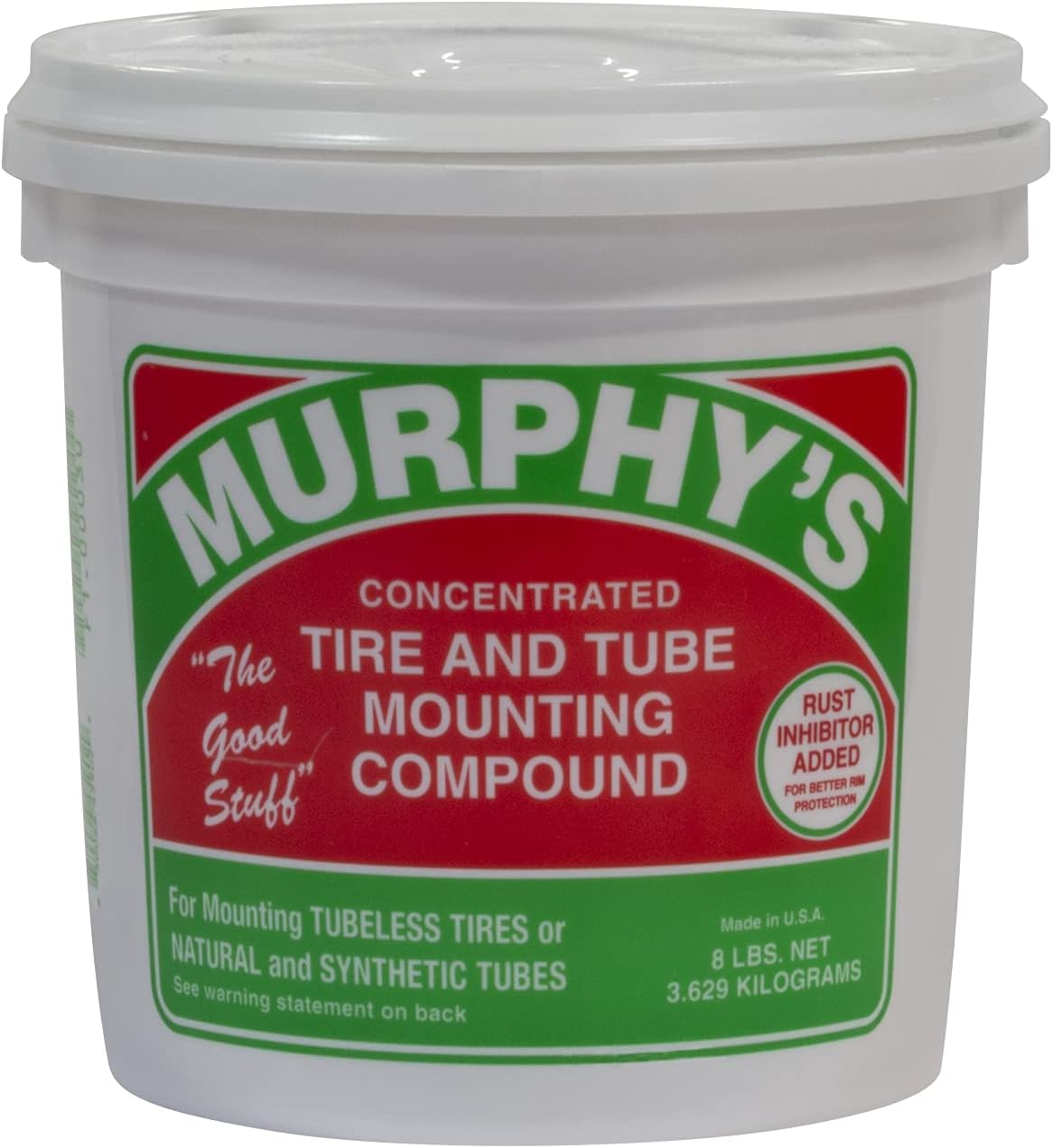
A concentrated tire and tube mounting compound designed to help simplify mounting rubber tires and tubes on passenger, semi truck, construction, and OTR applications. Its ultra-thick formula packs beads effectively and includes rust inhibitors to help protect against corrosion during use.
91Y vs 91W, 91V, and 91H
The number stays the same in all four examples, so 91H, 91V, 91W, and 91Y all share the same load index: 1,356 lbs (615 kg) per tire. The difference is the speed rating.
| Rating | Load Capacity | Speed Rating | Typical Use |
|---|---|---|---|
| 91H | 1,356 lbs / 615 kg | 130 mph / 210 km/h | Touring cars, sedans, everyday driving |
| 91V | 1,356 lbs / 615 kg | 149 mph / 240 km/h | Sport sedans and coupes |
| 91W | 1,356 lbs / 615 kg | 168 mph / 270 km/h | High-performance vehicles |
| 91Y | 1,356 lbs / 615 kg | 186 mph / 300 km/h | Performance and exotic vehicles |
If your vehicle specifies 91Y, a 91W, 91V, or 91H tire may not provide the same speed and heat capability. If your vehicle specifies 91H, a 91Y tire may be acceptable if the size and load requirements also match, but it may ride differently and cost more.
[Products Worth Considering]

Accurately measure tire tread depth with a calibrated gauge marked from 0 to 1 inch in 1/32 inch increments. The color-coded bar helps you quickly identify tread condition ranges, supporting safe driving for trucks, motorcycles, automobiles, and passenger vehicles.

Black Magic Tire Wet delivers a deep wet-look shine that makes tires appear dark, rich, and freshly detailed. Its long-lasting formula helps resist rain, dust, and road grime for weeks of glossy protection, not days. Apply by spraying onto clean, dry tires—no buffing or wiping required—with a low-sling design to reduce splatter on paint and wheels.

This manual duck head tire changer kit makes tire installation and removal simpler by letting you embed the duck head into the tire with applied pressure. The integrated design and durable steel construction help reduce friction and improve efficiency and safety during use. Suitable for 16–21 inch wheels, it’s convenient for cars, trucks, SUVs, and ATV tires, with 24-hour after-sales support.
Where to Check the Correct Tire Rating?
Start with your vehicle owner’s manual. Then check the Tire and Loading Information Label, usually found on the driver’s side door edge, door post, or B-pillar. This label lists the original tire size and the vehicle manufacturer’s recommended cold inflation pressure. Some vehicles may also show load index and speed rating near the tire size, but not every placard includes those details.
Next, inspect the tire sidewall. The service description appears near the end of the tire size, such as 225/45R17 91Y. Compare every part of the code with the manual or placard before replacing tires. Do not rely on appearance alone; two tires can look nearly identical and still have different load indexes, speed ratings, load ranges, or construction details.
Pro Tip: When replacing tires, write down the full size and service description from the placard and the current tire. For example: 225/45R17 91Y. Bring that full code when shopping, not just the wheel size.
Replacement Checklist for 91Y Tires
Before buying a replacement tire marked 91Y, check these items:
- Tire size: Match the size listed on the placard or owner’s manual.
- Load index: Match or exceed the required load index unless an approved alternative is listed.
- Speed rating: Match or exceed the required speed symbol for normal replacement.
- Load range or XL marking: If the original tire is XL or reinforced, confirm whether the replacement must be the same.
- Axle matching: Avoid mixing different speed ratings, sizes, or tire types on the same axle.
- Cold pressure: Inflate to the vehicle manufacturer’s recommended cold pressure, not simply the number molded on the tire sidewall.
- Driving conditions: Choose a tire that fits your climate, wet-weather needs, ride comfort, and tread-life expectations.
If you are choosing between performance tires, all-season tires, and touring tires, check how each model handles rain, temperature, road noise, and tread life. Strong wet-weather traction can matter more in daily driving than extra speed capability you will never use.
[Products Worth Considering]

This 62-inch extra-long car wash brush kit makes it easy to clean hard-to-reach areas on cars, trucks, SUVs, and RV roofs with lightweight, sturdy poles. It includes soft, non-scratch microfiber and bristles with protective bumpers to help prevent scratches while cleaning effectively. A rubber squeegee helps remove water stains quickly, plus a wheel/tire brush and absorbent towels for complete exterior detailing.

Measure tire tread depth quickly and accurately with this LUMITECO dial gauge that reads in 1/32" increments up to 14/32". The color-coded green/yellow/red zones make it easy to judge tire wear and know when replacement is needed. A rugged, compact design with a protective pouch helps keep the gauge ready for use on cars, trucks, motorcycles, and more.

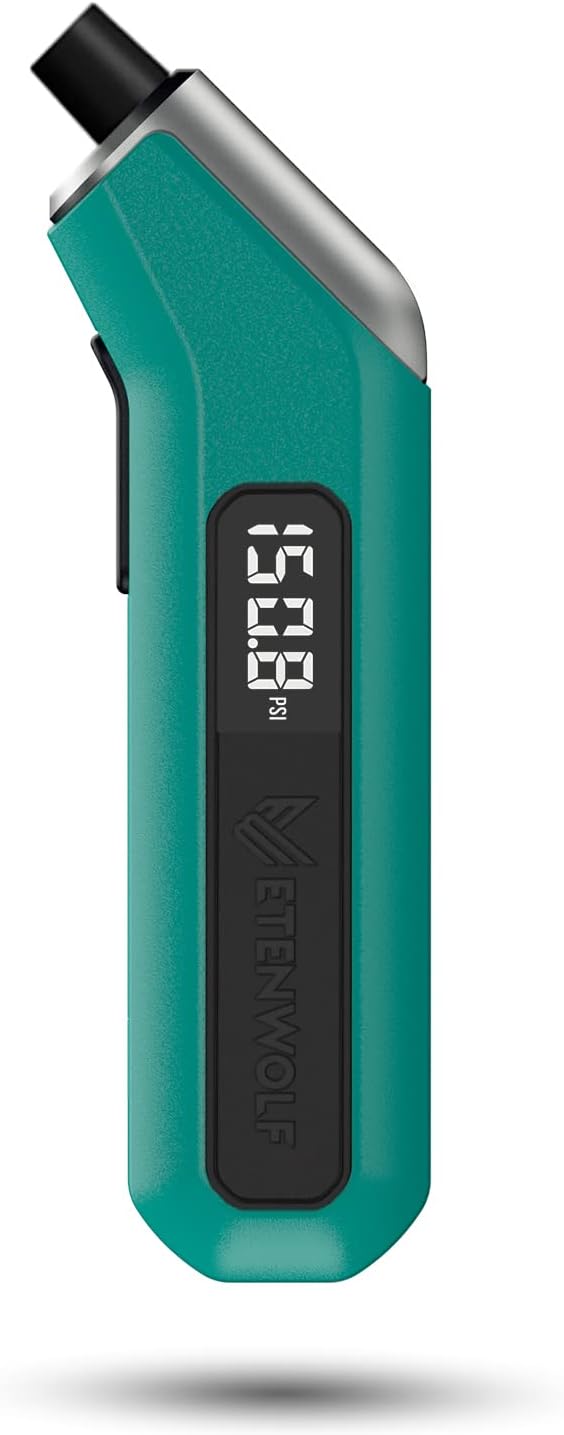
ETENWOLF T300 is a calibrated digital tire pressure gauge for accurate readings from 3 to 200 PSI across light and heavy-duty vehicles. It includes thermal compensation for reliable performance in extreme cold or heat, with an auto shut-off to extend battery life and an LED for easier reading. The sturdy design supports rugged everyday use, making it ideal for pickups, RVs, and industrial applications.
Common Mistakes to Avoid
- Buying by size only: The tire may fit the wheel but still have the wrong load or speed rating.
- Ignoring inflation pressure: A 91Y tire cannot carry its rated load safely if it is underinflated.
- Mixing ratings randomly: Different ratings can change handling balance and emergency response.
- Assuming Y always means better: A Y-rated tire has more speed capability, but it may not be the quietest, longest-lasting, or most comfortable option.
- Waiting too long on worn tread: Tread depth affects braking and grip, especially in rain. Replace tires when they are unsafe, damaged, or worn to the legal/safety limit.
Also consider the tire’s total load rating, traction performance, and condition. The best tire is not just the one with the highest letter; it is the one that matches the vehicle and the way you actually drive.
Frequently Asked Questions
What’s the Difference Between 91W and 91Y Tyres?
91W and 91Y tires have the same load index, so both are rated for 1,356 lbs (615 kg) per tire. The difference is speed capability: W is rated up to 168 mph (270 km/h), while Y is rated up to 186 mph (300 km/h). Choose the rating your vehicle requires.
How Many Miles Will 3mm Tread Last?
There is no reliable fixed mileage for 3mm tread. It depends on the tire compound, alignment, pressure, rotation, vehicle weight, road surface, temperature, and driving style. At 3mm, monitor tread closely and plan replacement soon, especially if you drive in heavy rain.
Is Y or W Speed Rating Better?
Y is higher than W for speed capability. A Y-rated tire is rated up to 186 mph (300 km/h), while a W-rated tire is rated up to 168 mph (270 km/h). That does not automatically make Y the better choice for every driver. The better tire is the one that matches your vehicle’s required rating, climate, comfort needs, and driving style.
What’s the Difference Between 91V and 91H Tires?
91V and 91H tires share the same load index, so both are rated for 1,356 lbs (615 kg) per tire. The difference is speed capability: H is rated up to 130 mph (210 km/h), while V is rated up to 149 mph (240 km/h). Always use the rating listed by your vehicle manufacturer unless an approved alternative is confirmed.
Can I Use 94Y Instead of 91Y?
A 94Y tire has a higher load index than 91Y and the same Y speed rating, so it may be acceptable if the tire size, load range, pressure requirements, and vehicle fitment are correct. Do not assume it fits just because the rating is higher. Check the owner’s manual, placard, and tire professional guidance.
What Does (91Y) Mean?
When the Y rating is shown in parentheses, such as (91Y), it generally indicates a tire tested for speeds above the standard Y rating of 186 mph (300 km/h). Use this only as a specification detail, not as a reason to exceed legal or safe driving speeds.
Conclusion
So, what does 91Y mean on a tire? It means the tire has a 91 load index, rated for 615 kg (1,356 lbs) per tire, and a Y speed rating, rated for up to 186 mph (300 km/h) under controlled test conditions. The safest move is simple: match the tire size, load index, speed rating, and pressure requirements listed in your owner’s manual and tire placard. If you choose a different rating, confirm it is approved before installing it.
Sources
- Tire Rack — What Is Load Index? — supports the 91 load index value of 1,356 lbs / 615 kg.
- Tire Rack — How Do I Check a Tire’s Speed Rating? — supports Y speed rating, W/Y comparison, and (Y) explanation.
- NHTSA TireWise — supports tire placard, cold pressure, tread, maintenance, and tire-safety guidance.
- 49 CFR § 571.110 via Cornell Law School — supports tire-load limits and vehicle placard requirements.