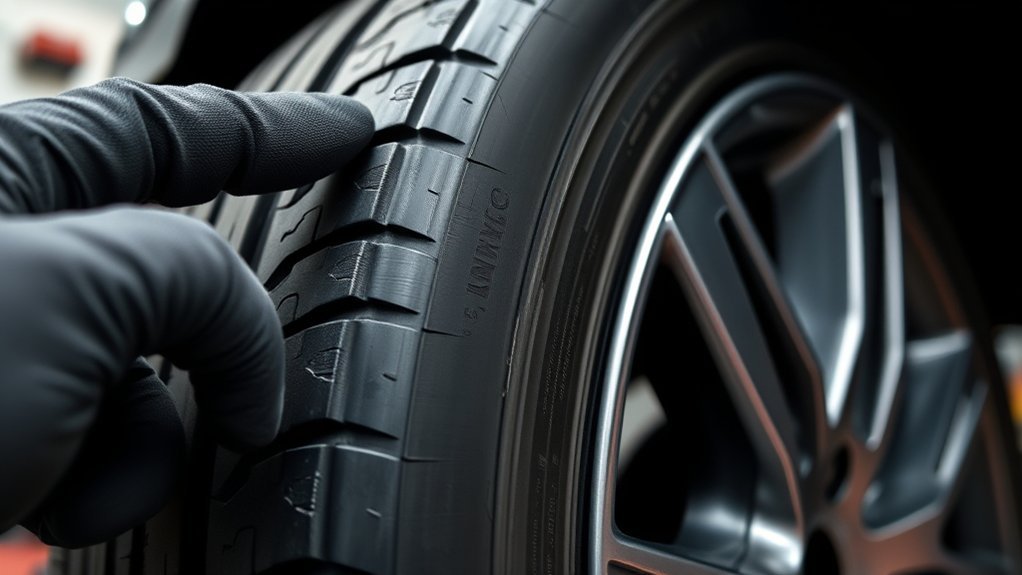
When you see 91H after a tire size, you are looking at the tire’s service description. The number tells you the tire’s load capacity, and the letter tells you its speed rating. For example, in P205/60R15 91H, the 91 means the tire can carry up to 1,356 pounds per tire when properly inflated, and the H means it is rated for up to 130 mph under specified test conditions.
Quick Answer
A 91H tire has a load index of 91 and an H speed rating. Load index 91 equals 1,356 pounds per tire, while H means the tire is rated for up to 130 mph under proper conditions. Always match your vehicle’s required tire size, load index, and speed rating before replacing tires.
Key Takeaways
- 91 is the tire load index, meaning the tire can carry 1,356 pounds or 615 kilograms per tire when properly inflated.
- H is the speed rating, meaning the tire is rated for up to 130 mph or 210 km/h under controlled conditions.
- You usually find 91H after the tire size on the sidewall, such as P205/60R15 91H.
- Replacement tires should meet or exceed your vehicle maker’s required load index and speed rating.
- Do not treat the H rating as a safe driving speed; tire condition, pressure, load, weather, and road conditions still matter.
At a Glance
| Code | 91H |
| 91 Means | 1,356 lb / 615 kg maximum load per tire |
| H Means | 130 mph / 210 km/h speed rating under specified conditions |
| Where to Check | Tire sidewall, driver-side door placard, owner’s manual, or tire dealer |
What Does 91H Mean on a Tire?
The 91H marking combines two specifications: the load index and the speed rating. Together, they tell you how much weight the tire can carry and the maximum speed category it is designed to handle when the tire is properly inflated, correctly loaded, undamaged, and used under suitable conditions.
The 91 is the load index. According to the Tire Rack load index chart, a load index of 91 equals 1,356 pounds or 615 kilograms per tire. That does not mean your vehicle can automatically carry four times that amount. Your safe carrying limit is still controlled by the vehicle’s GVWR, GAWR, wheel ratings, tire pressure, and manufacturer specifications.
The H is the speed rating. The NHTSA tire safety brochure lists H at 130 mph, and Bridgestone lists H as 130 mph / 210 km/h. This rating is a tested capability, not a recommended driving speed.
Warning: A tire speed rating is not permission to drive at that speed. Speed ratings assume controlled test conditions. Real-world safety depends on tire pressure, tire age, tread depth, damage, vehicle condition, load, weather, road surface, and legal speed limits.
Where Is 91H on the Sidewall?
You will usually find 91H immediately after the tire size on the sidewall. A full tire code may look like this:
P205/60R15 91H
Here is what that example means:
| P | Passenger vehicle tire |
| 205 | Tire width in millimeters |
| 60 | Aspect ratio, meaning sidewall height is 60% of tire width |
| R | Radial construction |
| 15 | Wheel diameter in inches |
| 91 | Load index |
| H | Speed rating |
Before buying replacement tires, compare the sidewall code with the tire information placard on the driver-side door jamb and your owner’s manual. The NHTSA tire safety guide recommends using the placard, owner’s manual, or the sidewall of the tire you are replacing when confirming the correct tire size.
How Does the Tire Load Index Work?
The tire load index is a standardized number that corresponds to the maximum weight one tire can support when properly inflated. Higher load index numbers mean higher carrying capacity, but you should not choose a lower load index than your vehicle manufacturer requires.
[Products Worth Considering]

Measure tire tread depth quickly and accurately with this LUMITECO dial gauge that reads in 1/32" increments up to 14/32". The color-coded green/yellow/red zones make it easy to judge tire wear and know when replacement is needed. A rugged, compact design with a protective pouch helps keep the gauge ready for use on cars, trucks, motorcycles, and more.

Monitor tire tread wear with a smart, color-coded depth gauge that shows clear condition ranges at a glance. The bar is range marked for fast, easy readings, helping you maintain safer traction and performance. Each gauge is portable with a pocket clip, and the set includes 20 units for daily use and sharing.

The SAFELIFE dial tire tread depth gauge measures tread depth in 1/32 inch increments with clear, easy-to-read 2-inch dial face. Color zones using a traffic light system help you quickly judge whether tread is low, marginal, or ample for safer driving. Built with a durable zinc cast body and a metal detect probe for precise, comfortable use across cars, motorcycles, trucks, and buses.
Load Index Basics
A 91 load index supports 1,356 pounds per tire. This number matters because each tire must be able to support its share of the vehicle’s weight, passengers, cargo, and any tongue weight from towing where applicable.
Here are nearby load index values for comparison:
| Load Index | Max Load Per Tire |
|---|---|
| 89 | 1,279 lb |
| 90 | 1,323 lb |
| 91 | 1,356 lb |
| 92 | 1,389 lb |
| 93 | 1,433 lb |
| 94 | 1,477 lb |
Capacity by Number
Load index is not a guess or a general size label. It points to a specific load capacity in a standardized chart. A 91 tire can carry more than a 90 tire and less than a 92 tire. However, all four tires must still be matched to the vehicle’s required specifications.
Note: A higher load index does not increase your vehicle’s legal or mechanical carrying capacity. The vehicle’s GVWR, axle ratings, wheels, suspension, and manufacturer limits still apply.
Matching OE Specs
For replacement tires, match the Original Equipment specification unless your vehicle manufacturer or a qualified tire professional approves a different size or rating. A replacement tire should usually meet or exceed the original load index and speed rating.
Before buying, check:
- The tire information placard on the driver-side door jamb
- The owner’s manual
- The current tire sidewall
- The tire size, load index, speed rating, and load range
- Whether the vehicle needs Standard Load, Extra Load, run-flat, winter, all-season, or another specific tire type
What Does the H Speed Rating Mean?
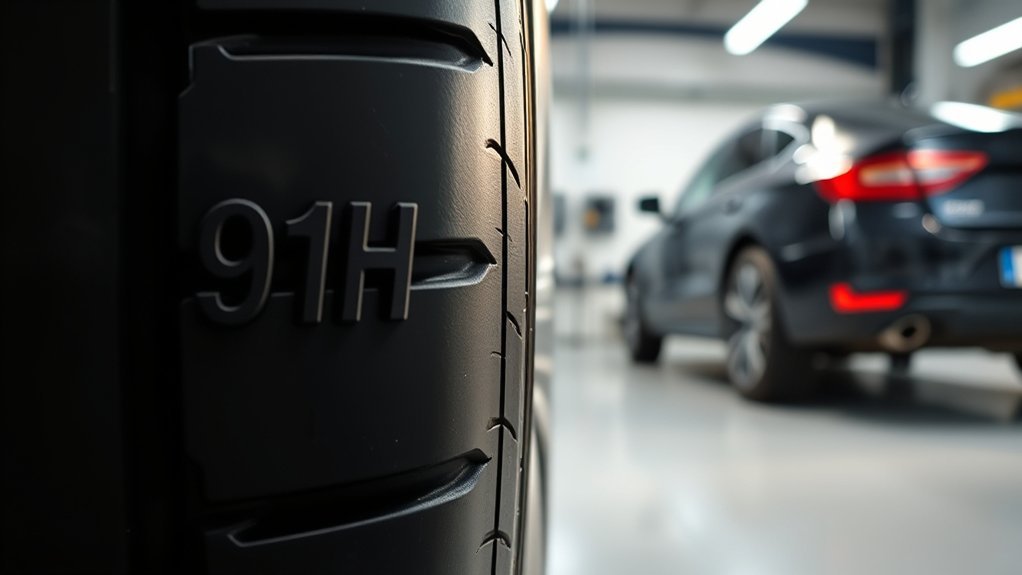
The H speed rating means the tire is rated for up to 130 mph or 210 km/h under controlled conditions. Speed ratings are based on tire testing, but they are not the same as real-world safe driving limits.
Bridgestone explains that actual speed capability can be reduced by underinflation, overloading, tire wear, damage, repairs, vehicle condition, alignment, weather, and road conditions. That is why you should use the speed rating as a tire selection specification, not as a target speed.
For everyday replacement, the safest rule is simple: match or exceed the speed rating your vehicle manufacturer requires. Going higher may be acceptable if the tire otherwise fits the vehicle, but going lower can affect handling, heat resistance, and vehicle performance.
91H vs. 91V, 91T, and 91S Tires
The number and letter each matter. Two tires can share the same load index but have different speed ratings. For example, 91H and 91V both carry the same load, but the speed rating is different.
| Code | Load Capacity | Speed Rating | What It Means |
|---|---|---|---|
| 91S | 1,356 lb | 112 mph | Same load as 91H, lower speed rating |
| 91T | 1,356 lb | 118 mph | Same load as 91H, lower speed rating |
| 91H | 1,356 lb | 130 mph | Common rating for many sedans, coupes, and crossovers |
| 91V | 1,356 lb | 149 mph | Same load as 91H, higher speed rating |
If your car calls for 91H, a 91V tire may be acceptable if the size, load rating, tire type, and vehicle requirements match. A 91T or 91S tire has the same load capacity, but it has a lower speed rating, so it may not be suitable unless your vehicle manufacturer allows it.
[Products Worth Considering]

Steelman white tire marking crayons provide high-contrast, semi-permanent marks for repairing and inspecting tires and equipment. They write on wet or dry, smooth or coarse surfaces including rubber, metal, glass, and wood, making them ideal for puncture location and damage outlining. The lead- and zinc-free crayons resist weather and fading yet wipe away when you no longer need the marks.

This tire inflator with pressure gauge delivers long-lasting performance with a durable rubber-protected gauge and sturdy build. The longer hose and 360 swivel air chuck help you seal the valve securely and keep your hands free while measuring, inflating, or deflating. It’s battery-free for reliable use and provides ±2 PSI accuracy in the mid-range for most typical tires, with universal compatibility for 1/4 NPT compressor outputs.

Accurately measure tire tread depth with a calibrated gauge marked from 0 to 1 inch in 1/32 inch increments. The color-coded bar helps you quickly identify tread condition ranges, supporting safe driving for trucks, motorcycles, automobiles, and passenger vehicles.
Can You Mix Different Tire Ratings?
Mixing different tire ratings is not recommended unless it is unavoidable and the setup still meets your vehicle manufacturer’s rules. For best handling and braking, all four tires should match in size, type, load index, speed rating, construction, and tread pattern.
Mixing Speed Ratings
If tires with different speed ratings are installed, the vehicle’s maximum tire speed capability is limited by the lowest-rated tire. For example, if three tires are H-rated and one is T-rated, the lowest speed rating is T.
Michelin advises against combining different speed ratings because it can affect handling. If different speed ratings must be used, Michelin says the lower speed-rated tires should be placed on the front axle to reduce potential oversteer. This is an exception, not the ideal setup.
Pro Tip: If you are replacing only two tires, ask the installer to follow the tire maker’s guidance for your exact situation. Newer or deeper-tread tires are often installed on the rear axle for wet stability, but different speed ratings create a separate handling issue that should be handled by a tire professional.
Load and Size Match
Load index and size are just as important as speed rating. A replacement tire should not have a lower load index than the original specification. The tire also needs to match the correct rim diameter, overall size, and load range.
| Tire Rating Issue | Why It Matters |
|---|---|
| Lower load index | May not safely support the vehicle’s required load |
| Lower speed rating | May reduce heat resistance, performance, and maximum tire speed capability |
| Wrong tire size | Can affect fitment, speedometer accuracy, handling, braking, and vehicle systems |
| Mixed tire types | Can create uneven traction between axles or side-to-side |
| AWD or 4WD mismatch | Can stress drivetrain components if tire circumference differs too much |
How to Choose the Right Replacement for a 91H Tire
If your current tire is marked 91H, use that code as a starting point, not the only requirement. The right replacement must match the vehicle, not just the old tire.
Use this checklist before buying:
- Confirm the full tire size, such as P205/60R15, not only the 91H service description.
- Check the placard and owner’s manual for the original equipment tire size, load index, and speed rating.
- Choose equal or higher load capacity unless the vehicle manufacturer gives different guidance.
- Match or exceed the required speed rating, especially on performance vehicles.
- Match tire type, such as all-season, summer, winter, touring, performance, run-flat, Standard Load, or Extra Load.
- Ask a tire professional if you are changing size, mixing brands, replacing only two tires, or driving an AWD/4WD vehicle.
Note: Extra Load, often marked XL, is not the same thing as simply having a higher load index. XL tires are designed to carry more load at higher inflation pressures, so always follow the pressure listed on your vehicle placard unless a qualified professional gives vehicle-specific guidance.
[Products Worth Considering]

The 22800 wheel stud installer makes replacing wheel studs quick and secure, saving time and effort during tire service. It uses a ratchet or impact wrench to pull new studs firmly into place, helping when existing studs are too long. Compatible with most automotive wheels and light-duty truck wheel studs, it’s designed for easy, tool-assisted installation.

Measure tyre tread depth precisely with a digital gauge that reads in both MM and inches, helping you monitor safe driving conditions. The large LCD screen is easy to operate, and the compact tool fits for cars, trucks, and motorcycles. It provides high accuracy with a 0-25.4mm range and includes a 1-year warranty for added peace of mind.
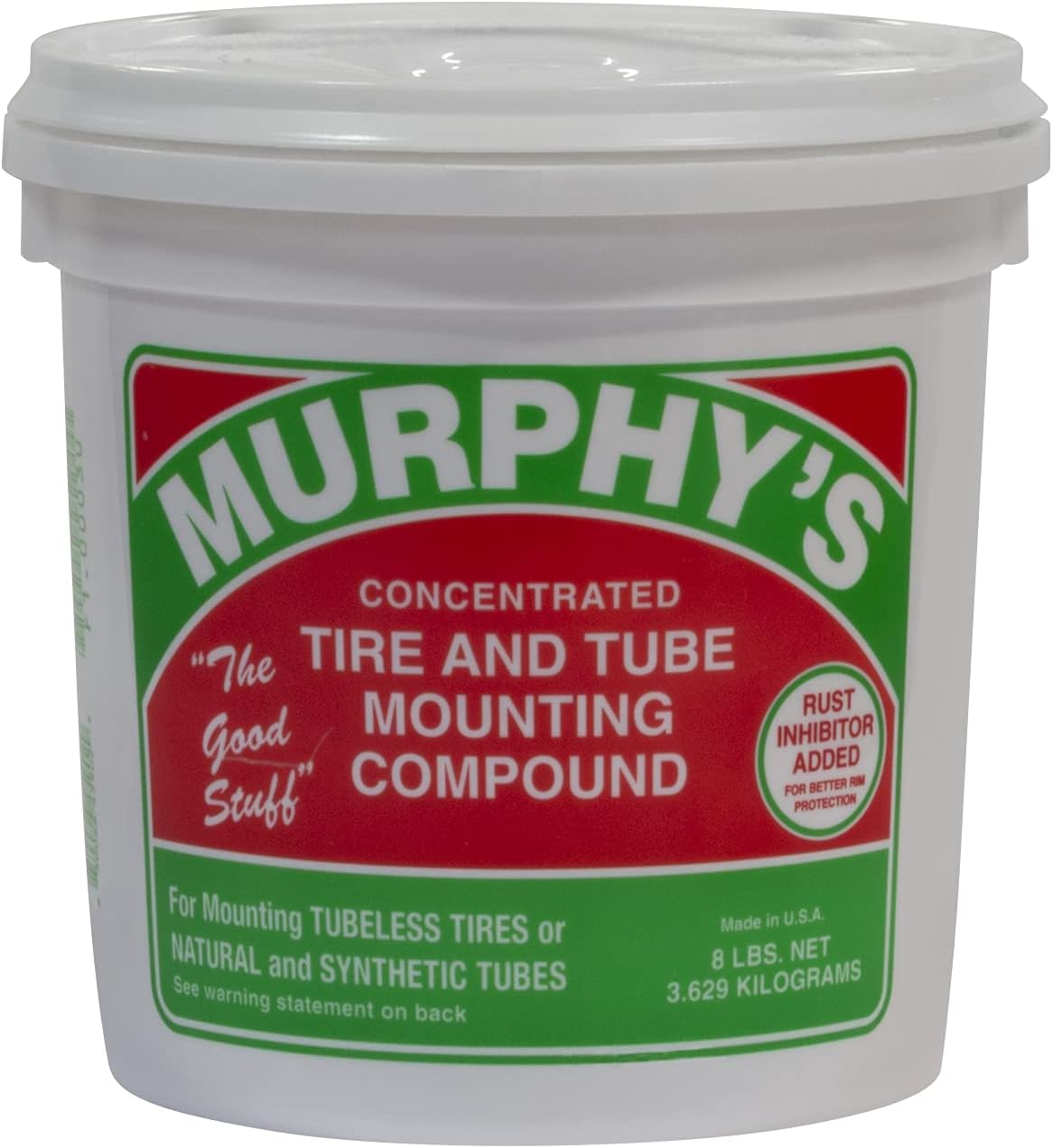
A concentrated tire and tube mounting compound designed to help simplify mounting rubber tires and tubes on passenger, semi truck, construction, and OTR applications. Its ultra-thick formula packs beads effectively and includes rust inhibitors to help protect against corrosion during use.
When Should You Replace 91H Tires?
Replace 91H tires when tread depth, age, damage, or performance shows the tire is no longer safe. The 91H rating only applies when the tire is in serviceable condition and used correctly.
Replace the tire or have it inspected immediately if you see:
- Tread at or below 2/32 inch
- Bulges, bubbles, cracks, cuts, exposed cords, or sidewall damage
- Repeated air loss
- Uneven wear, vibration, pulling, or handling changes
- Damage from potholes, curbs, punctures, or driving while flat
- A recall affecting that tire model
For age, follow your tire and vehicle manufacturer’s guidance. Michelin recommends professional inspections after five years of service and replacement at ten years from the date of manufacture, even if the tire still looks usable. Bridgestone gives similar guidance: inspect after five years and replace tires that were manufactured ten years prior or longer. Some vehicle manufacturers or tire shops may recommend earlier replacement, especially in severe climates or for tires exposed to heat, sun, underinflation, or heavy loads.
To check tire age, find the DOT code on the sidewall. The last four digits show the week and year the tire was made. For example, a code ending in 3520 means the tire was made in the 35th week of 2020.
Frequently Asked Questions
What’s the difference between 91V and 91H tires?
91V and 91H tires have the same load index, so both can carry 1,356 pounds per tire when properly inflated. The difference is the speed rating. H is rated for 130 mph, while V is rated for 149 mph. If your vehicle calls for 91H, a 91V tire may be acceptable if the size, type, and vehicle requirements match.
Which tire rating is better, H or T?
H has a higher speed rating than T. H is rated for 130 mph, while T is rated for 118 mph. That does not automatically make H better for every vehicle, but you should not use a T-rated tire if your vehicle requires H unless the vehicle or tire manufacturer allows it.
Which is better, S or H speed rating?
H is the higher speed rating. S is rated for 112 mph, while H is rated for 130 mph. If your vehicle requires H-rated tires, do not downgrade to S-rated tires unless the manufacturer specifically permits it. Always prioritize the rating listed on your vehicle placard or owner’s manual.
What does 91S mean on tires?
91S means the tire has a load index of 91 and an S speed rating. The 91 load index equals 1,356 pounds per tire, and the S speed rating equals 112 mph. It has the same load capacity as a 91H tire but a lower speed rating.
Can I replace 91H tires with 91V tires?
Usually, yes, if the tire size, load index, tire type, and vehicle requirements match. 91V has the same load capacity as 91H and a higher speed rating. Still, you should confirm the replacement with your owner’s manual, tire placard, or tire installer.
Do speed ratings matter if I never drive 130 mph?
Yes. Speed ratings are not only about top speed. They also relate to heat resistance, construction, handling, and the vehicle maker’s intended performance balance. Even if you never drive near 130 mph, use the speed rating your vehicle manufacturer requires.
Conclusion
In short, 91H tells you two important tire specs. The 91 load index means the tire can carry 1,356 pounds per tire when properly inflated, and the H speed rating means the tire is rated for 130 mph under specified conditions. When replacing tires, match the full tire size, load index, speed rating, and tire type listed by your vehicle manufacturer. If you are unsure, check the door placard, owner’s manual, or a qualified tire professional before buying.
Sources
- NHTSA TireWise — tire safety, tire maintenance, labeling, aging, and consumer guidance.
- NHTSA Tire Safety Brochure — sidewall markings, speed rating chart, DOT date code, tread depth, and tire safety checklist.
- Tire Rack Load Index Chart — load index values including 91 = 1,356 lb / 615 kg.
- Bridgestone Tire Speed Rating Guide — speed rating definitions, H rating, and safety limitations.
- Michelin Load Rating and Speed Rating Guide — service description, load rating, speed rating, and replacement guidance.
- Michelin When to Replace Tires — tread, age, damage, DOT date code, and five-year inspection / ten-year replacement guidance.