A 235/45R18 tire can make your Sonata feel sharper, but only if that size matches the sticker on your car. The code tells you the tire is 235 mm wide, has a sidewall height equal to 45% of that width, uses radial construction, and fits an 18-inch wheel. This guide explains what the size means, how it affects ride and handling, and what to check before you replace or swap tires.
Key Takeaways
- 235/45R18 describes tire width, sidewall height, radial construction, and wheel diameter.
- A 94 load index supports about 1,477 lb per tire when you inflate the tire correctly.
- A V speed rating means the tire meets performance tests up to 149 mph, not that you should drive that fast.
- This size can improve grip and steering feel, but it can also make the ride firmer.
- Before changing tire size, check your driver-door placard, owner’s manual, wheel width, and clearance.
Quick Answer: Is 235/45R18 Right for Your Sonata?
235/45R18 can suit a Hyundai Sonata when your trim came with 18-inch wheels or your door placard lists that size. The 235 mm tread width gives you solid road contact, while the 45% aspect ratio creates a shorter sidewall for quicker steering response. You may also feel a firmer ride than you would with a taller sidewall.
Don’t choose this size by trim name alone. Hyundai offered different wheel and tire packages across model years, so you should check the tire placard on the driver’s door jamb before you buy.
Reading 235/45R18: Width, Aspect Ratio, Construction, and Rim Size
When you read 235/45R18, the first number tells you the tire width in millimeters. The 45 shows the aspect ratio, so the sidewall height equals 45% of the 235 mm width. The R means radial construction, and 18 tells you the tire fits an 18-inch wheel.
Tire Width Explained
The 235 in 235/45R18 means the tire measures 235 millimeters wide from sidewall to sidewall. A wider tire can give your Sonata a larger contact patch, which can improve cornering grip and stability. It can also raise rolling resistance, road noise, or rubbing risk if the wheel and suspension do not match the tire.
Aspect Ratio Meaning
The 45 in 235/45R18 means the sidewall height equals 45% of the tire width. In this size, the sidewall height is about 105.8 mm. A shorter sidewall can sharpen steering feel, but it can also send more road impact into the cabin.
Changing the aspect ratio changes the tire’s overall diameter. That can affect speedometer accuracy, anti-lock braking system behavior, and clearance around the fenders and suspension.
Radial Construction & Rim
The R means the tire uses radial construction. Most modern passenger-car tires use this design because it supports stable handling, lower heat buildup, and long tread life. The 18 means the tire fits an 18-inch wheel, not a 17-inch or 19-inch wheel.
- Radial design: supports stable road contact and common passenger-car use.
- Sidewall flex: affects comfort, steering feel, and impact harshness.
- Heat control: helps the tire handle normal driving loads safely.
- Wheel diameter: must match the tire’s rim size exactly.
- Fitment check: protects clearance, handling, and bead seating.
Use these markings as a fitment guide, not just a style choice. A tire must match your wheel, load needs, and vehicle placard.
What Load Index 94 and Speed Rating V Mean for Performance
A load index of 94 means one tire can carry about 1,477 lb when inflated to its rated pressure. Four tires at that rating give enough capacity for many midsize sedans, but you still need to follow Hyundai’s placard and tire pressure guidance.
A V speed rating means the tire passed lab testing for speeds up to 149 mph. That rating describes tire capability under controlled conditions. It does not override speed limits, road conditions, tire wear, or safe driving judgment.
Warning: Never use a replacement tire with a lower load index or speed rating than your vehicle requires.
[Products Worth Considering]

Measure tire tread depth quickly and accurately with this LUMITECO dial gauge that reads in 1/32" increments up to 14/32". The color-coded green/yellow/red zones make it easy to judge tire wear and know when replacement is needed. A rugged, compact design with a protective pouch helps keep the gauge ready for use on cars, trucks, motorcycles, and more.

Monitor tire tread wear with a smart, color-coded depth gauge that shows clear condition ranges at a glance. The bar is range marked for fast, easy readings, helping you maintain safer traction and performance. Each gauge is portable with a pocket clip, and the set includes 20 units for daily use and sharing.

Accurately measure tire tread depth with a calibrated gauge marked from 0 to 1 inch in 1/32 inch increments. The color-coded bar helps you quickly identify tread condition ranges, supporting safe driving for trucks, motorcycles, automobiles, and passenger vehicles.
Which Sonata Models Use 235/45R18 OEM and Why
You may find 235/45R18 tires on Sonata trims that use 18-inch wheels. Exact original equipment fitment depends on model year, market, trim, and option package. Your driver-door tire placard gives the most reliable answer for your specific car.
Automakers choose tire sizes to balance grip, ride comfort, steering feel, fuel economy, and load capacity. A 235/45R18 tire gives the Sonata a wider footprint and lower sidewall than many smaller wheel packages.
[Products Worth Considering]

Malco tire mounting and demounting lubricant is a ready-to-use tire lube formulated to reduce friction during tire installation for passenger cars, light trucks, farm tires, and heavy-duty equipment. It provides rust-inhibiting protection to help reduce corrosion on rims and wheels, and helps support proper tire bead seating during inflation to reduce air leakage. The silicone-free, soap-free formula is whitewall safe to help prevent discoloration on whitewall tires and sensitive sidewall markings.

Black Magic Tire Wet delivers a deep wet-look shine that makes tires appear dark, rich, and freshly detailed. Its long-lasting formula helps resist rain, dust, and road grime for weeks of glossy protection, not days. Apply by spraying onto clean, dry tires—no buffing or wiping required—with a low-sling design to reduce splatter on paint and wheels.

The Continental Grand Prix 5000 is an allround road bike tire engineered for faster rolling, improved ride comfort, and enhanced puncture protection. It features a Vectran Breaker cut-protection layer, Lazer Grip micro-profile tread for confident cornering control, and Active Comfort Technology to damp vibration for smoother rides. BlackChili compound optimizes grip and speed for everyday performance and long-lasting confidence.
Sonata Trim Compatibility
Some Sonata Limited, Sport, SEL Plus, and N Line packages have used 18-inch tire fitments, depending on year and market. You should not assume compatibility from the trim badge alone. Check the placard, wheel size, and owner’s manual before replacing tires.
- Limited-style trims: often aim for a balance of comfort and control.
- Sport-style trims: may use lower-profile tires for quicker response.
- Wheel packages: can change the correct tire size within the same model year.
- Replacement planning: should start with the door placard, not a forum post.
- Safety check: requires the right size, pressure, load index, and speed rating.
Matching the original size helps preserve the ride and handling Hyundai tuned for your car.
OEM Fitment Reasons
Hyundai and other automakers use original equipment tire sizes to match the car’s weight, suspension, brakes, and wheel wells. With 235/45R18, the wider tread can support confident grip, while the 45-series sidewall keeps steering response tight.
| Fitment Factor | Why It Matters | What You Should Check |
|---|---|---|
| Tire size | Preserves diameter and clearance | Door placard |
| Wheel size | Controls bead seating and handling | Wheel markings |
| Load rating | Supports vehicle weight safely | Load index 94 or required rating |
| Speed rating | Matches performance requirements | V or required rating |
How 235/45R18 Affects Handling, Ride, and Fuel Economy

A 235/45R18 tire can make a Sonata feel more planted because the 235 mm width gives the tire more road contact. The 45-series sidewall also reduces flex compared with taller-sidewall tires. Together, those traits can improve steering response and cornering feel.
The trade-off comes in ride comfort. Shorter sidewalls usually absorb less impact from potholes, sharp bumps, and broken pavement. Wider tires may also create more road noise or slightly lower fuel economy, depending on tread design and tire weight.
- Wider tread can improve dry grip and cornering confidence.
- Shorter sidewalls can sharpen steering response.
- 18-inch fitment can preserve factory handling when it matches the placard.
- Tread pattern and compound affect fuel economy as much as size.
- Lower-profile tires can make rough roads feel harsher.
235/45R18 Fitment Rules: Diameter, Rim Width, and Clearances
Start with overall diameter. A 235/45R18 tire has a sidewall height of about 105.8 mm and an overall diameter near 26.3 inches. Staying close to the factory diameter helps protect speedometer accuracy and clearance.
Next, check wheel width. Many 235/45R18 tires fit wheels around 7.5 to 9 inches wide, but the approved range can vary by tire model. Always use the tire maker’s specification sheet for the exact tire you plan to buy.
| Item | Typical Spec | Why It Matters |
|---|---|---|
| Sidewall height | About 105.8 mm | Affects comfort, diameter, and calibration |
| Overall diameter | About 26.3 in | Helps maintain speedometer accuracy |
| Rim width | Check tire maker specs | Supports safe bead seating and handling |
| Clearance | No rubbing at full turn or compression | Protects fenders, liners, and suspension parts |
Measure before you commit to a size change. Full steering lock, loaded suspension, and uneven roads can reveal rubbing that a parked test fit may miss.
Replacement & Upgrade Options for 235/45R18 (Equivalents & Swaps)
If you replace 235/45R18 tires, the safest choice usually matches the original size, load index, and speed rating. If you want a swap, keep overall diameter close to stock and confirm the new size clears the suspension and fenders.
Common alternatives may include narrower or wider 18-inch sizes, but each change affects steering, comfort, traction, and speedometer accuracy. A tire shop can check wheel width, offset, load rating, and clearance before installation.
- 225/45R18: may reduce width, but it also changes diameter and load options.
- 245/45R18: may add width, but it can raise rubbing risk on some setups.
- All-season tire: balances wet grip, dry grip, tread life, and comfort.
- Performance tire: improves response, but it may wear faster or ride firmer.
- Touring tire: favors comfort, quiet ride, and long tread life.
Pro tip: If you like the factory ride, replace the tires with the same size and a similar tire category.
[Products Worth Considering]

Keep your tires properly inflated with this analog VONDIOR tire pressure gauge, designed for fast, easy readings without batteries. The swiveling, two-axis hose and large glow dial help you measure at any tire angle with instant visibility. Built with a protective rubber shield, it supports durable, low-maintenance use for cars and trucks.
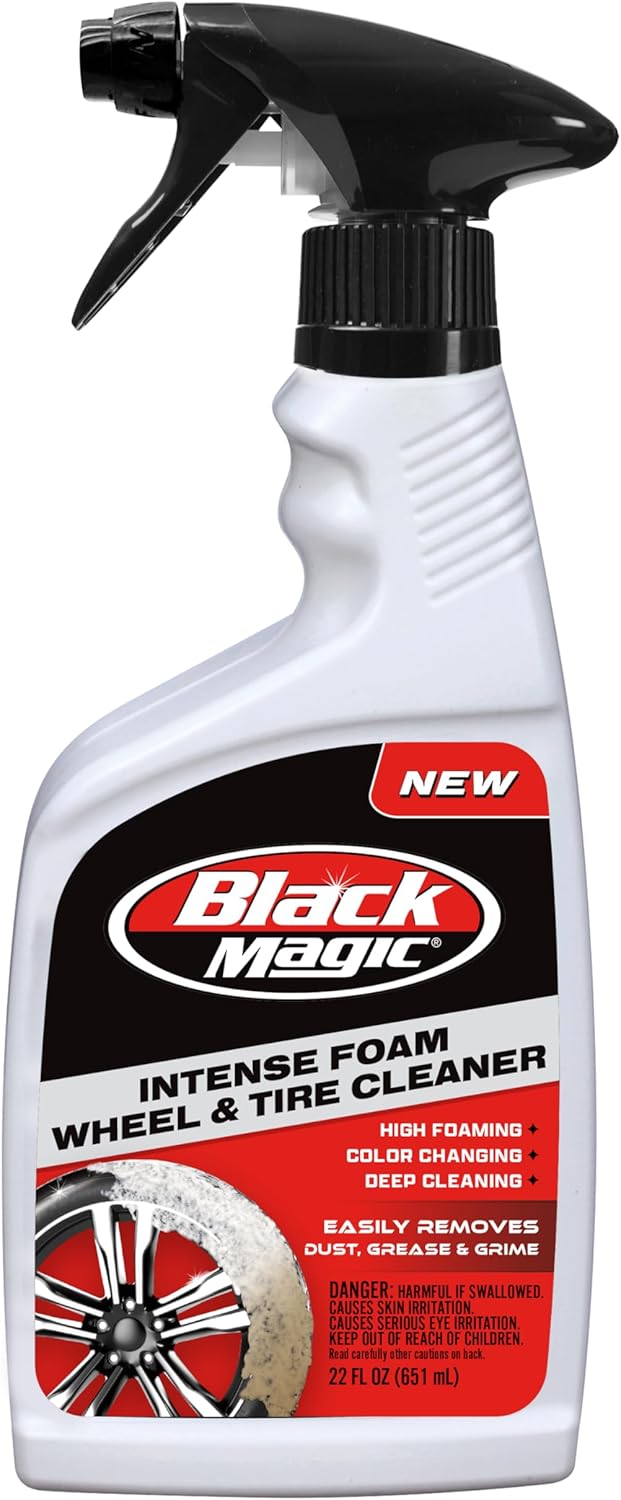
Black Magic Intense Foam Wheel & Tire Cleaner uses a high-foaming action to lift away dirt, grime, and brake dust without scrubbing. The color-changing formula helps show contaminants being dissolved as foam turns from white to brown. Safe for all wheel types and even wheel wells, it leaves a like-new, slick finish with a fresh cherry scent.

The Trivd Frol 1/2" air impact wrench delivers high performance torque up to 1500 ft-lbs with a twin hammer impact mechanism for strong, balanced blows. It features an ergonomic grip, compact lightweight design, and quick-stop control with 3 forward speeds up to 8000 RPM plus a reverse speed. Built for demanding automotive repair and tire shop work, the rear exhaust helps keep debris away from the surface.
Maintenance and Safety for 235/45R18: Pressure, Wear, DOT Age
Good tire care protects grip, braking, fuel economy, and tread life. Use the tire pressure printed on your Sonata’s driver-door placard, not the maximum pressure stamped on the tire sidewall. Check pressure when the tires are cold.
Inspect tread depth, sidewalls, and wear patterns each month. Replace tires with bulges, deep cuts, exposed cords, or severe uneven wear. Many tire and vehicle safety groups advise replacing aging tires even when tread remains, so check the Department of Transportation (DOT) date code too.
| Task | Frequency | Why It Matters |
|---|---|---|
| Pressure check | Monthly and before long trips | Protects grip, fuel use, and tread life |
| Tread check | Monthly | Helps reduce hydroplaning risk |
| Rotation | Follow the owner’s manual | Reduces uneven wear |
| DOT age check | At least annually | Flags age-related cracking and risk |
If the car pulls, shakes, or wears one tire faster than the others, schedule an alignment and inspection. A small issue can ruin a good set of tires quickly.
How to Confirm the Right Tire Pressure for 235/45R18
Your correct tire pressure comes from the vehicle placard, not from the tire size alone. Look on the driver’s door jamb for the front and rear pressure values. The placard may list different pressures for different loads or tire sizes.
Check pressure before driving or after the car has been parked for several hours. Heat raises tire pressure, so a hot reading can mislead you. Recheck after major temperature swings because pressure changes with weather.
Frequently Asked Questions
What Does 235 45R18 Mean on a Tire?
235 means the tire is 235 millimeters wide. The 45 means the sidewall height equals 45% of that width. R means radial construction, and 18 means the tire fits an 18-inch wheel.
What Does 255 45 R18 Mean?
255/45R18 means the tire is 255 millimeters wide, with a sidewall height equal to 45% of that width. It uses radial construction and fits an 18-inch wheel. Compared with 235/45R18, it is wider and may not fit every Sonata setup.
Can I Use 235/45R18 on Any Hyundai Sonata?
No. Sonata tire fitment depends on model year, trim, wheel size, brake clearance, and option package. Check your driver-door placard and owner’s manual before buying this size.
Will 235/45R18 Tires Make My Sonata Ride Rougher?
They can, especially if you switch from a smaller wheel with a taller sidewall. The shorter 45-series sidewall gives sharper response but absorbs less impact. Tire model, pressure, and road surface also affect comfort.
How Old Is Too Old for 235/45R18 Tires?
Age matters even when tread depth looks acceptable. Check the DOT date code on the sidewall and inspect for cracks, bulges, or hard rubber. Ask a tire professional to inspect older tires before you rely on them for daily driving.
Conclusion
235/45R18 gives your Sonata a balanced mix of grip, steering response, and 18-inch style when that size matches the car’s factory fitment. Check the driver-door placard, load index, speed rating, pressure, and wheel width before you buy. If you plan to change sizes, confirm diameter and clearance with a tire professional. The right tire choice keeps your Sonata safe, predictable, and enjoyable on every drive.