
Summer heat can change how your Toyota Camry’s tires feel and perform, but a higher warm-tire reading does not automatically mean the tires are overinflated. The safest approach is to check pressure when the tires are cold, follow the driver-door placard, control the vehicle’s load, and inspect the tread and sidewalls regularly.
Quick Answer
Hot weather raises tire pressure as the air inside warms, usually by about 1–2 psi for each 10°F temperature change. Check your Camry’s tires cold, use the pressure on the driver-door placard, and never bleed a hot tire simply because its reading is higher. Underinflation, excessive loading, damage, and worn tread create the greatest heat-related risks.
Key Takeaways
- Measure tire pressure before driving or after the Camry has been parked for at least three hours.
- Use the recommended cold PSI on the Tire and Loading Information label, not the maximum pressure molded into the tire sidewall.
- Do not release air from a hot tire merely to return it to the cold placard pressure.
- Underinflation and excessive loading increase tire flex, internal heat, irregular wear, and failure risk.
- Inspect the tread and sidewalls before long summer trips and obtain professional help for bulges, exposed cords, rapid air loss, or severe vibration.
Warning: Never bleed air from a hot tire just because its pressure is above the cold specification. Driving warms the tire and temporarily raises its pressure. Adjust it from a cold reading whenever possible, then recheck it after the vehicle has been parked for at least three hours.
Understanding How Heat Affects Tire Pressure
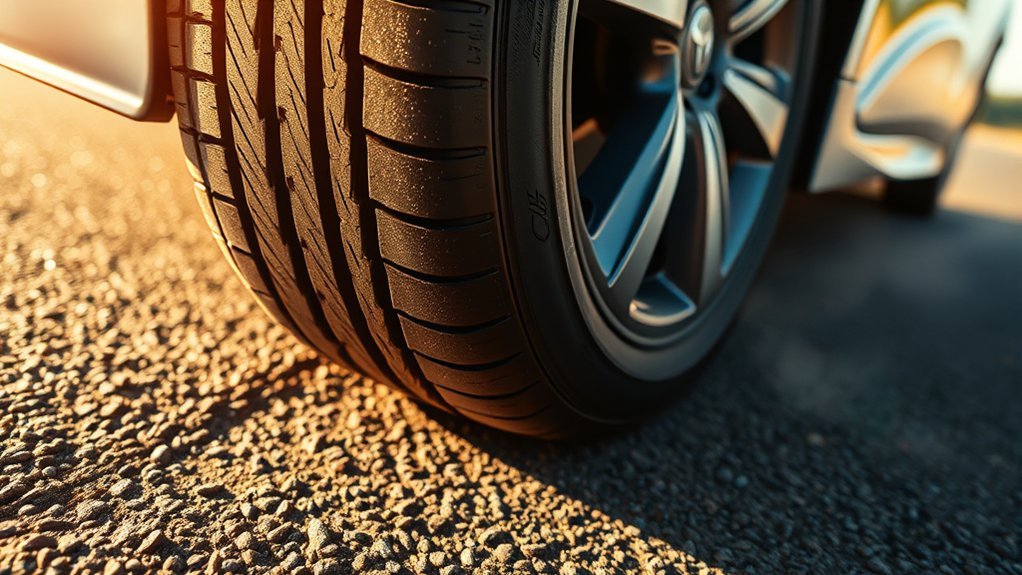
Air expands as it warms, so the pressure inside a tire rises when the weather becomes hotter or the tire heats up during driving. The U.S. Tire Manufacturers Association notes that inflation pressure may change by about 1–2 psi for each 10°F change in temperature.
This change is why you should compare one cold reading with another cold reading. A tire is generally considered cold when the car has not been driven for at least three hours. Pressure measured after highway driving may be several psi higher, even when the tire was correctly inflated before the trip.
Your Camry’s correct pressure depends on its model year, wheel and tire package, and sometimes front and rear specifications. Check the Tire and Loading Information label on the driver-side door jamb or the relevant owner’s manual. Toyota also advises following the vehicle manufacturer’s recommended pressure rather than choosing a PSI based on the tire alone.
Note: The pressure molded into a tire’s sidewall is not the recommended everyday pressure for your Camry. It identifies a maximum or rating-related value for the tire. Use the vehicle placard for normal inflation.
Signs Your Toyota Camry Tires Are Overinflated in Hot Conditions
You cannot reliably diagnose overinflation by appearance, noise, or steering feel alone. The most dependable test is a calibrated gauge reading taken when the tires are cold and compared with your Camry’s placard specification.
| Possible Clue | What It Means |
|---|---|
| Cold reading above the placard PSI | This is the clearest indication that the tire may contain too much air. Verify the reading with a reliable gauge. |
| Harsh or unusually firm ride | Excess pressure can reduce the tire’s ability to absorb small bumps, although suspension and road conditions can create similar symptoms. |
| Center-focused tread wear over time | Persistent overinflation may contribute to center wear, but alignment, tire design, rotation history, and driving habits must also be considered. |
| Greater sensitivity to potholes | An overinflated tire may be more vulnerable to impact damage because it has less compliance when it strikes a sharp obstacle. |
A higher reading immediately after driving is normal and is not enough to prove overinflation. Let the tires cool before making a precise adjustment. If one tire remains much higher than the others when cold, verify its placard specification and check it with a second gauge.
How Heat Accelerates Tire Tread Wear
Sustained heat can speed the aging of tire materials, while underinflation, high speed, heavy loading, aggressive cornering, and hard braking create additional heat inside the tire. Underinflation is especially harmful because the sidewall flexes more with each rotation.
- Underinflation: Extra flex generates heat, increases rolling resistance, and can cause shoulder wear or internal damage.
- Excessive loading: Added weight increases deflection and stress, particularly when the tire is already low.
- High-speed driving: Continuous flexing and friction increase operating temperature.
- Alignment or suspension problems: Uneven contact can produce rapid wear on one edge or across irregular sections of the tread.
- Low tread depth: Worn grooves remove water less effectively during summer rain, reducing wet-road traction.
Heat-related tire trouble is usually not caused by outdoor temperature alone. The more serious combination is hot weather, low inflation, excessive load, sustained speed, or existing tire damage.
Check for uneven wear across the inner edge, center, and outer edge of each tire. If the wear pattern differs significantly from one tire to another, have the inflation, alignment, balance, and suspension inspected.
Tips for Keeping Your Tire Pressure Right in Summer
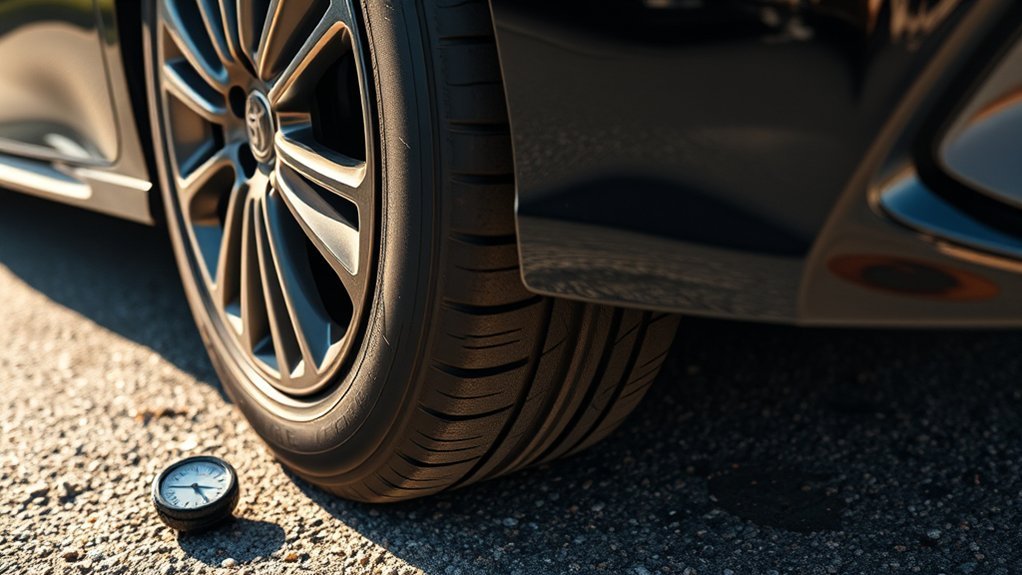
Follow this process for a reliable summer pressure check:
- Park long enough for the tires to cool. Check them before driving or after at least three hours without driving.
- Find the vehicle specification. Read the Tire and Loading Information label on the driver-side door jamb or consult the correct Camry owner’s manual.
- Check every tire with a gauge. Press the gauge squarely onto the valve stem until the hissing stops and note the reading.
- Add or release air as needed. Make precise adjustments only from a cold reading whenever possible.
- Recheck the pressure. Measure again after each adjustment and reinstall the valve cap.
- Check all four tires and the spare. A spare can lose pressure while sitting unused.
The National Highway Traffic Safety Administration recommends checking tire pressure at least monthly and before long trips. Do not wait for the dashboard warning light because a Tire Pressure Monitoring System is designed to warn about significant underinflation, not to replace routine gauge checks.
Pro Tip: Keep a dependable digital or dial gauge in the glove compartment. Check your Camry early in the morning so the tires are cool and the readings are easier to compare from month to month.
[Products Worth Considering]

The SAFELIFE dial tire tread depth gauge measures tread depth in 1/32 inch increments with clear, easy-to-read 2-inch dial face. Color zones using a traffic light system help you quickly judge whether tread is low, marginal, or ample for safer driving. Built with a durable zinc cast body and a metal detect probe for precise, comfortable use across cars, motorcycles, trucks, and buses.

Measure tire tread depth quickly and accurately with this LUMITECO dial gauge that reads in 1/32" increments up to 14/32". The color-coded green/yellow/red zones make it easy to judge tire wear and know when replacement is needed. A rugged, compact design with a protective pouch helps keep the gauge ready for use on cars, trucks, motorcycles, and more.

Milton S-921 pencil tire pressure gauge helps you maintain optimal tire pressure for passenger cars with accurate readings in PSI and kPa. It features a built-in deflator valve for convenient pressure adjustments, plus a single chuck head and nylon indicator bar for easy use on the go. Built from durable plated brass and designed for reliable performance, it’s a practical road trip and cold-weather maintenance tool.
Why Avoiding Overloading Is Crucial for Tire Health
Excess cargo does not create a new recommended PSI or directly raise the tire’s cold inflation setting. Instead, it increases the load each tire must support. That extra load causes more deflection, stress, and heat, which can accelerate wear and increase the chance of damage when inflation is low.
Weight Limits Matter
Use the Tire and Loading Information label to confirm the vehicle’s seating and combined passenger-and-cargo limit. Do not estimate the limit from trunk space or assume that the car can safely carry an item simply because it fits.
- Include passengers, luggage, tools, and other cargo when estimating the load.
- Do not exceed the stated combined passenger-and-cargo limit.
- Use tires with the correct size and load capability for the vehicle.
- Check cold pressure before carrying a heavy load or starting a long trip.
Tire Strain Increases
An overloaded tire bends more as it rolls. If it is also underinflated, the sidewall flex and internal temperature can rise rapidly. This combination can damage internal components even when the outside of the tire still looks normal.
Distribute cargo evenly and secure heavy items so they cannot shift during braking or cornering. Concentrating excessive weight on one side can affect handling and place uneven demands on the tires and suspension.
Handling Compromises Safety
Excessive weight can change steering response, braking distance, cornering balance, and ride height. It may also increase the chance that a tire or wheel is damaged by a pothole because the tire has less reserve capacity to absorb the impact.
- Reduce speed when the Camry is carrying a substantial but permitted load.
- Leave more stopping distance.
- Avoid abrupt steering and hard braking.
- Recheck the load if the rear of the vehicle sits unusually low.
Smart Parking Practices to Protect Your Tires
Parking in shade can reduce prolonged sunlight and ultraviolet exposure, but it is not a substitute for correct pressure and inspection. A tire parked on hot pavement may feel warm and show a temporarily higher reading. Do not release air until you can obtain a cold measurement.
When parking, avoid scraping the sidewall against a curb or leaving a tire pressed against a sharp curb edge. Sidewall cuts, pinching, and impact damage can be more serious than normal heat-related pressure changes.
If the Camry will remain parked for an extended period, inspect the tires for cracking, flat spotting, low pressure, or objects in the tread before driving. A garage or covered space can reduce prolonged environmental exposure, but regular use and maintenance still determine most tire wear.
Essential Tire Maintenance Tips for Hot Weather

Use this checklist throughout warm weather and before any long summer drive:
- Check pressure monthly: Measure all tires cold and use the driver-door placard specification.
- Inspect the tread: Look for low tread, uneven wear, embedded objects, exposed cords, or separated tread areas.
- Inspect both sidewalls: Check the inner and outer surfaces for cuts, cracks, scrapes, bubbles, or bulges.
- Watch for repeated pressure loss: A tire that regularly needs air may have a puncture, leaking valve, wheel problem, or internal damage.
- Rotate as specified: Follow the Camry owner’s manual and tire-manufacturer rotation guidance to promote even wear.
- Address vibration or pulling: These symptoms may indicate imbalance, alignment trouble, tire damage, or another mechanical problem.
- Check the spare: Confirm its pressure and condition before a road trip.
[Products Worth Considering]

The TYAMATE TM8 solar-powered wireless TPMS delivers real-time tire pressure and temperature monitoring with six alarm modes for safer driving. A vibrant color LCD display shows readings clearly while windshield mounting keeps it hands-free and easy to read. With a wide 0–87 PSI range, strong 433.92 MHz signal transmission, and quick sensor pairing, it’s ideal for RV, sedan, SUV, MPV, and truck use.

Monitor tire tread wear with a smart, color-coded depth gauge that shows clear condition ranges at a glance. The bar is range marked for fast, easy readings, helping you maintain safer traction and performance. Each gauge is portable with a pocket clip, and the set includes 20 units for daily use and sharing.

Accurately measure tire tread depth with a calibrated gauge marked from 0 to 1 inch in 1/32 inch increments. The color-coded bar helps you quickly identify tread condition ranges, supporting safe driving for trucks, motorcycles, automobiles, and passenger vehicles.
When to Stop Driving and Get Tire Help
Do not continue normal driving on a tire with a visible bulge, exposed cords, tread separation, rapid air loss, or severe vibration. Reduce speed, move to a safe location, and arrange professional inspection or roadside assistance.
A TPMS warning combined with pulling, thumping, vibration, smoke, or a visibly low tire deserves immediate attention. Driving on a severely underinflated tire can damage it internally within a short distance.
Finding the Best Tires for Summer Performance
Start with the exact tire size, load index, and speed rating approved for your Camry. These details vary by model year, trim, wheel package, and market. Confirm them using the placard and owner’s manual before comparing brands or tread designs.
[Products Worth Considering]

Steelman white tire marking crayons provide high-contrast, semi-permanent marks for repairing and inspecting tires and equipment. They write on wet or dry, smooth or coarse surfaces including rubber, metal, glass, and wood, making them ideal for puncture location and damage outlining. The lead- and zinc-free crayons resist weather and fading yet wipe away when you no longer need the marks.
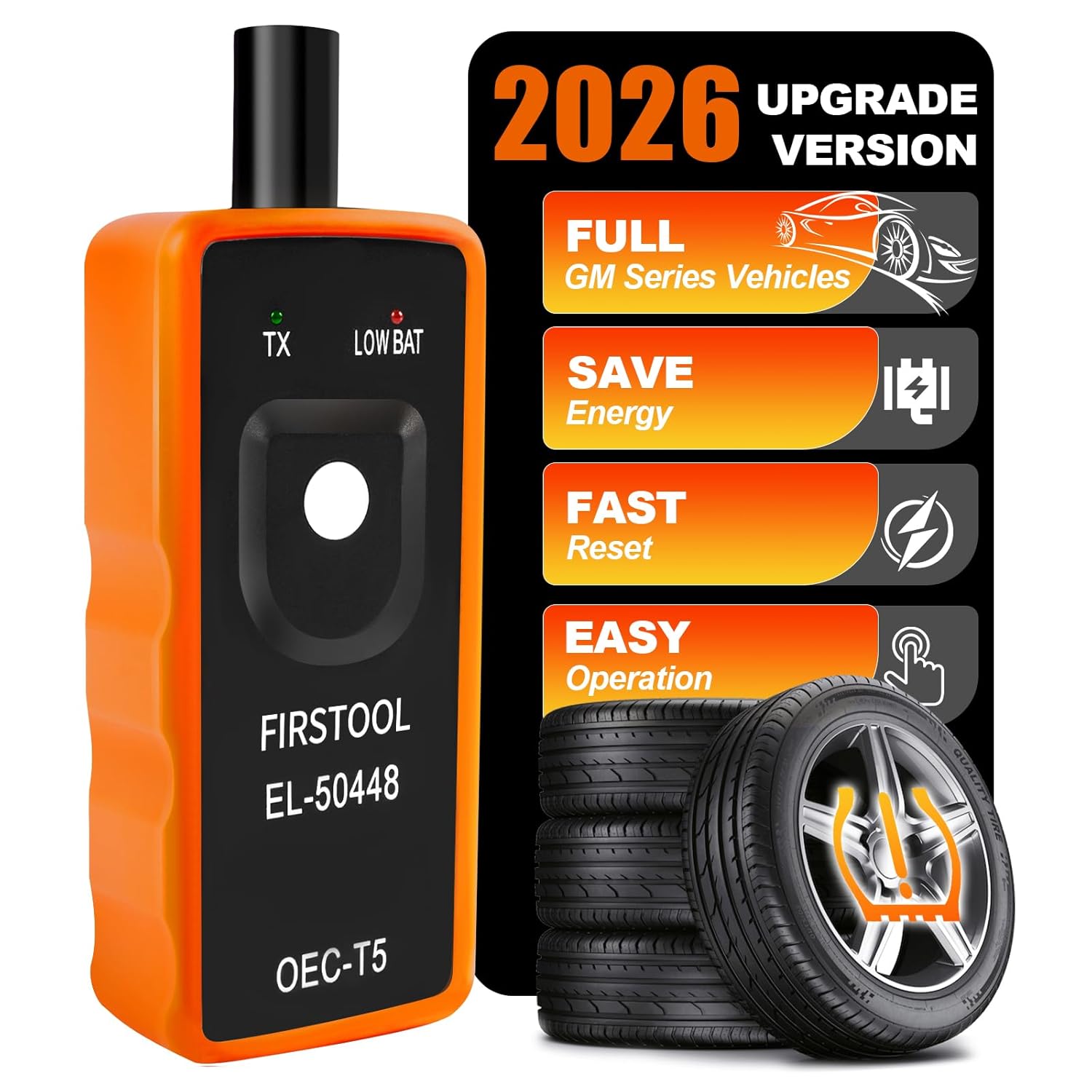
This TPMS relearn tool helps you quickly activate, match, and reset GM tire pressure sensors to keep the vehicle monitoring system working properly. It clears tire pressure alarms and dashboard warning lights after sensor replacement or tire rotation, and supports learning for common 315/433 MHz TPMS sensors. Designed for simple one-button operation, it can help you avoid unnecessary trips to repair shops.
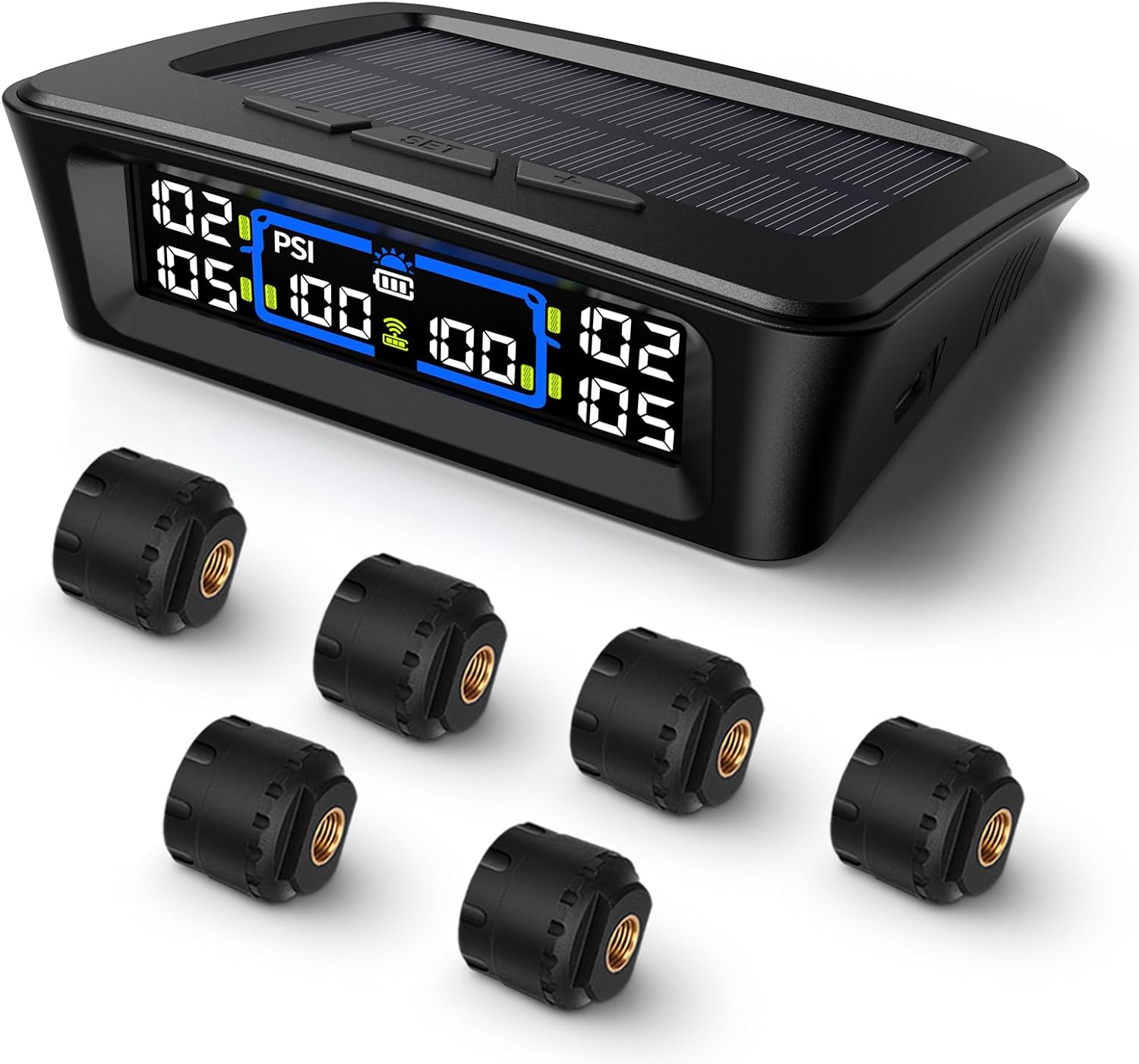
The Tymate TM12 RV TPMS delivers real-time tire pressure and temperature monitoring with a stable 433Hz display for safer long-distance driving. It supports simultaneous monitoring across vehicle and trailer zones, includes six alarm modes for pressure, temperature, leakage, battery, and signal loss, and features easy DIY installation with auto calibration. Power is supplied via USB-C charging or solar recharging, with a wide 0–144 PSI range and up to 50 ft signal coverage for RVs and towable trailers.
Tire Selection for Heat
Drivers in climates that remain warm and rarely experience freezing conditions may benefit from summer tires designed for responsive dry and wet performance. Drivers who encounter cold weather, light snow, or wide seasonal temperature changes may find all-season tires more practical.
Summer tires are not automatically the best choice for every Camry. According to Continental’s seasonal tire guidance, summer tires are designed for warm-weather grip but should not be used in snow, ice, or consistently cold conditions.
Consider the following:
- Climate: Match the tire category to the coldest and hottest conditions you routinely encounter.
- Wet braking: Compare reputable wet-traction testing, not tread appearance alone.
- Ride and noise: Performance tires may feel firmer or produce more road noise than comfort-focused touring tires.
- Tread life: High-grip performance compounds may wear faster than touring designs.
- Load and speed ratings: Never install a tire that fails to meet the vehicle’s required specifications.
Tread Design Considerations
Tread patterns are engineered as complete systems. Groove shape, tread blocks, sipes, compound, casing construction, and tire width all affect dry grip, wet-water evacuation, noise, comfort, and wear.
A tire should not be judged only by whether its grooves appear wide. Review the manufacturer’s intended use, independent testing, the UTQG information where applicable, and the exact size available for your Camry.
Check tread depth regularly. In the United States, tread-wear indicators become flush with the tread at approximately 2/32 inch. Wet traction can decline as the tread wears, so replace damaged or excessively worn tires without waiting for a hot-weather problem to appear.
Tire Performance Ratings Explained
The Uniform Tire Quality Grading system separates three different measurements:
| UTQG Category | How It Is Graded | What It Tells You |
|---|---|---|
| Treadwear | Numeric grade, such as 300 or 500 | A comparative wear result under controlled testing. It is not a guaranteed mileage figure. |
| Traction | AA, A, B, or C | Straight-line wet braking performance under the specified test. It does not represent every type of wet handling. |
| Temperature | A, B, or C | The tire’s tested resistance to heat generation and ability to dissipate heat when properly inflated and loaded. |
A temperature grade of A is the highest UTQG temperature grade, but it does not make incorrect inflation or overloading safe. Compare ratings only after confirming that the tire has the correct size, load index, and speed rating for your Camry.
Frequently Asked Questions
Should I put more air in my tires when it is hot?
Do not add or remove air based only on a normal warm-tire reading. Check the tires cold and compare them with the recommended PSI on your Camry’s door placard. If a hot tire is visibly low or significantly below the placard value, add enough air to avoid driving severely underinflated, then check and correct it again when cold.
Should I let air out after highway driving?
No. Highway driving warms the tires and naturally raises their pressure. Bleeding them down to the cold placard PSI while they are hot can leave them underinflated after they cool.
What tire pressure should a Toyota Camry use in summer?
There is no single PSI for every Camry. Use the recommended cold pressure printed on the Tire and Loading Information label on the driver-side door jamb. The specification can vary by model year, trim, wheel package, tire size, and market.
How often should I check Camry tire pressure in summer?
Check it at least once a month and before long trips, high-speed travel, or carrying a heavy load. Measure the tires cold and check the spare at the same time.
Does the TPMS replace manual pressure checks?
No. A TPMS warns about significant pressure loss, but it may not alert you to smaller differences that affect wear, efficiency, or handling. Use a gauge for routine monthly checks.
What is a disadvantage of a performance summer tire?
Its main disadvantage is poor performance in cold temperatures, snow, and ice. Some performance summer tires may also wear faster, ride more firmly, or cost more than comfort-focused all-season touring tires. Their wet performance is not automatically poor; many are specifically designed for strong warm-weather wet grip.
Conclusion
Summer heat normally raises your Toyota Camry’s tire pressure while the tires are warm, but that does not mean you should release air after driving. Check pressure cold, follow the driver-door placard, stay within the vehicle’s load limit, and inspect the tread and sidewalls before long trips.
Proper inflation reduces unnecessary heat and wear while supporting predictable braking and handling. Have a tire professionally inspected if it develops a bulge, repeated pressure loss, exposed cords, tread separation, or severe vibration.
Sources
- National Highway Traffic Safety Administration: Tire Safety — cold-pressure checks, placard pressure, tread, TPMS, and tire-rating guidance.
- National Highway Traffic Safety Administration: Summer Driving Tips — summer inspections, cold inflation, sidewall pressure warning, and long-trip safety.
- Toyota: How to Check Tire Pressure — Toyota guidance on placard pressure, owner’s manuals, and routine pressure checks.
- U.S. Tire Manufacturers Association: Tire Care Essentials — temperature-related PSI changes, underinflation heat, tread depth, and monthly inspections.
- Continental: Summer, Winter, and All-Season Tires — warm-weather tire design and the cold-weather limitations of summer tires.