
What Are the Little Hairs on a New Tire? Spews Explained
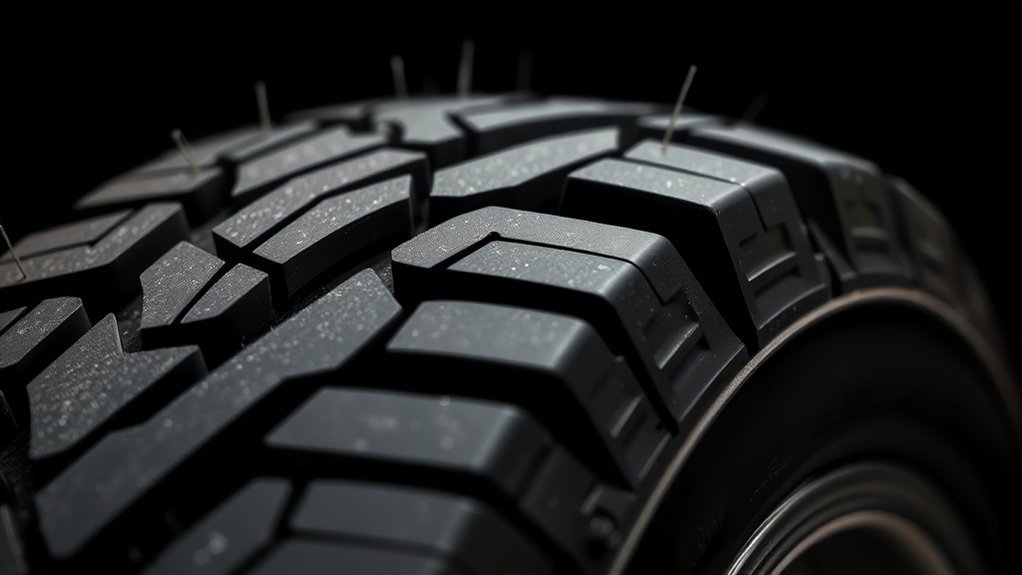
The little hairs on new tires are called vent spews, also known as tire nibs, sprue nubs, or rubber whiskers. They are thin strands of cured rubber left by tiny vent holes in the tire mold. They are normal manufacturing remnants, not defects, traction aids, or reliable signs of tire age.
Last updated: August 18, 2026. Manufacturing, tire-age, tread-depth, and safety guidance rechecked against current tire-industry and NHTSA sources.
Quick Answer
The little hairs on tires are vent spews, tiny strands formed when trapped air escapes through small vents in the tire mold and a little rubber enters those openings during curing. They do not improve grip, braking, handling, or tire life. Leave them alone or pull them off gently by hand; use the DOT date code, tread depth, pressure, and tire condition to judge safety.
Key Takeaways
- Tire hairs are called vent spews, and they come from the tire molding and curing process.
- They are cosmetic only; they do not add traction, strength, quietness, or durability.
- Visible tire hairs can suggest a tire has seen little road use, but they do not prove the tire’s age or quality.
- Some new tires have many visible hairs, while others have few because mold design, trimming, shipping, and handling vary.
- To judge tire safety, check tread depth, treadwear indicators, DOT date code, pressure, cracks, bulges, punctures, and uneven wear.
What Are the Little Hairs on Tires?
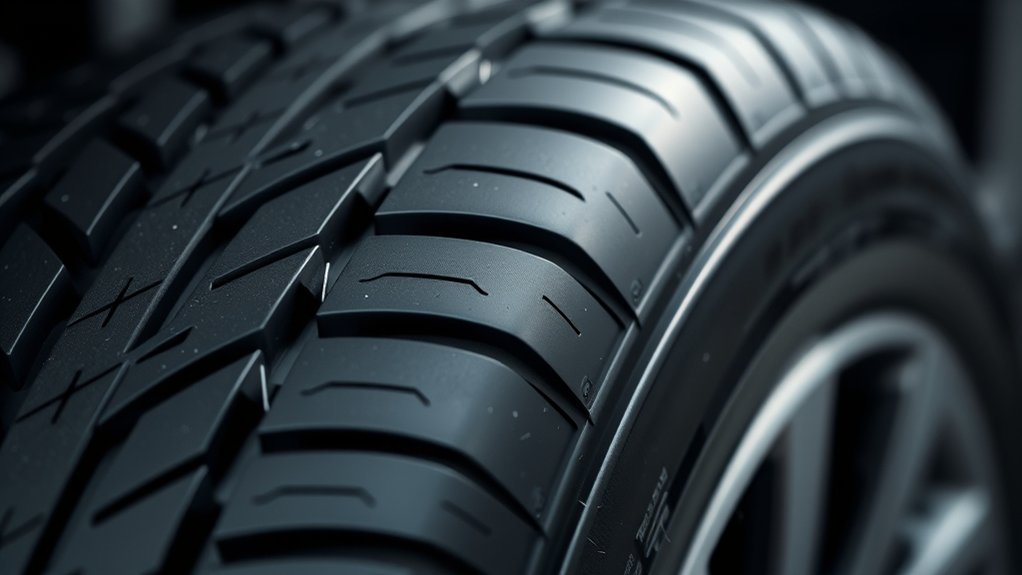
Those tiny rubber hairs on a new tire are vent spews. During manufacturing, an uncured “green” tire is placed inside a mold and cured under heat and pressure. The mold gives the tire its final shape, tread pattern, and sidewall markings. The U.S. Tire Manufacturers Association explains that curing vulcanizes the rubber and bonds the tire components together.
The mold also needs small vents so trapped air can escape. Toyo Tires explains that escaping air can carry small bits of rubber into the vent openings, where the rubber cures into the strands called vent spews. A Toyo tire-curing mold patent also describes vent holes that discharge extra air between the tire and mold during curing.
Vent spews can appear on the tread, shoulder, and sidewall. They are easiest to notice on brand-new tires because they have not been rubbed away by road contact, cleaning, shipping, or installation.
[Products Worth Considering]

This tire repair kit provides fast emergency puncture repair without removing the tire from the rim, helping you get back on the road quickly. Its screw plug system is designed for punctures in both tread and sidewall and includes a complete patch plug tool set with essential accessories. A portable storage bag makes it easy to carry for cars, trucks, SUVs, motorcycles, and heavy-duty applications.

This VEVOR tire bead breaker uses a slide-hammer impact and wedge tip to separate tire beads from rims quickly and efficiently without damaging hub surfaces. The long handle and sturdy steel construction help reduce user strain while providing reliable, portable tire changing for cars, trucks, and more. Ideal for home mechanics and repair shops handling multiple vehicle tire sizes.
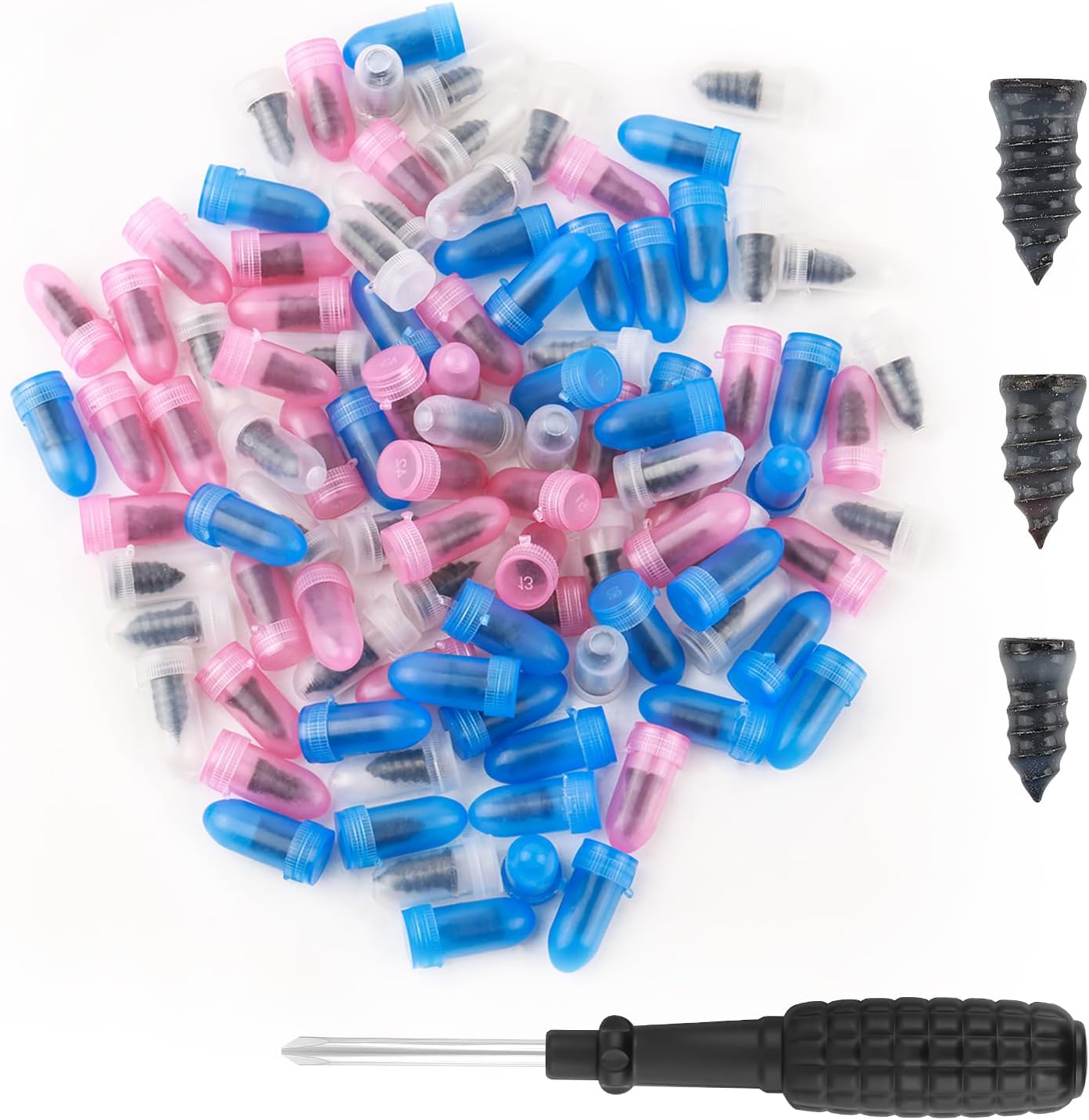
This 100-piece tire repair screw plug kit provides a fast, self-service solution for punctures on the road. Choose the correct plug size, insert it into the break, and screw it in to help seal the puncture and temporarily restore tire pressure. Thickened threads and rubber-wrapped plugs improve bite and sealing while remaining compact and easy to carry.
Vent Spews vs. Real Tire Features
| Feature | What it does | What it tells you |
|---|---|---|
| Vent spews | Leftover rubber from mold venting | Little about safety, age, or quality |
| Tread blocks and sipes | Part of the designed tread pattern | How the tire is engineered to manage grip and water |
| Treadwear indicators | Raised bars molded into the main grooves | When tread has reached the replacement threshold |
| DOT date code | Identifies the tire’s manufacturing week and year | The tire’s actual manufacturing date |
Why New Tires Have Vent Spews
New tires have vent spews because tire molds need controlled airflow. If air gets trapped between the uncured rubber and the mold surface, the tire may not form cleanly. Small vents help the rubber fill the mold details while letting air escape.
In simple terms, vent spews are the rubber version of a molding leftover. They show where tiny amounts of rubber reached the mold’s vent openings. They are not added after production, and they are not a special traction feature.
Note: Vent spews are not the same as tread sipes, tread blocks, wear bars, or sidewall markings. Sipes and tread blocks are designed into the tread. Wear bars help show tread wear. Vent spews are only leftover rubber from molding.
How Vent Spews Are Made
During tire production, the green tire is assembled from layers such as the inner liner, plies, belts, sidewalls, and tread. Then it goes into a curing press. Continental describes vulcanization as the stage where the tire receives its final shape under pressure and temperature, while the press mold forms the tread pattern and sidewall markings.
As the rubber presses against the mold, air escapes through tiny vent holes. A small amount of rubber can also enter those holes. Once the rubber cures, those small strands remain attached to the tire as vent spews.
This is normal. It does not mean the tire is defective, old, weak, or unsafe.
Do All New Tires Have Tire Hairs?
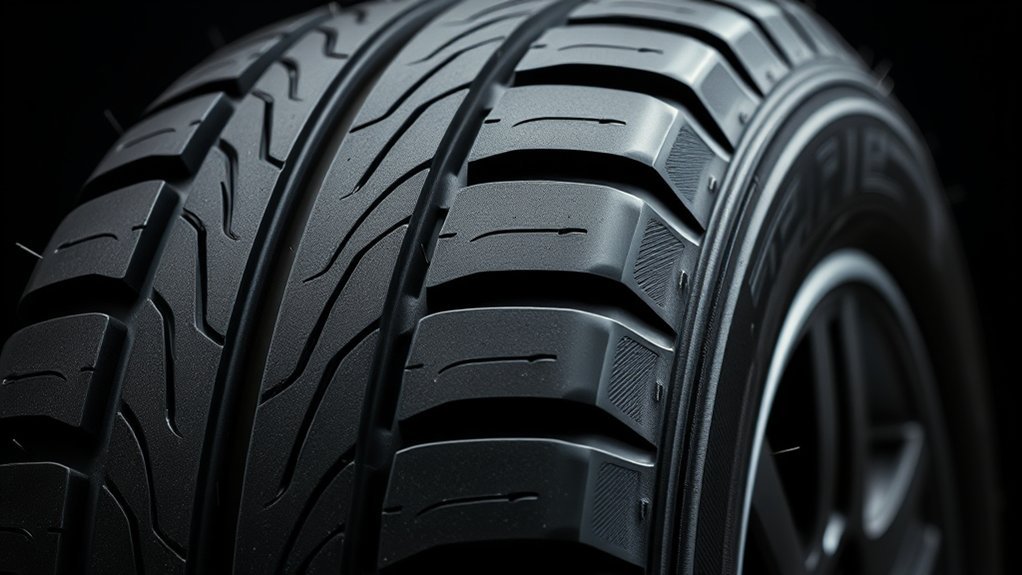
Many tires form vent spews during molding, but not every new tire you see in a shop will have obvious rubber hairs. Toyo Tires notes that tread-face spews may be shaved during finishing while shoulder and sidewall spews can remain, so visibility varies by tire and production process.
Some tires show long, easy-to-see spews. Others have short ones, fewer ones, or none that stand out. Mold design, finishing, trimming, shipping, handling, and road contact can all change how many remain visible.
Visible Hairs Can Suggest Newness, Not Prove Age
Visible vent spews often suggest a tire has seen little road use, especially when they are still on the tread. However, they are not a reliable way to confirm the tire’s age. For age, check the DOT Tire Identification Number on the sidewall. According to NHTSA TireWise, the last four digits of the DOT TIN show the week and year the tire was made.
They Are Not a Quality Rating
Vent spews do not tell you whether one tire is better than another. They do not show treadwear rating, traction grade, temperature grade, warranty status, load capacity, or speed rating. Those details come from sidewall markings, the tire’s specifications, and the manufacturer’s documentation.
Why Some Tires Have More Than Others
A tire with a more complex tread or sidewall design may need different vent placement than a simpler tire. Mold design, vent size, rubber flow, and finishing choices can all change how many spews you see. More hairs do not automatically mean better quality, and fewer hairs do not automatically mean poor quality.
Should You Remove Vent Spews?
You do not need to remove vent spews. They do not affect safety, handling, braking, ride comfort, tread life, or durability. For everyday driving, the best choice is usually to ignore them and let normal use take care of them.
If you prefer a cleaner look, you can gently pull them off by hand. Grip the rubber hair near its base and tug lightly. If it does not come off easily, leave it alone.
Warning: Do not dig into the tire with knives, razor blades, or sharp scissors to remove vent spews. A small cosmetic strand is not worth nicking the tread or sidewall rubber.
Removal Is Optional
Removing vent spews is only a cosmetic choice. Leaving them in place will not hurt the tire. Removing them by hand will not improve the tire. Either way, the tire performs according to its design, compound, construction, tread depth, inflation, and condition.
Safe Removal Method
The safest method is simple: use your fingers. Pull gently, avoid tools, and stop if the spew resists. Do not shave the sidewall, and do not cut into the tread. If the tire has damage, cracking, a bulge, or a puncture, focus on that issue instead of the rubber hairs.
Pro Tip: If you are inspecting a newly installed tire, spend more time checking the tire pressure, DOT date code, tread depth, and visible damage than worrying about vent spews.
How Long Do Tire Hairs Last?
Tire hairs on the tread usually disappear first because the tread touches the road. Depending on the tire, road surface, driving style, and placement on the vehicle, they may wear away quickly after normal driving begins.
Sidewall spews can last longer because the sidewall does not scrub against the road the way the tread does. Some may remain visible long after the tread spews are gone, especially on vehicles driven gently on smooth roads.
Do not use the disappearance of tire hairs as a replacement signal. A tire can lose its vent spews and still be safe, or it can keep some sidewall spews while still needing inspection for age, cracking, impact damage, or uneven wear.
What Worn-Off Tire Hairs Mean
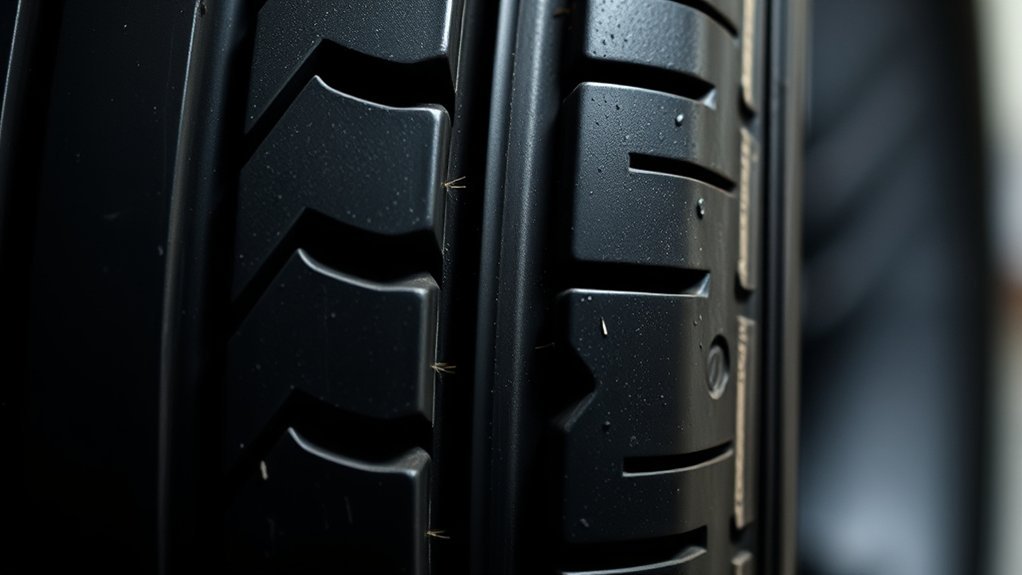
When tread hairs wear off, it usually means the tire has made normal contact with the road. That is expected. Missing tire hairs alone do not mean the tire is worn out, unsafe, or old.
To judge real tire condition, look at the parts that matter:
- Tread depth: NHTSA says tires should be replaced when tread is worn to 2/32 of an inch. See how to measure tire tread depth if you need a gauge or penny-test method.
- Treadwear indicators: Replace the tire when the tread is level with the built-in wear bars.
- DOT date code: The final four digits show the week and year of manufacture.
- Sidewall condition: Look for cracks, cuts, bulges, bubbles, or exposed cords.
- Wear pattern: Uneven wear can point to inflation, alignment, balance, or suspension issues.
- Air pressure: Check pressure when tires are cold. NHTSA defines cold tires as tires that have not been driven for at least three hours. Use the vehicle placard or owner’s manual, not the number molded on the tire sidewall.
[Products Worth Considering]

This screw-in tire plug kit offers quick, DIY tire repairs for punctures from nails, screws, and sharp debris. Simply screw the vacuum tire mending nail into the puncture for a fast roadside fix, designed to create a strong, air-tight seal. It fits most tubeless tires for cars, trucks, motorcycles, and more, helping you avoid costly replacements until professional service is available.
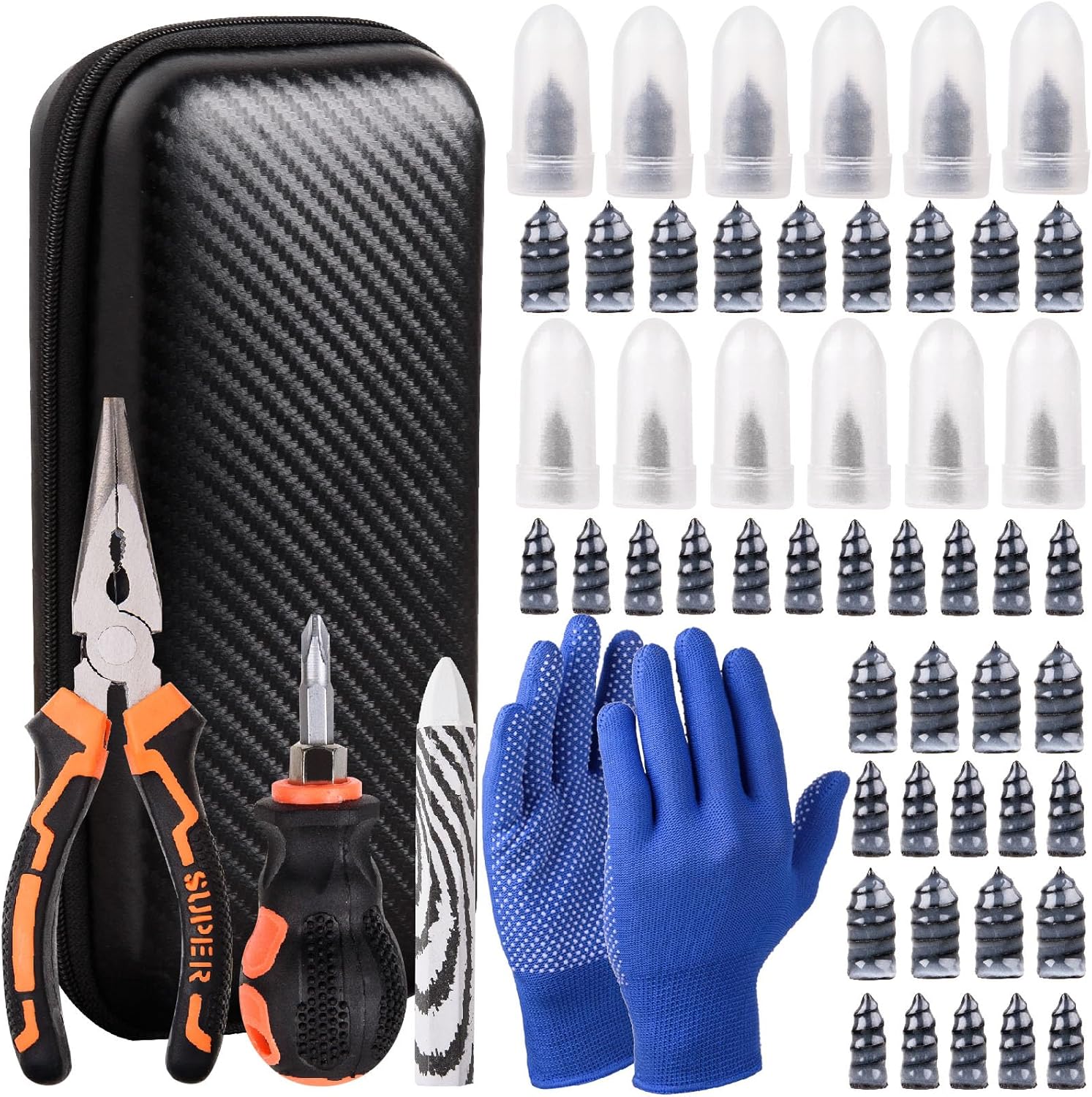
This tire sidewall puncture repair kit fixes flats fast without removing the tire, helping you get back on the road in minutes. It includes self-tapping repair nails, essential tools, gloves, and a portable storage bag for convenient roadside use. Designed for tubeless tires, it helps create a tight, leak-resistant seal for cars, motorcycles, trucks, SUVs, and ATVs.
Are Tire Hairs a Sign of Tire Age?
No. Tire hairs are not a reliable sign of tire age. They can suggest that a tire has not been driven much, but they do not tell you when the tire was made.
For tire age, use the DOT Tire Identification Number on the sidewall. The last four digits show the manufacturing week and year. For example, a code ending in “2326” means the tire was made in the 23rd week of 2026.
Also inspect the tire’s condition. NHTSA notes that tires can age even if they are not heavily used, and some vehicle and tire manufacturers recommend replacement after six to 10 years regardless of treadwear. If you are unsure, have the tire inspected by a qualified tire professional.
Why Some Tires Have More Vent Spews
Some tires have more visible vent spews because of the way their molds are designed. A mold with more vent points can leave more rubber hairs. Larger tread blocks, aggressive sidewalls, lettering, shoulder features, and complex grooves can also affect where vents are placed.
Rubber compound and production finishing matter too. A tire maker may trim some spews before shipping, while another tire may arrive with more of them intact. None of this should be used as the main way to compare tire quality.
Mold Vent Design
The mold’s vent layout helps trapped air escape during curing. Those vents support a clean mold fill and reduce the risk of air pockets at the tire surface. When rubber enters a vent hole and cures, the leftover strand becomes a vent spew.
Tire Type Differences
Passenger, performance, off-road, motorcycle, bicycle, and heavy-duty tires can all show different vent-spew patterns. Tires with more complex tread profiles may need more venting points than simpler profiles, so knobby designs can show more visible spews. Finishing choices also affect how many remain after production.
Tire Hairs on Bikes and Motorcycles
Bicycle and motorcycle tires can also have small rubber hairs from molding. The idea is the same: air and small amounts of rubber escape through vents while the tire forms.
On motorcycles, do not treat tire hairs as a traction aid or a break-in indicator. Continental recommends moderate loading during the break-in period for new motorcycle and scooter tires; the vent spews themselves are not the reason for that guidance. If you want to remove visible spews, pull them by hand rather than cutting into the tire.
What to Check Instead of Tire Hairs
Vent spews are harmless, but real tire safety checks are important. Use this quick checklist when looking at new or used tires:
- Size and load rating: Match the vehicle manufacturer’s requirement.
- DOT date code: Read the DOT date code to confirm the manufacturing week and year.
- Tread depth: Measure tread depth with a gauge, penny test, or wear bars.
- Pressure: Inflate to the vehicle placard pressure when cold.
- Damage: Look for cuts, cracks, punctures, bubbles, bulges, or exposed cords.
- Wear pattern: Watch for cupping, feathering, one-sided wear, or center wear.
- Vibration or pulling: Have the tire, wheel, alignment, and suspension checked if the vehicle shakes or pulls.
Michelin’s tire care guidance recommends regular inspection for uneven wear, shallow tread, foreign objects, and damaged areas. Michelin also notes that a sidewall bulge or bubble can indicate internal cord damage and should not be ignored.
Frequently Asked Questions
How long do tire hairs last?
Tire hairs on the tread usually wear away quickly after normal driving begins because the tread contacts the road. Sidewall hairs can last longer because they do not rub the pavement. Their presence or absence is not a reliable tire-safety measurement.
What are the little things on a new tire?
The little things on a new tire are vent spews, also called tire nibs, sprue nubs, or rubber hairs. They are leftover rubber strands from the molding and curing process.
What are the little hairs on tires called?
They are most commonly called vent spews. Some people also call them tire hairs, tire whiskers, tire nibs, sprue nubs, gate marks, or nippers.
Should I remove vent spews?
You do not need to remove them. They are cosmetic and do not affect performance. If you dislike the look, pull them off gently by hand. Avoid knives, razors, or sharp scissors.
Do tire hairs mean the tire is brand new?
They can suggest that the tire has had little road contact, but they do not prove the tire’s manufacturing date. Check the DOT date code on the sidewall to confirm when the tire was made.
Can an old unused tire still have tire hairs?
Yes. Sidewall vent spews can remain on a tire that has seen little road contact even if the tire is older. Use the DOT date code and inspect the rubber for age-related or physical damage instead of treating the hairs as proof of freshness.
Do tire hairs improve traction?
No. Vent spews do not improve traction, braking, cornering, or wet-road grip. Tread design, rubber compound, tread depth, tire pressure, and road conditions matter far more.
Are missing tire hairs a bad sign?
No. Missing tire hairs usually mean the tire has been handled, driven, cleaned, or trimmed. Judge the tire by tread depth, date code, pressure, damage, and wear pattern instead.
Conclusion
Those little hairs on tires are harmless vent spews from the molding process. They are not defects, not traction aids, not durability ratings, and not reliable age indicators. You can leave them alone or remove them gently by hand for appearance. For real safety, inspect tread depth, tire pressure, DOT date code, cracks, bulges, punctures, and uneven wear.
Sources
- U.S. Tire Manufacturers Association — How a Tire Is Made — supports tire curing, mold shaping, and manufacturing process details.
- Continental Tires — Tire Production — supports vulcanization, curing press, tread pattern, and sidewall marking details.
- NHTSA TireWise — supports tire tread, pressure, DOT date code, age, and safety inspection guidance.
- Michelin — Routine Tire Care Tips — supports tread wear indicators, penny test, pressure, rotation, alignment, and routine inspection.
- Michelin — Sidewall Bulge or Bubble — supports warnings about bulges, bubbles, and internal tire damage.
- Google Patents — Tire Curing Mold and Manufacturing Method — supports the technical role of vent holes in tire curing molds.
- Toyo Tires — Why Do My Tyres Have Hairs? — supports the vent-spew name, mold-vent explanation, finishing differences, and optional removal guidance.
- Continental — Breaking In New Motorcycle and Scooter Tires — supports the motorcycle break-in guidance.

Related Articles

Are Premium Tires Worth the Extra Money?
Worth the extra money? Premium tires promise more grip, comfort, and longevity—but the real tradeoff may surprise you.
Read More
What Are OE Tires? Original Equipment Explained
Discover what OE tires really mean and why choosing the right replacement could change everything for your car’s ride, handling, and safety.
Read More
305 Tire Size Explained: How Big Is It?
I explain how big a 305 tire really is—and why the exact fit can surprise you.
Read More