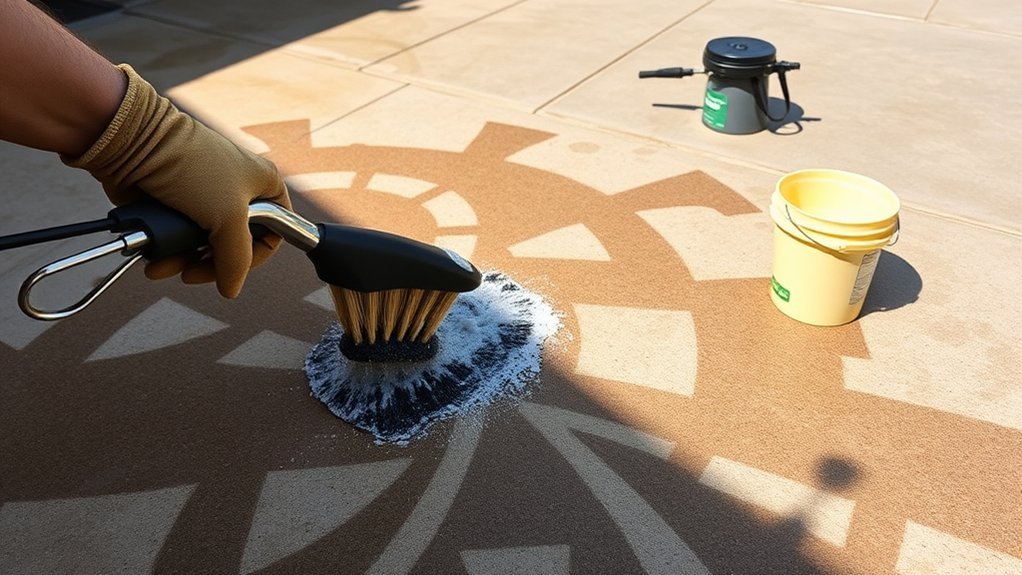
Tire marks on concrete usually come from hot rubber residue, road film, and tire plasticizers bonding to the surface. The safest way to remove them is to start mild, scrub with the right brush, rinse well, and repeat only where needed. Use stronger cleaners carefully, especially on sealed or coated concrete.
Quick Answer
To get tire marks off concrete, sweep the area, apply a concrete-safe degreaser or oxygen-based driveway cleaner, let it dwell without drying, scrub with a stiff nylon brush, and rinse thoroughly. Repeat for stubborn marks. On sealed concrete, use a gentler cleaner first and always spot-test.
Key Takeaways
- Start with sweeping and a water rinse so you do not grind dirt into the concrete while scrubbing.
- Use a concrete-safe cleaner, such as a driveway degreaser or oxygen/peroxide-based concrete cleaner, and follow the label dwell time.
- Scrub with a stiff nylon brush, not a metal wire brush, which can scratch or leave rust-prone metal fragments.
- Keep cleaner and dirty rinse water out of storm drains when possible; direct runoff to a safe pervious area if local rules allow.
- For sealed or coated concrete, test first and use mild cleaners before solvents or heavy-duty degreasers.
At a Glance
| Time Required | 20–45 minutes for fresh marks; older marks may need 2–3 cleaning rounds. |
| Difficulty | Easy to moderate, depending on age of the mark and whether the concrete is sealed. |
| Tools Needed | Broom, hose, bucket, concrete-safe cleaner, stiff nylon brush, gloves, eye protection, and optional pressure washer. |
| Cost | Usually $10–$35 for cleaner and basic supplies if you already own a brush and hose. |
Why Tire Marks Form on Concrete
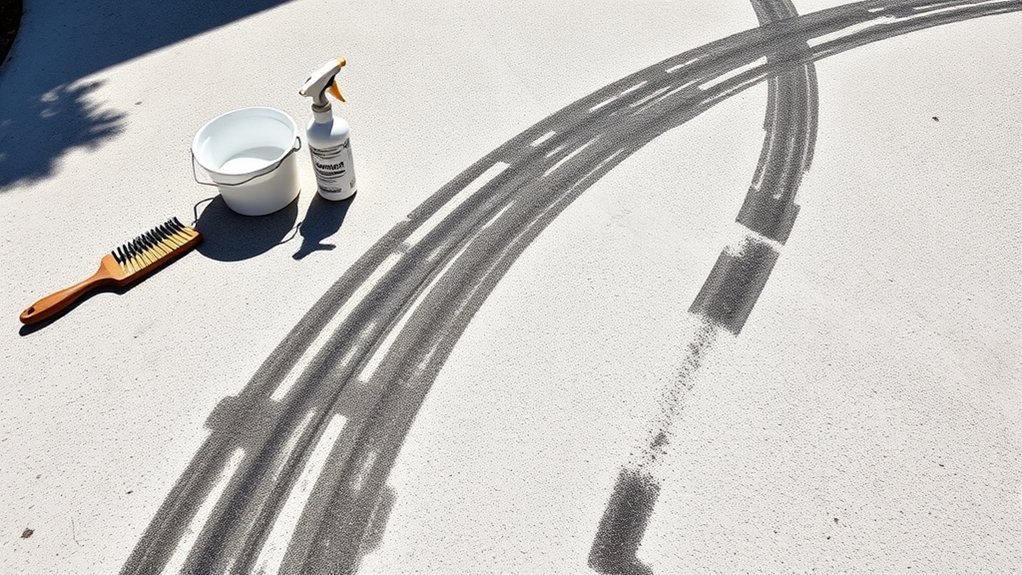
Tire marks form when hot tires press rubber residue, road grime, and tire plasticizers against the concrete. On sealed or coated concrete, this is often called hot-tire marking or hot-tire pickup. The pressure of the vehicle, heat from driving, tight turns, and braking can make the marks darker and harder to remove.
Concrete is porous, so residue can sit in tiny surface pores instead of washing away with rain. That is why plain water often lightens fresh marks but does not fully remove old black streaks. You need a cleaner that can break down oily rubber residue, plus enough brushing action to lift it from the surface.
Note: If the mark is inside a sealer or coating rather than sitting on top of bare concrete, cleaning may only lighten it. Deep hot-tire pickup can require stripping, spot repair, or recoating.
Choose the Right Concrete Cleaner
For most tire marks, choose a cleaner made for concrete driveways, garage floors, patios, or masonry. A concrete degreaser helps cut oily residue, while oxygen/peroxide-based concrete cleaners can lift tire marks, grease, and exhaust buildup without bleach. Always read the label before applying any cleaner.
| Light fresh marks | Warm water with mild dish soap or a diluted all-purpose cleaner. |
| Normal driveway tire marks | Concrete degreaser or driveway cleaner labeled for tire marks, oil, grease, or rubber residue. |
| Old or stubborn marks | A stronger concrete-safe degreaser, applied in repeated short rounds rather than one harsh soak. |
| Sealed or coated concrete | Mild, non-filming cleaner first; spot-test before using solvents, caustic degreasers, or pressure washing. |
Warning: Do not mix cleaners. Do not mix bleach with any degreaser, ammonia-based cleaner, acid cleaner, or pressure-washer detergent. Wear gloves and eye protection, and keep children and pets away until the surface is rinsed and dry.
[Products Worth Considering]

RecDec pressure washer shower nozzle tips deliver a quick-connect misting spray for car washing, outdoor cleaning, and gentle watering tasks. The stainless steel adapter features instant plug-and-play installation with a 1/4 inch quick connect for compatibility with most high-pressure washers. Choose from multiple screen hole sizes for different spray intensities and easily attach or remove as needed.

The SPTA wheel and tire brush kit makes it easy to remove dirt from wheels, rims, and hard-to-reach areas without needing a high pressure washer. Ergonomic handles and soft, chemical-resistant bristles help you clean faster while reducing the risk of scratching. The set is versatile for cars, trucks, motorcycles, bicycles, RVs, boats, and more.

This tire valve adapter kit lets you connect a 3/4-inch garden hose to tire valves to fill tires with air or liquid. It includes two adapters for standard bore and large bore valves plus a convenient bleeder valve to release trapped air. Designed for tractor tire tubes and compatible air/water valves and extensions, it’s a practical repair tool for getting back on the road or field quickly.
Sweep and Prep the Surface
Before applying cleaner, remove anything that can scratch the slab or block the cleaner from touching the tire mark. Sweep away dirt, leaves, grit, and small stones with a stiff broom. If the area is dusty or muddy, rinse it first with a garden hose.
Check the cleaner label before deciding whether the concrete should be damp or dry. Some products work best on a pre-wet surface, while some degreasers are applied directly to dry stains. Either way, do not let the cleaner dry on the concrete during the dwell step unless the product label specifically says to.
Apply Cleaner and Let It Dwell
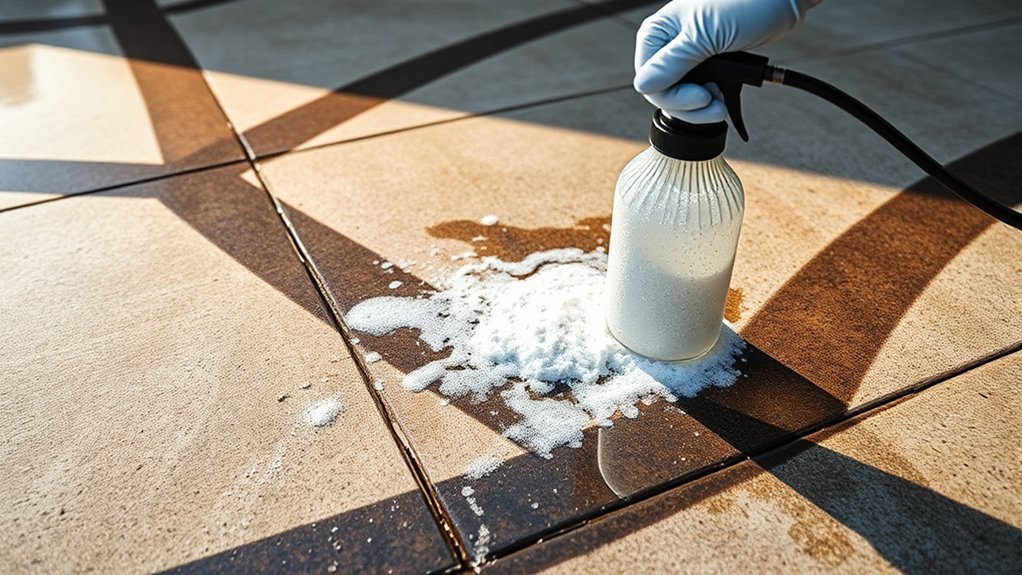
Apply the cleaner evenly over the tire marks. Use enough product to cover the dark areas fully, but do not flood the slab. Let the cleaner dwell for the time listed on the label. For many driveway cleaners, that may be only a few minutes; for some degreasers, it may be longer.
If the cleaner starts to dry before the dwell time is over, mist the area lightly with water or apply a little more cleaner. A wet, active cleaner works better than a dried film sitting on the surface.
Pro Tip: Work in small sections. Tire marks come off faster when the cleaner stays wet and you can scrub before it dries.
Scrub Tire Marks Off Concrete
Use a stiff nylon or polypropylene brush and scrub in short, firm strokes. Focus on one section at a time instead of spreading the residue across the driveway. Reapply a small amount of cleaner if the brush starts dragging on a dry surface.
Avoid metal wire brushes. They can scratch concrete, damage sealers, and leave tiny metal fragments that may rust later. A stiff plastic-bristled deck brush is usually strong enough for tire marks without being overly aggressive.
- Scrub across the mark in short strokes.
- Change direction and scrub again to reach the pores from another angle.
- Rinse a small test area to check progress.
- Repeat cleaner and scrubbing only where dark residue remains.
Rinse Off the Tire Marks
Rinse the area thoroughly with clean water. A garden hose with a strong nozzle is enough for many fresh marks. If you use a pressure washer, follow the machine manual and cleaner label, keep the nozzle away from your body and other people, and start with a wider fan tip rather than a narrow jet.
Keep the rinse water moving away from the cleaned section so loosened rubber residue does not settle back onto the concrete. When possible, keep detergent-heavy runoff out of storm drains. Direct small amounts of rinse water to gravel or grass only if local rules and the cleaner label allow it.
Warning: Pressure washers can injure skin, throw debris, and damage weak or flaking concrete. Never point the spray at yourself, another person, pets, windows, electrical components, or loose coating.
Pre-Rinse Loose Debris
If the tire marks are in a dirty driveway, pre-rinse before applying cleaner. This removes grit and helps the cleaner contact the rubber residue instead of mud. On a coated garage floor, use a gentle rinse or damp mop rather than blasting the surface.
Thorough Final Rinse
After scrubbing, rinse until no cleaner foam or dark residue remains. Leftover cleaner can dry into a film, make the surface slippery, or attract new dirt. If the concrete looks uneven after drying, repeat the cleaning only on the stained sections instead of treating the whole slab again.
Repeat on Stubborn Marks
Old tire marks often need more than one pass. Reapply the cleaner, let it dwell again, scrub, and rinse. Two or three controlled rounds are safer than using one overly harsh chemical treatment.
If a shadow remains after repeated cleaning, ask these questions:
- Is the concrete sealed? The discoloration may be in the sealer rather than on the surface.
- Is the mark from a hot tire turn? Turning while parked can grind residue deeper into the surface.
- Is the concrete very porous? Rough or older concrete traps residue more easily.
- Did the cleaner dry before rinsing? Dried cleaner can leave a film that looks like a stain.
For severe staining on sealed concrete, do not keep increasing chemical strength blindly. Contact the sealer or coating manufacturer, or test a small hidden area before using any solvent or coating stripper.
How to Clean Tire Marks on Sealed Concrete
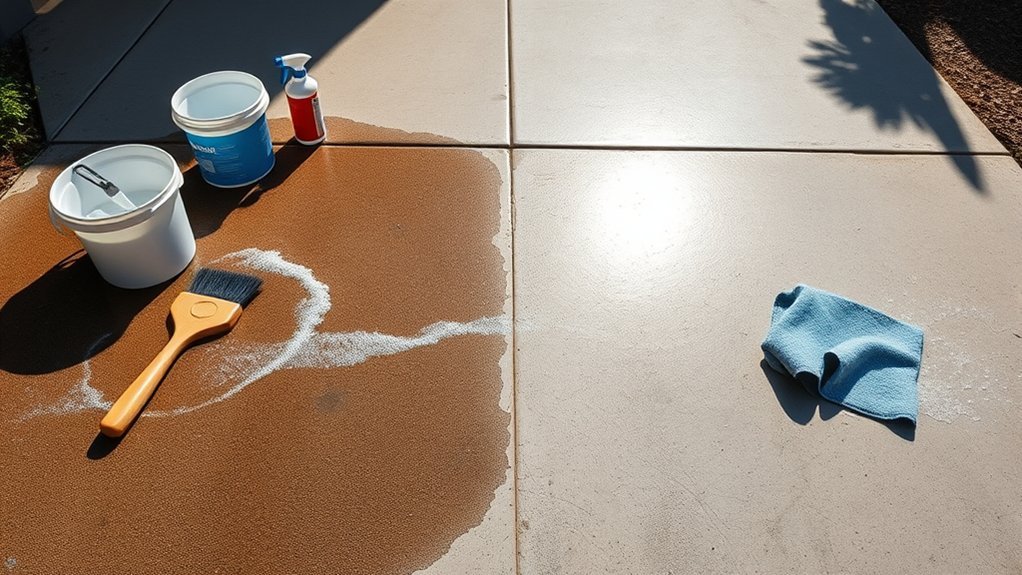
Sealed concrete needs a gentler approach because the finish can dull, soften, or discolor if you use the wrong cleaner. Start with a mild, non-filming cleaner and a soft or medium nylon brush. Spot-test in a corner or hidden edge before cleaning the visible area.
[Products Worth Considering]
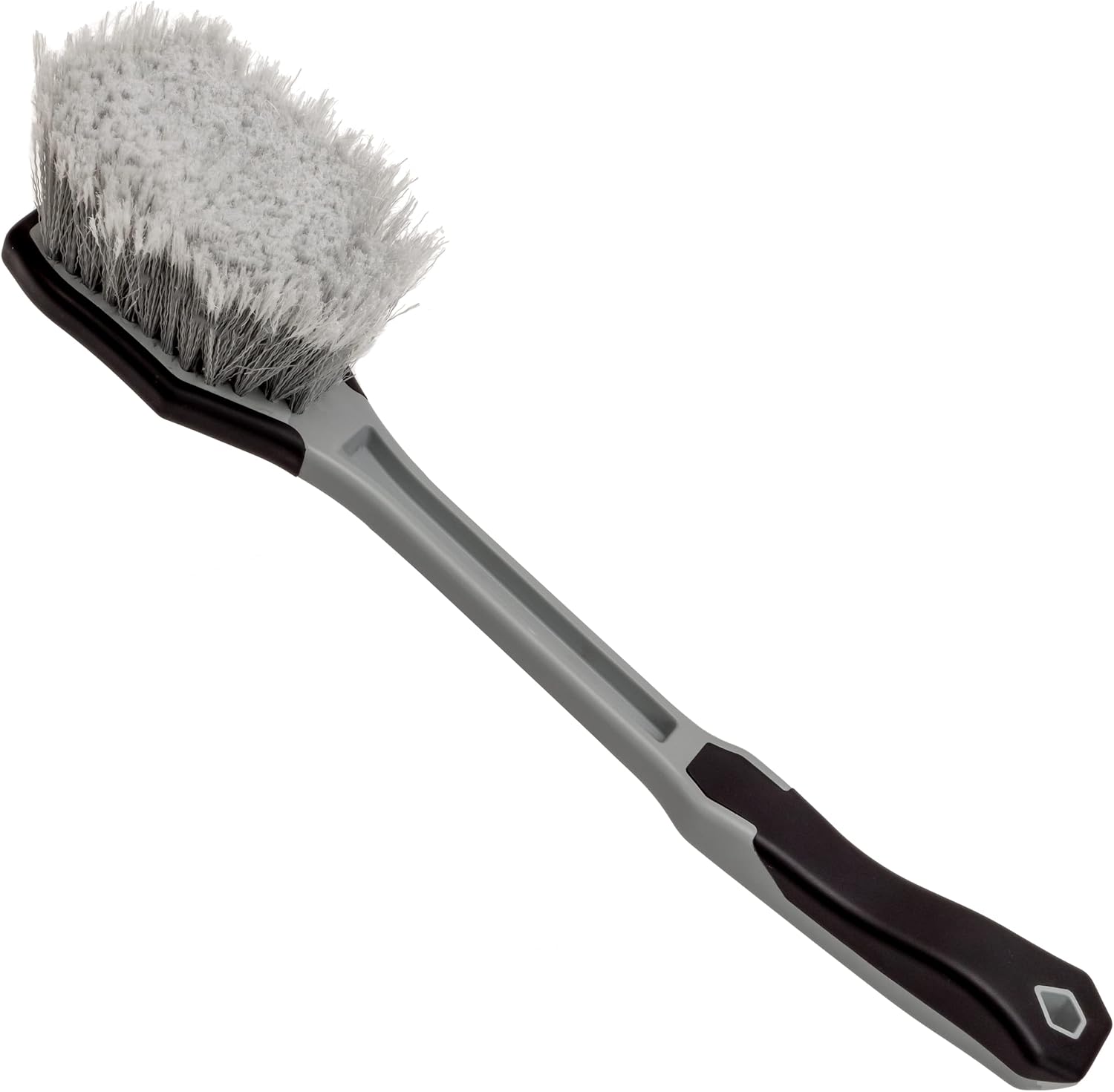
Clean grills, fenders, fender flares, bumpers, and wheel wells with a long-handled brush built for detailed car washing. The soft, triple-flagged bristles and dense scrub coverage help lift dirt gently while making coverage fast and easy. Use it with your favorite car wash soap for tires and exterior surfaces, and it also works for bike, motorcycle, boat, or RV cleaning.

This 3-piece wheel and tire brush set makes it easy to clean light, medium, and heavy dirt from wheels, rims, tires, and exterior surfaces. It includes both soft and stiff bristle options for gentle scrubbing and tough grime removal, helping lift brake dust and road buildup. The long-handle design supports comfortable cleaning across cars, trucks, SUVs, RVs, motorcycles, and more, with simple care instructions to restore brush shape.

Steelman white tire marking crayons provide high-contrast, semi-permanent marks for repairing and inspecting tires and equipment. They write on wet or dry, smooth or coarse surfaces including rubber, metal, glass, and wood, making them ideal for puncture location and damage outlining. The lead- and zinc-free crayons resist weather and fading yet wipe away when you no longer need the marks.
Sealed Surface Challenges
On sealed concrete, tire marks may be surface residue, but they may also be plasticizer discoloration in the sealer. If the mark lightens but does not disappear, the sealer may be stained. In that case, more scrubbing may not help and could make the finish look worse.
Safe Cleaning Products
For sealed concrete, begin with warm water and mild detergent, then move to a cleaner approved for the specific sealer or coating. Avoid strong solvents unless the manufacturer allows them. If you do use a solvent as a last resort, test it first and use it with ventilation, gloves, and eye protection.
Rinsing and Reapplication
Rinse sealed concrete carefully so no cleaner dries on the finish. Dry the surface with a towel or squeegee if water tends to pool. If a light shadow remains, repeat the mild-cleaner step before switching to anything stronger.
What Not to Use on Tire Marks
- Metal wire brushes: They can scratch the slab and leave metal fragments that rust.
- Bleach in a pressure washer: Bleach can damage equipment and is not the best cleaner for rubber residue.
- Undiluted harsh chemicals: Strong caustic or solvent cleaners can damage sealers, plants, and nearby finishes.
- Zero-degree pressure tips: A narrow jet can etch concrete and strip coatings.
- Oily sprays as a first choice: Products like lubricating sprays may loosen fresh scuffs but can leave slippery residue and attract dirt.
[Products Worth Considering]

This oesee 8-piece wheel care kit helps you clean, scrub, and dry wheels safely with purpose-built brushes and towels. The scratch-free microfiber wheel brush lifts brake dust and grime, while the stiff pro-grip tire brush removes tire browning and embedded dirt. A twist loop microfiber drying towel and an applicator help achieve a streak-free finish and cleaner, more even product application.

Clean wheels and rims with soft feathered bristles that safely remove dirt and road grime while helping restore original luster. The short non-slip handle makes it easy to scrub in tight wheel wells, and the brush is suitable for vehicles and hard-to-reach areas. It can also be soaked and rubbed to help restore bristles to their shape after use.

This wheel brush kit delivers pro-level cleaning at home, lifting dirt, grime, and brake dust to help restore wheel appearance. It includes multiple brush styles and applicator pads for tackling different wheel surfaces, with gentle, metal-free bristles designed to reduce scratching risk. The flat and double-ended brushes are built for comfort and reach, making wheel care easier for cars, trucks, and RVs.
Prevent Tire Marks From Returning
Prevention is easier than repeated scrubbing. Tire marks are more likely when tires are hot, the vehicle is heavy, the surface is sealed with a film-forming coating, or the car turns sharply while parked.
- Let hot tires cool before parking on decorative or sealed concrete when practical.
- Avoid tight steering turns while the car is stopped on the driveway or garage floor.
- Clean light marks quickly before they build up.
- Use parking mats in repeated tire-contact zones, but avoid rubber-backed mats on sensitive sealers unless the sealer manufacturer says they are safe.
- For exterior concrete, consider a penetrating silane or siloxane sealer instead of a film-forming sealer where hot-tire marking is a concern.
- For indoor garage floors, choose a coating rated for hot-tire pickup resistance and follow surface-prep instructions exactly.
The best long-term fix is not a stronger cleaner. It is a surface that resists hot-tire residue, plus regular light cleaning before marks become embedded.
Frequently Asked Questions
What takes rubber tire marks off concrete?
A concrete-safe degreaser or oxygen-based driveway cleaner works best for most rubber tire marks. Apply it to the mark, let it dwell according to the label, scrub with a stiff nylon brush, and rinse thoroughly. Repeat the process for old or heavy marks.
Does WD-40 remove tire marks from concrete?
WD-40 may loosen some fresh rubber scuffs, but it is not the best first choice for concrete because it can leave oily residue and make the surface slippery. Use a concrete cleaner or degreaser first. If you test WD-40, use a small hidden spot and wash the residue away completely.
Will Simple Green remove tire marks from concrete?
Yes, the right Simple Green concrete or driveway cleaner can help remove tire marks when used as directed. Use the product labeled for concrete, driveways, patios, masonry, or pressure washing, and follow the dilution, dwell, scrubbing, and rinsing instructions on the label.
Will Dawn remove tire marks from concrete?
Dawn or another mild dish soap can help with light, fresh tire marks because it cuts grease and road film. Mix it with warm water, scrub with a nylon brush, and rinse well. For older black marks, use a concrete-safe degreaser instead.
Can I pressure wash tire marks off concrete?
Yes, but use caution. Pressure washing can help rinse loosened residue, but too much pressure or a narrow tip can etch concrete or damage coatings. Start with a wider fan tip, keep distance from the surface, follow the pressure washer manual, and never aim the spray at people or pets.
Why do tire marks come back after cleaning?
Tire marks return when hot tires repeatedly park in the same spot, when residue remains in concrete pores, or when the sealer is prone to hot-tire marking. Clean marks early, avoid tight turns while parked, and consider a penetrating exterior sealer or a hot-tire-pickup-resistant garage coating.
How do I know if the mark is in the sealer?
If repeated cleaning lightens the mark but a shadow remains, the discoloration may have migrated into the sealer or coating. Check whether the surface has a glossy or film-like finish. If it does, contact the sealer manufacturer before using solvents or stripping products.
Conclusion
You can remove most tire marks from concrete with a simple process: sweep, apply a concrete-safe cleaner, let it dwell, scrub with a stiff nylon brush, and rinse thoroughly. Fresh marks often come off in one round, while older marks may need repeated cleaning. On sealed concrete, work gently, test first, and avoid harsh chemicals unless the sealer manufacturer approves them.
Sources
- Euclid Chemical — Tire Marking / Pickup of Concrete Sealers — supports plasticizer migration, hot-tire marking, and sealer guidance.
- Simple Green Oxy Solve Concrete and Driveway Cleaner — supports concrete cleaner use, tire-mark cleaning claims, dwell/rinse guidance, and safety directions.
- CDC — Pressure Washer Safety — supports pressure-washer injury and safety warnings.
- U.S. EPA — Stormwater Best Management Practice: Vehicle Maintenance and Washing — supports runoff and storm-drain cautions.
- Sherwin-Williams H&C Shield-Crete Water-Based Epoxy Garage Floor Coating — supports hot-tire-pickup-resistant coating guidance.