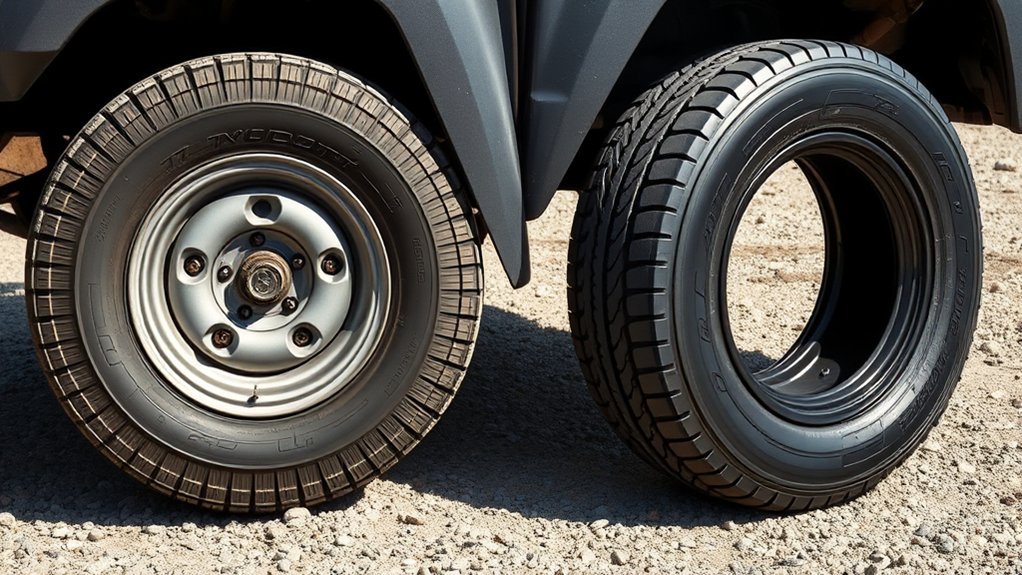
Choosing between tube-type and tubeless tires for your Toyota Hilux comes down to safety, rim compatibility, load rating, repair needs, and where you drive. Most modern Hilux owners will be better served by tubeless tires, but you still need the correct tire size, load index, speed rating, valve setup, and cold inflation pressure for your exact model.
Quick Answer
Tubeless tires are usually better for a Toyota Hilux if your wheels are tubeless-compatible. They remove the inner tube, reduce tube-related failures, and often handle small tread punctures more predictably. Tube-type tires still make sense for older rims, specialist tires, or wheel setups designed to use tubes.
Key Takeaways
- Choose tubeless tires for most modern Hilux road, highway, job-site, gravel, and light off-road use when your wheels can seal a tubeless bead.
- Do not buy by tire type alone. Match tire size, load index, speed rating, rim type, and pressure to your Hilux placard or owner’s manual.
- Use roadside plugs only as temporary help. Proper tire repair requires internal inspection and an approved plug-and-patch or combination repair.
- Air down only when conditions, speed, load, tire, and rim setup make it safe. Reinflate before highway driving.
Tube-Type vs. Tubeless Tires for Toyota Hilux
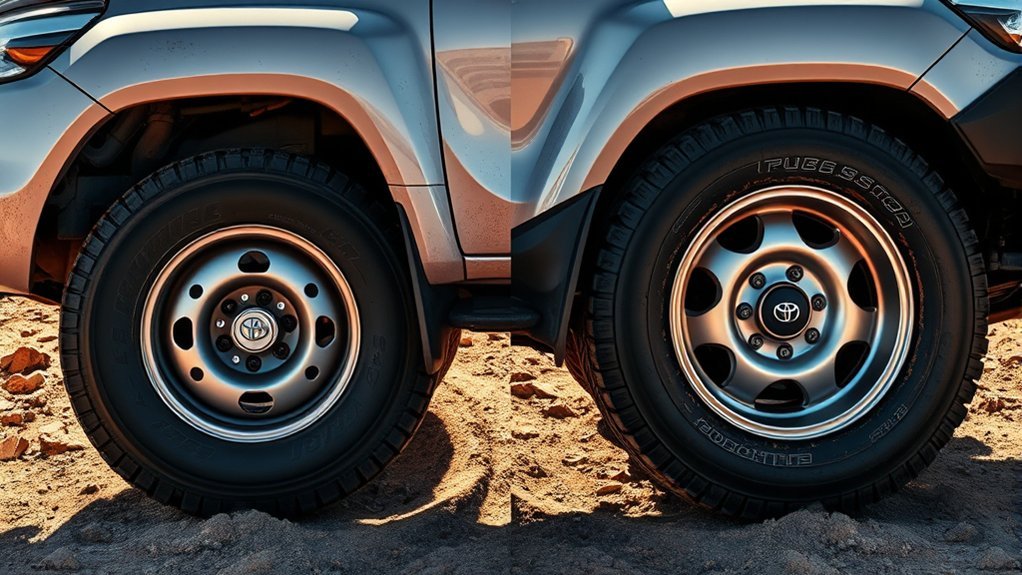
A tube-type tire uses a separate inner tube to hold air. The outer tire provides grip and casing strength, while the tube carries the air pressure. If the tube gets pinched, rubbed, torn, or punctured, air can escape quickly.
A tubeless tire holds air between the tire and a compatible wheel rim. The tire bead seals against the rim, and the valve stem mounts directly in the wheel. This removes the separate tube, which reduces tube pinch flats and tube-to-tire friction.
For a Toyota Hilux used on paved roads, gravel roads, construction sites, farms, or light trails, tubeless tires usually offer the better mix of safety, convenience, and repairability. They are also the common direction for modern light-truck and SUV tire fitments.
Note: Always confirm your exact Hilux tire size and pressure from the tire placard or owner’s manual, not from a generic online chart. NHTSA TireWise and Toyota Australia both point owners to the vehicle label and owner’s manual for correct tire pressure guidance.
Best Choice by Situation
Use this quick table before you compare tire brands or tread patterns. The safest choice depends on your wheel design first, then your load, road use, and repair access.
| Your Hilux Setup | Better Choice | Why |
|---|---|---|
| Modern tubeless-compatible wheels | Tubeless | Best all-around choice for daily driving, highway use, towing, job sites, and mixed gravel roads. |
| Older wheels that cannot seal air | Tube-type or wheel replacement | A tubeless tire cannot work safely if the rim cannot hold a proper bead and valve seal. |
| Remote travel with limited tire-shop access | Depends on wheel and repair plan | Tubeless is convenient for small tread punctures, while tubes may be field-replaceable on setups designed for them. |
| Damaged, bent, cracked, or heavily corroded rims | Fix the wheel first | Neither tire type is a good fix for unsafe wheels, poor bead sealing, or damaged valve areas. |
How Tube-Type and Tubeless Tires Perform Differently
Both tire types can work well when matched correctly, but they behave differently when you drive, carry weight, or hit rough terrain.
| Factor | Tube-Type Tires | Tubeless Tires |
|---|---|---|
| Puncture behavior | Tube damage can cause faster air loss, especially after a pinch, tear, or valve-base failure. | Small tread punctures may lose air more slowly, depending on the damage and whether the object stays in place. |
| Off-road use | Can work well on older steel wheels or specific rugged setups designed for tubes. | Often preferred for mixed road and trail use, especially with suitable all-terrain or mud-terrain tires. |
| Weight and heat | The tube adds another layer that can create friction and heat when overloaded, underinflated, or fitted poorly. | No separate tube, but actual tire weight still depends on brand, tread, size, casing, and load rating. |
| Repair convenience | Often requires removing the tire and repairing or replacing the tube. | A plug kit may help you reach a tire shop after some small tread punctures, but it is not a permanent repair. |
| Best fit | Older rims, specialist off-road use, or wheels and tires that require tubes. | Most modern Hilux owners using compatible wheels for daily driving, work, towing, and light off-road use. |
The biggest practical difference is how each tire handles air loss. A tube-type setup depends on the inner tube. A tubeless setup depends on the tire bead, rim seal, and valve stem. That is why rim condition and valve quality matter so much when you switch to tubeless tires.
Hilux Compatibility Check Before You Buy
Before choosing tube-type or tubeless tires, check the parts that affect fit and safety. The best tire type will not help if the tire does not match your Hilux load needs or wheel design.
- Tire size: Match the size listed on your door placard, owner’s manual, or approved alternate tire guide. NHTSA advises owners to use the vehicle label or owner’s manual for tire size.
- Load index or load range: Choose a tire that can safely support your Hilux, passengers, cargo, accessories, and towing load.
- Speed rating: Use a rating suitable for your vehicle and driving conditions, especially if you tow or drive long highway distances.
- Rim type: Tubeless tires need wheels designed to hold an airtight bead seal.
- Valve stem: A tubeless wheel needs the correct valve stem in good condition.
- Sidewall marking: Look for TL for tubeless or TT for tube-type. If the tire, wheel, or manual guidance conflicts, ask the tire maker or a qualified tire shop before mounting.
- TPMS: If your Hilux has a tire pressure monitoring system, confirm that the valve stem and service process match the system.
- Wheel condition: Do not mount tubeless tires on rims with cracks, heavy corrosion, severe dents, damaged bead seats, or enlarged valve holes.
Pro Tip: If you drive a loaded Hilux for work, camping, towing, or farm use, prioritize load rating and inflation pressure before tread style. A tough-looking tire can still be the wrong choice if its load capacity is too low.
[Products Worth Considering]

TireJect Off-Road Tire Sealant Kit provides 5-in-1 sealing to help fix tread punctures up to 3/8", sidewall punctures up to 3/8", bead leaks, slow leaks, and minor dry rot on low-speed tires. It permanently seals with liquid rubber, recycled tire particles, and Aramid fibers, making it ideal for flats caused by thorns, nails, and screws. The included dispensing cap attaches to the valve stem for a no-mess installation, along with a metal valve core remover tool and valve stem cap. This kit is for off-road use only.

This 61-piece tire repair screw kit helps you fix punctures quickly by aligning the screw plugs and twisting clockwise, finishing the repair in seconds. The self-sealing plugs create a reliable seal for many roadside situations without needing a jack, wrench, or glue. It includes two plug sizes and a screwdriver in a portable case, making it a convenient option for cars, motorcycles, trucks, bikes, ATVs, and tractors.

Switch to tubeless with this Muc-Off rim tape designed to create an airtight seal for smooth-running setups. The pressure-sensitive adhesive offers the right stretch for strength and durability, while the semi-transparent material helps you locate the valve hole quickly. It includes four seal patches for a secure finishing seal after wrapping.
Installation and Maintenance: What You Should Know
Tube-type and tubeless tires need different installation steps. A tube-type setup requires the correct tube size, clean rim tape or flap where needed, and careful fitting so the tube does not pinch. A tubeless setup requires a clean rim bead seat, proper valve stem, bead lubricant, and correct seating pressure during installation.
For most Hilux owners, a tire shop should install and balance either setup. This matters even more if you tow, carry heavy loads, use all-terrain tires, or drive at highway speeds.
| Tire Type | Installation Needs | Maintenance Needs |
|---|---|---|
| Tube-Type | Correct tube, tube-safe tire, suitable wheel, rim tape/flap where required, careful tube seating. | Regular pressure checks, tube inspection after punctures, and replacement when tube damage occurs. |
| Tubeless | Tubeless-compatible tire and rim, clean bead seat, correct valve stem, proper mounting and balancing. | Monthly cold-pressure checks, valve checks, tread inspection, and professional repair after punctures. |
Check pressure when the tires are cold. The correct pressure is the vehicle maker’s recommended pressure, not the maximum pressure printed on the tire sidewall. You can find that pressure on the tire and loading label or in the owner’s manual. Toyota also recommends checking the spare tire and checking pressure cold for an accurate reading.
If you tow, carry tools, add a canopy, fit a bull bar, or load camping gear, do not guess at higher or lower pressures. Toyota Australia’s towing guidance notes that tires need suitable speed and load ratings and the right pressure for the load. Ask a Toyota dealer or tire professional when your setup differs from stock.
Warning: Never treat low pressure as a harmless off-road trick on paved roads. Underinflation can increase heat, wear, poor handling, and blowout risk, especially when your Hilux carries cargo or travels at highway speed.
[Products Worth Considering]

AUTOWN’s 68-piece tire repair kit helps you fix punctures and plug flats quickly and effectively. It includes a T-handle and spiral probe tool for easy insertion, while the steel patch and plug materials are designed for strong adhesion and long-lasting airtight performance. The compact case makes it convenient for roadside repairs across a wide range of vehicles.

This 60-piece tire repair nail kit provides a fast, do-it-yourself way to seal punctures on tubeless car, motorcycle, and SUV tires without removing the tire. Simply align, twist clockwise, and finish in seconds for a reliable sealing effect that helps prevent water intrusion. The kit includes tire glue and durable rubber-and-steel repair nails for strong adhesion and long-lasting repairs.

Upgrade your ride with a 2-pack set of 26x1.95 folding mountain bike tires built for dependable traction on mud, rocks, and trail surfaces. A reinforced puncture-resistant layer helps protect against sharp debris, while included butyl inner tubes provide strong sealing and shock absorption. Ready for fast swaps with included tire levers and universal sizing for most bikes.
Off-Road Pressure and Traction
Tubeless tires can be useful off-road because they remove the inner tube and reduce the chance of pinch damage to a tube. Some drivers also air down on sand, mud, rocks, or corrugations to increase the contact patch and improve ride comfort.
That does not mean you should run low pressure everywhere. Low pressure can break the bead seal, damage the sidewall, overheat the tire, or reduce steering control if you drive too fast. After leaving the trail, reinflate the tires to the correct road pressure before highway driving.
If you often air down for off-road use, carry a quality pressure gauge, compressor, valve tool, and repair kit. For remote trips, also carry a usable spare tire and know where your Hilux jack points are before you need them.
Why Tubeless Tires Are Usually Better for Your Hilux
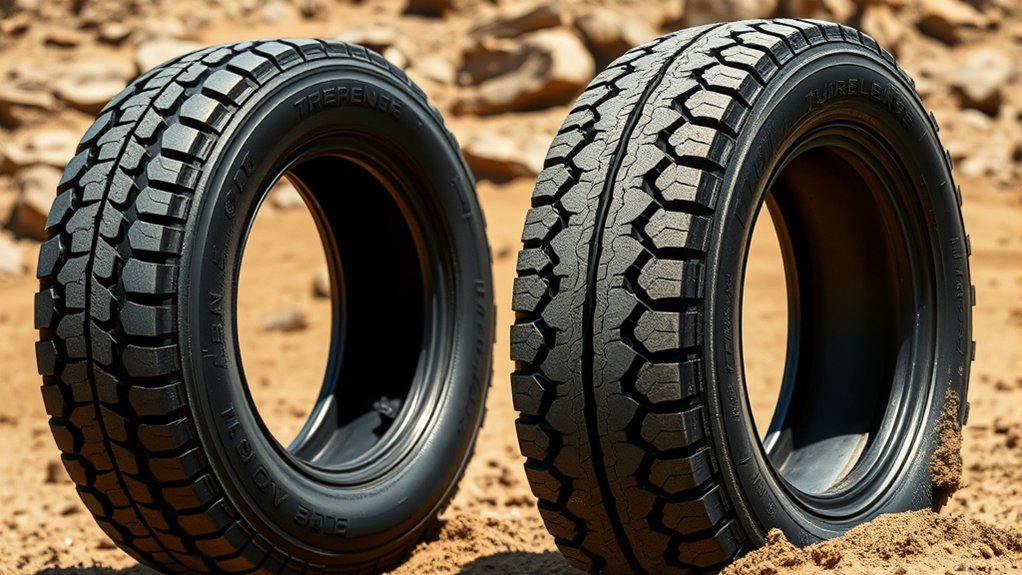
Tubeless tires are usually the stronger everyday choice for a Hilux because they remove the separate inner tube and simplify many puncture situations. If a nail enters the tread area, the tire may lose air slowly enough for you to notice the problem, stop safely, and deal with the leak.
The real advantage of tubeless tires is not that they make your Hilux puncture-proof. The advantage is that they reduce tube-related failure points and often give you a more manageable repair path after a small tread puncture.
- Fewer tube-related failures: No inner tube means no tube pinch, tube seam failure, or tube-to-tire friction.
- Better puncture control: Small tread punctures may leak more slowly than a torn tube, giving you more time to stop safely.
- Repair convenience: A plug kit can help you reach help after some small tread punctures, but a proper repair still requires internal inspection.
- Modern tire choice: You will usually find more current all-terrain, highway-terrain, and mud-terrain options in tubeless designs.
- Practical value: Fewer tube replacements and faster service can reduce downtime over the life of the tire.
When Tube-Type Tires Still Make Sense
Tubeless tires are not automatically correct for every Hilux. Tube-type tires may still make sense if your Hilux uses older wheels that are not designed to seal tubeless tires, or if you use a specialist tire that specifically requires a tube.
Some drivers in remote areas also prefer tube-type setups because tubes can be replaced in the field with basic tools. That can be useful when tire-shop access is limited. The trade-off is that tube repairs often take longer, require more disassembly, and can be harder beside the road.
You may also see special cases where a tube is used with a tubeless-marked tire because the wheel itself is not suitable for tubeless fitment. Michelin gives this type of guidance for some classic-vehicle applications, but it also warns that some tire designs must not be fitted with tubes. Do not apply classic or specialty guidance to your Hilux unless the tire maker and wheel setup allow it.
If your wheel is badly corroded, dented, cracked, or unable to hold a bead seal, do not force a tubeless conversion. Repair or replace the wheel first.
Repair Limits: What to Do After a Puncture
A roadside plug kit can be useful, but it should not turn into a permanent guess. A qualified tire technician should inspect the inside of the tire after a puncture, especially if you drove while the tire was low.
For passenger and light-truck tires, USTMA tire repair guidance limits proper repairs to the tread area and to punctures no larger than 1/4 inch or 6 mm. The tire must come off the wheel for internal inspection, and a proper repair uses a rubber stem or plug to fill the injury plus a patch to seal the inner liner.
Replace the tire instead of trying a simple plug when the damage is in the sidewall, shoulder, bead area, or when the puncture is large, irregular, angled toward the shoulder, or caused by impact. Also replace the tire if the inside shows heat damage, broken cords, cracking, bulges, or signs that the tire ran flat.
For tube-type tires, the outer tire and inner tube both need inspection. A new tube inside a damaged tire can fail again if the object, split, rough rim surface, or casing damage remains.
Are Tubeless Tires Worth the Extra Cost for Your Hilux?
Tubeless tires can cost more upfront, especially if you also need new valve stems, rim service, or new wheels. Even so, they are often worth it for a Hilux that sees daily road use, highway driving, job-site travel, gravel roads, and weekend trails.
The value comes from convenience and reduced downtime. You avoid inner tube replacement, reduce tube-related failures, and often get more tire choices in modern tread patterns. You may also spend less time dealing with flat repairs if most of your punctures are small tread-area leaks.
Do not buy tubeless tires only because they are marketed as safer. Buy them because they match your wheels, load requirements, driving style, and repair expectations. A correctly rated tube-type tire is safer than a poorly matched tubeless tire.
[Products Worth Considering]
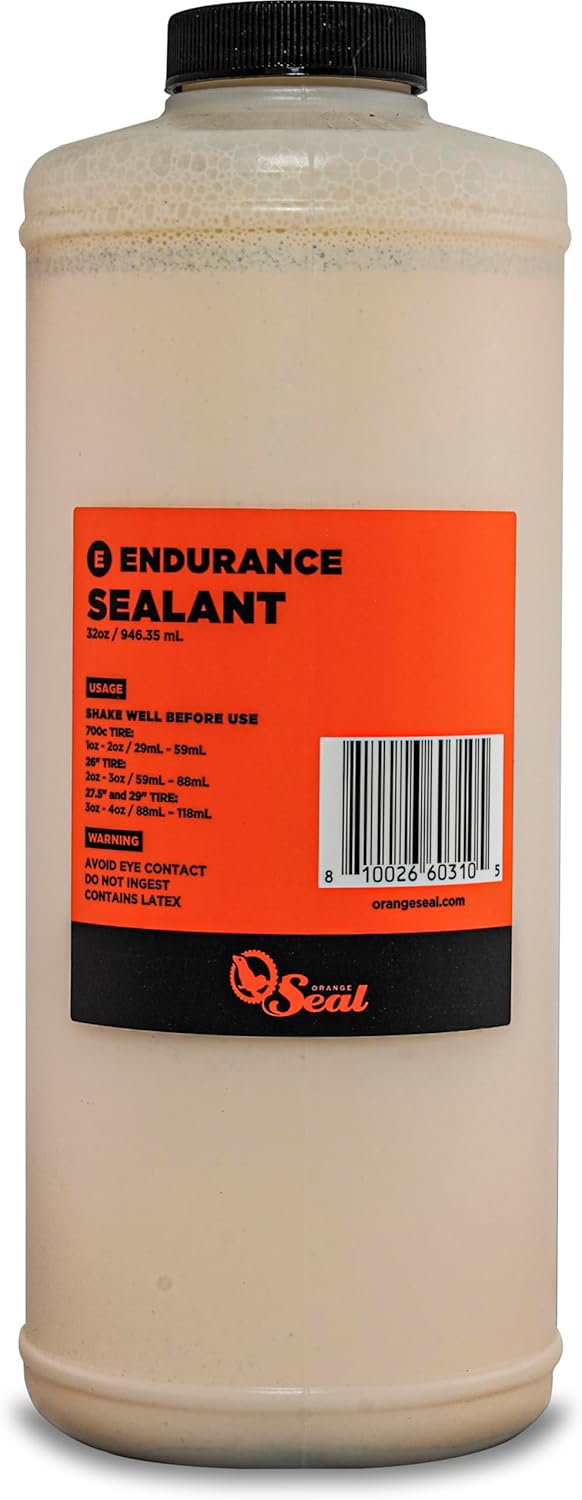
Orange Seal Endurance Formula delivers long-lasting latex protection with a durable sealant that can stay effective for 60–120 days between top-offs. It uses nanite particles to rapidly seal punctures up to 1/4" and slices up to 1/2", helping maintain reliable tubeless performance across MTB, road, CX, and gravel conditions. The biodegradable formula is engineered to work across major tubeless-ready and UST brands and a wide range of rubber compounds.

Wykodra tire plugs provide quick vulcanizing repairs for tubeless tires, helping you seal punctures and get back on the road. The industrial-strength rubber creates a long-lasting, leak-resistant bond and is designed for emergency fixes without removing the tire. Choose between two standard plug sizes with color-matched options for small to larger damage across many vehicles and off-road uses.

CKAuto Universal Tire Repair Kit provides a complete emergency solution for fixing flat tire punctures using plug-style repairs without removing the tire from the rim. The kit includes insertion/probe tools, repair plugs, lubricant, valve accessories, and a convenient carry bag for quick roadside use. Designed for tubeless tires across cars, SUVs, trucks, motorcycles, RVs, and more, it’s easy enough for anyone to perform a proper repair.
Frequently Asked Questions
Which is better for a Toyota Hilux, tubeless or tube-type tires?
Tubeless tires are better for most modern Toyota Hilux owners when the wheels are tubeless-compatible. They reduce tube-related failure points, support easier temporary roadside response for many small tread punctures, and give you more current light-truck tire choices. Tube-type tires are better only when your wheel or tire is designed to use a tube.
What are the downsides of tubeless tires?
Tubeless tires need compatible rims, a good bead seal, and a healthy valve stem. They can leak if the rim is corroded, bent, dirty, cracked, or damaged around the bead seat or valve hole. Large punctures, sidewall cuts, bead damage, and tires driven while flat may still require replacement.
Can I put a tube inside a tubeless tire?
Do not assume you can. Some specialist or classic-vehicle situations may allow a tube in a tubeless-marked tire when the wheel is not suitable for tubeless fitment, but that does not make it safe for every Hilux tire. Ask the tire maker or a qualified tire professional before installing a tube in a tire designed to run tubeless.
Do tubeless tires prevent blowouts?
No tire type prevents every blowout. Tubeless tires can reduce tube-related failures and may leak more slowly after some small tread punctures, but blowouts can still happen from underinflation, overloading, impact damage, old tires, heat, improper repair, or casing failure.
Can I run lower pressure in tubeless Hilux tires off-road?
You can air down for some off-road conditions if the tire, rim, load, and speed make it safe. Reinflate before highway driving. Never use low pressure on-road just for comfort, because underinflation can increase heat, tire wear, poor handling, and failure risk.
Is a roadside tire plug a permanent repair?
No. Treat a roadside plug as temporary help so you can reach a tire shop. Proper repair requires removing the tire from the wheel, inspecting the inside, filling the puncture injury, and sealing the inner liner with an approved patch or combination repair.
Can tubeless Hilux tires leak from the rim?
Yes. Tubeless tires can leak from the bead area or valve stem if the rim is dirty, corroded, bent, cracked, or damaged. A tire shop can inspect the bead seat, valve stem, and wheel before you blame the tire itself.
Conclusion
For most Toyota Hilux owners, tubeless tires are the better choice. They suit modern wheels, reduce tube-related problems, simplify many small puncture situations, and give you a wider range of current tire options for road, work, and light off-road use.
Still, tire type is only one part of a safe setup. Match the tire to your Hilux size, load rating, speed rating, rim type, and pressure requirements. If your wheels are older, damaged, or designed for tubes, fix the compatibility issue before switching.
Choose tubeless when your wheels support it and your tire shop can install it correctly. Choose tube-type only when your tire and wheel combination truly requires it.
Sources
- NHTSA TireWise — tire size, placard pressure, cold inflation pressure, TPMS, tread, maintenance, and blowout guidance.
- Toyota Australia FAQ — Toyota owner guidance for checking tire pressure cold, checking the spare, and using the driver-door label or owner’s manual.
- Toyota Australia Towing Guide — tire load rating, speed rating, pressure, and towing safety considerations.
- U.S. Tire Manufacturers Association: Tire Repair Basics — proper puncture repair limits, internal inspection, and plug-plus-patch guidance.
- Tire Industry Association: Tire Repair — why on-the-wheel string plugs are temporary and why sidewall/shoulder damage is not repairable.
- Bridgestone: Tubeless vs. Tube-Type Tyres — construction differences, valve placement, and slower air-loss behavior after some punctures.