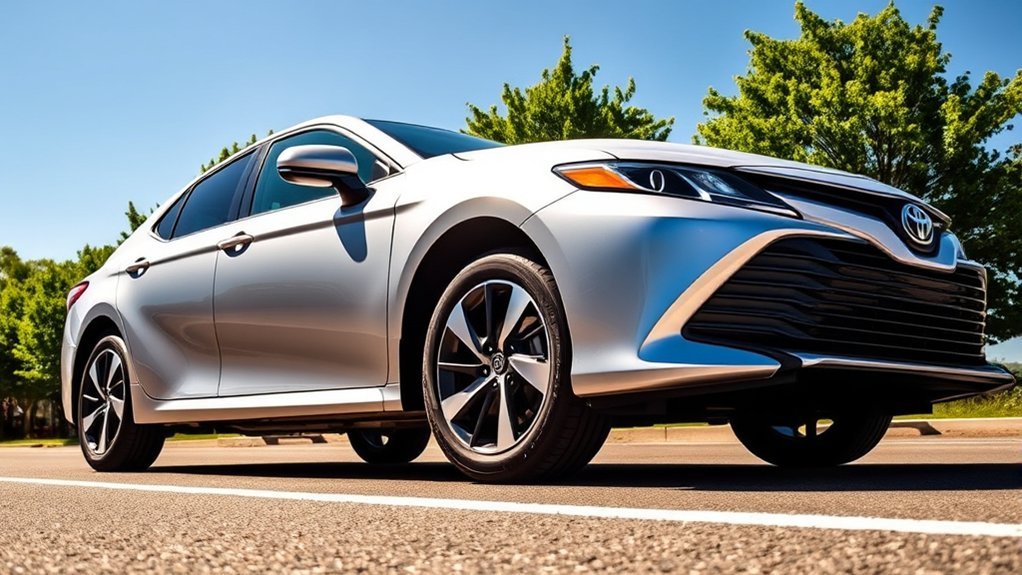
Summer tires can make a Toyota Camry feel more responsive during warm-weather driving, especially when braking, cornering, or traveling on dry and rain-soaked pavement. However, the right choice depends on your climate, Camry model year, wheel size, driving style, and willingness to change tires before cold weather arrives.
Last updated: July 17, 2026
Quick Answer
Summer tires are a good Toyota Camry upgrade when you regularly drive in temperatures above about 45°F (7°C) and prioritize warm-weather steering, braking, and cornering. Use the exact size and ratings approved for your Camry, install the same tire type on all four wheels, and change them before freezing temperatures, snow, or ice.
Key Takeaways
- Summer tires provide their strongest performance on warm dry and wet pavement, but they are not designed for snow or ice.
- Confirm the tire size, load index, speed rating, and cold inflation pressure for your exact Camry model year and trim.
- Do not assume every summer tire improves fuel economy, tread life, comfort, or wet traction. Compare the specifications of the individual tire model.
- Replace tires at the wear indicators, after serious damage, or when age and professional inspection indicate that continued use is unsafe.
- Use four matching seasonal tires whenever possible so the front and rear axles respond predictably.
What Makes Summer Tires Unique?
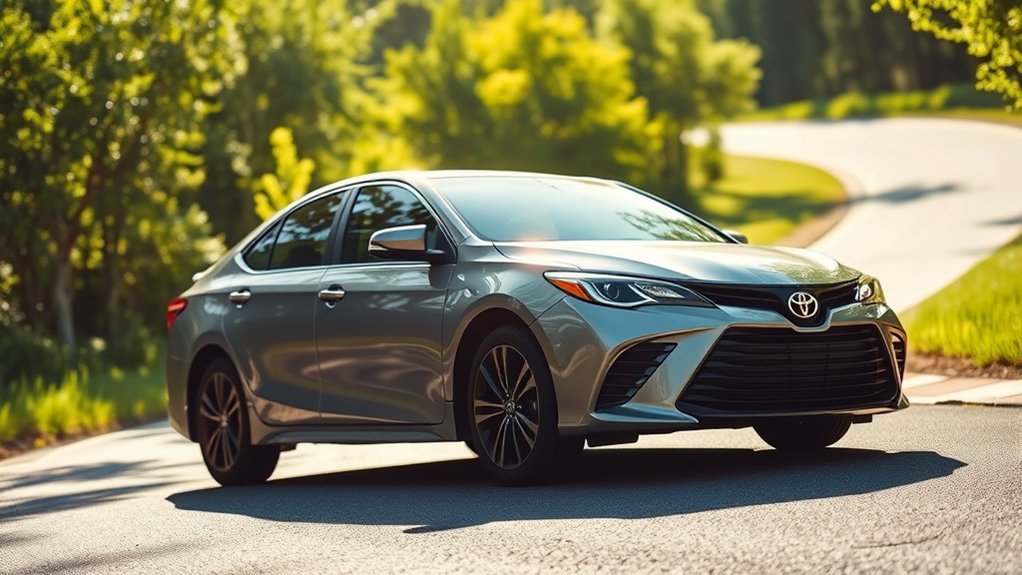
Summer tires use rubber compounds and tread designs developed for warm pavement. The compound remains responsive in heat, while the tread usually has larger tread blocks and fewer small sipes than a winter tire. This design can sharpen steering response and increase the amount of rubber contacting the road.
These tires are not limited to dry weather. A well-designed summer tire can provide strong braking and cornering on warm wet roads because its grooves move water away from the contact patch. Actual rain performance still varies by tire model, tread depth, inflation pressure, water depth, and driving speed.
The commonly used 45°F (7°C) guideline marks the temperature range where summer-tire compounds may begin losing the flexibility and grip they provide in warmer conditions.
Warning: Do not use summer tires for driving on snow or ice. Change to suitable winter or all-weather tires before sustained cold weather arrives. A sudden cold snap can reduce traction even when the road is dry.
Key Benefits of Summer Tires for Your Toyota Camry
A suitable set of summer tires can make a Camry more precise and controlled in warm conditions. The improvement you experience depends on the tire category, fitment, road surface, and the all-season or touring tire being replaced.
| Potential benefit | Why it happens | Important qualification |
|---|---|---|
| Sharper steering response | Larger tread blocks and warm-weather compounds can deform less during cornering. | Ultra-high-performance tires may also produce a firmer ride. |
| Strong dry-road grip | The tread and compound are optimized for warm pavement. | Grip drops as temperatures fall and the rubber stiffens. |
| Responsive braking | A stable contact patch can improve warm-condition braking performance. | Stopping distance still depends on the individual tire, road, speed, brakes, and tread condition. |
| Warm wet-road traction | Circumferential and lateral grooves help remove water. | Deep standing water, excessive speed, and worn tread can still cause hydroplaning. |
| More driving feedback | Performance-oriented construction can communicate steering and road changes more directly. | Some drivers may prefer the quieter and softer behavior of a touring tire. |
Fuel economy is not an automatic summer-tire benefit. Rolling resistance varies by model, construction, pressure, and tread compound. Choose a tire specifically designed for low rolling resistance when efficiency is a priority.
When Is the Right Time to Switch to Summer Tires?
Install summer tires when average daily temperatures remain consistently above about 45°F (7°C) and the risk of snow or ice has passed. Change away from them when temperatures regularly fall below that range.
[Products Worth Considering]

Monitor tire tread wear with a smart, color-coded depth gauge that shows clear condition ranges at a glance. The bar is range marked for fast, easy readings, helping you maintain safer traction and performance. Each gauge is portable with a pocket clip, and the set includes 20 units for daily use and sharing.

The Kurgo Seasonal Tire Tote helps protect your car interior, clothes, and garage from tire grime, brake dust, and residue during seasonal tire changes. Its universal design fits most passenger tires between 22" and 31" in diameter, making storage and transport simpler with less mess. Built for rugged, repeated use, it’s machine washable for easy care and comes with a lifetime warranty.

Steelman white tire marking crayons provide high-contrast, semi-permanent marks for repairing and inspecting tires and equipment. They write on wet or dry, smooth or coarse surfaces including rubber, metal, glass, and wood, making them ideal for puncture location and damage outlining. The lead- and zinc-free crayons resist weather and fading yet wipe away when you no longer need the marks.
Use Temperature Trends, Not One Warm Afternoon
A single warm day does not mean winter conditions have ended. Review nighttime temperatures and the coming forecast before installing summer tires. The same rule applies in autumn: do not wait for the first snow if temperatures have already begun remaining below the recommended range.
Michelin’s seasonal tire guidance explains that summer tires are intended for warm dry and wet roads and should not be used on snow or ice.
When Summer Tires Make the Most Sense
- You live in a warm climate or can store a second seasonal tire set.
- You value steering response, warm-weather braking, and cornering stability.
- You frequently drive on highways or winding paved roads in warm conditions.
- You are prepared to monitor tread, pressure, alignment, and seasonal temperatures.
All-season or all-weather tires may be more practical when temperatures change frequently, storage space is limited, or winter conditions are mild but unpredictable.
How Summer Tires Affect Camry Performance and Handling
The Camry is primarily designed as a comfortable daily-driver sedan, but its steering and braking behavior still depend heavily on the tires. A performance-oriented summer tire can make initial steering response quicker, reduce tread movement during cornering, and provide more confidence during warm-weather emergency braking.
That extra response may come with tradeoffs. Some performance tires transmit more road texture, create more noise, wear faster, or reduce ride comfort compared with a touring all-season tire. A touring summer tire can offer a more balanced combination of warm-weather grip, comfort, and tread life for daily commuting.
The best choice is not automatically the tire with the highest speed rating or most aggressive marketing. Match the tire category to how you actually use your Camry.
Drawbacks and Tradeoffs of Summer Tires

The main limitation is temperature sensitivity. As the weather becomes colder, a summer-tire compound can stiffen and lose traction. These tires are not designed for snow-covered or icy roads, regardless of whether your Camry has front-wheel drive or all-wheel drive.
Other possible tradeoffs include:
- Shorter tread life on some models: Maximum-performance compounds may wear faster than touring compounds.
- Higher replacement cost: Performance-focused sizes and ratings can cost more.
- More road noise: Larger tread blocks and stiffer construction may be louder on coarse pavement.
- Firmer ride quality: Low-profile fitments can transmit more pothole and expansion-joint impact.
- Seasonal storage: Drivers in cold climates need another suitable tire set and a protected storage location.
- Greater pothole sensitivity: Lower-profile tires provide less sidewall cushioning and may be more vulnerable to wheel or sidewall damage.
Rain alone is not a reason to avoid summer tires. Many provide excellent warm wet-road traction. However, slow down in standing water and replace worn tires before their water-evacuation ability becomes inadequate.
Summer vs. All-Season vs. Winter Tires
| Tire type | Best use | Warm-weather performance | Cold and snow capability | Main compromise |
|---|---|---|---|---|
| Summer | Consistently warm dry and wet roads | Usually the strongest steering, braking, and cornering response | Not intended for freezing temperatures, snow, or ice | Requires seasonal changes in cold climates |
| All-season | Mild climates and drivers prioritizing year-round convenience | Balanced rather than specialized | Limited light-snow capability varies by model | Less specialized at temperature extremes |
| All-weather | Variable climates where verified snow traction is useful | Good year-round performance, depending on the model | Models with the Three-Peak Mountain Snowflake symbol pass a standardized snow-traction test | May not match a dedicated summer tire in heat or a dedicated winter tire in severe winter conditions |
| Winter | Sustained cold, snow, slush, and ice | Soft compounds may feel less precise and wear faster in heat | Best option for severe winter conditions | Not intended for continuous warm-weather use |
[Products Worth Considering]

These aluminum alloy tire valve stem caps with an O-ring seal help protect valve stems from corrosion while adding a clean, stylish look to your vehicle. The universal fit works across cars, trucks, motorcycles, bicycles, and more, making them an easy upgrade for everyday driving and off-road use. Installation is quick, and the included four-pack keeps all your tires dressed and protected.

These universal tire valve stem caps help protect valve cores from dust, debris, and moisture while helping maintain stable tire pressure. The corrosion-resistant metal construction and sealed design provide reliable protection in road grime, mud, and winter conditions. Twist-on installation makes them quick to fit on cars, SUVs, trucks, and motorcycles.

Upgrade your wheels with MIKKUPPA M12x1.5 mag seat lug nuts built for secure, corrosion-resistant performance. These closed-end chrome lug nuts are a direct replacement for select Toyota models, including Camry, Corolla, RAV4, Sienna, Avalon, Highlander, Matrix, Venza, and Prius. Triple-chromium plating and cold-forged, heat-treated steel help deliver strength for daily driving and replacement needs.
How to Choose Summer Tires for a Toyota Camry
Do not shop by vehicle name alone. Toyota Camry wheel and tire specifications vary by model year, trim, market, and optional wheel package. Start with the Tire and Loading Information label on the driver-side doorjamb and the owner’s manual for your exact vehicle.
[Products Worth Considering]

Keep your tires properly inflated with this analog VONDIOR tire pressure gauge, designed for fast, easy readings without batteries. The swiveling, two-axis hose and large glow dial help you measure at any tire angle with instant visibility. Built with a protective rubber shield, it supports durable, low-maintenance use for cars and trucks.

Adam’s Pro Tire Hex Grip applicators are molded foam sponges designed for precise, even tire dressing application. The ergonomic grip helps you spread product without overapplying, reducing sling that can splash onto paint and helping keep your hands clean during wheel and trim detailing. They’re durable, washable, and reusable for repeated detailing sessions.

Upgrade your Toyota’s wheels with durable aluminum alloy valve stem caps that help protect valve cores from corrosion and direct exposure to road grime, clay, water, and snow. Rubber rings improve sealing to help prevent air leakage and maintain stable tire pressure for safer driving. These caps are easy to install or remove without tools and add a unique, stylish look to your car.
Confirm the Size, Load Index, and Speed Rating
The tire size must match an original or manufacturer-approved fitment. The replacement tire must also provide adequate load-carrying capacity. Use a speed rating that meets the vehicle manufacturer’s requirements unless a qualified tire professional confirms an approved alternative.
NHTSA’s TireWise guidance recommends using the size listed in the owner’s manual or on the driver-door tire label. Michelin’s replacement-size guidance also warns against selecting a smaller tire or one with less load capacity than the original specification.
Choose the Right Summer-Tire Category
- Touring summer: Prioritizes comfort, lower noise, predictable wet traction, and daily usability.
- Ultra-high-performance summer: Prioritizes steering response and cornering while usually accepting some reduction in ride comfort or tread life.
- Maximum-performance summer: Intended for highly demanding warm-weather driving and may be excessive for routine commuting.
- Track-focused summer: May require warm-up, offer limited standing-water capability, and provide little value for normal Camry use.
Compare the Individual Tire, Not Only the Brand
Review independent wet-braking tests, road-noise results, treadwear warranty terms, comfort ratings, and rolling-resistance information for the exact tire model and size. A brand may sell several tire lines with very different behavior.
Uniform Tire Quality Grading information can help compare treadwear, traction, and temperature ratings within its limitations. It should not be treated as a complete prediction of real-world braking, hydroplaning resistance, comfort, or lifespan.
Use a Matching Set
For predictable handling, use the same tire type, model, size, load rating, and speed rating at all four wheel positions unless Toyota specifies a different original fitment. Do not install summer tires on one axle and all-season tires on the other.
Pro Tip: When only two tires are being replaced, use tires that match the remaining pair’s type and specifications, and have the new pair installed on the rear axle unless Toyota provides different instructions. Greater rear wet traction helps reduce the risk of an uncontrolled rear-axle slide.
When Should You Replace Your Summer Tires?
Replace a tire based on tread condition, physical damage, age, air retention, and changes in performance rather than relying on mileage alone.
- Tread depth: NHTSA says tires are unsafe at 2/32 inch of remaining tread. Consider replacement sooner when wet traction has noticeably declined, you frequently drive in heavy rain, or local regulations require more tread.
- Wear indicators: Replace the tire when the tread is level with its built-in wear bars.
- Physical damage: Stop using a tire with a bulge, exposed cord, deep cut, severe cracking, tread separation, or other structural damage.
- Uneven wear: Feathering, one-sided wear, or center and shoulder wear can indicate incorrect pressure, alignment problems, worn suspension parts, or delayed rotation.
- Air loss or vibration: Persistent pressure loss, new vibration, pulling, or unusual noise requires professional inspection.
- Age: Check the final four digits of the DOT Tire Identification Number. They identify the manufacturing week and year. For example, 2524 means the tire was made in the 25th week of 2024.
Michelin recommends a thorough professional inspection at least once a year after five years of service and precautionary replacement ten years after manufacture. Follow an earlier replacement limit when Toyota or the tire manufacturer specifies one.
Note: A tire may be unsafe even when it still has visible tread. Internal impact damage, age-related deterioration, or structural separation may not be obvious during a simple driveway inspection.
How to Maintain and Store Summer Tires
Check Pressure When the Tires Are Cold
Check all tires at least monthly and before long trips. Measure pressure when the tires have been parked for at least three hours or have traveled only a short distance at low speed.
Use the cold inflation pressure on the Camry’s driver-door placard or in its owner’s manual. Do not inflate the tires to the maximum pressure molded into the sidewall. That number is a tire limit, not the vehicle’s normal pressure target.
Rotate the Tires Correctly
Follow the Warranty and Maintenance Guide for your exact Camry model year. Rotation intervals and patterns can depend on the tire design, vehicle configuration, and operating conditions.
Directional tires may only be moved front to rear on the same side unless they are removed and remounted. Asymmetric tires must remain installed with the marked outside sidewall facing outward. Have the alignment checked when wear is uneven or the car pulls on a level road.
Inspect After Potholes or Curb Impacts
Check for sidewall bubbles, cuts, bent wheels, vibration, or pressure loss after a hard impact. A professional may need to remove the tire from the wheel to inspect for hidden internal damage.
Store Seasonal Tires Properly
- Clean and dry the tires before storage.
- Mark each tire’s previous wheel position to support the next rotation.
- Store them in a cool, dry, ventilated area away from direct sunlight.
- Keep them away from fuel, oil, solvents, electric motors, chargers, and other ozone or heat sources.
- Place each tire in an opaque storage bag after it is clean and dry.
- Store unmounted tires upright and rotate their resting position periodically.
- Store mounted wheel-and-tire assemblies stacked or suspended securely.
- Inspect the tread, sidewalls, valves, and manufacture date before reinstalling them.
Use mild soap and water when cleaning the tires. Avoid petroleum-based dressings and strong solvents that may affect the rubber.
Frequently Asked Questions

What temperature is best for Toyota Camry summer tires?
Summer tires are intended for consistently warm conditions. About 45°F (7°C) is commonly used as the seasonal changeover guideline. Change to a suitable cold-weather tire before temperatures remain below that range or snow and ice become possible.
Can summer tires handle rain?
Yes. Many summer tires provide strong traction and braking on warm wet pavement. Performance varies by model, and hydroplaning can still occur when speed is too high for the water depth or the tread is worn, damaged, or incorrectly inflated.
Are summer tires better than all-season tires for a Camry?
Summer tires generally provide more specialized warm-weather steering, cornering, and braking performance. All-season tires sacrifice some specialized performance in exchange for convenience across a wider temperature range. Your climate and driving priorities determine which option is better.
How should I store summer tires during winter?
Clean and dry them, place them in opaque bags, and store them in a cool, dry area away from sunlight, heat, fuel, solvents, and ozone-producing equipment. Inspect their tread, sidewalls, valves, and date codes before reinstalling them.
Should I install summer tires on all four wheels?
Yes. Using the same seasonal tire type on all four wheels provides more predictable braking, steering, and stability. Mixing summer and all-season tires between axles can cause the front and rear of the Camry to respond differently during emergency maneuvers.
What does Toyota recommend for tire rotation?
Toyota’s exact rotation schedule should come from the Warranty and Maintenance Guide for your Camry’s model year. Do not assume one interval applies to every generation or tire design. Follow whichever mileage or time limit appears first, and rotate sooner when uneven wear develops.
Conclusion
Summer tires can be a worthwhile Toyota Camry upgrade when you drive in consistently warm conditions and value precise steering, responsive braking, and confident dry or wet-road handling. They are not the right year-round choice where freezing temperatures, snow, or ice are possible.
Before buying, confirm the exact size, load index, speed rating, and pressure requirements for your Camry. Compare the behavior of the individual tire model rather than relying only on its brand or summer classification. Once installed, protect the tires with monthly cold-pressure checks, correct rotation, alignment inspections, seasonal storage, and timely replacement based on tread, damage, age, and performance.
Sources
- National Highway Traffic Safety Administration: TireWise — tire size, pressure, tread depth, age, rotation, ratings, and replacement safety.
- Toyota Camry Manuals and Warranties — model-specific owner and maintenance information.
- Michelin: Summer vs. Winter vs. All-Season Tires — temperature range and seasonal performance differences.
- Michelin: When to Replace Tires — age, professional inspection, tread, and damage guidance.
- Michelin: Changing Tire Size or Specifications — replacement sizing, load capacity, matching tires, and rear-axle installation guidance.