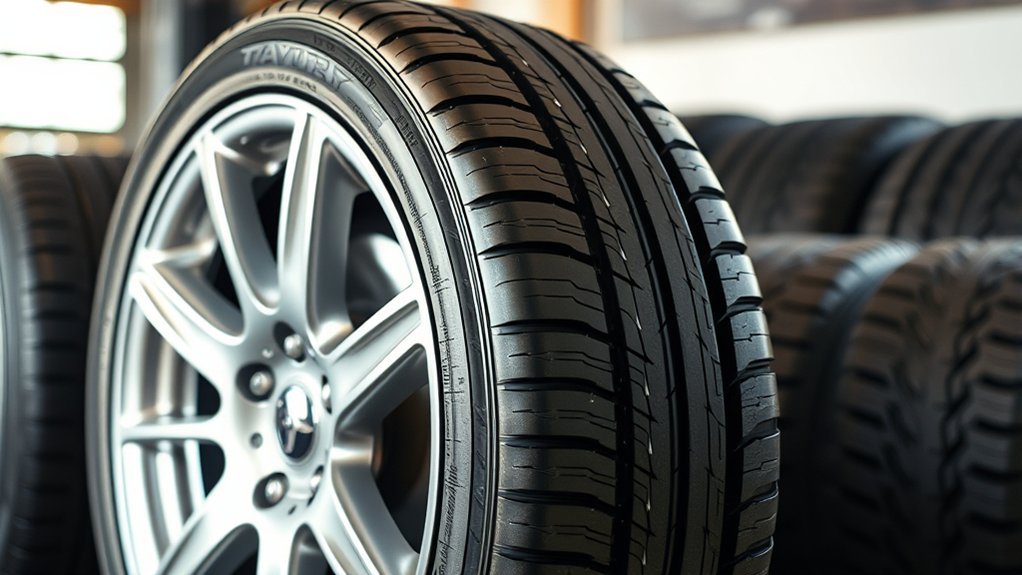
If your 2021 to 2024 Toyota Camry came with 18-inch wheels, or you are upgrading to 18-inch wheels, the safest tire size to start with is 235/45R18. That is the common OEM-style 18-inch fitment for many Camry trims, but you should still confirm your exact size on the driver-door tire placard, in the owner’s manual, or through VIN-specific Toyota information before buying tires.
Quick Answer
For most 2021 to 2024 Toyota Camry models using factory-style 18-inch wheels, choose 235/45R18 tires. Use the same or higher load index and speed rating shown on your current tires or door placard. Avoid switching to much smaller sizes, such as 225/40R18, unless a tire professional confirms the fit.
Key Takeaways
- 235/45R18 is the best first choice for a 2021 to 2024 Camry with factory-style 18-inch wheels.
- Always match the correct load index, speed rating, bolt pattern, center bore, and offset, not just the tire diameter.
- A size like 225/40R18 is much shorter than 235/45R18 and can affect speedometer accuracy, ride height, load capacity, and electronic safety systems.
- Aftermarket wheels should be test-fit for fender, strut, brake-caliper, and suspension clearance before regular driving.
Why Choose 18-Inch Wheels for Your Toyota Camry?
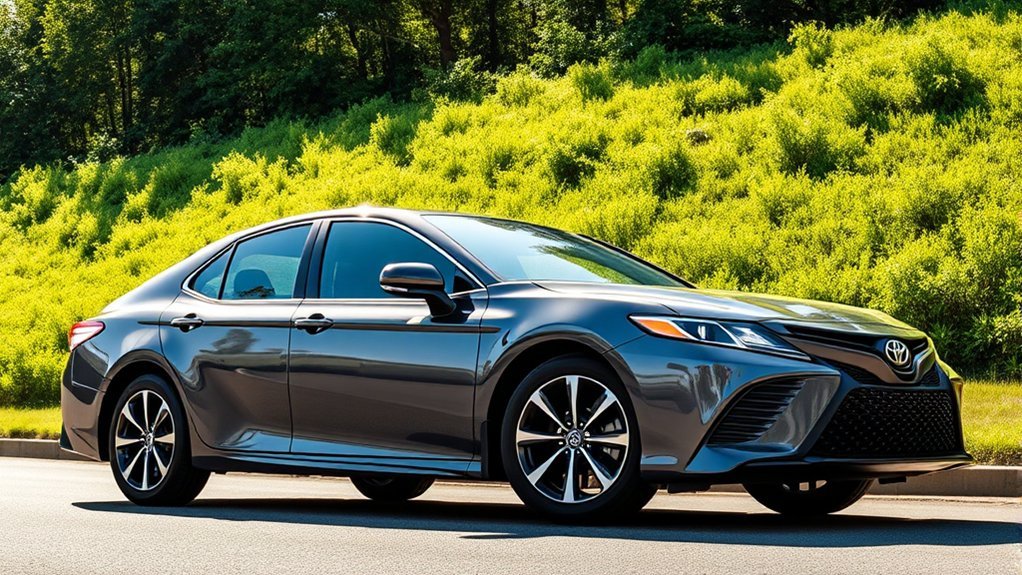
Choosing 18-inch wheels for your Toyota Camry can improve the car’s stance, steering feel, and road grip when you pair the wheels with the right tires. Compared with smaller wheels, an 18-inch setup usually uses a lower tire sidewall, which can make the car feel more responsive during lane changes and cornering.
The visual change is also a major reason many owners choose 18-inch wheels. They fill the wheel wells better than smaller wheels and give the Camry a sportier look, especially on SE, XSE, and appearance-focused trims.
There are trade-offs. A lower sidewall gives less cushion over potholes and rough pavement. Some 18-inch wheel and tire packages also weigh more than smaller setups, which can affect ride comfort, fuel economy, and acceleration. The goal is to keep the overall tire diameter close to factory spec while choosing a tire that matches how and where you drive.
Recommended Tire Sizes for 18-Inch Wheels on the Camry
For a 2021 to 2024 Toyota Camry using factory-style 18-inch wheels, 235/45R18 is the most practical tire size for most owners. It keeps the ride height, speedometer reading, sidewall height, and suspension geometry close to the intended setup.
| Tire Size | Best Use | Fitment Note |
|---|---|---|
| 235/45R18 | Best OEM-style choice | Use this size first if your Camry came with factory 18-inch wheels. |
| 225/45R18 | Possible narrower option | May work on some setups, but confirm load rating, wheel width, and overall diameter first. |
| 245/45R18 | Possible wider option | Requires careful clearance checks near the strut, fender liner, and outer fender. |
| 225/40R18 | Usually not a direct replacement | Much shorter than 235/45R18 and should not be used without professional fitment approval. |
Warning: Do not choose a tire only because it fits an 18-inch wheel. The tire must also have the right overall diameter, load index, speed rating, wheel-width compatibility, and clearance. A tire that is too short or too tall can affect your speedometer, ABS, traction control, TPMS behavior, and ride quality.
[Products Worth Considering]

This professional wheel and rim brush kit makes it easy to lift brake dust, grime, and dirt from wheels and tires without scratching finishes. The brushes feature soft, metal-free wool heads and a flexible 360-degree rim brush design for reaching hard-to-clean areas. Includes multiple brush types plus accessories for thorough car, motorcycle, and general vehicle detailing.

Upgrade your wheels with MIKKUPPA M12x1.5 mag seat lug nuts built for secure, corrosion-resistant performance. These closed-end chrome lug nuts are a direct replacement for select Toyota models, including Camry, Corolla, RAV4, Sienna, Avalon, Highlander, Matrix, Venza, and Prius. Triple-chromium plating and cold-forged, heat-treated steel help deliver strength for daily driving and replacement needs.

The Continental Grand Prix 5000 is an allround road bike tire engineered for faster rolling, improved ride comfort, and enhanced puncture protection. It features a Vectran Breaker cut-protection layer, Lazer Grip micro-profile tread for confident cornering control, and Active Comfort Technology to damp vibration for smoother rides. BlackChili compound optimizes grip and speed for everyday performance and long-lasting confidence.
Key Specifications for 2021-2024 Camry 18-Inch Tires and Wheels
Before ordering 18-inch tires or wheels for a 2021 to 2024 Camry, check more than the tire size. The wheel must match the car’s hub, lug pattern, brake clearance, and suspension space.
| Spec | What to Check | Why It Matters |
|---|---|---|
| Tire size | 235/45R18 for most OEM-style 18-inch setups | Keeps diameter, sidewall height, and speedometer reading close to factory intent. |
| Bolt pattern | 5×114.3 mm | The wheel must physically bolt to the Camry hub. |
| Center bore | 60.1 mm hub bore, or a larger aftermarket bore with the correct hub-centric ring | Poor hub fit can cause vibration and uneven wheel seating. |
| Offset | Stay close to OEM offset for the wheel width you choose | Too much offset change can cause rubbing, poor clearance, or steering feel changes. |
| Load and speed rating | Match or exceed the original tire rating | The tire must safely support the vehicle and intended driving speed. |
| Lug compatibility | Correct thread, seat type, and torque spec | Wrong lug hardware can prevent proper wheel clamping. |
Note: The driver-door tire placard is your best first check for tire size and cold tire pressure. You can also use the Toyota owner’s manual lookup for model-specific information.
[Products Worth Considering]

These M14x1.5 closed-end chrome lug nuts are a one-piece replacement designed for secure fitment on compatible GM, Ford, and select Chrysler/Dodge models. Featuring a 60-degree conical seat and anti-rust chrome plating, they help resist corrosion and maintain a bright look for everyday driving. Built for long-term durability, they include OEM-style part references and are backed by 12 months of support.

Replace worn or missing TPMS sensors with a pre-programmed 4-pack designed for compatible GM vehicles. These 315MHz sensors provide real-time tire pressure monitoring and alert you if pressure is too high, too low, or if a rapid air leak occurs. Most installations are ready with minimal relearn effort after mounting, helping improve safety and driving confidence.

Keep your tires properly inflated with this analog VONDIOR tire pressure gauge, designed for fast, easy readings without batteries. The swiveling, two-axis hose and large glow dial help you measure at any tire angle with instant visibility. Built with a protective rubber shield, it supports durable, low-maintenance use for cars and trucks.
Selecting the Best 18-Inch Tires for Performance and Comfort
When selecting 18-inch tires for your Toyota Camry, start with how you actually drive. A daily commuter needs different tires than a driver who wants sharper cornering or better wet-road grip. The right tire type matters as much as the size printed on the sidewall.
[Products Worth Considering]

Measure tire tread depth quickly and accurately with this LUMITECO dial gauge that reads in 1/32" increments up to 14/32". The color-coded green/yellow/red zones make it easy to judge tire wear and know when replacement is needed. A rugged, compact design with a protective pouch helps keep the gauge ready for use on cars, trucks, motorcycles, and more.

Upgrade your wheels with MIKKUPPA closed-end lug nuts designed for reliable fit and corrosion resistance. The one-piece, cold-forged and heat-treated steel construction helps resist rust and stripping, while the integrated finish delivers a durable black appearance. Built to OEM standards with a conical 60-degree seat, these nuts provide a secure solution for compatible Ford, Honda, Jeep, and Chevrolet models.

Monitor tire tread wear with a smart, color-coded depth gauge that shows clear condition ranges at a glance. The bar is range marked for fast, easy readings, helping you maintain safer traction and performance. Each gauge is portable with a pocket clip, and the set includes 20 units for daily use and sharing.
Tire Type Selection
| Tire Type | Best For | Trade-Off |
|---|---|---|
| Touring all-season | Comfort, low noise, daily commuting | Less sharp than a performance tire. |
| Grand touring all-season | Balanced comfort, wet grip, and highway use | Usually costs more than basic touring tires. |
| Performance all-season | Sharper steering and stronger dry grip | Can ride firmer and wear faster. |
| Summer performance | Warm-weather grip and responsive handling | Not suitable for freezing temperatures or snow. |
| Winter tire | Snow, ice, and cold-weather traction | Best used seasonally, not year-round. |
The tire code also matters. In 235/45R18, “235” is the section width in millimeters, “45” is the sidewall aspect ratio, “R” means radial construction, and “18” means the tire fits an 18-inch wheel. You should also check the numbers and letters after the size, which show the tire’s load index and speed rating.
Performance vs. Comfort Balance
A 235/45R18 tire gives the Camry a good middle ground between sidewall cushion and steering response. A lower-profile tire can sharpen turn-in, but it may also make potholes feel harsher. A comfort-focused touring tire will usually ride quieter, while a performance tire may feel firmer but grip better during cornering and braking.
Tread pattern, tire compound, sidewall stiffness, and air pressure all affect how the car feels. That is why two tires in the same 235/45R18 size can drive very differently.
Pro Tip: If your Camry is a daily driver, a grand touring all-season tire is usually the safest all-around choice. It gives you a better blend of comfort, wet grip, tread life, and road noise than an aggressive performance tire.
What Fitment Issues to Expect With 18-Inch Wheels?
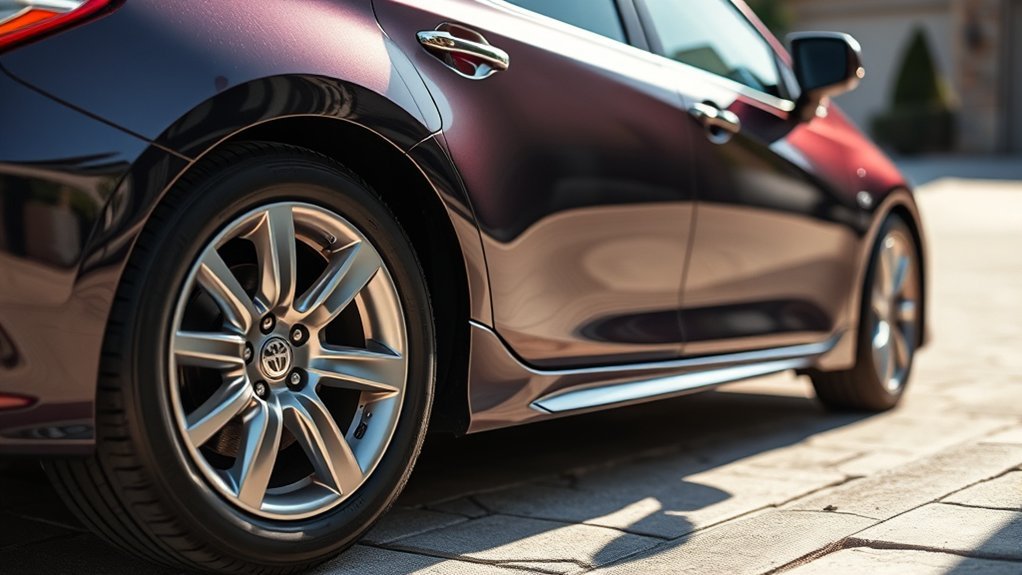
Fitting 18-inch wheels on your Toyota Camry can be simple if you stay close to the factory setup. Problems usually appear when the wheel is wider, the offset is more aggressive, the car is lowered, or the tire is wider or taller than stock.
The most common fitment issues include:
- Fender rubbing: The tire may touch the outer fender or fender liner during turns, bumps, or heavy loads.
- Strut or suspension clearance: A wider tire or high positive offset can move the inner tire closer to suspension parts.
- Brake-caliper clearance: Some aftermarket wheel designs may not clear the caliper even if the diameter and bolt pattern are correct.
- Center-bore mismatch: A wheel with a larger center bore may need the correct hub-centric ring.
- Wrong lug seat: Aftermarket wheels may require different lug nuts than the factory wheels.
- Speedometer error: A tire with a much different overall diameter can make your speedometer read too fast or too slow.
Be careful with spacers and negative camber adjustments. They can help some custom setups clear the body, but they can also add stress and cause uneven tire wear if used incorrectly. For a street-driven Camry, it is better to choose a wheel and tire combination that fits cleanly without extreme corrections.
How 18-Inch Tires Can Boost Your Camry’s Performance
Upgrading to the right 18-inch tires can improve the way your Camry feels on the road, but the performance gain comes from the full tire package, not the wheel diameter alone. Tire width, tread compound, tread pattern, and sidewall stiffness all play a role.
With a good 235/45R18 tire, you may notice:
- Sharper steering response: The lower sidewall can reduce flex during quick steering inputs.
- Better cornering grip: A quality tire can provide a larger and more stable contact patch.
- Improved wet or dry traction: The right tread compound can help braking and acceleration feel more secure.
- A sportier look: The 18-inch setup fills the wheel wells better than many smaller wheel packages.
Do not expect every 18-inch tire to feel sporty. A comfort touring tire in 235/45R18 may ride smoother but feel less sharp than a performance all-season tire in the same size.
The best Camry tire upgrade is not the widest tire you can fit. It is the tire that keeps the right diameter, clears the suspension, matches the load rating, and suits your climate.
How to Check Fitment Before You Buy
Before buying 18-inch wheels or tires for your Camry, run through this checklist:
- Check the driver-door placard. Confirm the original tire size and cold tire pressure for your specific vehicle.
- Read the current tire sidewall. Match or exceed the original load index and speed rating.
- Confirm the wheel specs. Check bolt pattern, center bore, width, offset, and lug-seat type.
- Compare overall diameter. Stay close to the original tire diameter to reduce speedometer and system issues.
- Check suspension condition. Worn struts, sagging springs, or poor alignment can create rubbing even with a normally safe size.
- Test-fit one front and one rear wheel. Turn the steering wheel fully both ways and check clearance under load before regular driving.
- Recheck torque and pressure. After installation, torque the lug nuts to the correct spec and check cold tire pressure.
If you are unsure about offset, tire width, or clearance, ask a tire shop to test-fit the setup before mounting all four tires.
Maintaining 18-Inch Wheels and Tires
To keep your 18-inch wheels and tires in good condition, check tire pressure when the tires are cold. The correct pressure is listed on the driver-door placard and in Toyota owner resources, not on the tire sidewall. The sidewall shows the tire’s maximum pressure, not the normal Camry operating pressure.
Inspect the tread depth regularly. A tire is legally worn out at 2/32 inch in many places, but wet-weather grip can drop before that point. If you drive in heavy rain or snow, replacing tires earlier is often safer.
Rotate your tires according to the Toyota maintenance schedule for your model and driving conditions. Front-wheel-drive vehicles often wear the front tires faster, so rotation helps even out wear. If you notice feathering, vibration, pulling, or uneven tread wear, have the alignment and suspension checked.
Clean alloy wheels with a wheel-safe cleaner and a soft brush. Avoid harsh acids or abrasive pads, especially on machined or painted finishes. If your Camry has TPMS sensors, make sure they are transferred or replaced correctly when installing a new wheel set.
Frequently Asked Questions
What size tires are on a Toyota Camry 18-inch wheel?
For many 2021 to 2024 Toyota Camry models with factory-style 18-inch wheels, the common tire size is 235/45R18. Confirm your exact tire size on the driver-door placard, current tire sidewall, owner’s manual, or VIN-specific Toyota information before buying replacements.
What tires are compatible with a Toyota Camry?
Compatible tires must match the correct size, load index, speed rating, wheel width, and driving conditions. For 18-inch Camry wheels, 235/45R18 is the safest starting point. Touring all-season tires are best for comfort, while performance all-season or summer tires suit drivers who want sharper handling.
Can I use 225/40R18 tires on a Toyota Camry?
A 225/40R18 tire is usually not a good direct replacement for 235/45R18 on a Camry because it is much shorter in overall diameter. That can affect ride height, speedometer accuracy, load capacity, and electronic safety systems. Use it only if a qualified tire professional confirms the full setup.
What 18-inch wheels fit a 2021 to 2024 Toyota Camry?
A compatible wheel must match the Camry’s 5×114.3 mm bolt pattern, use a proper hub fit around the 60.1 mm center bore, clear the brake calipers, and have an offset that works with the chosen wheel width. Staying close to the factory offset is usually safest for a street-driven Camry.
Do 18-inch wheels make a Camry ride rougher?
They can. An 18-inch setup usually has a shorter sidewall than a 17-inch setup, so it may feel firmer over potholes and rough pavement. Choosing a comfort-focused touring tire and maintaining the correct cold tire pressure can help preserve ride quality.
What tire pressure should I use for 18-inch Camry tires?
Use the cold tire pressure listed on your Camry’s driver-door placard or owner’s manual. Do not inflate only to the number printed on the tire sidewall, because that is the tire’s maximum pressure, not the recommended operating pressure for your car.
Conclusion
For a 2021 to 2024 Toyota Camry with 18-inch wheels, 235/45R18 is the tire size most owners should use as the starting point. It keeps the car close to the factory setup while preserving ride height, handling balance, and speedometer accuracy. If you want a different width or profile, check the overall diameter, load rating, speed rating, wheel width, offset, center bore, and clearance before installing anything.
The right 18-inch setup can make your Camry look sharper and feel more responsive, but fitment matters more than appearance. Verify the specs, choose a tire that matches your climate and driving style, and maintain pressure, tread depth, rotation, and alignment so the upgrade stays safe and comfortable.
Sources
- Toyota Owners Manuals and Warranties — supports using the owner’s manual and vehicle-specific information for tire size, maintenance, and pressure checks.
- NHTSA Tire Safety — supports tire pressure, tread, aging, and tire-safety guidance.
- 49 CFR § 575.104 Uniform Tire Quality Grading Standards — supports treadwear, traction, and temperature grading context.
- U.S. Tire Manufacturers Association — supports general tire industry standards and safety education.