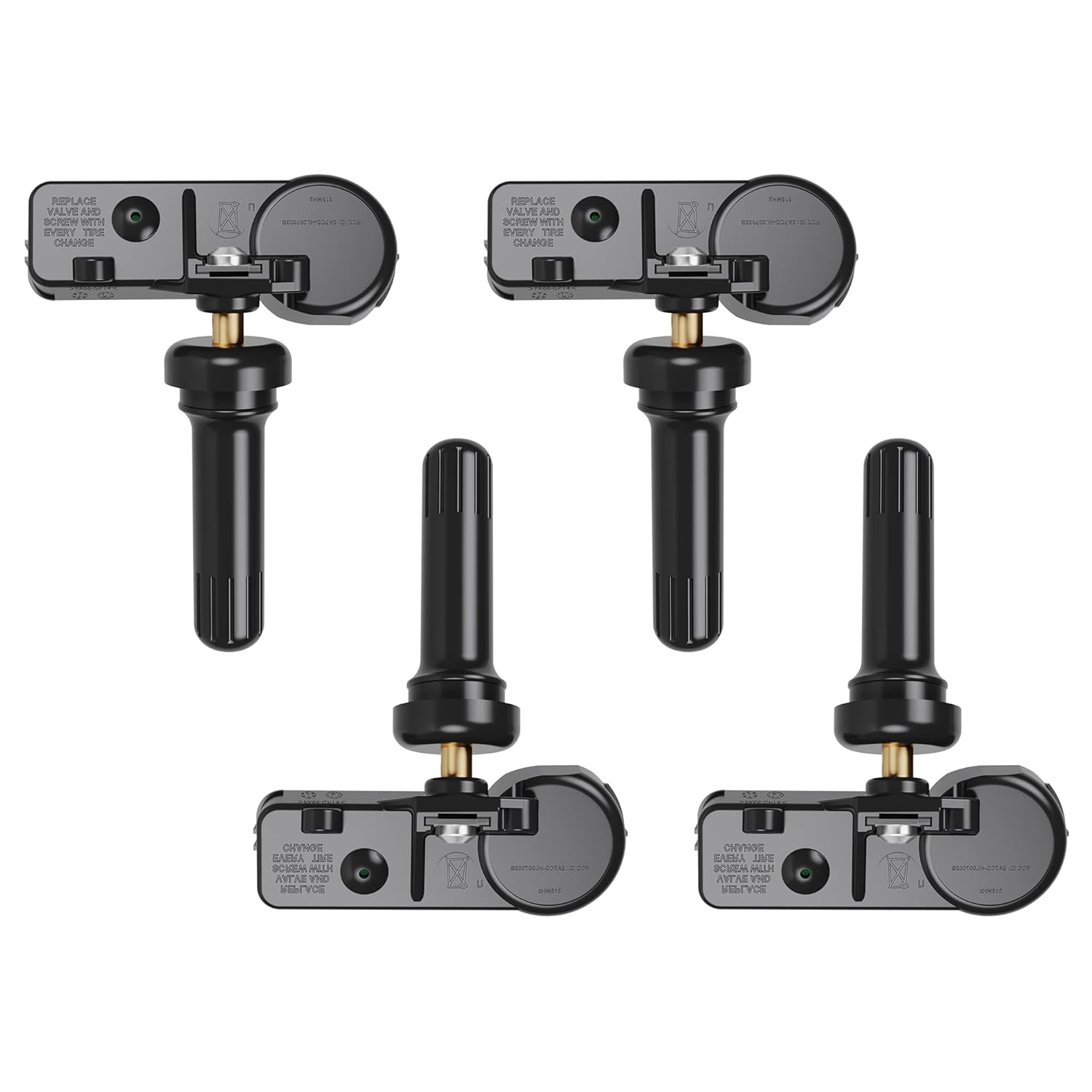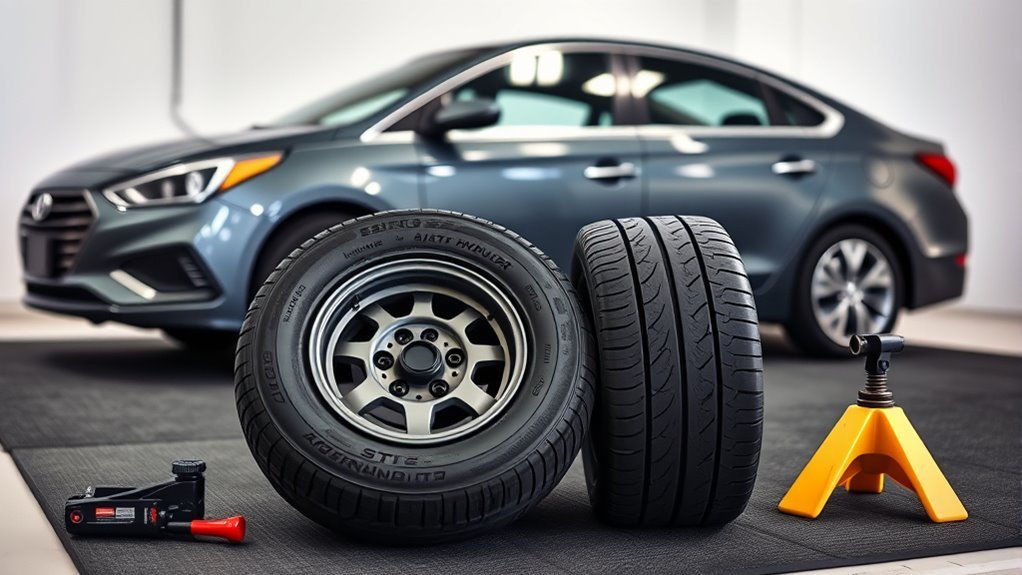
Choosing between run-flat tires and regular tires for a Hyundai Sonata comes down to safety after a puncture, ride comfort, repair options, replacement cost, and whether your car has a spare tire or a Tire Mobility Kit. Run-flats can help you reach a safe place after certain pressure-loss events, but regular tires are usually smoother, easier to find, and more flexible for everyday Sonata driving.
Quick Answer
For most Hyundai Sonata drivers, regular tires are the better all-around choice because they ride smoother, cost less, and are easier to repair or replace. Run-flat tires make sense if you value temporary mobility after a puncture and your Sonata has a working TPMS, compatible wheels, and no spare-tire plan.
Key Takeaways
- Run-flat tires usually let you keep driving for a limited distance after air loss, but you must follow the tire maker’s speed and distance limit.
- Regular tires usually give a softer ride, wider availability, lower replacement cost, and better repair flexibility.
- A working TPMS is critical with run-flats because a deflated run-flat may not look obviously flat.
- Before switching tire types, confirm your Sonata’s tire size, load index, speed rating, placard pressure, and flat-tire backup plan.
What Are Run-Flat Tires and How Do They Work?
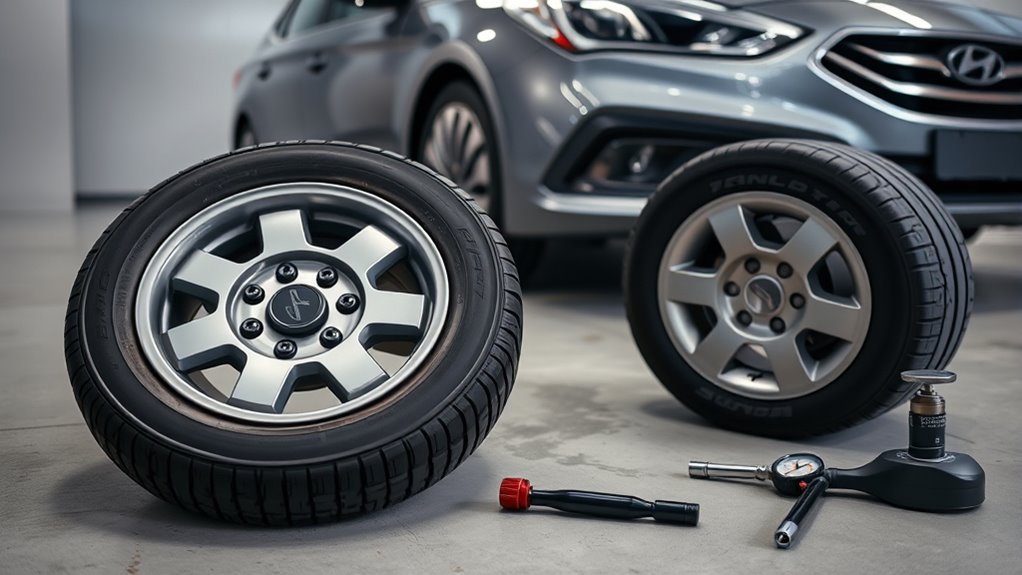
Run-flat tires are built to support the vehicle for a short distance after a puncture or sudden air-pressure loss. Most passenger-car run-flats use reinforced sidewalls that can carry the car’s weight temporarily when the tire has little or no pressure. Some systems use a support ring, but self-supporting sidewall designs are more common on modern passenger cars.
The key benefit is not that the tire becomes puncture-proof. The benefit is that you may be able to avoid stopping on a narrow shoulder or in a dark, unsafe area. For example, Michelin explains that run-flat tires are designed to help drivers keep control and continue for a limited distance after air-pressure loss, while Bridgestone DriveGuard run-flat guidance commonly uses an “up to 50 miles at up to 50 mph” limit for its run-flat models. Always follow the limit printed in your tire documentation and your vehicle owner’s manual.
Warning: A run-flat tire is not a normal tire once it has lost pressure. Slow down, avoid hard cornering or braking, and drive only as far as needed to reach a safe service location.
Run-Flat vs Regular Tires: Key Differences for a Hyundai Sonata
Both tire types can work well on a Sonata when the size, load rating, speed rating, and wheel fitment are correct. The better choice depends on how much you value ride comfort versus temporary mobility after a flat.
| Feature | Run-Flat Tires | Regular Tires |
|---|---|---|
| After a puncture | Can usually travel a limited distance at reduced speed | Must be repaired, inflated, sealed, or replaced before safe driving continues |
| Ride comfort | Often firmer because of reinforced sidewalls | Usually smoother and more forgiving on rough roads |
| Repairability | May require replacement after pressure loss; internal inspection is critical | Often repairable if the puncture is small and in the tread area |
| Cost and availability | Usually more expensive and less widely stocked in some sizes | Usually cheaper with more brand, tread, and price options |
| Flat-tire backup | May reduce the need for an immediate roadside tire change | Requires a spare, Tire Mobility Kit, inflator, plug/patch repair, or towing plan |
Advantages of Run-Flat Tires for Your Hyundai Sonata
Run-flat tires can be useful for Sonata drivers who often travel alone, commute on highways, drive at night, or want extra time to reach a safer place after a pressure-loss warning.
Better Mobility After Air Loss
The main safety advantage is controlled, temporary mobility. Instead of stopping immediately on the roadside, you may be able to drive to a gas station, tire shop, parking lot, or other safe location. Michelin notes that run-flats can help maintain control and continue for a limited distance after pressure loss, but they still require proper inspection and service afterward.
Less Dependence on a Spare Tire
Run-flats may free up trunk space if your vehicle does not carry a spare. This matters because many modern cars rely on run-flats, inflator kits, or sealant kits instead of a full spare. However, this benefit only works if you understand the tire’s limits and have a plan for what happens after the run-flat has been driven without proper pressure.
Pro Tip: Before buying run-flats, ask the installer whether your exact Sonata tire size is commonly stocked locally. A tire that is hard to source can turn a simple replacement into a multi-day delay.
Key Drawbacks of Run-Flat Tires for Your Hyundai Sonata
Run-flats are convenient in a puncture, but they are not automatically the best tire for every Sonata owner. Their trade-offs are most noticeable in ride feel, price, repair limits, and replacement availability.
Firmer Ride Quality
Because run-flats use stronger sidewalls, they can feel firmer over potholes, expansion joints, and broken pavement. If your Sonata is used mostly for daily commuting, family driving, or long highway trips where comfort matters, regular touring or grand-touring tires may feel better.
Limited Availability Options
Run-flat tires may not be available in as many tread patterns, sizes, and price ranges as regular tires. This can matter for Hyundai Sonata trims with less common wheel sizes or for drivers who want a specific all-season, winter, touring, or performance tire.
Higher Replacement Costs
Run-flat tires usually cost more than comparable regular tires. Edmunds notes that run-flats are more expensive to replace and that a per-tire premium is common, though the exact price varies by size, brand, retailer, and installation package. In real ownership, the bigger issue is not just the purchase price; it is the possibility that a run-flat driven with low or no air may need replacement rather than a simple repair.
Benefits of Regular Tires: A Smoother Ride and Easier Ownership
Regular tires are the practical choice for many Sonata drivers because they are widely available, usually less expensive, and often easier to repair when damage is limited to the tread area. Their more flexible sidewalls also tend to absorb road imperfections better than run-flats.
| Benefit of Regular Tires | Why It Matters for a Sonata |
|---|---|
| Smoother ride | Helpful for daily driving, commuting, and rough city roads |
| Lower replacement cost | More budget-friendly when replacing a full set |
| More choices | Easier to find touring, performance, all-weather, or winter tires |
| Repair flexibility | A proper tread-area puncture may be repairable after demounting and inspection |
Cost Comparison: Run-Flat Tires vs. Regular Tires
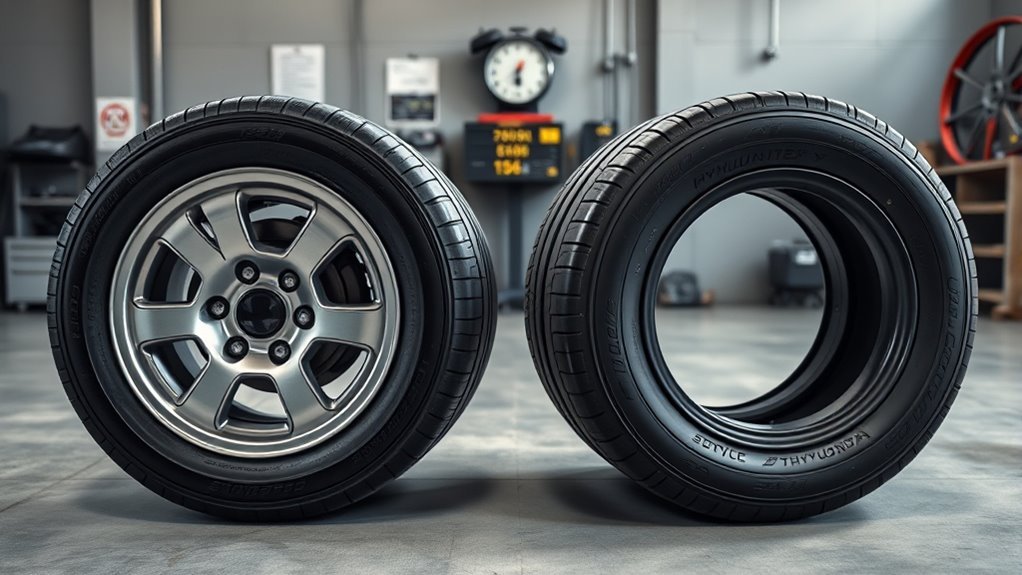
Run-flat tires usually have a higher upfront price than regular tires in the same size and performance category. They may also create higher downstream costs if a tire shop will not repair a run-flat after it has been driven under-inflated.
Regular tires usually win on cost because there are more brands, more tread designs, and more price points. They also make it easier to shop for comfort, low road noise, wet traction, long treadwear, or winter performance. The trade-off is that you need a flat-tire plan: a spare tire, a Tire Mobility Kit, a portable inflator, roadside assistance, or access to towing.
[Products Worth Considering]

AstroAI AIRUN H is a compact 12V tire inflator designed for fast, convenient inflation with an easy-to-read digital pressure gauge. Set your target pressure with programmable controls and let the auto shut-off turn off the pump when the preset is reached. It also includes a backlit screen and LED flashlight for nighttime use, with a ToughUltra durability design for longer service life.

This manual duck head tire changer kit makes tire installation and removal simpler by letting you embed the duck head into the tire with applied pressure. The integrated design and durable steel construction help reduce friction and improve efficiency and safety during use. Suitable for 16–21 inch wheels, it’s convenient for cars, trucks, SUVs, and ATV tires, with 24-hour after-sales support.

The Airmoto portable tire inflator quickly and accurately fills car, truck, SUV, motorcycle, and bicycle tires up to 120 PSI with auto shut-off when your target pressure is reached. Its large LCD, multi-unit pressure display, and digital gauge make it easy to dial in settings and verify readings, while the built-in LED flashlight helps in low light. The included polyurethane hard carrying case and storage mesh pocket keep the inflator and accessories protected and organized.
Can You Patch Run-Flat Tires? Repairability Explained
Sometimes, but you should not assume a run-flat tire is repairable. After a run-flat has been driven with low or zero pressure, the tire may have internal sidewall or structural damage that is not visible from the outside. Michelin advises that a run-flat driven with little or no air should be removed from the wheel and inspected by a qualified tire professional before reuse.
The same basic repair principle applies to regular tires: a safe repair requires proper inspection from inside the tire. The U.S. Tire Manufacturers Association says puncture repairs must be performed by removing the tire from the rim/wheel assembly for a complete inspection, and repairs are limited to the tread area. A plug-only repair from the outside is not the proper standard for a long-term passenger-tire repair.
Note: Sidewall punctures, shoulder damage, large punctures, impact bubbles, exposed cords, and tires driven too far while flat usually mean replacement, not repair.
Impact on Fuel Efficiency: Run-Flats vs. Regular Tires
Fuel economy depends on tire size, tread compound, rolling resistance, inflation pressure, wheel weight, alignment, vehicle load, and driving style. Run-flats can be heavier or stiffer than comparable regular tires, but not every run-flat has the same rolling resistance. For a Hyundai Sonata, the best fuel-efficiency move is to choose the correct size and keep the tires inflated to the pressure shown on the driver-side placard.
Weight Differences
Run-flat construction can add weight, while some regular tires are lighter. However, weight alone does not determine fuel economy. A low-rolling-resistance regular tire may be efficient, but a poorly inflated regular tire can waste fuel and wear out quickly.
Rolling Resistance Impact
Rolling resistance is the energy a tire loses as it rolls. Lower rolling resistance can help efficiency, but it must be balanced with wet traction, braking, comfort, and tread life. If fuel economy is a priority, compare the specific tire model rather than assuming all run-flats or all regular tires perform the same.
Cost-Benefit Analysis
Run-flats may save you from an immediate roadside tire change, but they often cost more to buy and replace. Regular tires are usually cheaper and more comfortable, but they require a backup plan for flats. The best value depends on where you drive, how far you commute, and how comfortable you are waiting for roadside help.
Hyundai Sonata Tire Mobility Kit and Spare Tire Considerations
Some Hyundai vehicles use a Tire Mobility Kit instead of a spare tire. Hyundai describes the kit as a temporary fix and warns not to use it for tire-wall punctures or when two or more tires are flat. That matters because a sealant kit can help with some small tread punctures, but it will not solve every roadside tire failure.
Hyundai’s Tire Mobility Kit instructions also include pressure and speed limits. For example, Hyundai warns not to drive if pressure is below 29 psi before using the kit and not to exceed 50 mph while driving after sealant use. If pressure cannot be maintained, Hyundai recommends roadside service or towing.
Warning: Do not treat a Tire Mobility Kit as a permanent repair. After using sealant or driving on a deflated run-flat, have the tire professionally inspected or replaced as soon as possible.
[Products Worth Considering]

AUTOWN’s 68-piece tire repair kit helps you fix punctures and plug flats quickly and effectively. It includes a T-handle and spiral probe tool for easy insertion, while the steel patch and plug materials are designed for strong adhesion and long-lasting airtight performance. The compact case makes it convenient for roadside repairs across a wide range of vehicles.

This professional wheel and rim brush kit makes it easy to lift brake dust, grime, and dirt from wheels and tires without scratching finishes. The brushes feature soft, metal-free wool heads and a flexible 360-degree rim brush design for reaching hard-to-clean areas. Includes multiple brush types plus accessories for thorough car, motorcycle, and general vehicle detailing.
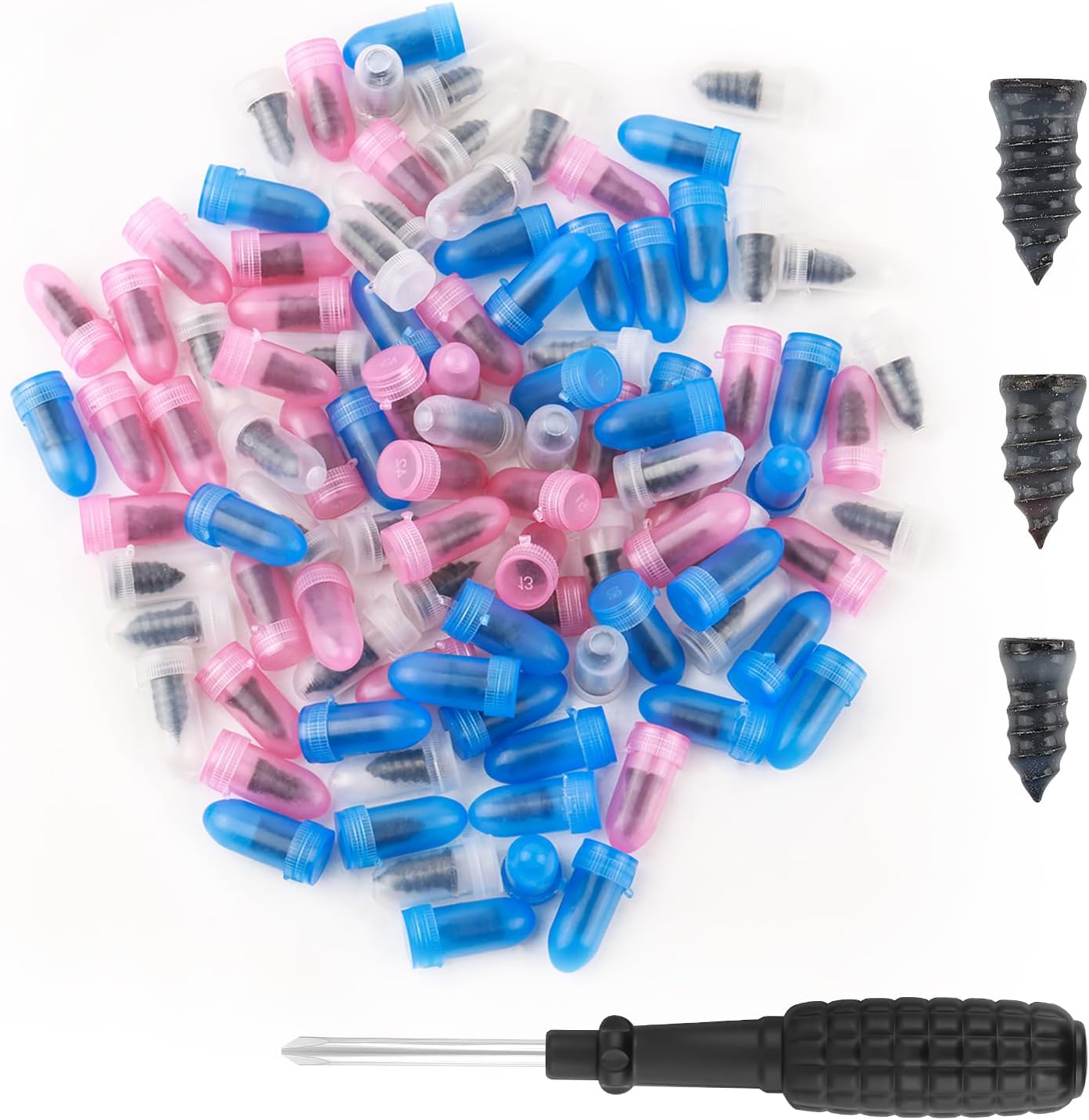
This 100-piece tire repair screw plug kit provides a fast, self-service solution for punctures on the road. Choose the correct plug size, insert it into the break, and screw it in to help seal the puncture and temporarily restore tire pressure. Thickened threads and rubber-wrapped plugs improve bite and sealing while remaining compact and easy to carry.
Which Tire Type Is Best for Your Driving Habits?
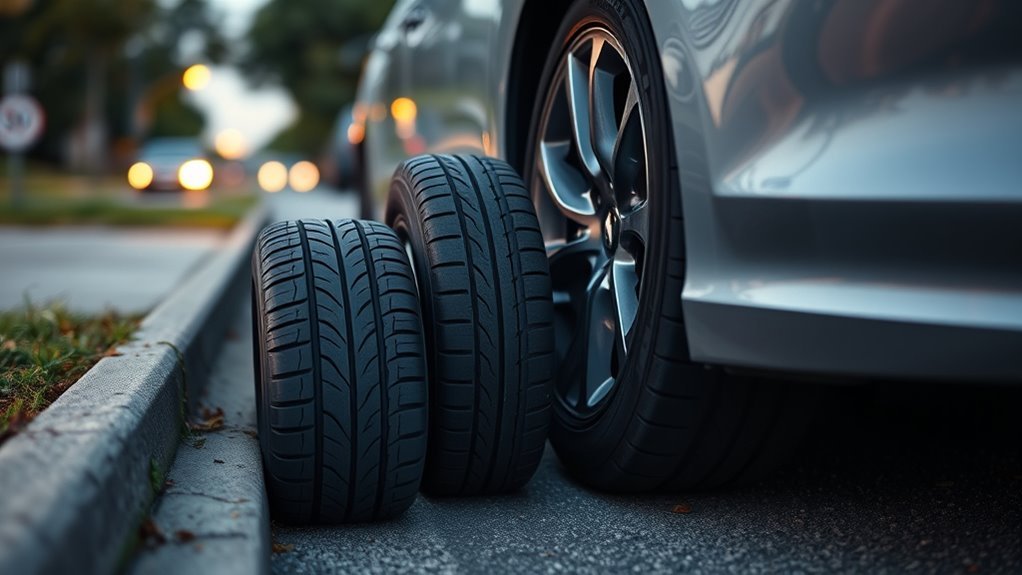
Use your driving habits to decide. A Sonata used for local errands and daily commuting usually benefits from the comfort and lower cost of regular tires. A Sonata used for long solo highway drives, nighttime commuting, or routes with few safe pull-off areas may benefit from the temporary mobility of run-flats.
| Choose Run-Flat Tires If… | Choose Regular Tires If… |
|---|---|
| You often drive alone at night or on highways | You want the smoothest ride for daily driving |
| Your Sonata has no spare and you want extra mobility after a puncture | You have a spare, Tire Mobility Kit, inflator, or roadside assistance plan |
| You are comfortable paying more for convenience | You want lower replacement costs and more tire choices |
| Your local tire shops stock your run-flat size | You want easy access to replacements on road trips |
Choosing the Best Tires for Your Hyundai Sonata
Before buying either tire type, confirm the tire size printed on your current tire and the tire-and-loading placard on the driver-side door jamb. Match the correct size, load index, speed rating, and recommended cold tire pressure. If your Sonata has a different wheel package than base trim, the tire size may differ from another Sonata of the same model year.
Also check whether your Sonata has a spare tire, compact spare, Tire Mobility Kit, or no flat-tire hardware. That one detail changes the run-flat vs. regular tire decision. If you switch from run-flats to regular tires, carry a working flat-tire backup plan. If you switch from regular tires to run-flats, confirm wheel compatibility and TPMS operation with a qualified installer.
[Products Worth Considering]

Replace or upgrade your zero-turn lawn mower tires with a universal fit flat-free tire and wheel assembly in a convenient 2-pack. Smooth tread front-caster style helps turning with reduced turf damage, while flat-free design eliminates the maintenance and downtime of air-filled flats. The included adapter kit supports 5/8-inch axles and hub lengths from 3.4 to 5 inches for compatibility across most ZTR mowers.

Keep your tires properly inflated with this analog VONDIOR tire pressure gauge, designed for fast, easy readings without batteries. The swiveling, two-axis hose and large glow dial help you measure at any tire angle with instant visibility. Built with a protective rubber shield, it supports durable, low-maintenance use for cars and trucks.

Monitor tire tread wear with a smart, color-coded depth gauge that shows clear condition ranges at a glance. The bar is range marked for fast, easy readings, helping you maintain safer traction and performance. Each gauge is portable with a pocket clip, and the set includes 20 units for daily use and sharing.
Can You Mix Run-Flat and Regular Tires?
Mixing run-flat and regular tires is usually a bad idea because the sidewall stiffness, handling response, and pressure-loss behavior can differ. At minimum, do not mix tire types on the same axle. For best handling and braking balance, use four matching tires of the same type, size, speed rating, load rating, and similar tread depth.
What to Do After a Puncture
- Respond to the TPMS warning. Do not ignore a low-pressure light.
- Slow down safely. Avoid hard braking, fast cornering, and high speeds.
- Follow the tire or kit limit. For many run-flats, that means limited distance at reduced speed; for Hyundai’s Tire Mobility Kit, follow the manual’s pressure and speed instructions.
- Go to a tire professional. The tire should be removed from the wheel and inspected internally before repair or reuse.
- Replace unsafe tires. Sidewall damage, large punctures, internal damage, or tires driven too far without pressure should be replaced.
Frequently Asked Questions
Do I have to tell my insurance if I change from run-flat tires?
Check your policy or ask your insurer, especially if the vehicle originally came with run-flats or if your policy asks about modifications from factory specification. Rules vary by insurer and location, so the safest answer is to disclose the change and keep records of the tire size and rating you installed.
Why aren’t run-flat tires more popular?
Many drivers like the safety advantage, but run-flats can cost more, ride firmer, and be harder to repair or find in some sizes. Regular tires remain popular because they offer more choices, lower prices, and a smoother ride for everyday driving.
Do run-flat tires last longer than regular tires?
Not necessarily. Tread life depends on the exact tire model, compound, alignment, inflation pressure, rotation schedule, driving style, and road conditions. Do not buy run-flats expecting longer life; buy them for temporary mobility after pressure loss.
Can I replace run-flat tires with regular tires on a Hyundai Sonata?
Often yes, if the regular tires match the correct size, load index, speed rating, and wheel fitment. The bigger issue is your flat-tire plan. If you remove run-flats, make sure you have a spare, Tire Mobility Kit, portable inflator, roadside assistance, or towing plan.
Can a Hyundai Tire Mobility Kit replace the need for run-flat tires?
It can help with some small tread punctures, but it is not a complete replacement for run-flats or a spare. Hyundai says the kit is temporary and should not be used for sidewall punctures or when two or more tires are flat.
Conclusion
For most Hyundai Sonata owners, regular tires are the best everyday choice because they are comfortable, widely available, easier to repair, and usually less expensive. Run-flat tires are worth considering if your top priority is staying mobile after a puncture and you accept the firmer ride, higher cost, and stricter inspection requirements. Whichever tire you choose, match the Sonata’s required size and ratings, keep the TPMS working, and have a clear plan for flats.
Sources
- Hyundai Owner’s Manual: Tire Mobility Kit — backs up Hyundai TMK limitations and temporary-use warnings.
- Hyundai Owner’s Manual: Using the Tire Mobility Kit — backs up pressure, speed, and follow-up service guidance.
- eCFR: 49 CFR § 571.138 Tire Pressure Monitoring Systems — backs up TPMS purpose and federal warning requirements.
- Michelin: Run-Flat Tires, Benefits, and Proper Care — backs up run-flat operation, TPMS importance, and inspection after pressure loss.
- U.S. Tire Manufacturers Association: Tire Repair Basics — backs up demounting, internal inspection, and tread-area repair guidance.
- Edmunds: What Are Run-Flat Tires? — backs up ride comfort and replacement-cost trade-offs.