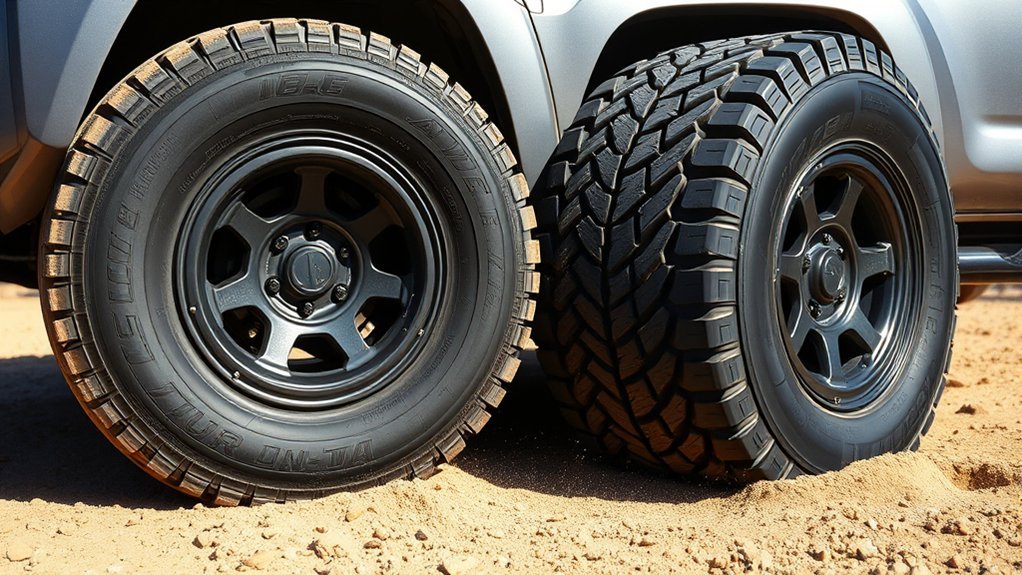
Choosing between a 3-ply tire and a 10-ply tire for your 4Runner is not as simple as picking the bigger number. In real tire shopping, “3-ply” often describes sidewall construction, while “10-ply” usually refers to an LT tire’s legacy ply rating or Load Range E label. The better choice depends on your load, terrain, wheel rating, tire size, and how much daily ride comfort you want to keep.
Quick Answer
For most daily-driven 4Runners, choose a lighter all-terrain tire with the correct size, load index, and sidewall protection. Choose a 10-ply-rated LT tire, usually Load Range E, if you regularly tow, carry armor or heavy gear, or drive rocky trails where casing strength matters more than comfort and fuel economy.
Key Takeaways
- A “10-ply” tire usually does not have ten physical layers. It usually refers to a ply rating or LT load range.
- A 3-ply sidewall can still be tough, especially on modern all-terrain and mud-terrain tires built for SUVs and trucks.
- Load index, load range, tire size, wheel rating, and cold inflation pressure matter more than the ply label alone.
- LT Load Range E tires can feel firmer, weigh more, and reduce MPG, but they can add stability under heavier loads.
- Tires do not increase your Toyota towing rating. They only help support loads within the vehicle’s rated limits.
At a Glance
| Best Daily-Driver Choice | A lighter all-terrain or highway-terrain tire with the correct load index and good sidewall protection. |
| Best Heavy-Load Choice | An LT tire with the right load index and load range, often Load Range E for heavily loaded builds. |
| Biggest Trade-Off | 10-ply-rated LT tires can add stiffness, weight, noise, and rolling resistance compared with lighter options. |
| Main Safety Check | Match the tire size, load rating, wheel rating, and cold pressure to your 4Runner and real cargo load. |
Understanding Tire Ply Ratings: What Do They Mean?
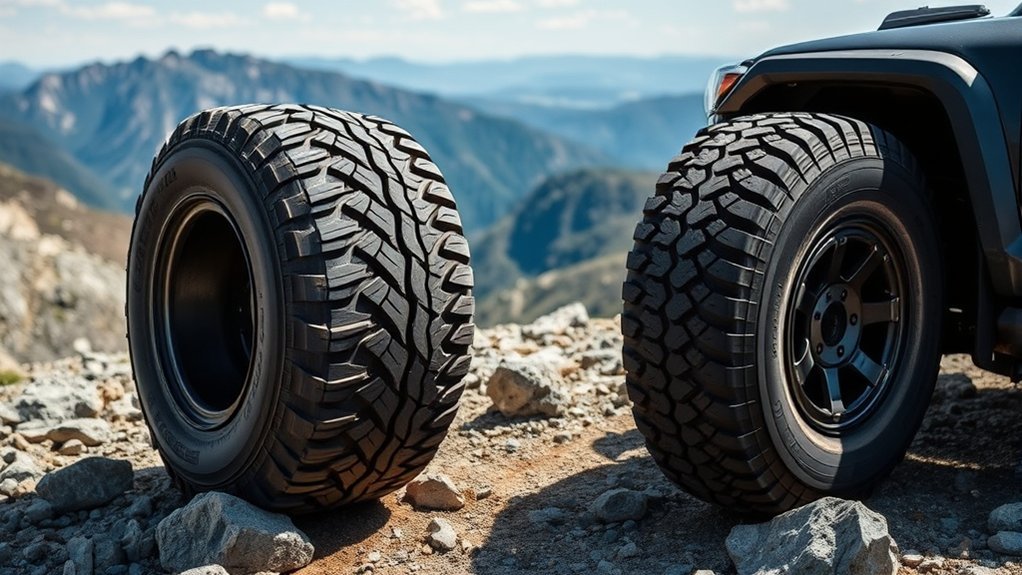
Tire ply language can be confusing because older tire terms still appear in modern tire shopping. A physical ply is a layer of rubber-coated cord inside the tire. Modern radial tires do not need the same number of physical plies that older bias-ply tires used, so a high ply rating does not always mean the tire has that many actual layers.
For a 4Runner, you will usually see three ideas mixed together: actual ply count, sidewall ply construction, and load range. A tire may advertise a 3-ply sidewall for puncture and bruise resistance, while another tire may be called 10-ply because it is an LT tire with a Load Range E rating. Those terms relate to strength, but they are not the same measurement.
| Term | What It Means When Shopping for 4Runner Tires |
|---|---|
| Actual ply count | The real number of fabric, steel, or other cord layers in the tread and sidewall. |
| 3-ply sidewall | A construction feature often used on off-road tires to improve sidewall toughness. |
| 10-ply rating | A legacy strength rating, commonly used by shoppers to describe LT Load Range E tires. |
| Load index | The number that tells you how much weight one tire can carry at the specified pressure. |
| Load range | A letter rating used on many LT tires, such as C, D, or E, to indicate load capacity class. |
| Maximum sidewall pressure | The tire’s listed pressure limit, not the automatic daily pressure for your 4Runner. |
Note: The tire sidewall is your best starting point, but your Tire and Loading Information Label and owner’s manual still matter. Check the size, load index, speed rating, maximum load, maximum pressure, actual ply materials, and LT load range before comparing tires by ply language alone.
Comparing 3 Ply and 10 Ply Tires: Key Differences
The main difference is not just strength. A lighter tire with a 3-ply sidewall may ride better and flex more on trails, while a 10-ply-rated LT tire may carry heavier loads with more casing stiffness. That stiffness can help with towing or loaded overlanding, but it can also make a 4Runner feel harsher on pavement.
| Factor | 3-Ply Sidewall Tire | 10-Ply-Rated LT Tire |
|---|---|---|
| Ride comfort | Usually more forgiving, depending on load range and pressure. | Usually firmer because of heavier LT construction. |
| Load support | Depends on the exact tire’s load index and load range. | Often better for heavy cargo, towing, tools, armor, and overlanding weight. |
| Trail toughness | Good when the tire has reinforced sidewalls and the right tread. | Good for rocks, sharp gravel, and heavy loaded off-road use. |
| Fuel economy | Often better because the tire is usually lighter. | May reduce MPG because of extra weight and rolling resistance. |
| Best fit | Daily driving, light trails, gravel roads, sand, and moderate off-road use. | Towing, hauling, rocky trails, remote routes, overlanding weight, and work use. |
Durability and Strength Comparison
A 10-ply-rated LT tire often has a stronger casing and higher load capacity than a lighter passenger or standard-load tire. That makes it useful if your 4Runner carries steel bumpers, rock sliders, skid plates, a roof rack, drawers, recovery gear, water, fuel, or camping equipment. It can also help if you drive sharp rocks or rough desert roads where sidewall cuts are common.
A 3-ply sidewall tire should not be dismissed as weak. Many serious all-terrain and mud-terrain tires use reinforced sidewalls for trail protection. Some of those tires still come in different load ranges, so one 3-ply sidewall tire may feel light and comfortable, while another may feel firm and heavy.
Ride Comfort Considerations
Ride comfort is where many 4Runner owners notice the biggest difference. A heavier LT Load Range E tire can make small bumps, potholes, and expansion joints feel sharper. It can also add road noise, especially if the tread is aggressive.
- For daily driving: A lighter all-terrain tire usually feels smoother and easier to live with.
- For towing: A stiffer LT tire may feel more planted under tongue weight and cargo.
- For trail use: Sidewall strength helps, but the tire still needs the right tread and pressure.
- For fuel economy: Added tire weight can reduce MPG, especially in city driving.
When to Choose 3 Ply Tires for Your 4Runner
Choose a 3-ply sidewall tire, or a lighter non-E-rated tire, when your 4Runner spends most of its time on pavement and only sees light to moderate trails. This setup usually gives you a better balance of comfort, traction, steering response, braking feel, and fuel economy.
Performance on Paved Roads
If you commute, road-trip, and run errands in your 4Runner, a lighter tire can make the SUV feel more responsive. You may also notice less road noise and less harshness over broken pavement. This matters because the 4Runner already rides like a body-on-frame SUV, so extra tire stiffness can make daily driving less comfortable.
- Pick this route if you rarely tow or haul heavy cargo.
- Pick this route if you want better ride comfort for family use.
- Pick this route if your off-road driving is mostly gravel, forest roads, sand, or mild trails.
- Pick this route if MPG and braking feel matter more than maximum casing strength.
Off-Road Capability Considerations
A 3-ply sidewall tire can work very well off-road when the tread pattern, compound, and sidewall design match the terrain. The advantage is flexibility. When aired down correctly for trail use, a more compliant tire can spread its footprint and grip uneven surfaces better.
That does not mean every lighter tire belongs on rough trails. If your trips include sharp rocks, heavy gear, or long remote routes, compare the tire’s sidewall protection, load index, tread depth, repairability, and real tire weight before buying.
Pro Tip: Do not shop by ply label alone. Compare the exact tire size, load index, load range, tire weight, tread depth, sidewall design, warranty, and wheel rating for the specific model you plan to buy.
The Benefits of Upgrading to 10 Ply Tires
A 10-ply-rated tire, usually an LT Load Range E tire, makes the most sense when your 4Runner regularly works harder than stock. That can include towing, hauling tools, running a rooftop tent, carrying recovery gear, or driving rocky backcountry routes with a fully loaded cabin and cargo area.
- Better load support: LT tires are built for heavier service than many passenger tires.
- More casing stability: The firmer sidewall can reduce squirm when the SUV is loaded.
- More trail protection: Heavier construction can help resist cuts, bruising, and impact damage.
- Better confidence with accessories: Heavy bumpers, sliders, skid plates, racks, drawers, and tools add real weight.
The trade-off is comfort. A 10-ply-rated LT tire can feel stiff when the 4Runner is unloaded. It may also be heavier, slower to accelerate, louder, and less fuel-efficient than a lighter all-terrain tire.
[Products Worth Considering]

Keep your tires properly inflated with this analog VONDIOR tire pressure gauge, designed for fast, easy readings without batteries. The swiveling, two-axis hose and large glow dial help you measure at any tire angle with instant visibility. Built with a protective rubber shield, it supports durable, low-maintenance use for cars and trucks.

Measure tire tread depth quickly and accurately with this LUMITECO dial gauge that reads in 1/32" increments up to 14/32". The color-coded green/yellow/red zones make it easy to judge tire wear and know when replacement is needed. A rugged, compact design with a protective pouch helps keep the gauge ready for use on cars, trucks, motorcycles, and more.

Vigorder rubber cement glue delivers superior adhesion and cures quickly within about 30 seconds for seamless rubber bonding. Once cured, it helps provide a strong, durable, waterproof seal that holds up to vehicle weight, pressure, and heat. Suitable for cars, motorcycles, trucks, bicycles, and off-road tires, it’s designed for emergency patch and maintenance repairs.
Impact of Tire Ply on Ride Comfort and Handling
Tire construction affects how your 4Runner absorbs bumps, steers, brakes, and tracks on the highway. A lighter tire can feel more relaxed and predictable during daily use. A heavier LT tire can feel more stable under load but less comfortable when the SUV is empty.
Pressure matters just as much as construction. Running too much pressure can make any tire feel harsh. Running too little pressure can create heat, poor wear, and safety problems. The correct pressure depends on the tire size, load, vehicle placard, and how the tire is being used. NHTSA says the vehicle manufacturer’s recommended tire pressure is found on the Tire and Loading Information Label or in the owner’s manual, not simply on the tire sidewall.
Warning: Do not inflate a 10-ply-rated tire to its sidewall maximum just because the tire allows it. Use the Toyota tire placard, owner’s manual, or a tire professional’s load-inflation guidance for your exact tire size, wheel rating, and vehicle load.
Off-Roading Performance: 3 Ply Vs 10 Ply Tire Capabilities
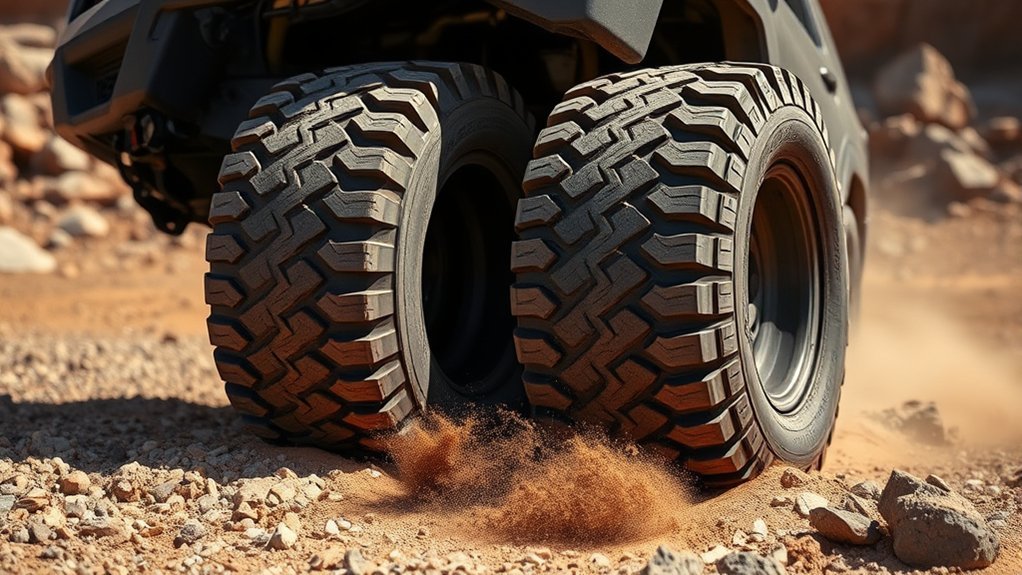
Off-road performance depends on terrain. A 3-ply sidewall all-terrain tire may be ideal for sand, dirt, gravel, and mixed trail driving because it can flex and conform better at lower trail pressures. That can improve grip and ride comfort on uneven ground.
A 10-ply-rated LT tire is better when durability matters more than flexibility. If your trails include sharp rocks, shale, desert washboard, loaded overlanding routes, or long trips far from a tire shop, the extra casing strength can be worth the firmer ride.
- Choose a lighter 3-ply sidewall tire for mixed daily driving, mild trails, sand, and comfort.
- Choose a 10-ply-rated LT tire for heavy loads, sharp rocks, towing, and remote trail use.
- Use the right pressure for the terrain, load, tire construction, and wheel setup.
- Carry repair gear if you drive remote trails, no matter which tire you choose.
Choosing Tires for Towing and Hauling
When towing or hauling with your 4Runner, your tire choice should support the weight your vehicle is already rated to carry. Tires do not increase Toyota’s tow rating, payload rating, axle rating, hitch rating, or wheel rating. They only help carry the load safely when they match the vehicle and use case.
[Products Worth Considering]

Secure your vehicle during transport with this 4-pack of heavy-duty tire tie down straps designed for trailers and hauling. The ratchet system with flat hooks and D-rings helps you tension the straps quickly, while the wheel-friendly design protects tires. With high break strength and corrosion-resistant hardware, these straps provide reliable, confidence-inspiring tie-down security for cars, trucks, and UTVs.
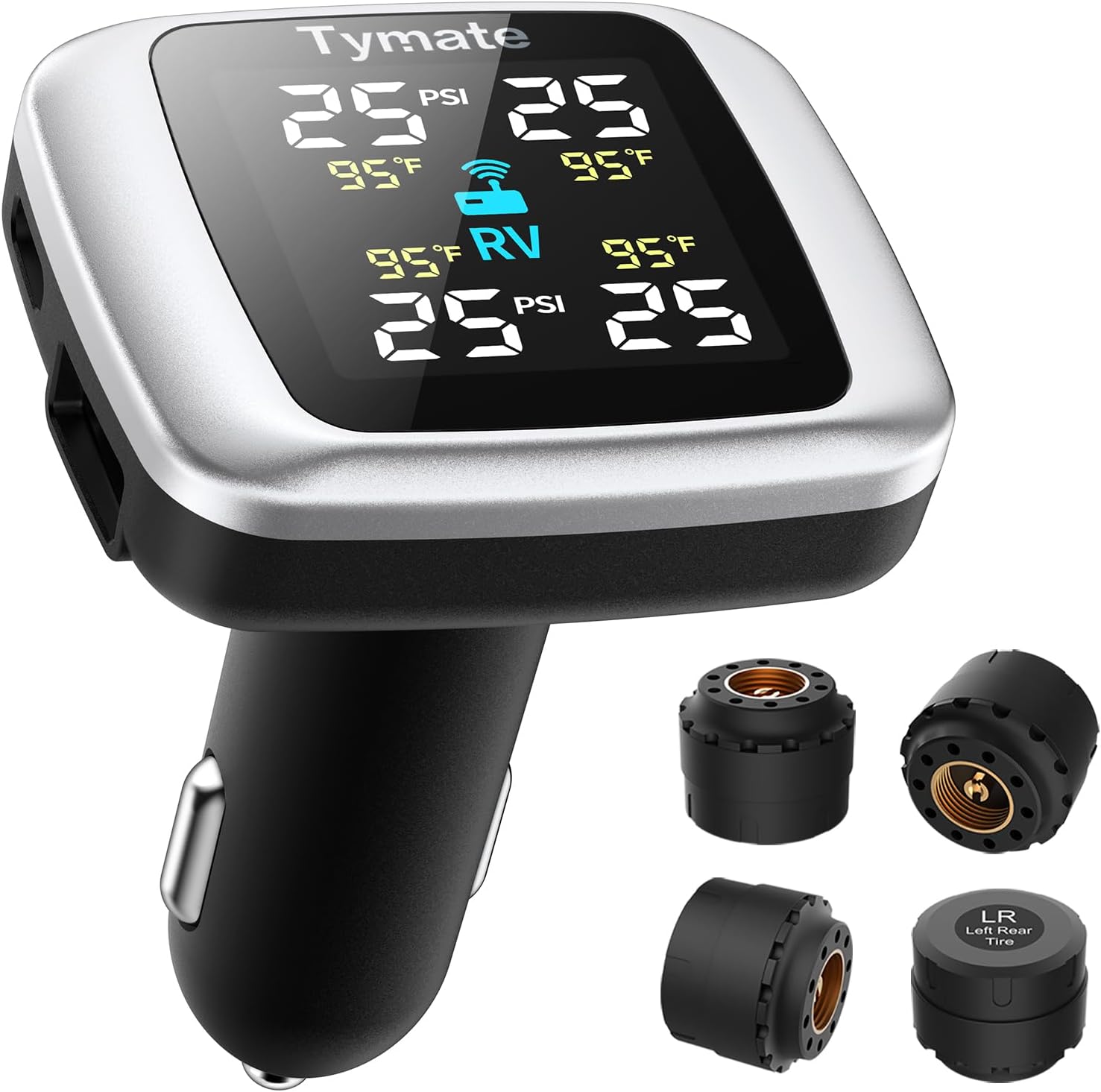
Tymate TM7 is a wireless tire pressure monitoring system that delivers real-time pressure and temperature readings for safer driving. It includes four external sensors, a bright color LCD display with adjustable backlight, and six alarm modes for high/low pressure, fast leakage, high temperature, and sensor signal or battery issues. The system covers a wide 0–144 PSI range and plugs into your vehicle’s cigarette lighter socket for quick DIY setup.
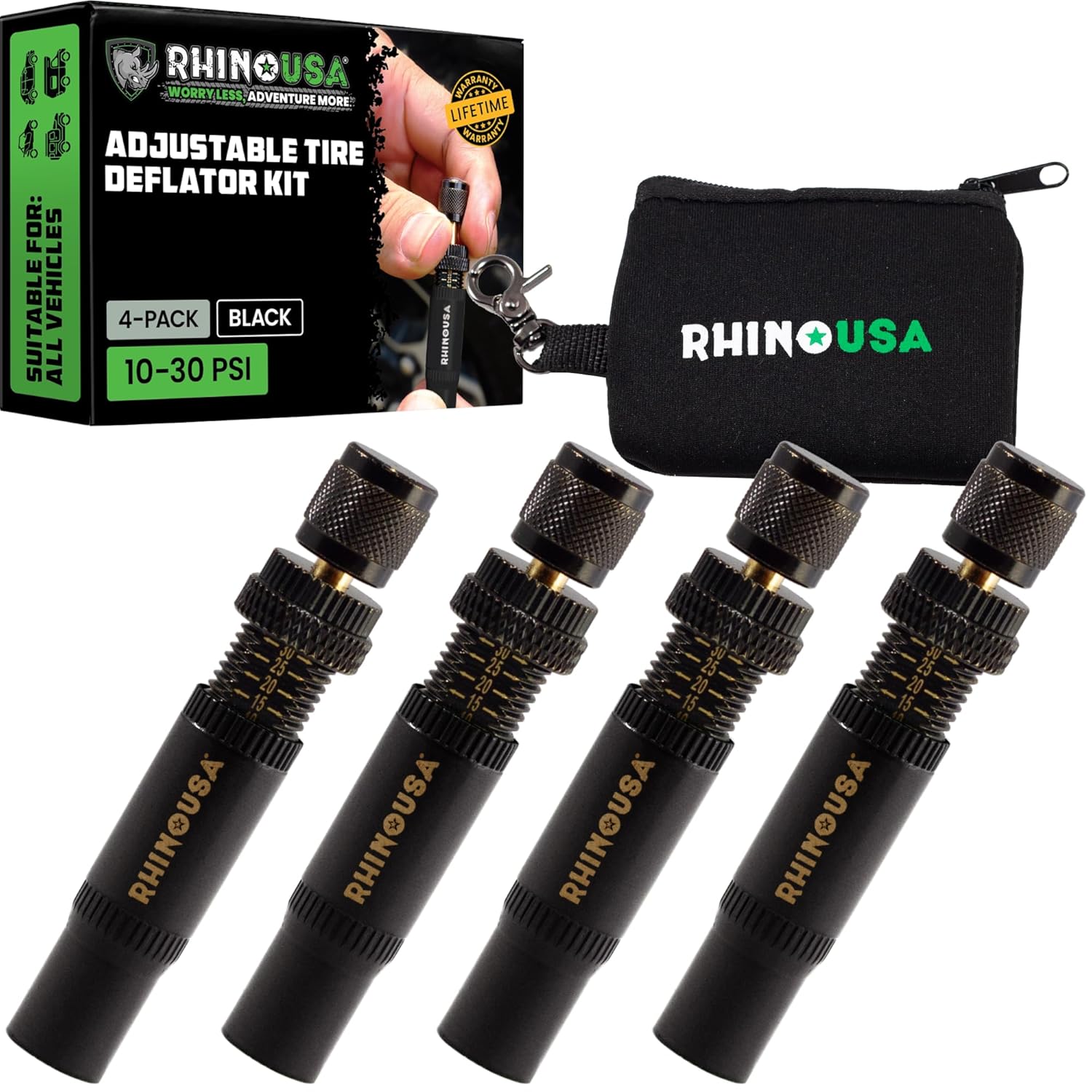
Use the Rhino USA adjustable tire deflators to air down all four tires at once by screwing one deflator onto each valve stem, letting you step away while the tires reach your preset pressure. Each deflator independently adjusts across a 10–30 PSI range with laser-etched indicators for quick setup and verification, making it ideal for beach, sand, and rocky off-road trails.
Towing Capacity Considerations
Check your exact model year, trim, hitch, and owner’s manual before towing. Toyota states that the 2025 4Runner’s enhanced frame, paired with the i-FORCE MAX powertrain, allows towing up to 6,000 pounds, but earlier years and specific configurations can differ. Always use the rating for your specific 4Runner, not a general number from another model year.
If you tow often, an LT tire with the right load index can feel more stable. This is especially true when you add tongue weight, passengers, cargo, and recovery gear at the same time. Still, you must keep the total load within Toyota’s stated limits and confirm that your wheels can handle the tire’s pressure and load requirements.
Load Rating Importance
The load index tells you how much weight each tire can carry. The load range tells you the tire’s service class. You should compare both against your 4Runner’s Gross Axle Weight Rating, expected cargo weight, towing tongue weight, accessory weight, and wheel rating.
Here is a simple buying check:
- Find your factory tire size and cold pressure on the driver-side tire placard.
- Check your owner’s manual for approved sizes, payload, and towing limits.
- Look at the new tire’s load index and load range.
- Confirm the wheel can handle the tire’s load and pressure requirements.
- Ask a tire professional to calculate pressure if switching from P-metric to LT tires.
Does Ply Rating Affect Fuel Efficiency?
Ply rating can affect fuel efficiency indirectly. A 10-ply-rated LT tire often weighs more than a comparable standard-load or C-load tire. It may also use a tougher tread and stronger casing, which can increase rolling resistance. On a 4Runner, that can reduce MPG, especially in city driving or with larger tire sizes.
Tire pressure also affects fuel use. NHTSA notes that proper tire pressure affects safety, tire durability, and fuel consumption. Underinflated tires can waste fuel and wear faster, while overinflated tires can hurt comfort and traction. The best approach is to choose the lightest tire that safely meets your load needs, then maintain the correct cold tire pressure.
The right 4Runner tire is not always the strongest tire on paper. It is the tire that carries your real load, fits your wheels, matches your terrain, and still drives well every day.
How to Read the Sidewall Before You Buy
Before choosing between a 3-ply sidewall tire and a 10-ply-rated tire, read the sidewall and product spec sheet. This prevents you from buying a tire that sounds strong but does not match your 4Runner’s real needs.
- Size: Example formats include 265/70R17, 275/70R17, or LT285/70R17.
- LT marking: LT means the tire is designed for light truck service.
- Load index: This number shows the tire’s rated carrying capacity.
- Load range: Letters such as C, D, or E show the tire’s load class.
- Speed rating: This letter shows the tire’s speed capability under rated conditions.
- Maximum load and pressure: These are limits, not automatic daily pressure settings.
- Ply materials: The sidewall may list actual tread and sidewall ply materials.
User Experiences With 3 Ply and 10 Ply Tires
Many 4Runner owners report the same pattern: lighter all-terrain tires feel better for commuting, while heavier LT tires feel more secure when the SUV is loaded. The right answer changes when you add weight. A stock 4Runner on weekend trails does not stress tires the same way as a lifted 4Runner with armor, drawers, recovery boards, a full roof rack, and a trailer.
| Use Case | Better Starting Point | Why It Fits |
|---|---|---|
| Stock daily driver | Lighter 3-ply sidewall or non-E-rated all-terrain tire | Keeps better comfort, steering response, braking feel, and fuel economy for normal driving. |
| Family road trips with light camping gear | Strong all-terrain tire with the correct load index | Adds durability without making the 4Runner unnecessarily stiff when unloaded. |
| Armor, drawers, rack, rooftop tent, and recovery gear | LT tire with suitable load range, often Load Range E | Supports added weight and improves casing stability when the vehicle stays heavy all the time. |
| Sharp rocks and remote trails | Heavier LT tire or reinforced off-road tire | Prioritizes cut resistance and durability over soft-road comfort. |
| Frequent towing or hauling | LT tire with the right load index and professional pressure setup | Can feel more stable under tongue weight and cargo, as long as you stay within vehicle ratings. |
Best Choice by 4Runner Setup
If your 4Runner is mostly stock and you drive it every day, a lighter all-terrain tire with a durable sidewall is usually the smarter buy. You get better comfort, lower weight, and enough toughness for gravel roads, mild trails, snow, rain, and weekend exploring.
If your 4Runner carries constant weight or sees rough trails often, a 10-ply-rated LT tire becomes easier to justify. The extra stiffness can help with load control, sidewall durability, and stability, but only when the tire, wheel, pressure, and vehicle ratings all work together.
Before buying, compare the exact tire model in your exact size. Two tires with similar ply language can feel very different because of tread design, casing construction, rubber compound, weight, and load range.
[Products Worth Considering]

The Trivd Frol 1/2" air impact wrench delivers high performance torque up to 1500 ft-lbs with a twin hammer impact mechanism for strong, balanced blows. It features an ergonomic grip, compact lightweight design, and quick-stop control with 3 forward speeds up to 8000 RPM plus a reverse speed. Built for demanding automotive repair and tire shop work, the rear exhaust helps keep debris away from the surface.
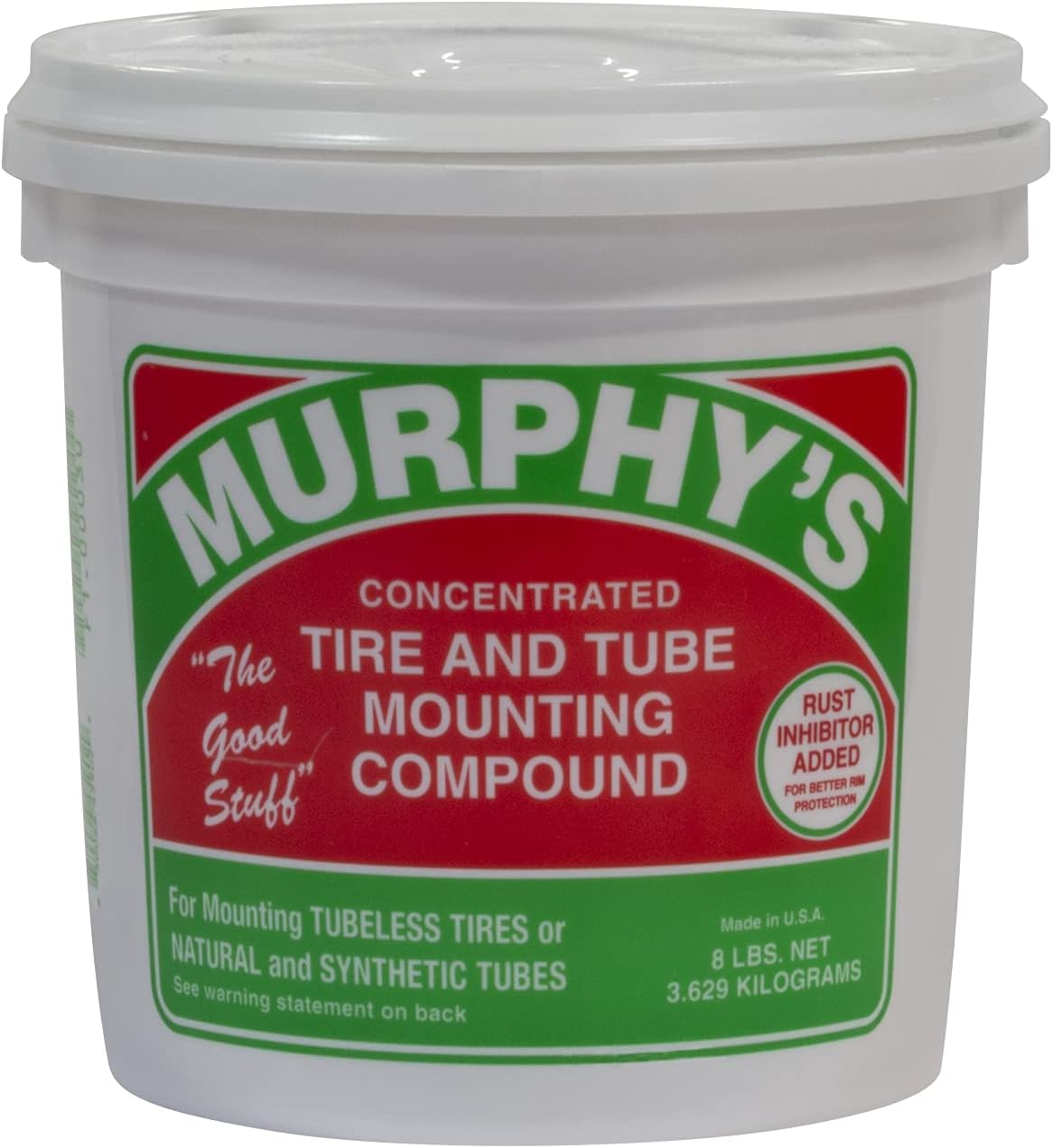
A concentrated tire and tube mounting compound designed to help simplify mounting rubber tires and tubes on passenger, semi truck, construction, and OTR applications. Its ultra-thick formula packs beads effectively and includes rust inhibitors to help protect against corrosion during use.

The SAFELIFE dial tire tread depth gauge measures tread depth in 1/32 inch increments with clear, easy-to-read 2-inch dial face. Color zones using a traffic light system help you quickly judge whether tread is low, marginal, or ample for safer driving. Built with a durable zinc cast body and a metal detect probe for precise, comfortable use across cars, motorcycles, trucks, and buses.
Sources
- NHTSA TireWise — supports tire size, Tire and Loading Information Label, pressure, tread, maintenance, and safety guidance.
- Toyota USA Newsroom: 2025 Toyota 4Runner — supports the 2025 4Runner towing and platform context.
- The Tire and Rim Association — standards organization for tire, rim, and load/inflation reference materials.
- Tire Safety — consumer tire safety education from the U.S. tire industry.