Disclosure: As an Amazon Associate, we earn from qualifying purchases. If you click a link on this page and make a purchase, we may receive a small commission at no extra cost to you.
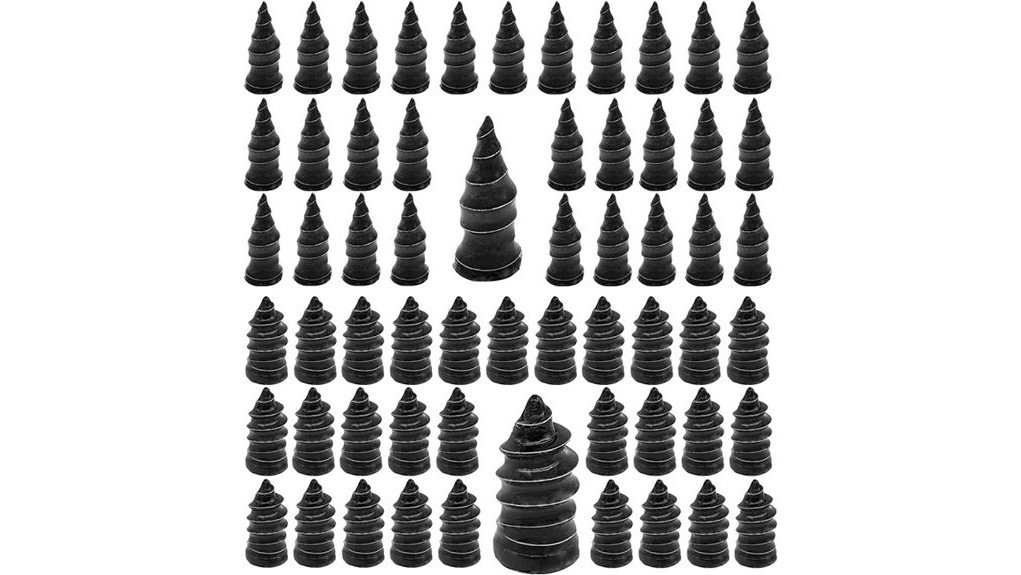
A small tread puncture can leave you choosing between a tow, a spare tire, or a quick roadside seal. The KEVWR 60PCS Tire Repair Rubber Nail Kit gives you two screw-in plug sizes for an emergency attempt on certain tubeless tire punctures. Its compact format is convenient, but it is not an industry-approved permanent repair for a highway tire. This review explains where the kit may help, where it should not be used, and what you still need to do after the leak slows.
Quick Verdict
Rating: 5.5/10, recommended with major caveats
Best For: Drivers who want a compact emergency stopgap for a small, straight puncture in the central tread of a tubeless tire.
Bottom Line: The 60-piece count and two plug sizes make the kit easy to store and useful for limited emergency situations. The main tradeoff is serious: an outside-in screw plug does not replace tire removal, internal inspection, and a proper patch-plug repair.
| Specification | Detail |
|---|---|
| Brand shown on the listing | KEVWR |
| Product type | Screw-in rubber tire puncture plugs |
| Quantity | 60 pieces total |
| Small size | 5.2 × 12 mm |
| Large size | 6.6 × 15 mm |
| Listed materials | Rubber and metal |
| Color | Black |
| Intended tire type | Tubeless tires, subject to tire-maker restrictions |
| Best use | Temporary emergency sealing of a small central-tread puncture |
| Not for | Sidewalls, shoulders, cuts, bulges, exposed cords, or damage from driving flat |
Key Takeaways
- You get 60 screw-in plugs in two listed sizes: 5.2 × 12 mm and 6.6 × 15 mm.
- The threaded shape is designed to grip a puncture channel without removing the tire from the wheel.
- The kit is most relevant as an emergency stopgap for a small, straight puncture in the central tread of a tubeless tire.
- It should never be used on a sidewall, shoulder, split, gash, bulge, or tire that was driven while severely underinflated.
- A plug-only, outside-in repair is not a proper permanent repair under U.S. tire-industry guidance.
- No installation tool, pressure gauge, inflator, storage case, certification, or warranty was confirmed for this exact listing.
What Is the KEVWR 60PCS Tire Repair Rubber Nail Kit?
This product is a set of small threaded plugs made from listed rubber and metal materials. You turn one into the channel left by a nail or screw, and the threaded body is intended to grip the surrounding tread rubber. The listing identifies 60 pieces and two sizes, which gives you an option for narrower and somewhat wider puncture channels.
The kit is marketed for cars, motorcycles, trucks, tractors, and some bicycles. That broad compatibility claim needs context. The tire must be tubeless, the damage must be in a repairable tread location, and the tire manufacturer may impose stricter limits. A bicycle with an inner tube, a run-flat tire, or a commercial tire may need a different repair method.
Who Should Buy It?
Best For
- Drivers building a compact emergency kit for remote or low-speed situations.
- Owners of tubeless tires who understand that this is a temporary outside-in seal.
- Buyers who already carry a suitable insertion tool, inflator, and accurate pressure gauge.
Skip If
- You want a permanent, industry-recommended highway tire repair.
- The puncture is in the shoulder or sidewall, or the tire has a cut, bulge, exposed cord, or internal damage.
- You do not have a safe work area, an inflator, a gauge, or a plan for prompt professional inspection.
Before You Buy: The U.S. Tire Manufacturers Association says a proper passenger or light-truck puncture repair requires the tire to be removed and inspected, with a stem filling the injury and a patch sealing the inner liner. It also states that outside-in, on-wheel repairs are not proper permanent repairs.
[Products Worth Considering]

This screw-in tire plug kit seals punctures fast using the included screwdriver, letting you repair tread damage without removing the tire or using messy glue. It includes two plug sizes for different puncture types and uses high-density rubber for an airtight, heat-resistant temporary seal that helps you reach a tire shop safely. Compact and universal, it works on tubeless tires across cars, trucks, motorcycles, tractors, and more.

This 60-piece tire repair nail kit provides a fast, do-it-yourself way to seal punctures on tubeless car, motorcycle, and SUV tires without removing the tire. Simply align, twist clockwise, and finish in seconds for a reliable sealing effect that helps prevent water intrusion. The kit includes tire glue and durable rubber-and-steel repair nails for strong adhesion and long-lasting repairs.

KEVWR self-service tire repair nails are made to firmly fix punctures with strong bite and reliable sealing, helping prevent water from entering the wound. The spiral rubber screws are easy to insert without removing the tire, providing a simple DIY repair for many vehicle and tire types. Suitable for cars, motorcycles, trucks, bikes, buses, and agricultural tires with two size options for different puncture nails.
Which Tire Punctures Can It Temporarily Seal?
The best-case use is a small, straight nail or screw puncture in the central tread of a tubeless tire. Even then, you cannot see internal liner or cord damage while the tire remains mounted. Treat any successful seal as a way to reach a safe location or tire professional, not as proof that the tire is structurally sound.
Industry guidance limits potentially repairable passenger and light-truck punctures to the tread area and to injuries no larger than 1/4 inch, or 6 mm, in diameter. The product’s 6.6 mm outside dimension does not mean a 6.6 mm injury is automatically repairable. Measure the damage itself, follow the tire maker’s policy, and let a trained technician inspect the inside.
- Possible temporary use: a small, straight puncture near the middle of the tread.
- Do not use: shoulder or sidewall punctures, angled injuries that reach the belt edge, cuts, tears, or overlapping repairs.
- Replace or professionally assess: any tire with a bulge, vibration, exposed cords, bead damage, or signs it was driven flat.
How to Choose the Small or Large Size
The small 5.2 × 12 mm plug is listed for a narrow puncture channel, while the 6.6 × 15 mm plug is intended for a wider channel. Choose the smallest size that matches the product instructions and seats firmly without forcing the injury wider. A loose plug may leak, while an oversized plug may enlarge or distort the damage.
Do not decide by looking only at the object’s head. A screw can enter at an angle, and the visible hole may not show the full injury path. When you are unsure about the size, location, or angle, install the spare tire or arrange roadside assistance instead of experimenting.
Pro Tip: Mark the puncture before removing the nail or screw, and photograph its location. This helps a tire technician find the injury and judge whether a proper internal repair is still possible.
Materials, Thread Design, and Sealing
The listing describes a rubber-and-metal construction. The tapered end starts in the puncture channel, while the coarse threaded body is intended to create friction and compression against the surrounding tread rubber. This simple design is why the plugs take little storage space and may be installed with a screwdriver-style tool.
The design has a clear limitation. It works only from the outside and does not restore the inner liner with a patch. It also does not let you inspect the inside for abrasion, broken cords, moisture, or damage caused by running underinflated. Claims that the plug prevents belt rust or delamination should therefore be treated cautiously unless the tire is later removed and repaired correctly.
How to Use It Correctly in an Emergency
Use the kit only after you have moved away from traffic and parked on a stable, level surface. Turn on the hazard lights, set the parking brake, and follow your vehicle’s roadside-safety instructions. A spare tire or professional roadside service is the safer choice when the work area is exposed, the tire is rapidly losing air, or the damage is not clearly in the central tread.
- Inspect first: Look for sidewall damage, a bulge, a cut, exposed cord, bead damage, or signs the tire was driven flat. Do not insert a plug if you see any of these.
- Confirm the location: Use this type of plug only for a small puncture in the central tread, not the shoulder or sidewall.
- Follow the product directions: Select the matching size and use the correct screwdriver-style insertion tool. The exact listing did not clearly confirm that a tool is included.
- Check the seal: Inflate the tire to the cold pressure on the vehicle placard, not the maximum molded on the tire. Use an accurate gauge and check for bubbling with soapy water.
- Recheck pressure: Confirm the pressure again after a short, cautious trip. Stop if pressure falls, the steering changes, the tire vibrates, or the plug moves.
- Get an internal inspection: Have a qualified tire professional remove the tire and determine whether it can receive a proper patch-plug repair or must be replaced.
Do not reuse a removed plug. Do not stack plugs in one hole, coat the product with an unapproved chemical, or use it to cover a split or irregular opening. Follow the tire maker’s repair policy, especially for run-flat, high-speed, motorcycle, commercial, and specialty tires.
How It Performs in Real Use
For a Slow Leak Found at Home
A controlled driveway or garage gives you time to inspect the tread, use a gauge, and prepare an inflator. The plug may slow a simple tread leak, but you should still schedule professional inspection. If the tire has been losing pressure for days, internal moisture or underinflation damage may already be present.
For a Roadside Emergency
The small parts are easier to store than a full T-handle kit, which is the product’s strongest practical advantage. Safety around traffic is the bigger concern. Do not kneel beside a live lane or work under an unsupported vehicle just to install a plug.
For Motorcycles
A motorcycle has less tire redundancy and is more sensitive to pressure loss, balance changes, and carcass damage. Treat the plug as an emergency measure only if the motorcycle tire manufacturer permits it. Reduce risk by arranging professional inspection before returning to normal riding.
For Trucks, Tractors, and Bicycles
The listing names these vehicle types, but that does not make the plugs universal. Heavy-duty truck and tractor tires can have different casing and service requirements. Many bicycles use inner tubes, which this screw plug cannot repair. Check the tire construction and manufacturer instructions before use.
Compatibility and Safety
The main buying question is not whether a plug fits into a hole. It is whether the tire can safely remain in service. The U.S. Tire Manufacturers Association recommends repair only for qualifying tread injuries up to 6 mm, after the tire has been removed and inspected. Its procedure uses both a rubber stem to fill the injury and a patch to seal the inner liner.
You should also follow the tire manufacturer’s limits. Some run-flat, high-performance, motorcycle, and commercial tires have stricter rules or may not be repairable after pressure loss. A tire that has been driven flat can look normal outside while having severe internal abrasion.
For the full industry procedure, review the USTMA puncture repair guidance or ask a trained tire technician to inspect the tire.
Maintenance and Storage
Keep the plugs sealed, clean, and away from direct sunlight, fuel, oil, solvents, and high heat. Contamination or hardened rubber can reduce grip and sealing. Because the listing does not state a shelf life, inspect each piece before use and discard any plug that is cracked, sticky, distorted, corroded, or brittle.
Store the kit with the items it needs to be useful: a compatible insertion tool, tire inflator, accurate pressure gauge, soapy-water leak solution, gloves, flashlight, and your vehicle’s roadside instructions. Check the kit during routine vehicle maintenance so missing tools do not surprise you during a puncture.
Pros and Cons
Pros
- Sixty pieces provide multiple emergency replacements.
- Two listed sizes cover narrow and somewhat wider puncture channels.
- Compact parts are easy to keep in a glove box, pannier, or tool bag.
- Screw-in design may be easier to start than a thick rope plug.
- No tire removal is required for the temporary outside-in installation.
Cons
- Not an industry-approved permanent repair for passenger or light-truck tires.
- No installation tool, inflator, gauge, warranty, or certification was confirmed for the exact listing.
- Broad vehicle compatibility depends on tire construction and manufacturer policy.
Is It Worth the Price?
This is a budget emergency product rather than a complete tire-repair system. The 60-piece count may offer strong value if you maintain several vehicles or want replacement plugs in multiple kits. Its value drops if you still need to buy a tool, inflator, pressure gauge, and storage case separately.
It is worth considering only when you understand the safety limits and will use it as a temporary measure. It is not the best fit if you want a permanent repair, verified professional-grade components, or a complete roadside kit with all required tools.
[Products Worth Considering]

ATQYZLM’s screw-in tire plug kit provides quick self-service emergency puncture repair for tubeless tires without removing the tire. Choose a suitable plug nail, align it to the puncture, and tighten with the included screwdriver for minute-level roadside use. The rubber and metal plugs help form a durable airtight seal to reduce air loss and water seepage for reliable short-term travel.

This 61-piece tire repair rubber nail kit provides a quick, self-service fix for punctured tubeless tires by simply inserting the rubber nail into the damage. The sealant-coated nails help form a strong bond to reduce air loss and prevent water intrusion, with no tire removal required. It includes two nail sizes for minor and larger punctures plus a screwdriver for easy installation across many vehicle types.

This tire repair kit provides fast emergency puncture repair without removing the tire from the rim, helping you get back on the road quickly. Its screw plug system is designed for punctures in both tread and sidewall and includes a complete patch plug tool set with essential accessories. A portable storage bag makes it easy to carry for cars, trucks, SUVs, motorcycles, and heavy-duty applications.
How It Compares to Alternatives
A traditional T-handle rope-plug kit usually gives you more leverage and often includes a reamer, insertion tool, and plug material, but it is bulkier and remains an outside-in temporary approach. A sealant-and-inflator kit can be faster when you cannot find the puncture, though sealant may complicate later service and has tire-specific limits.
A professional internal patch-plug repair is the better choice for a qualifying highway-tire puncture because the tire is removed, inspected, the injury channel is filled, and the inner liner is sealed. The KEVWR screw-plug kit makes the most sense when compact storage matters and you need a limited emergency option before proper service.
[Products Worth Considering]

This self-service tire repair nail kit includes 60 pieces (30 small + 30 large) to help seal punctures quickly without needing an auto shop visit. The nails are designed to fit different hole sizes and provide a tight connection with sealing glue to help prevent air and water intrusion. Suitable for cars, motorcycles, trucks, and other vehicles, it’s an easy, efficient way to patch roadside tire damage.

MetFun’s 40-piece tire repair screw plugs kit provides a fast DIY fix for tubeless punctures with two tubes of black tire sealant glue. The rubber repair screws are pre-coated and designed for a secure grip and double seal to help stop air leaks. With 2 screw sizes for small and larger punctures, it’s suitable for cars, motorcycles, trucks, tractors, lawnmowers, ATVs, and more—so you’re prepared for road trips and emergencies.

This screw-in tire plug kit offers quick, DIY tire repairs for punctures from nails, screws, and sharp debris. Simply screw the vacuum tire mending nail into the puncture for a fast roadside fix, designed to create a strong, air-tight seal. It fits most tubeless tires for cars, trucks, motorcycles, and more, helping you avoid costly replacements until professional service is available.
Frequently Asked Questions
Is a rubber nail plug a permanent tire repair?
No. Treat it as an emergency outside-in seal. A proper passenger or light-truck puncture repair requires tire removal, internal inspection, a stem that fills the injury, and a patch that seals the inner liner.
Can it repair a sidewall or shoulder puncture?
No. Sidewall and shoulder areas flex heavily and fall outside the normal repairable tread zone. Replace the tire or follow the tire manufacturer’s instructions after professional inspection.
Does it work on tubeless tires only?
This screw-plug design is intended for tubeless tire punctures. It does not patch an inner tube, so many bicycles and tube-type motorcycle or equipment tires need a tube patch or replacement instead.
Can one rubber nail be reused after removal?
No. Removal can stretch, cut, contaminate, or deform the plug. Use a fresh piece if the product instructions allow another attempt, and do not stack multiple plugs in one injury.
How long can you drive after installing one?
There is no verified safe mileage or service life for this listing. Drive only as needed to reach a safe location or tire professional, monitor pressure, and stop immediately if the tire leaks, vibrates, or handles differently.
Will the plug affect tire balance or ride comfort?
A small plug may not create a noticeable change, but that is not guaranteed. New vibration, pulling, noise, or steering change is a warning to stop driving and have the tire inspected.
Does the kit include an installation tool?
A tool was not clearly confirmed for this exact 60-piece listing. Check the current package contents before ordering and plan to carry the correct insertion tool, an inflator, and an accurate pressure gauge.
What is the most common mistake with this product?
The biggest mistake is treating a stopped leak as proof of a safe permanent repair. The tire may still have hidden inner-liner or cord damage, so arrange an internal inspection as soon as possible.
The Bottom Line
The KEVWR 60PCS Tire Repair Rubber Nail Kit is a compact emergency option for buyers who understand its narrow role and already carry the supporting tools. Its two sizes and high piece count are useful, but you should skip it as a permanent-repair solution or for any shoulder, sidewall, structural, or uncertain damage. The 5.5/10 verdict reflects that mix of convenience and major safety limitations.
Ready to Buy?
Check the current package contents, product details, and price before you decide.