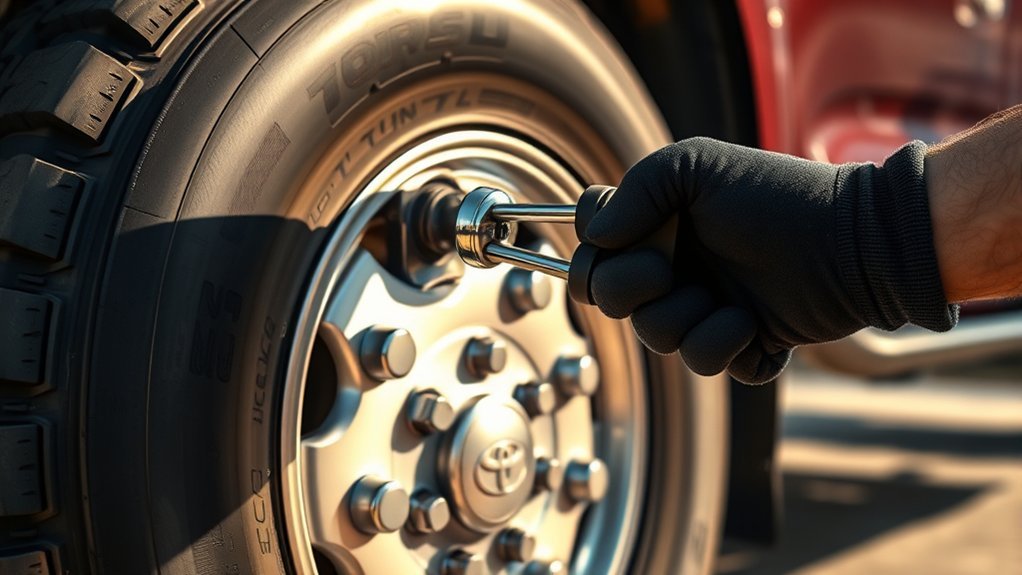
Losing the wheel lock key on a Toyota Tundra is frustrating, especially when you need a tire rotation, brake job, or flat-tire repair. The safest path is not to start drilling right away. First, confirm the key is truly missing, look for the wheel lock ID card, contact Toyota or McGard for a replacement, and use a professional removal method only if the replacement-key route is not practical.
Quick Answer
To remove Toyota Tundra wheel locks without the key, first search the glove box, center console, door pockets, spare tire tool area, and any wheel-lock pouch or box. If the key is lost, contact a Toyota dealer or McGard for a replacement. Use extractor tools or drilling only as a last resort because they can damage the wheel, stud, or lock.
Key Takeaways
- Use this process only on your own Tundra or a vehicle you have permission to service.
- The safest fix is usually a replacement key from a Toyota dealer or McGard, not a destructive removal method.
- A tire shop or mechanic can often remove the lock with less risk to the wheel than a DIY extractor attempt.
- Do not reinstall wheel locks with an impact gun; use the correct key, correct lug nuts, and a torque wrench set to the specification in your owner’s manual.
At a Glance
| Time Required | 5–20 minutes if the key is found; 1–3 days if ordering a replacement key; 30–90 minutes for professional extraction |
| Difficulty | Easy with the key; moderate to high without the key |
| Tools Needed | Wheel lock key, lug wrench, torque wrench, jack and chocks if changing a tire; professional extractor socket only if the key cannot be replaced in time |
| Cost | Usually low for a replacement key; higher if a shop must extract damaged locks or replace studs/lug nuts |
Warning: Wheel-lock removal can damage wheels, studs, brake parts, and lug nuts if done incorrectly. Work only on a level surface, chock the wheels, wear eye protection, and stop if the lock, socket, or stud begins to deform.
Step-By-Step Guide to Removing Wheel Locks
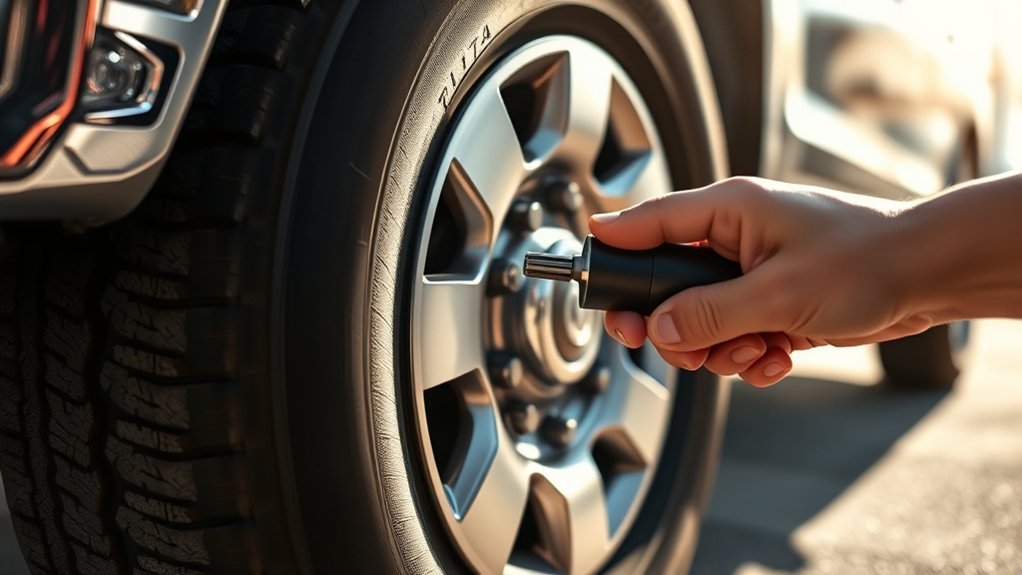
Follow this order before using any destructive method. It gives you the best chance of removing the locking lug nut without damaging your Toyota Tundra’s wheel or wheel stud.
[Products Worth Considering]

The Trivd Frol 1/2" air impact wrench delivers high performance torque up to 1500 ft-lbs with a twin hammer impact mechanism for strong, balanced blows. It features an ergonomic grip, compact lightweight design, and quick-stop control with 3 forward speeds up to 8000 RPM plus a reverse speed. Built for demanding automotive repair and tire shop work, the rear exhaust helps keep debris away from the surface.

The Dr.Roc spare tire tool kit helps you release, lower, or raise your spare tire with reliable extension tools and a lug nut wrench. It is made from rustproof automotive-grade steel and includes an organized carry case for convenient storage. Designed for compatibility with select GM models from the late 1990s through 2019, it uses upgraded extension components to install and remove spare tires with less hassle.

This car D-wheel lock nut key provides an anti-theft solution for D-shaped wheel lock bolts, helping keep your wheels secure. It features a flower-shaped internal pattern that resists micro-adjustment theft while allowing removal and mounting of compatible locking nuts. Made for reliable performance under high torque, it’s easy to use with standard socket wrench turning for quick tire maintenance and emergency repairs.
1. Confirm the key is actually missing
Check the glove box, center console, door pockets, seatback pockets, spare tire tool kit, jack storage area, cargo bins, and any pouch or small box that came with the wheel locks. Wheel lock keys are often stored with the lug wrench or tire-changing tools because Toyota’s flat-tire procedure uses the wheel lock key on vehicles equipped with wheel locks.
2. Look for the wheel lock code or ID card
If your Tundra uses McGard-style locks, look for the registration card or pattern-code label. McGard explains that replacement keys are ordered using the ID registration information supplied with the lock set. If you have that card, ordering the correct key is usually safer than forcing the lock off.
3. Contact Toyota or McGard
Toyota’s support guidance says owners looking for a Toyota wheel lug nut key should contact a Toyota dealership or McGard directly. Start there if you are not stuck on the roadside. A dealer may be able to match the lock pattern, order the correct key, or remove the lock professionally after verifying ownership.
4. Decide whether removal is urgent
If the truck is safely parked and you do not need the wheel off today, wait for the correct key. If you have a flat tire, damaged tire, or urgent repair, call a roadside-assistance provider, tire shop, Toyota dealer, or mechanic and explain that the wheel lock key is missing.
5. Use a professional extractor only when replacement is not practical
A spiral extractor socket or dedicated locking-lug removal tool can bite into the outside of the lock. This usually destroys the lock and may mark the wheel if the socket slips. Keep the extractor straight, use steady inward pressure, and stop if the tool begins to walk across the wheel face.
6. Treat drilling as the final option
Drilling a locking lug nut can damage the stud, wheel seat, and surrounding finish. It should be reserved for a trained technician with the correct bits, protective equipment, and a plan to replace any damaged hardware.
Pro Tip: Once the lock is removed, replace it with a standard Toyota-compatible lug nut or a new wheel lock set. Do not leave one wheel short a lug nut, and do not mix lug nuts with the wrong seat style.
Common Obstacles in Extracting Locking Lug Nuts
Extracting locking lug nuts can be frustrating because the lock is designed to resist normal sockets. These are the most common problems:
- The key pattern is rounded or stripped: The key may no longer seat squarely, especially if an impact gun was used in the past.
- The wrong extractor size is used: A loose extractor can slip and gouge the wheel.
- The lock is over-tightened: Over-tightening can make removal difficult and may damage the lock or key.
- The wheel recess is narrow: Some alloy wheels leave very little room around the lug nut, limiting tool access.
- Shops refuse the job: Some shops avoid destructive removal because of rim-damage liability.
Note: If the wheel lock is already cracked, rounded, or buried deep inside a tight wheel recess, skip DIY removal and call a professional. The repair cost can climb quickly if the wheel stud or wheel seat is damaged.
Essential Tools for Successful Removal
The right tool depends on whether you still have the key, whether the lock is damaged, and whether you plan to reuse the lock. Use this table to choose the safest option.
| Tool | Best Use | Risk Level |
|---|---|---|
| Correct wheel lock key | Normal removal and reinstallation | Low |
| Torque wrench | Final tightening to the owner’s manual specification | Low when used correctly |
| Replacement key from Toyota or McGard | Best option when the original key is lost | Low |
| Spiral extractor socket | Removing a lock when no matching key is available | Medium to high; usually destroys the lock |
| Impact tool | Limited professional removal situations | High if used for installation or without proper control |
| Drill and cutting tools | Last-resort professional removal | High |
[Products Worth Considering]

This spare tire tool kit is designed for the 2004 to 2018 Ford F-150 to help you loosen and tighten wheel lug nuts and manage the spare tire and provided jack functions from underneath the vehicle. It includes the lug nut wrench and extension pieces plus a convenient storage carrying case for organized transport. The jack itself is not included.

Upgrade your wheels with MIKKUPPA M12x1.5 mag seat lug nuts built for secure, corrosion-resistant performance. These closed-end chrome lug nuts are a direct replacement for select Toyota models, including Camry, Corolla, RAV4, Sienna, Avalon, Highlander, Matrix, Venza, and Prius. Triple-chromium plating and cold-forged, heat-treated steel help deliver strength for daily driving and replacement needs.

These M14x1.5 closed-end chrome lug nuts are a one-piece replacement designed for secure fitment on compatible GM, Ford, and select Chrysler/Dodge models. Featuring a 60-degree conical seat and anti-rust chrome plating, they help resist corrosion and maintain a bright look for everyday driving. Built for long-term durability, they include OEM-style part references and are backed by 12 months of support.
Alternative Methods for Stubborn Locking Lug Nuts
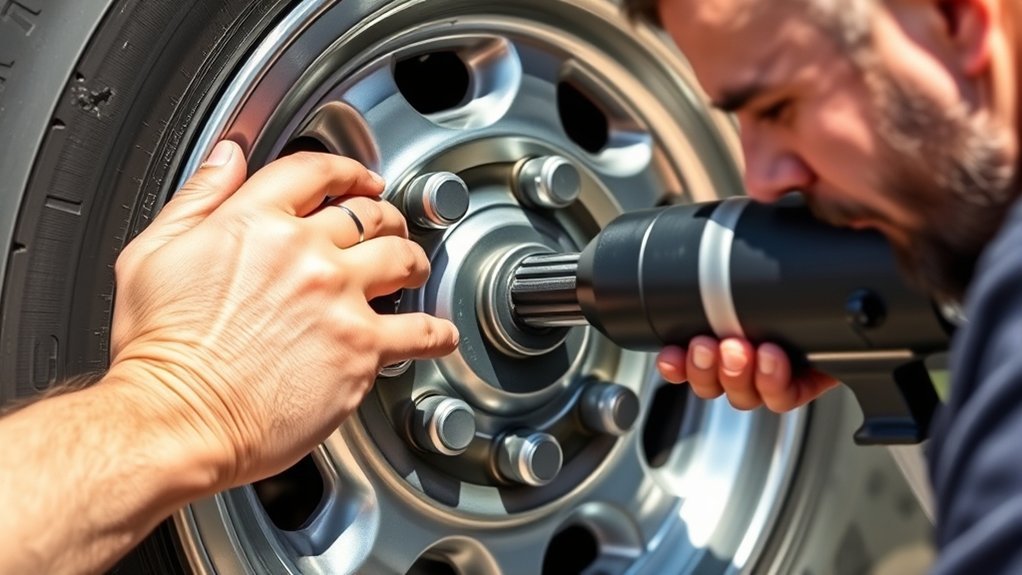
If the key is gone and you cannot wait for a replacement, these are the realistic alternatives. Start with the least destructive option.
- Dealer or tire-shop removal: This is usually the safest option because shops deal with missing wheel-lock keys often and may have pattern keys or specialized extractors.
- Manufacturer replacement key: If you have the McGard ID card or Toyota wheel-lock information, order the correct key instead of destroying the lock.
- Extractor socket: A correctly sized extractor may remove the lock, but it can damage the lock and may scratch the wheel if it slips.
- Welding or drilling: These methods are last resorts for technicians, not first-choice driveway repairs.
Warning: Do not hammer random sockets onto the lock near a painted or machined wheel face unless you accept the risk of cosmetic damage. If the wheel is expensive or the lock sits deep in a narrow recess, professional removal is the smarter choice.
[Products Worth Considering]

Upgrade your wheels with MIKKUPPA closed-end lug nuts designed for reliable fit and corrosion resistance. The one-piece, cold-forged and heat-treated steel construction helps resist rust and stripping, while the integrated finish delivers a durable black appearance. Built to OEM standards with a conical 60-degree seat, these nuts provide a secure solution for compatible Ford, Honda, Jeep, and Chevrolet models.

This 1/2-inch drive breaker bar delivers powerful leverage for loosening and tightening stubborn lug nuts and automotive fasteners. The 180-degree flex head helps you reach tight spaces at the angle you need, making tire and brake jobs easier. A spring-loaded ball detent design holds 1/2-inch sockets securely while the chrome-moly head provides durable strength for everyday use.

The 22800 wheel stud installer makes replacing wheel studs quick and secure, saving time and effort during tire service. It uses a ratchet or impact wrench to pull new studs firmly into place, helping when existing studs are too long. Compatible with most automotive wheels and light-duty truck wheel studs, it’s designed for easy, tool-assisted installation.
Identifying When to Call a Professional
Some wheel locks come off easily once you have the right key. Others become a repair-shop job fast. Call a professional if any of the signs below apply.
When Tools Fail
- The key spins without gripping the lock.
- The extractor slips or starts cutting into the wheel.
- The locking lug nut is rounded, cracked, or visibly deformed.
- You have already tried more than one tool without progress.
Risk of Damage
Stop if the wheel finish is being gouged, the stud appears bent, or the lock is no longer centered. A damaged wheel stud can require extra labor and replacement parts, and an incorrectly seated lug nut can create a safety problem after the wheel is reinstalled.
Time and Expertise Needed
If you need the truck back on the road quickly, a Toyota dealer, tire shop, or mobile mechanic may save time and prevent damage. This is especially true if the Tundra is on the roadside, the brakes are hot, the wheel is stuck, or you do not have a stable jack setup.
Preventing Future Locking Lug Nut Issues
The easiest wheel lock to remove is the one with a key you can actually find. Use these habits to avoid the same problem later:
- Store the key in one assigned place: Keep it with the jack tools, tire kit, or a labeled pouch in the glove box.
- Save the ID card: Store the McGard or wheel-lock registration card at home and keep a photo of it in a secure place.
- Register the code when available: McGard recommends registering the ID information so replacement ordering is easier later.
- Use the correct lug nuts: Match the thread size, seat style, and wheel type. McGard notes that seat style and thread engagement must be verified.
- Avoid impact-gun installation: Use a torque wrench for final tightening. Impact tools can over-tighten locks and damage the lock or key.
- Recheck after service: After wheel service, confirm the lugs are tightened to the specification in your Toyota owner’s manual.
What Are Locking Lug Nuts and Why Do They Matter?
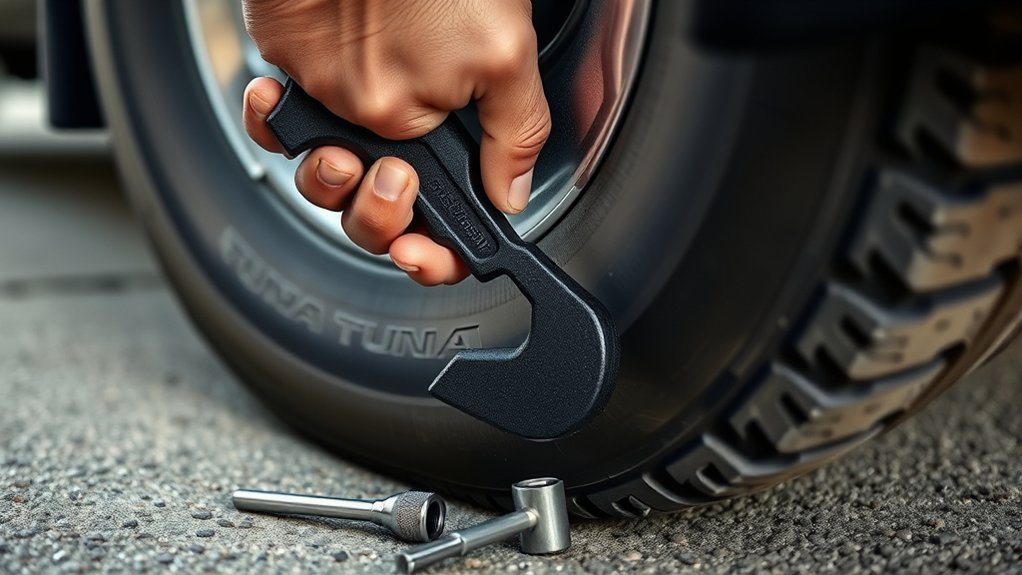
Locking lug nuts replace one standard lug nut on each wheel with a keyed fastener. The lock has a special pattern that requires a matching key before a lug wrench or socket can turn it. Toyota Genuine wheel locks are designed with coded key patterns, proper fit, and durable finishes to help protect wheels and tires.
Purpose of Locking Lug Nuts
The purpose is deterrence. A thief with only a standard lug wrench cannot remove the wheel as quickly. Wheel locks are not a guarantee, but they add time, noise, and tool requirements to the theft attempt.
Common Misconceptions Explained
A locking lug nut is not impossible to remove. A determined thief or a professional technician may still remove it with specialty tools. The tradeoff is convenience: if you lose the key, the same feature that slows a thief also slows you, your tire shop, or your roadside-assistance provider.
Security vs. Convenience Balance
Wheel locks make the most sense when you have expensive wheels, park outdoors often, or live in an area where wheel theft is a concern. If you regularly rotate tires, swap seasonal wheels, or worry about losing the key, standard Toyota-compatible lug nuts may be more convenient.
Frequently Asked Questions
How do I remove Toyota Tundra locking wheel nuts if I lost the key?
Search the truck first, then look for the wheel-lock ID card or code. If the key is truly gone, contact a Toyota dealer or McGard for a replacement. If the wheel must come off immediately, have a tire shop or mechanic remove the lock with a professional extractor.
What can I use if I do not have a locking wheel nut key?
The best substitute is a correctly matched replacement key. If that is not available, a professional extractor socket may remove the lock, but it normally damages the lock and can damage the wheel if used incorrectly.
Can a Toyota dealer replace my wheel lock key?
Yes, a Toyota dealership is one of the first places to contact. Toyota support also directs owners to McGard for Toyota wheel lug nut key help. Bring proof of ownership and any wheel-lock card, pouch, or code you still have.
Should I use an impact gun on Toyota Tundra wheel locks?
Do not use an impact gun to install wheel locks. It can over-tighten them and damage the key or lock. For removal, an impact tool should be left to a technician who can control the tool and protect the wheel.
Should I replace wheel locks with regular lug nuts?
It depends on your priorities. Wheel locks add theft deterrence, but regular lug nuts make tire service simpler. If you switch to regular lug nuts, use Toyota-compatible nuts with the correct thread, seat style, and torque specification.
Conclusion
Removing Toyota Tundra wheel locks without the key is possible, but the safest answer is usually to replace the key before forcing the lock off. Search the truck, find the ID card, contact Toyota or McGard, and use a tire shop or mechanic when extraction is needed. Save drilling and other destructive methods for last, because one rushed repair can turn a missing key into a damaged wheel or broken stud.
Sources
- Toyota Owners — 2025 Tundra flat tire instructions — supports wheel-lock key use during tire service.
- Toyota Support — Toyota wheel lug nut key — supports contacting a Toyota dealer or McGard for key help.
- Toyota Genuine Parts — Alloy wheel locks — supports coded-key wheel lock purpose and Toyota Genuine fitment claims.
- McGard — Installation and removal guidance — supports thread/seat verification, one lock per wheel, torque-wrench use, and impact-tool cautions.
- McGard — Replacement parts ordering information — supports replacement key ordering with the ID registration card.
- NHTSA TireWise — supports tire maintenance and safety context.