Temperature can change how your Hyundai Sonata feels on the road because it affects tire pressure, rubber flexibility, tread contact, and wet-road traction. Heat can raise pressure and reduce the tire’s contact patch, while cold can lower pressure and make some tire compounds less flexible. The safest approach is to check pressure cold, watch tread depth, and use tires that match the season.
Quick Answer
Temperature affects Hyundai Sonata tire grip mainly by changing tire pressure and rubber flexibility. Pressure changes by about 1 PSI, and sometimes 1–2 PSI, for every 10°F temperature shift. Hot pavement can overinflate tires, while cold weather can lower pressure and reduce grip, especially if the tires are worn or not suited for winter.
Key Takeaways
- Check your Sonata’s tire pressure when the tires are cold, using the PSI listed on the driver-side door-jamb placard or owner’s manual.
- Expect tire pressure to rise in heat and drop in cold weather, so recheck after major temperature swings.
- Replace tires at 2/32 inch immediately, and start planning replacement around 4/32 inch if you drive in rain often.
- Do not rely only on TPMS; it usually warns after pressure is already significantly low.
- If you regularly drive below 45°F in snow, ice, or freezing rain, winter tires provide better cold-weather grip than standard all-season tires.
At a Glance
| Time Required | 5–10 minutes for a pressure and tread check |
| Difficulty | Easy for most owners |
| Tools Needed | Tire pressure gauge, tread depth gauge or penny/quarter, air pump if needed |
| Cost | Usually free to low cost; a quality gauge is inexpensive, and air may be free or a few dollars |
How Temperature Specifically Affects Hyundai Sonata Tire Grip
Temperature affects your Hyundai Sonata’s tire grip in two main ways: it changes air pressure inside the tire, and it changes how flexible the tire rubber feels against the road. According to the U.S. Tire Manufacturers Association, inflation pressure can increase or decrease by one to two pounds for every 10 degrees of temperature change.
When the weather gets hot, the air inside your tires expands. If the tires are already near the high side of the recommended range, extra heat can make them overinflated. Overinflated tires can ride harder, wear more in the center, and reduce the amount of tread touching the road.
When the weather gets cold, the air inside your tires contracts. That can leave your Sonata underinflated by morning, even if the tires looked fine the day before. Underinflated tires flex more, build more heat, wear along the outer edges, and can make braking and steering feel less stable.
A 30°F overnight temperature drop can lower tire pressure by about 3 PSI, enough to affect handling and sometimes trigger a low-pressure warning.
Hot pavement also matters. On sunny summer days, blacktop can become much hotter than the air. The University of Georgia Extension notes that when air temperature is 95°F, blacktop can reach about 140°F. That heat does not instantly ruin a tire, but it adds stress, especially if the tire is underinflated, overloaded, old, or already worn.
Why Keeping Your Tire Pressure Right Matters in the Heat
Correct tire pressure helps your Hyundai Sonata keep a steady contact patch with the road. That contact patch is what lets the tire brake, corner, and push water out from under the tread. Too much pressure can shrink the patch. Too little pressure can make the tire flex, overheat, and wear unevenly.
For the most accurate reading, check tire pressure when the tires are cold. NHTSA defines cold tires as tires that have not been driven on for at least three hours. Use the recommended cold PSI listed on your Sonata’s driver-side door-jamb placard or in the owner’s manual, not the maximum PSI printed on the tire sidewall.
Warning: Do not bleed air from warm tires just because the gauge reads higher after driving. Hyundai’s tire-maintenance guidance notes that tire pressure can rise as tires warm up, and adjusting warm tires down to the cold placard number can leave them underinflated later.
Use this simple routine during hot weather:
- Check pressure in the morning before driving.
- Compare each tire to the Sonata’s cold PSI placard.
- Add air if a tire is below the recommended cold pressure.
- Recheck before long highway trips, heavy loads, or major weather changes.
- Inspect for cuts, bulges, punctures, cracks, and uneven wear while you are checking pressure.
[Products Worth Considering]

The SAFELIFE dial tire tread depth gauge measures tread depth in 1/32 inch increments with clear, easy-to-read 2-inch dial face. Color zones using a traffic light system help you quickly judge whether tread is low, marginal, or ample for safer driving. Built with a durable zinc cast body and a metal detect probe for precise, comfortable use across cars, motorcycles, trucks, and buses.

Milton S-921 pencil tire pressure gauge helps you maintain optimal tire pressure for passenger cars with accurate readings in PSI and kPa. It features a built-in deflator valve for convenient pressure adjustments, plus a single chuck head and nylon indicator bar for easy use on the go. Built from durable plated brass and designed for reliable performance, it’s a practical road trip and cold-weather maintenance tool.

Measure tyre tread depth precisely with a digital gauge that reads in both MM and inches, helping you monitor safe driving conditions. The large LCD screen is easy to operate, and the compact tool fits for cars, trucks, and motorcycles. It provides high accuracy with a 0-25.4mm range and includes a 1-year warranty for added peace of mind.
The Role of Tread Depth in Maintaining Traction
Tread depth is critical because the grooves in the tire move water away from the contact patch. As tread wears down, your Hyundai Sonata is more likely to hydroplane, take longer to stop in rain, and feel less stable during emergency braking.
NHTSA says tires should have at least 2/32 inch of tread, and the penny test can help you spot when a tire needs replacement. However, 2/32 inch is an absolute minimum, not a wet-weather comfort zone. AAA recommends replacing tires at 4/32 inch because wet stopping distances have already started to deteriorate by then.
| Tread Depth | What It Means | Recommended Action |
|---|---|---|
| 6/32 inch or more | Good tread reserve for normal driving | Keep monitoring monthly |
| 5/32–4/32 inch | Reduced wet-road margin | Start shopping, especially before rainy or winter driving |
| 3/32–2/32 inch | Poor wet traction and higher hydroplaning risk | Replace immediately |
| Below 2/32 inch | Unsafe and below the common wear-out threshold | Do not delay replacement |
Pro Tip: Use a tread depth gauge for the most accurate reading. If you only have coins, the penny test helps identify 2/32 inch, while the quarter test is better for spotting when wet-weather traction is getting too low around 4/32 inch.
Essential Tips for Monitoring and Maintaining Your Hyundai Sonata’s Tire Health
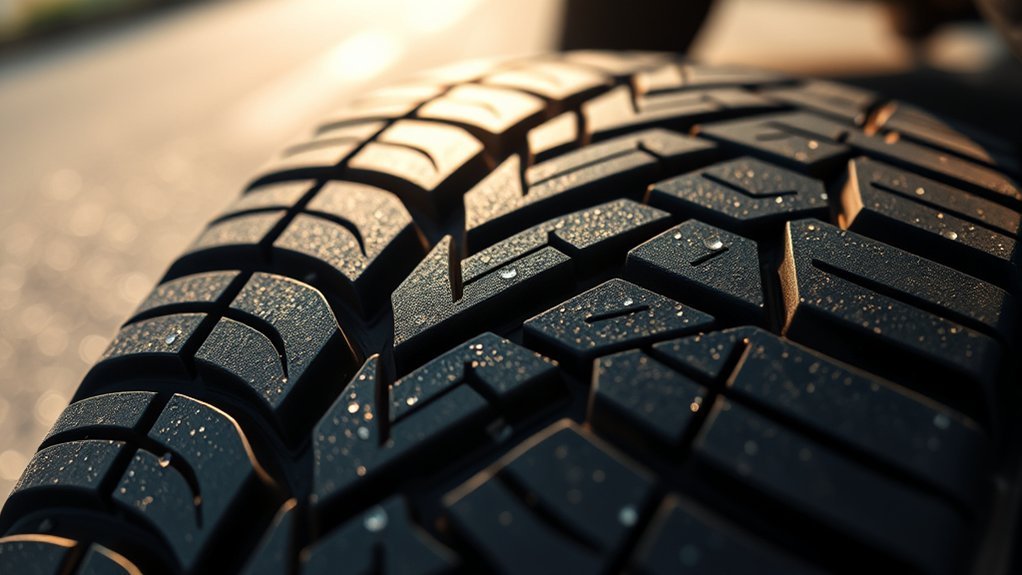
A quick monthly tire check can prevent most temperature-related grip problems. It should include pressure, tread depth, visual tire condition, and wear pattern. You should also check before long road trips and after sudden temperature swings.
[Products Worth Considering]

The TYAMATE TM8 solar-powered wireless TPMS delivers real-time tire pressure and temperature monitoring with six alarm modes for safer driving. A vibrant color LCD display shows readings clearly while windshield mounting keeps it hands-free and easy to read. With a wide 0–87 PSI range, strong 433.92 MHz signal transmission, and quick sensor pairing, it’s ideal for RV, sedan, SUV, MPV, and truck use.

Measure tire tread depth quickly and accurately with this LUMITECO dial gauge that reads in 1/32" increments up to 14/32". The color-coded green/yellow/red zones make it easy to judge tire wear and know when replacement is needed. A rugged, compact design with a protective pouch helps keep the gauge ready for use on cars, trucks, motorcycles, and more.

Monitor tire tread wear with a smart, color-coded depth gauge that shows clear condition ranges at a glance. The bar is range marked for fast, easy readings, helping you maintain safer traction and performance. Each gauge is portable with a pocket clip, and the set includes 20 units for daily use and sharing.
Regular Pressure Checks
Check pressure at least once a month when the tires are cold. The correct pressure is the vehicle manufacturer’s cold PSI on the door-jamb placard or owner’s manual. The number on the tire sidewall is the maximum pressure the tire can hold, not the recommended pressure for your Sonata.
Follow these steps:
- Park the Sonata for at least three hours so the tires are cold.
- Find the recommended PSI on the driver-side door-jamb placard.
- Remove each valve cap and press a tire pressure gauge firmly onto the valve stem.
- Add air if pressure is low, or carefully release air if the cold reading is too high.
- Recheck each tire after adjustment and reinstall the valve caps.
Note: Your Sonata’s Tire Pressure Monitoring System is helpful, but it should not replace a gauge. The Hyundai owner’s manual explains that TPMS warns when one or more tires are underinflated compared with the saved pressure, and industry guidance notes that TPMS may wait until pressure is significantly low.
Tread Depth Assessment
Check tread depth in several grooves across each tire, not just one spot. Uneven readings can reveal alignment, rotation, or inflation problems. If both outer edges are worn, the tire may have been underinflated. If the center is worn, it may have been overinflated. If one shoulder is worn, the Sonata may need an alignment check.
Also inspect for:
- Cracks in the sidewall
- Bulges or bubbles
- Embedded nails, screws, or glass
- Scalloped or cupped tread wear
- Vibration, pulling, or steering-wheel shake
Hyundai tire-maintenance guidance says many Hyundai models use a 7,500-mile tire rotation interval, but you should always follow the schedule and rotation pattern in the specific owner’s manual for your Sonata model year and tire setup.
How Seasons Impact Tire Longevity
Seasonal changes affect tire pressure, tread wear, and rubber flexibility. Your Sonata may feel different in July than it does in January even if nothing is mechanically wrong. The key is to match your maintenance routine to the weather.
| Season | How It Affects Tires | What To Do |
|---|---|---|
| Summer | Heat raises pressure and adds stress on worn or underinflated tires. | Check cold PSI before road trips and inspect for cracks, bulges, and center wear. |
| Fall | Cooler nights can drop pressure quickly. | Recheck PSI after the first major cold snap. |
| Winter | Cold lowers pressure and can harden non-winter tire compounds. | Use winter tires if you regularly drive in snow, ice, or freezing conditions. |
| Spring | Potholes and winter wear may leave hidden damage. | Inspect sidewalls, tread, alignment, and vibration symptoms. |
Tire type matters as much as temperature. Michelin explains that summer tires are optimized for warm weather and can harden below 45°F, while winter tires are designed to stay flexible below 45°F. All-season tires are useful for moderate climates, but they are not the same as dedicated winter tires in snow, ice, or freezing rain.
Preparing Your Hyundai Sonata for Summer Driving Conditions
Summer driving puts extra heat into your tires from the sun, road surface, highway speed, and normal tire flex. Before summer trips, check pressure, tread depth, tire age, load, and visible damage.
[Products Worth Considering]

ETENWOLF’s tire pressure gauge helps you quickly and accurately check tire PSI across cars, trucks, motorcycles, bikes, and more. It’s manually calibrated to ANSI B40.1 Grade A for reliable readings, includes a large glow dial for easy nighttime viewing, and features a 360-degree swivel chuck for use at any valve angle. The gauge also works consistently in extreme hot or cold weather.
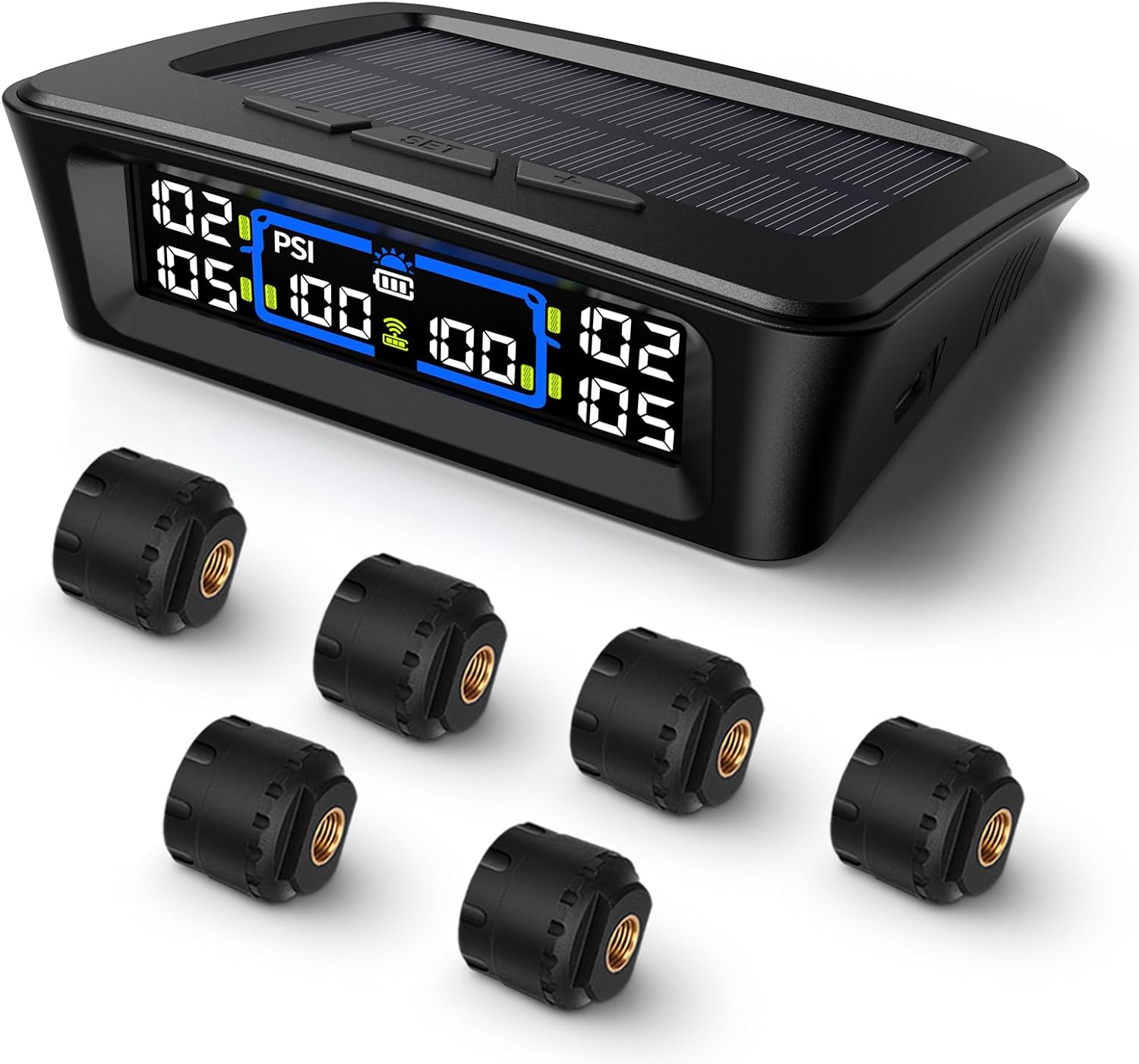
The Tymate TM12 RV TPMS delivers real-time tire pressure and temperature monitoring with a stable 433Hz display for safer long-distance driving. It supports simultaneous monitoring across vehicle and trailer zones, includes six alarm modes for pressure, temperature, leakage, battery, and signal loss, and features easy DIY installation with auto calibration. Power is supplied via USB-C charging or solar recharging, with a wide 0–144 PSI range and up to 50 ft signal coverage for RVs and towable trailers.

Accurately measure tire tread depth with a calibrated gauge marked from 0 to 1 inch in 1/32 inch increments. The color-coded bar helps you quickly identify tread condition ranges, supporting safe driving for trucks, motorcycles, automobiles, and passenger vehicles.
Tire Pressure Management
Use the Sonata’s recommended cold PSI as your baseline. Do not inflate to the maximum sidewall number unless the vehicle placard specifically calls for that pressure, which it normally will not. If you are carrying passengers, luggage, or cargo, check the owner’s manual and tire placard for load guidance.
Before a long trip:
- Check all four tires cold.
- Check the spare if your Sonata is equipped with one.
- Confirm all valve caps are installed.
- Look for punctures, cracks, bulges, and uneven wear.
- Recheck pressure if outside temperature changes sharply during the trip.
Tread Depth Importance
Summer storms can create standing water, and shallow tread has less room to channel that water away. That makes hydroplaning more likely, especially at highway speeds. If your tread is at 4/32 inch or lower, plan replacement before a season of heavy rain. If it is at 2/32 inch, replace the tire right away.
| Condition | Grip Impact | Recommended Action |
|---|---|---|
| Correct cold PSI and deep tread | Best normal-road contact and water evacuation | Continue monthly checks |
| Overinflated tire | Smaller contact patch and harsher ride | Adjust only when cold |
| Underinflated tire | More heat, more flex, and uneven shoulder wear | Inflate to placard PSI when cold |
| Worn tread | Longer wet stops and more hydroplaning risk | Replace based on tread depth and driving conditions |
Frequently Asked Questions
What is the best temperature for tire grip?
There is no single best temperature for every tire. Grip depends on the tire compound, tread depth, road surface, and weather. Summer tires work best in warm weather but can lose flexibility below about 45°F. Winter tires are designed to stay flexible in cold weather, snow, ice, and slush. All-season tires work for moderate conditions but are a compromise.
Is a Hyundai Sonata good in the snow?
A Hyundai Sonata can handle light snow with the right tires, careful speed, and proper tire pressure. Its front-wheel-drive layout can help with starting traction, but tires matter more for braking and steering. If you regularly drive in snow, ice, or freezing temperatures, install four matching winter tires for the best grip.
At what temperature do tires lose traction?
Tires can lose traction whenever the rubber compound is outside its ideal range. Summer tires can start losing flexibility below about 45°F. All-season tires also become less effective in severe winter conditions. Winter tires are built to maintain flexibility below 45°F, which is why they grip better in cold, snowy, icy, or slushy weather.
How often should I check Hyundai Sonata tire pressure?
Check tire pressure at least once a month, before long trips, and after major temperature swings. Always check when the tires are cold, which means the car has been parked for at least three hours. Use the cold PSI on the Sonata’s driver-side door-jamb placard or owner’s manual.
Can I trust the Sonata TPMS instead of using a tire gauge?
No. TPMS is a warning system, not a replacement for manual checks. It may not alert you until pressure is already significantly low. Use a gauge monthly and use TPMS as an extra warning if one tire becomes underinflated while driving.
Conclusion
Temperature has a real effect on your Hyundai Sonata’s tire grip because it changes tire pressure, rubber flexibility, and how much tread contacts the road. The safest habit is simple: check cold tire pressure monthly, inspect tread before bad weather, replace worn tires before they reach unsafe levels, and choose tire types that match your climate. With the right pressure, adequate tread, and seasonal awareness, your Sonata will brake, steer, and handle more confidently in heat, rain, and cold.
Sources
- NHTSA TireWise — cold tire pressure, placard PSI, TPMS basics, and tire safety guidance
- NHTSA Summer Driving & Road Trip Tips — tread-depth minimums, penny test, tire inspections, and summer tire safety
- U.S. Tire Manufacturers Association Tire Care Essentials — pressure-temperature changes, monthly checks, TPMS limitations, tread depth, and rotation guidance
- AAA Newsroom: Worn Tires Put Drivers at Risk — 4/32-inch replacement recommendation for wet-weather safety
- Hyundai Owner’s Manual: Tire Pressure Monitoring System — Sonata TPMS warning and reset context
- Michelin Winter Tire Buying Guide — tire-type behavior below 45°F and winter tire grip guidance