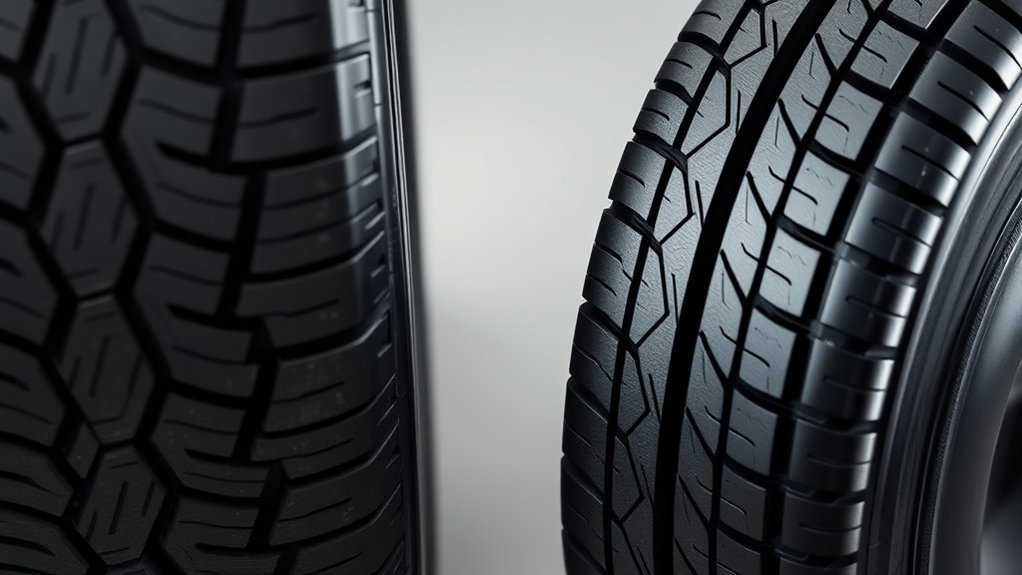
Tire compound affects how a tire grips, wears, handles heat, and responds to the road. A softer compound usually gives more bite and sharper steering feel, while a harder compound usually favors longer tread life and steadier wear. The right choice depends on your vehicle, climate, road surface, driving style, load needs, and tire category.
Reviewed for accuracy · Last updated July 6, 2026
Quick Answer
Soft tire compounds usually provide stronger grip, quicker response, and better short-term performance when used in the right temperature range. Hard tire compounds usually last longer and resist wear better. For daily driving, choose by tire type, climate, UTQG data where applicable, load rating, speed rating, and your vehicle manufacturer’s recommendations.
Key Takeaways
- Soft compounds often improve traction and steering feel, but they usually trade away tread life.
- Hard compounds often last longer, but they may not grip as strongly during hard braking, fast cornering, or aggressive driving.
- Compound is only one factor. Tread pattern, tire pressure, temperature, load rating, construction, and tire category also matter.
- UTQG ratings can help with many passenger-car tires, but they do not apply to every tire type and do not measure every form of grip.
- For street use, do not choose by “soft” or “hard” alone. Match the tire size, load index, speed rating, weather rating, and owner’s manual first.
What Are Tire Compounds: Soft vs. Hard?
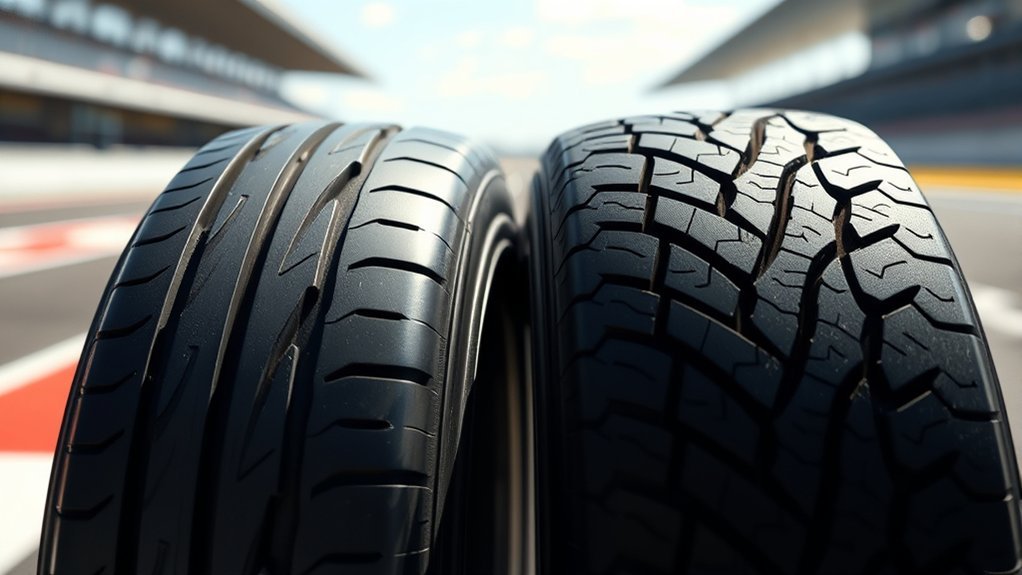
A tire compound is the rubber blend used in the tread area that touches the road. That blend can include natural rubber, synthetic rubber, carbon black, silica, oils, resins, and other materials chosen to balance grip, wear, rolling resistance, and heat control.
Soft tire compounds are more flexible. They can conform to the road surface more easily, which can improve traction, braking feel, and cornering response when the tire works in its intended temperature range. This is why performance tires, racing tires, and some winter tires use more grip-focused rubber chemistry.
Hard tire compounds are usually less flexible but more wear resistant. They often suit long mileage, steady highway use, heavy commuting, rougher road surfaces, and commercial-style durability needs where tread life matters more than maximum cornering grip.
Note: “Soft” and “hard” are useful shortcuts, but they do not tell the whole story. A touring tire, summer performance tire, winter tire, all-terrain tire, and track tire can all use different rubber chemistry for different jobs.
Soft vs. Hard Tire Compounds: Quick Comparison
| Factor | Soft Compound | Hard Compound |
|---|---|---|
| Grip | Usually stronger when the tire is warm enough and built for performance. | Usually lower than a comparable soft compound in hard cornering or braking. |
| Tread life | Often shorter because the rubber wears faster. | Often longer because the tread resists abrasion better. |
| Heat behavior | Can heat quickly and grip well, but may overheat or wear fast outside its design range. | Usually handles steady wear better, but heat resistance still depends on the tire’s design and rating. |
| Best fit | Sporty driving, warm-weather performance, track use, and tires designed for grip. | Commuting, long-distance driving, heavy mileage, and durability-focused tires. |
| Main tradeoff | More grip, less wear life. | More wear life, less peak grip. |
[Products Worth Considering]

The SAFELIFE dial tire tread depth gauge measures tread depth in 1/32 inch increments with clear, easy-to-read 2-inch dial face. Color zones using a traffic light system help you quickly judge whether tread is low, marginal, or ample for safer driving. Built with a durable zinc cast body and a metal detect probe for precise, comfortable use across cars, motorcycles, trucks, and buses.

Measure tire tread depth quickly and accurately with this LUMITECO dial gauge that reads in 1/32" increments up to 14/32". The color-coded green/yellow/red zones make it easy to judge tire wear and know when replacement is needed. A rugged, compact design with a protective pouch helps keep the gauge ready for use on cars, trucks, motorcycles, and more.

Monitor tire tread wear with a smart, color-coded depth gauge that shows clear condition ranges at a glance. The bar is range marked for fast, easy readings, helping you maintain safer traction and performance. Each gauge is portable with a pocket clip, and the set includes 20 units for daily use and sharing.
Why Compound Is Only One Part of Tire Performance
Tire compound matters, but it does not work alone. A tire’s grip and wear also depend on tread design, casing construction, sidewall stiffness, tire pressure, wheel alignment, vehicle weight, and road temperature.
Tread pattern affects water evacuation, snow bite, noise, and road feel. Compound affects how the rubber flexes, heats, and wears. A good tire needs both parts to work together.
That is why a soft summer performance tire is not automatically better than a harder touring tire. The better choice is the tire that matches your vehicle, weather, road surface, and driving style.
Temperature Window Matters
Every tire compound has a temperature range where it works best. A soft summer tire may feel sharp on warm pavement, but it can harden and lose grip in cold weather if it was not designed for low temperatures.
Winter tires take a different approach. Michelin explains that winter tires are designed to stay flexible when temperatures fall below 45°F, while Bridgestone notes that winter tire tread compounds are built to remain flexible in extreme cold so they can grip better.
Pressure, Load, and Speed Change the Result
A good compound cannot overcome the wrong tire pressure, an overloaded vehicle, or an incorrect speed rating. Underinflation, overloading, and excess speed can build heat and increase tire-failure risk.
Before you compare soft and hard compounds, confirm the correct tire size, load index, speed rating, and inflation pressure from the driver-side placard or your owner’s manual.
How Tire Composition Affects Performance and Wear
Tire composition affects traction because the tread rubber must flex, heat up, and press into tiny road-surface textures. A softer rubber blend can create more mechanical grip, but that extra grip often creates more heat and faster wear.
A harder compound usually resists abrasion better. That can help the tread last longer during daily driving, highway miles, and rough pavement use. The tradeoff is that the tire may feel less sharp during hard braking, quick steering inputs, or aggressive cornering.
The NHTSA TireWise guide explains that many tires are rated by treadwear, traction performance, and temperature resistance under the Uniform Tire Quality Grading system. These ratings do not predict exact mileage for every driver, but they give you a better starting point than guessing by compound feel alone.
The Benefits of Soft Tires: Grip and Performance
Soft tire compounds are popular when grip matters more than long tread life. You usually see this priority in summer performance tires, track tires, motorcycle race tires, and other tires designed for quick response.
[Products Worth Considering]

Keep your tires properly inflated with this analog VONDIOR tire pressure gauge, designed for fast, easy readings without batteries. The swiveling, two-axis hose and large glow dial help you measure at any tire angle with instant visibility. Built with a protective rubber shield, it supports durable, low-maintenance use for cars and trucks.

Accurately measure tire tread depth with a calibrated gauge marked from 0 to 1 inch in 1/32 inch increments. The color-coded bar helps you quickly identify tread condition ranges, supporting safe driving for trucks, motorcycles, automobiles, and passenger vehicles.

Measure tyre tread depth precisely with a digital gauge that reads in both MM and inches, helping you monitor safe driving conditions. The large LCD screen is easy to operate, and the compact tool fits for cars, trucks, and motorcycles. It provides high accuracy with a 0-25.4mm range and includes a 1-year warranty for added peace of mind.
Enhanced Traction in the Right Conditions
A softer tread can mold itself into small road-surface details more easily. This can improve traction during acceleration, braking, and cornering, especially when the tire reaches its intended operating temperature.
That benefit is not automatic in every condition. A soft summer tire may feel strong on a warm, dry road but perform poorly in cold weather, snow, or ice if it was not designed for those conditions.
Cornering Grip and Steering Feel
Soft compounds can help a tire maintain a larger, more effective contact patch during cornering. That can improve steering feel and stability when you drive hard through bends.
For everyday driving, tread pattern and tire construction matter just as much. A soft tire with the wrong tread design, wrong load rating, or incorrect pressure can still handle poorly.
Faster Wear and Shorter Service Life
Soft tires can deliver strong short-term performance, but they usually give up tread life. Track-focused tires may also have a narrow temperature window, so they can wear quickly if you use them on normal streets.
Warning: Do not use a competition-only tire for normal road driving unless it is street legal and suitable for your climate. Some track-focused tires need heat to grip properly and may perform badly in rain, standing water, or cold weather.
Benefits of Hard Tire Compounds: Durability and Longevity
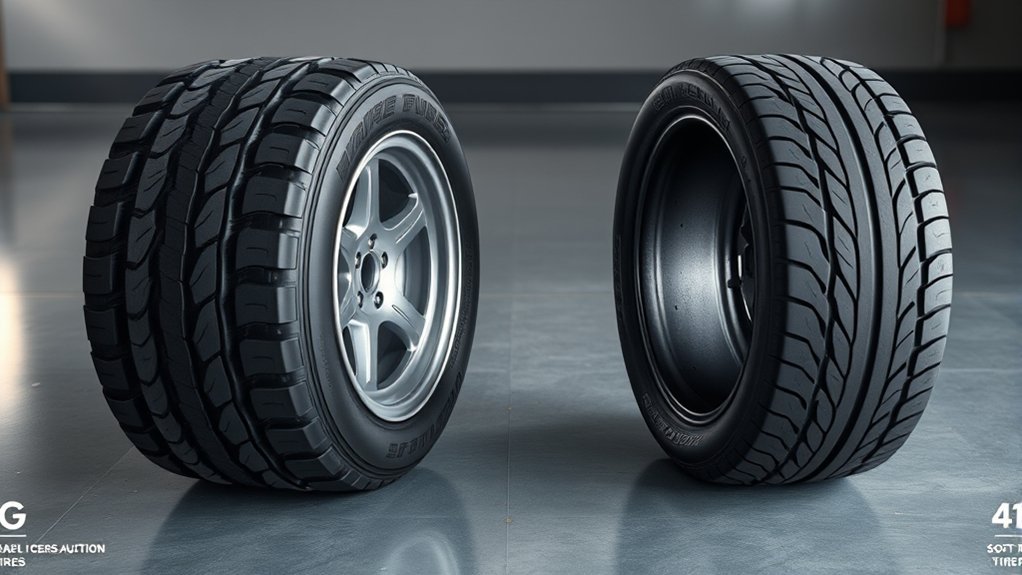
Hard tire compounds are built to resist wear. They usually make sense when you drive many miles, commute often, carry normal daily loads, or want a tire that lasts longer between replacements.
A harder compound can also resist tearing and abrasion better on rough pavement or gravel-like surfaces. This helps explain why many touring, commercial, and some all-terrain tires prioritize durability over maximum grip.
Still, hardness alone does not make a tire safe in heat. The NHTSA tire safety guide explains that temperature resistance is its own rating category because sustained heat can damage tires and increase the risk of blowouts or tread separation.
How to Read Tire Ratings Without Misusing Them
Tire ratings help you compare options, but they do not tell you everything about compound hardness. Use them as supporting evidence, not as the only buying rule.
| Rating or Marking | What It Helps You Compare | What It Does Not Prove |
|---|---|---|
| UTQG treadwear | Relative wear rate for covered passenger-car tires. | Exact mileage, tire quality, or compound hardness by itself. |
| UTQG traction | Straight-ahead wet braking on controlled test surfaces. | Cornering grip, acceleration grip, hydroplaning resistance, snow grip, or dry-track grip. |
| UTQG temperature | Resistance to heat generation and heat dissipation under controlled testing. | Safety if the tire is underinflated, overloaded, damaged, or driven beyond its limits. |
| Load index and speed rating | Whether the tire can support your vehicle and rated speed needs. | Whether the compound is soft, hard, sporty, or long-wearing. |
| 3PMSF winter marking | Severe snow traction qualification. | Dry-road performance, tire lifespan, or ice grip for every model. |
For many covered passenger-car tires sold in the United States, UTQG information can show relative treadwear, straight-line wet braking traction, and temperature resistance. However, 49 CFR 575.104 excludes several categories, including deep-tread tires, winter-type snow tires, temporary spares, certain small-rim tires, and limited-production tires.
Note: UTQG treadwear is a relative test result, not a mileage promise. Your actual tire life can change with driving habits, alignment, rotation, pressure, road surface, vehicle weight, and climate.
How to Choose the Right Tire for Your Needs
Start with your vehicle manual, tire size, load rating, and speed rating. Then choose the tire category that matches your weather and driving habits. Compound hardness should support that choice, not replace it.
[Products Worth Considering]
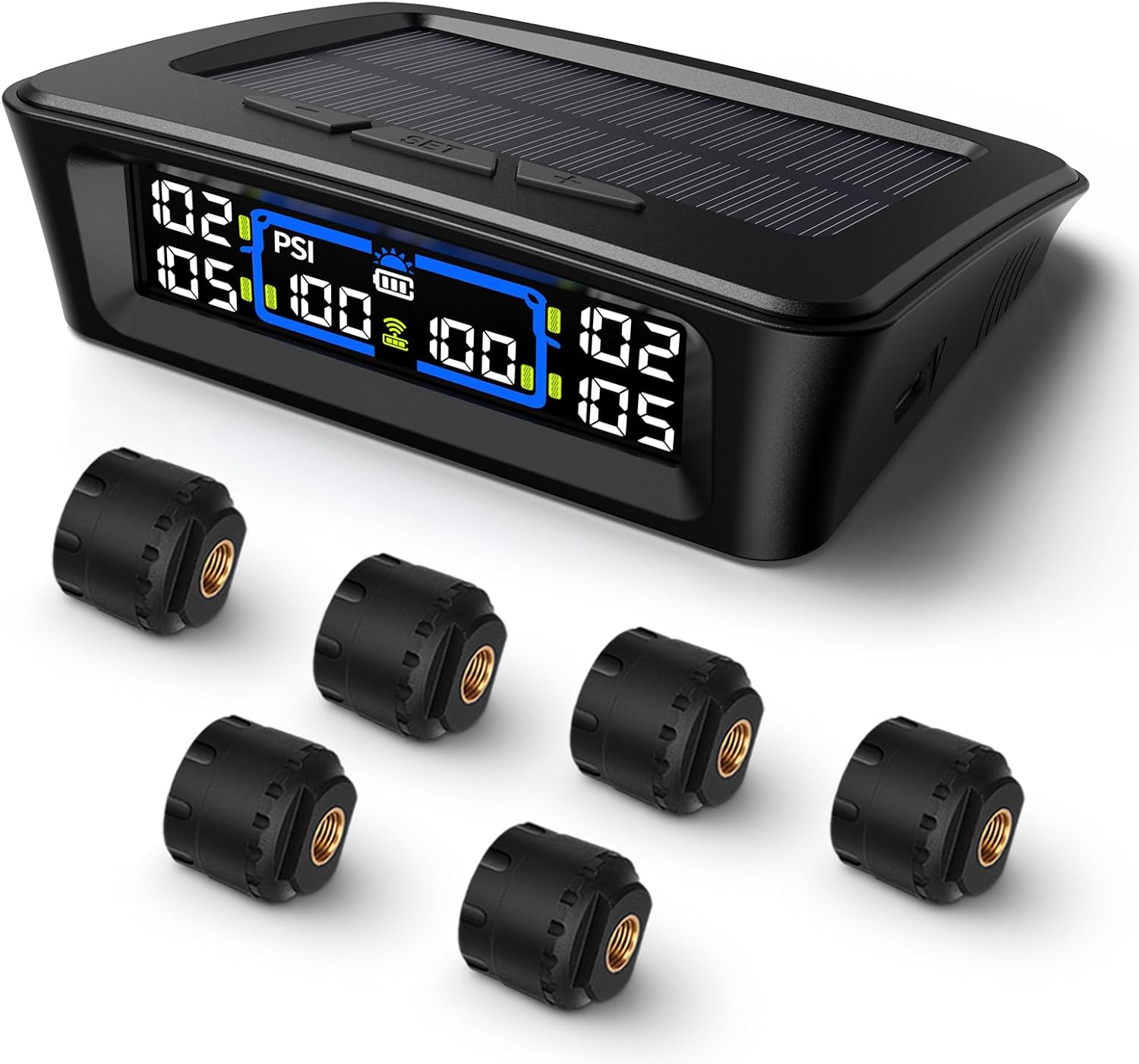
The Tymate TM12 RV TPMS delivers real-time tire pressure and temperature monitoring with a stable 433Hz display for safer long-distance driving. It supports simultaneous monitoring across vehicle and trailer zones, includes six alarm modes for pressure, temperature, leakage, battery, and signal loss, and features easy DIY installation with auto calibration. Power is supplied via USB-C charging or solar recharging, with a wide 0–144 PSI range and up to 50 ft signal coverage for RVs and towable trailers.

This universal wheel alignment tool helps you accurately restore tire tilt angles after tire or suspension repairs using an adjustable camber gauge. It features a powerful magnetic base that firmly attaches to brake rotors for stationary, slip-free readings, improving consistency during measurement. Built from durable PC plastic, it resists wear and corrosion and is compact enough for car, truck, RV, and motorcycle alignment tasks.

The Big Rig Defense Tire Thumper is a truck tire pressure checker that lets you quickly check multiple tires by giving them a firm whack. Listen for a reassuring thump and feel the stick bounce when a tire is fully inflated, helping you get back on the road safely. It features a comfortable, glove-friendly handle and a secure wrist strap for confident use on busy routes.
Daily Commuting and Highway Driving
If you drive daily, you probably need balanced tread life, wet traction, comfort, and predictable handling. A touring, grand-touring, all-season, or all-weather tire often suits this use better than a very soft performance tire.
For long highway miles, avoid choosing purely by grip. A slightly harder or more durability-focused compound may give you better value if the tire still meets your wet traction, temperature, load, and speed needs.
Performance Driving and Warm-Weather Use
If you drive mostly on dry, warm roads and value handling, a performance tire with a softer compound may fit your needs. This type of tire can feel more responsive during braking and cornering.
If you only drive a sports car on warm weekends or track days, a softer performance tire may be worth the shorter tread life. Just remember that high-grip tires can still wear unevenly if pressure, alignment, or suspension settings are wrong.
Cold Weather, Snow, and Ice
If you drive in snow, ice, or frequent cold weather, focus on winter or all-weather tire design instead of chasing a soft or hard label. Winter tires use compounds and tread patterns designed to stay more flexible in cold conditions.
NHTSA notes that summer tires are not designed to operate below freezing or on snow and ice. If your winters are serious, a tire built for winter conditions matters more than a simple compound description.
Rough Roads, Gravel, and Heavy Loads
If you drive on rough pavement, gravel-like surfaces, jobsites, or broken roads, a durability-focused compound may resist cuts, chipping, and abrasion better. All-terrain, commercial, and heavy-duty tires often prioritize this kind of toughness.
Load rating matters here. A hard compound does not make a tire suitable for heavy loads unless the tire’s load index, construction, and inflation requirements match the vehicle.
Electric and Hybrid Vehicles
Electric and hybrid vehicles can place unique demands on tires because of instant torque, vehicle weight, and range sensitivity. A tire with low rolling resistance may help efficiency, but it still needs enough grip, load capacity, and heat resistance for the vehicle.
Do not assume the hardest compound is the most efficient or the softest compound is the safest. Compare the tire model’s full rating set and the vehicle manufacturer’s tire recommendations.
Can You Mix Soft and Hard Tires?
Avoid mixing tire categories, tread patterns, or very different compounds on the same vehicle unless your vehicle manufacturer specifically allows it. Mismatched tires can create uneven grip, unpredictable braking, and stability-control issues.
If you must replace only two tires, ask a tire professional where they should be installed for your vehicle. Many vehicles need matching tire sizes, tread depths, and rolling diameters to protect handling and drivetrain components.
Pro Tip: Compare tires within the same category. A soft summer performance tire and a hard touring tire are built for different jobs, so their treadwear and grip tradeoffs are not an apples-to-apples comparison.
Common Misconceptions About Tire Compounds
One common misconception is that softer always means safer. Soft compounds can improve grip in the right setting, but the wrong soft tire can be unsafe in cold weather, standing water, or daily use.
Another misconception is that hard tires have no grip. A quality hard or durability-focused tire can still deliver safe wet and dry traction when it is designed correctly, inflated properly, and used in the right conditions.
Drivers also confuse compound with tread pattern. Compound affects the rubber’s behavior, while tread pattern affects water evacuation, snow bite, noise, and road feel. Both work together.
Finally, a high-grip tire will not fix poor maintenance. Low pressure, worn tread, bad alignment, or damaged sidewalls can reduce safety no matter which compound you choose.
Practical Tips for Maintaining Your Tires
Good tire maintenance protects grip, wear life, and safety. According to NHTSA, proper tire pressure affects safety, tire durability, and fuel consumption, and tires should be checked when cold at least once a month.
NHTSA reported 511 total motor vehicle traffic fatalities in tire-related crashes in 2024, which is a reminder that tire condition, pressure, and fitment are safety issues, not just maintenance details.
- Check tire pressure monthly: Use the pressure listed on the driver’s door placard or in your owner’s manual, not the maximum pressure printed on the tire. Bridgestone also recommends checking pressure when the tires are cold for the most accurate reading in its tire pressure guide.
- Inspect tread depth: NHTSA says tires should be replaced when tread reaches 2/32 of an inch. Check tread more often if you drive in rain, snow, or rough conditions.
- Rotate when recommended: Follow your vehicle manual. NHTSA recommends rotation every 5,000 to 8,000 miles if the vehicle manufacturer recommends it, while Michelin gives a general guideline of 5,000 to 7,000 miles or every other oil change in its tire rotation guide.
- Watch for uneven wear: Feathering, cupping, edge wear, or one-sided wear can point to pressure, balance, suspension, or alignment problems.
- Check tire age: Tires can age even when tread looks usable. Look for the DOT Tire Identification Number on the sidewall, and ask a tire professional if you see cracking, hardening, vibration, or repeated air loss.
- Replace damaged tires: Cracks, bulges, exposed cords, repeated air loss, and sidewall damage need professional inspection.
Warning: Tire compound cannot overcome unsafe tread depth, incorrect pressure, overloading, tire aging, or structural damage. If a tire has a bulge, exposed cords, sidewall cut, or repeated pressure loss, have it inspected before driving farther.
Frequently Asked Questions
What is the difference between hard and soft tire compound?
A soft tire compound is usually more flexible and grip-focused, while a hard tire compound is usually more wear-resistant and durability-focused. Soft compounds often suit performance driving. Hard compounds often suit long mileage, commuting, and rougher road use.
Do softer tire compounds last longer?
No. Softer tire compounds usually wear faster than harder compounds when the tires are otherwise similar. Exact wear depends on driving style, alignment, pressure, road surface, tire design, vehicle weight, and temperature.
Are hard tires safer than soft tires?
Not always. Hard tires may last longer, but safety depends on the whole tire design, tread depth, wet traction, temperature resistance, pressure, load rating, speed rating, and vehicle fitment. A quality soft tire can be safer in one condition, while a quality hard tire can be safer in another.
How can I tell if a tire is soft or hard?
For street tires, you usually cannot judge compound accurately by touch. Check the tire category, UTQG treadwear grade where applicable, traction grade, temperature grade, warranty information, and manufacturer description. Lower treadwear ratings often suggest a more grip-focused tire, but they are not a perfect compound measurement.
Does UTQG tell you whether a tire is soft or hard?
Not directly. UTQG treadwear can give a clue about relative wear on many covered passenger-car tires, but it does not measure compound hardness. UTQG traction also measures straight-ahead wet braking, not cornering grip, acceleration, hydroplaning resistance, or winter traction.
Are winter tires soft?
Winter tires often use rubber compounds designed to stay flexible in cold weather. That does not mean they work like summer performance tires. Winter tires combine cold-weather compounds, deeper grooves, biting edges, and siping to help with snow, slush, ice, and cold pavement.
Can you mix soft and hard tire compounds?
You should avoid mixing very different tire compounds, categories, tread patterns, sizes, or tread depths unless your vehicle manufacturer allows it. Mismatched tires can reduce stability, braking consistency, and traction control performance.
Which tire compound is best for daily driving?
Most daily drivers should choose a balanced touring, grand-touring, all-season, all-weather, or winter tire that matches their climate and vehicle. A very soft performance compound may feel sharper, but it can wear faster and may not suit cold, wet, or high-mileage use.
Do hard tires improve fuel economy?
Sometimes, but not always. A tire’s rolling resistance depends on compound, construction, tread pattern, inflation pressure, and size. A harder tire is not automatically the most efficient tire, and a low-rolling-resistance tire still needs proper grip, load capacity, and heat resistance.
Conclusion
Soft and hard tire compounds create a real tradeoff between grip and wear. Soft tires usually give stronger traction and quicker response in the right setting, while hard tires usually deliver longer tread life and better wear resistance.
The best tire is not simply the softest or hardest option. Choose a tire that matches your vehicle, road conditions, climate, load needs, speed rating, and driving habits. Then maintain it with correct pressure, regular tread checks, rotation when recommended, and professional inspections when wear or damage appears.
Sources
- NHTSA TireWise — tire ratings, tire pressure, tread depth, tire rotation, tire aging, heat, and safety guidance.
- 49 CFR 575.104 Uniform Tire Quality Grading Standards — UTQG scope, exclusions, and rating definitions.
- Bridgestone Tire Pressure Guide — cold-pressure checking and monthly tire-pressure maintenance.
- Michelin Tire Rotation Guide — tire rotation timing and owner’s-manual guidance.
- Michelin Winter Tire Guide — winter tire flexibility, cold-weather grip, and winter tire features.
- Bridgestone Winter vs. All-Season Tire Guide — winter tread rubber, tread depth, biting edges, and cold-weather tire behavior.