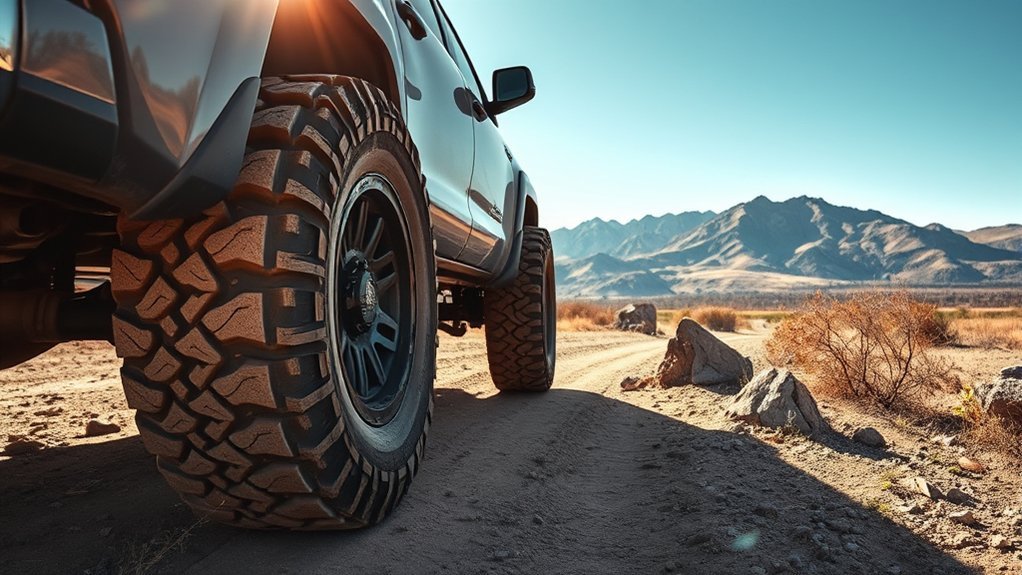
Tundra tires usually last about 30,000 to 60,000 miles, but that range depends on the tire type, load, road surface, alignment, pressure, towing, and how you drive. A highway tire on a mostly paved commute can last much longer than a mud-terrain tire used on gravel, construction sites, or trails. The safest approach is to track tread depth, inspect for damage, rotate on schedule, and follow the tire pressure listed on your Toyota Tundra’s door-jamb placard or owner’s manual.
Quick Answer
Most Toyota Tundra tires last 30,000 to 60,000 miles. Highway and touring tires often last the longest, while all-terrain and mud-terrain tires usually wear faster. Towing, heavy loads, underinflation, misalignment, aggressive driving, rough roads, and old tire age can shorten that range.
Key Takeaways
- Plan on roughly 30,000 to 60,000 miles for most Tundra tires, but use the tire’s tread depth and condition as the real replacement guide.
- Use the cold tire pressure on the driver-side door-jamb placard or your owner’s manual, not a universal PSI number.
- Rotate your tires about every 5,000 miles or six months, or follow the schedule for your exact Tundra model year.
- Replace tires at 2/32 inch tread depth, and consider replacing earlier if you often drive in rain, snow, or towing conditions.
- Inspect sidewalls, tread, valve stems, and tire age because cracks, bulges, cuts, and old rubber can make a tire unsafe before the tread is gone.
At a Glance
| Time Required | 10 minutes for a monthly tire check; 30 to 60 minutes for a rotation at a shop |
| Difficulty | Easy for pressure and tread checks; moderate if you rotate tires yourself |
| Tools Needed | Tire pressure gauge, tread-depth gauge or penny, flashlight, and access to your owner’s manual or door-jamb placard |
| Cost | Free to check at home; low cost for a gauge; shop rotation cost varies by location and tire package |
What Is the Average Lifespan of Tundra Tires?
Most Tundra tires fall into a practical lifespan range of 30,000 to 60,000 miles. That does not mean every tire will reach that number. A lightly loaded Tundra used mostly on highways may get strong mileage from a touring or highway all-season tire. A truck that tows often, carries tools, drives on gravel, or runs aggressive all-terrain tires may wear through tread much sooner.
Warranty mileage also differs from real-world tire life. A tire may carry a 50,000-, 60,000-, or higher-mile treadwear warranty, but that warranty usually depends on proper inflation, rotation records, alignment, even wear, original ownership, and other conditions. Treat warranty mileage as a useful comparison point, not a promise that your Tundra tires will last that long.
| Tire Type | Typical Planning Range | Best Fit |
|---|---|---|
| Highway or touring all-season | Often 50,000 to 70,000 miles when maintained well | Daily commuting, highway driving, light towing, comfort |
| All-terrain | Often 30,000 to 60,000 miles depending on compound and use | Mixed pavement, gravel, camping, work sites, light off-road use |
| Mud-terrain or maximum-traction | Often 20,000 to 40,000 miles in heavy use | Mud, rocks, job sites, trails, and low-speed off-road traction |
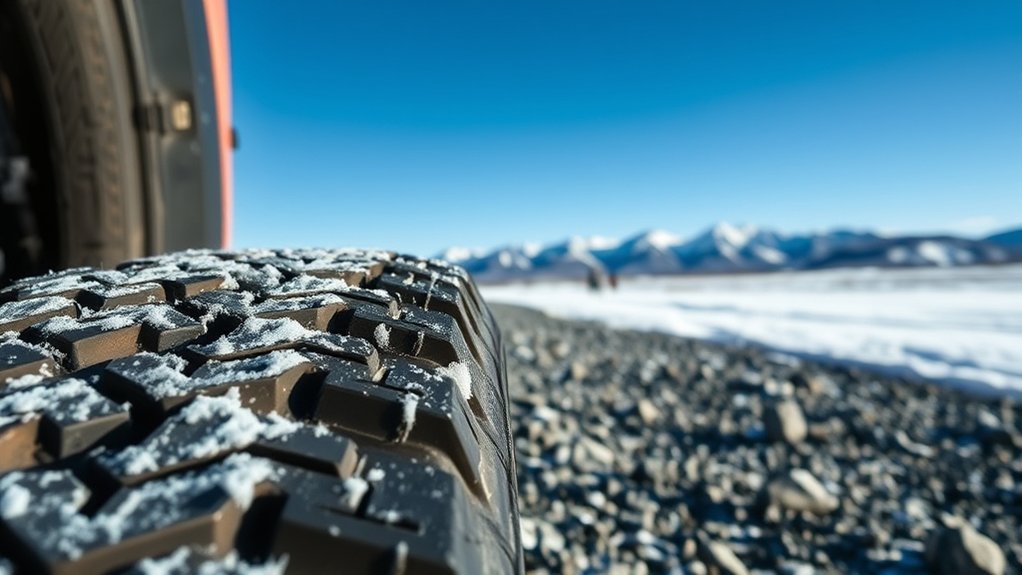
| Winter tires | Varies by season length, storage, and warm-weather use | Snow, ice, freezing temperatures, and winter braking |
The Role of Tire Type in Longevity
Tire type has a major effect on how long your Tundra tires last. Highway and touring tires usually use tread patterns built for quiet running, lower rolling resistance, and long wear on pavement. They are often the best choice if your Tundra spends most of its time commuting, towing occasionally, or traveling on paved roads.
All-terrain tires trade some tread life and road quietness for more grip on dirt, gravel, grass, and loose surfaces. Mud-terrain tires push that tradeoff further. Their larger tread blocks and softer off-road-focused compounds can grip better in mud and rocks, but they may wear faster, hum more on pavement, and reduce wet-road refinement.
Light Truck, or LT, tires can make sense for towing, payload, rough roads, and job-site use, but they are not automatically better for every Tundra. LT tires can ride firmer and may need different inflation guidance than P-metric tires. Always match the size, load index, speed rating, and load range to your truck’s placard, owner’s manual, and driving needs.
[Products Worth Considering]

Accurately measure tire tread depth with a calibrated gauge marked from 0 to 1 inch in 1/32 inch increments. The color-coded bar helps you quickly identify tread condition ranges, supporting safe driving for trucks, motorcycles, automobiles, and passenger vehicles.

Monitor tire tread wear with a smart, color-coded depth gauge that shows clear condition ranges at a glance. The bar is range marked for fast, easy readings, helping you maintain safer traction and performance. Each gauge is portable with a pocket clip, and the set includes 20 units for daily use and sharing.

Measure tire tread depth quickly and accurately with this LUMITECO dial gauge that reads in 1/32" increments up to 14/32". The color-coded green/yellow/red zones make it easy to judge tire wear and know when replacement is needed. A rugged, compact design with a protective pouch helps keep the gauge ready for use on cars, trucks, motorcycles, and more.
Common Causes of Tundra Tire Wear
Several factors can shorten Tundra tire life. The most common are incorrect tire pressure, poor alignment, worn suspension parts, missed rotations, hard braking, fast cornering, heavy towing, high payloads, rough roads, and tire type mismatch. A Tundra is a heavy pickup, so small maintenance problems can show up as tread wear faster than they might on a lighter vehicle.
Warning: Do not use a universal pressure such as 40 psi for every Tundra tire. Check the cold tire pressure on the driver-side door-jamb placard or your Toyota owner’s manual. If you changed tire size, load range, or wheel setup, ask a qualified tire professional to confirm the correct pressure.
Underinflation can make the tire flex too much, build heat, wear the shoulders, and reduce fuel economy. Overinflation can wear the center of the tread faster and reduce ride comfort. Alignment problems can create feathering, one-sided wear, or rapid shoulder wear. If your Tundra pulls to one side, the steering wheel sits off-center, or the tread feels rough when you run your hand across it, schedule an alignment and suspension check.
How Driving Habits Affect Tundra Tire Wear
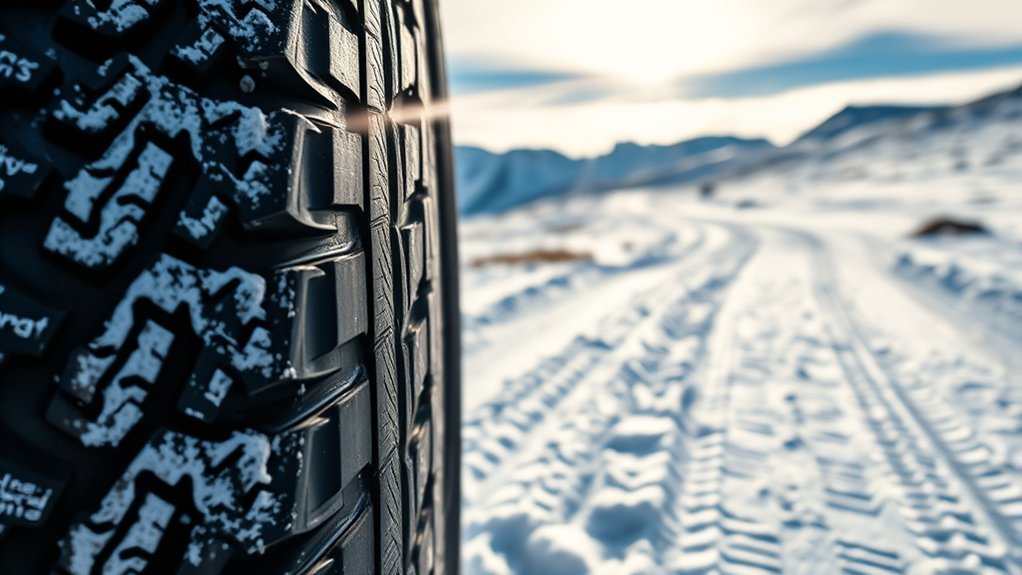
Your driving style can add or remove thousands of miles from a set of Tundra tires. Hard launches, late braking, fast cornering, and frequent stop-and-go driving wear tread faster. Smooth throttle input, gentle braking, and steady highway speeds usually help tires wear more evenly.
Towing and payload matter too. A loaded trailer transfers weight to the truck, and cargo in the bed increases the work each tire must do. Extra weight can be safe when it stays within Toyota’s ratings, but overloading the truck or running the wrong pressure for the load can cause heat buildup, uneven tread wear, and tire damage.
Pro Tip: Check tire pressure when the tires are cold, usually before driving or after the truck has been parked for several hours. Pressure rises as tires heat up, so a hot reading can mislead you.
Why Regular Tire Maintenance Matters
Regular tire maintenance helps your Tundra ride better, brake better, and avoid early tire replacement. Toyota maintenance schedules commonly call for service at set mileage or time intervals, and many Tundra schedules include tire rotation around the 5,000-mile service point. Your exact model year and tire setup still matter, so use your maintenance guide as the final reference.
A tire can have plenty of tread and still be unsafe if it has sidewall damage, severe cracking, internal damage, or old age.
- Check pressure monthly: Use the cold PSI listed on the driver-side placard or owner’s manual.
- Rotate on schedule: Rotate about every 5,000 miles or six months unless your manual, tire type, or tire shop recommends a different interval.
- Measure tread depth: Use a tread-depth gauge for the most accurate reading.
- Inspect for damage: Look for nails, cuts, bulges, cracks, missing chunks, and uneven wear.
- Check alignment: Schedule service if the truck pulls, vibrates, or wears tires unevenly.
[Products Worth Considering]

The SAFELIFE dial tire tread depth gauge measures tread depth in 1/32 inch increments with clear, easy-to-read 2-inch dial face. Color zones using a traffic light system help you quickly judge whether tread is low, marginal, or ample for safer driving. Built with a durable zinc cast body and a metal detect probe for precise, comfortable use across cars, motorcycles, trucks, and buses.

ETENWOLF’s tire pressure gauge helps you quickly and accurately check tire PSI across cars, trucks, motorcycles, bikes, and more. It’s manually calibrated to ANSI B40.1 Grade A for reliable readings, includes a large glow dial for easy nighttime viewing, and features a 360-degree swivel chuck for use at any valve angle. The gauge also works consistently in extreme hot or cold weather.

Add style while helping protect your tire valve stems with handmade crystal rhinestone caps and a durable plastic insert. These caps resist corrosion and help keep out rain, snow, and muddy water, extending tire life. Textured non-slip design makes them easy to grip for quick install and removal when checking tire pressure.
Signs Your Tundra Tires Need Replacing
Replace your Tundra tires when tread depth reaches 2/32 inch, when treadwear indicators are flush with the tread, or when damage makes the tire unsafe. You may need to replace sooner if you drive often in rain, snow, or towing conditions because traction can decline before the tire reaches the legal minimum.
Tread Depth Inspection
Tread depth affects braking, water evacuation, snow grip, and steering control. The most accurate method is a tread-depth gauge, but the penny test can help you make a quick check. Insert a penny into the groove with Lincoln’s head facing down. If you can see the top of Lincoln’s head, the tread is at or below about 2/32 inch and the tire should be replaced.
- Use treadwear indicators: Look for raised bars across the grooves. When the tread is level with those bars, replace the tire.
- Check several spots: Measure the center, inner shoulder, and outer shoulder of each tire.
- Watch wet-weather performance: If the truck hydroplanes more easily, do not wait for the tire to become bald.
- Track your readings: Write down tread depth during rotations so you can spot fast wear early.
Uneven Wear Patterns
Uneven wear often points to inflation, alignment, balancing, suspension, or rotation problems. Catching the pattern early can save the next set of tires from the same damage.
| Wear Pattern | Possible Cause | What to Do |
|---|---|---|
| Both shoulders worn | Underinflation or heavy cornering | Set cold pressure to placard spec and inspect load habits |
| Center worn | Overinflation or pressure mismatch | Recheck cold PSI against placard or tire professional guidance |
| One edge worn | Alignment or suspension issue | Get alignment and suspension checked |
| Cupping or scalloping | Balance issue, worn shocks, or loose components | Balance tires and inspect suspension |
| Cracks, bulges, or exposed cord | Age, impact damage, or internal failure | Replace the tire immediately |
Sidewall Damage Assessment
Sidewall damage is a serious warning sign. Replace the tire if you see a bulge, bubble, exposed cord, deep crack, or cut that reaches the structural layers. A sidewall cannot be safely repaired the same way a small tread puncture sometimes can.
- Bulges: A bulge can mean internal tire damage and a higher risk of failure.
- Cracks: Weather cracking can worsen with age, heat, sunlight, and ozone exposure.
- Cuts: Deep sidewall cuts are usually unsafe and should be inspected immediately.
- Impact marks: Hitting curbs, potholes, and rocks can damage the internal structure even when the outside looks minor.
How Environment Affects Tire Durability

Climate and road conditions can change how long Tundra tires last. Hot pavement speeds rubber aging and can increase pressure while driving. Cold weather can reduce pressure and make rubber less flexible. Gravel, potholes, road salt, construction debris, and sharp rocks can damage tread and sidewalls.
Road Conditions Impacting Tires
Rough roads put more stress on a Tundra tire than smooth pavement. Gravel can chip tread blocks, potholes can damage belts, and job-site debris can cause punctures. If you drive off-road, tow on uneven roads, or use the truck for work, inspect your tires more often than a highway-only driver would.
- Rough pavement: Can cause impact damage, vibration, and faster tread wear.
- Gravel roads: Can cut tread blocks and trap stones in grooves.
- Urban driving: Stop-and-go traffic increases braking and acceleration wear.
- Off-road use: Requires tires matched to the terrain and regular post-trip inspections.
Climate Influence on Wear
Weather affects both pressure and rubber condition. A pressure check that was correct in mild weather may be low after a cold snap. Long exposure to heat, sunlight, and road chemicals can also speed visible cracking.
| Climate Factor | Impact on Tires | Best Response |
|---|---|---|
| Extreme heat | Can speed aging and raise pressure while driving | Check cold pressure and inspect for cracking |
| Cold temperatures | Can lower pressure and reduce flexibility | Recheck pressure after major temperature drops |
| Rain and standing water | Makes worn tread more likely to hydroplane | Replace before tread gets too low if wet grip declines |
| Snow and road salt | Can reduce traction and speed corrosion around wheels | Use proper winter tires where needed and rinse salt buildup |
| Sun and ozone exposure | Can contribute to sidewall weather cracking | Inspect tire age and cracking, especially on low-mileage trucks |
Maintenance in Harsh Environments
If your Tundra works in harsh conditions, tire care should be more frequent. Clean out stones trapped in tread grooves, rinse road salt when practical, check pressure after temperature swings, and inspect sidewalls after off-road trips. A five-minute inspection can catch a nail, bulge, or cut before it becomes a roadside failure.
How Often Should You Rotate Your Tires?
For many Toyota Tundra maintenance schedules, tire rotation falls around the 5,000-mile or six-month service interval. This helps even out front-to-rear wear and can extend tire life. If you tow, drive on dirt roads, carry heavy loads, or notice uneven wear, your tire shop may recommend checking them sooner.
Rotation pattern depends on tire size, tread direction, wheel setup, and whether all four tires are the same size. Some directional tires can only rotate front to back on the same side unless they are dismounted. If your Tundra has a matching full-size spare and your manual allows a five-tire rotation, include the spare on schedule. If the spare is older or a different type, keep it for temporary emergency use only.
Choosing the Right Tires for Your Tundra
Choosing the right tires for your Tundra starts with your actual use. A quiet highway tire makes sense for daily driving and long trips. An all-terrain tire makes sense if you split time between pavement and dirt. A mud-terrain tire makes sense only when off-road traction matters more than tread life, noise, and on-road comfort.
[Products Worth Considering]

Keep your tires properly inflated with this analog VONDIOR tire pressure gauge, designed for fast, easy readings without batteries. The swiveling, two-axis hose and large glow dial help you measure at any tire angle with instant visibility. Built with a protective rubber shield, it supports durable, low-maintenance use for cars and trucks.

Milton S-921 pencil tire pressure gauge helps you maintain optimal tire pressure for passenger cars with accurate readings in PSI and kPa. It features a built-in deflator valve for convenient pressure adjustments, plus a single chuck head and nylon indicator bar for easy use on the go. Built from durable plated brass and designed for reliable performance, it’s a practical road trip and cold-weather maintenance tool.

Check tire pressure with the Milton S-925 pencil gauge built for trucks, RVs, and bicycles. It features a single-head chuck with a built-in deflator valve, and it displays readings in both PSI and kPa for convenient use. The gauge is designed for accurate, repeatable pressure checks within its working range.
Tire Type Selection
Match the tire to your road conditions instead of buying the most aggressive tread available. A tire that looks rugged may wear faster and handle worse in rain if it is not designed for your normal driving. Check the tire size, load index, speed rating, load range, treadwear warranty, winter rating, and manufacturer fitment notes before you buy.
- Mostly pavement: Choose highway or touring all-season tires for comfort and long wear.
- Mixed pavement and dirt: Choose all-terrain tires with a balanced tread pattern.
- Heavy off-road use: Choose mud-terrain tires only if the terrain justifies the shorter tread life.
- Winter driving: Choose dedicated winter tires if you regularly drive in snow, ice, or freezing conditions.
Load Rating Considerations
Your Tundra’s tire load rating matters because the tire must support the truck, passengers, cargo, and trailer tongue weight. Use the tire and loading information placard, certification label, and owner’s manual when selecting replacements. The replacement tire should meet or exceed the original load capacity required for your truck.
LT-rated tires can be a smart choice for frequent towing, heavy payloads, rough roads, and work-truck use. P-metric tires can be more comfortable for lighter daily driving. Neither choice is automatically correct for every Tundra. The correct tire is the one that matches your size, load needs, pressure guidance, and driving conditions.
Tire Age and DOT Date Code
Tread depth is not the only replacement trigger. Tire rubber ages even when the truck is not driven much. The National Highway Traffic Safety Administration notes that some vehicle and tire manufacturers recommend replacing tires that are six to 10 years old, regardless of treadwear. Check the DOT Tire Identification Number on the sidewall. The last four digits show the week and year of manufacture.
For example, a DOT date code ending in 2422 means the tire was made in the 24th week of 2022. If your Tundra is a low-mileage truck, tow vehicle, spare vehicle, or seasonal vehicle, age may become a concern before tread depth does. Inspect older tires more often for cracks, hard rubber, vibration, bulges, and pressure loss.
Expert Tips for Extending the Life of Your Tires
Small habits can add meaningful life to Tundra tires. Use this monthly checklist to catch problems early:
- Check cold tire pressure: Use the PSI on your Tundra’s placard or owner’s manual, not the maximum PSI on the tire sidewall.
- Measure tread depth: Replace at 2/32 inch, and consider earlier replacement if wet or snow traction drops.
- Rotate regularly: Follow your Toyota maintenance guide and tire manufacturer guidance.
- Keep alignment in check: Inspect alignment if you see one-sided wear, pulling, or steering vibration.
- Balance when needed: Balance tires if you feel vibration after rotation or at highway speed.
- Avoid overloading: Stay within Toyota’s payload, towing, axle, and tire load limits.
- Inspect after impacts: Check tires after hitting potholes, curbs, rocks, or road debris.
- Store seasonal tires correctly: Keep them clean, cool, dry, and away from sunlight when not in use.
Note: TPMS can warn you about pressure loss, but it does not replace manual checks. A tire can be wearing unevenly, aging, or damaged even when the warning light is off.
Frequently Asked Questions
Can I mix different tire types on my Tundra?
You should avoid mixing different tire types, sizes, load ratings, or tread patterns on a Tundra unless Toyota or a qualified tire professional confirms the setup is safe. Mixing tires can affect handling, braking, traction control, four-wheel-drive behavior, and tread wear.
How does tire brand influence lifespan?
Brand can matter because tire compounds, tread design, casing construction, warranty terms, and quality control vary. Still, maintenance and use matter just as much. A premium tire can wear quickly if it is underinflated, overloaded, misaligned, or used in the wrong terrain.
What are the best tires for winter conditions?
For serious winter conditions, choose dedicated winter tires sized and load-rated for your Tundra. Look for the three-peak mountain snowflake symbol, good tread depth, and a design made for cold-weather braking, snow grip, and ice traction.
Do Tundra tires have a warranty?
Many replacement tires have a manufacturer warranty, but coverage depends on the exact tire model, purchase date, rotation records, remaining tread, even wear, and exclusions. Original equipment tires and commercial use may have different coverage. Keep receipts and rotation records if you plan to make a treadwear claim.
How does load capacity affect tire wear?
Heavy loads and towing increase tire stress and heat. If the tires are underinflated for the load, overloaded, or below the required load rating, they can wear faster and become unsafe. Use your Tundra’s placard, owner’s manual, and tire professional guidance when towing or hauling.
Should I replace all four Tundra tires at once?
Replacing all four is usually best when the tires are evenly worn, old, mismatched, or near the wear limit. If only one tire is damaged and the others are nearly new, a qualified tire shop can help you decide whether a single replacement is safe and compatible.
How often should I check my Tundra tire pressure?
Check pressure at least once a month, before long trips, before towing, and after major temperature changes. Use a gauge when the tires are cold and set pressure to the value listed on your Tundra’s tire placard or owner’s manual.
Conclusion
Most Toyota Tundra tires last 30,000 to 60,000 miles, but tire type, towing, payload, terrain, pressure, alignment, rotation, and tire age can move that number up or down. Highway tires usually give the longest tread life, while aggressive all-terrain and mud-terrain tires trade some mileage for traction.
The best way to make your Tundra tires last is simple: use the correct cold pressure, rotate on schedule, measure tread depth, avoid overloading, inspect for damage, and replace unsafe tires before they put you at risk. When in doubt, use your Toyota owner’s manual, the driver-side placard, and a qualified tire professional as your final guide.
Sources
- NHTSA TireWise – backs tread-depth replacement guidance, monthly pressure checks, tire aging, and DOT date-code information.
- Toyota Owner’s Manuals – supports using the correct manual for model-year-specific tire pressure and maintenance details.
- Toyota 2024 Tundra Quick Reference Guide – supports checking the load label or owner’s manual for tire inflation specifications.
- Toyota 2025 Tundra Warranty & Maintenance Guide – supports Toyota’s scheduled maintenance interval language.
- Bridgestone Tire Warranty Manual – supports warranty-condition context for replacement tire mileage coverage.