
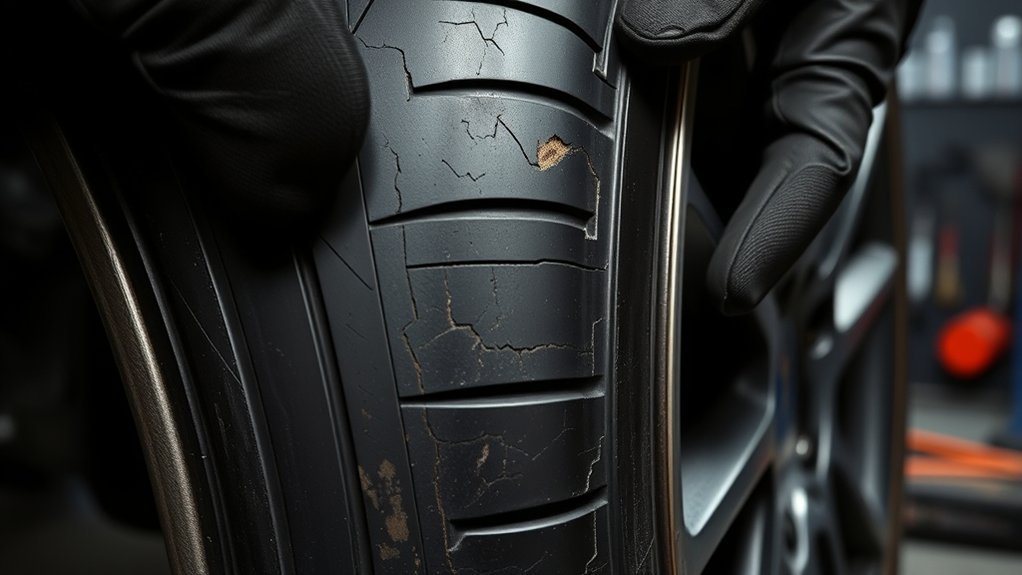
Yes, Michelin tires can develop age-related cracking—often called dry rot or weather cracking—just like tires from other manufacturers. Tire age matters, but there is no single birthday when cracking suddenly begins. Heat, sunlight, ozone, storage conditions, inflation, load, driving conditions, and maintenance all affect how quickly the rubber ages.
Quick Answer
Yes. Michelin tires can develop age-related weather cracking, often called dry rot, just like other tires. Small surface cracks do not automatically mean immediate failure, but deep, widespread, or opening cracks need professional attention. Michelin advises annual professional inspections after five years of service and replacement by 10 years from manufacture.
Key Takeaways
- Michelin tires can develop sidewall and tread cracking as rubber ages, even when tread depth still looks acceptable.
- Michelin recommends a professional tire inspection at least annually after five years of service.
- As a precaution, Michelin recommends replacing tires at 10 years from the manufacture date, including spare tires, if they have not already been replaced.
- Fine, shallow surface checking is different from deep, numerous, or opening cracks; severe damage needs prompt professional evaluation and usually replacement.
- Sunlight, ozone, heat, poor storage, improper inflation, and overloading can contribute to tire deterioration.
- Check the DOT Tire Identification Number, tread, both sidewalls, inflation pressure, and spare tire regularly.
Do Michelin Tires Dry Rot?
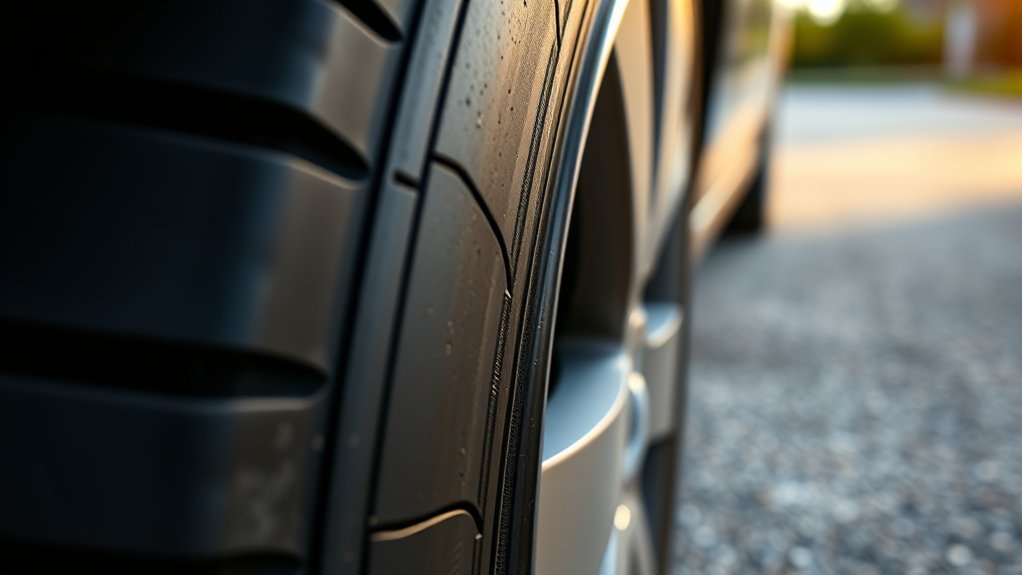
Yes. Michelin tires are made from rubber compounds and other materials that change with age and use. Over time, oxidation, ozone, ultraviolet exposure, heat cycles, storage conditions, inflation pressure, loading, and road use can change the rubber’s properties.
Age-related deterioration may appear as fine cracking on a sidewall or in the tread grooves even when the tire still has plenty of tread. That is why tread depth should never be your only condition check.
Michelin’s current guidance is more specific than a simple six-year replacement rule. After five years of service, Michelin recommends having tires inspected by a trained tire professional at least once a year. As a precaution, Michelin recommends replacing tires that reach 10 years from their manufacture date, including spare tires, even if they still appear usable.
You can confirm tire age from the DOT Tire Identification Number on the sidewall. The final four digits identify the week and year of manufacture.
Note: Your vehicle manufacturer may specify an earlier tire replacement age. Follow the vehicle maker’s guidance when it is more restrictive than the tire manufacturer’s general recommendation.
What Michelin Dry Rot Looks Like
Age-related tire weathering commonly appears as fine lines or cracks in the sidewall rubber or tread grooves. Severe deterioration may include deeper or widespread cracking, rubber that has visibly separated, exposed reinforcement material, or other structural damage.
Not every small surface line has the same safety significance. The depth, distribution, tire age, operating symptoms, and overall condition all matter.
Sidewall Hairline Cracks
Fine sidewall cracks can be an early sign of rubber oxidation, ozone exposure, or general weathering. They can develop while the tread still looks usable, so inspect both the visible outer sidewall and, where safely accessible, the inner sidewall.
According to Michelin’s sidewall guidance, shallow surface cracking can indicate age without automatically meaning the tire is immediately unsafe. Cracks that are deep, numerous, spreading, or visibly open require much more concern and should be evaluated by a tire professional.
Also look for bulges, bubbles, cuts, exposed cords, deformation, or separation. These are more serious than ordinary surface weathering and can indicate structural damage.
Tread Groove Cracking
Weather cracking can also appear between tread blocks or along tread grooves. This can happen even when the tread has not worn down to its wear indicators.
| Check point | What you may see | What it can mean |
|---|---|---|
| Groove surface | Fine, shallow lines | Possible surface weathering |
| Groove walls | Deep or opening cracks | Professional inspection needed |
| Tread blocks | Chunking or separation | Potential serious damage |
| Tread depth | Wear bars flush with tread | Tire is worn out |
Cracking and tread wear are separate issues. A tire can have adequate tread but unacceptable age-related damage, or it can be free of cracking but already worn down to its treadwear indicators.
Age Code Inspection
Use the DOT Tire Identification Number to put any visible cracking into context. On modern tires, the final four digits show the manufacture date: the first two digits are the production week and the last two are the year.
For example, a code ending in 2524 means the tire was manufactured in the 25th week of 2024. The complete TIN may appear on only one side of the tire, so you may need to inspect the inward-facing sidewall.
The manufacture date does not tell you by itself whether a tire is currently safe, but it helps you apply Michelin’s inspection and age guidance. Once the tire has been in service for five years, arrange at least annual professional inspections. At 10 years from manufacture, Michelin recommends replacement as a precaution.
Pro Tip: Photograph the DOT date code when you inspect your tires. You will have the manufacture date handy later without needing to crawl around the vehicle, and you can do the same for a full-size spare that is easy to forget.
Why Michelin Tires Dry Rot
Age-related cracking is not unique to Michelin. Tires contain rubber compounds and protective ingredients designed to withstand demanding conditions, but those materials still change over time.
Ultraviolet light, ozone, high temperatures, long-term outdoor exposure, and unsuitable storage conditions can accelerate surface deterioration. Ozone can be produced around equipment such as electric motors, generators, battery chargers, and some other electrical devices.
Michelin’s tire-storage guidance recommends keeping stored tires in a cool, dry, clean environment away from direct sunlight, excessive heat, and ozone-generating equipment. The U.S. Tire Manufacturers Association gives similar storage guidance.
Low mileage does not automatically cause dry rot, and there is no verified rule saying a tire driven fewer than 10,000 miles per year requires a special replacement schedule. However, tires still age while a vehicle is driven infrequently or while tires sit in storage, so lightly used tires should not be judged by tread depth alone.
Tread depth tells you how much tread remains; tire age and condition tell you whether the rubber and structure still deserve to stay in service.
How to Check Michelin Tires for Cracks
Inspect your tires in good light on a level surface. Look at the tread and as much of each sidewall as you can safely see. Do not rely only on the outside-facing sidewall because damage or cracking can occur on the inner side as well.
- Check for fine, widespread, deep, or opening cracks.
- Look between tread blocks and inside tread grooves.
- Look for cuts, bulges, bubbles, exposed cords, or separation.
- Check for uneven tread wear or tread worn to the wear indicators.
- Inspect the valve stem for visible damage.
- Check cold inflation pressure against the vehicle placard or owner’s manual.
- Check the DOT manufacture date.
- Inspect the spare tire as well as the four road tires.
NHTSA recommends regular tire maintenance and monthly checks covering inflation, tread wear, and tire damage. Michelin likewise recommends checking pressure regularly and inspecting tires for visible damage.
Warning: Do not continue normal driving on a tire with a bulge or bubble, exposed cords, severe separation, major cuts, rapidly worsening pressure loss, or obviously deep structural cracking. Use an appropriate spare or roadside assistance and have the tire professionally inspected.
Sidewall Crack Checks
Start with the outer sidewall and slowly inspect the full circumference. Look for cracks around lettering, near the shoulder, and closer to the wheel. Then inspect the inner sidewall where it can be done safely.
Do not assume every line is dry rot. Tire sidewalls can also have harmless manufacturing features such as shallow indentations. A bulge or bubble, however, is different: Michelin says it can indicate damaged internal cords and requires replacement rather than repair.
If you see cracking, compare what you see with the tire’s age and other symptoms. Fine surface checking on an otherwise sound tire is different from cracks that are deep, widespread, or opening.
Tread Groove Inspection
Check the tread channels and the spaces between blocks for cracking, chipping, embedded objects, irregular wear, and separation. Rotate your viewing position around the tire so you inspect the entire circumference rather than only the section touching the ground.
| Check point | What to note |
|---|---|
| Groove cracks | Fine versus deep or opening cracks |
| Block edges | Chunking, separation, or unusual chipping |
| Wear pattern | Uneven or rapid tread wear |
| Wear indicators | Tread flush with the 2/32-inch wear bars |
Changes while driving matter too. New vibration, unusual noise, repeated pressure loss, or a change in handling can point to a tire problem that is not fully visible from the outside. Have the tire inspected rather than assuming the tread appearance tells the whole story.
How Serious Are Small Cracks in Michelin Tires?
Small cracks require attention, but their severity varies. Fine, shallow surface weather checking may occur as rubber ages and does not automatically prove that the tire is about to fail. It is still a reason to monitor the tire’s condition and age carefully.
Deep cracks, cracks that open visibly, widespread deterioration, exposed reinforcement material, bulges, or separation are much more serious. If you cannot confidently tell whether cracking is superficial, have a trained tire professional inspect the tire.
Age also changes the decision. A tire that has been in service for more than five years deserves professional inspection even if the cracking looks minor, while a tire that has reached 10 years from manufacture should be replaced under Michelin’s precautionary age recommendation.
When to Replace Michelin Tires
There is no single mileage figure that determines when every Michelin tire must be replaced. Tire design, climate, inflation, load, road conditions, driving habits, maintenance, tread wear, physical damage, and age all matter.
Replace or remove a tire from normal service when one or more of these conditions applies:
- The tread has worn to the treadwear indicators, which correspond to approximately 2/32 inch of remaining tread.
- There is a bulge or bubble indicating possible internal cord damage.
- Cords or structural material are exposed.
- There is severe cracking, separation, or other damage that a professional determines is unsafe.
- A puncture or other damage is outside the safely repairable area or limits.
- The tire has recurring pressure loss, abnormal vibration, or another symptom linked to tire damage.
- The tire has reached a replacement age specified by the vehicle manufacturer.
- The tire has reached 10 years from its manufacture date under Michelin’s precautionary recommendation.
After five years of service, Michelin recommends at least annual inspection by a trained tire professional. This is an inspection milestone, not an automatic five- or six-year replacement deadline.
Spare tires age too. Include the spare when checking manufacture dates and physical condition, even if it has rarely or never touched the road.
[Products Worth Considering]

Steelman white tire marking crayons provide high-contrast, semi-permanent marks for repairing and inspecting tires and equipment. They write on wet or dry, smooth or coarse surfaces including rubber, metal, glass, and wood, making them ideal for puncture location and damage outlining. The lead- and zinc-free crayons resist weather and fading yet wipe away when you no longer need the marks.

Accurately measure tire tread depth with a calibrated gauge marked from 0 to 1 inch in 1/32 inch increments. The color-coded bar helps you quickly identify tread condition ranges, supporting safe driving for trucks, motorcycles, automobiles, and passenger vehicles.

Monitor tire tread wear with a smart, color-coded depth gauge that shows clear condition ranges at a glance. The bar is range marked for fast, easy readings, helping you maintain safer traction and performance. Each gauge is portable with a pocket clip, and the set includes 20 units for daily use and sharing.
How to Slow Michelin Tire Dry Rot
You cannot stop tire aging, but good maintenance and storage can reduce avoidable stress on the rubber.
- Maintain correct cold inflation pressure. Use the pressure listed on the vehicle placard or in the owner’s manual rather than the maximum molded on the tire sidewall.
- Avoid overloading. Excess load and underinflation increase tire flex and operating heat.
- Inspect tires regularly. Check pressure, tread, sidewalls, and visible damage at least monthly and before long trips.
- Rotate tires as recommended. Rotation cannot stop chemical aging, but it helps promote more even tread wear.
- Store tires properly. Keep unmounted or seasonal tires clean, cool, dry, protected from sunlight, and away from ozone-generating electrical equipment and petroleum products.
- Use suitable cleaning products. Michelin advises against petroleum-based tire cleaners because they can deplete protective agents in the rubber. Mild soap and water or an appropriate non-petroleum product is the safer approach.
Regular driving does not make a tire immune to aging, and long storage does not pause the clock. Apply Michelin’s age guidance from the relevant service and manufacture dates while continuing to judge each tire by its actual condition.
[Products Worth Considering]

The SAFELIFE dial tire tread depth gauge measures tread depth in 1/32 inch increments with clear, easy-to-read 2-inch dial face. Color zones using a traffic light system help you quickly judge whether tread is low, marginal, or ample for safer driving. Built with a durable zinc cast body and a metal detect probe for precise, comfortable use across cars, motorcycles, trucks, and buses.

Measure tire tread depth quickly and accurately with this LUMITECO dial gauge that reads in 1/32" increments up to 14/32". The color-coded green/yellow/red zones make it easy to judge tire wear and know when replacement is needed. A rugged, compact design with a protective pouch helps keep the gauge ready for use on cars, trucks, motorcycles, and more.
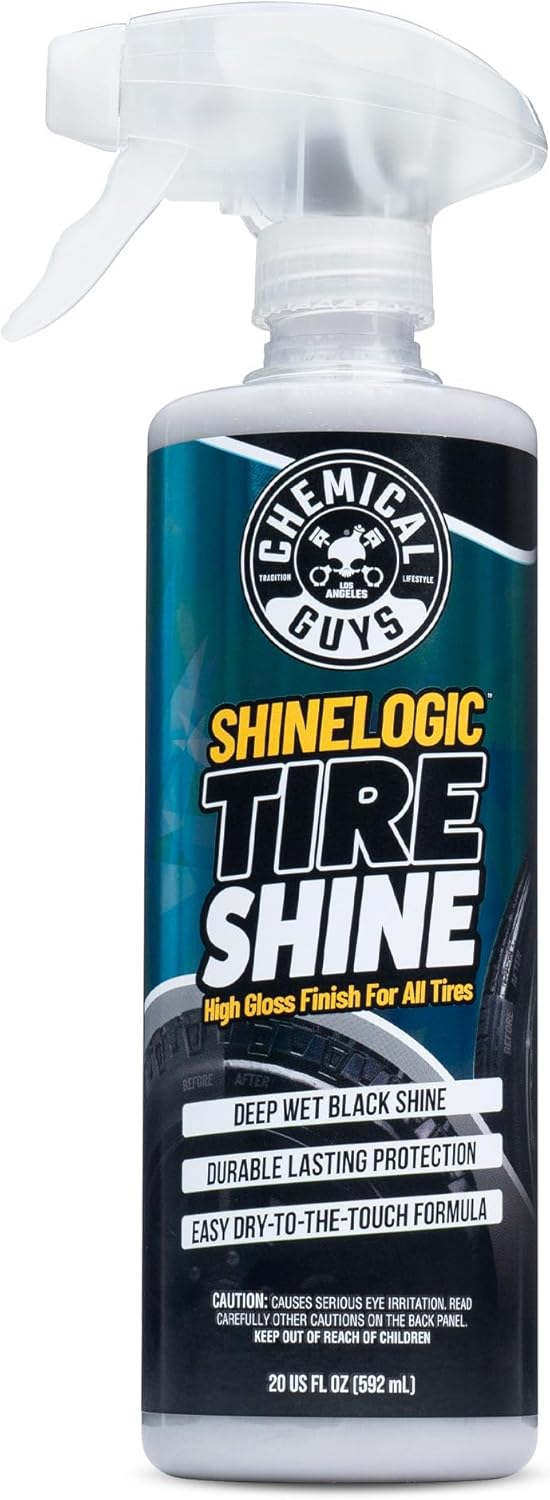
Chemical Guys ShineLogic Tire Shine delivers a deep wet black, high-shine finish for rubber tires with a sleek look. It’s designed for durable, one-step application with minimal drips, streaks, or runs, and it helps produce effortless, long-lasting shine. Choose aerosol or trigger spray for easy use on cars, trucks, motorcycles, RVs, and more.
Which Tire Brands Resist Dry Rot Better?
There is no reliable universal ranking showing that one major tire brand always resists age-related cracking better than another. Michelin, Bridgestone, Continental, Kumho, and other manufacturers use different compounds and constructions across many individual tire models, so a brand name alone cannot predict how long a particular tire will remain free of weather cracking.
A tire’s real-world aging depends heavily on climate, UV and ozone exposure, storage, pressure, load, driving conditions, maintenance, and the specific tire design. Two tires from the same brand can therefore age differently when used in different environments.
If long-term durability matters, compare the exact tire model rather than relying on a brand-wide dry-rot reputation. Check:
- The correct size, load index, and speed rating for your vehicle.
- The manufacture date when purchasing older stock or used tires.
- The manufacturer’s care, inspection, and replacement guidance.
- Your climate and whether the vehicle spends long periods outdoors.
- How seasonal or spare tires will be stored.
- Independent performance testing relevant to the exact model you are considering.
Good maintenance cannot make rubber last forever, but poor storage and maintenance can shorten the useful life of an otherwise high-quality tire.
[Products Worth Considering]

Black Magic Tire Wet delivers a deep wet-look shine that makes tires appear dark, rich, and freshly detailed. Its long-lasting formula helps resist rain, dust, and road grime for weeks of glossy protection, not days. Apply by spraying onto clean, dry tires—no buffing or wiping required—with a low-sling design to reduce splatter on paint and wheels.

Replace worn wheelbarrow, mower, or hand truck inner tubes with the TICONN 4.80/4.00-8 tube designed for 8-inch rims. Built from 100% natural rubber, it helps improve durability, impact absorption, and air retention while supporting self-sealing leak protection. The TR-13 straight valve stem makes it a straightforward fit for common yard equipment wheels.

The Continental Grand Prix 5000 is an allround road bike tire engineered for faster rolling, improved ride comfort, and enhanced puncture protection. It features a Vectran Breaker cut-protection layer, Lazer Grip micro-profile tread for confident cornering control, and Active Comfort Technology to damp vibration for smoother rides. BlackChili compound optimizes grip and speed for everyday performance and long-lasting confidence.
Frequently Asked Questions
What Are Common Problems With Michelin Tires?
Like other tires, Michelin tires can experience normal tread wear, irregular wear caused by pressure or alignment problems, punctures, impact damage, sidewall cracking, age-related weathering, vibration, or pressure loss. These are not unique to Michelin. Regular pressure, tread, and damage checks help identify problems early.
How Do You Tell if Dry Rot on Tires Is Bad?
Fine, shallow surface checking may simply show age-related weathering, but deep, numerous, spreading, or visibly opening cracks are more concerning. Bulges, exposed cords, separation, recurring pressure loss, or unusual vibration are additional warning signs. When the severity is uncertain, have the tire inspected by a trained professional.
What Is the Average Lifespan of a Michelin Tire?
There is no single average lifespan that applies to every Michelin tire. Many tires require replacement because of wear or damage before age becomes the deciding factor. Michelin recommends professional annual inspections after five years of service and, as a precaution, replacement at 10 years from manufacture if the tire has not already been replaced.
Which Michelin Tires Are Being Recalled?
Recall eligibility depends on the exact tire model, size, production period, and Tire Identification Number. As of September 18, 2026, Michelin’s U.S. safety-recall page includes a May 22, 2025 recall involving 6,888 MICHELIN Agilis CrossClimate C-Metric tires in size 185/60R15C, with affected production date codes identified by Michelin. Because recall status can change, verify your complete TIN on Michelin’s current Safety Recalls page rather than relying only on the tire line name.
Do Small Surface Cracks Mean a Michelin Tire Must Be Replaced?
Not automatically. Michelin notes that fine, shallow surface cracking can be a sign of age-related oxidation or ozone exposure without necessarily being an immediate structural failure. Deep, numerous, or opening cracks are more serious. Consider the tire’s age and overall condition and obtain a professional inspection if there is any doubt.
Can Tire Dressing Prevent Dry Rot?
No tire dressing can stop normal rubber aging. Michelin advises avoiding petroleum-based tire-cleaning products because they can deplete protective compounds in the rubber. Use mild soap and water or an appropriate non-petroleum cleaner, maintain correct pressure, and protect stored tires from direct sunlight, heat, and ozone sources.
Conclusion
Michelin tires can develop dry rot or weather cracking because tire rubber changes with age and environmental exposure. Check both sidewalls, tread grooves, pressure, tread wear, and the DOT manufacture date instead of judging a tire by tread depth alone.
Remember the key Michelin age guidance: arrange professional annual inspections after five years of service and replace tires by 10 years from manufacture as a precaution if they have not already required replacement. Deep or widespread cracking, bulges, exposed cords, separation, abnormal pressure loss, or other serious damage can require much earlier replacement.
Sources
- Michelin — When to Replace Tires — five-year inspection and 10-year replacement guidance.
- Michelin — Sidewall Problems — weather cracking, bulges, and sidewall-damage guidance.
- Michelin — Storing Tires — sunlight, ozone, temperature, and storage recommendations.
- NHTSA TireWise — tire aging, DOT/TIN date codes, inspection, and tire-safety guidance.
- U.S. Tire Manufacturers Association — Tire Facts — storage, visual condition, vibration, pressure loss, and professional-inspection guidance.
- Michelin — Safety Recalls — current Michelin tire recall notices and affected products.

