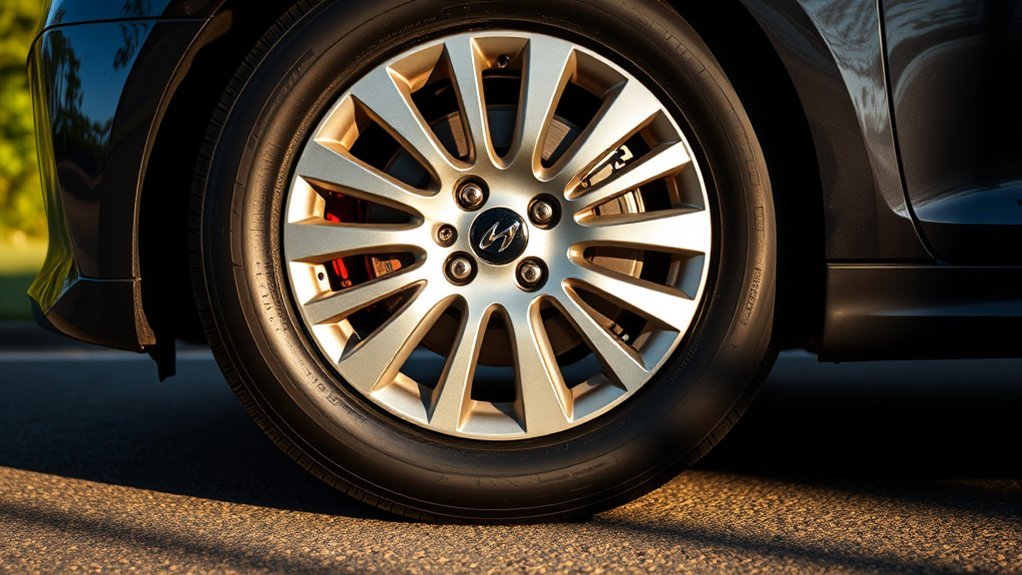
A Hyundai Sonata does not always need four new tires at the same time. The right choice depends on your drivetrain, tread depth, tire damage, and how closely the new tire matches the others. The safest answer is different for a front-wheel-drive Sonata than it is for an all-wheel-drive Sonata, so check your trim before buying tires.
Quick Answer
No. A Hyundai Sonata does not always need all four tires replaced at once. On front-wheel-drive models, one or two matching tires may be enough when the remaining tires are healthy. On AWD Sonata trims, replace all four unless a tire professional confirms the replacement can closely match the other tires.
Key Takeaways
- A front-wheel-drive Hyundai Sonata can often replace one or two tires if the remaining tires have safe tread and the new tire matches size, type, load rating, and speed rating.
- An AWD Sonata is more sensitive to mismatched tire diameter, so replacing all four is usually the safest choice unless the tires can be matched within Hyundai’s recommended limits.
- If you replace only two tires, install the newer, deeper-tread tires on the rear axle for better wet-road stability.
- Plan replacement around 4/32 inch for regular wet-weather driving, and do not drive on tires worn to the 2/32 inch treadwear indicators.
At a Glance
| Time Required | 5–10 minutes to inspect tread; 45–90 minutes for professional tire replacement |
| Difficulty | Easy inspection; professional installation recommended |
| Tools Needed | Tread-depth gauge, tire-pressure gauge, flashlight, and your Hyundai tire placard or owner’s manual |
| Cost | Varies by tire size, brand, mounting/balancing, TPMS service, alignment needs, and whether you replace one, two, or four tires |
When to Replace Tires on a Hyundai Sonata
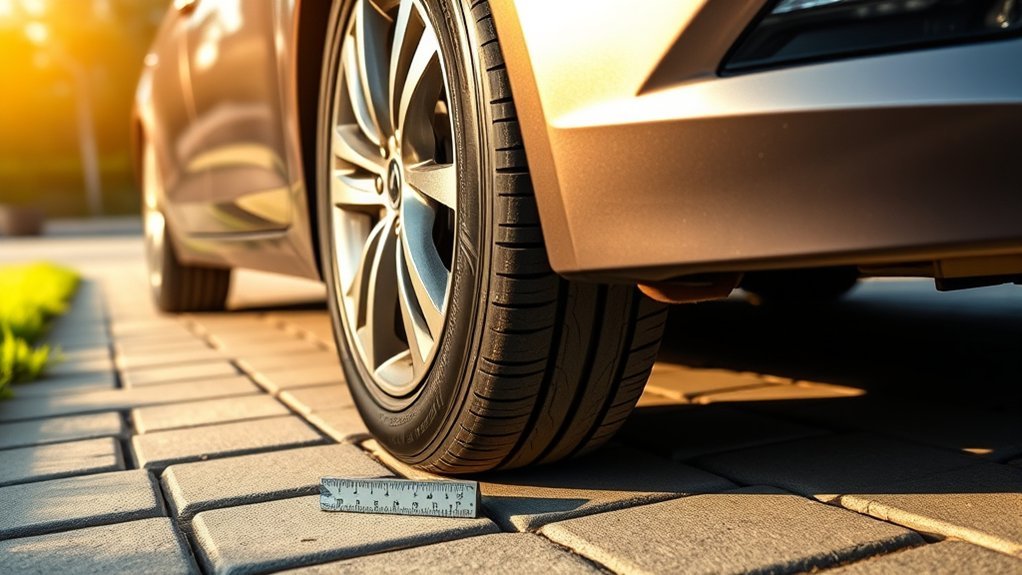
Replace Hyundai Sonata tires when tread is too low, the tire is damaged, the tire is too old, or the tread wear is uneven enough to affect handling. For safety, inspect your tires at least monthly and before long trips. The National Highway Traffic Safety Administration recommends checking tire tread, pressure, age, and recalls as part of regular tire safety.
Use these tread-depth points as a practical guide:
- 6/32 inch or more: Usually usable if wear is even and there is no sidewall damage, puncture, bulge, cracking, or vibration.
- 4/32 inch: Start planning replacement if you drive in rain often. Wet stopping distance rises as tread gets shallow.
- 2/32 inch: Replace immediately. NHTSA notes that required treadwear indicators are molded at the 2/32 inch tread-depth level.
- Uneven wear: Check alignment, tire pressure, suspension, and rotation history before installing new tires.
Tire Rack’s wet-braking test found that a sedan stopped from 60 mph in 205 feet on new tires, 270 feet at 4/32 inch, and 400 feet at 2/32 inch.
Warning: Do not rely only on mileage. A tire with plenty of miles left on paper can still be unsafe if it has low tread, sidewall damage, exposed cords, bulges, dry cracking, or uneven wear.
Do You Need to Replace One, Two, or Four Tires?
The answer depends mainly on whether your Sonata is front-wheel drive or all-wheel drive, plus how much tread remains on the other tires. Many Hyundai Sonata models are front-wheel drive, while some newer trims offer AWD. If you are unsure, check the window sticker, VIN details, owner’s manual, or the drivetrain listing in your vehicle settings or paperwork.
[Products Worth Considering]

The SAFELIFE dial tire tread depth gauge measures tread depth in 1/32 inch increments with clear, easy-to-read 2-inch dial face. Color zones using a traffic light system help you quickly judge whether tread is low, marginal, or ample for safer driving. Built with a durable zinc cast body and a metal detect probe for precise, comfortable use across cars, motorcycles, trucks, and buses.

Measure tire tread depth quickly and accurately with this LUMITECO dial gauge that reads in 1/32" increments up to 14/32". The color-coded green/yellow/red zones make it easy to judge tire wear and know when replacement is needed. A rugged, compact design with a protective pouch helps keep the gauge ready for use on cars, trucks, motorcycles, and more.

Monitor tire tread wear with a smart, color-coded depth gauge that shows clear condition ranges at a glance. The bar is range marked for fast, easy readings, helping you maintain safer traction and performance. Each gauge is portable with a pocket clip, and the set includes 20 units for daily use and sharing.
Front-Wheel-Drive Sonata
On a front-wheel-drive Sonata, you may be able to replace just one damaged tire if the other three tires are still fairly new, evenly worn, and the replacement is the same size, type, load rating, speed rating, and similar tread pattern. If the opposite tire on the same axle is much more worn, replacing two tires is usually safer.
Replacing two tires is common when both tires on one axle are near the end of their tread life. However, the newer pair should go on the rear axle, not automatically on the front. This helps reduce the risk of the rear tires losing traction first on wet roads.
All-Wheel-Drive Sonata
On an AWD Sonata, tire matching matters more because different tread depths can change rolling diameter. That can make one tire rotate at a slightly different speed than the others. Over time, mismatched tires may strain AWD components or confuse traction and stability systems.
For AWD models, replacing all four tires is usually the safest option when one or more tires are significantly worn. If only one tire is damaged and the other three are nearly new, ask a qualified tire shop or Hyundai dealer whether a matching replacement tire or shaved tire can keep the set within Hyundai’s acceptable tolerance. Use the tire size and pressure information on the driver-side tire placard and confirm model-specific guidance through Hyundai’s manuals and warranties resources.
Note: “Same size” is not always enough. For best results, match brand, model, construction, load index, speed rating, and tread pattern whenever possible.
What Happens If You Don’t Replace Worn Tires?
Neglecting worn tires can reduce grip, lengthen stopping distance, and make the car harder to control in rain. Shallow tread cannot move water away from the contact patch as well, which raises the risk of hydroplaning.
- Reduced traction: Worn tires are more likely to slip on wet, snowy, or oily pavement.
- Longer stopping distance: Tire Rack’s wet-braking data shows a major difference between new tires and tires worn near the legal minimum.
- Higher blowout risk: Tires with damage, exposed cords, bulges, or severe uneven wear can fail suddenly.
- Unstable handling: A large tread-depth mismatch can make the Sonata feel unpredictable during hard braking or quick lane changes.
- Possible AWD drivetrain stress: On AWD models, large rolling-diameter differences may create extra load on drivetrain components.
How to Check Tire Wear Before Deciding
Before replacing only one or two tires, inspect all four tires. A quick check can prevent buying the wrong number of tires.
Measure Tread Depth
Use a tread-depth gauge and measure each tire in at least three places: inner edge, center, and outer edge. Record the lowest reading for each tire. If one tire is at 2/32 inch and the others are much deeper, replacing only that tire may create a mismatch. If all four tires are close to worn out, replace the full set.
Look for Uneven Wear
Uneven wear usually points to an underlying issue. Feathering, cupping, shoulder wear, or one-sided wear can come from low tire pressure, missed rotations, worn suspension parts, or poor alignment. Fix the cause before installing new tires, or the new set may wear out early.
| Tire Condition | What It Means | Best Next Step |
|---|---|---|
| Even wear, plenty of tread | Tires are likely still usable if there is no damage | Continue monthly checks and rotate on schedule |
| One damaged tire, others nearly new | One-tire replacement may be possible | Match the tire closely; be stricter on AWD models |
| Two tires worn on one axle | Axle pair is near the end of service life | Replace two and install the new pair on the rear |
| All four tires low or uneven | The set is worn or the car has a wear problem | Replace all four; inspect alignment and suspension |
| AWD with notable tread-depth difference | Rolling diameter may not match closely enough | Replace all four or ask about tire shaving/matching |
Pro Tip: If your Sonata keeps wearing tires unevenly, do not just replace the tires. Ask for an alignment check and a suspension inspection so the new tires do not develop the same wear pattern.
Why Replacing Tires in Pairs Is Safer
Replacing tires in pairs keeps the left and right sides of an axle more balanced. That matters during braking, cornering, and wet-road driving. If one side has far more tread than the other, the car may not respond as predictably in an emergency.
[Products Worth Considering]

Accurately measure tire tread depth with a calibrated gauge marked from 0 to 1 inch in 1/32 inch increments. The color-coded bar helps you quickly identify tread condition ranges, supporting safe driving for trucks, motorcycles, automobiles, and passenger vehicles.

Measure tyre tread depth precisely with a digital gauge that reads in both MM and inches, helping you monitor safe driving conditions. The large LCD screen is easy to operate, and the compact tool fits for cars, trucks, and motorcycles. It provides high accuracy with a 0-25.4mm range and includes a 1-year warranty for added peace of mind.

Steelman white tire marking crayons provide high-contrast, semi-permanent marks for repairing and inspecting tires and equipment. They write on wet or dry, smooth or coarse surfaces including rubber, metal, glass, and wood, making them ideal for puncture location and damage outlining. The lead- and zinc-free crayons resist weather and fading yet wipe away when you no longer need the marks.
Put Two New Tires on the Rear
When replacing only two tires, the Tire Industry Association recommends installing the new tires on the rear of the vehicle. The reason is stability. If the front has much more grip than the rear in rain, the rear can slide first, which is harder for most drivers to control.
Front-Wheel Drive Does Not Change This Rule
Many Sonata owners assume the newest tires should go on the front because the front tires steer, brake heavily, and pull the car on FWD models. In wet conditions, however, rear stability is still critical. New tires on the rear help reduce oversteer and make the car easier to control.
Winter Tires Should Match All Around
If you use winter tires, install them as a full set of four. Mixing winter tires on one axle with all-season tires on the other can create a traction imbalance, especially when braking or turning on snow and ice.
Cost Considerations for Tire Replacement

The cheapest option is not always the smartest option. Replacing one tire can save money today, but it may create a mismatch if the other tires are already worn. Replacing two tires can be a good middle ground on a front-wheel-drive Sonata. Replacing all four is usually best when the whole set is worn, the tires are old, or the vehicle is AWD and the tread depths are not closely matched.
Budget for more than the tire price. A proper quote may include mounting, balancing, valve stems or TPMS service, disposal fees, taxes, road-hazard coverage, rotation, and alignment. If only one tire is damaged on an AWD Sonata, ask whether a tire shop can shave a matching tire to the tread depth of the others. Tire shaving is not available everywhere, but it can sometimes avoid a full set replacement when the remaining tires are still nearly new.
[Products Worth Considering]

The Big Rig Defense Tire Thumper is a truck tire pressure checker that lets you quickly check multiple tires by giving them a firm whack. Listen for a reassuring thump and feel the stick bounce when a tire is fully inflated, helping you get back on the road safely. It features a comfortable, glove-friendly handle and a secure wrist strap for confident use on busy routes.

Replace worn wheelchair rear tires with a universal 24x1 no-flat polyurethane foam option designed to mount tightly on 24-inch rims without the tire falling off. Installation is made easier with included tools and multiple methods, including using a pry bar or softening the tire in hot water to reduce resistance. The package includes two tires plus tie ropes for convenient fitting and handling.

This tire inflator with pressure gauge delivers long-lasting performance with a durable rubber-protected gauge and sturdy build. The longer hose and 360 swivel air chuck help you seal the valve securely and keep your hands free while measuring, inflating, or deflating. It’s battery-free for reliable use and provides ±2 PSI accuracy in the mid-range for most typical tires, with universal compatibility for 1/4 NPT compressor outputs.
Making Informed Decisions About Tire Replacement Options
Use this decision process before you buy:
- Confirm drivetrain: Check whether your Sonata is FWD or AWD.
- Measure all four tires: Use the lowest tread-depth reading on each tire.
- Check for damage: Replace any tire with sidewall damage, bulges, exposed cords, severe cracks, or non-repairable punctures.
- Compare tread depth: If the remaining tires are close to new, one tire may be acceptable on FWD. If the other tires are worn, replace two or four.
- Match specifications: Use the tire placard and owner’s manual for the correct size, load rating, speed rating, and pressure.
- Install pairs correctly: If replacing two tires, place the newer tires on the rear axle.
- Fix wear causes: If the old tires wore unevenly, check alignment, pressure, rotation intervals, and suspension before installing new tires.
Warning: Never mix tire sizes or load ratings just because the tires fit on the wheel. Incorrect tires can affect braking, handling, ABS, ESC, speedometer accuracy, and overall safety.
Frequently Asked Questions
Is it typical to replace all four tires at once on a Hyundai Sonata?
It is common, but not always required. Replace all four if the set is worn evenly, the tires are old, the tread is near the wear bars, or your Sonata is AWD and the tread depths cannot be closely matched. On a front-wheel-drive Sonata with three healthy tires, replacing one or two tires may be acceptable.
Can I replace just one tire on a Hyundai Sonata?
Yes, but only when the other tires still have plenty of tread and the replacement tire closely matches the others. This is usually easier on front-wheel-drive models. On AWD models, ask a tire professional or Hyundai dealer to confirm the tread-depth match before replacing only one tire.
Is it okay to replace two tires instead of four?
Yes, replacing two tires can be safe if the other two tires have good tread, no damage, and similar performance. Install the new pair on the rear axle. If your Sonata is AWD or the old tires are already near the end of their life, replacing all four is usually better.
How long do Hyundai Sonata tires last?
Many Sonata tires last tens of thousands of miles, but there is no single mileage that applies to every driver. Tire life depends on tire model, alignment, road conditions, pressure, rotation habits, driving style, climate, and load. Use tread depth, tire age, and visible condition instead of mileage alone.
Should new tires go on the front or rear of a Sonata?
If you replace only two tires, put the new tires on the rear axle. This applies even if your Sonata is front-wheel drive. Better rear grip helps the car stay stable in wet turns and emergency maneuvers.
Can a damaged Sonata tire be repaired instead of replaced?
Sometimes. A small puncture in the tread area may be repairable if the tire has enough tread and no internal or sidewall damage. Do not repair tires with sidewall punctures, bulges, exposed cords, severe cracking, or damage from being driven while flat.
Conclusion
You do not always need to replace all four tires on a Hyundai Sonata. If your Sonata is front-wheel drive and the other tires are still in good condition, replacing one or two matching tires may be safe. If your Sonata is AWD, or if the remaining tires are significantly worn, replacing all four is usually the better choice. Measure tread depth, match tire specifications, install two new tires on the rear axle, and check your Hyundai owner’s manual before making the final call.
Sources
- Hyundai Manuals & Warranties — model-specific owner’s manual and maintenance reference
- Hyundai 2026 Sonata SEL Sport — current Sonata trim and drivetrain reference
- NHTSA TireWise — tire safety, maintenance, tread, pressure, age, and recall guidance
- NHTSA treadwear-indicator interpretation — 2/32 inch treadwear-indicator standard
- Tire Rack wet braking and tread-depth test — braking-distance differences at new, 4/32 inch, and 2/32 inch tread depths
- Tire Industry Association tire replacement guidance — replacing one, two, or four tires and rear-axle placement