Hyundai Sonata tires can look fine and still be too old to trust. Tread depth matters, but tire age matters too because rubber, belts, and internal materials degrade over time. For a Sonata, the safest starting point is simple: check the tire’s DOT date code, inspect tread and sidewalls, and do not ignore Hyundai’s six-year replacement guidance.
Quick Answer
Hyundai guidance says tires over six years old should be replaced based on the manufacturing date, even if they still have tread. Check the DOT/TIN date code on the sidewall, inspect for cracks, bulges, uneven wear, vibration, and pressure loss, and replace immediately if the tire is damaged or worn to 2/32 inch.
Key Takeaways
- For a Hyundai Sonata, six years is a replacement point, not just a reminder to glance at the tires.
- A tire’s age comes from the last four digits of the DOT/TIN code, not from when you bought the car.
- Replace tires at 2/32 inch tread depth immediately; plan replacement around 4/32 inch if you drive often in rain.
- Low mileage does not stop tire aging. Heat, sunlight, storage, pressure loss, and time still break down rubber.
- Check the spare tire too, because unused spares age just like the tires on the road.
At a Glance
| Time Required | 10–15 minutes for a basic driveway check |
| Difficulty | Easy for visual checks; professional inspection recommended for aging tires |
| Tools Needed | Flashlight, tire pressure gauge, tread depth gauge or penny/quarter |
| Cost | Usually free to inspect yourself; replacement cost depends on size, brand, and installation |
Signs Your Tires May Need Replacement
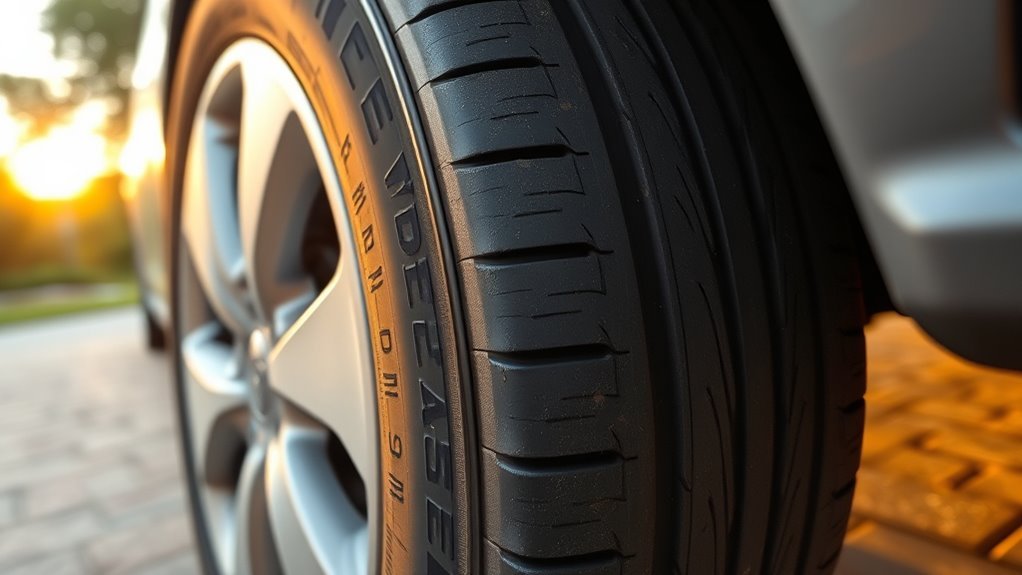
Tires are your Sonata’s only contact with the road, so do not wait for a tire to fail before replacing it. Start with a slow walkaround and look closely at each tire, including the inner sidewall if you can see it safely.
- Age over six years: Hyundai says tires over six years old, based on the manufacturing date, should be replaced by new ones. Hyundai’s owner manual explains that the manufacturing date is shown in the tire’s DOT code.
- Cracks, cuts, or dry rot: Cracking in the sidewall or tread grooves is a warning sign that the rubber is breaking down.
- Bulges or blisters: A bulge can mean internal tire damage. Do not keep driving on it except to get safely off the road.
- Tread at 2/32 inch: NHTSA says tires are not safe and should be replaced when tread is worn to 2/32 inch.
- Repeated pressure loss: A tire that keeps losing air may have a puncture, valve issue, bead leak, rim issue, or internal damage.
- New vibration, thumping, or pulling: These can point to tire damage, uneven wear, balance issues, or alignment problems.
Warning: Replace or professionally inspect a tire immediately if you see a bulge, exposed cords, sidewall cracking, a deep cut, sudden vibration, or repeated air loss. These are not “watch it for later” problems.
How to Check the Age of Your Sonata Tires
The most important number for tire age is the DOT/TIN code stamped on the sidewall. It may be on the outside sidewall, or it may be on the inner sidewall where it is harder to see.
- Find the DOT code: Look for letters and numbers beginning with “DOT.”
- Read the last four digits: The first two digits are the week, and the last two digits are the year.
- Compare it with today’s date: For example, a code ending in 5025 means the tire was made in the 50th week of 2025.
- Check all tires: Each tire can have a different date, especially if one or two were replaced earlier.
- Check the spare: A spare may look unused but still be aged out.
Note: Tire age is based on the manufacturing date, not the date you bought the tire or the mileage on the car.
Why Should You Care About Tire Aging for Your Sonata?
You should care about tire aging because older tires are more prone to failure, even when tread depth still looks acceptable. Hyundai states that tires degrade over time even when they are not being used and that tires should be replaced after six years of normal service, regardless of remaining tread. Hyundai’s tire replacement guidance also notes that hot climates and excessive loading can accelerate aging.
Impact on Safety
Aging tires can lose flexibility and strength. That can reduce traction, increase stopping distance, and raise the risk of sudden tire failure. NHTSA warns that tire aging cannot be detected simply by looking at the tire, which is why age, pressure, treadwear, and damage all need to be checked together.
NHTSA reported 511 fatalities in tire-related crashes in 2024, which is a reminder that tire maintenance is a real safety issue, not just routine upkeep.
Performance Efficiency Decline
As tires age or wear unevenly, your Sonata may feel less stable in rain, during braking, or while cornering. Poor inflation can also make tires run hotter and wear faster. If the steering wheel shakes, the car pulls, or one tire wears faster than the others, schedule a tire, alignment, and suspension check.
Environmental Factors Influence
Environment changes how quickly tires age. Sunlight, heat, temperature swings, poor storage, low pressure, overloading, and long periods of sitting can all speed up deterioration. A low-mileage Sonata that sits outside in a hot climate can still need tires sooner than the odometer suggests.
How Important Is Tread Depth for Tire Safety?
Tread depth is critical because the grooves help move water away from the tire so the rubber can stay in contact with the road. Michelin’s tread-depth guide explains that tread depth helps with water drainage and hydroplaning resistance on wet roads.
| Tread Depth | What It Means | Recommended Action |
|---|---|---|
| 6/32″ or more | Generally healthy tread for normal driving | Keep inspecting monthly |
| 4/32″ | Wet-weather safety margin is shrinking | Plan replacement, especially if you drive in rain |
| 2/32″ | Minimum wear limit | Replace immediately |
| Below 2/32″ | Unsafe | Do not continue normal driving |
The penny test is a quick backup method: place a penny into the tread groove with Lincoln’s head facing down. If you can see the top of his head, the tire is around 2/32 inch and needs replacement. A tread depth gauge is more accurate and is worth keeping in the glove box.
Pro Tip: Measure tread in several grooves across each tire. Uneven wear can hide on the inner or outer edge, especially if the Sonata needs an alignment.
How Often Should You Inspect Your Sonata’s Tires for Safety?
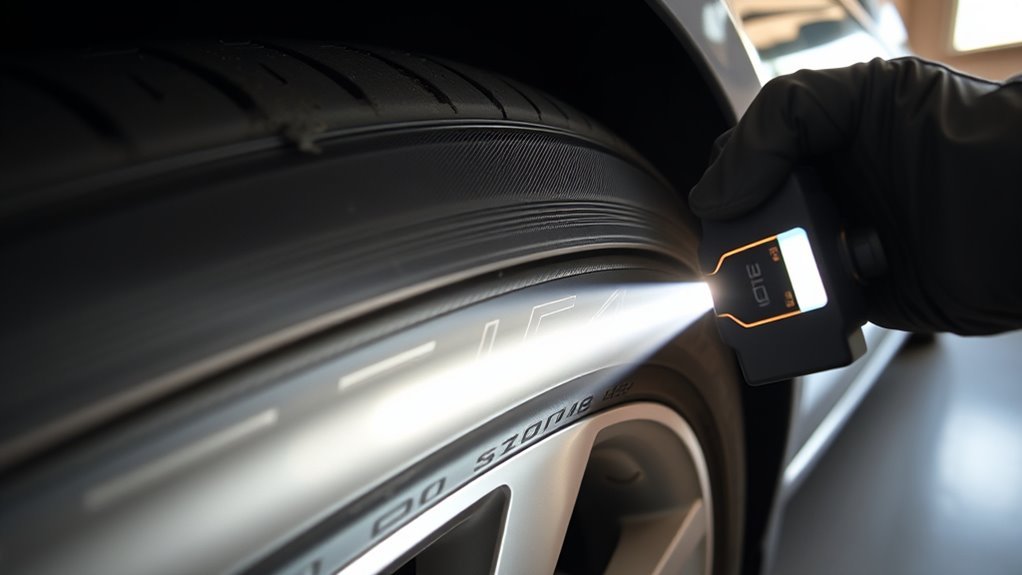
Inspect your Sonata’s tires at least once a month and before long trips. NHTSA recommends monthly checks for tire pressure, treadwear, and damage. Tire pressure should be checked when the tires are cold, meaning the car has been parked long enough for the tires to cool down.
Recommended Inspection Frequency
- Monthly: Check pressure, tread depth, sidewalls, valve caps, and uneven wear.
- Before long trips: Recheck pressure and look for damage or aging cracks.
- After hitting a pothole or curb: Inspect for bulges, cuts, vibration, and wheel damage.
- Twice a year: Have a professional inspect older tires, especially once they are near six years old.
- At every rotation: Ask the shop to check tread depth, alignment wear, and tire age.
Key Signs to Watch
Look for cracks, bulges, cuts, exposed cords, punctures, uneven tread, low pressure, and vibration. Also watch how the car feels. A Sonata that suddenly pulls to one side, shakes at highway speed, or makes rhythmic thumping noises needs a tire and wheel inspection.
How Does Environment Affect Tire Aging?
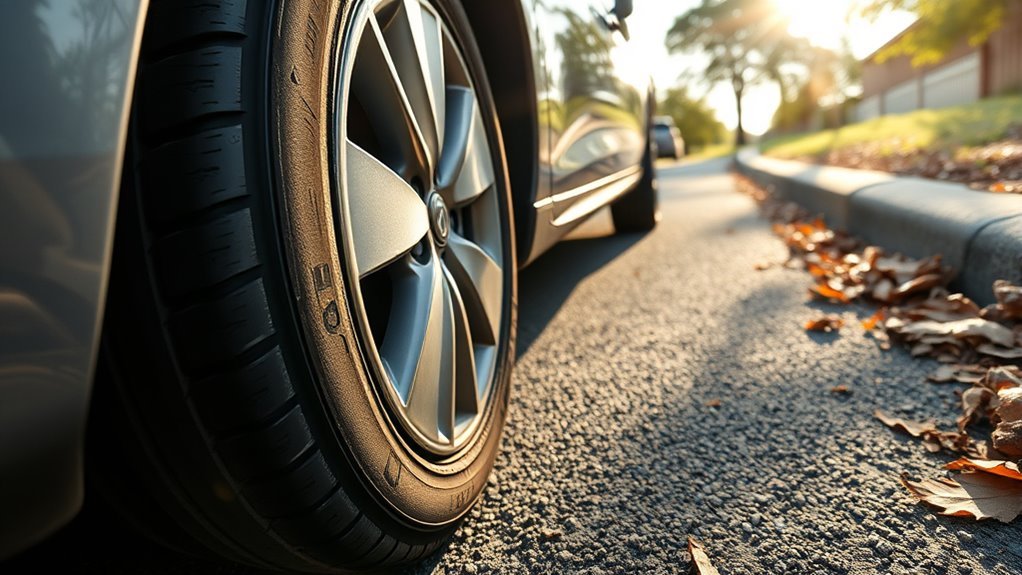
Environment can make tires age faster even when mileage is low. NHTSA notes that infrequent use, sunlight, warmer climate, poor storage, and poor maintenance contribute to tire aging. That means a Sonata parked outdoors in heat may need new tires even if it is not driven much.
- Heat: Speeds up rubber aging and can increase pressure when tires are warm.
- Cold: Can lower tire pressure and make rubber less flexible.
- Sunlight: UV exposure can dry and crack rubber over time.
- Humidity and moisture: Can contribute to deterioration around wheels, valves, and storage areas.
- Storage: Tires stored under load, in sunlight, or near ozone-producing equipment can degrade faster.
Professional vs. DIY Tire Inspections: What Should You Know?
DIY inspections are useful, but they do not replace a trained tire inspection. You can check pressure, tread depth, visible cracks, and the DOT date at home. A technician can also inspect for internal damage, balance issues, bent wheels, alignment wear, puncture location, bead leaks, and suspension problems.
Get a professional inspection if:
- Your tires are near or past six years old.
- You see sidewall cracks, bulges, exposed cords, or uneven wear.
- A tire keeps losing pressure.
- The steering wheel vibrates or the car pulls.
- You hit a pothole, curb, or road debris hard.
- You are planning a long highway trip on older tires.
[Products Worth Considering]

Measure tire tread depth quickly and accurately with this LUMITECO dial gauge that reads in 1/32" increments up to 14/32". The color-coded green/yellow/red zones make it easy to judge tire wear and know when replacement is needed. A rugged, compact design with a protective pouch helps keep the gauge ready for use on cars, trucks, motorcycles, and more.

The SAFELIFE dial tire tread depth gauge measures tread depth in 1/32 inch increments with clear, easy-to-read 2-inch dial face. Color zones using a traffic light system help you quickly judge whether tread is low, marginal, or ample for safer driving. Built with a durable zinc cast body and a metal detect probe for precise, comfortable use across cars, motorcycles, trucks, and buses.

Monitor tire tread wear with a smart, color-coded depth gauge that shows clear condition ranges at a glance. The bar is range marked for fast, easy readings, helping you maintain safer traction and performance. Each gauge is portable with a pocket clip, and the set includes 20 units for daily use and sharing.
How Do Driving Habits Impact Tire Lifespan?
Your driving habits affect how quickly the tread wears and how much stress the tire structure takes. Smooth driving, correct inflation, and regular rotation help tires last longer. Harsh driving does the opposite.
- Hard braking and fast acceleration: Increase tread wear.
- High-speed cornering: Can cause shoulder wear and heat buildup.
- Underinflation: Makes tires run hotter and wear on the outer edges.
- Overinflation: Can wear the center of the tread faster.
- Heavy loads: Add heat and stress, especially in hot weather.
- Potholes and rough roads: Can damage belts, sidewalls, wheels, and alignment.
Use the tire and loading label on the driver-side door area for the correct cold PSI. Do not use the maximum pressure molded on the tire sidewall as your normal inflation target.
How Do Seasonal Changes Affect Your Tires?
Seasonal changes affect both tire pressure and traction. Michelin says tires naturally lose air and that temperature changes can affect pressure by about 1–2 psi per 10°F. That is why monthly pressure checks matter more when weather shifts quickly.
Temperature Extremes Impact Rubber
Extreme heat can accelerate aging and raise operating temperature. Cold weather can lower pressure and reduce flexibility. Check pressure after the car has been parked, and adjust to the Sonata’s recommended cold PSI.
Tread Wear in Winter
Winter driving needs enough tread to clear slush and maintain grip. If your Sonata uses all-season tires, understand that worn all-season tires lose wet and winter traction before they look completely bald. In snowy climates, consider dedicated winter tires and do not wait until tread is near 2/32 inch.
Adjusting Pressure for Seasons
Do not ignore the tire pressure warning light, but do not rely on it as your only check either. TPMS usually warns only after pressure is already significantly low. Use a gauge once a month and before long drives.
Myths About Low Mileage Tires: What Should You Know?
Low mileage does not automatically mean safe tires. Tires age while parked, stored, or used lightly. Rubber can dry, crack, and weaken even if the tread still looks deep.
| Myth | Reality |
|---|---|
| “The tread is deep, so the tire is safe.” | Tread depth is only one check. Age, cracking, internal damage, pressure loss, and vibration also matter. |
| “A garage-kept tire does not age.” | Better storage can help, but time still affects rubber and internal materials. |
| “The spare is unused, so it is new.” | The spare ages by date too and should be checked for pressure, cracking, and DOT age. |
| “TPMS will warn me before tire trouble.” | TPMS helps with low pressure, but it does not measure tread depth, cracking, age, or internal damage. |
What to Expect When Replacing Tires on Your Sonata?
When replacing Hyundai Sonata tires, use the tire size, load rating, speed rating, and pressure information from the driver-side tire placard and owner’s manual. If your Sonata has a different wheel package than another trim, the correct tire size may be different.
- Match the correct size: Use the placard and owner’s manual, not a guess from another Sonata trim.
- Match load and speed ratings: Replacement tires should meet or exceed the original requirements.
- Replace in pairs or sets: Hyundai recommends replacing the two front or two rear tires as a pair when tires or wheels are replaced.
- Balance new tires: Balancing helps prevent vibration and uneven wear.
- Check alignment: Alignment helps protect the new tread from wearing unevenly.
- Replace valve stems or service TPMS parts: Ask the installer what is recommended for your Sonata’s valve and TPMS setup.
- Register the tires: Tire registration helps manufacturers contact you if a safety recall applies.
[Products Worth Considering]

Accurately measure tire tread depth with a calibrated gauge marked from 0 to 1 inch in 1/32 inch increments. The color-coded bar helps you quickly identify tread condition ranges, supporting safe driving for trucks, motorcycles, automobiles, and passenger vehicles.

Milton S-921 pencil tire pressure gauge helps you maintain optimal tire pressure for passenger cars with accurate readings in PSI and kPa. It features a built-in deflator valve for convenient pressure adjustments, plus a single chuck head and nylon indicator bar for easy use on the go. Built from durable plated brass and designed for reliable performance, it’s a practical road trip and cold-weather maintenance tool.

Steelman white tire marking crayons provide high-contrast, semi-permanent marks for repairing and inspecting tires and equipment. They write on wet or dry, smooth or coarse surfaces including rubber, metal, glass, and wood, making them ideal for puncture location and damage outlining. The lead- and zinc-free crayons resist weather and fading yet wipe away when you no longer need the marks.
What Should You Do If a Tire Blows Out?
If a tire blows out, your goal is to keep the Sonata stable and get out of traffic safely. Do not slam on the brakes. Hold the steering wheel firmly, keep the vehicle pointed straight, ease off the accelerator, and slow down gradually. When the car is stable, move to a safe location away from traffic and call for help if needed.
Warning: A compact spare is for temporary emergency use only. Follow the speed and distance limits in your Sonata owner’s manual and replace or repair the normal tire as soon as possible.
[Products Worth Considering]

Measure tyre tread depth precisely with a digital gauge that reads in both MM and inches, helping you monitor safe driving conditions. The large LCD screen is easy to operate, and the compact tool fits for cars, trucks, and motorcycles. It provides high accuracy with a 0-25.4mm range and includes a 1-year warranty for added peace of mind.

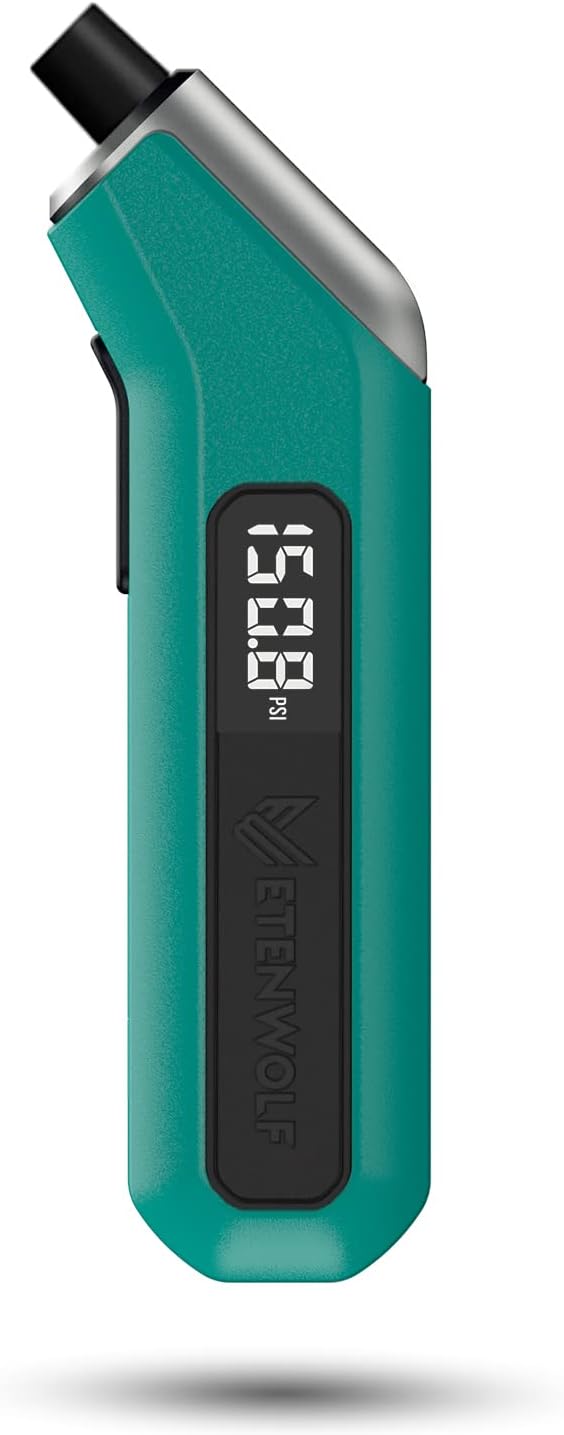
ETENWOLF’s calibrated tire pressure gauge delivers accurate readings for cars, trucks, motorcycles, bikes, SUVs, RVs, and ATVs across a 0–75 PSI range. The large glow dial improves visibility in low light, while the 360° swivel chuck makes it easy to check valve pressure from any angle. It’s designed to stay accurate even in extreme hot or cold weather.

ETENWOLF’s calibrated digital tire pressure gauges deliver accurate readings across a wide pressure range, from below 12 PSI to above 140 PSI. The built-in thermal compensation helps maintain performance in extreme cold and hot conditions, while the LED light improves visibility for quick checks. Includes replaceable AAA batteries for long-lasting use and convenience for everyday tire monitoring.
Frequently Asked Questions
How long do Hyundai Sonata tires last?
Many passenger tires last roughly 25,000 to 50,000 miles depending on tire type, alignment, inflation, rotation, roads, climate, and driving style. For a Hyundai Sonata, age is just as important as mileage: Hyundai guidance says tires over six years old should be replaced based on the manufacturing date.
Should I replace my tires at 6 years old?
Yes, you should plan to replace Sonata tires at six years old. Hyundai says tires degrade over time even when not used and should be replaced after six years of normal service, regardless of remaining tread. Replace sooner if you see cracks, bulges, exposed cords, uneven wear, or tread at 2/32 inch.
Is a tire from 2017 still good?
As of 2026, a tire with a 2017 DOT date is about nine years old, so it is past Hyundai’s six-year replacement guidance. Even if the tread looks good, the rubber and internal materials may have aged. Replace it rather than relying on appearance alone.
Where is the DOT date code on a tire?
The DOT/TIN code is stamped on the tire sidewall. The full code may appear on only one side of the tire, so you may need to check the inner sidewall. The last four digits show the manufacturing week and year. For example, 5025 means the tire was made in the 50th week of 2025.
Should I replace all four Sonata tires at once?
If all four tires are the same age and similarly worn, replacing all four is usually the cleanest choice. If only two are being replaced, Hyundai recommends replacing the two front or two rear tires as a pair. Ask the tire shop where the newest pair should be installed based on your Sonata, tire condition, and local driving conditions.
Does the spare tire need to be replaced too?
Yes, check the spare tire’s age, pressure, and condition. A spare may have little or no tread wear, but it still ages. If it is over six years old, cracked, damaged, or cannot hold pressure, replace it before you need it in an emergency.
Conclusion
If your Hyundai Sonata tires are near or past six years old, do not judge them by tread alone. Read the DOT date code, check for cracks, bulges, uneven wear, vibration, and pressure loss, and follow Hyundai’s six-year replacement guidance. Good tires make braking, steering, wet-road traction, and emergency handling safer, so replacing aged tires is not wasted maintenance—it is basic road safety.
Sources
- Hyundai Owner’s Manual — Tire sidewall labeling — backs up DOT/TIN date-code reading and six-year tire-age guidance.
- Hyundai Owner’s Manual — Tire replacement — backs up tread wear indicators, six-year replacement, paired tire replacement, and compact spare caution.
- NHTSA TireWise — backs up monthly tire checks, 2/32 inch replacement point, tire aging risks, TPMS limits, and blowout response.
- Michelin Tire Tread Depth Guide — backs up tread depth, water drainage, hydroplaning, penny test, and wet-weather replacement planning.
- Michelin Tire Pressure Guide — backs up monthly pressure checks, natural air loss, cold-pressure checks, and temperature-related pressure change.