Disclosure: As an Amazon Associate, we earn from qualifying purchases. If you click a link on this page and make a purchase, we may receive a small commission at no extra cost to you.
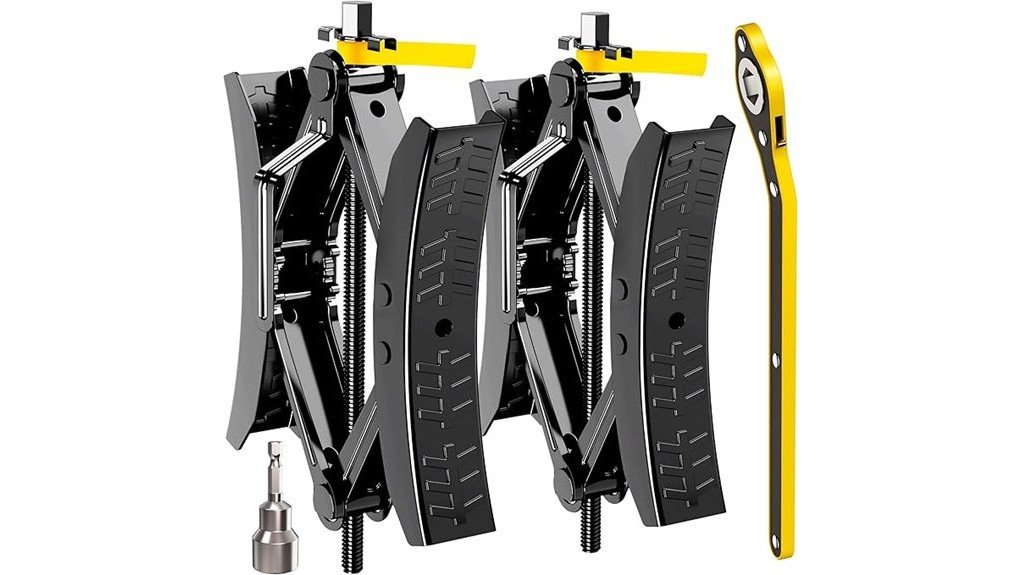
Movement inside a parked RV can make footsteps, turning in bed, and normal campsite activity feel more noticeable than expected. The CircleRoad Camper Wheel Chock Stabilizer is designed to brace adjacent tires and reduce that fore-and-aft motion with an X-shaped steel mechanism. Its useful strengths are the wide 3.5- to 12-inch fit range, two-piece package, and included hand tools. The main limitation is just as important: it only works when your rig has two tires close enough together, and it should support rather than replace your normal parking and wheel-chocking routine.
Quick Verdict
Rating: 8/10, recommended with fit and safety caveats
Best For: RV and travel-trailer owners with tandem tires spaced 3.5 to 12 inches apart
Bottom Line: The CircleRoad stabilizer offers a practical two-chock setup, steel construction, and simple hand-tool adjustment. It is not useful for single-axle rigs, and you still need conventional wheel chocks and the parking procedures recommended for your vehicle.
| Specification | Detail |
|---|---|
| Brand | CircleRoad |
| Model | WC-B |
| Product type | X-shaped camper wheel chock stabilizer |
| Package quantity | Two stabilizers |
| Compatible tire gap | 3.5 to 12 inches |
| Material | Steel with a rust-resistant coating |
| Item weight | 9.86 pounds |
| Package dimensions | 14.45 × 5.47 × 5.28 inches |
| Included tools | Ratchet wrench and hex socket |
| Best use | Reducing movement between adjacent RV or trailer tires while parked |
| Important safety note | Use as an added stabilizer, not as a replacement for conventional wheel chocks, the parking brake, or proper leveling procedures |
Key Takeaways
- The CircleRoad WC-B uses an X-shaped steel mechanism to brace two adjacent tires and reduce parked RV movement.
- The listed fit range is 3.5 to 12 inches, so you need to measure the narrowest tire gap before ordering.
- The package contains two stabilizers, a ratchet wrench, and a hex socket.
- The product weighs 9.86 pounds as a set and arrives in a 14.45 × 5.47 × 5.28-inch package.
- It is an add-on stabilizer, not a substitute for standard wheel chocks or your vehicle’s recommended parking procedure.
What Is the CircleRoad Wheel Chock Stabilizer?
The CircleRoad Camper Wheel Chock Stabilizer, model WC-B, is a two-piece stabilization system for rigs with closely spaced adjacent tires. Each unit expands between the tires. As you tighten it, the opposing pads press against the tire surfaces and help limit the small rolling movement that can make a parked trailer feel less steady.
This design makes the most sense on tandem-axle travel trailers, fifth wheels, campers, and compatible motorhome configurations. It does not level the RV, lift weight, or replace the wedge-style chocks placed at the tires. Its job is narrower: reducing movement between two adjacent tires after the vehicle is parked and secured.
Who Should Buy It?
Best For
- Owners of tandem-axle RVs with a measured tire gap between 3.5 and 12 inches
- Campers who notice movement when someone walks, sleeps, or shifts weight inside the parked rig
- Buyers who want two steel stabilizers and hand tools in one package
Skip If
- Your RV has a single axle or no accessible gap between adjacent tires
- Your tire spacing is below 3.5 inches or above 12 inches
- You need a leveling device, lifting tool, or primary rolling restraint
Before You Buy: Measure the clear space between the two tires at the closest point while the RV is parked on level ground. Do not assume the gap is the same on both sides, especially if tire size, pressure, suspension load, or axle position differs.
[Products Worth Considering]

Secure your trailer or RV tires with a scissor-style wheel chock stabilizer that applies opposing force to help prevent wheel shift. It fits tight wheel gaps from 3.5 inches up to 12 inches and works for travel trailers, campers, fifth wheels, toy haulers, and heavy-duty trucks. The surface uses new electrophoretic technology to help prevent rust for reliable travel use.

CircleRoad RV wheel chocks are designed to be installed between two tires to prevent wheel movement and improve parking stability. Built with a rust-proof finish for weather resistance, they help keep your tire position secure during travel trailer and motorhome stops. The package includes a multi-functional ratchet wrench and hex socket for fast installation.

Keep your RV, travel trailer, or fifth wheel securely in place with these heavy-duty X-shaped wheel chock stabilizers. Designed to clamp between tires, they reduce side-to-side movement for a steadier, level camping setup. The package includes a ratchet wrench, socket adapter, gloves, and a storage bag for easy installation and transport.
Fit and Compatibility
Fit is the most important buying factor because the mechanism must open inside the tire gap without starting too wide or extending beyond its working range. CircleRoad lists compatibility for gaps from 3.5 to 12 inches. That range covers many tandem-wheel layouts, but it does not make the product universal.
Measure both sides of your rig before ordering. Use the narrowest measurement as your reference because that is the side most likely to create a fit problem. Also check that fenders, suspension parts, brake wiring, valve stems, or trim do not block access to the area where the stabilizer will sit.
- Park and secure the RV before measuring.
- Measure the closest distance between the tire sidewalls, not the axle centers.
- Check both sides instead of assuming they match.
- Confirm that you can reach the adjustment point with the included wrench.
Pro Tip: Write down the left and right tire-gap measurements and keep them with your RV setup checklist. That makes replacement shopping easier after tire, suspension, or axle changes.
Materials and Build Quality
The WC-B uses steel arms, reinforced connection points, and a coating intended to resist rust. Steel gives the scissor-style mechanism the rigidity needed to press against two tire surfaces without relying on a bulky plastic frame. The tradeoff is weight. At 9.86 pounds for the package, this is not a featherweight accessory, but it remains manageable for routine campsite setup.
The coating should help with normal outdoor exposure, yet no coating makes steel maintenance-free. Wipe away mud, road salt, and standing moisture before storage. Check the threaded adjustment mechanism and pivot points for binding, chipped coating, deformation, or corrosion before each trip.
Installation and Ease of Use
CircleRoad includes a ratchet wrench and hex socket, so you do not need to source a basic hand tool before first use. The listing claims installation can take about 20 seconds, but your actual setup time will depend on access, tire spacing, and how carefully you align each unit.
Start with the stabilizer retracted enough to slide between the tires without scraping the sidewalls. Center the contact pads, then tighten gradually until the unit feels secure. The goal is firm contact and reduced movement, not excessive pressure. Follow the supplied instructions and stop if the frame twists, the pads sit unevenly, or the tire sidewalls deform.
Setup Steps
- Park on a suitable surface and complete your normal parking, leveling, and wheel-chocking procedure.
- Confirm that the tires are stationary and the gap is within the listed 3.5- to 12-inch range.
- Place one stabilizer between the adjacent tires on each side of the rig.
- Align the contact pads so they sit squarely against the tire surfaces.
- Tighten with the included ratchet and socket until each unit is firm, without overtightening.
- Before departure, loosen and remove both stabilizers, then account for every tool and chock.
Compatibility and Safety
This product is a stabilizer for a parked RV, not a primary wheel restraint. Continue using conventional wheel chocks, the parking brake when applicable, leveling equipment, and every step required by your RV, trailer, and accessory manufacturers. Never treat an X-shaped stabilizer as permission to park on an unsafe grade.
Install and remove the units only after the rig is secured against movement. Keep hands clear of pinch points in the scissor mechanism, and do not crawl under the vehicle to place the stabilizer. Remove both units before moving or towing the RV.
How It Performs in Real Use
During Campsite Setup
The included wrench and socket simplify a standard hand-tool setup. Once you know your tire gap and preferred placement, the two-unit package should add only a short step after leveling and primary chocking. Tight spaces around fenders or slides can make access slower.
When People Move Inside the RV
Because the stabilizer braces adjacent tires against each other, it can reduce the small rolling motion caused by walking, entering the doorway, or shifting weight inside. It will not eliminate every source of movement. Flex from the suspension, frame, steps, and stabilizer jacks may still be noticeable.
For Overnight Camping
Less fore-and-aft tire movement can make a parked trailer feel calmer when sleepers turn or someone gets up at night. Results depend on the complete setup, including leveling, jack placement, ground firmness, and tire spacing. Buyers expecting a completely rigid feel may need additional frame or jack stabilization.
For Travel and Storage
The 14.45 × 5.47 × 5.28-inch package is compact enough for many RV storage compartments, although the current listing does not clearly identify a carrying bag. Store the stabilizers dry and separate from items that could damage the coating or jam the threaded mechanism.
Common Mistakes to Avoid
- Ordering without measuring both tire gaps
- Using the stabilizers as the only protection against rolling
- Overtightening until the tire sidewalls visibly deform
- Installing the pads at an angle or against a valve stem
- Leaving the units installed before moving the RV
- Storing wet or salt-covered steel without cleaning it
Pros and Cons
Pros
- Fits measured tire gaps from 3.5 to 12 inches
- Two stabilizers let you brace both sides of a compatible tandem-wheel rig
- Steel construction and reinforced joints support repeated campsite use
- Rust-resistant coating helps protect the surface during outdoor use
- Ratchet wrench and hex socket are included
Cons
- Does not work on single-axle rigs or tire gaps outside the listed range
- Cannot replace standard wheel chocks, leveling gear, or proper parking procedures
- The current listing does not clearly confirm a carrying case
Is It Worth the Price?
The CircleRoad set offers strong value for buyers who need two compatible X-shaped stabilizers and do not already own the required adjustment tools. The steel construction, broad gap range, and included ratchet make it a practical all-in-one purchase for regular tandem-axle camping.
Its value drops quickly if your tire spacing is outside the listed range or if your main problem comes from frame flex, soft ground, or poorly positioned stabilizer jacks. Measure first and identify the source of movement before assuming this one accessory will solve the entire problem.
[Products Worth Considering]
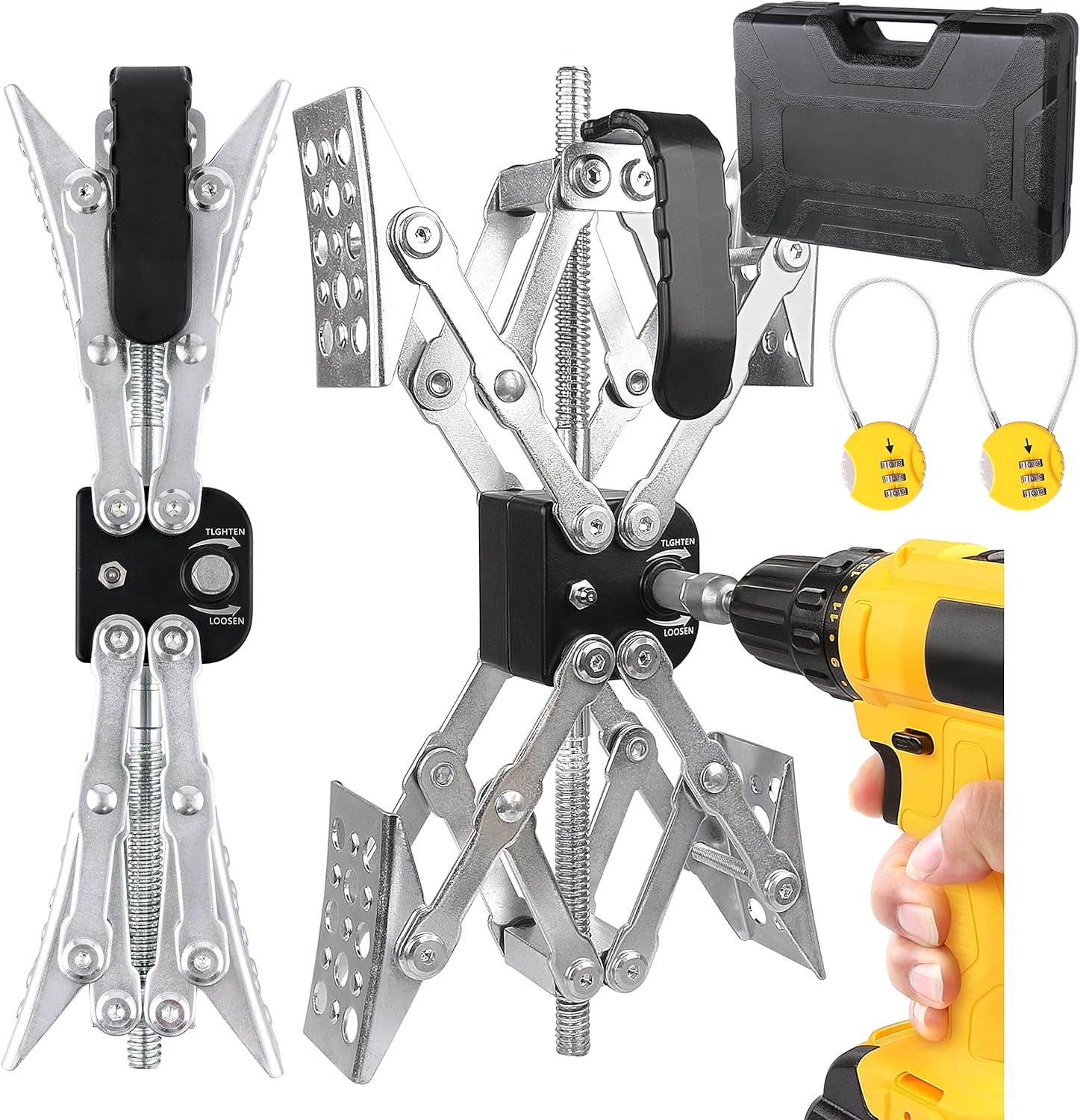
Lock the Maxchock X-style wheel stabilizers between tandem tires to reduce sway and keep your RV travel trailer secure while camping. The adjustable design fits a wide range of wheel gaps, and included hardware lets you install quickly with a power drill. Built from heavy-gauge steel with zinc plating, the chocks include locks and an organizer case for safer, more convenient use.

Camco’s RV wheel chocks with an attached rope help keep your travel trailer securely in place for safer unhitching or parking. This 2-pack is compatible with wheels up to 26-inch diameter and features durable UV-resistant construction for reliable outdoor performance. The rope enables quick, safe removal so you can prepare for your next trip with less hassle.

ROBLOCK rubber wheel chocks help prevent vehicle rolling with a non-slip grip for trucks, trailers, RVs, and small aircraft. The chocks include three yellow reflective strips to improve visibility in low-light parking and outdoor use. Lightweight and portable design makes them easy to place in front of or behind a tire during camping, loading, or maintenance.
How It Compares to Alternatives
The BAL X-Chock is a well-known alternative for buyers who prefer an established RV-accessory brand and are willing to compare fit and cost. Similar two-piece stabilizers from brands such as Lezcufer may include extras like a storage bag, but package details and dimensions can differ.
The CircleRoad model makes the most sense when its 3.5- to 12-inch range matches your rig and you want a two-unit steel set with a ratchet and socket included. Standard wedge-style wheel chocks remain a separate necessity because they serve a different safety role.
[Products Worth Considering]

MaxxHaul solid rubber wheel chocks provide dependable vehicle stabilization for cars, trucks, trailers, and RVs across driveways, slopes, garages, and campsites. The molded non-slip traction surface helps prevent tire movement on pavement, gravel, and smooth floors, while the solid rubber resists cracking, crushing, deformation, and weather wear. A built-in handle enables quick, tool-free placement and removal for convenient use in all seasons.

TIRESHIELD PRO RV tire covers in a set of four deliver year-round protection against UV rays, cracking, fading, water, and snow. The StormLock-System helps keep the covers securely fastened through high wind, while heavy-duty, double-stitched construction supports long-lasting performance. Designed for universal fit, they’re intended for RV, camper, truck, car, and trailer tires within the 26–28.75 inch diameter range, with easy wipe-clean care and storage in the included bag.

This 1/2-inch drive breaker bar delivers powerful leverage for loosening and tightening stubborn lug nuts and automotive fasteners. The 180-degree flex head helps you reach tight spaces at the angle you need, making tire and brake jobs easier. A spring-loaded ball detent design holds 1/2-inch sockets securely while the chrome-moly head provides durable strength for everyday use.
Frequently Asked Questions
What tire gap does the CircleRoad stabilizer fit?
CircleRoad lists a working range of 3.5 to 12 inches between adjacent tires. Measure both sides at the closest point and use the narrower result when deciding whether it fits.
Will it work on a single-axle travel trailer?
No. The X-shaped mechanism needs two adjacent tires so it can expand between them. A single-axle trailer requires a different stabilization approach.
Can it replace regular wheel chocks?
No. Use it as an added stabilizer after the RV is parked, leveled, and secured with the wheel chocks and procedures required by the vehicle manufacturer. It should not be your only protection against rolling.
What comes in the package?
The listing identifies two wheel chock stabilizers, a ratchet wrench, and a hex socket. It does not clearly confirm a carrying bag, so check the current package details if a bag matters to you.
How tight should the stabilizer be?
Tighten it until both pads make firm, even contact and the unit feels secure. Do not keep tightening if the frame twists, the pads shift, or the tire sidewalls visibly deform.
Can it be used on a sloped campsite?
It can add stabilization only after the rig is safely parked and secured according to the vehicle and campsite requirements. Do not rely on this product to make an unsafe slope suitable for parking.
How should you store and maintain it?
Remove dirt, salt, and moisture before storage. Inspect the coating, threaded shaft, pads, and pivot points regularly, and stop using a unit that is bent, badly corroded, or difficult to adjust.
The Bottom Line
The CircleRoad Camper Wheel Chock Stabilizer is a sensible buy for compatible tandem-wheel RVs when you want a two-piece steel set that is easy to adjust with included tools. Skip it if your rig has a single axle or an out-of-range tire gap, and remember that its main strength is reducing parked movement, not replacing primary wheel chocks or leveling equipment.
Ready to Buy?
Check the latest price, fit details, and package contents before you decide.