Disclosure: As an Amazon Associate, we earn from qualifying purchases. If you click a link on this page and make a purchase, we may receive a small commission at no extra cost to you.
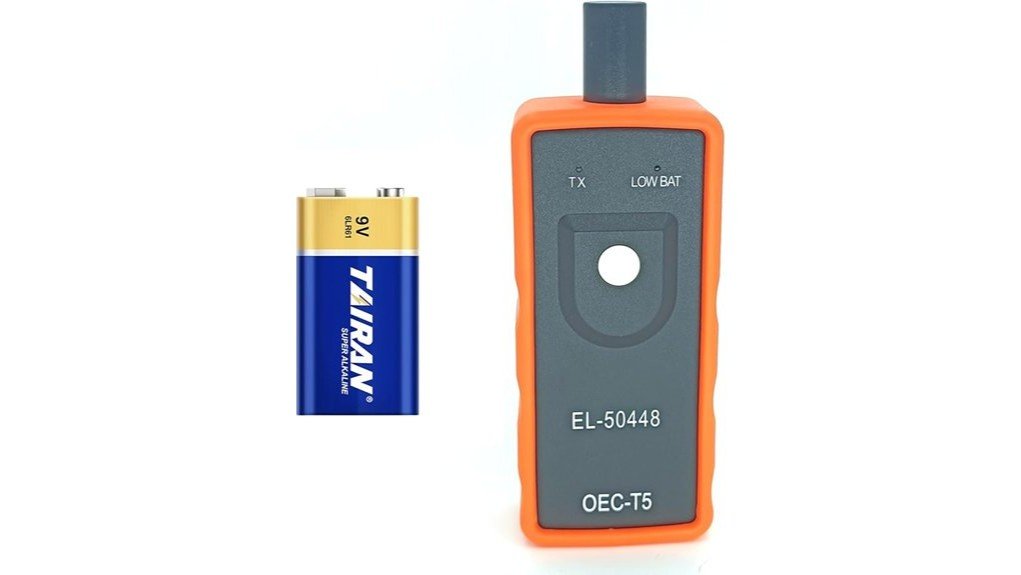
After a tire rotation or sensor replacement, your GM vehicle may show the correct pressure under the wrong wheel, or it may keep a TPMS warning on the dashboard. The MOCATEC EL-50448 TPMS Relearn Tool is a compact, one-button activator designed to help compatible Chevrolet, GMC, Cadillac, and Buick vehicles relearn sensor positions. It includes a 9V battery and is simple enough for a home garage, but it is not a universal sensor programmer and it cannot repair a dead sensor. This review explains its verified specifications, setup steps, compatibility limits, and value so you can decide whether it fits your vehicle and maintenance routine.
Quick Verdict
Rating: 8/10, Recommended with caveats
Best For: GM owners who rotate tires, swap wheel sets, or replace compatible TPMS sensors at home
Bottom Line: The included battery, one-button control, and compact size make the EL-50448 convenient for routine GM TPMS relearning. Its main tradeoff is narrow compatibility, especially with universal sensors, aftermarket sensors, and non-GM vehicles.
| Specification | Detail |
|---|---|
| Brand | MOCATEC |
| Model | EL-50448 |
| Manufacturer part number | 48bat |
| Product type | Vehicle-specific TPMS sensor activation and relearn tool |
| Controls | Single activation button |
| Power | Pre-installed 9V alkaline battery |
| Dimensions | 6 x 2.2 x 1.3 inches |
| Vehicle compatibility | Selected Chevrolet, GMC, Cadillac, and Buick vehicles; confirm exact model-year support before purchase |
| Sensor compatibility | Optimized for OE/OEM GM sensors; not intended for universal TPMS sensors, and some aftermarket sensors may not respond |
| Included items | One relearn tool, one 9V alkaline battery, and one manual |
| Claimed activation time | About 1 to 2 minutes after the vehicle is placed in relearn mode; actual procedure varies |
| Warranty | One-year manufacturer warranty listed by the seller |
| Best use | Matching sensor IDs to wheel positions after rotations, seasonal swaps, or compatible sensor replacement |
Key Takeaways
- The MOCATEC EL-50448 activates compatible GM TPMS sensors so the vehicle can match each sensor to the correct wheel position.
- The normal matching order is left front, right front, right rear, then left rear, but you should follow your vehicle manual.
- A pre-installed 9V battery and one-button control make the tool ready to use without a separate battery purchase.
- It is designed for selected Chevrolet, GMC, Cadillac, and Buick vehicles, not Ford, Toyota, Honda, Nissan, or other non-GM brands.
- It works best with OE/OEM sensors. It does not program blank universal sensors and cannot revive a sensor with a failed battery.
What Is the MOCATEC EL-50448 TPMS Relearn Tool?
The MOCATEC EL-50448 is a handheld radio-frequency activation tool for compatible GM tire pressure monitoring systems. Once your vehicle is placed in its TPMS relearn mode, the tool wakes each sensor near the valve stem so the vehicle can record the sensor ID for that wheel position.
This distinction matters: the EL-50448 is mainly a relearn and activation tool, not a full diagnostic scanner or universal sensor programmer. It can help a compatible vehicle recognize working sensors, but it cannot install a sensor, program every aftermarket sensor, repair a damaged valve stem, or correct low tire pressure.
Before You Buy: Confirm your exact model year, TPMS procedure, and sensor type. The listing is for GM vehicles only, and universal or incompatible aftermarket sensors may require a separate programming tool.
[Products Worth Considering]
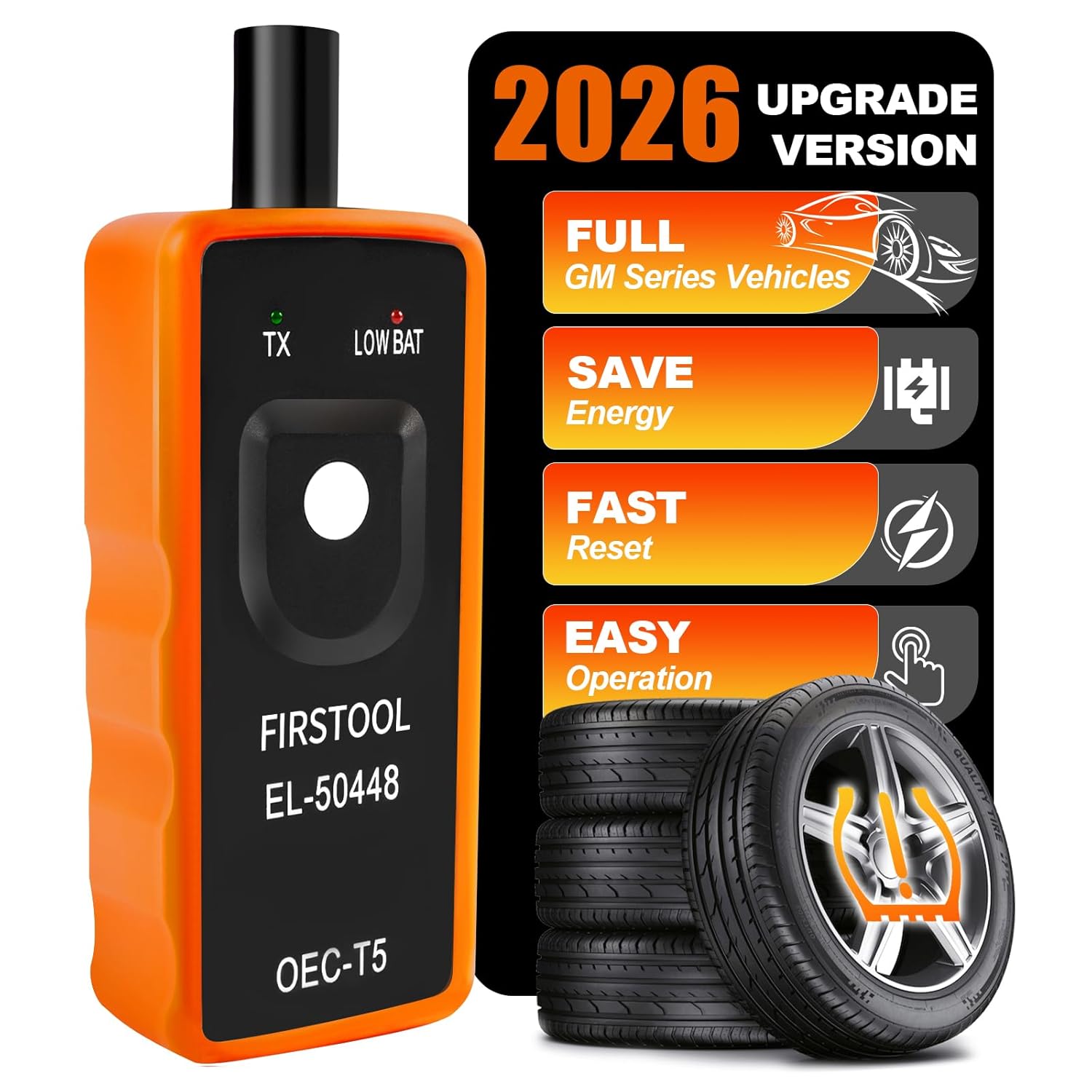
This TPMS relearn tool helps you quickly activate, match, and reset GM tire pressure sensors to keep the vehicle monitoring system working properly. It clears tire pressure alarms and dashboard warning lights after sensor replacement or tire rotation, and supports learning for common 315/433 MHz TPMS sensors. Designed for simple one-button operation, it can help you avoid unnecessary trips to repair shops.
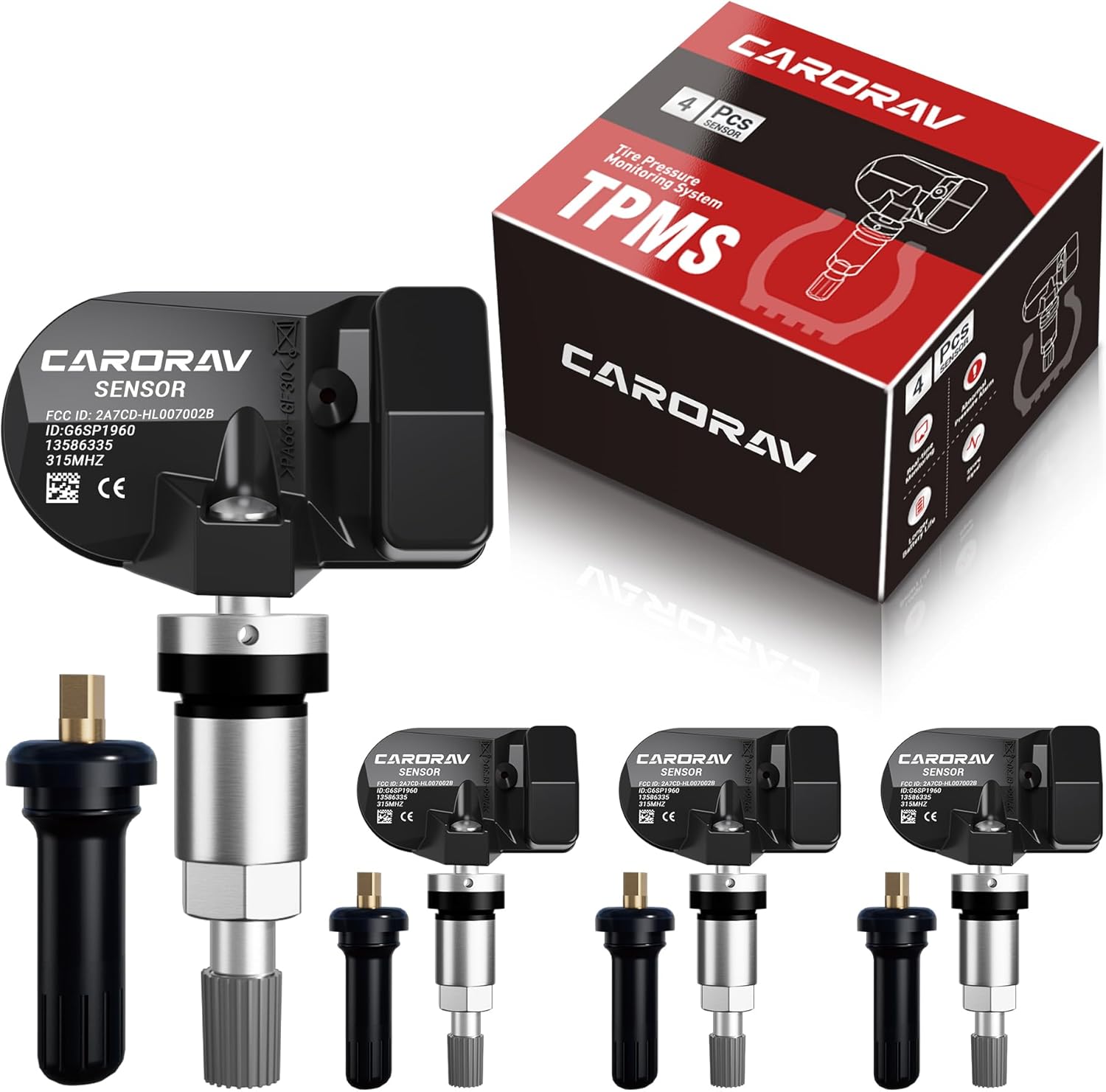
Replace worn or missing TPMS sensors with CARORAV pre-programmed GM-compatible sensors for a smoother installation experience. These 315MHz replacement sensors help monitor tire pressure in real time with long battery life, and they are designed to withstand harsh temperatures. Manual or OBDII relearn may be required to reset the system for proper recognition.

This GM TPMS relearn and reset tool (EL-50448) helps you activate and reset OE/OEM compatible tire pressure sensors for many Chevrolet, GMC, Buick, and Cadillac vehicles. It includes a pre-installed 9V alkaline battery for ready-to-use performance and features a one-button design for quick DIY TPMS relearn. Use it to clear the TPMS warning light, set the correct dashboard tire pressure, and test sensor operation.
Who Should Buy It?
Best For
- Owners of compatible Chevrolet, GMC, Cadillac, or Buick vehicles
- DIY drivers who rotate tires or change seasonal wheel sets at home
- Households that want a compact tool for occasional GM TPMS relearning
Skip If
- You need support for non-GM vehicles or multiple vehicle brands
- You need to program blank universal sensors or diagnose sensor data
- Your TPMS sensor is dead, damaged, or still covered by professional service needs
Design and Ease of Use
At 6 inches long, 2.2 inches wide, and 1.3 inches high, the tool is small enough for a glove box, garage drawer, or roadside kit. Its single-button layout keeps operation simple because there are no menus, cables, apps, or vehicle profiles to navigate.
The included 9V alkaline battery is a practical advantage over similar tools sold without power. You can start the relearn procedure as soon as the package arrives, although you should still keep a fresh spare battery available if the tool will sit unused for long periods.
Fit, Sensor Compatibility, and Limitations
The listing identifies the EL-50448 as vehicle-specific equipment for selected Chevrolet, GMC, Cadillac, and Buick models. It also states support for more than 100 GM vehicles, but that broad claim should not replace a model-year check. GM relearn methods, radio frequencies, menu steps, and sensor requirements can differ by vehicle.
The tool is optimized for original-equipment sensors. Some compatible aftermarket replacements may respond, but universal sensors often need to be programmed with their own brand-specific or shop-grade device before the vehicle can relearn them. A sensor with a depleted internal battery may also fail to trigger even when the EL-50448 is working normally.
How to Use the EL-50448 Correctly
First, park on a level surface, set the parking brake, and check all four tires against the pressure shown on the driver-door placard. Then use your owner manual to place the vehicle in TPMS relearn mode. The entry method may involve the Driver Information Center, steering-wheel controls, ignition sequence, or key-fob buttons, depending on the model and year.
- Start at the left-front tire.
- Place the tool against the tire sidewall near the valve stem.
- Press the activation button until the horn chirps or the vehicle gives its confirmation signal.
- Move to the right-front tire, then the right-rear tire, and finish at the left-rear tire.
- Wait for the final confirmation, exit relearn mode as directed, and recheck all four pressure readings.
Some GM procedures place a time limit on matching the first sensor and completing all four wheels. Have the tool ready before entering relearn mode, and restart the procedure if the vehicle times out.
Pro Tip: Hold the tool close to the sidewall directly beside the valve stem, not several inches away from the wheel. If the sensor does not respond, change the angle, verify relearn mode, and try again with a fresh 9V battery before assuming the sensor has failed.
When You Need to Relearn GM TPMS Sensors
A relearn is commonly needed after a tire rotation because the vehicle must know which sensor moved to each corner. Without matching, the pressure numbers may still appear, but the dashboard can label the wrong wheel.
You may also need the procedure after installing a compatible replacement sensor, changing between seasonal wheel sets, replacing a road wheel, or restoring a road tire after using a spare. A relearn can also help confirm whether a sensor responds, but it should not be treated as a complete diagnosis.
How It Performs in Real Use
After a Tire Rotation
This is the tool’s clearest use case. Once the vehicle is in learn mode, the one-button activation sequence lets you remap the four working sensors without visiting a tire shop. The process is quick when the vehicle and sensors are compatible.
During Seasonal Wheel Swaps
If both wheel sets use compatible, already-programmed sensors, the EL-50448 can help the vehicle recognize the set currently installed. It will not program a blank universal sensor, so confirm that each seasonal sensor is ready for the vehicle before starting.
After Sensor Replacement
The tool can activate a replacement sensor during the matching process, but only after the correct sensor has been installed and, when required, programmed. If the horn never confirms the wheel, the issue may be the replacement sensor, its battery, its frequency, or its programming rather than the handheld tool.
For Basic Troubleshooting
A successful activation suggests that the sensor can transmit during relearn. A failed activation does not prove the tool is defective. Check tire pressure, relearn mode, tool battery, placement, sensor compatibility, and sensor health before deciding what needs replacement.
Compatibility and Safety
TPMS helps warn you about low tire pressure, but a relearn tool does not replace a reliable pressure gauge, visual tire inspection, or repair. Inflate tires to the cold pressure on the vehicle placard, not the maximum pressure molded into the tire sidewall.
Do not assume that clearing a warning means the underlying problem is fixed. If the warning returns, a reading stays missing, or a tire continues losing air, inspect the tire and valve area and have the system checked by a qualified technician. Follow your GM owner manual because the ignition state, confirmation signals, time limits, and menu steps vary.
Why DIY Drivers Use the EL-50448
The main appeal is convenience. Owners who rotate tires at home can keep wheel-position data accurate without scheduling a separate relearn visit. The tool has no subscription, app, cable, or complicated menu, and the included battery reduces setup friction.
Its simplicity is also its limitation. It does one narrow job for selected GM systems. Buyers who maintain several brands, program universal sensors, read sensor battery status, or diagnose radio-frequency problems need a more capable TPMS scanner.
Pros and Cons
Pros
- One-button operation with no app or scan-tool menus
- Pre-installed 9V battery allows immediate setup
- Compact 6-inch body is easy to store in a vehicle or toolbox
- Useful after rotations, seasonal swaps, and compatible sensor replacement
- One-year manufacturer warranty is listed by the seller
Cons
- Limited to selected GM vehicles and compatible sensor systems
- Not a universal sensor programmer or full diagnostic scanner
- Cannot fix low pressure, damaged sensors, or depleted sensor batteries
Is It Worth the Price?
The MOCATEC EL-50448 sits in the budget tool category and offers strong value when you own a compatible GM vehicle and expect to rotate tires or change wheel sets more than once. The included battery, manual, and simple control make it a practical purchase for a specific recurring task.
It is less compelling when you need multi-brand support or advanced diagnostics. In that case, paying more for a professional TPMS scanner or a tool that can program universal sensors may prevent you from buying two separate devices.
[Products Worth Considering]

The VEHLIVE SU-50448 II TPMS relearn tool provides a fast activation reset to restore accurate tire pressure monitoring after sensor replacement or tire rotation. It supports 315 MHz and 433 MHz GM series sensors and helps clear dashboard pressure warnings. With simple two-button operation and horn-confirmed relearning order, you can reprogram sensors conveniently at home.

This TPMS sensor training and relearn reset tool is customized for Ford, Lincoln, and Mercury vehicles to help activate tire pressure programming after sensor replacement or tire rotation. It can activate individual tire pressure sensors with one-button operation, helping prevent TPMS warning light illumination. It is not a sensor programming tool and cannot program replacement sensors—use it to trigger/activate sensors only.

Replace worn or malfunctioning GM TPMS sensors with this 433MHz pre-programmed sensor set designed for compatibility with many Chevrolet, Buick, GMC, and Cadillac models. It includes guidance for proper OBDII relearning/pairing after installation and supports reliable long-term operation with a high-performance CR2032 battery. Quality tested for durability and performance to help restore accurate tire pressure monitoring.
How It Compares to Alternatives
The VXDAS OEC-T5 is a similar one-button GM relearn tool and is worth comparing if you want another basic activator. The VXDAS Super GL50448 adds a model switch for GM and Ford, which may suit a two-brand household better. A shop-grade TPMS scanner costs more but can offer sensor data, broader vehicle coverage, and universal-sensor programming that the MOCATEC tool does not provide.
The MOCATEC model makes the most sense when you want a straightforward GM-only activator with a battery already installed. Its value depends more on confirmed compatibility than on extra features.
[Products Worth Considering]

The AICEL TPMS relearn tool helps you quickly reset or relearn tire pressure sensors after replacement, tire rotation, or resolving tire pressure alarms. It provides an activation reset function so your vehicle’s TPMS can operate optimally, saving time and money on frequent visits to an auto shop. Designed for easy use on most vehicles, it works by placing the tool near the valve stem and using the learn button.

The UYYE TPMS relearn tool helps activate and relearn tire pressure monitor sensors quickly, typically in minutes. It supports TPMS learn mode resetting using a simple three-step process: enter learn mode, position the tool near the valve stem, and press the learn button. Designed for specific GM models, it streamlines sensor programming and reduces trips to dealers or tire shops.

Masoll Gen 2 external TPMS sensors are a DIY replacement set of 4 for select GM vehicles made after 2006, helping you shut off the TPMS warning light quickly. Simply screw the sensors onto the tire valves and sync to your car ECU using the included EL-50448 relearn tool. Dual-frequency 315/433 MHz design provides OEM-level performance with accurate readings and replaceable batteries for about two years.
Frequently Asked Questions
Does the MOCATEC EL-50448 include a battery?
Yes. The listing includes a pre-installed 9V alkaline battery, one relearn tool, and a printed manual. Battery condition can still decline during storage, so replace it if the activation signal becomes inconsistent.
Will it program a new universal TPMS sensor?
No. This tool activates compatible sensors during the vehicle’s relearn process, but it is not a universal sensor programmer. A blank aftermarket sensor may need separate programming before the EL-50448 can help match it to a wheel position.
Can it clear the TPMS warning light immediately?
It may help the warning clear after a successful relearn when tire pressure and sensor operation are normal. It will not clear a warning caused by an underinflated tire, active leak, damaged sensor, failed sensor battery, or incompatible replacement part.
Which vehicles does the EL-50448 support?
It is sold for selected Chevrolet, GMC, Cadillac, and Buick vehicles. Compatibility is vehicle-specific, so check the seller’s list and your owner manual for the exact model year before ordering.
Do I need to relearn TPMS after rotating tires?
Many GM vehicles require sensor matching after a rotation so the dashboard associates each pressure reading with the correct wheel. Check the TPMS section of your owner manual because some models handle position learning differently.
What wheel order should I follow?
The common GM order is left front, right front, right rear, then left rear. Listen for the vehicle’s confirmation at each wheel and follow the exact sequence in your model’s manual.
Where should I hold the tool?
Place it against the tire sidewall near the valve stem, then press the button until the vehicle confirms the sensor. Moving the tool closer or changing its angle can help when the first attempt does not register.
What should I do if a sensor will not activate?
Confirm that the vehicle is still in relearn mode, replace the tool’s 9V battery, reposition the tool near the valve stem, and restart the sequence. If one wheel repeatedly fails while the others work, the sensor may be incompatible, unprogrammed, damaged, or low on internal battery power.
The Bottom Line
The MOCATEC EL-50448 is a sensible buy for owners of compatible GM vehicles who want a simple way to match working TPMS sensors after tire service. Its one-button operation and included battery are convenient, but buyers who need universal-sensor programming, multi-brand coverage, or full diagnostics should choose a more advanced tool.
Ready to Buy?
Check the latest price, compatibility list, and product details before you decide.