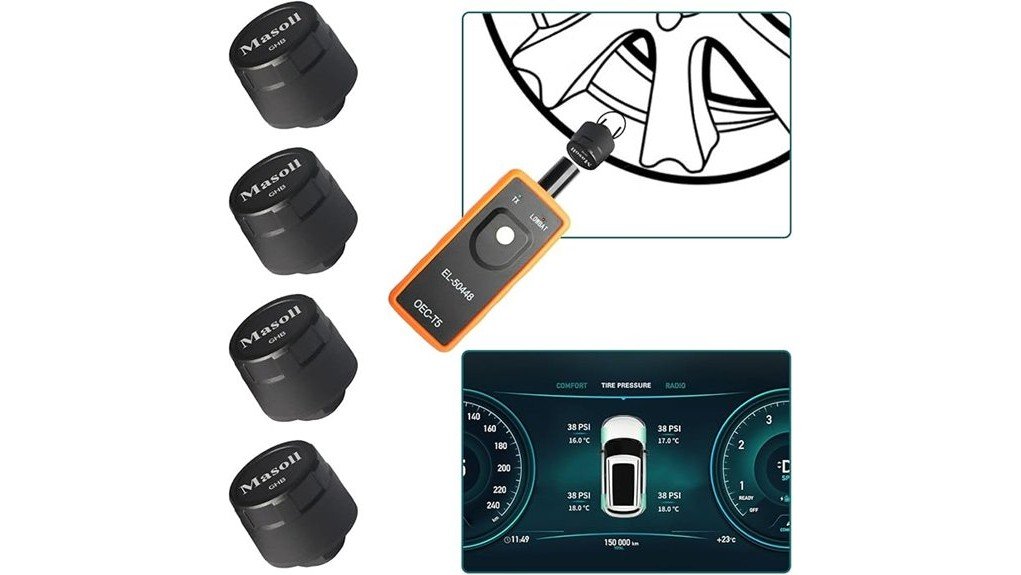
Masoll TPMS Sensor Kit Review
A TPMS warning light is easy to ignore until you need a reliable pressure reading. The Masoll TPMS Sensor Kit gives compatible GM owners a DIY route with four external cap-style sensors and an EL-50448 relearn tool in the box. This review helps you decide if the external design is worth the convenience, or if you should stay with hidden internal sensors instead. The kit is useful for many GM vehicles made after 2006, but exact fitment is the main detail you must confirm before ordering.
Quick Verdict
Rating: Recommended with caveats, 8.4/10
Best For: GM owners who want an easier external TPMS sensor replacement with the relearn tool included.
Bottom Line: The Masoll TPMS Sensor Kit is a practical buy if your GM vehicle supports this Gen 2 external cap sensor setup. The tradeoff is that the sensors sit outside the wheel, so they are more visible and more exposed than internal TPMS sensors.
Before You Buy: Do not assume every GM vehicle after 2006 will work. Check Amazon Confirmed Fit, your exact year, make, model, trim, valve-stem clearance, and owner’s manual before you buy.
Key Specs
| Specification | Detail |
|---|---|
| Brand | Masoll |
| Model / Part Number | EL50448+SP |
| ASIN | B0FF33PY2N |
| Product Type | External tire pressure monitoring sensor kit for compatible GM vehicles |
| Design | Cap-style sensors that screw onto the tire valve from outside the wheel |
| Quantity | Set of 4 external TPMS sensors |
| Included Components | 4 aftermarket TPMS replacement sensors, 1 EL-50448 TPMS relearn tool, and accessories |
| Generation | Gen 2 version, listed as launched in 2025 |
| Compatibility | Many GM-branded vehicles made after 2006, including Chevy, Silverado, Buick, Cadillac, GMC, and Pontiac. Exact fitment still must be verified. |
| Frequency Listed | 315 MHz and 433 MHz |
| OE Numbers Listed | 13598771, 13598772, 13586335 |
| Battery | Replaceable CR1632 battery |
| Claimed Battery Life | About 2 years |
| Claimed Accuracy | 1.5 PSI |
| Upper Temperature Rating | 100°F |
| Display Setup | Uses the vehicle’s original dashboard display when paired correctly |
| Monitor Charging | Not needed because the kit works with the factory display on compatible vehicles |
| Manufacturer Listed | nLong |
What Is the Masoll TPMS Sensor Kit?
The Masoll TPMS Sensor Kit is an external tire pressure monitoring sensor bundle for compatible GM vehicles. Instead of installing sensors inside the tire, each sensor screws onto a valve stem like a larger valve cap. That design can reduce the need for tire dismounting when your goal is to replace failed TPMS sensors.
The kit includes four cap-style sensors, an EL-50448 relearn tool, and accessories. The relearn tool is the key piece because compatible GM vehicles need to recognize each sensor before dashboard pressure readings can work. When the pairing process is successful, the system is designed to send pressure data to the original dashboard display.
This is not a universal TPMS kit for every car. It is aimed at many GM-branded vehicles made after 2006, including Chevy, Silverado, Buick, Cadillac, GMC, and Pontiac models. Fitment depends on the exact vehicle and setup, so this kit is best treated as a compatibility-first purchase.
Who Should Buy It?
Best For
- GM owners with a TPMS warning light caused by aging or failed sensors
- DIY users who want an external sensor setup with the EL-50448 relearn tool included
- Drivers who want dashboard pressure readings without adding a separate solar or USB monitor
Skip If
- Your exact vehicle does not pass Amazon Confirmed Fit or your manual does not support this setup
- You want hidden factory-style internal sensors inside the tire
- Your wheels place the valve stems near curbs, debris, or tight spaces where cap damage is more likely
[Products Worth Considering]

Replace worn or malfunctioning GM TPMS sensors with this 433MHz pre-programmed sensor set designed for compatibility with many Chevrolet, Buick, GMC, and Cadillac models. It includes guidance for proper OBDII relearning/pairing after installation and supports reliable long-term operation with a high-performance CR2032 battery. Quality tested for durability and performance to help restore accurate tire pressure monitoring.

Masoll Gen 2 external TPMS sensors are a DIY replacement set of 4 for select GM vehicles made after 2006, helping you shut off the TPMS warning light quickly. Simply screw the sensors onto the tire valves and sync to your car ECU using the included EL-50448 relearn tool. Dual-frequency 315/433 MHz design provides OEM-level performance with accurate readings and replaceable batteries for about two years.
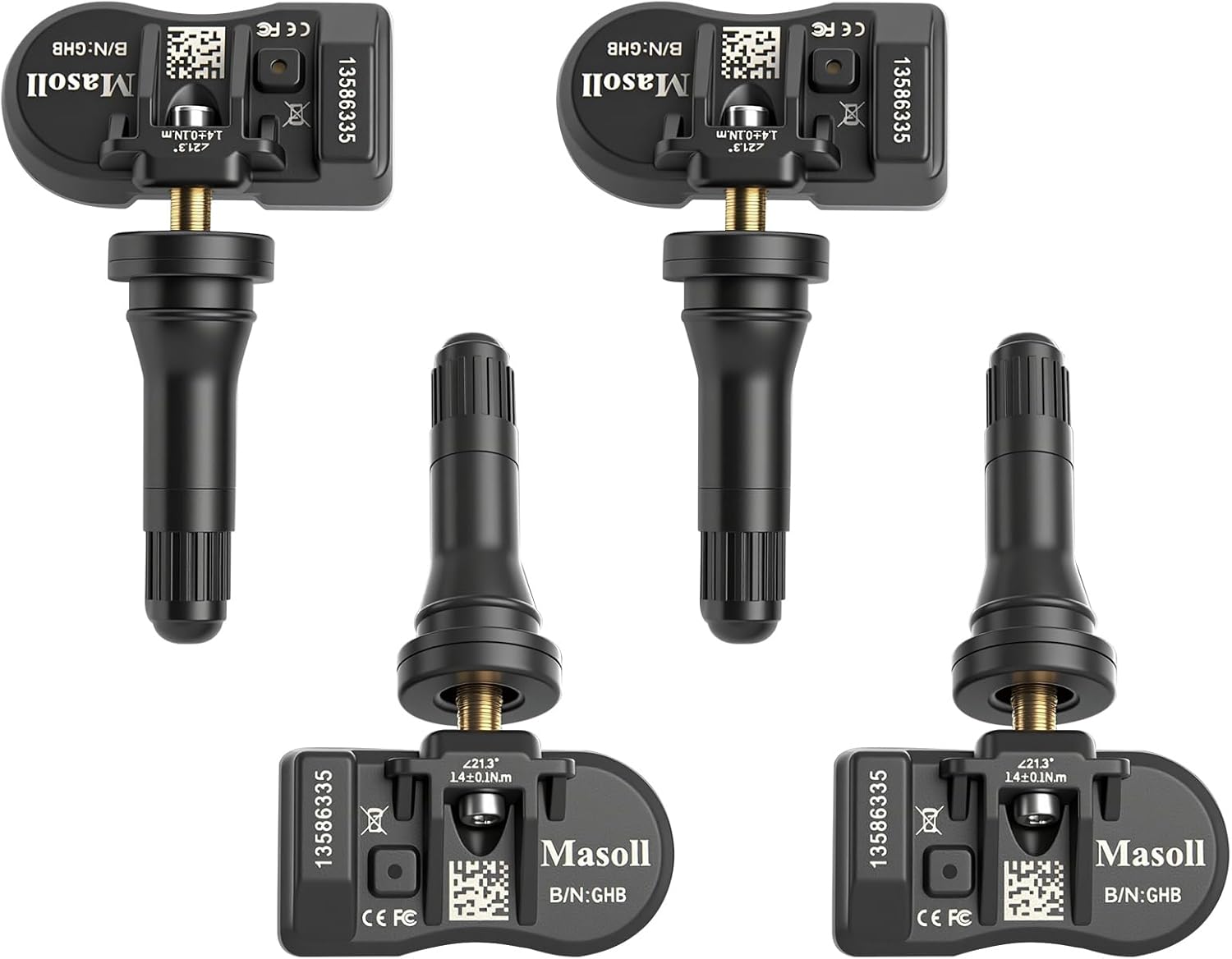
Masoll TPMS sensors are designed for most GM vehicles after 2006, helping you clear tire pressure warnings with OEM-level 315/433MHz compatibility. The 4-pack includes pre-programmed sensors, but re-learning is required after installation using a GM TPMS relearn tool or scan tool. Built with a dual-antenna design and a long-life CR2050 battery, these sensors deliver reliable performance in extreme temperatures with corrosion-resistant valve construction.
Key Features
External Cap-Style Installation
The biggest advantage is the external design. You screw each sensor onto a tire valve from the outside, so the tires usually do not need to be removed from the wheels for the sensor swap. This can make the kit more approachable for a careful DIY owner than a traditional internal TPMS replacement.
The tradeoff is exposure. Internal sensors sit protected inside the wheel, while these cap sensors sit outside the valve stem. That makes them easier to install and replace, but also easier to see, bump, scrape, or tamper with.
EL-50448 Relearn Tool Included
The included EL-50448 relearn tool helps pair the sensors with compatible GM vehicles. The basic setup is to install the cap sensors, place the vehicle into TPMS relearn mode, and activate each sensor with the tool in the correct order.
This included tool improves value because you do not have to buy a separate GM TPMS relearn tool for this kit. Still, the tool does not remove the need to follow your vehicle’s relearn sequence. If the order or timing is wrong, the vehicle may not store the sensor positions correctly.
Gen 2 Sensor Coverage
The listing describes this as a Gen 2 Masoll setup launched in 2025. The claimed benefit is wider vehicle coverage and stronger transmission performance for more GM vehicle types, including cars, SUVs, and pickup trucks such as Silverado models.
That wider coverage does not mean automatic fitment. Different model years, trims, modules, and wheel setups can affect TPMS compatibility. You should verify the vehicle list before buying, especially if your GM vehicle is near a model-year changeover.
Replaceable CR1632 Battery
Each sensor uses a replaceable CR1632 battery, with about 2 years of claimed battery life. A replaceable battery helps keep the sensors useful longer because a dead battery does not automatically mean the whole sensor must be discarded.
Battery life can vary with driving habits, temperature, and storage. If one wheel stops reporting while the others still work, check the battery and relearn status before assuming the sensor itself has failed.
Factory Dashboard Display Support
On compatible vehicles, this kit is designed to use the original dashboard tire pressure display. That is cleaner than a universal TPMS kit with an add-on screen, a solar charging monitor, or a USB-powered receiver.
The benefit is a more factory-like viewing experience. The limitation is that the kit depends on your vehicle’s existing TPMS system. If your vehicle module, relearn mode, or dashboard display does not support the sensor setup, the kit may not solve the warning light.
Compatibility and Safety Notes
TPMS is part of your vehicle’s tire safety system, so fitment matters more than convenience. Confirm the year, make, model, trim, wheel setup, and valve-stem clearance before you install the sensors. If your TPMS light stays on after relearn, do not ignore it. Recheck the sensor order, batteries, pressure levels, and vehicle compatibility.
External sensors also add weight and length to the valve stem area. Make sure each cap is secure, but do not overtighten it or damage the valve stem. If you notice vibration, air loss, a cracked valve stem, or uneven wheel behavior after installation, stop using the vehicle and have the wheel and TPMS setup checked by a tire professional.
Pro Tip: Before pairing the sensors, set all four tires to the correct cold pressure listed on your vehicle’s door placard. This makes it easier to confirm that each sensor is reporting the correct wheel after relearn.
Setup Tips Before First Use
- Check fitment first: Use Amazon Confirmed Fit and your manual before installing the caps.
- Inspect valve stems: Do not install an external cap sensor on a cracked, loose, or damaged valve stem.
- Install in the correct order: Follow your GM relearn sequence so the vehicle stores each wheel position correctly.
- Drive after relearn if needed: If sensors relearn but pressure does not show, the listing notes that driving for about 15 minutes over 25 km/h may activate the tire sensors.
- Recheck for leaks: After installation, check each valve area for slow air loss before relying on the system for daily driving.
How It Performs in Real Use
For Daily Driving
For a compatible GM daily driver, the main benefit is convenience. Once paired, the sensors are meant to send pressure readings to the original dashboard display, which helps you spot a low tire without adding another screen inside the cabin.
For DIY TPMS Repairs
This kit is most appealing when an internal sensor fails and you want to avoid tire dismounting. The cap-style design lets you install sensors from outside the wheel, while the EL-50448 tool helps complete the pairing process at home.
For Seasonal Wheels
The external setup may be useful if you swap between seasonal wheel sets and want a sensor solution that is easier to access. You still need to confirm that the sensor caps fit the valve area and that your vehicle supports the relearn process each time.
For Trucks and Work Vehicles
The listing calls out GM trucks such as Silverado as part of the intended coverage. The exposed cap design is less ideal, though, if the vehicle spends time around curbs, construction debris, gravel, brush, or tight job-site parking.
What Buyers Are Saying
Buyer Feedback Themes
Based on Amazon customer review themes available at review time:
- Praise: Several buyers say the sensors are easy to install and program with the included relearn tool.
- Praise: Many buyers report that the kit clears the TPMS warning light and restores dashboard pressure readings on compatible GM vehicles.
- Watch-out: Some feedback points to the caps being large, visible, or more vulnerable than internal sensors, and some owners mention balance or clearance concerns.
Pros and Cons
Pros
- Includes four external sensors plus the EL-50448 relearn tool
- Cap-style installation can avoid tire dismounting on compatible setups
- Designed for many GM vehicles made after 2006
- Uses the original dashboard pressure display when paired correctly
- Replaceable CR1632 battery helps extend sensor service life
Cons
- Compatibility must be checked by exact vehicle, year, trim, and wheel setup
- External caps are more visible and more exposed than internal sensors
- Not ideal if your valve stems sit close to curbs, debris, or tight wheel openings
- Dimensions and weight are not clearly listed, so clearance must be checked carefully
Is It Worth the Price?
The Masoll TPMS Sensor Kit is strong value for the price if it fits your GM vehicle and you want an easier DIY path than internal sensor replacement. The included EL-50448 relearn tool adds value because you need a relearn process for the vehicle to recognize the sensors.
The kit makes the most sense when your goal is to clear a TPMS warning light and restore dashboard pressure readings without paying for tire dismounting. It is less compelling if you want a hidden OEM-style repair, if your valve stems are exposed to damage, or if your exact vehicle is not listed as compatible.
[Products Worth Considering]
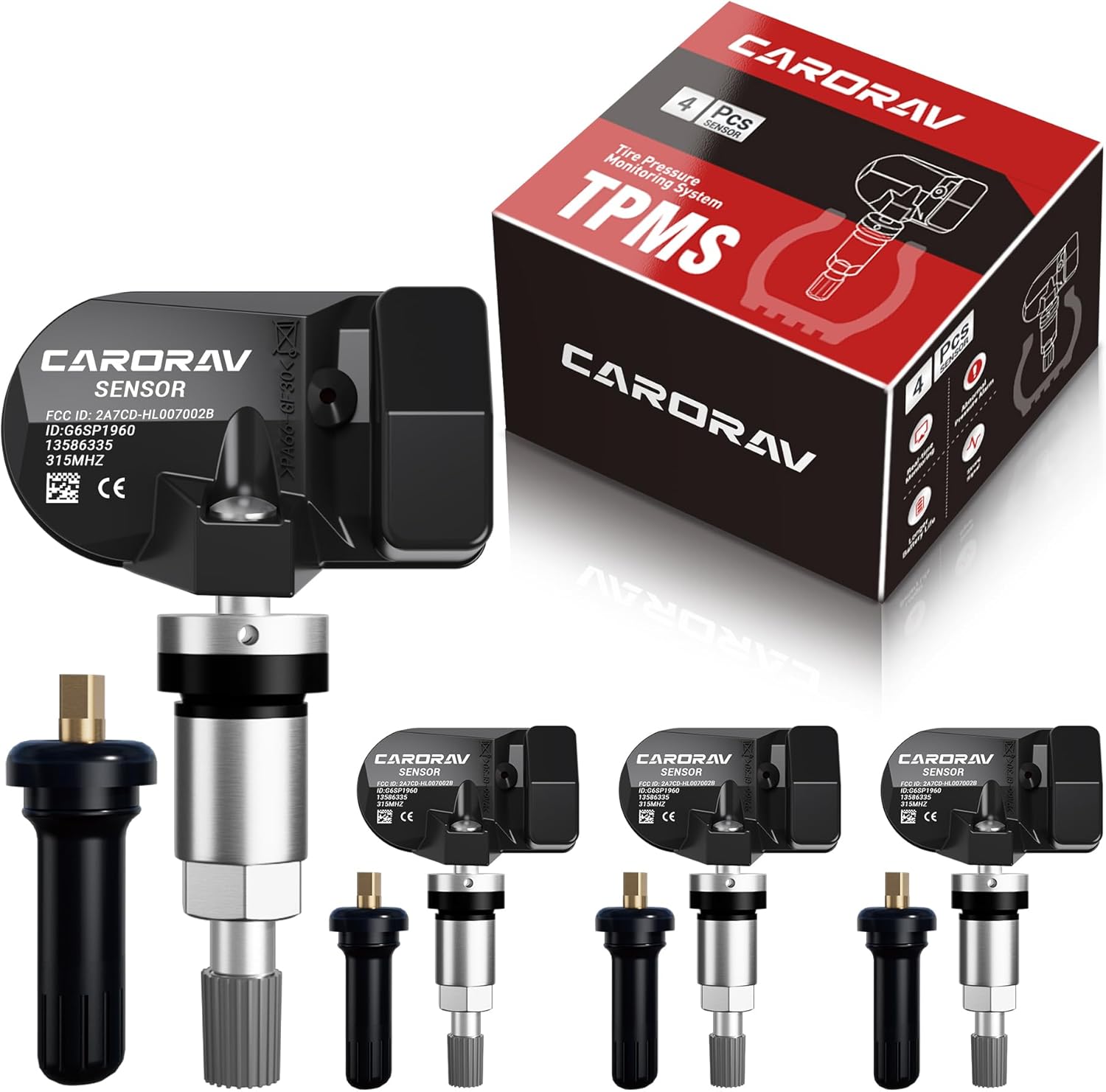
Replace worn or missing TPMS sensors with CARORAV pre-programmed GM-compatible sensors for a smoother installation experience. These 315MHz replacement sensors help monitor tire pressure in real time with long battery life, and they are designed to withstand harsh temperatures. Manual or OBDII relearn may be required to reset the system for proper recognition.

Replace worn or missing TPMS sensors with a pre-programmed 4-pack designed for compatible GM vehicles. These 315MHz sensors provide real-time tire pressure monitoring and alert you if pressure is too high, too low, or if a rapid air leak occurs. Most installations are ready with minimal relearn effort after mounting, helping improve safety and driving confidence.
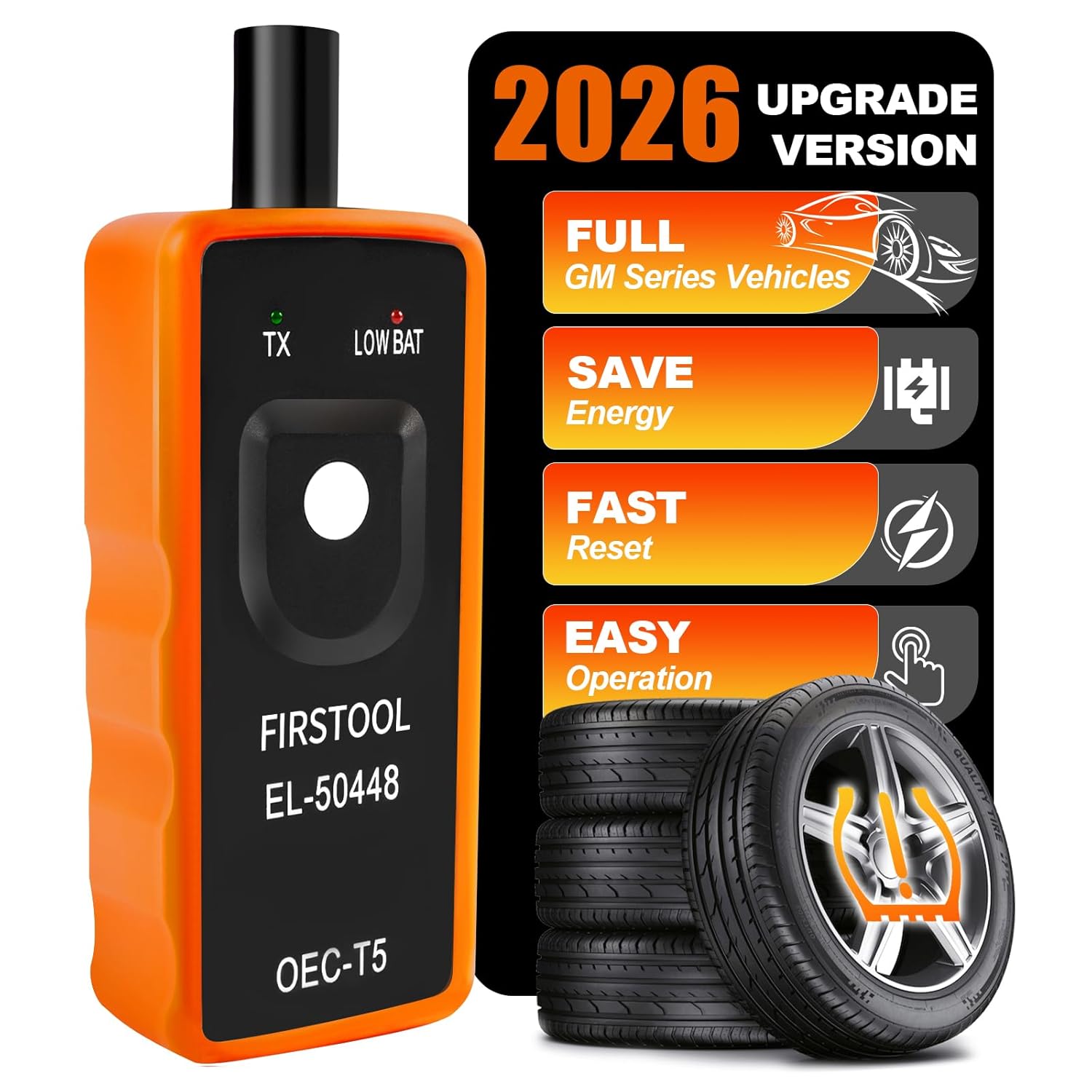
This TPMS relearn tool helps you quickly activate, match, and reset GM tire pressure sensors to keep the vehicle monitoring system working properly. It clears tire pressure alarms and dashboard warning lights after sensor replacement or tire rotation, and supports learning for common 315/433 MHz TPMS sensors. Designed for simple one-button operation, it can help you avoid unnecessary trips to repair shops.
How It Compares to Alternatives
Marsflex TPMS Sensors Fit for GM are a more traditional internal sensor option for some GM vehicles. They may be better if you want hidden sensors inside the wheel and do not mind tire dismounting.
ACDelco GM Original Equipment Tire Pressure Monitoring Sensors are worth comparing if you prefer OE-style replacement parts. The Masoll kit is easier to access from outside the wheel, while ACDelco-style internal sensors better match a factory-hidden setup.
Masoll 2026 New Upgrade GM TPMS Sensor 4-Pack is another Masoll option to compare if you want the same brand but a different bundle. Check the included accessories, battery type, and vehicle list before choosing between Masoll kits.
[Products Worth Considering]

The VEHLIVE SU-50448 II TPMS relearn tool provides a fast activation reset to restore accurate tire pressure monitoring after sensor replacement or tire rotation. It supports 315 MHz and 433 MHz GM series sensors and helps clear dashboard pressure warnings. With simple two-button operation and horn-confirmed relearning order, you can reprogram sensors conveniently at home.
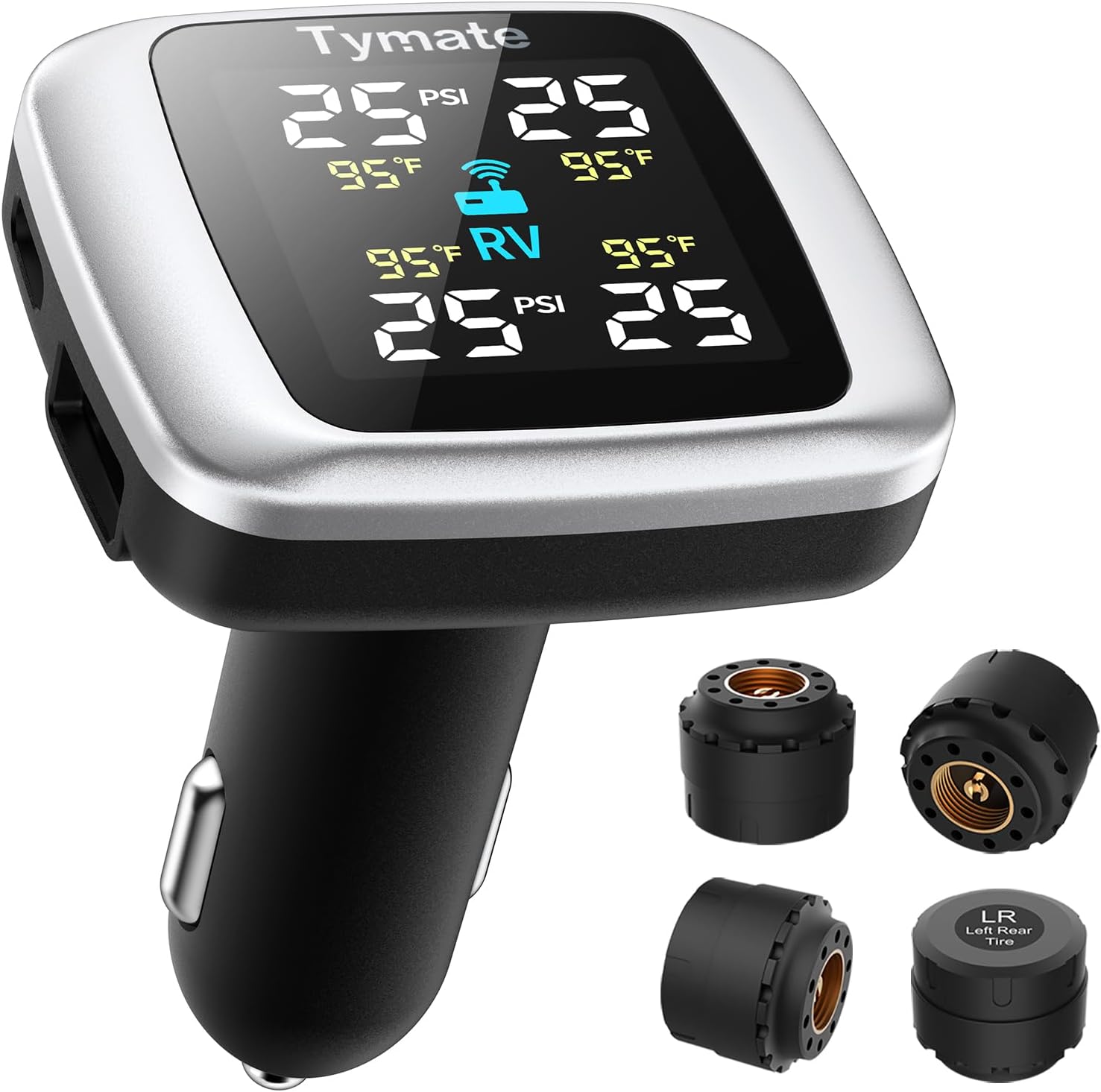
Tymate TM7 is a wireless tire pressure monitoring system that delivers real-time pressure and temperature readings for safer driving. It includes four external sensors, a bright color LCD display with adjustable backlight, and six alarm modes for high/low pressure, fast leakage, high temperature, and sensor signal or battery issues. The system covers a wide 0–144 PSI range and plugs into your vehicle’s cigarette lighter socket for quick DIY setup.

The AICEL TPMS relearn tool helps you quickly reset or relearn tire pressure sensors after replacement, tire rotation, or resolving tire pressure alarms. It provides an activation reset function so your vehicle’s TPMS can operate optimally, saving time and money on frequent visits to an auto shop. Designed for easy use on most vehicles, it works by placing the tool near the valve stem and using the learn button.
Frequently Asked Questions
Does the Masoll TPMS Sensor Kit fit all GM vehicles after 2006?
No. The listing says it fits many GM-branded vehicles made after 2006, but exact compatibility can still vary by year, trim, module, and wheel setup. Check Amazon Confirmed Fit, the vehicle list, and your owner’s manual before buying.
Do you need to remove the tire to install these sensors?
Usually, no. These are external cap-style sensors, so they screw onto the valve stems from outside the wheel. You still need to complete the GM TPMS relearn process before the vehicle can recognize them.
What battery do the Masoll sensors use?
The sensors use a replaceable CR1632 battery. The listing claims about 2 years of battery life, but real battery life can vary with use, temperature, and storage.
What is included in the box?
The package includes four aftermarket TPMS replacement sensors, one EL-50448 TPMS relearn tool, and accessories. That gives you the sensor set and the main pairing tool in one kit.
What should you do if the sensors relearn but no pressure shows?
The listing notes that you may need to drive for about 15 minutes at more than 25 km/h to activate the tire sensors. If readings still do not show, recheck the relearn order, sensor batteries, tire pressure, and vehicle compatibility.
Can you use these sensors on aftermarket wheels?
Maybe. The external cap design may work with some aftermarket wheels, but valve-stem location and clearance matter. Make sure the cap has enough space and will not hit the wheel, curb, brake parts, or nearby trim.
Are external TPMS sensors better than internal sensors?
They are easier to install and access, but they are not always better. Internal sensors look cleaner and sit protected inside the wheel. External sensors are better for convenience, while internal sensors are better for a factory-style look and added protection.
Who should skip this Masoll TPMS kit?
Skip it if your vehicle is not listed as compatible, if you want hidden internal sensors, or if your valve stems are exposed to frequent curb or debris contact. You should also skip it if you are not comfortable following the GM relearn process.
The Bottom Line
The Masoll TPMS Sensor Kit is a solid choice for compatible GM owners who want an easier external sensor replacement with the EL-50448 relearn tool included. Its main strength is DIY-friendly installation, while its main limitation is the exposed cap-style design and strict fitment requirement. If you want a hidden factory-style repair, choose an internal GM-compatible TPMS sensor instead.