
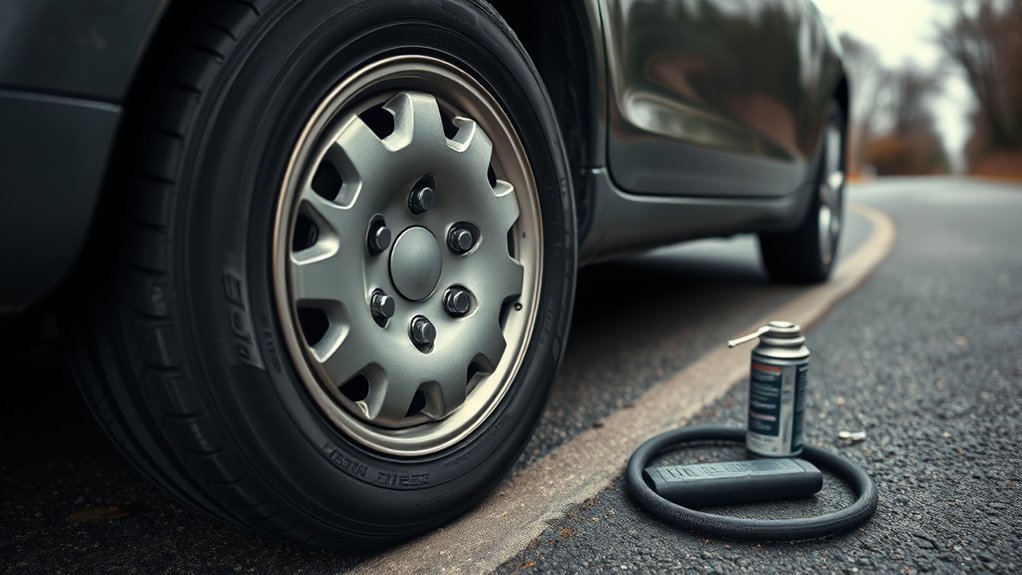
A tire that slowly loses air can be frustrating, especially when you cannot immediately see the cause. If you are considering Fix-a-Flat for a slow leak, the first step is deciding whether the leak is the kind an aerosol sealant can temporarily handle. The puncture location, size, tire condition, and cause of the leak all matter.
Quick Answer
Yes. Fix-a-Flat can temporarily seal a slow leak caused by a small puncture in the tread area, up to 1/4 inch in diameter. Do not rely on it for sidewall damage, rim or bead leaks, or major tire damage. Have the tire professionally inspected and repaired within 3 days or 100 miles, whichever comes first.
Last checked: September 30, 2026. Dates and figures were verified against official sources.
Key Takeaways
- Fix-a-Flat is an emergency mobility aid, not a permanent tire repair.
- Its current automotive products are designed for tread punctures up to 1/4 inch.
- Sidewall, shoulder, rim, bead, and severe damage need professional attention instead.
- After installation, drive 2–4 miles, check pressure, and add air to the vehicle manufacturer’s specification if needed.
- Tell the tire technician that sealant was used so the tire and TPMS can be cleaned and inspected correctly.
Can You Use Fix-a-Flat for a Slow Leak?
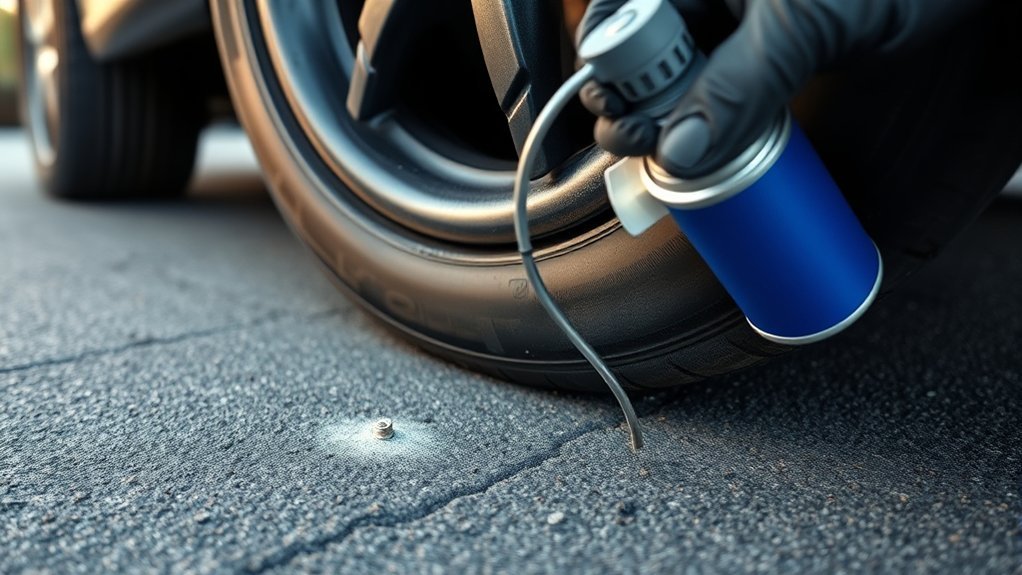
Fix-a-Flat can be useful for a slow leak when the cause is a small tread puncture and the tire has no structural damage. The manufacturer’s current 16-ounce product specifies tread-area punctures up to 1/4 inch and describes the product as a temporary repair.
The current Fix-a-Flat product specifications also say the tire should receive a proper repair within 3 days or 100 miles. That makes the product useful for getting to a safe location or tire shop, not for continuing normal driving indefinitely.
Before using it, inspect the tread for a nail, screw, or other obvious puncture. Also look at the sidewalls and wheel. A slow leak may instead come from the valve, bead area, wheel corrosion, impact damage, or another problem that sealant cannot properly repair.
If the tire is visibly damaged, extremely low, separating, bulging, or unable to support the vehicle safely, do not assume sealant will make it roadworthy.
How Fix-a-Flat Seals a Tire
Fix-a-Flat combines liquid tire sealant and pressurized air. The air pushes the sealant through the valve stem and into the tire, where the material can reach a small tread puncture and slow or stop the loss of air.
It does not rebuild damaged tire structure. That is why the location and size of the injury matter as much as how slowly the tire is leaking.
Sealant and Airflow Action
Once dispensed, the sealant enters the tire while the product also adds enough pressure to help lift the rim from the ground. Driving afterward distributes the material through the rotating tire and helps it reach the puncture.
The manufacturer’s current Fix-a-Flat instructions direct the driver to travel 2–4 miles after dispensing the product, then stop and check tire pressure. Add air if necessary.
- The sealant is carried inside the tire.
- Air escaping through a small puncture helps draw sealant toward the leak.
- Driving distributes the sealant after application.
- The resulting seal is intended only for temporary mobility.
Puncture Coverage Limits
Fix-a-Flat is intended for small punctures in the tread, not every possible source of pressure loss. A sidewall cut, damaged wheel, leaking bead, or severe puncture needs a different solution.
These limits also resemble the industry’s boundaries for a permanent puncture repair. The U.S. Tire Manufacturers Association tire-repair guidance says a repairable passenger or light-truck puncture must be in the tread area and no larger than 1/4 inch (6 mm). A proper repair also requires removing the tire from the wheel and inspecting the inside.
| Damage type | Fix-a-Flat? | Notes |
|---|---|---|
| Tread nail hole | Yes, temporarily | Must be within product limits |
| Sidewall cut | No | Structural damage |
| Bead or rim leak | No | Wheel or sealing surface needs service |
| Large puncture | No | Beyond the product’s sealing limit |
When You Should Skip Fix-a-Flat
Skip Fix-a-Flat whenever the tire cannot safely support the vehicle or the leak is not a small tread puncture. Sealant cannot restore damaged sidewall cords, repair a cracked wheel, correct a serious bead problem, or make a badly damaged tire structurally sound.
Fix-a-Flat also says its automotive product should not be used in motorcycles and several other non-automotive highway applications. The company separately advises against using it in run-flat tires and tires with internal acoustic foam.
Sidewall or Rim Damage
A leak from the sidewall or wheel calls for inspection rather than sealant. Cuts, bulges, exposed cords, cracking, bends, or wheel fractures can indicate damage that a liquid sealant cannot correct.
A bead leak happens where the tire seals against the rim. Corrosion, debris, impact damage, or a bent wheel may prevent that joint from sealing properly.
- Look for bulges, cuts, cracks, or exposed tire cords.
- Inspect the wheel for visible bending or impact damage.
- Check whether the leak is at the tread, valve, or bead area.
- Use a spare tire or roadside assistance when the tire cannot hold safe pressure.
Warning: Do not drive on a tire that remains collapsed on the rim, has a damaged sidewall, shows a bulge or exposed cords, or continues losing air rapidly. Sealant cannot restore structural strength.
Severe or Rapid Leak
A tire that loses pressure within minutes, hisses continuously, or cannot lift its rim from the ground after inflation needs more than an aerosol sealant. Continuing to drive can damage the tire internally and may also damage the wheel.
If pressure falls again immediately after inflation, stop and use a spare tire or roadside assistance. A technician can then identify whether the cause is a large puncture, valve problem, bead failure, wheel damage, or internal tire damage.
How to Use Fix-a-Flat Correctly
Use Fix-a-Flat according to the directions printed on your specific can. Current aerosol instructions emphasize positioning the puncture if possible, shaking the can before dispensing, attaching the hose securely, and driving immediately after the product is installed.
The tire does not have to be completely flat before Fix-a-Flat can be used. Do not deliberately remove air unless the instructions for your exact product specifically require it.
- Park safely. Move away from traffic, set the parking brake, and inspect the tire for severe damage.
- Position the puncture. If you can identify it, rotate the tire so the puncture is near the 6 o’clock position.
- Shake the can. Current directions specify shaking vigorously for 30 seconds before dispensing.
- Connect the hose. Remove the valve cap and twist the hose tightly onto the valve stem.
- Dispense the sealant. Hold the can upright and press the dispensing button. Do not shake the can while the product is flowing.
- Check that the rim is lifted. If the tire still cannot lift the rim from the ground, do not drive until enough safe inflation is available.
- Drive 2–4 miles. This distributes the sealant through the rotating tire.
- Check tire pressure. Add air as needed to reach the pressure specified by the vehicle manufacturer.
Install the product outdoors in a well-ventilated location and wear eye protection. Keep the pressurized can away from excessive heat, flame, or other unsafe storage conditions.
[Products Worth Considering]
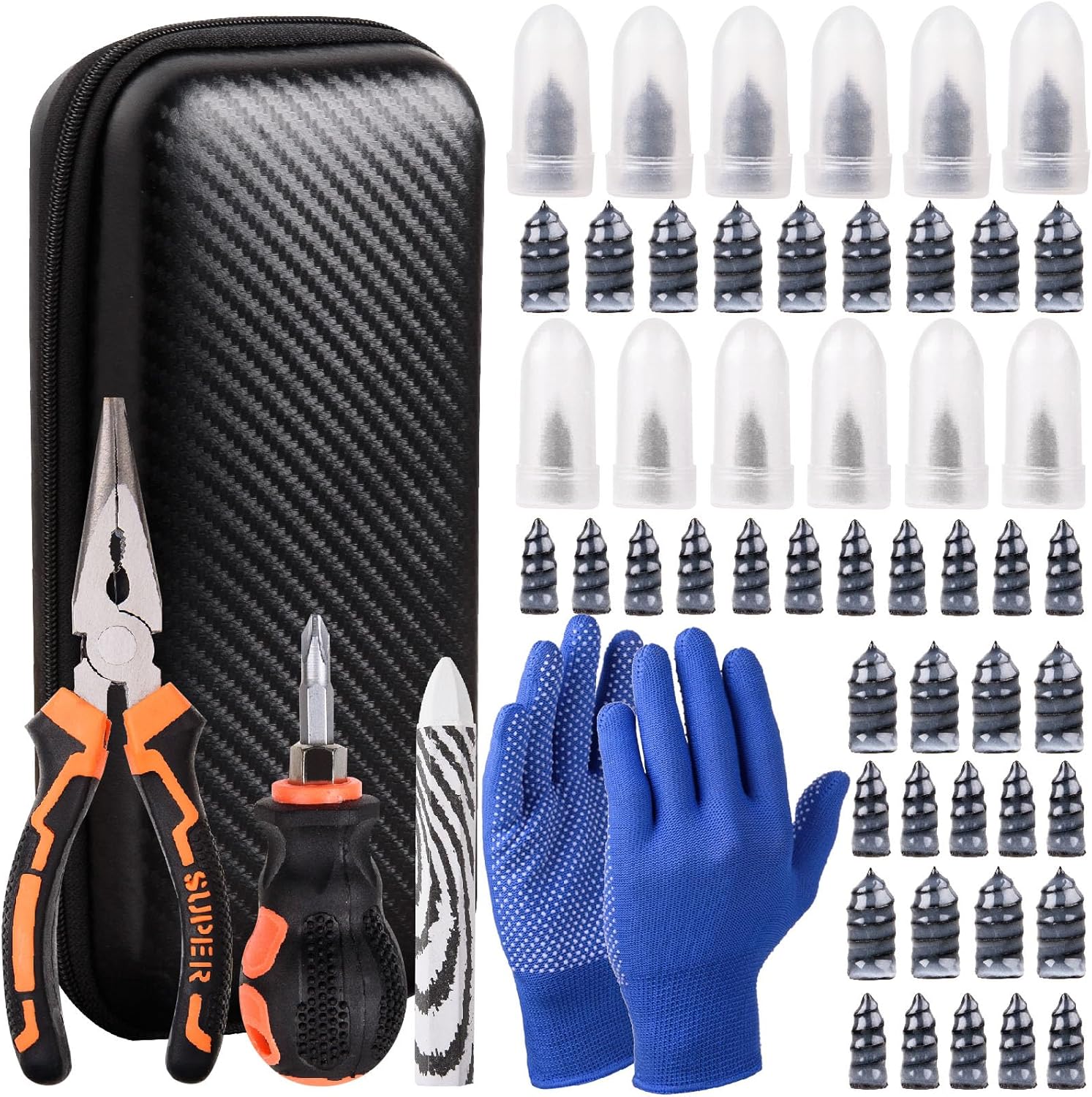
This tire sidewall puncture repair kit fixes flats fast without removing the tire, helping you get back on the road in minutes. It includes self-tapping repair nails, essential tools, gloves, and a portable storage bag for convenient roadside use. Designed for tubeless tires, it helps create a tight, leak-resistant seal for cars, motorcycles, trucks, SUVs, and ATVs.

TireJect Off-Road Tire Sealant Kit provides 5-in-1 sealing to help fix tread punctures up to 3/8", sidewall punctures up to 3/8", bead leaks, slow leaks, and minor dry rot on low-speed tires. It permanently seals with liquid rubber, recycled tire particles, and Aramid fibers, making it ideal for flats caused by thorns, nails, and screws. The included dispensing cap attaches to the valve stem for a no-mess installation, along with a metal valve core remover tool and valve stem cap. This kit is for off-road use only.

Steelman white tire marking crayons provide high-contrast, semi-permanent marks for repairing and inspecting tires and equipment. They write on wet or dry, smooth or coarse surfaces including rubber, metal, glass, and wood, making them ideal for puncture location and damage outlining. The lead- and zinc-free crayons resist weather and fading yet wipe away when you no longer need the marks.
What to Do After Using Fix-a-Flat
After the 2–4-mile distribution drive, stop somewhere safe and check the tire with a pressure gauge. Compare the reading with the vehicle manufacturer’s recommended pressure, normally shown on the driver’s door-jamb tire placard.
Do not confuse the maximum pressure molded into the tire sidewall with the vehicle manufacturer’s normal inflation recommendation. NHTSA’s TireWise guidance recommends using the vehicle’s specified cold inflation pressure.
| Checkpoint | What You See | What You Do |
|---|---|---|
| Pressure | Gauge reading | Inflate to vehicle specification if needed |
| Tire surface | Sealant or visible puncture | Note the location for the technician |
| Handling | Pulling or vibration | Stop if the vehicle feels unsafe |
| Dashboard | TPMS warning remains on | Recheck pressure and arrange service |
Arrange a professional inspection as soon as practical and within the product’s 3-day/100-mile limit. Tell the technician that Fix-a-Flat is inside the tire before service begins.
Fix-a-Flat states that its current formula is safe for tire-pressure monitoring sensors. After the tire is repaired, the manufacturer says the TPMS device should be cleaned with water if sealant contacted it, then the system can be reset as needed.
[Products Worth Considering]

This tire repair kit provides fast emergency puncture repair without removing the tire from the rim, helping you get back on the road quickly. Its screw plug system is designed for punctures in both tread and sidewall and includes a complete patch plug tool set with essential accessories. A portable storage bag makes it easy to carry for cars, trucks, SUVs, motorcycles, and heavy-duty applications.

This self-service tire repair nail kit includes 60 pieces (30 small + 30 large) to help seal punctures quickly without needing an auto shop visit. The nails are designed to fit different hole sizes and provide a tight connection with sealing glue to help prevent air and water intrusion. Suitable for cars, motorcycles, trucks, and other vehicles, it’s an easy, efficient way to patch roadside tire damage.

Orange Seal regular formula tubeless sealant quickly seals punctures and forms a durable bond inside your tire to help reduce flats. Made with natural latex, it adheres effectively to rubber and seals from the inside out, including the critical bead-to-rim interface for a reliable ride. It seals punctures up to 1/4 inch, slices up to 3/4 inch, and performs in temperatures as low as 11°F across MTB, road, cyclocross, gravel, and e-bike applications.
Better Alternatives for Slow Leaks
A slow leak is better solved by finding and repairing its actual cause. Sealant is most useful when you need temporary mobility, while a professional tire repair addresses the puncture and lets the technician inspect damage that may not be visible from outside.
For a repairable tread puncture, USTMA guidance calls for removing the tire from the wheel, inspecting the inside, filling the injury with a rubber stem or plug, and sealing the inner liner with a patch. A plug alone or patch alone is not considered a proper industry repair.
- Repair a qualifying center-tread puncture with an industry-accepted combination repair.
- Replace or service a leaking valve or valve component when that is the source.
- Have bead corrosion or wheel damage corrected rather than covering it with sealant.
- Replace tires with non-repairable sidewall, shoulder, structural, or severe run-flat damage.
Note: A small outside puncture can hide internal damage caused by driving while the tire was underinflated. A trained tire professional should demount and inspect the tire before deciding that it is safe to repair.
[Products Worth Considering]

Milton S-921 pencil tire pressure gauge helps you maintain optimal tire pressure for passenger cars with accurate readings in PSI and kPa. It features a built-in deflator valve for convenient pressure adjustments, plus a single chuck head and nylon indicator bar for easy use on the go. Built from durable plated brass and designed for reliable performance, it’s a practical road trip and cold-weather maintenance tool.

TP-M13W combination repair unit kit includes wrapped stems with matching patches for fast, reliable tire repairs. It’s suitable for both radial and bias ply tires and is designed for chemical or heat vulcanization. Gray vulcanizing gum with blue backing helps create a strong bond, with the stem portion wrapped for added effectiveness.

Mosconly tire repair glue and nail kit delivers an elastic, waterproof bond for quick sidewall puncture repairs. The adhesive cures securely to help prevent peeling, flaking, and tearing, while the included nails support a strong, seamless repair. Designed for easy roadside use, it works on car, motorcycle, bike, and other tire types, with full curing within 24 hours.
Frequently Asked Questions
Does Fix-a-Flat Work on Tire Sidewall Punctures?
No. Fix-a-Flat is intended for small tread-area punctures, not sidewall damage. A puncture, cut, bulge, or exposed cord in the sidewall can affect the tire’s structure, so the tire should be inspected and usually replaced rather than treated with sealant.
Will Fix-a-Flat Damage Tire Pressure Sensors?
Fix-a-Flat says its current formula is tire-sensor safe. The manufacturer recommends telling the technician that sealant was used and cleaning any sealant from the TPMS device with water during tire service before the system is returned to normal operation.
How Long Can You Drive After Using Fix-a-Flat?
Have the tire inspected and repaired within 3 days or 100 miles, whichever comes first. Fix-a-Flat is only a temporary emergency repair, so do not treat that limit as a target for normal driving or postpone service unnecessarily.
Can Fix-a-Flat Be Used in Cold Weather?
Yes, but the product can freeze below 32°F. Fix-a-Flat says a frozen can is not permanently damaged and can be used after thawing; it recommends warming the can with a vehicle interior heater vent rather than exposing the pressurized container to unsafe direct heat. See the manufacturer’s freezing guidance.
Is Fix-a-Flat Safe for Motorcycle Tires?
No. The manufacturer says Fix-a-Flat is designed for automotive highway tires such as cars, trucks, and SUVs and should not be used in motorcycle tires. Follow the motorcycle and tire manufacturer’s approved emergency and repair procedures instead.
Does the Tire Have to Be Completely Flat Before Using Fix-a-Flat?
No. Fix-a-Flat states that a tire does not have to be completely flat before the product is installed. Follow the directions on your specific can rather than intentionally deflating a tire that still contains air.
Conclusion
Fix-a-Flat can get a vehicle moving again after a small, repairable-looking tread puncture, but it should remain an emergency measure. Use it only within the product’s limits, check pressure after the short distribution drive, and arrange a proper tire inspection within 3 days or 100 miles.
Tire problems can have serious consequences. NHTSA reports that 511 people died in tire-related motor-vehicle crashes in 2024, reinforcing the value of correct inflation, regular tire inspection, and proper repair rather than relying on a temporary seal.
Sources
- Fix-a-Flat 16 oz. product specifications: puncture size, temporary-use limit, product compatibility, and installation safety.
- Fix-a-Flat written instructions: application sequence and post-installation driving procedure.
- U.S. Tire Manufacturers Association Tire Repair Basics: repairable tread area, 1/4-inch limit, internal inspection, and combination repair guidance.
- Fix-a-Flat TPMS FAQ: tire-sensor compatibility and cleaning guidance.
- Fix-a-Flat tire compatibility FAQ: automotive highway tire and motorcycle restrictions.
- Fix-a-Flat freezing FAQ: cold-weather freezing and thawing guidance.
- NHTSA TireWise: tire inflation guidance and 2024 tire-related crash safety data.

