
Can You Drive on Tires With Cords Showing?
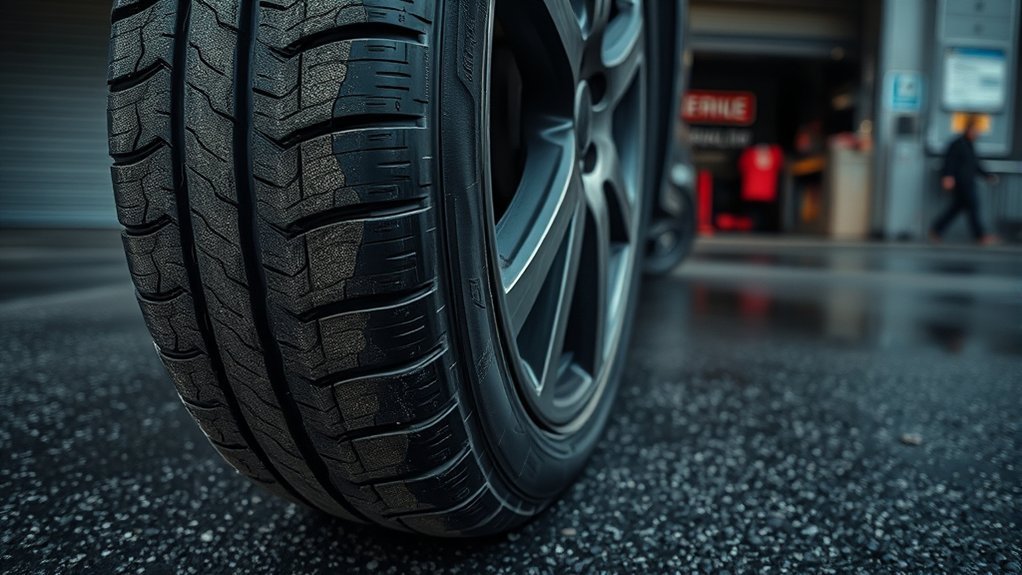
No, you shouldn’t drive on tires with cords showing. Visible cords mean the tire’s protective rubber is gone and the structure is compromised, so traction, handling, and heat resistance are no longer reliable. A blowout can happen without warning, even at low speeds, and that can cause a crash. Pull over safely, avoid heavy loads or fast driving, and replace the tire as soon as possible. The next steps matter, and the details are worth knowing.
Key Takeaways
- No, driving on tires with cords showing is unsafe because the tire’s structural integrity is compromised.
- Exposed cords can fail without warning, causing blowouts and possible loss of vehicle control.
- Replace the tire immediately; cord exposure is not a repairable condition.
- If cords are visible, drive only a very short distance to a safe location or service center.
- Check the other tires for uneven wear, underinflation, or damage that may have caused the issue.
[Products Worth Considering]

The SAFELIFE dial tire tread depth gauge measures tread depth in 1/32 inch increments with clear, easy-to-read 2-inch dial face. Color zones using a traffic light system help you quickly judge whether tread is low, marginal, or ample for safer driving. Built with a durable zinc cast body and a metal detect probe for precise, comfortable use across cars, motorcycles, trucks, and buses.

Measure tire tread depth quickly and accurately with this LUMITECO dial gauge that reads in 1/32" increments up to 14/32". The color-coded green/yellow/red zones make it easy to judge tire wear and know when replacement is needed. A rugged, compact design with a protective pouch helps keep the gauge ready for use on cars, trucks, motorcycles, and more.

Monitor tire tread wear with a smart, color-coded depth gauge that shows clear condition ranges at a glance. The bar is range marked for fast, easy readings, helping you maintain safer traction and performance. Each gauge is portable with a pocket clip, and the set includes 20 units for daily use and sharing.
Can You Drive on Tires With Exposed Cords?
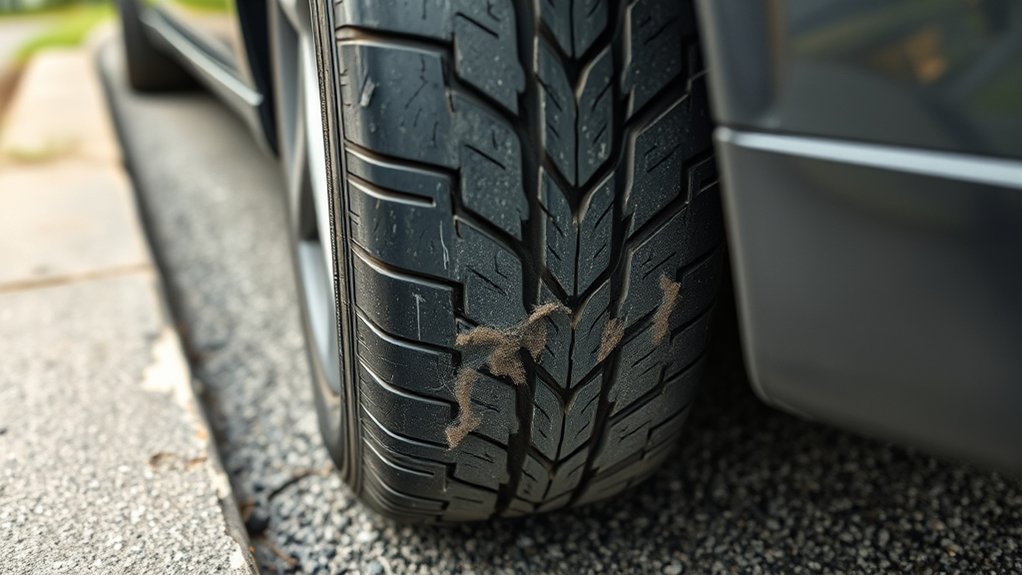
No—you shouldn’t drive on tires with exposed cords. They’ve already lost critical structural protection, and continuing to use them puts you at immediate risk.
For tire safety, treat exposed cords as a serious hazard, not a minor wear issue. You can’t rely on proper traction, stable handling, or predictable braking when the tire’s outer layers are compromised. Even short trips can create driving risks, especially at highway speeds, in rain, or during sudden maneuvers.
You should stop driving as soon as it’s safe, inspect the tire, and arrange a replacement. If you need to move the vehicle, do it only a very short distance at low speed and only if no safer option exists.
A tire with cords showing can fail without warning, and that can damage your wheel or cause a loss of control. Prioritize getting the vehicle to a shop or calling roadside assistance rather than taking chances.
What Exposed Tire Cords Mean
Exposed tire cords mean the tire has worn past its protective rubber layers and is no longer structurally sound. When you see cord visibility, you’re looking at a critical tire safety failure, not a minor wear issue.
The cords are the internal reinforcement that helps the tire hold shape and carry load. Once they show, the tread can’t protect them anymore, and the tire’s ability to handle heat, pressure, and road forces drops fast.
You shouldn’t keep driving on it except, if absolutely necessary, to move the vehicle a very short distance to a safe location. Even then, proceed cautiously.
A tire in this condition can fail without warning, reducing steering control and stopping performance. Treat any exposed cord as an immediate replacement issue. Have the tire inspected by a qualified professional and replace it before you drive again.
Why Tire Cords Become Visible
Tire cords become visible when tread wear isn’t even, when potholes or road impacts cut through the tire, or when underinflation accelerates damage.
You’ll often see cords first at the spots that carry the most stress or scrub against the road.
When cords show, your tire’s structure is compromised, and you need to treat it as a serious safety hazard.
Tread Wear Patterns
When tread wears unevenly or runs too low, the rubber layer that protects the steel belts can disappear, and the cords beneath start to show.
You should check tread depth across the full tire, not just at one spot, because uneven wear often signals alignment, inflation, or suspension issues. Different tread patterns can wear faster on the shoulders, center, or inside edge, which shortens tire longevity and pushes you below safety standards sooner.
Your driving habits matter too: hard braking, aggressive cornering, and frequent short trips can accelerate wear.
If you see a bald patch, feathering, or a cord line, stop driving on that tire. Replace it immediately and inspect the others for matching wear before you return to the road.
Damage From Potholes
Potholes can tear through a tire’s protective layers in an instant, letting the steel cords inside become visible even if the tread looked acceptable moments before.
When you hit a deep pothole, the sidewall or shoulder can flex beyond its design limits, and that sudden shock can rupture the rubber. Once the outer layer splits, moisture, dirt, and road debris can reach the internal structure, weakening tire integrity fast.
Repeated pothole impacts can also spread hidden damage, so a tire that only looks scuffed may already be unsafe. If you spot cords, stop driving on that tire and inspect the wheel for bent rims or cuts.
Replace the tire promptly; cords showing mean the tire has lost safe strength.
Underinflation Effects
If you drive on a tire that’s underinflated, the sidewalls flex too much and the tread can wear unevenly, which speeds up the loss of the rubber covering over the internal cords. You lower tire pressure, and heat builds fast. That heat weakens the rubber, so cords can show sooner. Check pressure with a gauge when tires are cold, then inflate to the vehicle placard spec.
| Warning sign | Meaning |
|---|---|
| Visible sidewall bulge | Excess flex and stress |
| Outer-edge wear | Uneven tread loss |
| Hot tire after short drive | Low pressure damage |
| Cords peeking through | Immediate safety concerns |
If you spot cords, don’t keep driving. Replace the tire right away; otherwise, you risk a blowout and lose control.
What Happens If You Keep Driving?
If you keep driving on tires with cords showing, you’re risking a rapid tire failure at any speed.
The weakened tire can suddenly blow out, making it hard to steer, brake, or stay in your lane.
That loss of control can quickly turn a damaged tire into a serious crash.
[Products Worth Considering]

Accurately measure tire tread depth with a calibrated gauge marked from 0 to 1 inch in 1/32 inch increments. The color-coded bar helps you quickly identify tread condition ranges, supporting safe driving for trucks, motorcycles, automobiles, and passenger vehicles.

This tire inflator with pressure gauge delivers long-lasting performance with a durable rubber-protected gauge and sturdy build. The longer hose and 360 swivel air chuck help you seal the valve securely and keep your hands free while measuring, inflating, or deflating. It’s battery-free for reliable use and provides ±2 PSI accuracy in the mid-range for most typical tires, with universal compatibility for 1/4 NPT compressor outputs.
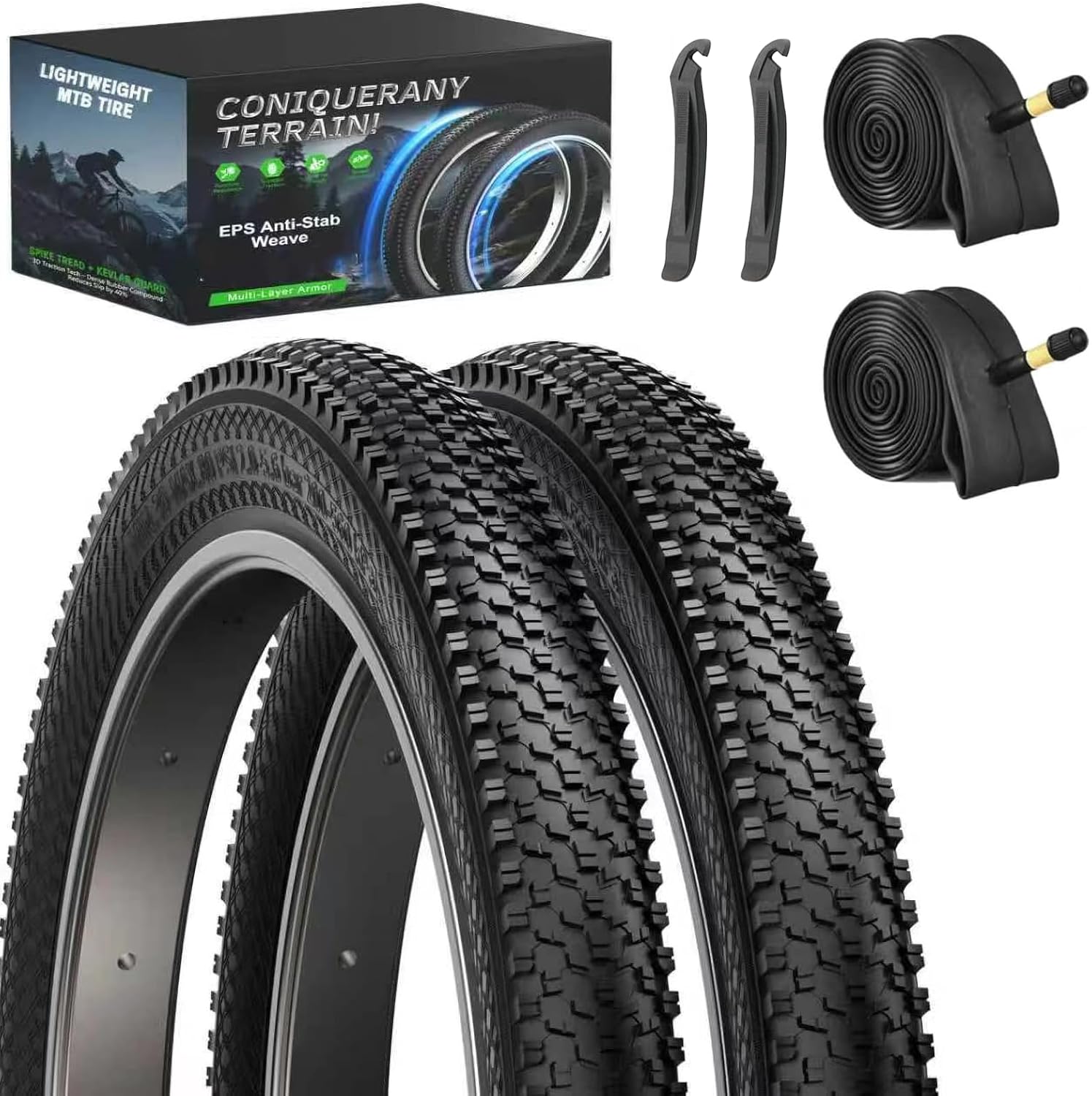
This 2-pack set includes two folding mountain bike tires, two inner tubes, and two tire levers for quick, budget-friendly replacements. The tires feature an anti-stab weave for added protection, plus strong grip and durable construction to help you stay stable across common trail and road conditions. Foldable design makes storage and travel convenient, while the included tubes provide a matched fit for smoother setup.
Rapid Tire Failure
Once tire cords show, the tire can fail very quickly because the exposed structure can no longer contain air pressure or road stress.
You’re no longer dealing with normal wear; you’re dealing with a compromised casing that can split, bulge, or separate without warning. Cord visibility is a clear sign that tread protection is gone, and tire safety is already reduced to a critical level.
If you keep driving, heat builds, flexing increases, and the weakened area can deteriorate fast, especially under load or at highway speed.
You shouldn’t test how long it lasts. Replace the tire immediately and avoid any unnecessary movement on it.
The safest response is to stop, inspect the damage, and arrange towing or a spare before the tire fails completely.
Loss Of Control
As the tire loses structural integrity, you can lose steering precision, braking grip, and directional stability almost immediately. That means a routine lane change or hard stop can turn unpredictable, especially at highway speed. | Risk | Impact |
| — | — |
|---|---|
| Steering pull | You may drift from your lane |
| Blowout | You can lose control instantly |
| Extended driving | Heat and wear increase failure risk |
If the cords are showing, stop driving and replace the tire now. Continuing adds no margin for loss prevention and puts your driving safety at risk. You can’t count on the tire to hold pressure, track straight, or absorb road shocks. Even a short trip can end in a skid, rim damage, or a crash. Treat exposed cords as an immediate safety hazard, not a minor defect.
Can Damaged Tires Be Repaired?
Can damaged tires be repaired? Sometimes, but only when the damage is minor and stays within the tread area. Qualified technicians use tire repair techniques like patching and plug-patch combinations, but they first inspect the tire’s structure, puncture size, and location.
Damaged tires can sometimes be repaired, but only minor tread punctures should be evaluated by a qualified technician.
Your decision must follow strict safety considerations, because a repair can’t restore a tire that has exposed cords, sidewall damage, belt separation, or heavy wear.
If you notice a nail hole, slow leak, or small tread puncture, you may be able to save the tire after proper evaluation. However, once internal cords show, the tire has already lost critical strength.
At that point, repair isn’t a safe option, even if the outer damage looks limited. You should treat the tire as compromised and replace it promptly.
A reliable shop can tell you whether the tire meets repair standards, but you should never gamble on a questionable tire when your safety depends on it.
What to Do If Your Tire Shows Cords?
If your tire shows cords, stop driving on it and replace it as soon as possible. Continuing to use it can lead to sudden failure, loss of control, and a dangerous blowout.
Pull over safely, inspect the tire, and avoid high speeds or heavy loads. If you must move the vehicle, drive only the shortest distance needed to reach a safe location or service bay.
Contact a tire professional right away and arrange replacement, not repair, because exposed cords mean the tire’s structure is compromised.
Check the other tires too, since similar wear may be present. Review your tire maintenance records and note the mileage, pressure, and tread condition so you can address the cause during service.
Keep these safety tips in mind: don’t ignore vibration, bulges, or visible fabric and cord, and don’t assume the tire can last until your next trip.
Quick action protects you, your passengers, and your vehicle.
How to Prevent Tire Cord Exposure?
Prevent tire cord exposure by keeping your tires properly inflated, rotating them on schedule, and replacing them before tread wear gets too low. You should treat tire maintenance as a safety task, not a cosmetic one.
Check air pressure at least monthly and before long trips, because underinflation increases flexing, heat, and edge wear. Rotate your tires at the interval listed in your owner’s manual so each tire wears evenly.
Check tire pressure monthly and before long trips, and rotate on schedule for even wear.
During regular inspections, look for cuts, bulges, uneven tread, and exposed fabric or steel. Don’t ignore vibration, pulling, or a tire that’s losing air faster than usual; those signs can mean internal damage.
Keep your wheels aligned and balanced so no tire scrubs itself down prematurely. Avoid overloading your vehicle and driving aggressively over potholes, curbs, and debris.
If tread depth is approaching the wear bars, replace the tire immediately. Consistent care is the best way to prevent dangerous cord exposure and keep you safer on the road.
Frequently Asked Questions
How Can I Check Tire Tread Depth at Home?
You can check tire tread depth at home with a penny or tread gauge. Insert it into grooves, compare depth, and watch for tread wear. Regular tire maintenance helps you catch unsafe tires early.
Do All Visible Cords Mean Immediate Tire Replacement?
No, not every visible cord means you’ve got immediate failure, but you shouldn’t ignore it. Visible cords signal severe tread wear and compromised tire safety; you should inspect the tire now and replace it promptly.
Can a Spare Tire Be Used Temporarily?
Yes, you can use a spare tire temporarily, but treat it like a flare, not a torch: brief use only. Follow spare tire safety rules, limit temporary usage, and replace it with a proper tire immediately.
Are Run-Flat Tires Safer After Cord Exposure?
No, run-flat tires aren’t safer after cord exposure; you still face serious cord exposure risks. You should stop driving, because run flat performance drops sharply once cords show, and failure can happen suddenly at any speed.
Does Insurance Cover Tire Damage From Wear?
Usually not: you’ll find wear is like a road eating its own map. Check your policy, because tire warranty coverage often excludes normal wear. Use tire maintenance tips and confirm collision or road-hazard protection.
Conclusion
If you see cords, don’t keep driving—what looks like a minor blemish can become a sudden blowout. Tires are built to protect you, but exposed cords mean that protection is gone. Pull over safely, replace the tire, and inspect the others before you go again. Regular checks and proper inflation help you avoid the danger, the cost, and the downtime. Choose caution over convenience, because on the road, a damaged tire can turn a short trip into a serious risk.
[Products Worth Considering]

Measure tyre tread depth precisely with a digital gauge that reads in both MM and inches, helping you monitor safe driving conditions. The large LCD screen is easy to operate, and the compact tool fits for cars, trucks, and motorcycles. It provides high accuracy with a 0-25.4mm range and includes a 1-year warranty for added peace of mind.

The Big Rig Defense Tire Thumper is a truck tire pressure checker that lets you quickly check multiple tires by giving them a firm whack. Listen for a reassuring thump and feel the stick bounce when a tire is fully inflated, helping you get back on the road safely. It features a comfortable, glove-friendly handle and a secure wrist strap for confident use on busy routes.
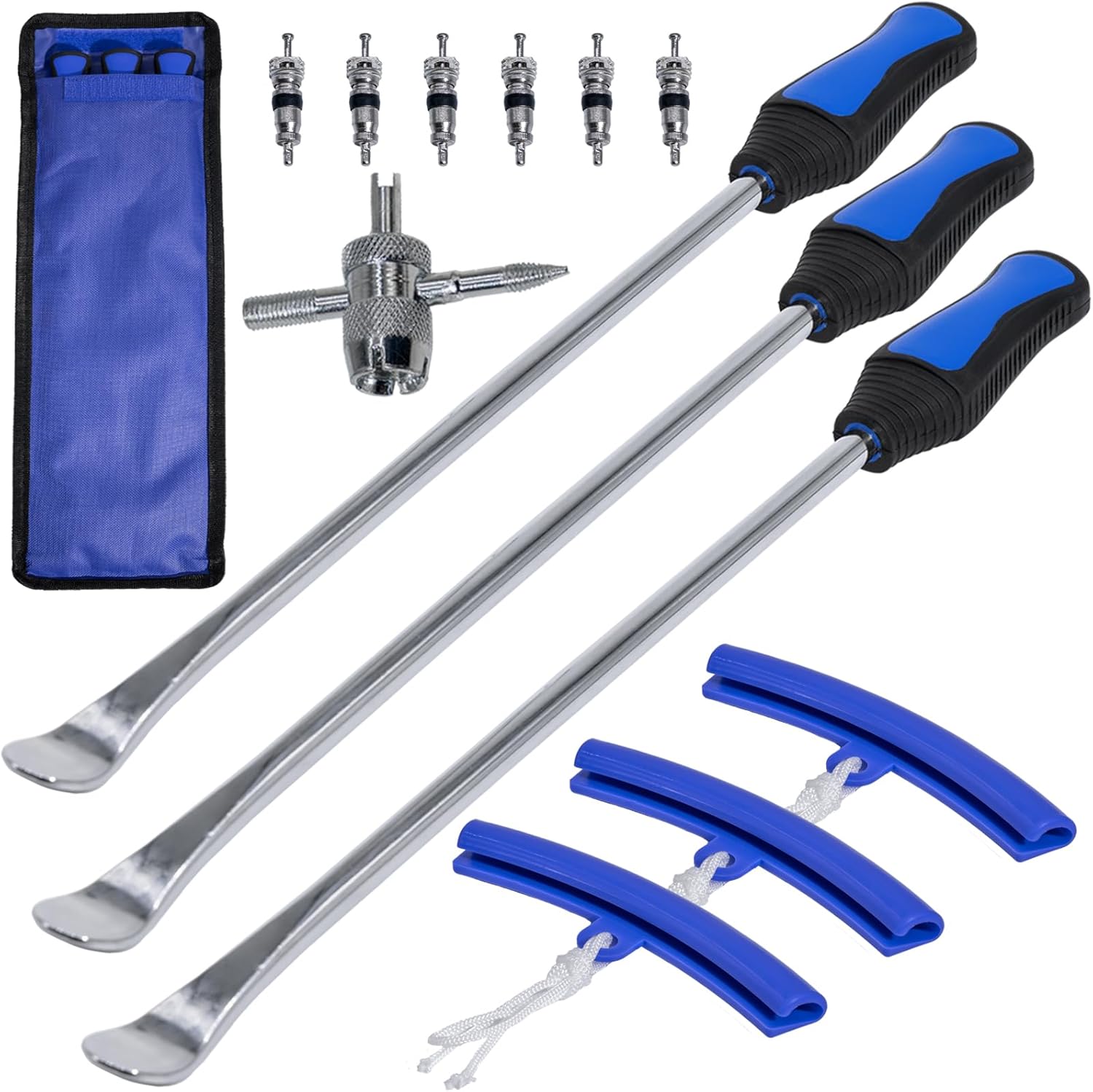
This tire spoon set helps you remove and install motorcycle, dirt bike, lawn tractor, and bicycle tires with extra leverage from a 14.5-inch spoon length. The kit includes tire removal tools, rim protectors, and a valve tool to simplify repairs and help protect rims during changing. Designed for quick, on-the-go service, it’s convenient for garage work, trails, and track-side fixes.

Related Articles

What Is Hydroplaning? Causes and How to Prevent It
Glide into the surprising causes of hydroplaning and the simple ways to stop it before your tires lose grip.
Read More
Can You Drive on a Tire With a Bulge? Safety Risks
Can you drive on a tire with a bulge, or is a sudden blowout lurking around the corner?
Read More
Is Tire Siping Worth It? Benefits and Drawbacks
Better grip in wet and wintry driving might tempt you—but is tire siping actually worth the tradeoffs?
Read More