
BFGoodrich vs Goodyear: Which Tire Brand Is Better?
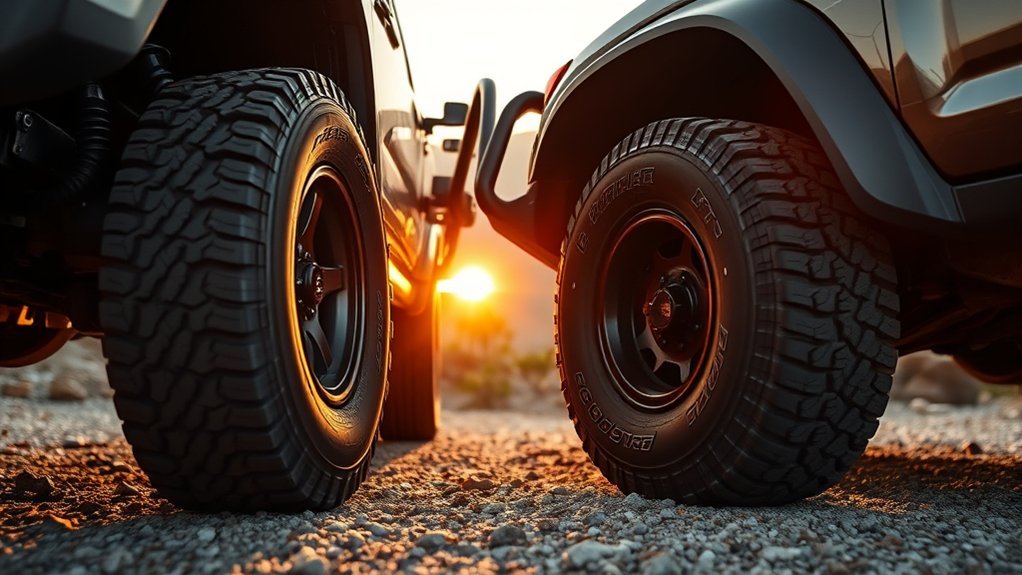
BFGoodrich is usually the better pick if you need maximum off-road traction, rugged durability, and a lower price, especially on trucks and trail rigs. Goodyear is the stronger all-around choice if you want better wet-road braking, more predictable pavement manners, and a broader tire lineup. If you drive mostly off-road, choose BFGoodrich; if you split time between highway, rain, and light off-road use, Goodyear often fits better. The details below make that tradeoff clearer.
Key Takeaways
- BFGoodrich is better for extreme off-road use, with rugged all-terrain tires like the KO3 built for mud, rocks, and loose soil.
- Goodyear offers broader versatility, with tires like the DuraTrac RT balancing off-road traction and everyday highway comfort.
- Goodyear generally performs better in wet braking and slippery conditions, with shorter stopping distances and more predictable control.
- BFGoodrich often delivers stronger durability and long-term off-road wear resistance, especially for harsh terrain and heavy use.
- BFGoodrich is usually more budget-friendly, while Goodyear often costs more but adds advanced technology and all-around performance.
[Products Worth Considering]
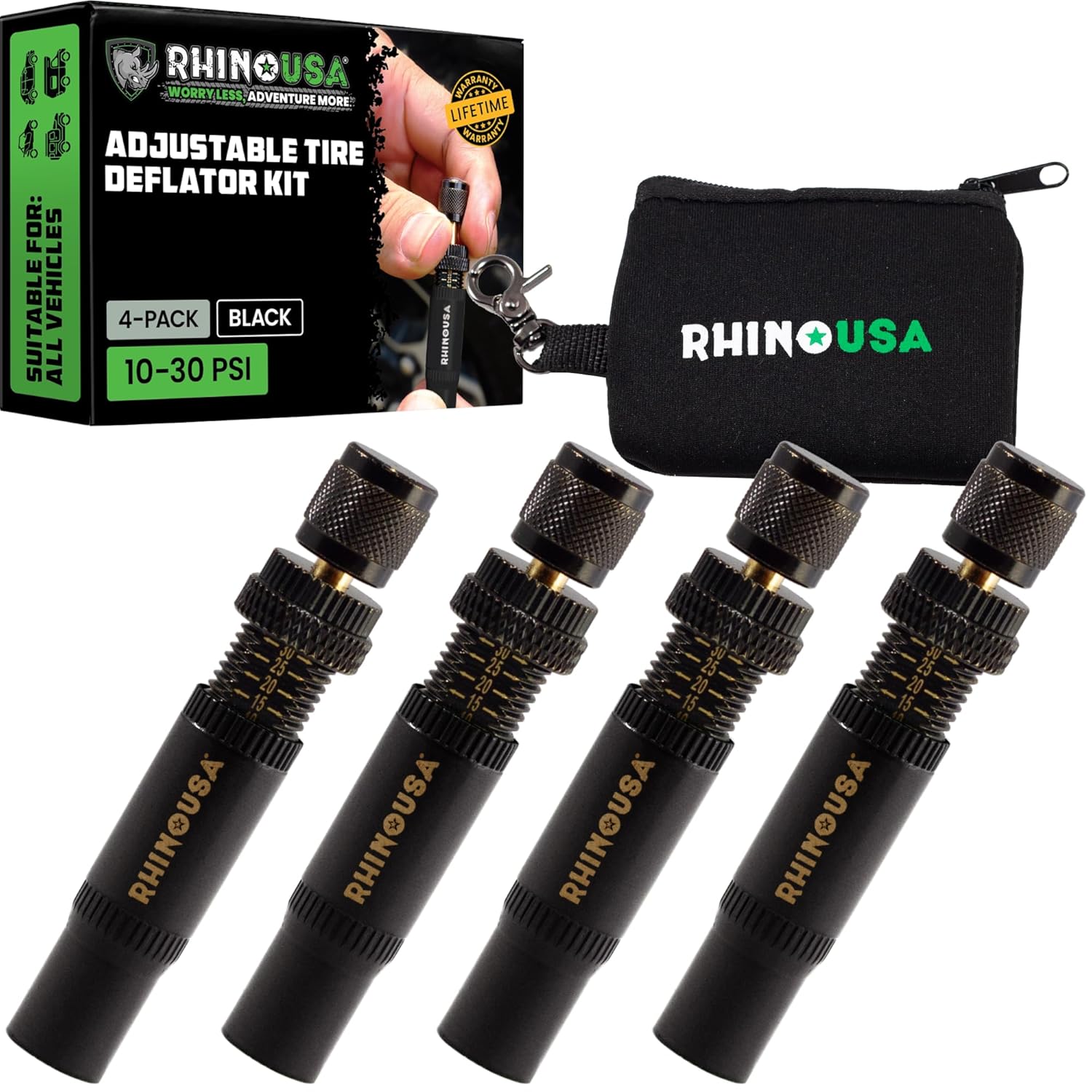
Use the Rhino USA adjustable tire deflators to air down all four tires at once by screwing one deflator onto each valve stem, letting you step away while the tires reach your preset pressure. Each deflator independently adjusts across a 10–30 PSI range with laser-etched indicators for quick setup and verification, making it ideal for beach, sand, and rocky off-road trails.

The 22800 wheel stud installer makes replacing wheel studs quick and secure, saving time and effort during tire service. It uses a ratchet or impact wrench to pull new studs firmly into place, helping when existing studs are too long. Compatible with most automotive wheels and light-duty truck wheel studs, it’s designed for easy, tool-assisted installation.

Black Magic Tire Wet delivers a deep wet-look shine that makes tires appear dark, rich, and freshly detailed. Its long-lasting formula helps resist rain, dust, and road grime for weeks of glossy protection, not days. Apply by spraying onto clean, dry tires—no buffing or wiping required—with a low-sling design to reduce splatter on paint and wheels.
BFGoodrich KO3 vs Goodyear DuraTrac RT
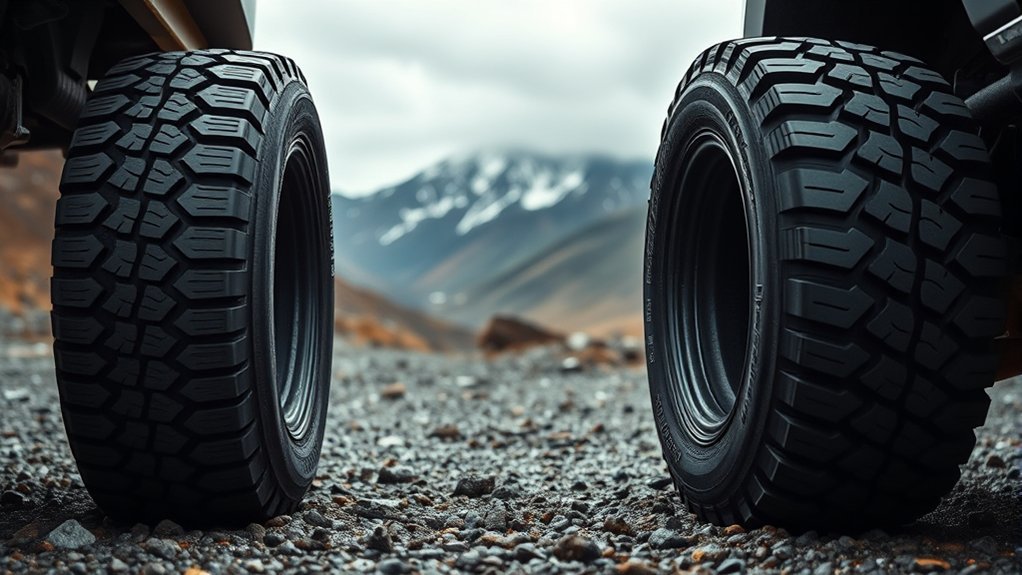
When you compare the BFGoodrich All-Terrain T/A KO3 and the Goodyear Wrangler DuraTrac RT, the main difference is their design focus: the KO3 uses a rugged all-terrain tread pattern that prioritizes off-road traction and long-term durability, while the DuraTrac RT adds vertical sidewall treads to improve grip in demanding conditions and still ride comfortably on pavement.
You’ll notice the BFGoodrich All-Terrain T/A KO3 delivers strong off-road performance in mud, rocks, and loose soil, thanks to its aggressive block geometry and reinforced construction.
The Goodyear Wrangler Duratrac RT, by contrast, emphasizes traction control and shorter braking distance, which you may see in user feedback.
The Goodyear Wrangler DuraTrac RT emphasizes traction control and shorter braking distances, often reflected in user feedback.
Both tires handle heavy-duty use, but their engineering priorities differ: the KO3 targets all-terrain versatility, while the DuraTrac RT focuses on rugged-condition grip and durability.
If you compare data points from reviews, you’ll see the KO3 favored for endurance, and the DuraTrac RT for confidence in mixed conditions overall.
What Each Tire Does Best
The BFGoodrich All-Terrain T/A KO3 does its best work off-road, where its rugged tread pattern and reinforced construction help it maintain traction and durability on rocks, mud, and loose terrain.
If you prioritize off-road capability, you’ll get a tire built for repeated abuse on uneven surfaces. Its tread focuses on grip and resistance to damage, and that makes it a strong option when trail performance matters more than anything else.
Goodyear’s Wrangler DuraTrac RT does best when you want balanced performance with measurable stopping power; its 19-20-foot braking distance highlights that advantage.
You’ll also find Goodyear’s design tuned for longevity, with data and warranty coverage that support long-term use.
BFGoodrich leans toward rugged reliability, while Goodyear emphasizes efficiency, wear resistance, and broader versatility.
In practice, you should choose KO3 for harsher terrain and DuraTrac RT for stronger all-around results.
How They Handle Highway Driving
On the highway, you’ll see Goodyear Wrangler Duratracs and BFGoodrich All-Terrain T/A KO2s differ in grip and stability, with both delivering controlled tracking at speed.
The Duratracs post shorter braking distances, around 19–20 feet, while the KO2s emphasize ride comfort and consistent road contact.
You’ll also notice variation in road noise, with both tires balancing performance and comfort differently over long runs.
Highway Grip And Stability
For highway driving, Goodyear tires, especially the Wrangler Duratrac, have an edge in braking performance, with reported stopping distances of about 19–20 feet, which supports safer high-speed travel.
You’ll also notice that Goodyear tires prioritize highway grip through tread designs that balance traction with even wear, helping maintain stable tracking over long miles.
BFGoodrich All-Terrain T/A KO2 tires deliver strong grip and stability, so you get confident lane control on paved roads. Their tread pattern focuses on traction, which can improve handling when the surface changes.
In practice, Goodyear suits you if you value long-term consistency and highway stability, while BFGoodrich fits you if you want a rugged tire that still feels secure on pavement.
Your choice depends on whether durability or aggressive traction matters more.
Braking And Road Noise
When highway braking is the priority, the Goodyear Wrangler Duratrac has the edge, with reported stopping distances averaging about 19–20 feet, which can improve safety in higher-speed conditions. You’ll notice its tread can add traction on wet or slippery pavement, supporting confident control.
| Tire | Braking | Road noise |
|---|---|---|
| Duratrac | Better | Moderate |
| KO2 | Good | Lower |
| Duratrac | Strong | Higher |
| KO2 | Adequate | Quieter |
If you value comfort on long highway runs, the BFGoodrich All-Terrain KO2 usually wins because it generates less road noise and feels calmer at cruising speed. Both tires handle well, but your choice depends on whether you prioritize braking performance or a quieter, more comfortable ride on paved roads.
Which Tire Is Better Off-Road?
When you compare off-road traction, the BFGoodrich All-Terrain T/A KO3’s more aggressive tread pattern gives you stronger grip on loose dirt, rocks, and uneven terrain than the Goodyear Wrangler DuraTrac RT.
Its rugged construction also tends to deliver better trail durability and wear resistance in repeated off-road use.
If you’re evaluating sidewall grip design, the KO3’s off-road-focused layout generally supports more confident performance in tougher conditions.
Off-Road Traction
Off-road traction is a close contest, but the BFGoodrich All-Terrain T/A KO3 has a slight edge in deep, loose terrain thanks to its rugged tread design and deep grooves, which help it bite into mud and gravel more effectively.
You’ll notice stronger off-road traction when the tire can evacuate material and maintain contact on uneven surfaces.
Goodyear’s Wrangler DuraTrac RT counters with an aggressive tread that delivers excellent grip in rocks and ruts, and it often shortens braking distances in off-road testing, improving control.
If you prioritize maximum bite in soft terrain, BFGoodrich stands out; if you want balanced grip and stability, Goodyear performs very well.
Your choice comes down to conditions, because both tires deliver solid performance and longevity.
Durability On Trails
If you’re comparing durability on trails, the BFGoodrich All-Terrain KO2 has the stronger off-road case thanks to its rugged tread blocks, deep grooves, and proven resistance to uneven wear in harsh conditions.
You’ll usually see better durability in off-road conditions because the KO2’s design helps it maintain traction and tread life on mud, gravel, and rock.
Goodyear’s Wrangler Duratrac also uses a capable tread pattern, so you get solid grip across mixed terrain and respectable versatility.
However, when you push both tires into repeated trail use, BFGoodrich generally earns better long-term reviews for staying consistent.
If your priority is maximizing tread life under sustained abuse, the KO2 gives you the more proven trail-focused option.
Goodyear still performs well, but its longevity can vary more in extreme use.
Sidewall Grip Design
For sidewall grip design, the BFGoodrich All-Terrain T/A KO2 leans toward better lateral control off-road thanks to its slanted sidewall treads, which are built to add bite on uneven terrain and help stabilize the tire during technical maneuvers.
You get stronger lateral stability from this sidewall design, and user feedback supports that advantage on rocks and ruts.
The Goodyear Wrangler Duratrac RT uses vertical sidewall treads, so you gain solid traction in off-road mud and loose surfaces, plus reliable puncture resistance in harsh terrain.
If you prioritize precise steering and wear resistance, the KO2 fits better. If you want a tougher, more durable profile for softer ground, the Duratrac RT makes sense.
Your best choice depends on the terrain you drive most often.
Wet, Snow, and Braking Performance
When wet pavement is the priority, the Goodyear Wrangler Duratrac has a measurable edge, with reported braking distances of 19–20 feet that point to strong wet-surface performance. You’ll notice this advantage most during hard stops and lane changes, where braking performance stays predictable and controlled.
| Tire | Wet | Snow |
|---|---|---|
| Duratrac | Strong | Strong |
| KO2 | Good | Very strong |
In direct comparisons, Duratracs usually deliver better grip in wet and snowy conditions, so you can expect more confidence on mixed-forecast routes. BFGoodrich All-Terrain KO2 tires, however, earn higher marks from many users for winter stability, especially when snow traction matters more than outright wet stopping distance. If your driving involves frequent rain, slush, or variable grip, the Duratrac gives you the clearer performance advantage. If you value snow traction and steady control on slippery winter roads, the KO2 remains a very capable alternative.
Tread Design and Sidewall Differences
You’ll see that the KO2 uses a tread pattern tuned for balanced on-road and off-road performance, while the Duratrac uses a more aggressive pattern aimed at maximum off-road traction.
The KO2’s slanted sidewall treads differ from the Duratrac’s vertical sidewalls, which support a more rugged, stability-focused profile.
These design choices directly affect grip, handling, and the tire’s off-road performance envelope.
[Products Worth Considering]

This tire inflator with pressure gauge delivers long-lasting performance with a durable rubber-protected gauge and sturdy build. The longer hose and 360 swivel air chuck help you seal the valve securely and keep your hands free while measuring, inflating, or deflating. It’s battery-free for reliable use and provides ±2 PSI accuracy in the mid-range for most typical tires, with universal compatibility for 1/4 NPT compressor outputs.

Orange Seal regular formula tubeless sealant quickly seals punctures and forms a durable bond inside your tire to help reduce flats. Made with natural latex, it adheres effectively to rubber and seals from the inside out, including the critical bead-to-rim interface for a reliable ride. It seals punctures up to 1/4 inch, slices up to 3/4 inch, and performs in temperatures as low as 11°F across MTB, road, cyclocross, gravel, and e-bike applications.

Steelman white tire marking crayons provide high-contrast, semi-permanent marks for repairing and inspecting tires and equipment. They write on wet or dry, smooth or coarse surfaces including rubber, metal, glass, and wood, making them ideal for puncture location and damage outlining. The lead- and zinc-free crayons resist weather and fading yet wipe away when you no longer need the marks.
Tread Pattern Comparison
The BFGoodrich All-Terrain T/A KO2 and Goodyear Wrangler Duratrac RT take distinctly different approaches to tread and sidewall design. You’ll notice the KO2 uses aggressive tread patterns with deep grooves, which support off-road driving in mud and snow, while the Duratrac RT uses a more traditional layout that helps braking on mixed surfaces and can support better fuel efficiency in some driving conditions.
| Tire | Tread Focus | Primary Benefit |
|---|---|---|
| KO2 | Aggressive, deep grooves | Off-road traction |
| Duratrac RT | Balanced, vertical layout | Versatility |
| Both | Distinct patterns | Different use cases |
If you prioritize trail performance, the KO2’s design stands out. If you need a more road-balanced option, the Duratrac RT delivers broader surface adaptability.
Sidewall Style Differences
Beyond tread pattern, sidewall design also shapes how these tires look and perform. You’ll notice the BFGoodrich All-Terrain KO2 uses slanted sidewall treads, while the Goodyear Wrangler Duratrac uses vertical elements.
That difference in sidewall design changes the visual profile: the KO2 reads more aggressive, and many buyers cite that appearance as a purchase factor. The Duratrac’s layout looks more rugged and supports a different balance of durability and traction.
In practical terms, each tire’s geometry reflects its intended use. The KO2 aims for versatility on- and off-road, while the Duratrac targets demanding surfaces.
If you value off-road performance, stability, and ride comfort, your choice often comes down to how you weigh aesthetics against handling and application-specific needs.
Off-Road Grip Impact
When off-road traction is the priority, tread geometry and sidewall layout make a measurable difference in how each tire bites into uneven terrain.
You’ll notice the BFGoodrich All-Terrain T/A KO3 uses slanted sidewall treads and deep grooves to boost off-road grip on mud, rocks, and rutted ground. Its advanced tread pattern gives you more biting edges, which helps in loose soil.
The Goodyear Wrangler DuraTrac RT takes a different approach: its vertical sidewall design improves stability and handling, while its tread reduces braking distance and supports control on mixed surfaces.
If you want maximum visual aggression and terrain penetration, the KO3 is a strong choice. If you value predictable behavior and shorter stopping distances, Goodyear remains a strong choice.
Durability, Wear, and Tread Life
Goodyear tires often show stronger tread-life performance in testing because their tread designs are engineered to reduce wear, while BFGoodrich tires emphasize rugged durability through tougher materials that hold up well under heavy use, especially off-road.
Goodyear often delivers stronger tread life, while BFGoodrich focuses on rugged durability for demanding off-road use.
If you drive mostly on highways, you’ll likely see Goodyear’s tread life advantage in lower wear rates and more consistent long-term performance. BFGoodrich, by contrast, usually prioritizes durability, so you can expect better resistance to damage and abrasion in rough terrain.
Both brands offer warranty coverage against premature wear, but you’ll need to compare the exact terms before buying. Your actual tire lifespan will still depend on alignment, inflation, load, and driving style.
For that reason, you should match the tire to your use case: Goodyear for measured wear resistance and extended tread life, BFGoodrich for rugged durability and dependable service where harsh conditions accelerate wear.
Price, Discounts, and Overall Value
Price is often where the two brands diverge most clearly: Goodyear tires usually carry a higher upfront cost because of their advanced technology and durability-focused construction, while BFGoodrich models are generally more affordable and can be a better fit if you’re working within a tighter budget. Your final price depends on size, type, and tread design; all-terrain options usually cost more.
| Brand | Typical Price Position |
|---|---|
| Goodyear | Higher |
| BFGoodrich | Lower |
Discounts can narrow the gap quickly. For example, a 35% off promotion on Goodyear can materially reduce your purchase cost and improve short-term value. Both brands also offer warranty coverage, which helps protect your investment against premature wear and supports overall value. If you compare equivalent tires, calculate total cost after discounts and warranty terms, not just sticker price. That approach gives you a more accurate measure of which brand delivers the best overall value for your budget and driving needs.
What Owners Say About Each Tire
Owner feedback tends to separate these tires by use case and brand perception: BFGoodrich All-Terrain KO2 users often praise the slanted sidewall tread for its look and off-road grip, while also reporting strong durability on rugged terrain.
You’ll see many owners describe the KO2 as delivering consistent off-road performance and resisting cuts, chipping, and uneven wear under heavy use.
By contrast, Goodyear Wrangler Duratrac owners frequently cite shorter braking distance and generally positive road behavior, especially in mixed conditions.
Goodyear Wrangler Duratrac owners often note shorter braking distances and solid road manners, especially in mixed conditions.
Some reviewers still question Goodyear’s quality consistency, so perceptions vary more than the test notes do.
Community discussions also show that loyalty incentives and discounts can shape your choice, but they don’t change how owners judge actual wear, handling, or traction.
Which Tire Fits Your Silverado ZR2
For a Silverado ZR2, the better fit comes down to how you use the truck. If you prioritize off-road performance, the BFGoodrich All-Terrain T/A KO3 gives you a more aggressive tread, stronger bite on loose surfaces, and the visual stance many ZR2 owners prefer.
If you split time between trails and pavement, the Goodyear Wrangler DuraTrac RT can better match your needs because it keeps traction while improving on-road comfort and fuel efficiency compared with a more aggressive pattern.
To choose the right tire, weigh these factors:
- Terrain mix: Select KO3 for frequent mud, rock, and dirt; choose DuraTrac RT for mixed use.
- Braking and stability: Goodyear’s tread design delivers shorter braking distances and solid highway control.
- Durability and appearance: Both last well, but BFGoodrich’s slanted sidewall treads create a tougher look.
Your best pick depends on how much off-road performance you demand.
Frequently Asked Questions
Is Bfgoodrich Better Than Goodyear?
Not necessarily; you’ll need a tire performance comparison, tread design analysis, and price value assessment. You might prefer BFGoodrich for rugged durability, while Goodyear can brake shorter, but it’ll usually cost more upfront overall.
What Are the Top 3 Best Tire Brands?
You’d usually rank Michelin, Goodyear, and Bridgestone highest, like Olympus among tire makers. In a tire performance comparison, tread life analysis, and customer satisfaction ratings, you’ll see Michelin’s balance, Goodyear’s longevity, Bridgestone’s safety.
Are Bfgoodrich Tires Good or Bad?
You’ll find BFGoodrich tires generally good: BFGoodrich performance excels off-road, BFGoodrich durability scores high in long-term use, and BFGoodrich reviews are mostly positive. You should note wet-road traction can lag some competitors in testing.
Is Goodyear the Same as Goodrich?
No—Goodyear isn’t the same as Goodrich; you’re comparing two separate brands. Founded in 1898 vs. 1870, their brand history differs, and tire technology drives different performance comparison outcomes for your needs.
Conclusion
If you’re choosing between the BFGoodrich KO3 and the Goodyear DuraTrac RT, you’re really choosing between two highly capable all-terrain giants. The KO3 leans tougher for abuse and longer wear, while the DuraTrac RT offers a more aggressive bite in mud and snow. On your Silverado ZR2, either can look like it could chew through granite, but your best pick depends on whether you prioritize durability, traction, or value.
[Products Worth Considering]
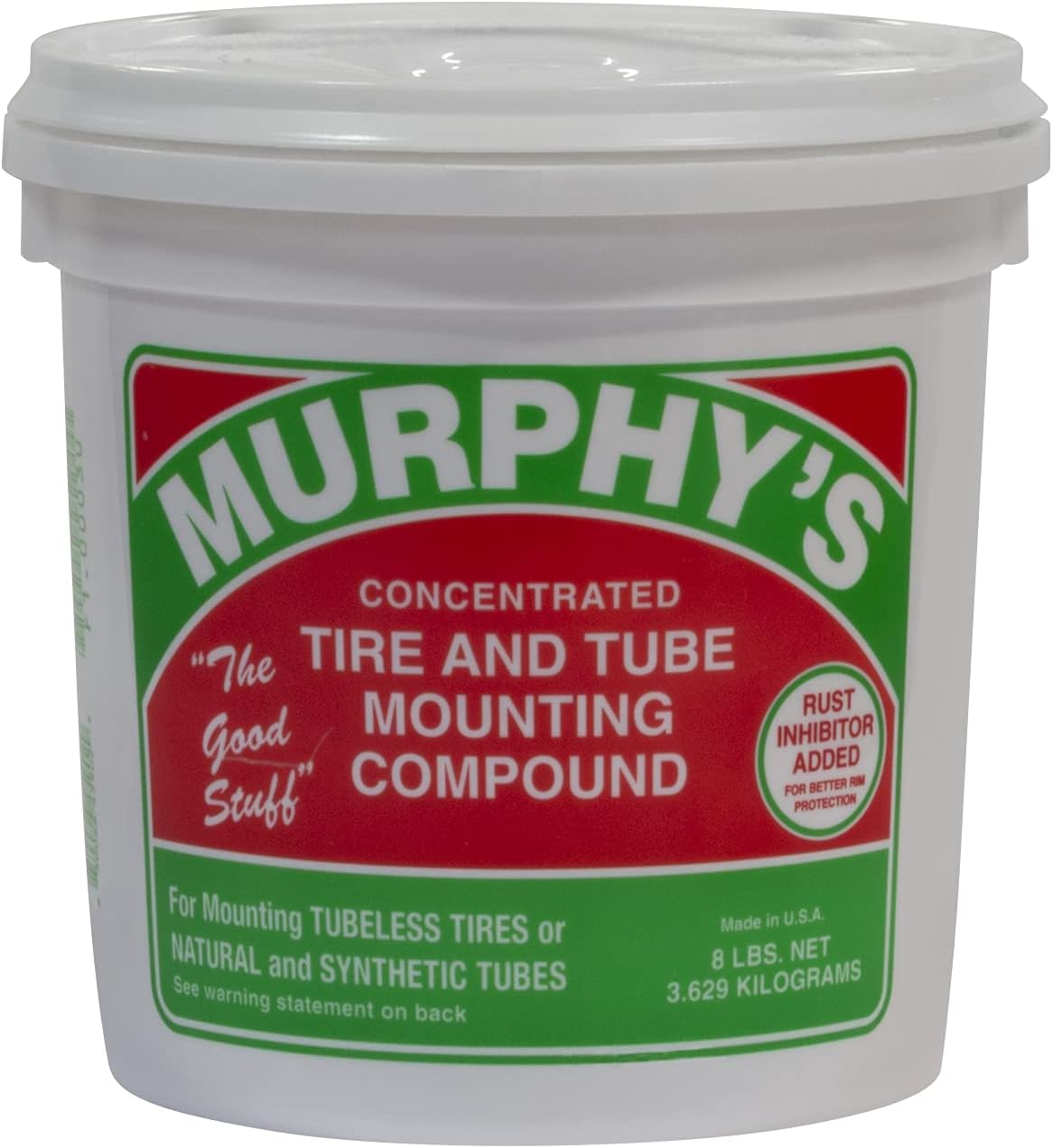
A concentrated tire and tube mounting compound designed to help simplify mounting rubber tires and tubes on passenger, semi truck, construction, and OTR applications. Its ultra-thick formula packs beads effectively and includes rust inhibitors to help protect against corrosion during use.

This Hycline 2-pack mountain bike tire set delivers durable, puncture-resistant performance with a high-grip, aggressive tread designed for traction on hard surfaces and confident handling through mud and soil. Includes matching inner tubes and tire levers for easier everyday maintenance and quicker installation after folding storage. Built for a range of riding conditions with reinforced rubber and nylon cord for wear-resistant reliability.

The Continental Grand Prix 5000 is an allround road bike tire engineered for faster rolling, improved ride comfort, and enhanced puncture protection. It features a Vectran Breaker cut-protection layer, Lazer Grip micro-profile tread for confident cornering control, and Active Comfort Technology to damp vibration for smoother rides. BlackChili compound optimizes grip and speed for everyday performance and long-lasting confidence.

Related Articles
Hankook vs Goodyear Tires: Which Should You Buy?
Torn between Hankook and Goodyear tires? Discover which one delivers the best value, performance, and longevity before you buy.
Read More
Best Achilles Tires 2026: Budget Tire Picks for Dry and Wet Roads
You need tires that balance cost, safety and real-world performance, especially when you drive a truck or SUV on mixed dry and wet roads.…
Read More
Best Summer Tires 2026: Warm-Weather Tires for Grip, Handling, and Performance
You rely on your tires to turn power into usable traction and predictable control. Summer tires are tuned for warm pavement, delivering sharper steering,…
Read More