Disclosure: As an Amazon Associate, we earn from qualifying purchases. If you click a link on this page and make a purchase, we may receive a small commission at no extra cost to you.
Tire dressings often force you to choose between a wet, glossy shine and a cleaner factory-style finish. Blackline Car Care Blackout Trim & Tire Dressing targets drivers who want darker rubber and exterior trim without an oily surface or heavy glare. This review examines the 16 fl oz listing, the manufacturer’s application guidance, and the product’s main limits. Its strongest points are the controlled satin finish and multi-surface exterior use, but good results still depend on careful cleaning, thin application, and enough drying time.
Quick Verdict
Rating: 8/10, recommended with caveats
Best For: Drivers who prefer a dry-to-the-touch satin finish on tire sidewalls and exterior black trim.
Bottom Line: Blackout offers a darker, more natural-looking finish with water-repellent and UV-protective claims. It is less suitable if you want a very glossy tire shine or a product that can be applied without thorough surface preparation.
| Specification | Detail |
|---|---|
| Brand | Blackline Car Care |
| Product | Blackout Trim & Tire Dressing |
| Product type | Exterior tire and trim dressing |
| Size reviewed | 16 fl oz |
| Formula | Water-based dressing with an advanced polymer system |
| Compatible surfaces | Exterior rubber, vinyl, and plastic, including tire sidewalls and black trim |
| Finish | Deep black satin, designed to dry without an oily feel |
| Protection claims | UV resistance plus water, dust, and road-grime repellency |
| Application | Apply a small amount with a tire brush, foam pad, or microfiber applicator |
| Best use | Restoring a dark, controlled finish after tires and trim have been cleaned and dried |
What Is Blackline Blackout Trim & Tire Dressing?
Blackline Car Care Blackout is an exterior dressing made to darken and protect tire sidewalls, rubber pieces, and black plastic trim. The reviewed Amazon listing identifies a 16 fl oz water-based formula for rubber, vinyl, and plastic. Blackline’s official product information describes an advanced polymer formula that bonds to the surface and leaves a dry, non-greasy finish.
The product is meant for visual restoration and routine protection. It can improve the appearance of dull or faded black surfaces, but it cannot repair cracked rubber, damaged trim, peeling coatings, or structural tire problems. You should treat it as a finishing product after cleaning, not as a cleaner or permanent restoration coating.
Key Takeaways
- Blackout is designed for exterior rubber, vinyl, and plastic rather than painted panels or general interior detailing.
- Its main visual benefit is a deep satin-black finish instead of a wet, mirror-like shine.
- The formula is designed to dry to the touch and reduce sling when you apply a thin coat and allow it to set.
- UV resistance and hydrophobic protection can help treated surfaces resist fading, water, dust, and grime.
- Preparation matters. Dirty, wet, or previously dressed surfaces can reduce bonding and create uneven results.
Who Should Buy It?
Best For
- Drivers who want a satin or factory-fresh look instead of high gloss.
- Detailing enthusiasts who want one dressing for tire sidewalls and exterior black trim.
- Owners willing to clean, dry, and apply the product carefully for more even results.
Skip If
- You prefer a very wet, high-gloss tire appearance.
- You need a cleaner that removes browning, brake dust, or embedded grime.
- You want a permanent trim coating or a repair for cracked and damaged surfaces.
Before You Buy: Blackout is a dressing, not a tire cleaner or structural repair product. Apply it only to approved exterior surfaces, keep it off tire tread and brake parts, and follow the current label directions for your bottle.
[Products Worth Considering]

Chemical Guys VRP Vinyl, Rubber & Plastic Dressing restores a rich, deep satin look to tires, trim, dashboards, and weatherstripping without a greasy feel. It dries to the touch for a clean finish that helps resist fading, cracking, and discoloration from harsh sun exposure. Apply with an applicator or microfiber towel, then wipe off excess for an even, freshly detailed appearance.
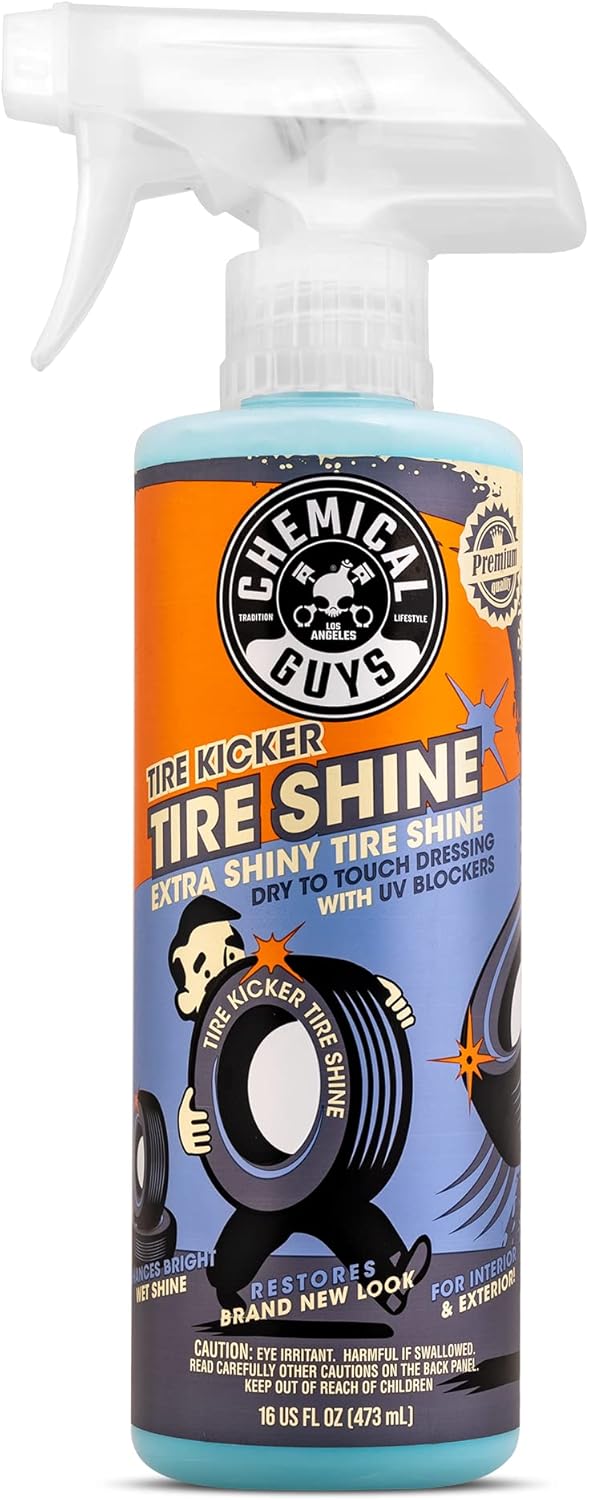
Chemical Guys Tire Kicker Sprayable Extra Glossy Tire Shine restores a deep, wet look on tires, rubber, vinyl, and plastic trim. It delivers a rich showroom shine that enhances color and luster while helping protect against fading, cracking, and discoloration. The spray application dries to the touch with a streak-free finish and no greasy sling, for fast results on cars, trucks, motorcycles, RVs, and boats.

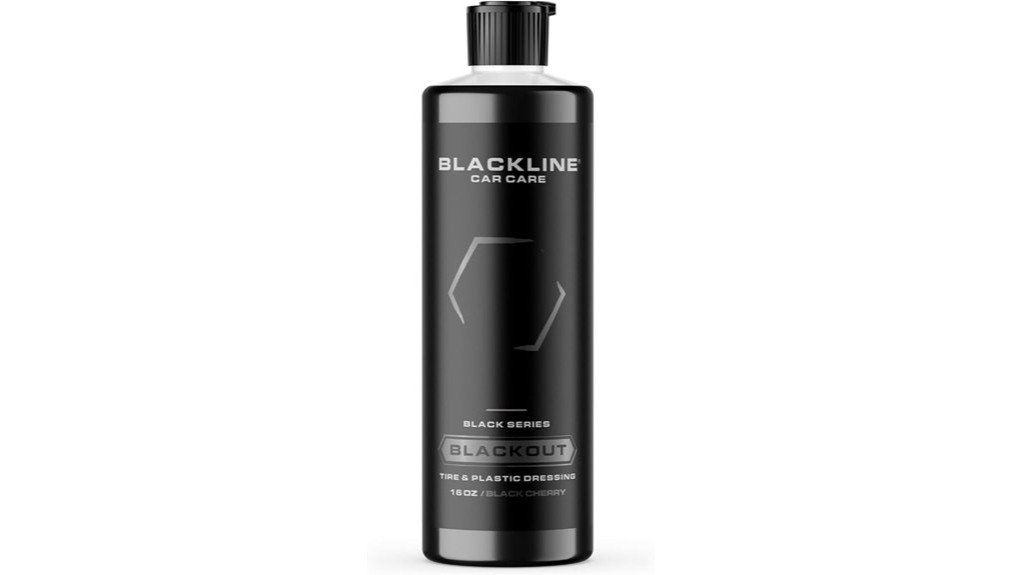
Blackline Blackout is a water-based trim and tire dressing that restores rubber, vinyl, and plastic with a rich satin, blackout look. Its no-sling formula dries quickly and helps prevent messy transfer onto paint. The coating repels water and offers UV protection to help prevent fading, cracking, and discoloration for a clean, long-lasting finish.
Finish, Protection, and Build
Satin Finish Without Heavy Grease
Blackout is positioned as a deep black dressing that avoids the oily surface common with some older tire shines. On a properly cleaned sidewall, the expected result is darker rubber with a controlled satin sheen. That finish suits daily drivers, trucks, and SUVs where a fresh but restrained appearance looks more natural than a high-gloss coating.
The dry-to-the-touch design also matters beyond appearance. A well-leveled coat is less likely to trap loose dust or transfer excess product to nearby paint. No dressing can guarantee zero sling under every condition, but thin application and full drying reduce the risk.
UV and Water-Repellent Protection
The manufacturer describes UV-resistant and hydrophobic protection for rubber and plastic. These properties are meant to slow visible fading and help water, dirt, and road grime release more easily during later washes. They do not make trim maintenance-free, and the protection will wear as the vehicle faces rain, washing, heat, and road exposure.
Blackline states that the finish can last several weeks, depending on weather and exposure. Your results will also depend on surface condition, cleaning quality, coat thickness, and how often the vehicle is washed.
Exterior Surface Compatibility
The Amazon listing describes compatibility with rubber, vinyl, and plastic, while Blackline’s official guidance focuses on exterior tires and trim. This makes the product useful for tire sidewalls, lower black cladding, textured bumper trim, and similar exterior pieces when the label permits those surfaces.
Do not assume that every matte, coated, painted, or interior surface will react the same way. Test a small hidden area first, especially on older trim, unusual finishes, or panels that have been treated with another dressing or coating.
How It Performs in Real Use
On Daily-Driver Tire Sidewalls
For regular tire care, Blackout makes the most sense after the sidewall has been scrubbed clean and dried. A thin coat should darken the rubber without producing the glassy look of a high-gloss gel. Let it absorb before driving, then wipe any visible excess to reduce sling.
On Faded Exterior Plastic Trim
On black plastic trim, the dressing can add depth and reduce a chalky appearance. It works best when fading is mainly cosmetic. Deep oxidation, cracking, peeling, or sun-damaged texture may require a dedicated trim restorer or replacement rather than repeated layers of dressing.
After Rain or Routine Washing
The hydrophobic layer is designed to bead water and keep treated surfaces cleaner for longer. Expect gradual wear rather than permanent protection. Harsh tire cleaners, strong degreasers, frequent automatic washes, and heavy road salt can shorten the finish.
For Show Preparation or Weekend Detailing
The satin result is easy to control when you apply one light coat, inspect the finish, and add a second coat only if you want more depth. That approach helps avoid blotchy trim and overloaded tire sidewalls. It also gives you time to remove accidental residue before the product fully sets.
How to Use Blackline Blackout Correctly
| Step | What to Do | Why It Matters |
|---|---|---|
| 1 | Clean the tire sidewall or trim thoroughly. | Old dressing, browning, and grime can block even bonding. |
| 2 | Let the surface dry completely and work in the shade on a cool panel. | Water and hot surfaces can cause streaking or uneven coverage. |
| 3 | Apply a small amount to a foam pad, microfiber applicator, or tire brush. | Controlled application keeps product away from tread, wheels, and paint. |
| 4 | Spread a thin, even layer and work it into textured areas. | A thin coat reduces drips, blotches, and sling. |
| 5 | Allow the dressing to absorb and dry before driving. | Drying helps the polymer layer settle and stay on the treated surface. |
| 6 | Buff excess and add a second light coat only after the first has set. | Buffing refines the satin look, while an optional second coat adds depth. |
Pro Tip: Use a separate applicator for tire dressing. A dedicated pad prevents old wax, cleaners, or interior products from mixing with Blackout and changing the finish.
Compatibility and Safety
Apply tire dressing to the sidewall only. Keep it off the tread, brake rotors, drums, pads, pedals, flooring, and any surface where reduced grip could create a hazard. Remove accidental overspray or residue promptly, and do not drive until the treated sidewalls are dry.
Blackline’s official guidance says to avoid painted surfaces and interior materials. The original article also suggested motorcycle use, but that advice is too broad. Do not use the product on motorcycle or bicycle tires, seats, grips, or controls unless the current Blackline label explicitly approves that exact use.
Review the current label’s handling and storage directions before use. If skin sensitivity is a concern, wear suitable gloves and avoid unnecessary contact. Always follow the instructions and warnings printed on the product you receive because formulas, packaging, and approved uses can change.
Pros and Cons
Pros
- Creates a deep satin-black finish without an intentionally wet look.
- Works on several approved exterior rubber, vinyl, and plastic surfaces.
- Water-based formula is designed to dry without a greasy feel.
- Polymer protection helps repel water, dust, and road grime.
- One or two light coats let you control the final level of darkness.
Cons
- Clean, dry preparation is necessary for even bonding and low sling.
- The satin finish may disappoint buyers who want maximum gloss.
- Durability varies with weather, washing, surface condition, and application.
Is It Worth the Price?
Blackout sits closer to a specialty detailing product than a basic spray-and-walk-away tire shine. Its value comes from combining tire-sidewall dressing and exterior-trim treatment in one bottle, especially for buyers who prefer satin depth, controlled application, and a dry finish.
It is worth considering if you regularly maintain black trim and tires and want one exterior dressing for both jobs. It is less compelling if you only want a cheap high-gloss tire product, rarely detail your vehicle, or need a long-term trim coating rather than a dressing that requires reapplication.
[Products Worth Considering]

Formula 1 Tire Wax restores dull tires to a rich black look while helping protect against UV damage. Its thick, long-lasting water-resistant gel delivers a high-gloss shine that resists rain and washing. A foam applicator is included for easy, controlled application, and it can also refresh vinyl, rubber, and plastic trim.

These ultra-soft microfiber applicator pads apply wax, sealants, dressings, and conditioners with smooth, even coverage while helping protect delicate finishes from streaks and marring. The plush microfiber wrapped around a flexible foam core promotes consistent product distribution across curves and contours, and the ergonomic grip reduces hand fatigue during longer sessions. Reusable and machine washable, they’re ideal for both interior and exterior detailing uses such as tire dressing, leather conditioner, trim restorer, and interior protectants.
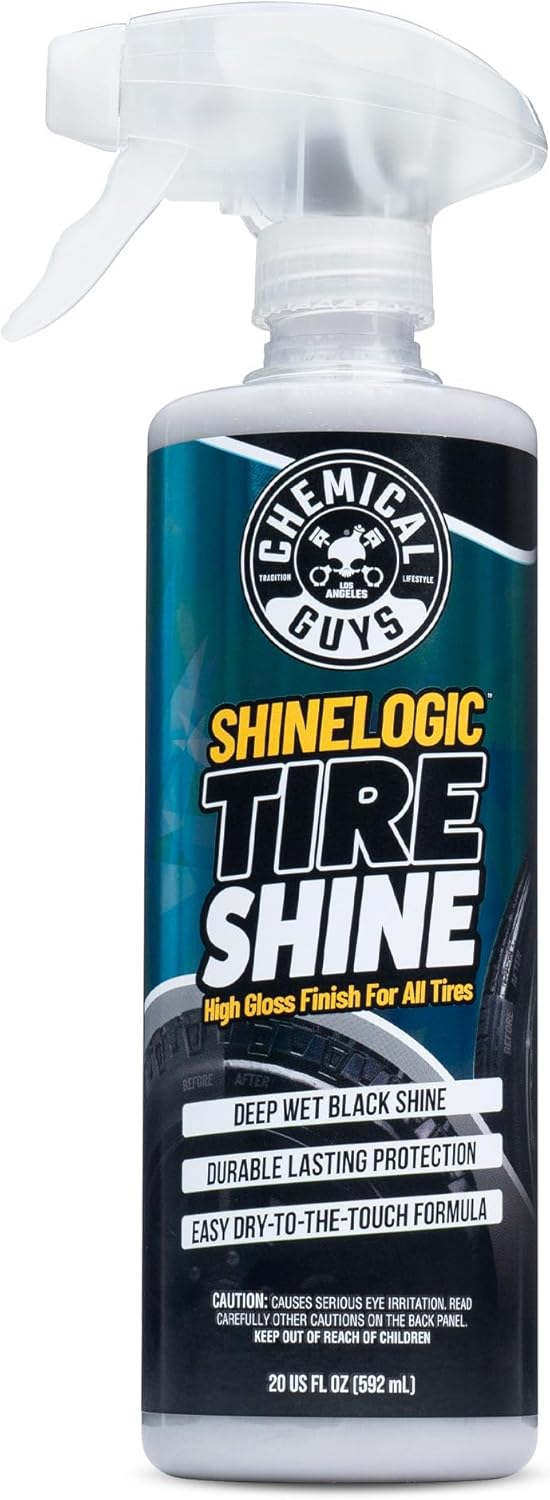
Chemical Guys ShineLogic Tire Shine delivers a deep wet black, high-shine finish for rubber tires with a sleek look. It’s designed for durable, one-step application with minimal drips, streaks, or runs, and it helps produce effortless, long-lasting shine. Choose aerosol or trigger spray for easy use on cars, trucks, motorcycles, RVs, and more.
How It Compares to Alternatives
Chemical Guys VRP is another protectant for vinyl, rubber, and plastic, and it is marketed for both interior and exterior use. Blackout is the more focused choice when you want an exterior satin-black treatment and prefer to follow a tire-and-trim-specific routine.
Meguiar’s Endurance Tire Gel targets buyers who want a richer, higher-gloss tire finish and long wear on sidewalls. Blackout makes more sense if you want less shine and the flexibility to treat approved exterior plastic trim as well as tires.
[Products Worth Considering]

P&S Dressed Tire Finish is a premium, water-based tire dressing that delivers a deep, rich high-gloss look without the greasy residue. Its polymer blend is designed to mimic the durability and shine of traditional solvent-based dressings while staying non-hazardous and eco-friendly. Apply with a brush or spray bottle for even coverage and a professional, factory-fresh finish.

Adam’s Pro Tire Hex Grip applicators are molded foam sponges designed for precise, even tire dressing application. The ergonomic grip helps you spread product without overapplying, reducing sling that can splash onto paint and helping keep your hands clean during wheel and trim detailing. They’re durable, washable, and reusable for repeated detailing sessions.

The Chemical Guys Wonder Wave Durafoam tire shine applicator pads deliver even, streak-free coverage while helping reduce drips and mess. Their contoured wave design hugs tire sidewalls and holds the right amount of product for faster, cleaner application. Reusable and durable, these pads work with tire dressings, protectants, and exterior detailing products for trucks and SUVs.
Frequently Asked Questions
Does Blackline Blackout leave a satin or glossy finish?
Blackout is designed to leave a deep satin-black finish rather than a wet, mirror-like shine. A second light coat can add depth, but you should let the first coat set before deciding whether more product is needed.
How long does Blackline Blackout last?
Blackline says the finish can last several weeks, depending on weather and exposure. Frequent washing, strong cleaners, road salt, poor preparation, and heavy rain may shorten that period.
Can you apply it in direct sunlight?
Apply it on a cool, clean, dry surface in the shade. Hot panels and direct sunlight can make the product set too quickly, which may cause streaking or uneven coverage.
Is Blackout safe for tire tread?
No. Tire dressing belongs on the sidewall, not the tread. Keep it away from brake parts and any control or walking surface where a slippery residue could reduce grip.
Can it restore badly faded or oxidized plastic trim?
It can darken dull exterior plastic and improve cosmetic fading. It cannot rebuild cracked material, repair peeling coatings, or permanently reverse severe oxidation, so damaged trim may need a dedicated restoration process.
Why does tire dressing sometimes sling onto paint?
Sling usually happens when too much product remains on the sidewall or the vehicle moves before the dressing dries. Apply a thin layer, let it absorb, and wipe away visible excess before driving.
Can you use Blackout on motorcycles or bicycles?
Do not assume that a car tire dressing is safe for two-wheeled vehicles. Avoid tires, seats, grips, pedals, and controls unless the current Blackline label specifically approves that exact surface and use.
The Bottom Line
Blackline Car Care Blackout is a strong fit for drivers who want darker tire sidewalls and exterior trim with a satin, dry-looking finish. Skip it if you want maximum gloss, a permanent trim coating, or a product that replaces proper cleaning and preparation. Its main strength is controlled multi-surface exterior detailing, while its main limitation is that durability and appearance depend heavily on correct application.
Ready to Buy?
Check the latest price, included items, and current product directions before you decide.