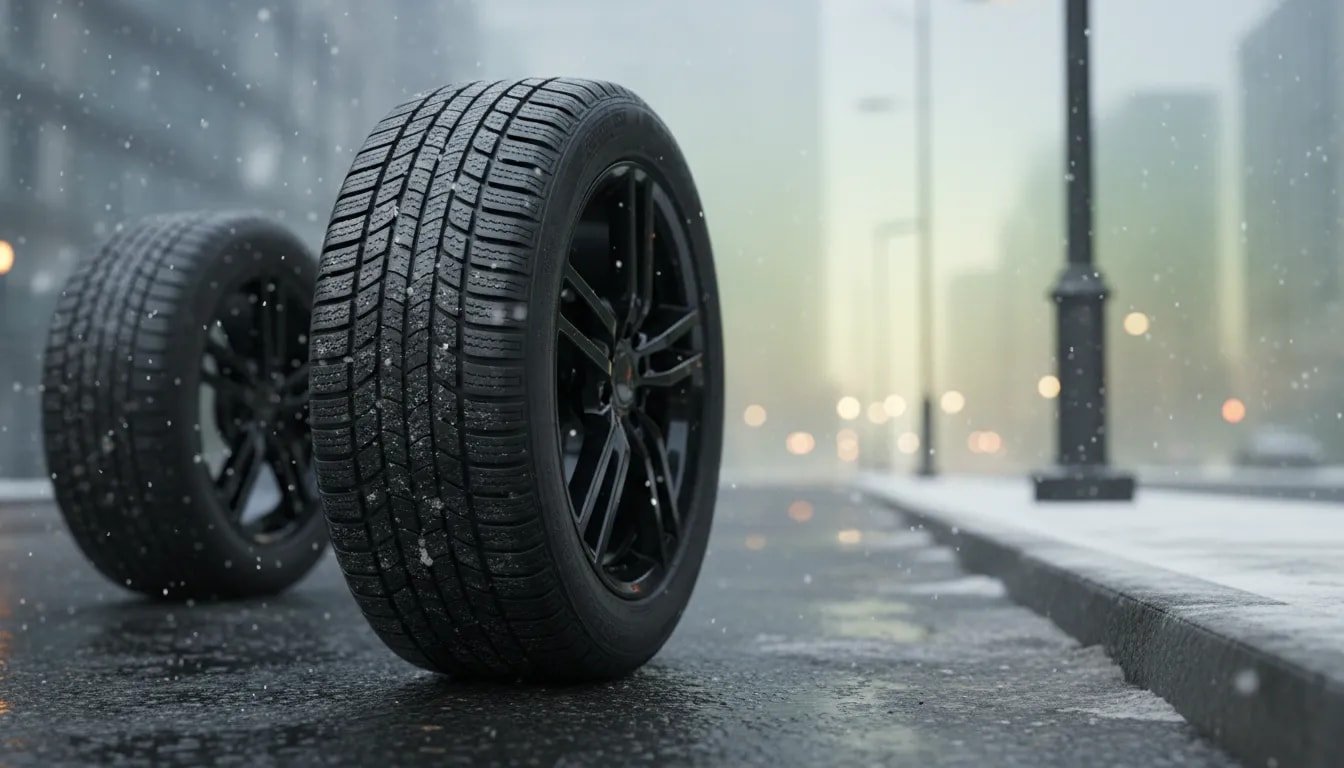
Shopping for budget all-season tires usually means balancing three things: wet traction, ride comfort, and light winter capability. The right choice should match your exact tire size, your vehicle’s required load index and speed rating, and the weather you actually drive in.
This guide compares the best budget all-season tires and all-weather tire options for daily commuting, highway driving, weekend road trips, rain, and mild winter conditions. It also explains what common tire ratings mean so you can choose a tire that fits your driving conditions instead of buying on price alone.
Affiliate disclosure: This roundup is reader-supported. When you click qualifying Amazon links, we may earn a referral commission at no extra cost to you.
Quick Verdict
Best overall budget all-weather pick: Kumho Solus 4S HA32, because it gives you the best mix of wet-road control, dry grip, and winter-ready confidence for the money.
Best comfort upgrade: Yokohama AVID Ascend GT, if you want a smoother, quieter touring feel and can spend a little more.
Best for snow-prone mixed climates: Falken Aklimate or Firestone WeatherGrip, especially if you want one tire for rain, slush, and maintained winter roads.
Best lower-cost commuter option: Uniroyal Tiger Paw Touring A/S, if you mainly drive city and highway miles and want a simple value tire.
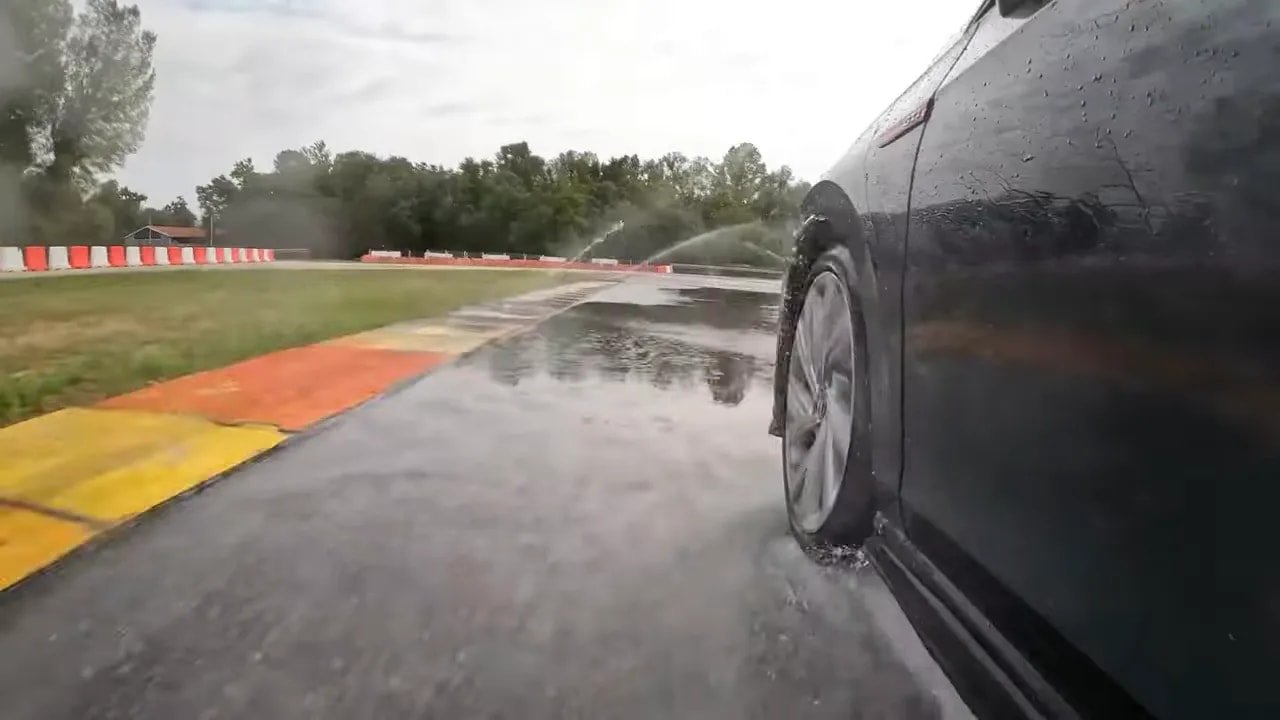
Quick Picks: Best Budget All-Season Tires
- Best overall budget all-weather choice: Kumho Solus 4S HA32
- Best touring comfort upgrade: Yokohama AVID Ascend GT
- Best quiet grand-touring feel: Falken Aklimate
- Best for snow-prone mixed climates: Firestone WeatherGrip
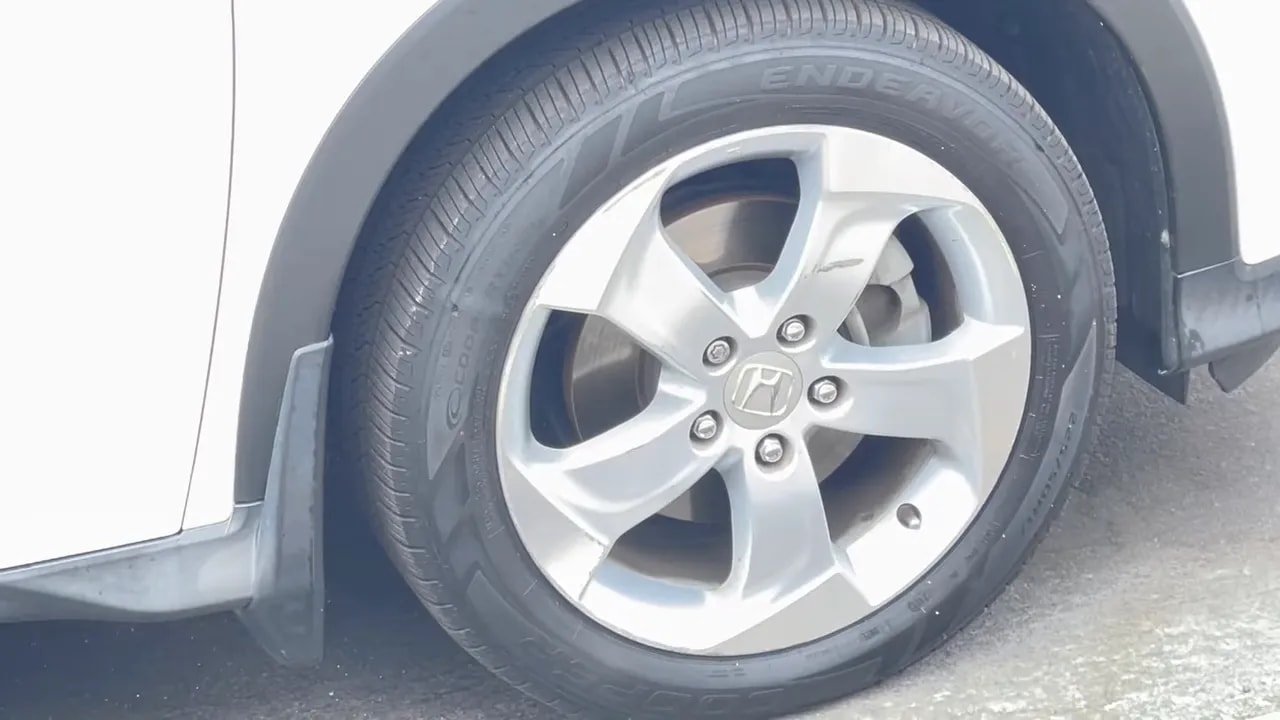
- Best smooth everyday value: Cooper Endeavor
- Best long-wear comfort option if available in your size: General Altimax RT43
- Best lower-cost commuter option: Uniroyal Tiger Paw Touring A/S
What “budget all-season” should mean before you buy
Not all all-season tires perform the same way. A budget tire can still be a smart buy if it gives you predictable wet braking, reasonable ride comfort, and the right level of winter traction for your climate. The key is avoiding cheap tires that look like a deal but do not match your vehicle, your tire size, or your weather.
Look for these features
- 3PMSF (Three-Peak Mountain Snowflake): This marking shows the tire has passed a winter traction test. It matters most if you regularly see snow, slush, or freezing temperatures.
- Wet braking and hydroplaning resistance: For most daily drivers, rain performance matters more often than snow performance.
- UTQG treadwear and warranty terms: These can give rough durability clues, but real-world tread life still depends on alignment, inflation, rotation, road surface, and driving style.
- Comfort and noise control: Some budget tires ride well but get louder on coarse highways, so match the tire to your commute.
- Correct load index and speed rating: A good tire in the wrong rating is still the wrong tire for your vehicle.
Common budget tire mistakes
- Buying only by price without confirming your exact tire size, load index, and speed rating.
- Assuming “all-season” means “safe on ice.” Most all-season tires are not ice specialists.
- Ignoring warranty terms, size availability, and speed ratings, which can vary by tire size.
- Mixing tires with very different tread depths or traction characteristics without checking installer guidance.
- Comparing tire prices without adding mounting, balancing, valve stems, disposal fees, and alignment if needed.
Before You Buy: 5-Point Tire Fit Check
- Check your tire sidewall or driver-side door-jamb sticker for the exact size.
- Match or exceed your required load index and speed rating.
- Decide if you need standard all-season or all-weather traction. Choose 3PMSF if snow and slush are common.
- Compare the installed price, not just the tire price.
- Confirm age, warranty, and return policy with the seller or installer before mounting.
How to choose the right size and rating before buying
Before comparing tire models, confirm your required tire specs. A good tire in the wrong size, load rating, or speed rating can affect braking, handling, ride quality, and tire wear.
- Check your tire sidewall or the driver-side door-jamb sticker for the exact size.
- Match or exceed the required load index and speed rating for your vehicle.
- Decide how much winter traction you need:
- If you mostly drive in cold rain, a standard all-season tire may be enough.
- If you regularly drive in snow or slush, prioritize a tire with 3PMSF.
- Plan for alignment and rotation: Proper maintenance helps tires wear evenly and hold traction longer.
Budget All-Season Tire Comparison Table
| Rank | Tire | Best For | Key Strength | Main Trade-Off | CTA |
|---|---|---|---|---|---|
| 1 | Kumho Solus 4S HA32 | Wet, dry, and snow balance | Strong all-around traction with winter certification | Ride may feel firm on rough roads | Check Price |
| 2 | Yokohama AVID Ascend GT | Touring comfort | Smooth, quiet ride with wet-road confidence | Usually costs more than basic budget picks | Check Price |
| 3 | Falken Aklimate | Quiet touring feel with winter confidence | Good wet, dry, snow, and slush capability | Ice traction may not match dedicated winter tires | Check Price |
| 4 | Firestone WeatherGrip | Snow-prone mixed climates | Wet-road and light-snow traction focus | Steering can feel less sporty | Check Price |
| 5 | Cooper Endeavor | Smooth daily commuting | Comfortable ride with dependable wet grip | Steering feel may be softer | Check Price |
| 6 | General Altimax RT43 | Long-wear comfort if available | Quiet road manners and steady wet/dry handling | Older model, so size availability may vary | Check Price |
| 7 | Uniroyal Tiger Paw Touring A/S | Lower-cost commuting | Comfortable feel and dependable wet grip | Can be noticeably noisy at higher speeds | Check Price |
[Products Worth Considering]

Accurately measure tire tread depth with a calibrated gauge marked from 0 to 1 inch in 1/32 inch increments. The color-coded bar helps you quickly identify tread condition ranges, supporting safe driving for trucks, motorcycles, automobiles, and passenger vehicles.

Monitor tire tread wear with a smart, color-coded depth gauge that shows clear condition ranges at a glance. The bar is range marked for fast, easy readings, helping you maintain safer traction and performance. Each gauge is portable with a pocket clip, and the set includes 20 units for daily use and sharing.

Measure tire tread depth quickly and accurately with this LUMITECO dial gauge that reads in 1/32" increments up to 14/32". The color-coded green/yellow/red zones make it easy to judge tire wear and know when replacement is needed. A rugged, compact design with a protective pouch helps keep the gauge ready for use on cars, trucks, motorcycles, and more.
Top budget all-season tires: the best value picks
Below are seven budget-friendly all-season and all-weather tire options for typical daily driving. The strongest pick depends on whether you value quiet comfort, wet-road control, snow traction, long tread life, or the lowest practical upfront cost.
[Products Worth Considering]

The 22800 wheel stud installer makes replacing wheel studs quick and secure, saving time and effort during tire service. It uses a ratchet or impact wrench to pull new studs firmly into place, helping when existing studs are too long. Compatible with most automotive wheels and light-duty truck wheel studs, it’s designed for easy, tool-assisted installation.

TIRESHIELD PRO RV tire covers in a set of four deliver year-round protection against UV rays, cracking, fading, water, and snow. The StormLock-System helps keep the covers securely fastened through high wind, while heavy-duty, double-stitched construction supports long-lasting performance. Designed for universal fit, they’re intended for RV, camper, truck, car, and trailer tires within the 26–28.75 inch diameter range, with easy wipe-clean care and storage in the included bag.

The UYYE TPMS relearn tool helps activate and relearn tire pressure monitor sensors quickly, typically in minutes. It supports TPMS learn mode resetting using a simple three-step process: enter learn mode, position the tool near the valve stem, and press the learn button. Designed for specific GM models, it streamlines sensor programming and reduces trips to dealers or tire shops.
7) Uniroyal Tiger Paw Touring A/S (Budget comfort + wet confidence)
Best for: drivers who want a smooth ride at a lower price, mainly for city and highway commuting.
- Why you’ll like it: it gives budget-focused shoppers a comfortable feel and dependable wet-road behavior for normal daily use.
- Snow reality: it is better suited to light snow than deep snow, hard-packed snow, or icy roads.
- Watch-out: it can be noticeably noisy, especially at higher speeds or on coarse pavement.
Who should skip it: drivers who are sensitive to road noise or who regularly drive through deep snow should compare more winter-focused options first.
Shop on Amazon (example listing): Check Current Amazon Availability
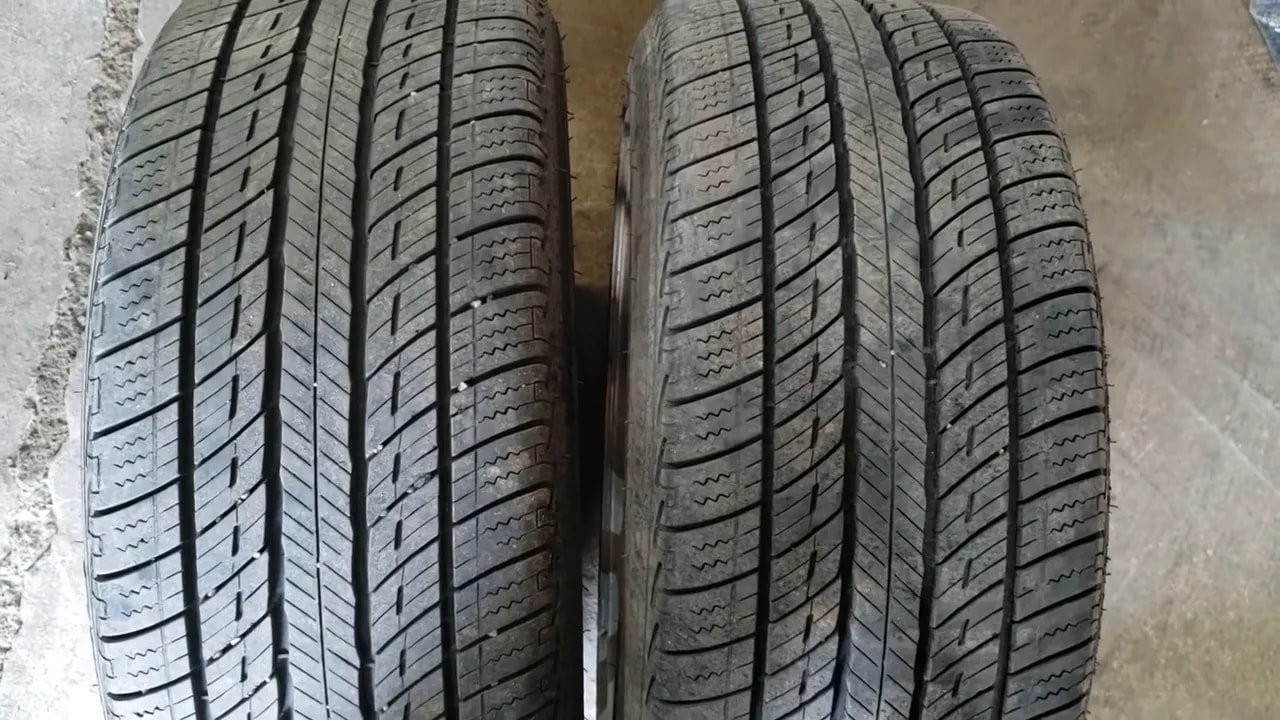
6) General Altimax RT43 (Long life, quiet comfort, strong value)
Best for: drivers who prioritize durability and a calm, comfortable ride more than aggressive winter traction, if this older model is still available in the exact size they need.
- Why you’ll like it: it has long been known as a value-focused touring tire with calm road manners and steady daily-driving behavior.
- Durability: warranty terms and treadwear expectations can vary by exact size, speed rating, seller, and production date.
- Watch-out: because this is an older model, check current availability, tire age, and fitment before you buy.
Who should skip it: drivers in snow-heavy areas may want to prioritize a newer 3PMSF-rated all-weather tire instead of choosing mainly for tread life and comfort.
Shop on Amazon (example listing): Check Current Amazon Availability
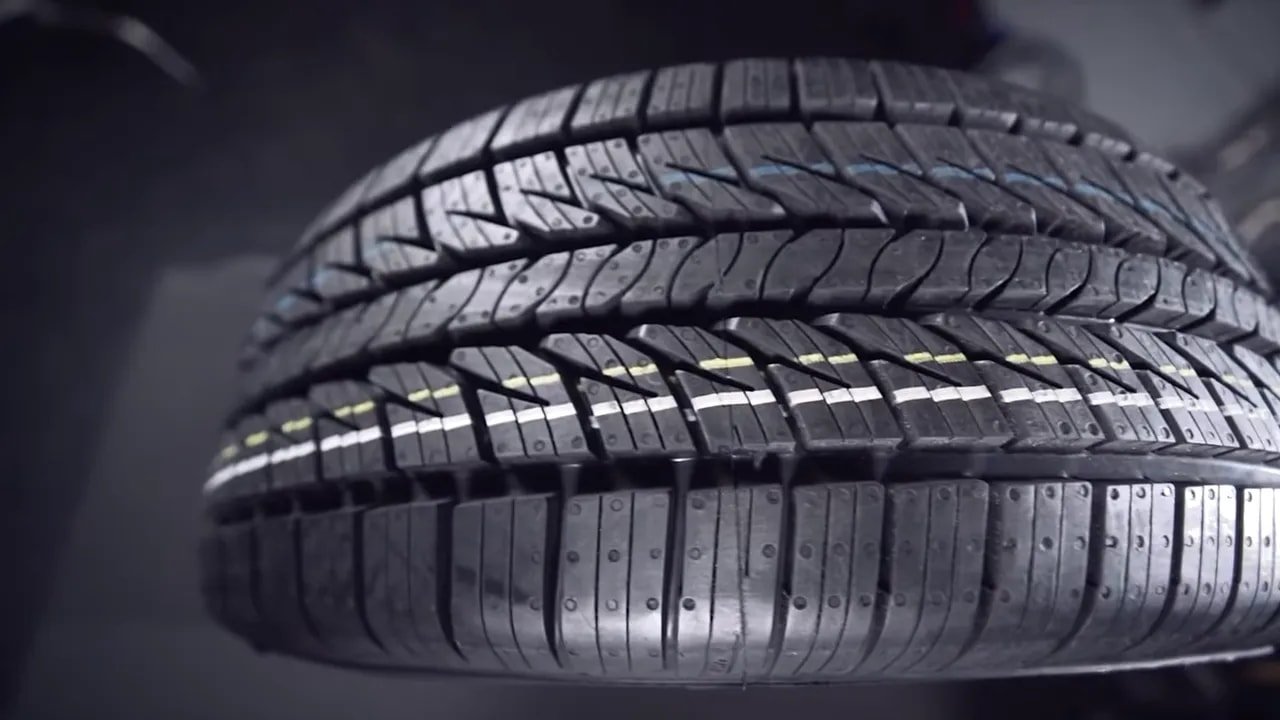
5) Cooper Endeavor (Comfort-focused with decent light-snow capability)
Best for: people who want a quiet, smooth everyday tire that still handles rain and mild winter weather well.
- Why you’ll like it: it is a practical fit for commuting, errands, and family-car use when comfort matters more than sharp steering.
- Wet-road use: it is a sensible option for drivers who see rain more often than snow.
- Watch-out: steering feel may feel a bit soft during quick maneuvers, and snow traction is not the same as a dedicated winter tire.
Who should skip it: drivers who prefer sharp steering response or who regularly drive in icy conditions should compare other options.
Shop on Amazon (example listing): Check Current Amazon Availability
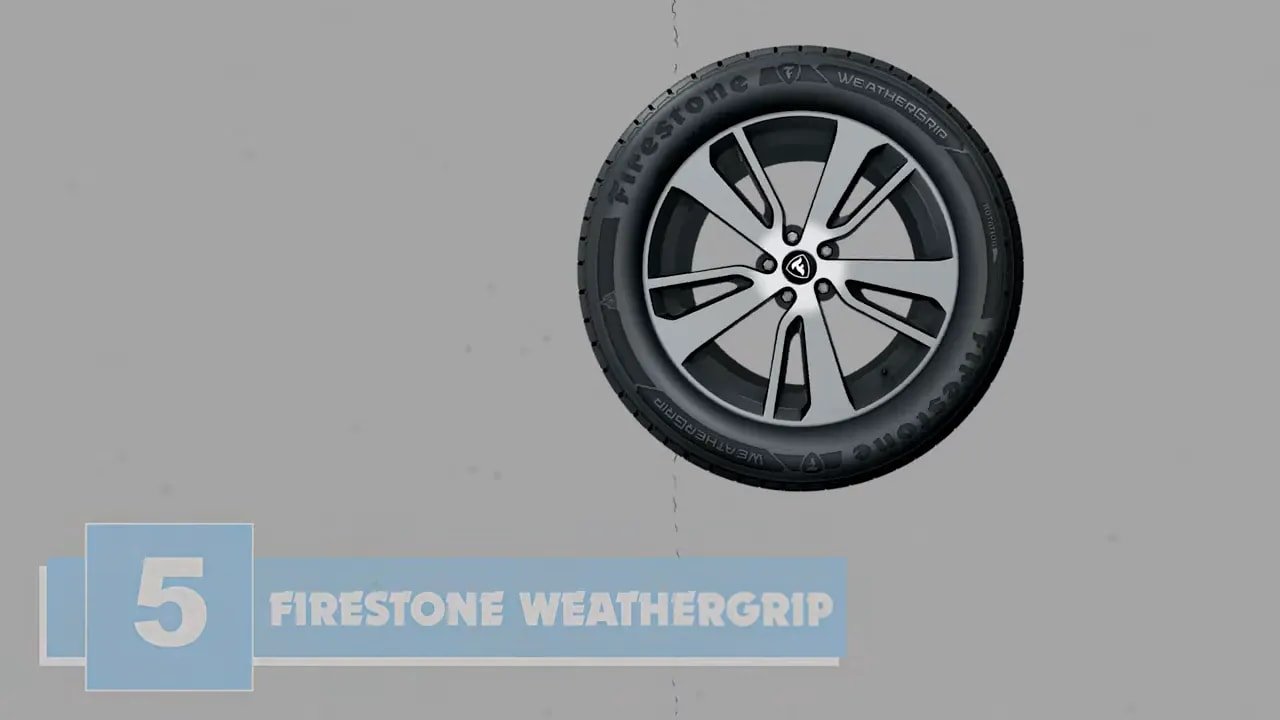
4) Firestone WeatherGrip (Budget all-weather balance with winter-ready confidence)
Best for: mixed climates where you want one tire that stays comfortable while also providing better light-snow and slush traction than many standard all-season tires.
- Why you’ll like it: it is built for drivers who face rain, cold mornings, slush, and maintained snowy roads without wanting to swap to winter tires every season.
- Winter readiness: it focuses on wet performance, ride comfort, and light-snow performance, but it is still not a replacement for dedicated winter tires on ice.
- Watch-out: steering can feel less sporty, and highway noise may be more noticeable than expected.
Who should skip it: drivers who want a sporty, sharp steering feel may prefer a more performance-oriented all-season tire.
Shop on Amazon (example listing): Check Current Amazon Availability
3) Falken Aklimate (Grand-touring comfort with strong wet and snow traction)
Best for: drivers who want a quiet touring-like ride while still feeling more confident in rain, cold temperatures, slush, and typical winter precipitation.
- Why you’ll like it: it fits drivers who want year-round use, a quiet ride, and stronger winter performance than many standard all-season tires.
- Handling feel: it is generally easy to drive in daily conditions, though some drivers may notice a slightly softened turn feel during quick inputs.
- Watch-out: on glare ice or severe unplowed winter roads, confidence may not match the best true winter tires.
Who should skip it: drivers who regularly face glare ice, deep unplowed snow, or mountain winter roads should consider dedicated winter tires.
Shop on Amazon (example listing): Check Current Amazon Availability
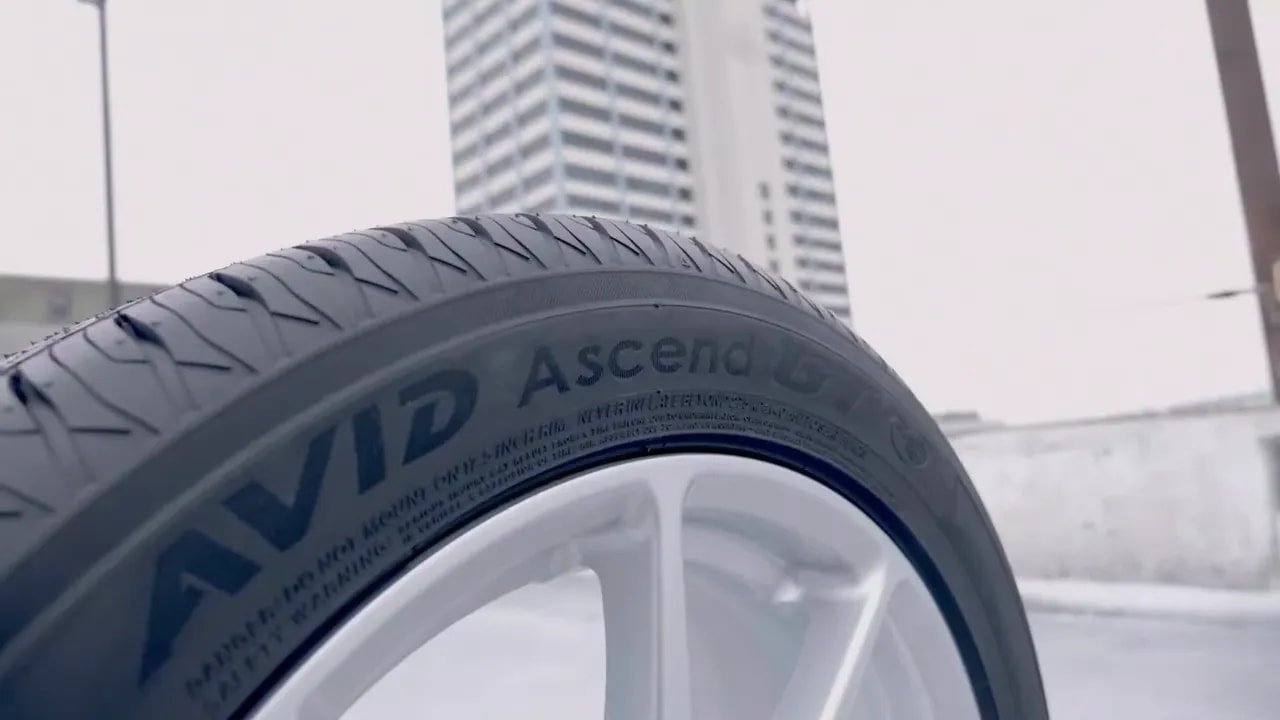
2) Yokohama AVID Ascend GT (Top-tier touring balance for wet, dry, and light snow)
Best for: shoppers who want a “do-it-all” touring tire and can stretch the budget slightly for better balanced performance.
- Why you’ll like it: it gives daily drivers a smoother, quieter ride than many lower-cost tires while staying useful in rain and light snow.
- Stability: it tends to feel calm on long trips, with tread features aimed at wet traction, snow grip, and road-noise control.
- Watch-out: it usually costs more than the lowest-budget options, and ice performance is not the same as a dedicated winter tire.
Who should skip it: buyers who need the lowest possible upfront price may prefer a simpler budget touring tire.
Shop on Amazon (example listing): Check Current Amazon Availability
1) Kumho Solus 4S HA32 (Best all-around budget choice for wet, dry, and snow confidence)
Best for: drivers seeking the best mix of traction, control, and durability without stepping into premium pricing.
- Why you’ll like it: it gives you a strong one-tire solution for mixed weather, including rain, dry roads, cold mornings, and light to moderate snow.
- Overall balance: it is the easiest recommendation here if you want budget value but do not want to give up winter-ready capability.
- Watch-out: ride may feel slightly firm over rough roads, and there can be some low-frequency hum on uneven pavement.
Who should skip it: drivers who value the softest possible ride may prefer a comfort-first touring tire instead.
Shop on Amazon (example listing): Check Current Amazon Availability
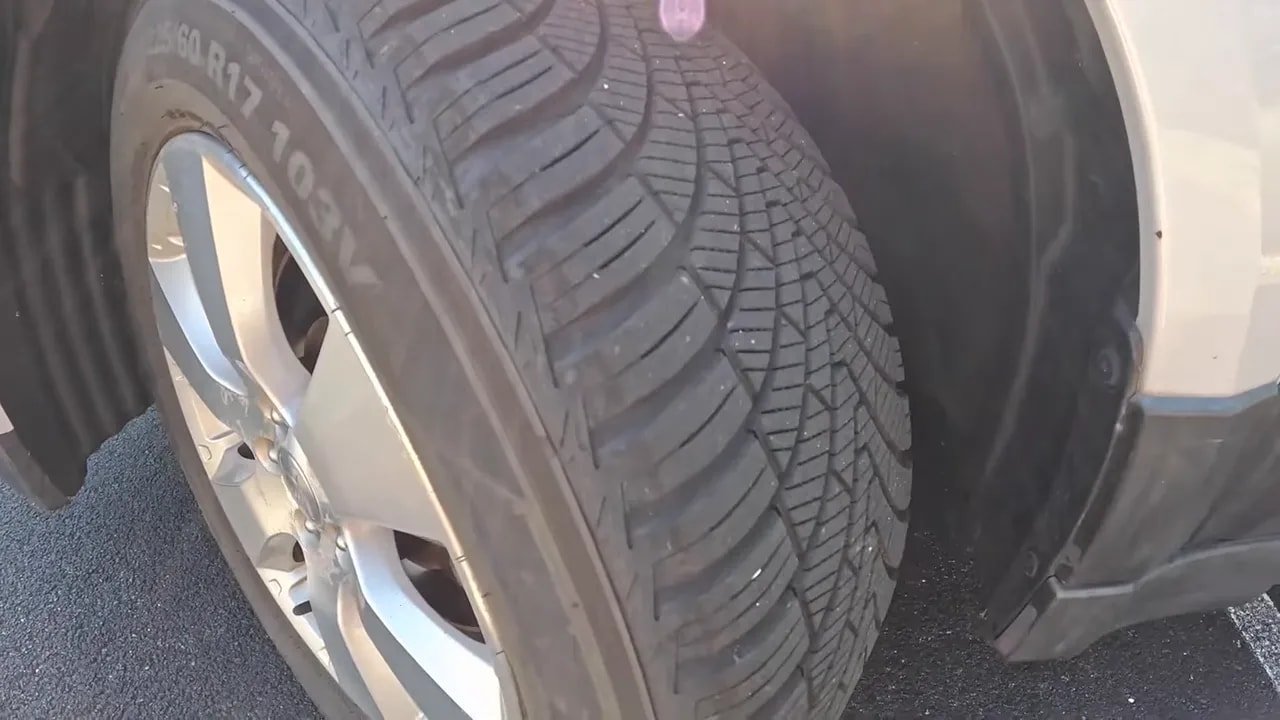
Which tire should you pick? Quick matching guide
Use this shortlist to match common buyer priorities:
- Quietest budget comfort feel: General Altimax RT43 if available in your size, or Falken Aklimate for a newer all-weather touring feel.
- Best winter confidence for snow-prone areas: Firestone WeatherGrip, Falken Aklimate, or Kumho Solus 4S HA32.
- Best wet traction with touring comfort: Yokohama AVID Ascend GT or Kumho Solus 4S HA32.
- Best value if you want a smooth ride and lower price: Uniroyal Tiger Paw Touring A/S or Cooper Endeavor.
- Best “one tire for the year” approach: Kumho Solus 4S HA32, Falken Aklimate, or Firestone WeatherGrip.
[Products Worth Considering]

The Airmoto portable tire inflator quickly and accurately fills car, truck, SUV, motorcycle, and bicycle tires up to 120 PSI with auto shut-off when your target pressure is reached. Its large LCD, multi-unit pressure display, and digital gauge make it easy to dial in settings and verify readings, while the built-in LED flashlight helps in low light. The included polyurethane hard carrying case and storage mesh pocket keep the inflator and accessories protected and organized.
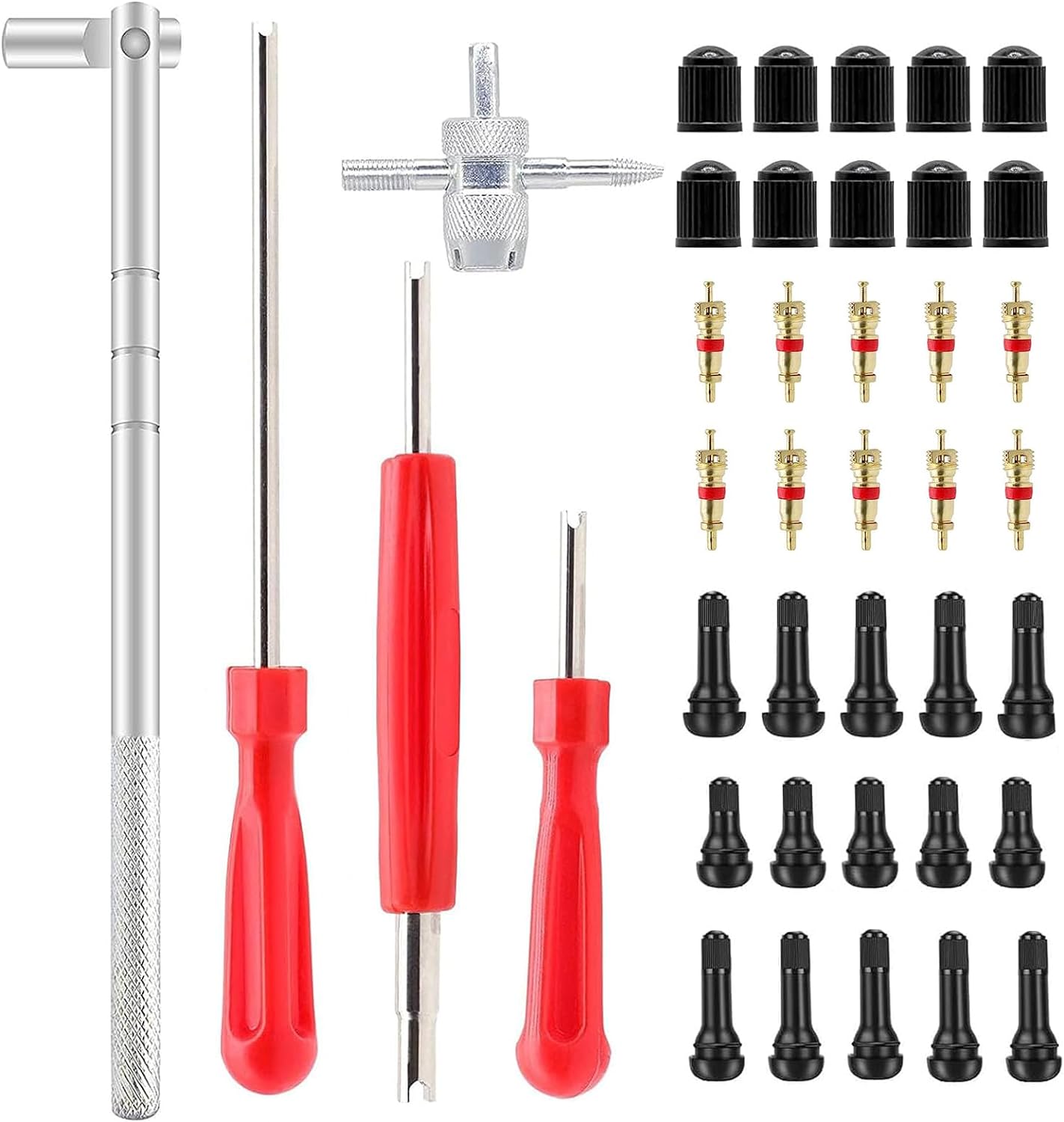
This ZHSMS valve stem puller and installer tool set makes it easy to remove and install tire valve stems without damaging wheels or valves. It uses a leverage design to save effort and includes valve stem tools plus removable valve core functionality for quick tire repairs. Compatible with tubeless tires for passenger cars, motorcycles, ATVs, off-road vehicles, and trucks.

These universal tire valve stem caps help protect valve cores from dust, debris, and moisture while helping maintain stable tire pressure. The corrosion-resistant metal construction and sealed design provide reliable protection in road grime, mud, and winter conditions. Twist-on installation makes them quick to fit on cars, SUVs, trucks, and motorcycles.
All-season vs all-weather: know the difference
Many shoppers use “all-season” as a broad term, but there is an important difference. A standard all-season tire is usually built for dry roads, rain, and mild light snow. An all-weather tire is usually designed to handle more cold-weather driving and may carry the 3PMSF symbol.
If your winter roads are usually plowed and you only see occasional snow, a strong all-weather tire can be a practical one-tire setup. If you often drive on ice, steep snowy roads, or unplowed routes, a dedicated winter tire is still the better choice.
Pitfalls to watch for when buying budget tires
- Speed rating mismatches: Never go below your vehicle’s required speed rating.
- Wrong load index: Match or exceed the load requirement shown on your vehicle placard.
- Ignoring tire noise: If highway noise bothers you, prioritize tires known for calmer sound profiles.
- Assuming all seasons handle ice equally: All-season and all-weather tires can still be limited on true ice.
- Not rotating on schedule: Uneven wear reduces braking traction and can shorten tire life.
- Skipping installation costs: Budget the full installed price, including mounting, balancing, valve stems, disposal fees, and alignment if needed.
Getting the best performance out of any all-season tire
Even a great budget tire performs best when the basics are handled well.
- Inflate to the door-jamb PSI and check pressure monthly.
- Rotate every 5,000 to 8,000 miles or as recommended by your installer or vehicle manual.
- Keep alignment in spec if you notice pulling, vibration, or uneven tread wear.
- Brake smoothly on wet roads and avoid abrupt maneuvers when traction is reduced.
- Check tread depth before winter so you do not discover poor snow traction after the first storm.
- Inspect tire age when buying from marketplace listings, especially if the model is older or sold by a third-party seller.
FAQ about budget all-season tires
What is the difference between 3PMSF and a light-snow rating?
Are budget all-season tires safe in snow?
Do all-season tires hydroplane easily?
How long do budget all-season tires last?
Should I replace just two tires or all four?
Final takeaway: the best budget all-season pick for most drivers
If you want one tire that offers the best blend of wet and dry grip, winter confidence for maintained snowy roads, and strong overall value, the Kumho Solus 4S HA32 is the top choice. For drivers who prioritize comfortable touring performance, the Yokohama AVID Ascend GT is a strong alternative. For mixed climates where winter traction matters most, consider Falken Aklimate or Firestone WeatherGrip.
Next step: match the tire size and ratings to your vehicle, compare installed pricing, then choose the model based on your weather, noise tolerance, and winter traction needs.