
Disclosure: As an Amazon Associate, we may earn from qualifying purchases. If you click a link on this page and buy something, we may receive a small commission at no extra cost to you.
Choosing budget all-season tires is a balancing act: you want confident wet traction, reasonable tread life, and low road noise without overspending. This guide highlights five strong value-focused options for 2026, explains who each tire is best for, and shows what to check before buying.
Quick Verdict
For the best overall budget-friendly mix, start with the General AltiMAX RT45. If you want a quieter, newer all-season option with strong comfort appeal, compare the Hankook Kinergy XP (H446). For long warranty coverage at a value price, the Falken Sincera SN250 A/S is also worth checking.
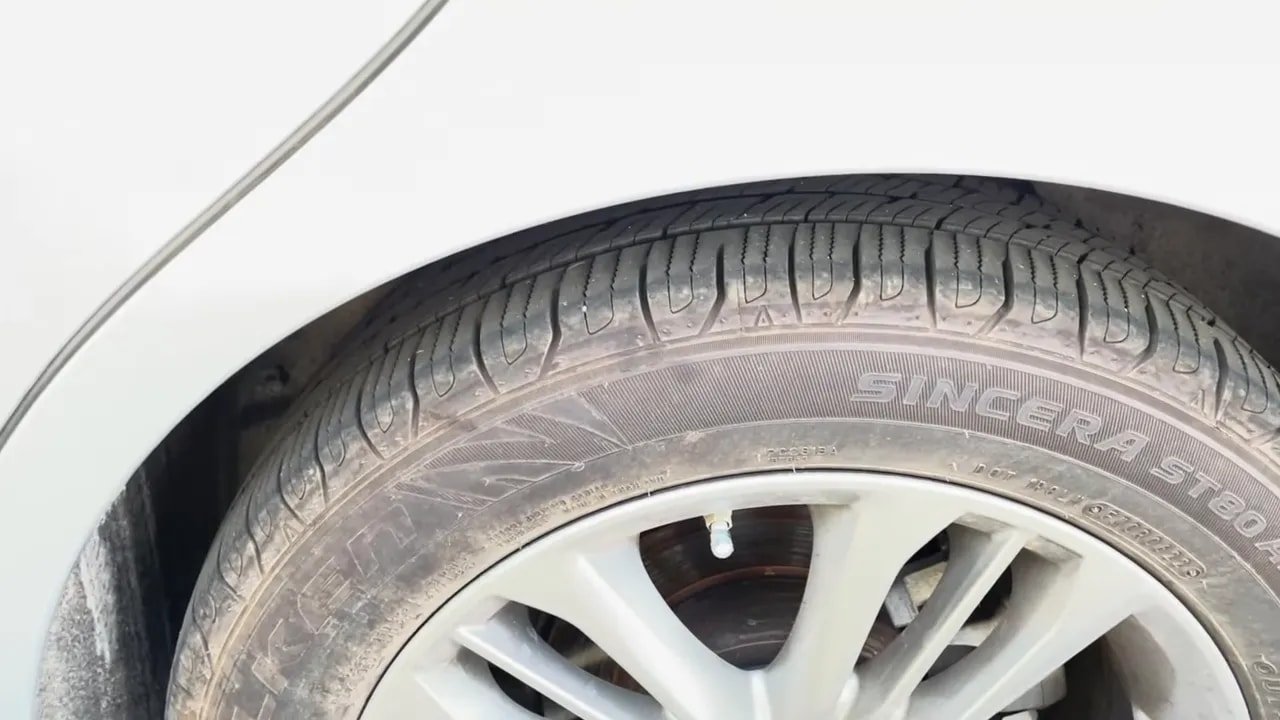
✅ What makes an all-season tire a “budget winner”?
Budget tires can be great values, but not every low-cost tire is a smart buy. For most drivers, the best value comes from tires that deliver:
- Confident wet grip for rain, standing water, and everyday braking
- Good wear life so you do not replace tires too soon
- Low to moderate road noise because comfort matters on long commutes
- Balanced handling for city, highway, and normal daily driving
- Light snow capability without pretending to replace a dedicated winter tire
🧭 How to choose the right budget all-season tire
Use this quick process before you shop:
- Match your tire size from your sidewall, door placard, or owner’s manual. The same tire model can perform differently by size.
- Pick the correct speed rating and load rating for your vehicle. Do not choose a tire with a lower required load index.
- Compare installed cost, including mounting, balancing, valve stems, disposal fees, and alignment if needed.
- Check treadwear coverage, but remember warranty mileage is not a guaranteed lifespan.
- Assess your climate
- If winters are mild, a standard all-season tire is usually enough for everyday driving.
- If you get frequent ice, steep snowy roads, or heavy winter storms, consider dedicated winter tires.
- Decide what matters most
- Rain safety and stopping confidence
- Noise and ride comfort
- Longest tread life for high-mileage driving
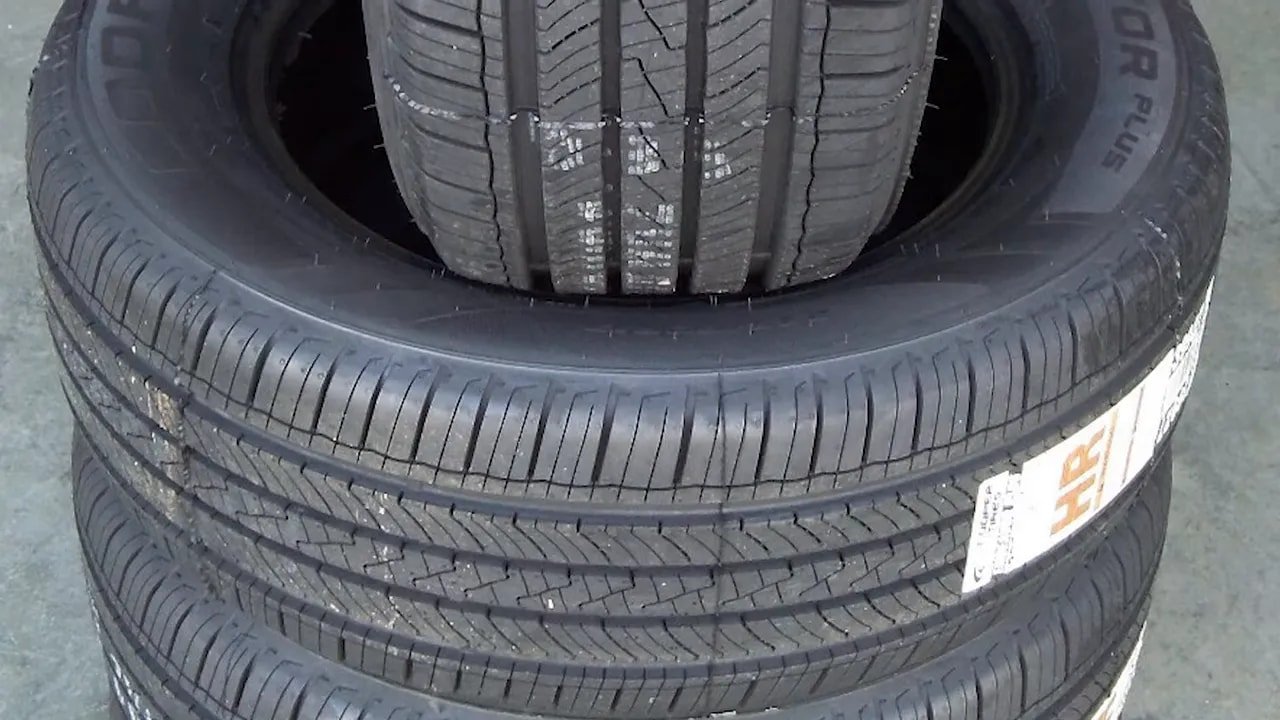
[Products Worth Considering]

The 22800 wheel stud installer makes replacing wheel studs quick and secure, saving time and effort during tire service. It uses a ratchet or impact wrench to pull new studs firmly into place, helping when existing studs are too long. Compatible with most automotive wheels and light-duty truck wheel studs, it’s designed for easy, tool-assisted installation.

Replace worn or missing TPMS sensors with a pre-programmed 4-pack designed for compatible GM vehicles. These 315MHz sensors provide real-time tire pressure monitoring and alert you if pressure is too high, too low, or if a rapid air leak occurs. Most installations are ready with minimal relearn effort after mounting, helping improve safety and driving confidence.

Monitor tire tread wear with a smart, color-coded depth gauge that shows clear condition ranges at a glance. The bar is range marked for fast, easy readings, helping you maintain safer traction and performance. Each gauge is portable with a pocket clip, and the set includes 20 units for daily use and sharing.
🏁 Top budget all-season tire picks for 2026 (5 options)
Below are five budget-leaning all-season tires that make sense for everyday drivers. Prices vary by tire size, speed rating, seller, and installation cost, so always confirm fitment before buying.
| Rank | Tire | Best For | Warranty Note | Check Details |
|---|---|---|---|---|
| 1 | General AltiMAX RT45 | Best Overall Value | Up to 75,000 miles, varies by size | Check Price on Amazon |
| 2 | Hankook Kinergy XP (H446) | Best Modern Comfort Pick | 75,000-mile warranty, varies by size | Check Price on Amazon |
| 3 | Yokohama Avid Ascend GT | Best Touring Value | Up to 65,000 miles, varies by size | Check Price on Amazon |
| 4 | Cooper Endeavor All-Season | Best Wet-Weather Budget Pick | 65,000-mile warranty, varies by size | Check Price on Amazon |
| 5 | Falken Sincera SN250 A/S | Best Long-Warranty Budget Pick | Up to 80,000/75,000 miles, varies by size | Check Price on Amazon |
[Products Worth Considering]

Accurately measure tire tread depth with a calibrated gauge marked from 0 to 1 inch in 1/32 inch increments. The color-coded bar helps you quickly identify tread condition ranges, supporting safe driving for trucks, motorcycles, automobiles, and passenger vehicles.
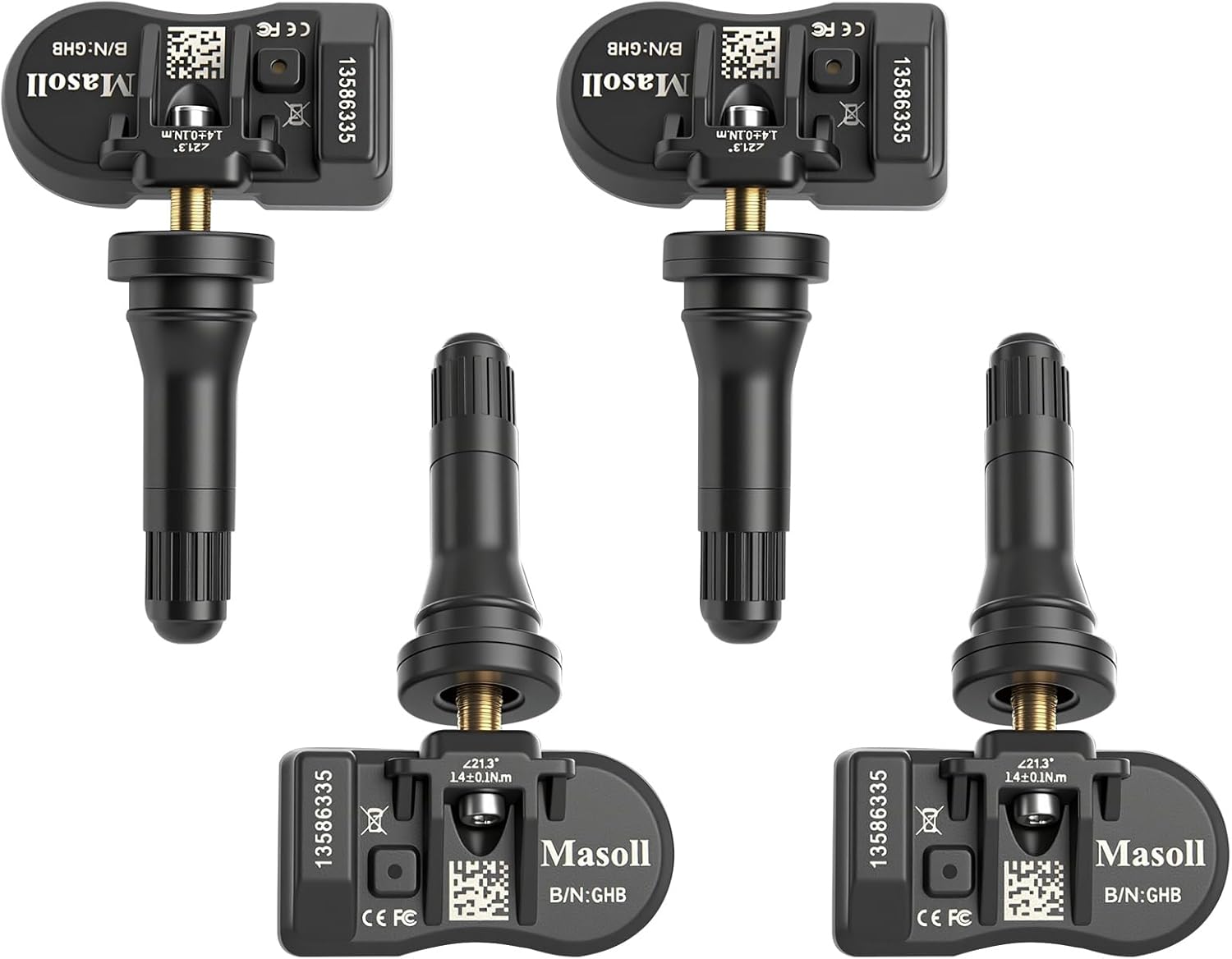
Masoll TPMS sensors are designed for most GM vehicles after 2006, helping you clear tire pressure warnings with OEM-level 315/433MHz compatibility. The 4-pack includes pre-programmed sensors, but re-learning is required after installation using a GM TPMS relearn tool or scan tool. Built with a dual-antenna design and a long-life CR2050 battery, these sensors deliver reliable performance in extreme temperatures with corrosion-resistant valve construction.

Measure tire tread depth quickly and accurately with this LUMITECO dial gauge that reads in 1/32" increments up to 14/32". The color-coded green/yellow/red zones make it easy to judge tire wear and know when replacement is needed. A rugged, compact design with a protective pouch helps keep the gauge ready for use on cars, trucks, motorcycles, and more.
5) Falken Sincera SN250 A/S
Best for: drivers who want long warranty coverage, quiet comfort, and dependable all-season traction on everyday roads.
Why you’ll like it: The Falken Sincera SN250 A/S is a strong value pick if you drive a commuter car, sedan, minivan, or crossover and want a long-wearing tire without stepping into a premium price tier.
- Long tread life: up to 80,000 miles for some T-speed sizes and 75,000 miles for some H and V-speed sizes, depending on size and warranty terms.
- All-season grip design: built for dry, wet, and light winter conditions.
- Smooth ride focus: designed to reduce harshness and help keep road noise controlled.
Who should buy this: Pick it if your priority is warranty-backed mileage and a comfortable daily commute.
Who should skip it: Skip it if you need sporty steering response or dedicated winter traction for ice and deep snow.
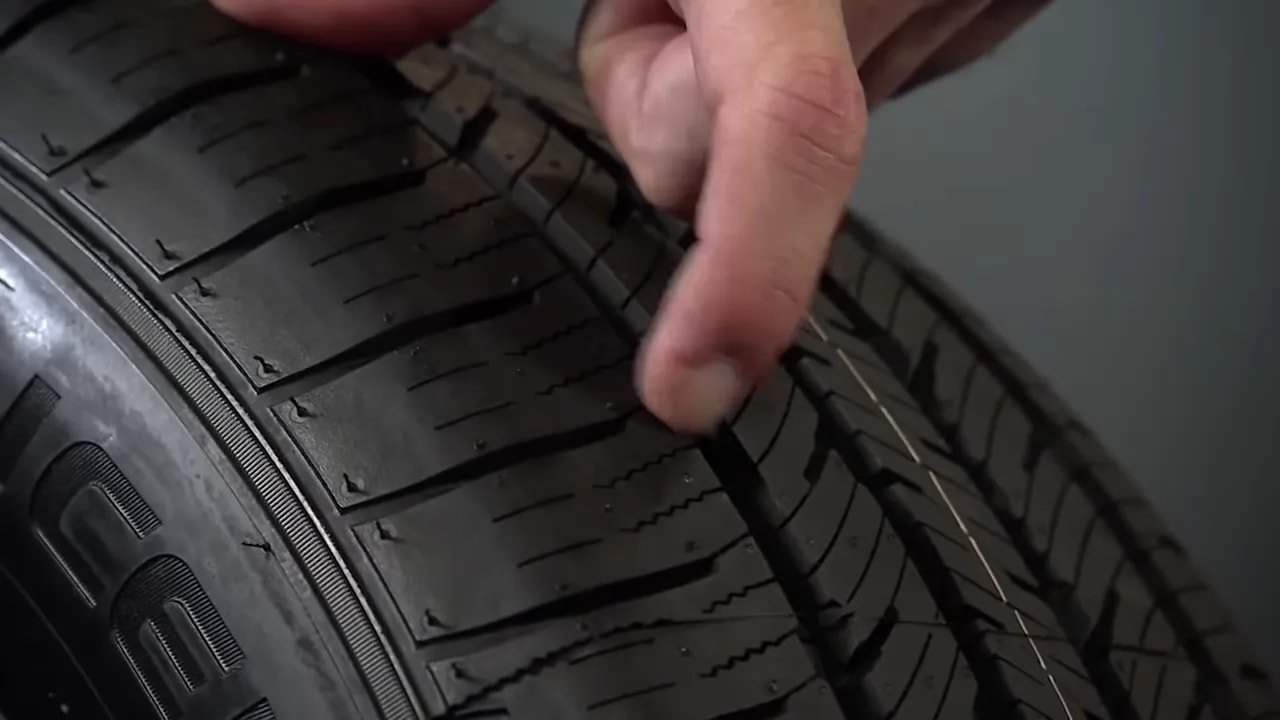
4) Cooper Endeavor All-Season
Best for: buyers prioritizing wet weather confidence, comfortable daily driving, and easy value for normal commuting.
Why you’ll like it: The Cooper Endeavor All-Season keeps the focus on the basics that matter most for budget shoppers: rain confidence, stable handling, and a quiet ride.
- Wet traction and water evacuation: the tread pattern is designed to move water away and help maintain road contact in rain.
- 65,000-mile warranty: useful for shoppers who want a clear treadwear benchmark before buying.
- Quiet comfort: tuned for a calmer ride on typical city and highway pavement.
Who should buy this: Pick it if you drive mostly in town or on highways and want a sensible commuter tire with good wet-road focus.
Who should skip it: Skip it if you want a performance tire feel or frequent winter-storm capability.
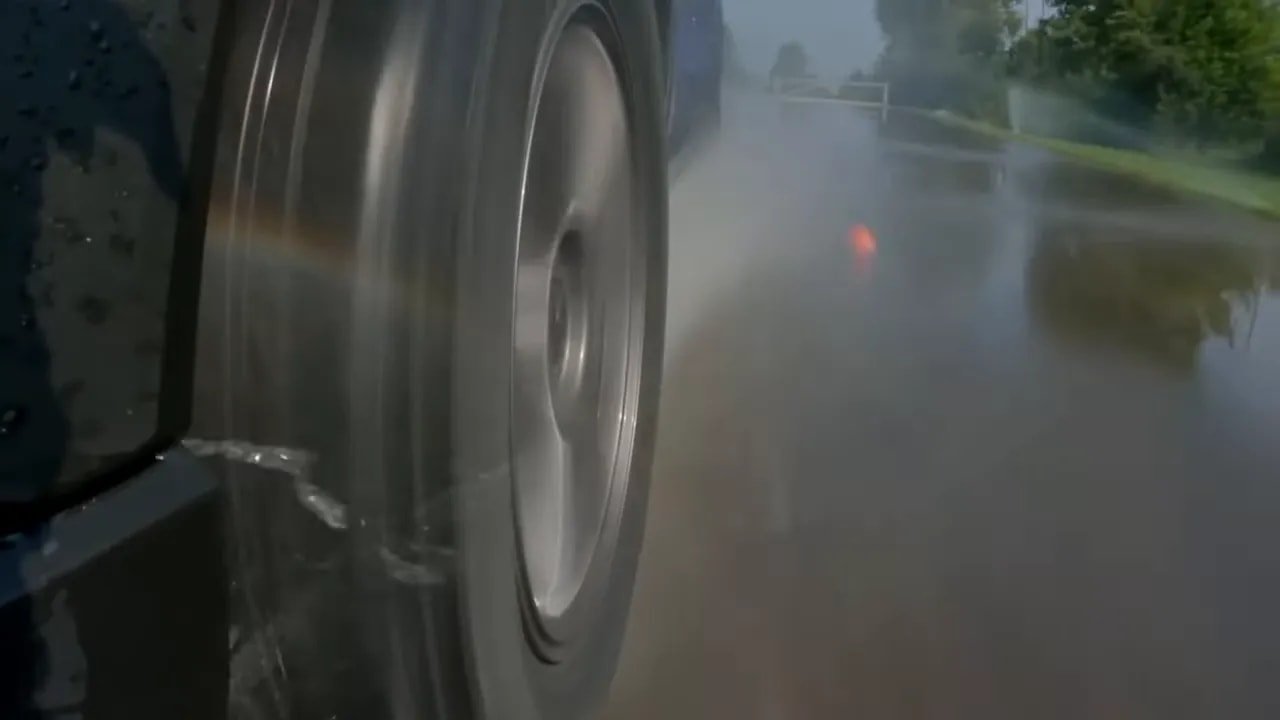
3) Yokohama Avid Ascend GT
Best for: highway and commuting drivers who want a smoother touring feel with long-wearing value.
Why you’ll like it: The Yokohama Avid Ascend GT is not always the cheapest option, but it can make sense if you want budget-conscious value with a more refined ride.
- Long tread life: marketed with up to a 65,000-mile limited treadwear warranty, depending on size and application.
- Rain and light-snow confidence: groove, siping, and tread design help support all-season traction.
- Comfort-first behavior: designed for smoothness, quietness, and stable daily driving.
Who should buy this: Pick it if you care about ride quality and highway comfort as much as upfront cost.
Who should skip it: Skip it if your only goal is the lowest possible purchase price.
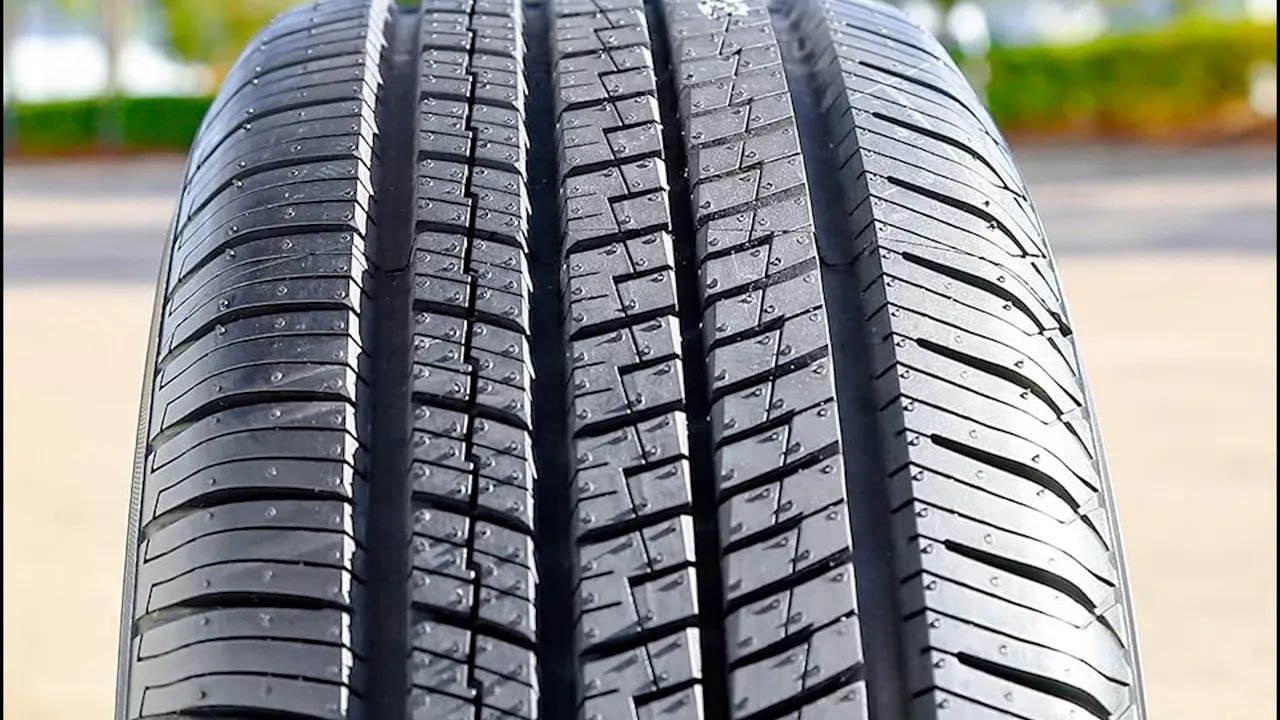
2) Hankook Kinergy XP (H446)
Best for: drivers who want a newer all-season tire with comfort, wet traction, light-snow capability, and reduced cabin noise as priorities.
Why you’ll like it: The Hankook Kinergy XP (H446) is a good fit if you want a modern touring all-season tire that feels more refined than many basic budget options.
- 75,000-mile warranty: gives high-mileage commuters a useful long-term value benchmark.
- Wet and cold-weather focus: designed for wet roads, all-season use, and light snow conditions.
- Comfort and noise control: aimed at keeping daily driving quieter and smoother.
Who should buy this: Pick it if you want a newer all-season option with comfort and wet/cold usability near the top of your list.
Who should skip it: Skip it if you need the cheapest possible replacement tire or a true winter tire.
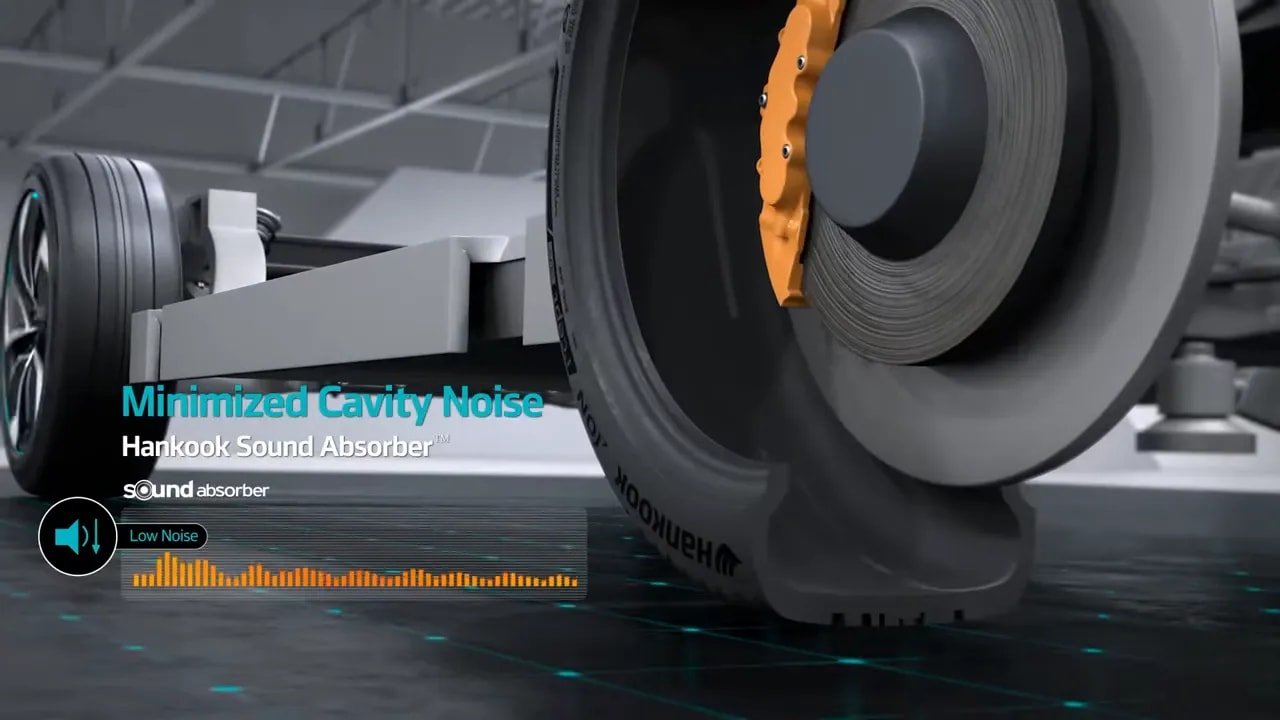
1) General AltiMAX RT45
Best for: shoppers who want the most rounded value: wet-road confidence, stable highway behavior, low noise, and long tread life for daily driving.
Why you’ll like it: The General AltiMAX RT45 is the strongest all-around pick here because it balances comfort, treadwear, wet traction, and light-snow usability without pushing into a luxury tire angle.
- Long-wear coverage: up to 75,000 miles for many sizes, with coverage varying by size and rating.
- Wet-road focus: designed for reliable braking and responsive handling on wet and dry roads.
- Light snow capability: useful for mild winter conditions, though not a substitute for dedicated winter tires.
- Helpful wear indicators: built-in tire monitoring and alignment indicators can help you spot wear issues sooner.
Who should buy this: Pick it if you want one tire that handles commuting, highway trips, rain, light snow, and long treadwear well.
Who should skip it: Skip it if you need aggressive winter traction, off-road grip, or a sporty summer-tire feel.
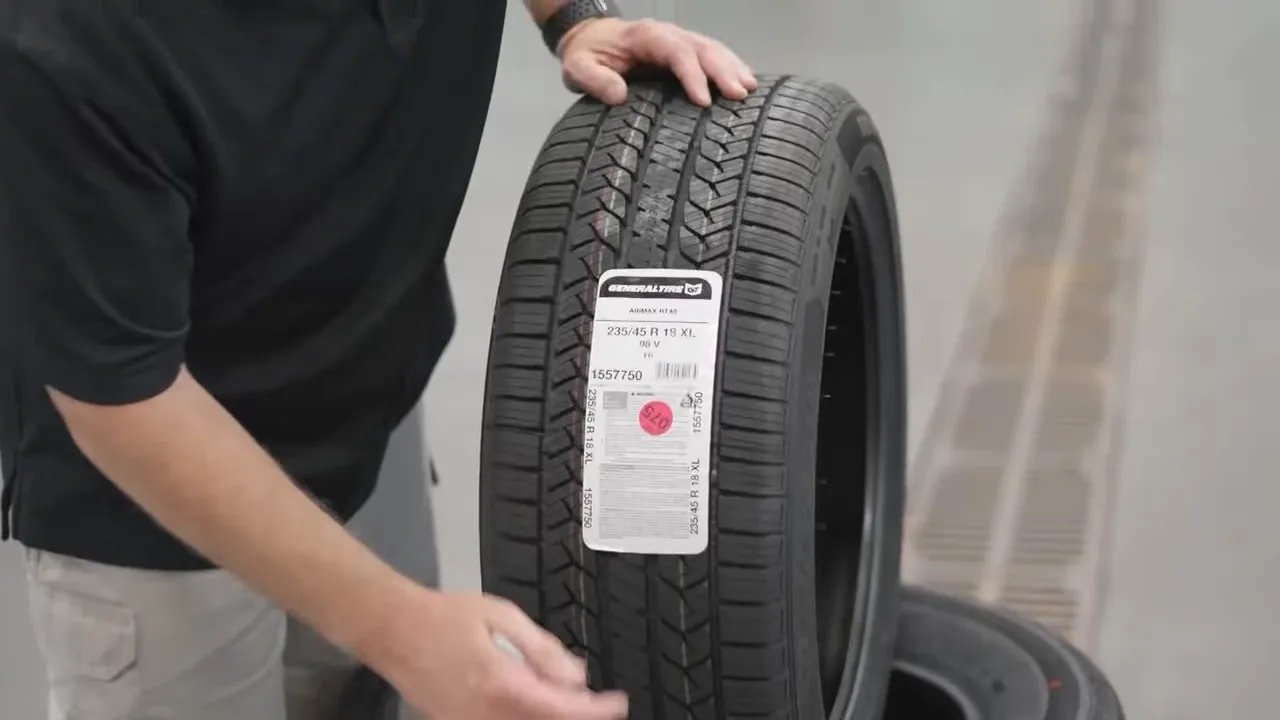
⚠️ Common mistakes to avoid when buying budget all-season tires
- Buying based on tread life alone: warranty miles are a benchmark. Your mileage, alignment, rotation schedule, tire pressure, and driving style affect real wear.
- Ignoring tire size and rating requirements: your tire size, speed rating, and load rating must match your vehicle’s needs.
- Overestimating winter capability: all-season tires are usually best for light snow and cold snaps, not icy roads or heavy winter storms.
- Not factoring road noise preferences: budget tires can be quiet, but some models sound louder on coarse pavement.
- Skipping balance and alignment: poor installation or bad alignment can cause vibration, uneven wear, and faster replacement.
- Comparing tire-only prices: the real budget number is the installed cost after mounting, balancing, fees, and taxes.
🧾 How to compare these tires like a shopper
If you want to narrow choices quickly, score each tire on a 1 to 5 scale:
- Wet traction for rain confidence and water evacuation
- Noise and comfort for commute tolerance
- Expected tread life based on warranty and your driving distance
- Climate fit based on how much snow and cold you actually see
- Budget fit based on installed cost, not tire-only price
The top score is usually the best match, but wet traction and comfort should carry extra weight for everyday driving.
Before You Buy
- Confirm the exact tire size, load index, and speed rating.
- Check whether the warranty changes by size or speed rating.
- Compare the total installed cost from your tire shop.
- Plan rotations and pressure checks to protect tread life.
- Choose winter tires instead if you regularly drive on ice or deep snow.
[Products Worth Considering]

Measure tyre tread depth precisely with a digital gauge that reads in both MM and inches, helping you monitor safe driving conditions. The large LCD screen is easy to operate, and the compact tool fits for cars, trucks, and motorcycles. It provides high accuracy with a 0-25.4mm range and includes a 1-year warranty for added peace of mind.

TIRESHIELD PRO RV tire covers in a set of four deliver year-round protection against UV rays, cracking, fading, water, and snow. The StormLock-System helps keep the covers securely fastened through high wind, while heavy-duty, double-stitched construction supports long-lasting performance. Designed for universal fit, they’re intended for RV, camper, truck, car, and trailer tires within the 26–28.75 inch diameter range, with easy wipe-clean care and storage in the included bag.

The SAFELIFE dial tire tread depth gauge measures tread depth in 1/32 inch increments with clear, easy-to-read 2-inch dial face. Color zones using a traffic light system help you quickly judge whether tread is low, marginal, or ample for safer driving. Built with a durable zinc cast body and a metal detect probe for precise, comfortable use across cars, motorcycles, trucks, and buses.
❓ FAQ: Best budget all-season tires for 2026
How long do budget all-season tires typically last?
It varies by model, size, vehicle, and maintenance. Many value-focused all-season tires advertise warranty coverage around 50,000 to 80,000 miles, but your alignment, rotations, tire pressure, and driving habits can change the final result.
Are all-season tires good in light snow?
Yes, many all-season tires can handle light snow and cold, wet conditions reasonably well. If you regularly face ice, packed snow, steep winter roads, or deep snow, dedicated winter tires are usually safer and more predictable.
Which matters more for safety: treadwear warranty or wet grip?
For day-to-day confidence, wet grip and braking behavior usually matter more than treadwear warranty. Long life is valuable, but you do not want to trade too much rain traction for mileage claims.
Do I need to rotate budget all-season tires?
Yes. Regular rotation helps promote even wear, supports the intended tread life, and reduces the chance of vibration or reduced grip from uneven tread depth.
What should I check before installing new all-season tires?
Confirm the proper tire size, load rating, and speed rating. Also make sure the shop balances the tires and checks alignment if your old tires show uneven wear. After installation, verify tire pressure and re-check it after a short drive.
🏁 Final takeaway
If your goal is the best mix of budget-friendly value, wet confidence, comfort, and tread life, the strongest all-around pick is the General AltiMAX RT45. If you want a newer comfort-focused option, consider the Hankook Kinergy XP (H446). If long warranty coverage is your main priority, the Falken Sincera SN250 A/S is also a smart value pick.
To choose confidently, compare your vehicle’s required tire size and ratings first. Then choose based on your real priorities: rain traction, noise comfort, expected wear, and installed cost.