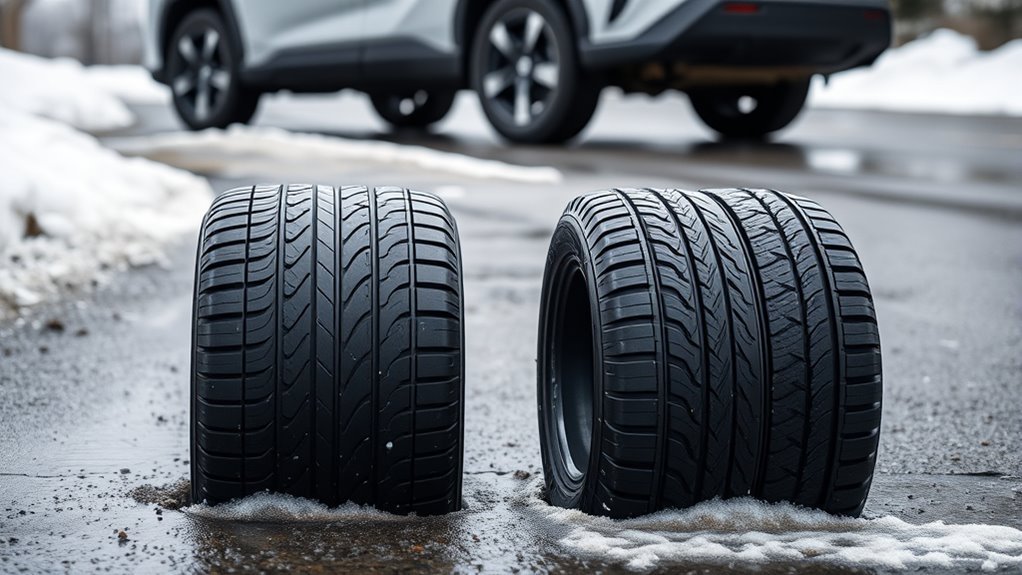
Choosing between all-season and all-weather tires for your Toyota RAV4 can affect how safely you drive in rain, slush, light snow, and cold weather. The right choice depends on your climate, winter road conditions, budget, and how much you want to avoid seasonal tire swaps. This guide explains the key differences, the trade-offs, and which option fits your RAV4 best.
Quick Answer
All-season tires work best for your Toyota RAV4 if you drive mostly in mild weather with rain, dry roads, and only light snow. All-weather tires make more sense if you face regular snow, slush, freezing rain, or cold winter roads. They cost more up front, but they can replace the need for seasonal tire changes in many four-season climates.
Key Takeaways
- Choose all-season tires if you drive your RAV4 in mild weather and want a quiet, fuel-friendly ride.
- Choose all-weather tires if you need better traction in snow, slush, and cold winter conditions.
- Look for the three-peak mountain snowflake symbol if winter grip matters in your area.
- Expect all-weather tires to cost more than all-season tires, but they may reduce tire-change hassle.
- Check your owner’s manual and tire placard before buying tires for your specific RAV4 trim.
What Are All-Season Tires and Their Benefits?

All-season tires give your Toyota RAV4 balanced performance in dry, wet, and mild cold weather. They suit moderate climates where you see rain, warm pavement, and only light snow.
Their tread designs help manage water on wet roads while keeping the ride smooth and quiet. Many drivers also choose them because they often cost less than all-weather or winter tires.
All-season tires do have limits. Their rubber compounds can lose grip as temperatures drop, especially on ice, packed snow, or untreated winter roads.
Key Differences Between All-Season and All-Weather Tires
All-season and all-weather tires both aim to work across more than one season. The main difference comes from winter traction.
All-weather tires usually carry the three-peak mountain snowflake (3PMSF) symbol, which means they meet a snow-traction performance standard. All-season tires may handle light snow, but most don’t meet that winter-focused standard.
| Feature | All-Season Tires | All-Weather Tires |
|---|---|---|
| Best use | Mild weather, rain, dry roads, and light snow | Year-round use with better snow and slush traction |
| Winter rating | Usually lacks 3PMSF certification | Often carries the 3PMSF symbol |
| Ride comfort | Often quieter and smoother | May create more road noise |
| Fuel efficiency | Often more efficient | May slightly reduce fuel economy |
| Seasonal changes | May need winter tires in harsh climates | Can reduce the need for seasonal swaps |
Note: The 3PMSF symbol confirms snow-traction performance, but it does not make a tire equal to a dedicated winter tire on ice.
How Do All-Weather Tires Enhance Winter Performance for Your RAV4?
All-weather tires can improve your Toyota RAV4’s control in snow, slush, and cold rain. Their tread patterns and rubber compounds focus more on winter grip than standard all-season tires.
The three-peak mountain snowflake (3PMSF) symbol helps you identify tires built for stronger snow traction. That matters if you drive through New England winters, mountain roads, or areas with frequent freeze-thaw cycles.
You also gain convenience because you may not need a separate winter tire set. But you should still choose dedicated winter tires if you often drive on ice, steep snowy roads, or poorly plowed routes.
Quick Verdict: Which Tire Type Is Better for Your RAV4?
Choose all-season tires if your RAV4 sees mostly dry roads, rain, mild temperatures, and rare light snow. They fit drivers who value low noise, longer tread life, and better fuel economy.
Choose all-weather tires if your RAV4 faces snow, slush, freezing rain, or cold winter mornings for much of the season. They fit drivers who want one tire set that can handle more winter weather without seasonal changes.
Choose All-Season Tires If…
All-season tires make sense if you live in a moderate climate and rarely deal with real winter roads. They work well for commuting, highway driving, school runs, and daily errands in mostly dry or rainy weather.
- You want a quieter ride for daily driving.
- You want better fuel efficiency from your RAV4 or RAV4 Hybrid.
- You face only light snow once in a while.
- You plan to use dedicated winter tires during harsh winter months.
Choose All-Weather Tires If…
All-weather tires suit your RAV4 if winter weather shows up often but you don’t want to swap tires twice a year. They offer stronger snow and slush traction than typical all-season tires.
- You drive in snow, slush, or freezing rain each winter.
- You want one tire set for most year-round conditions.
- You live in a four-season region such as New England.
- You want better cold-weather confidence without storing winter tires.
Key Factors to Consider When Selecting Tires for Your RAV4
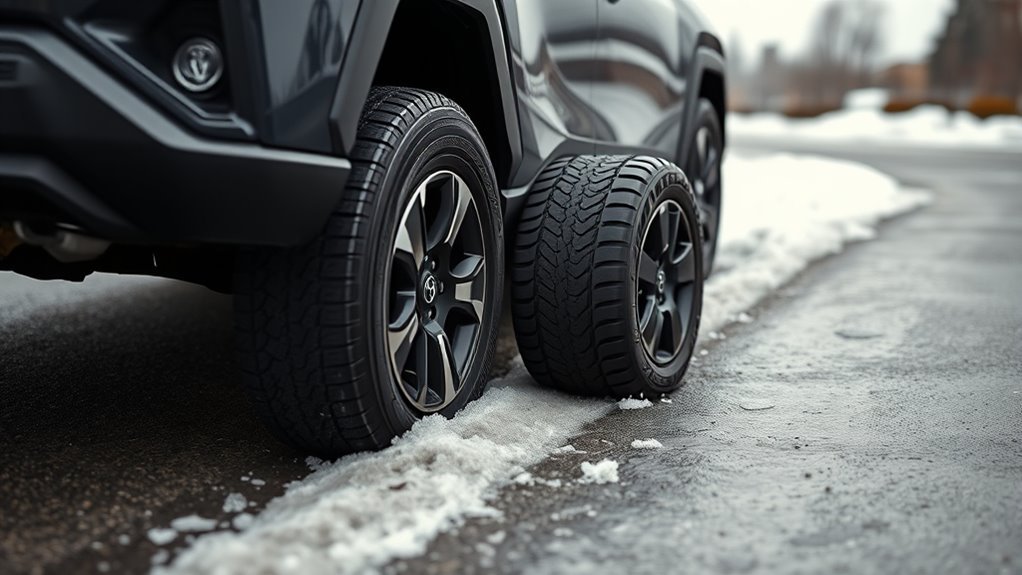
Start with your local weather, then match the tire to how you drive. A RAV4 used for short city trips needs different priorities than one used for ski trips or rural winter roads.
- Driving habits: Think about how often you drive in snow, slush, heavy rain, or freezing temperatures.
- Tire size: Check your driver-side door placard and owner’s manual before buying.
- Load and speed rating: Match or exceed the ratings Toyota lists for your RAV4.
- Road noise: Choose all-season tires if quiet highway driving matters most.
- Winter traction: Choose all-weather tires if cold-weather grip matters more than maximum comfort.
Pro tip: Replace all four tires at the same time when possible, especially on all-wheel-drive RAV4 models.
[Products Worth Considering]

These aluminum alloy tire valve stem caps with an O-ring seal help protect valve stems from corrosion while adding a clean, stylish look to your vehicle. The universal fit works across cars, trucks, motorcycles, bicycles, and more, making them an easy upgrade for everyday driving and off-road use. Installation is quick, and the included four-pack keeps all your tires dressed and protected.

The Kurgo Seasonal Tire Tote helps protect your car interior, clothes, and garage from tire grime, brake dust, and residue during seasonal tire changes. Its universal design fits most passenger tires between 22" and 31" in diameter, making storage and transport simpler with less mess. Built for rugged, repeated use, it’s machine washable for easy care and comes with a lifetime warranty.

Upgrade your Toyota’s wheels with durable aluminum alloy valve stem caps that help protect valve cores from corrosion and direct exposure to road grime, clay, water, and snow. Rubber rings improve sealing to help prevent air leakage and maintain stable tire pressure for safer driving. These caps are easy to install or remove without tools and add a unique, stylish look to your car.
Cost: All-Season vs. All-Weather Tires
All-season tires often cost less than all-weather tires. Many RAV4-size all-season options fall near the lower end of the price range, while all-weather tires often cost more because they add stronger winter capability.
The higher price can still make sense if you avoid seasonal tire swaps, mounting fees, and storage costs. All-weather tires may also save time if you don’t want to schedule tire changes every spring and fall.
Price should not guide the whole decision. Safety, winter traction, tread life, warranty terms, and your local roads matter just as much.
[Products Worth Considering]

These universal tire valve stem caps help protect valve cores from dust, debris, and moisture while helping maintain stable tire pressure. The corrosion-resistant metal construction and sealed design provide reliable protection in road grime, mud, and winter conditions. Twist-on installation makes them quick to fit on cars, SUVs, trucks, and motorcycles.

TIRESHIELD PRO RV tire covers in a set of four deliver year-round protection against UV rays, cracking, fading, water, and snow. The StormLock-System helps keep the covers securely fastened through high wind, while heavy-duty, double-stitched construction supports long-lasting performance. Designed for universal fit, they’re intended for RV, camper, truck, car, and trailer tires within the 26–28.75 inch diameter range, with easy wipe-clean care and storage in the included bag.

Keep your tires properly inflated with this analog VONDIOR tire pressure gauge, designed for fast, easy readings without batteries. The swiveling, two-axis hose and large glow dial help you measure at any tire angle with instant visibility. Built with a protective rubber shield, it supports durable, low-maintenance use for cars and trucks.
Expert Recommendations for All-Weather Tires for Your RAV4 in New England
New England drivers often deal with rain, slush, snow, potholes, and quick weather changes. That makes all-weather tires a practical choice for many Toyota RAV4 owners.
Models such as the Michelin CrossClimate2 and Pirelli Cinturato WeatherActive often appear on shortlists because they focus on year-round traction and winter grip. Still, you should compare current sizes, warranties, prices, and test results before choosing a specific tire.
- Look for the three-peak mountain snowflake (3PMSF) symbol for snow performance.
- Compare treadwear warranties before you buy.
- Read independent test results when available.
- Confirm the tire fits your exact RAV4 year, trim, and wheel size.
[Products Worth Considering]

Adam’s Pro Tire Hex Grip applicators are molded foam sponges designed for precise, even tire dressing application. The ergonomic grip helps you spread product without overapplying, reducing sling that can splash onto paint and helping keep your hands clean during wheel and trim detailing. They’re durable, washable, and reusable for repeated detailing sessions.

Milton S-921 pencil tire pressure gauge helps you maintain optimal tire pressure for passenger cars with accurate readings in PSI and kPa. It features a built-in deflator valve for convenient pressure adjustments, plus a single chuck head and nylon indicator bar for easy use on the go. Built from durable plated brass and designed for reliable performance, it’s a practical road trip and cold-weather maintenance tool.
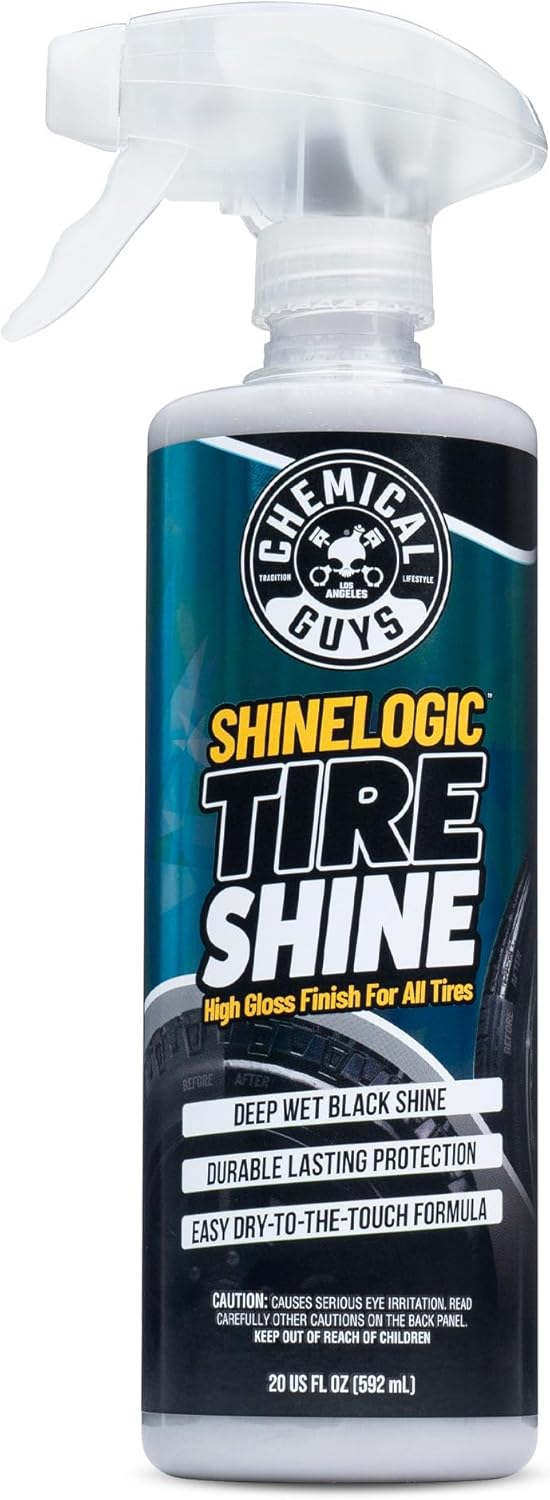
Chemical Guys ShineLogic Tire Shine delivers a deep wet black, high-shine finish for rubber tires with a sleek look. It’s designed for durable, one-step application with minimal drips, streaks, or runs, and it helps produce effortless, long-lasting shine. Choose aerosol or trigger spray for easy use on cars, trucks, motorcycles, RVs, and more.
Frequently Asked Questions
Are All-Weather Tires Worth It Over All Seasons?
Yes, all-weather tires can be worth it if you drive your RAV4 in regular snow, slush, or freezing rain. They give you better winter traction than most all-season tires while still working year-round.
What Are the Best All-Season Tires for a Toyota RAV4?
The best all-season tire depends on your RAV4’s size, trim, budget, and ride priorities. Many drivers compare options such as the Michelin Defender line and Bridgestone Dueler line because they focus on comfort, tread life, and daily-road stability.
What Are the Drawbacks of All-Weather Tires?
All-weather tires may cost more, create more road noise, and reduce fuel efficiency slightly compared with all-season tires. They also don’t replace dedicated winter tires for drivers who face frequent ice, deep snow, or steep mountain roads.
Do All-Weather Tires Work on a RAV4 Hybrid?
Yes, all-weather tires can work on a RAV4 Hybrid if they match the correct size, load rating, and speed rating. You may notice a small change in fuel economy because winter-focused tread designs can add rolling resistance.
Should You Use Winter Tires Instead of All-Weather Tires?
Use winter tires if you often drive on ice, deep snow, steep hills, or roads that crews don’t plow quickly. Choose all-weather tires if you want stronger winter grip than all-season tires without owning two tire sets.
Conclusion
The best tire for your Toyota RAV4 depends on the worst weather you expect, not the average day you drive. Choose all-season tires for mild climates, quiet rides, and strong daily comfort. Choose all-weather tires if snow, slush, and cold rain shape your winter driving. Match the tire to your roads, check your RAV4’s tire specs, and you’ll drive with more confidence all year.