
Honda Accord Treadwear Ratings: How the Numbers Work
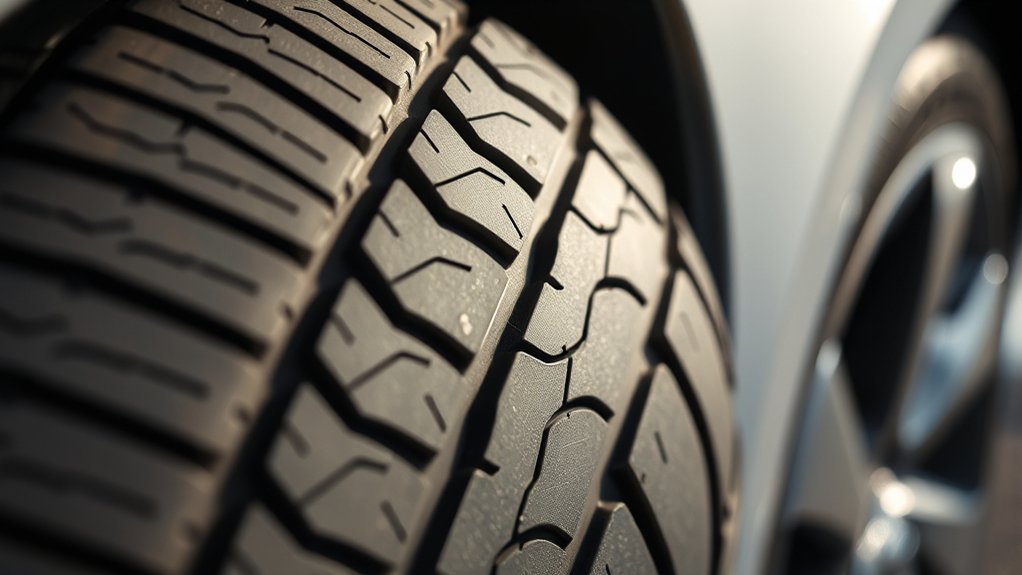
Honda Accord treadwear ratings help you compare how quickly one passenger-car tire should wear against another under standardized UTQG testing. They are useful when shopping for Accord tires, but they are not a guaranteed mileage promise. To choose well, match the treadwear number with the right tire size, load rating, speed rating, traction grade, temperature grade, driving conditions, and maintenance habits.
Quick Answer
Honda Accord treadwear ratings are UTQG numbers that compare tire wear against a control tire rated 100. A higher number usually means slower tread wear within a similar tire category, but real tire life depends on pressure, alignment, rotation, road surface, driving style, climate, and tire design.
Key Takeaways
- A treadwear rating is a comparison number, not a direct mileage estimate or warranty.
- For many Honda Accord commuters, a touring or all-season tire with a mid-to-high treadwear rating often gives the best balance of life, comfort, and value.
- Do not choose by treadwear alone. Check traction, temperature, tire size, load index, speed rating, wet-road performance, and warranty details.
- Use the Accord’s Tire and Loading Information Label or owner’s manual for the correct size and cold tire pressure.
- Monthly pressure checks, regular rotation, alignment, and tread-depth checks can matter as much as the rating printed on the tire.
At a Glance
| Time Required | 10–15 minutes to read tire markings, check tread depth, and compare ratings before buying |
| Difficulty | Easy for inspection and comparison; professional help recommended for installation, balancing, and alignment |
| Tools Needed | Tire pressure gauge, tread depth gauge or penny, owner’s manual, and the driver-side tire information label |
| Cost | $0 if you already have a gauge; usually under $20 for basic tire-checking tools |
What Do Honda Accord Treadwear Ratings Really Mean?
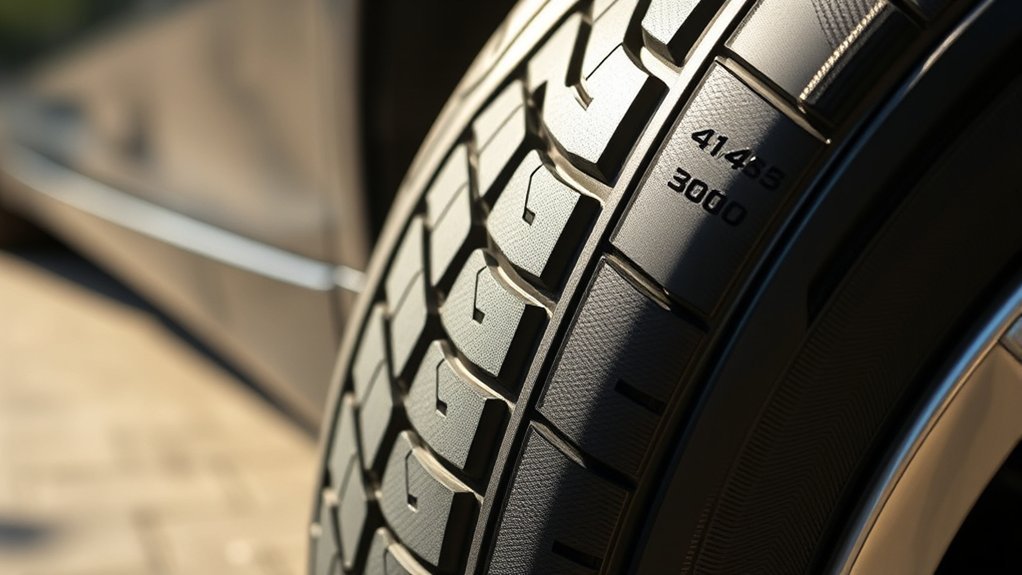
When you see a tire marked with a number such as TREADWEAR 500, that number comes from the Uniform Tire Quality Grading system, often shortened to UTQG. UTQG compares passenger-car tires in three areas: treadwear, traction, and temperature resistance.
The most important thing to know is this: treadwear is relative. A control tire is assigned a grade of 100. A tire rated 200 should wear about twice as long as the control tire under the test conditions. A tire rated 500 should wear more slowly than a tire rated 300 when the tires are from similar categories and are used in similar conditions.
That does not mean a 500-rated tire will always last a specific number of miles on your Honda Accord. Your tire pressure, alignment, road quality, cornering style, braking habits, climate, and rotation schedule can all change the final result.
Note: The commonly repeated “7,200 miles” figure describes the UTQG test process, not how long a tire with a 100 rating will last on your Accord.
[Products Worth Considering]

Measure tire tread depth quickly and accurately with this LUMITECO dial gauge that reads in 1/32" increments up to 14/32". The color-coded green/yellow/red zones make it easy to judge tire wear and know when replacement is needed. A rugged, compact design with a protective pouch helps keep the gauge ready for use on cars, trucks, motorcycles, and more.

Monitor tire tread wear with a smart, color-coded depth gauge that shows clear condition ranges at a glance. The bar is range marked for fast, easy readings, helping you maintain safer traction and performance. Each gauge is portable with a pocket clip, and the set includes 20 units for daily use and sharing.

The SAFELIFE dial tire tread depth gauge measures tread depth in 1/32 inch increments with clear, easy-to-read 2-inch dial face. Color zones using a traffic light system help you quickly judge whether tread is low, marginal, or ample for safer driving. Built with a durable zinc cast body and a metal detect probe for precise, comfortable use across cars, motorcycles, trucks, and buses.
What Treadwear Can and Cannot Tell You
- It can help you compare tire longevity within the same general tire category, such as touring all-season tires.
- It can help narrow your tire search if you want longer-lasting commuter tires.
- It cannot guarantee exact mileage because real-world use varies too much.
- It cannot replace traction and temperature grades, especially if you drive often in rain, heat, or highway conditions.
- It cannot tell you the correct size for your Accord. Use the Tire and Loading Information Label or owner’s manual for that.
For a deeper general explanation of treadwear ratings, remember that the rating is best used as one part of the decision, not the whole decision.
Where to Find the Treadwear Rating on a Honda Accord Tire
Look on the tire sidewall, usually between the tread shoulder and the maximum sidewall width. You may see a line that looks like this:
TREADWEAR 500 TRACTION A TEMPERATURE A
The exact number depends on the tire installed, not the Honda Accord itself. Two Accords with the same trim can have different treadwear ratings if one has original equipment tires and the other has replacement tires.
Warning: Never buy Accord tires by treadwear rating alone. The tire must also match the correct size, load index, speed rating, and cold inflation pressure listed by Honda for your vehicle.
How Treadwear Ratings Are Calculated and Tested
The federal UTQG rule is described in 49 CFR §575.104. Under the test procedure, candidate tires are compared with course monitoring tires on a government-specified roadway course. The procedure includes an 800-mile break-in and about 6,400 miles of test driving, with tread depth measurements taken during the process.
That is why a treadwear grade should be read as a comparison score. A tire rated 600 is expected to wear more slowly than a similar tire rated 300 under comparable conditions, but the grade does not promise that the 600-rated tire will last exactly twice as many miles in your commute.
Treadwear vs. Traction vs. Temperature
UTQG includes three separate ratings:
- Treadwear: Relative wear rate. Higher usually means slower tread wear.
- Traction: Wet straight-line stopping performance, graded AA, A, B, or C.
- Temperature: Heat resistance, graded A, B, or C. This is not the same as the tire’s speed rating.
A high treadwear number can be useful for daily driving, but it should not come at the cost of poor wet-road traction. For a Honda Accord used as a commuter or family sedan, a balanced tire usually matters more than chasing the highest number printed on the sidewall.
How Driving Habits Affect Treadwear Ratings
Driving habits play an essential role in how quickly your tires wear down. The UTQG number tells you how the tire performed under a standardized comparison test, but your real-world Accord may see very different conditions.
- Hard braking can scrub tread faster, especially on the front tires.
- Rapid acceleration can increase wear on drive tires.
- Fast cornering can wear tire shoulders unevenly.
- Potholes and curb hits can throw off alignment and create uneven wear.
- Underinflation can overheat the tire and wear the outer shoulders.
- Overinflation can wear the center of the tread faster.
- Heavy loads can increase heat and wear if pressure is not set correctly.
The treadwear rating tells you how the tire compares in a controlled test. Your maintenance habits decide how close you get to the tire’s potential life.
To reduce unnecessary treadwear, check pressure when tires are cold, avoid harsh inputs when possible, and rotate tires according to the Accord’s maintenance guidance. If you see uneven wear, do not assume the tire rating is the problem; alignment, suspension, inflation, or balancing may be the real cause.
Choosing the Right Tires for Your Accord: Treadwear Ratings Explained
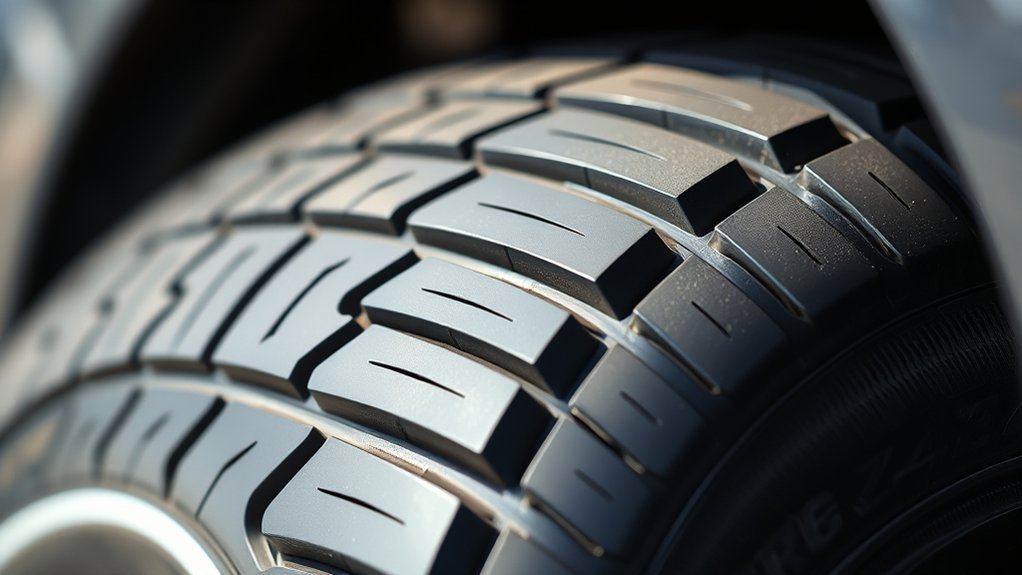
Selecting the right tires for your Honda Accord means balancing longevity, wet grip, ride comfort, road noise, fuel economy, and price. Treadwear is helpful, but the best tire is the one that fits your Accord and your driving conditions.
Before comparing ratings, check your owner’s manual or the Tire and Loading Information Label on the driver-side door edge or doorjamb. NHTSA tire safety guidance also recommends using that label or the owner’s manual to confirm the correct tire size and pressure.
| Driving Need | Useful Treadwear Range | What to Watch |
| Daily commuting and highway use | 500–800 | Look for touring or grand-touring all-season tires with strong wet traction and a solid mileage warranty. |
| Mixed city driving and occasional spirited driving | 400–600 | A moderate treadwear rating may give better handling while still offering practical life. |
| Performance-focused warm-weather driving | 200–400 | Expect more grip but faster wear. Summer tires are not meant for snow or freezing conditions. |
| Snow, ice, or regular winter driving | Do not choose by treadwear first | Choose the correct winter tire type, size, and load rating. Some winter-type snow tires are outside the normal UTQG scope. |
Pro Tip: If two tires have similar treadwear ratings, choose the one with better wet braking reviews, the correct Accord fitment, and a warranty that matches your driving mileage.
Also look at the tire’s temperature grade and traction grade. Temperature grade tells you about heat resistance, while traction grade tells you about wet straight-line stopping performance. Neither one replaces the tire’s load index, speed rating, or manufacturer fitment requirements.
[Products Worth Considering]

Accurately measure tire tread depth with a calibrated gauge marked from 0 to 1 inch in 1/32 inch increments. The color-coded bar helps you quickly identify tread condition ranges, supporting safe driving for trucks, motorcycles, automobiles, and passenger vehicles.

Keep your tires properly inflated with this analog VONDIOR tire pressure gauge, designed for fast, easy readings without batteries. The swiveling, two-axis hose and large glow dial help you measure at any tire angle with instant visibility. Built with a protective rubber shield, it supports durable, low-maintenance use for cars and trucks.

Measure tyre tread depth precisely with a digital gauge that reads in both MM and inches, helping you monitor safe driving conditions. The large LCD screen is easy to operate, and the compact tool fits for cars, trucks, and motorcycles. It provides high accuracy with a 0-25.4mm range and includes a 1-year warranty for added peace of mind.
How to Maintain Tires to Maximize Treadwear Ratings
Good tire maintenance helps your Honda Accord get closer to the tread life the tire was designed to deliver. Poor pressure, skipped rotations, and bad alignment can wear out even a high-treadwear tire early.
1. Check Cold Tire Pressure Monthly
Check tire pressure at least once a month when the tires are cold. NHTSA defines cold tires as tires that have not been driven for at least three hours. Use the cold PSI listed on the Accord’s tire label or owner’s manual, not the maximum pressure printed on the tire sidewall.
For more general tire upkeep, this tire pressure and maintenance checklist covers the same basic habits that help preserve tread life on passenger vehicles.
2. Rotate Tires on Schedule
Honda says rotating tires according to the maintenance messages helps distribute wear more evenly and increase tire life. NHTSA also recommends checking the owner’s manual and rotating every 5,000 to 8,000 miles if the vehicle manufacturer recommends it.
Directional tires must be rotated only front to back, not side to side. After rotation on many recent Accords, Honda says to calibrate the TPMS. If you are unsure of your model’s rotation pattern, check the owner’s manual or ask a qualified tire shop.
3. Watch Alignment and Balance
If your Accord pulls to one side, shakes at speed, or shows feathered or one-sided tread wear, schedule an alignment and balance inspection. Alignment problems can destroy tread long before the UTQG rating becomes meaningful.
4. Measure Tread Depth
Understanding tire tread depth is essential because it directly affects grip, water evacuation, and safety. Replace tires when tread reaches 2/32 inch. If you drive often in heavy rain, start shopping earlier so you are not waiting until the tire is at the legal minimum.
5. Replace Tires for Damage, Age, or Uneven Wear
A good treadwear number does not make a damaged tire safe. Replace or professionally inspect tires with bulges, exposed cords, deep cracks, repeated pressure loss, severe shoulder wear, or vibration that does not go away after balancing.
For general replacement timing, this guide to tire maintenance explains the same tread-depth and age-related warning signs that matter for most passenger vehicles.
6. Recalibrate TPMS When Required
Honda’s late-model Accord TPMS compares rolling radius and wheel/tire behavior rather than directly measuring pressure in each tire. Honda says TPMS calibration should be started after adjusting pressure, rotating tires, or replacing one or more tires. Set all four tires to the correct cold pressure before calibration.
Note: A TPMS warning is not a substitute for monthly pressure checks. TPMS usually warns only after a tire is significantly underinflated.
Frequently Asked Questions
Is a 700 treadwear rating good for a Honda Accord?
Yes, a 700 treadwear rating is usually good if you want long tire life for commuting or highway driving. Still, check the tire’s wet traction, comfort, noise, warranty, size, load index, and speed rating before buying. A 700-rated tire is not automatically the safest or best tire for every driver.
How do treadwear numbers work?
Treadwear numbers compare a tire’s wear rate against a control tire rated 100. A 200-rated tire should wear about twice as long as the control tire under the test conditions. The number is useful for comparison, but it is not a direct mileage estimate.
What treadwear rating should I choose for a daily-driver Accord?
For most daily-driver Honda Accord owners, a touring or all-season tire in the 500–800 treadwear range is a practical place to start. Choose within that range only after confirming the correct size, load index, speed rating, wet traction grade, temperature grade, and warranty.
Does a higher treadwear rating mean better grip?
Not always. Higher treadwear usually points to a longer-wearing compound, but grip depends on rubber design, tread pattern, tire category, temperature, and road surface. For wet-road safety, look at traction ratings and real-world wet braking reviews, not treadwear alone.
Where is the treadwear rating on my Accord tire?
Look on the tire sidewall for wording such as “TREADWEAR 500 TRACTION A TEMPERATURE A.” The rating belongs to the tire model, not the Accord itself, so it can change when you replace the original tires.
When should I replace Honda Accord tires?
Replace tires when tread reaches 2/32 inch, when wear bars are flush with the tread, or when you see serious damage such as bulges, exposed cords, deep cracks, or severe uneven wear. Also replace tires that cannot hold pressure or cause persistent vibration after inspection.
Conclusion
Honda Accord treadwear ratings are helpful when you use them the right way. A higher UTQG treadwear number can point you toward a longer-lasting tire, but it does not guarantee exact mileage. For the best result, choose the correct Accord tire size and rating, compare traction and temperature grades, check the mileage warranty, and keep up with pressure checks, rotation, alignment, and tread-depth inspections. That balanced approach gives you safer handling, better value, and a smoother ride.
Sources
- NHTSA TireWise: Tire Safety Ratings and Maintenance — backs UTQG basics, treadwear comparison, tire pressure, tread depth, rotation, and TPMS maintenance guidance.
- 49 CFR §575.104 Uniform Tire Quality Grading Standards — backs the official UTQG regulation and treadwear testing procedure.
- Honda 2025 Accord Owner Information: TPMS — backs Accord TPMS behavior and calibration guidance.
- Honda Accord Owner Information: Tire Rotation — backs Honda tire-rotation guidance and TPMS calibration after rotation.
- Bridgestone Tire Replacement Guidance — backs tread-depth replacement threshold, wear bars, damage checks, and tire-age considerations.
[Products Worth Considering]

ETENWOLF’s calibrated tire pressure gauge delivers accurate readings for cars, trucks, motorcycles, bikes, SUVs, RVs, and ATVs across a 0–75 PSI range. The large glow dial improves visibility in low light, while the 360° swivel chuck makes it easy to check valve pressure from any angle. It’s designed to stay accurate even in extreme hot or cold weather.

This heavy-duty tire pressure gauge with inflator helps you measure and inflate tires accurately without frequent trips to a gas station. The dual head chuck and 10–120 PSI range make it easier to reach inner and outer valves, while the calibrated accuracy supports dependable readings. Designed for cars, trucks, RVs, SUVs, motorcycles, bicycles, and shop use.

The TYAMATE TM8 solar-powered wireless TPMS delivers real-time tire pressure and temperature monitoring with six alarm modes for safer driving. A vibrant color LCD display shows readings clearly while windshield mounting keeps it hands-free and easy to read. With a wide 0–87 PSI range, strong 433.92 MHz signal transmission, and quick sensor pairing, it’s ideal for RV, sedan, SUV, MPV, and truck use.

Related Articles
How Tall Is a 305 70 R17 Tire? Exact Height, Width & Dimensions
Curious how tall a 305 70 R17 tire really is—and whether it fits your truck?
Read More
Can-Am Defender Tire Size Guide: Stock Specs & Upgrade Options
Just how big can you go on a Can-Am Defender before mods become necessary?
Read More
How Tall Is a 275 65 20 Tire? Exact Height, Width & Dimensions
Check the exact height, width, and hidden fitment effects of a 275/65R20 tire before you buy or upgrade.
Read More