
Disclosure: As an Amazon Associate, we earn from qualifying purchases. If you click a link on this page and make a purchase, we may receive a small commission at no extra cost to you.
A missing A/C service-port cap can leave the charging connection exposed to dust, moisture, and road grime. The KITUREK Car A/C Valve Core Caps offer a low-cost replacement set for many passenger vehicles that use R134a refrigerant, but the seller’s universal-fit label does not guarantee a match for every factory port. This review explains the verified materials, package contents, installation process, fit risks, and limits of what a cap can repair. You will also learn when this two-cap set makes sense and when a vehicle-specific replacement is the safer choice.
Quick Verdict
Rating: 7.5/10, recommended with fitment caveats
Best For: Drivers replacing missing high- and low-side caps on a compatible R134a passenger car
Bottom Line: The labeled H/L caps, plastic-and-rubber construction, and built-in O-ring seals make this a practical basic replacement set. The main tradeoff is uncertain fit across different OEM service-port designs, so you should compare your existing caps and refrigerant label before ordering.
| Specification | Verified Detail |
|---|---|
| Brand | KITUREK |
| Model | Car A/C Valve Core Cap |
| Manufacturer part number | KITUREK-KQDF-283 |
| Manufacturer | LAINLOY |
| Product type | Automotive A/C service-port caps |
| Refrigerant compatibility | Seller states compatibility with most R134a systems |
| Vehicle type | Passenger car |
| Material | Plastic and rubber |
| Seal design | Built-in O-ring |
| Identification | One cap marked H and one cap marked L |
| Color and shape | Blue, round |
| Listed diameter | 0.62 inches |
| Package | Listing title and feature text state two caps, one high-side and one low-side |
| Best use | Replacing missing or damaged protective caps on matching R134a ports |
What Are the KITUREK Car A/C Valve Core Caps?
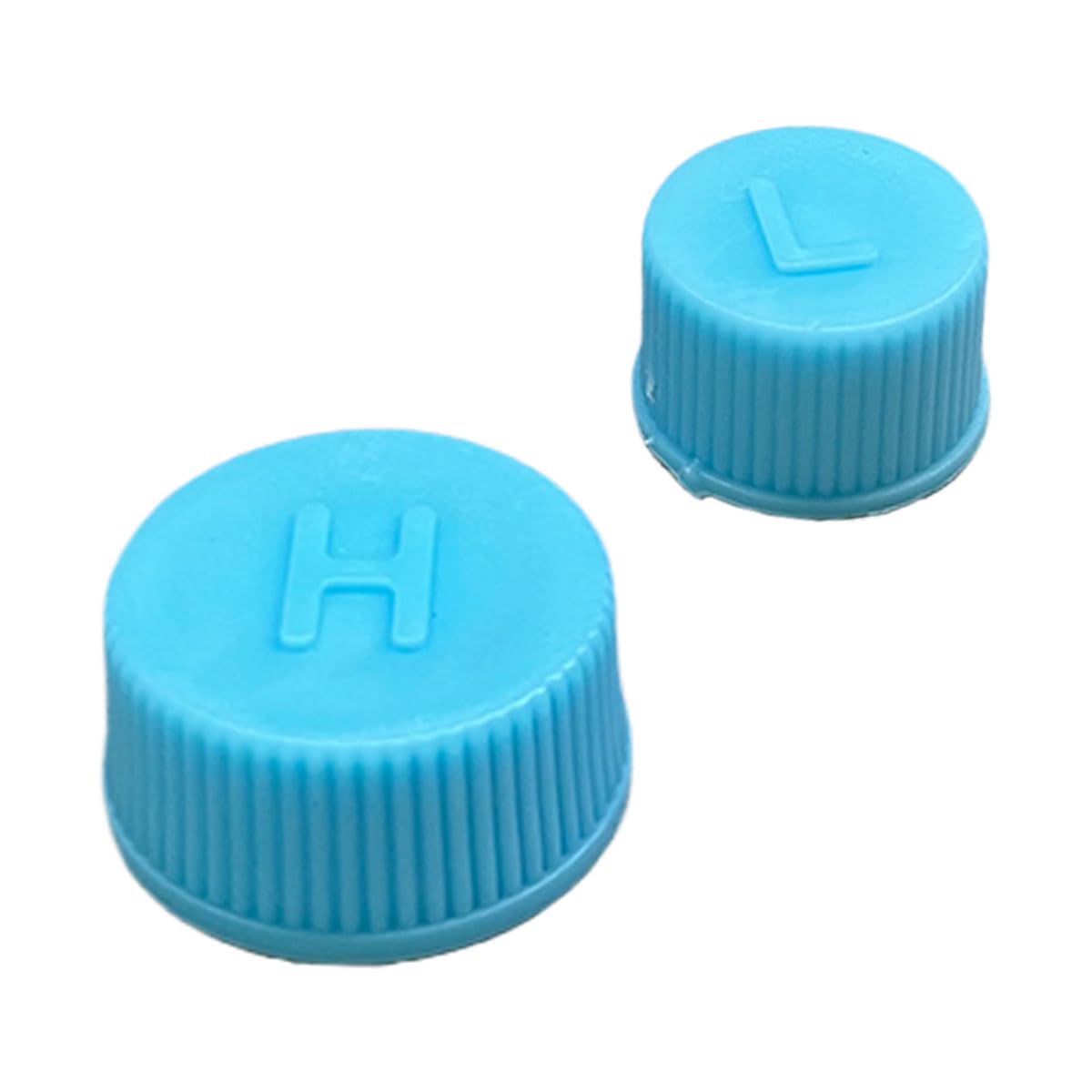
The KITUREK set contains protective caps for the high- and low-pressure service ports on many R134a automotive air-conditioning systems. Each blue cap is labeled with an H or L, which helps you avoid mixing up the two sides during installation. The listing identifies plastic and rubber as the main materials and says each cap uses a built-in O-ring to improve the seal around a compatible port.
These are protective service-port caps, not replacement valve cores and not refrigerant repair tools. Their job is to cover the port, keep debris away from the valve area, and provide a secondary sealing surface. They are most useful when the original caps are missing, cracked, loose, or lost after A/C service.
Who Should Buy It?
Best For
- Drivers whose R134a vehicle is missing one or both A/C service-port caps
- DIY owners who can compare the replacement caps with the original H/L cap style
- People who want a compact spare set after professional A/C service
Skip If
- Your under-hood label identifies R1234yf or another refrigerant instead of R134a
- Your vehicle requires a model-specific threaded, tethered, or metal cap design
- You are trying to repair an active refrigerant leak or a damaged valve core
Before You Buy: Check the refrigerant label under the hood and compare both factory caps. The product is listed for most R134a systems, but “universal fit” does not mean it will match every OEM thread, port diameter, or sealing design. The listing also contains conflicting package metadata, so confirm that the selected offer still shows one H cap and one L cap.
Fit and Compatibility
Fit is the main buying risk. Amazon lists the product as a universal-fit passenger-car accessory for most R134a systems, yet automotive service ports vary by refrigerant, manufacturer, and model year. A cap that presses on loosely, sits crooked, or fails to engage the intended threads should not be forced into place.
The listing gives an item diameter of 0.62 inches. Treat that as a reference rather than proof of fit because the high- and low-side connections are different and the published measurement may not describe every contact point. The safest check is to compare the shape, opening, thread style, and H/L markings with the caps already fitted to your vehicle.
[Products Worth Considering]
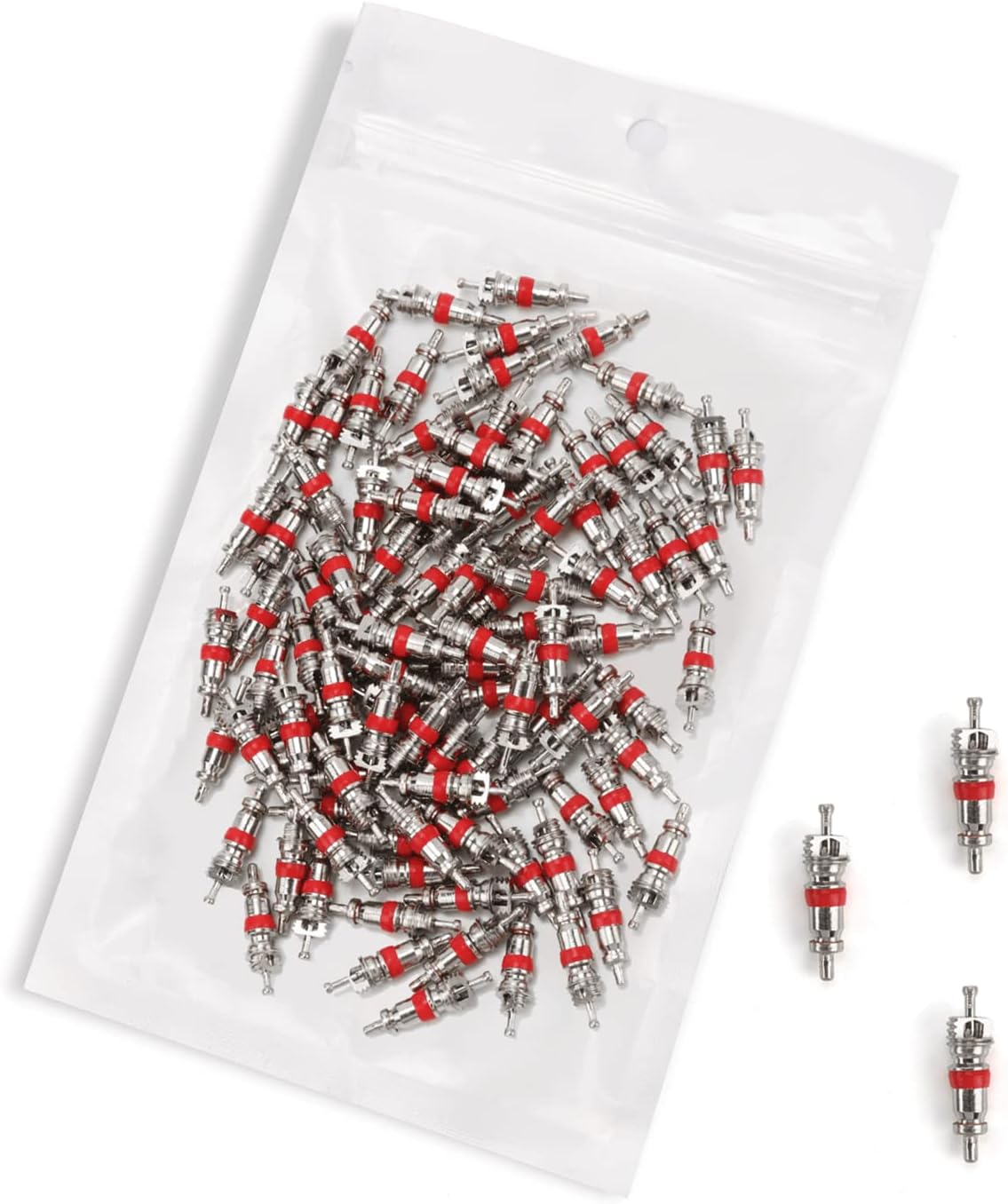
Replace worn Schrader valve cores with durable, nickel-plated replacements designed to resist rust and corrosion for a longer service life. Each core is 100% leakage tested and rated for up to 300 PSI, helping maintain a safe, reliable tire pressure system. Universal fit makes them suitable for cars, RVs, ATVs, motorcycles, bicycles, and many refrigeration/air conditioning applications.

This 39-piece AC valve core accessories kit helps technicians efficiently remove and install Schrader valve cores for R12 and R134a automotive air conditioning and HVAC systems. It includes multiple single and dual-head removal tools for versatile service, plus replacement valve cores and seal caps to maintain a reliable seal and reduce leakage. Built for durable, secure handling, the kit is suitable for home and commercial maintenance and repair.

Get back on the road fast with this compact tire plug repair kit for tubeless tires. It includes self-vulcanizing rubber plugs, T-handle rasp and insert tools, and a storage box that fits in your glove compartment for easy access. Also included are a 4-way valve steam tool set with valve cores and caps for added roadside convenience.
Materials and Sealing Design
KITUREK identifies the caps as plastic and rubber. Plastic keeps the parts light and resists ordinary corrosion, while the rubber O-ring provides the contact surface that helps close the gap around a compatible port. This design can keep dust, particles, and moisture away from the service connection when the cap is seated correctly.
The O-ring is a secondary barrier, not a substitute for a sound Schrader valve or service-port assembly. Heat under the hood can eventually harden rubber and weaken plastic, so inspect the caps during oil changes or seasonal A/C checks. Replace a cap that is cracked, distorted, missing its seal, or no longer stays secure.
Installation and Ease of Use
Installation should take only a few minutes on a compatible vehicle. Turn the engine off, allow hot under-hood parts to cool, locate the A/C service ports, and read the vehicle’s refrigerant label. Match the cap marked L to the low-pressure port and the cap marked H to the high-pressure port.
Wipe loose dirt from around the outside of the port before removing the old cap. Do not press the valve pin, loosen the valve core, or use tools that could damage the fitting. Place the correct replacement cap on the port and tighten or seat it by hand only. Stop if the cap binds, rocks, or appears too loose.
Pro Tip: Photograph the original H and L caps beside a ruler before ordering. A quick visual record of the opening, thread style, and overall diameter is more useful than relying on the phrase “universal fit” alone.
How It Performs in Real Use
Replacing Missing Factory Caps
This is the clearest use case. When the port and valve are undamaged and the cap fits correctly, the KITUREK pair restores basic coverage to both service connections. The H/L labels make the installation easier than two unmarked generic caps.
After Professional A/C Service
A cap can be misplaced during recovery, evacuation, charging, or leak testing. Keeping a replacement pair in your toolbox lets you cover the ports after the technician confirms the system is properly sealed. It should not be installed as a way to hide a leaking core that still needs repair.
For Road Trips and Emergency Spares
The two small pieces take little storage space, so they are easy to carry with other vehicle spares. They can solve the simple problem of a lost cap while traveling, provided your vehicle uses compatible R134a ports. They do not provide the tools or equipment needed to diagnose A/C pressure or recover refrigerant.
For Long-Term Use
Long-term value depends more on fit and seal condition than on the low purchase cost. A secure cap can protect the service area for months or years, but repeated removal and engine-bay heat may wear the O-ring. Check the pair periodically instead of assuming that a cap remains sealed forever.
What Buyers Say
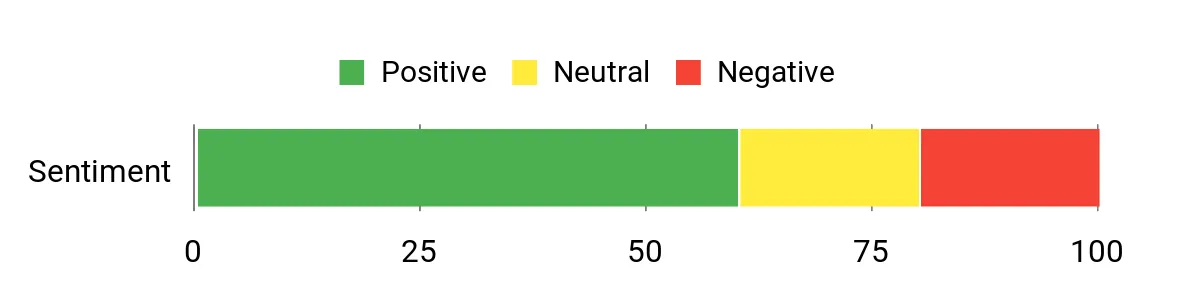
Buyer feedback is mixed, which fits the product’s main limitation. Positive comments tend to focus on low cost, clear H/L identification, and successful replacement of missing caps. Critical comments commonly describe loose, slip-on, or incompatible fit on certain factory ports.
Overall Sentiment: Neutral
Pros and Cons
Pros
- Includes separate high- and low-side caps marked H and L
- Built-in O-ring design adds a secondary sealing surface
- Plastic and rubber construction will not rust like bare steel
- Compact enough to keep as a spare after A/C service
- Simple hand installation when the port style matches
Cons
- Universal-fit wording can hide real differences between OEM ports
- Not intended for R1234yf systems or other refrigerant fittings
- Cannot repair a leaking valve core, cracked port, or damaged line
Compatibility and A/C Safety
Use these caps only after confirming that your vehicle has an R134a system and matching service ports. EPA guidance on motor-vehicle A/C fittings explains that each refrigerant uses unique connections to reduce accidental mixing and that adapters should not be used to convert a fitting. The refrigerant label is usually in the engine compartment, but its exact location varies by vehicle.
Do not vent refrigerant, depress the service-port valve, or open the sealed system while installing a cap. If you see oily residue around a port, hear hissing, notice rapid cooling loss, or find a cap pushed off by pressure, have the system inspected by a qualified mobile A/C technician. A protective cap can reduce contamination and provide a secondary seal, but it cannot diagnose or repair the root cause of a leak.
Why Buyers Choose This Kit
The KITUREK set appeals to buyers who need a small, direct replacement rather than a full valve-core service kit. The labeled blue caps are easy to identify, the package is intended to cover both pressure sides, and the O-ring design addresses the basic need for a covered service port. Its value drops quickly when a vehicle needs a specific OEM-style cap.
Is It Worth the Price?
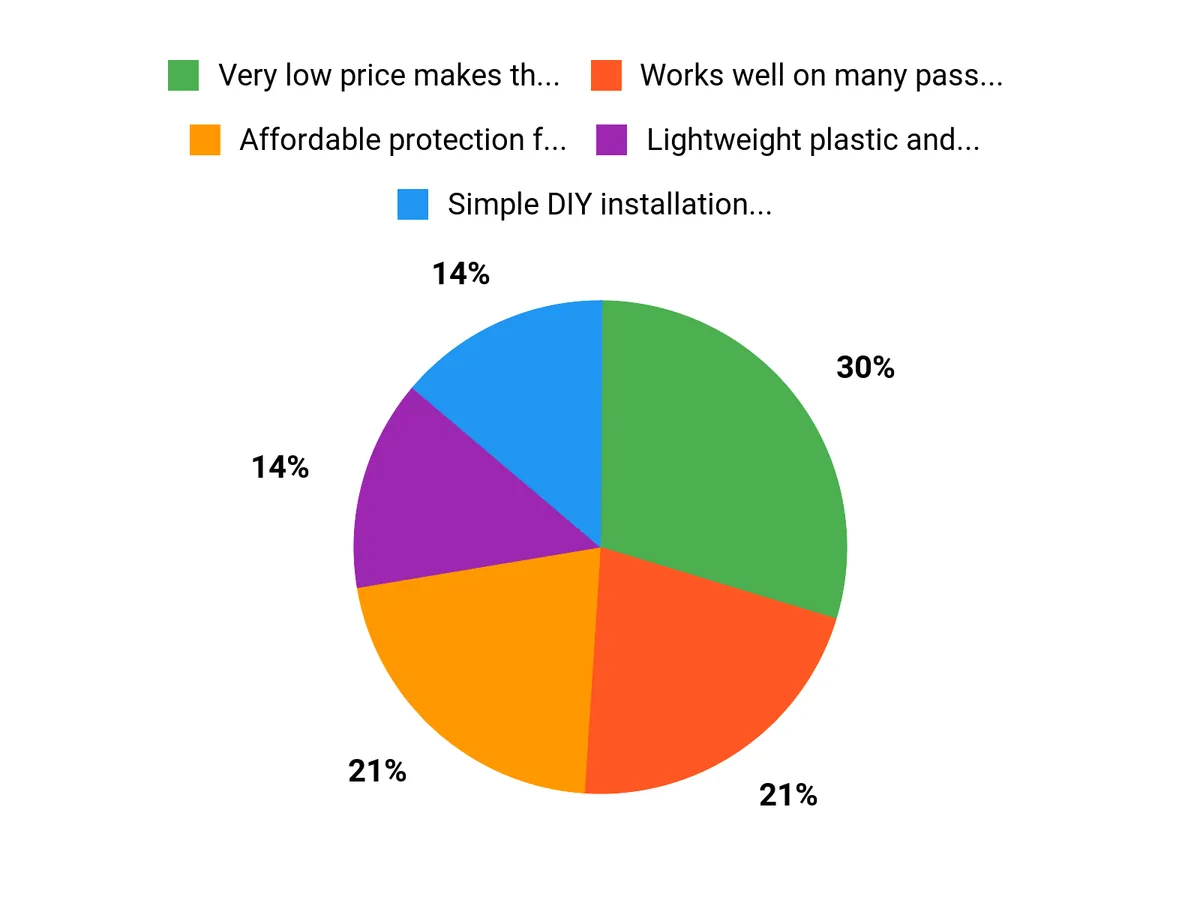
This is a budget maintenance accessory, so it offers strong value when it fits and replaces two missing caps. The practical benefit comes from restoring coverage to both service ports without buying a larger valve-core assortment or paying for a model-specific part that you may not need.
The low-cost category does not remove the need to verify fit. A loose cap has little value, and repeated trial and error can cost more than ordering an OEM or vehicle-specific replacement once. It is worth considering when your R134a ports match the listed style and the underlying A/C system is already in good repair.
[Products Worth Considering]

This multi-function tire valve stem removal tool set makes it fast to remove, install, bleed, and clean valve cores for easier tire maintenance. It includes valve core removers, a 4-way spool tool, replacement valve caps, and spare cores to handle replacements and repairs with confidence. Universal compatibility suits cars, trucks, motorcycles, bicycles, and more for roadside convenience.

Protect tire valves from water, dust, and sand to help prevent leaks and support safe driving. These universal stem caps install quickly by hand and feature durable aluminum alloy construction with an inner sealing ring for better air retention. Compatible with cars, SUVs, trucks, motorcycles, and bicycles for everyday convenience.

Keep your tires performing with these valve core removal tools designed to quickly disassemble and reinstall standard valve cores. The compact, portable design makes it easy to carry for bicycle, motorcycle, car, or truck repairs. Durable stainless steel construction helps you handle routine tire maintenance with less hassle.
How It Compares to Alternatives
A vehicle-specific option such as the Dorman 54374 two-pack may be easier to verify for selected applications, while generic 10-piece service-cap assortments can offer several diameters for a workshop or multi-car household. An OEM cap is usually the safest choice when your original part uses a special thread, tether, or sealing shape.
The KITUREK pair makes the most sense when you want one clearly marked H/L set for a common R134a passenger-car application. Choose an assortment when you need several sizes, or choose a model-specific part when fit certainty matters more than the lowest entry price.
[Products Worth Considering]

The Airmoto portable tire inflator quickly and accurately fills car, truck, SUV, motorcycle, and bicycle tires up to 120 PSI with auto shut-off when your target pressure is reached. Its large LCD, multi-unit pressure display, and digital gauge make it easy to dial in settings and verify readings, while the built-in LED flashlight helps in low light. The included polyurethane hard carrying case and storage mesh pocket keep the inflator and accessories protected and organized.
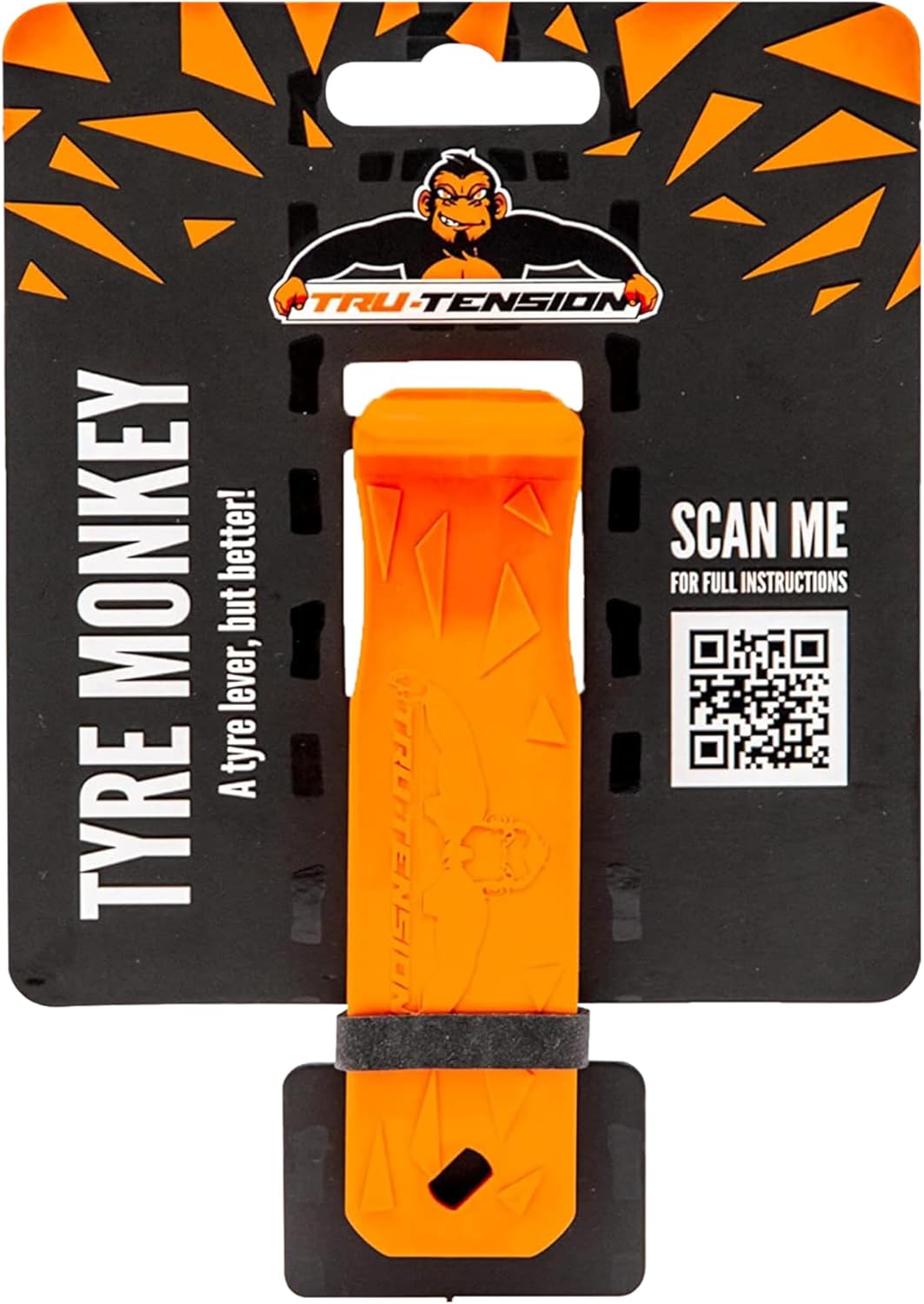
The Tru-Tension Tyre Monkey is a revolutionary bicycle tyre lever that makes removing and fitting tires fast and easy. Its innovative geometry helps keep your hand at a 90-degree angle to the wheel to reduce the risk of hitting spokes, and the design is optimized to use only one tool instead of multiple conventional levers. Compact and durable, it’s built for convenient carry and reliable tire changes on the go.

This Dr.Roc tire valve stem puller tools set helps install or remove snap-in tubeless valve stems safely and efficiently. It includes ozone-resistant EPDM snap-in valve stems, a valve stem installer, and a valve core remover for quick core removal or installation during tire service. Designed for reliable tubeless tire repair on motorcycles, ATVs, lawn equipment, cars, and trucks.
Frequently Asked Questions
Will these KITUREK caps fit every car?
No. The seller lists universal fit for passenger cars and compatibility with most R134a systems, but OEM port shapes and threads vary. Compare both original caps and confirm the refrigerant type before ordering.
Can I use them on an R1234yf A/C system?
You should not assume they fit. The listing is for R134a, and different refrigerants use unique service fittings to prevent accidental mixing. Use a cap specified for the refrigerant shown on your vehicle’s under-hood label.
Will the caps stop an A/C refrigerant leak?
They may provide a secondary barrier against minor seepage at a compatible service port, but they do not repair a failed valve core or damaged fitting. A continuing leak requires proper diagnosis and refrigerant-handling equipment.
What comes in the package?
The listing title and feature text describe two blue caps: one high-pressure cap marked H and one low-pressure cap marked L. Because another product-information field shows conflicting unit metadata, review the selected seller’s package details before checkout.
Do I need tools to install them?
No tools should be needed for a correct fit. Install each cap by hand on the matching H or L port. Do not use pliers or force a cap that binds, sits crooked, or fails to stay secure.
How often should I inspect or replace the caps?
Check them during routine under-hood inspections and after A/C service. Replace a cap if the plastic cracks, the rubber seal hardens or disappears, or the cap no longer seats securely.
Who should skip this product?
Skip it if your vehicle uses a refrigerant other than R134a, if your original caps use a clearly different design, or if the port is actively leaking. In those cases, use a vehicle-specific part or have the A/C system inspected.
The Bottom Line
The KITUREK Car A/C Valve Core Caps are a sensible budget choice for drivers who need one high-side and one low-side cap for a matching R134a passenger-car system. Their H/L labels and O-ring design are useful, but uncertain OEM fit and the inability to repair an active leak keep the recommendation qualified. Skip them when your vehicle uses R1234yf, needs a special factory cap, or shows signs of a damaged service port.
Ready to Buy?
Check the latest price, package details, and compatibility notes before you decide.