
Tire Tread Pattern Guide for Honda Accord Drivers
What’s in This Article
- Why Tire Tread Patterns Matter for Your Honda Accord
- Symmetrical vs. Asymmetrical Tire Tread Patterns
- Directional Tire Tread Patterns and Wet Road Performance
- How to Spot and Address Uneven Tire Wear
- How Tread Depth Affects Safety and Handling
- How Tire Pressure Affects Tread Wear and Longevity
- How to Select the Right Tire Tread Pattern for Your Driving Style
- How to Maintain Your Honda Accord Tires for Better Performance
- Frequently Asked Questions
- Conclusion
Your Honda Accord only touches the road through four small tire contact patches, so tread design matters more than many drivers think. The right tire tread pattern can improve traction, braking, ride comfort, and wet-road control. This guide explains how symmetrical, asymmetrical, and directional tread patterns work, plus how tread depth, tire pressure, and rotation affect tire life.
Quick Answer
For most Honda Accord drivers, all-season tires with a symmetrical or asymmetrical tread pattern offer the best mix of comfort, grip, and tread life. Directional tread patterns can help in heavy rain because they move water away from the tire. Check tread depth, pressure, and rotation often to keep your Accord safe and steady.
Key Takeaways
- Choose symmetrical tread for quiet rides, steady wear, and everyday driving comfort.
- Choose asymmetrical tread if you want better cornering and balanced wet and dry grip.
- Choose directional tread if you often drive in heavy rain and need strong water channeling.
- Replace tires when tread depth reaches 2/32 inch, and consider earlier replacement for wet or winter driving.
- Check tire pressure monthly because poor inflation causes uneven wear and shorter tire life.
Why Tire Tread Patterns Matter for Your Honda Accord
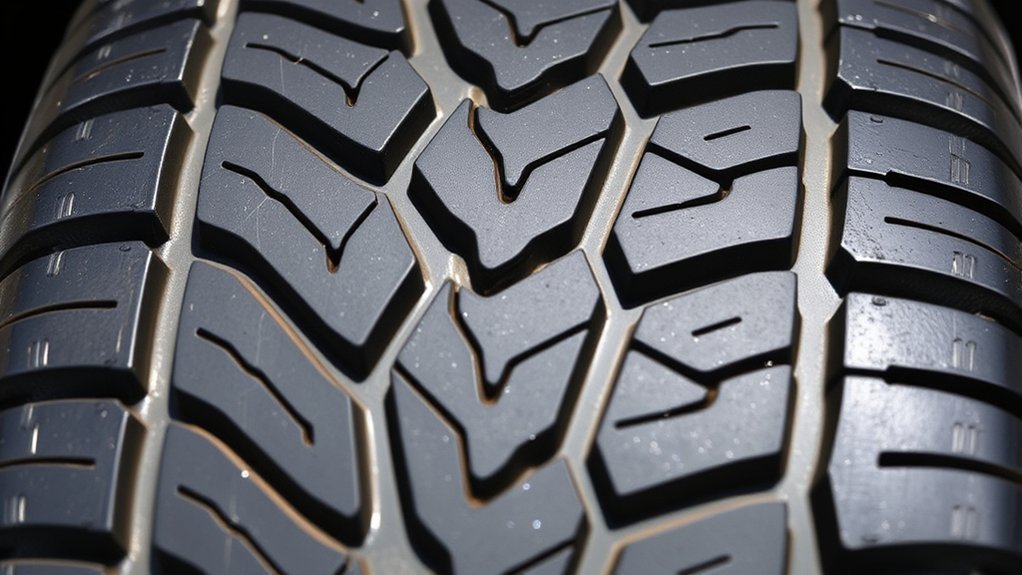
Tire tread patterns affect how your Accord grips the road, sheds water, corners, and brakes. They also play a role in road noise, ride comfort, fuel use, and tread life.
Different tread designs serve different needs. Symmetrical tires suit daily driving, asymmetrical tires improve handling, and directional tires help move water away from the tire contact patch.
Season and climate matter too. Winter tires use deeper grooves and more biting edges to improve grip in snow and slush. Regular tire pressure checks also help your tires wear more evenly and support better fuel efficiency.
Symmetrical vs. Asymmetrical Tire Tread Patterns
Symmetrical tires use the same tread design across the tire face. They often give you a quiet ride, steady wear, and good value for daily driving.
Asymmetrical tires use different tread zones on the inner and outer parts of the tire. One side may focus on wet grip, while the other supports dry handling and cornering stability.
Regular monitoring of tread depth helps you keep either design working as intended.
| Tire Type | Key Features | Best For |
|---|---|---|
| Symmetrical | Uniform design, reduced tire noise, steady tread life | Daily commuting and comfort-focused driving |
| Asymmetrical | Different inner and outer tread zones, improved handling, better cornering support | Drivers who want balanced wet and dry performance |
Choose the tread pattern that fits how and where you drive. A quiet commuter tire and a sport-focused tire can both fit an Accord, but they won’t feel the same on the road.
[Products Worth Considering]

The GOOLOO A6 Gear delivers rapid, cordless inflation with a powerful 21,000 RPM motor and up to 160 PSI, inflating car tires in under a minute. Its 7500mAh battery provides up to 45 minutes of operation and fast Type‑C charging, while preset modes and multi‑unit options ensure precise control for cars, bikes, and balls. Integrated LED flashlight and smart auto shut‑off add safety and convenience for emergencies.

The Milton 555e digital tire inflator delivers fast, accurate pressure readings with a backlit display and multiple unit options, making tire inflation quick and easy. Its durable 20" EPDM rubber hose and grip‑head chuck provide reliable connection, while the ±1 PSI accuracy ensures precise inflation for cars, bikes, and trucks.

The CRAFTSMAN 3-in-1 tire inflator combines a high‑pressure air compressor, car vacuum, and dust blower into one compact tool, delivering up to 160 PSI for quick tire inflation and powerful suction for interior cleaning. Its dual power options—20 V cordless battery or 12 V car plug—provide flexibility for roadside emergencies or garage use, while the LCD display and LED light ensure precise control and visibility in low‑light conditions.
Directional Tire Tread Patterns and Wet Road Performance
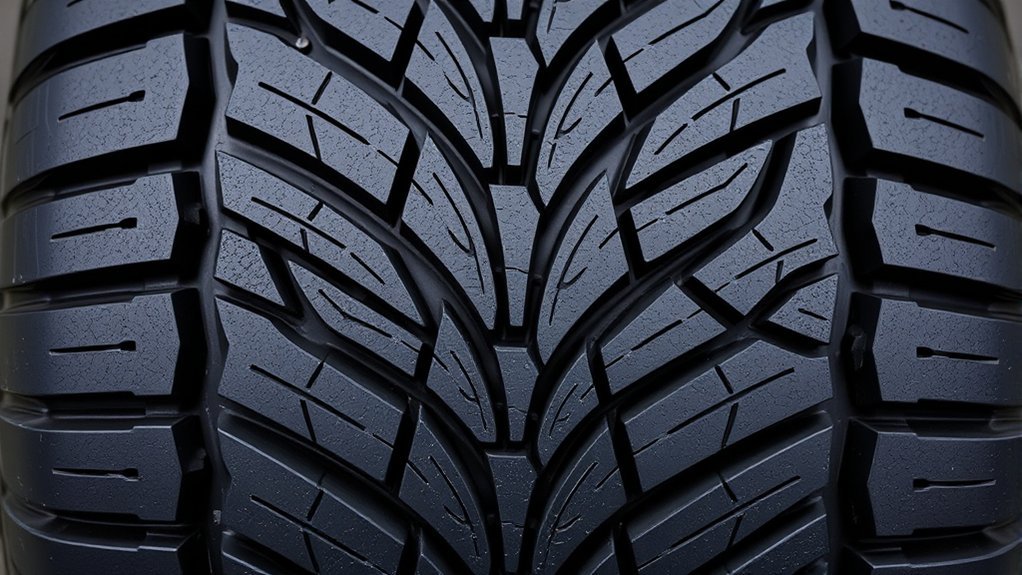
Directional tire tread patterns use a V-shaped design that points in one rolling direction. This shape helps push water away from the center of the tire, which can improve wet-road grip.
These tires must face the correct direction when mounted. If a directional tire gets installed backward, it can’t channel water as designed.
Tires with hydroplaning resistance can help in rain, but safe speed and proper tread depth still matter.
[Products Worth Considering]

The AIRSURE portable tire inflator delivers 150 PSI, inflating tires three times faster than standard pumps while featuring a real‑time LCD display and auto shut‑off for safety. It includes a USB charging port and LED light for emergencies, and works with cars, bikes, motorcycles, and sports balls, making it a versatile companion for road trips and outdoor adventures.

The BLACK+DECKER 20V Cordless Inflator offers versatile power options—120V AC, 12V car, and 20V battery—to inflate tires, sport balls, and large inflatables quickly. Its digital gauge and automatic shutoff ensure precise pressure control, while the high‑volume hose speeds up inflating bigger items. Includes multiple adapters for ball needles, Presta valves, and large hoses, making it a complete solution for home, road, and outdoor use.
Water Displacement Efficiency
Directional tread patterns use grooves and channels to move water away from the contact patch. This helps the tire keep more rubber on the road in rain.
Deeper grooves can improve water evacuation, but they also depend on tire condition. Worn tread loses its ability to move water well.
| Feature | Benefit | Impact on Safety |
|---|---|---|
| Water Channeling | Moves water away from the tire | Helps reduce hydroplaning risk |
| Deeper Grooves | Improves water evacuation | Supports shorter wet braking distances |
| Correct Directional Use | Lets the tread work as designed | Supports better rain performance |
Warning: Even good wet-weather tires can hydroplane if you drive too fast through standing water.
Enhanced Grip in Slippery Conditions
Slippery roads demand tires that can hold steady under braking, steering, and acceleration. Directional tread patterns can help because their grooves guide water and slush away from the tire.
Many wet-weather and winter tires also use small cuts called sipes. These small edges help the tire bite into snow, slush, or wet pavement.
Better Stability at Highway Speeds
At highway speeds, your Accord needs stable tire contact with the road. Some directional tires use continuous center ribs to support straight-line tracking and steering response.
Good tread design helps, but it can’t replace proper installation. Directional tires need correct mounting, regular pressure checks, and rotation patterns that match the tire design.
How to Spot and Address Uneven Tire Wear
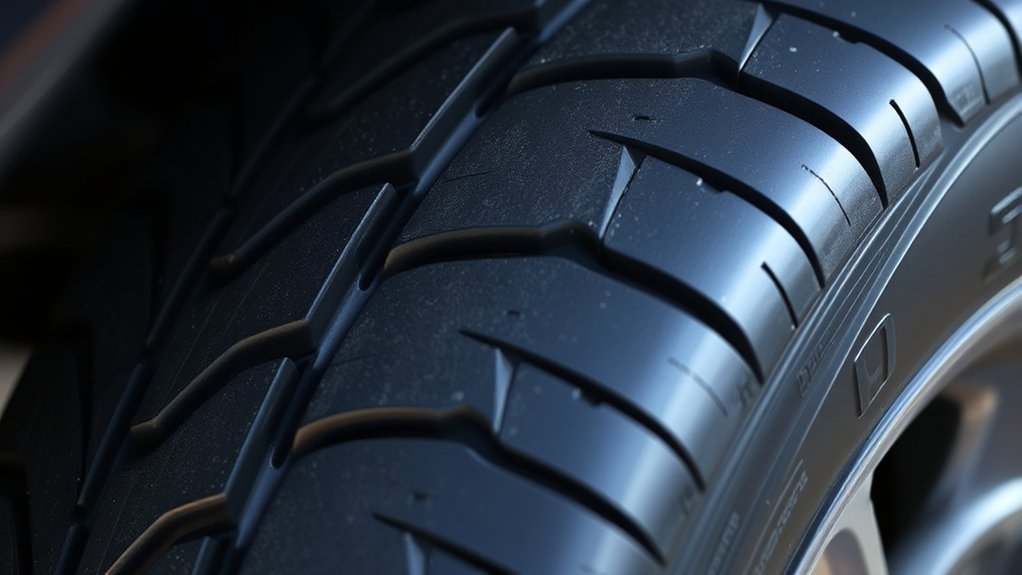
Check your tires often for uneven wear, flat spots, cracks, or exposed wear bars. Uneven wear usually points to a tire pressure, alignment, suspension, or rotation issue.
Wear in the center often points to overinflation. Wear on both edges often points to underinflation. Wear on one side may point to alignment trouble.
If your Accord pulls to one side, shakes at speed, or wears one tire faster than the others, schedule a tire and alignment inspection. Regular tire pressure management can help prevent avoidable tread damage.
How Tread Depth Affects Safety and Handling
Tread depth affects how well your Honda Accord brakes, steers, and grips wet roads. New passenger tires often start around 10/32 to 11/32 inch of tread depth.
As tread wears down, the tire has less space to move water away. Wet traction can drop before the tire reaches the legal minimum.
Many tires include tread wear bars that sit at 2/32 inch. Replace tires at that point, and consider earlier replacement if you often drive in heavy rain, snow, or cold weather.
Regular tread depth checks help you catch low tread before it becomes a safety risk.
Pro tip: Check tread depth in several spots across each tire because one measurement can miss uneven wear.
How Tire Pressure Affects Tread Wear and Longevity
Proper tire pressure helps your tires wear evenly and support stable handling. Overinflated tires tend to wear more in the center, while underinflated tires tend to wear more on the edges.
Check tire pressure when the tires are cold. Use the pressure listed on your Accord’s driver-side door placard, not the maximum pressure printed on the tire sidewall.
Proper tire pressure can boost fuel efficiency and help extend tire life.
| Tire Pressure Status | Tread Wear Effects | Safety Implications |
|---|---|---|
| Ideal | Even wear | Better traction and handling |
| Overinflated | Center wear | Less contact with the road |
| Underinflated | Edge wear | More heat buildup and weaker handling |
Make tire pressure checks part of your monthly routine. Also check before long trips or when the weather changes sharply.
How to Select the Right Tire Tread Pattern for Your Driving Style
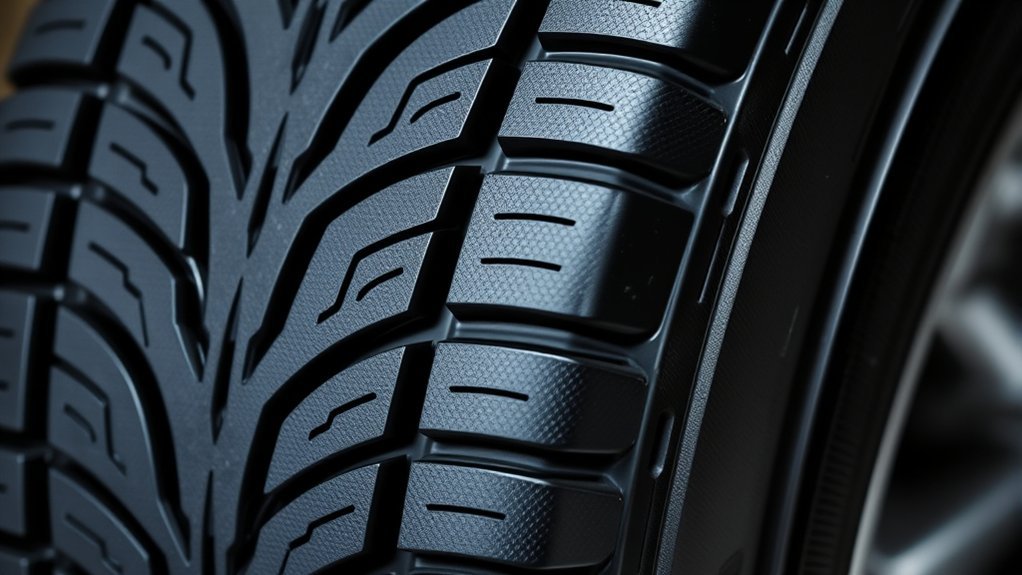
Start with your local climate, road type, and driving habits. A driver in a rainy area needs a different tire than someone who spends most miles on dry highways.
Also think about ride comfort, road noise, and tread life. A sporty tire may grip well, but it may wear faster or ride firmer than a touring tire.
Understanding how directional tread channels water can help you choose tires that match wet-weather needs.
Assessing Driving Conditions
Match your tread design to the conditions you face most often. Wet, snowy, dry, and mixed roads each place different demands on your tires.
- Choose directional tread for frequent rain and better water channeling.
- Choose asymmetrical tread for balanced dry handling and wet grip.
- Choose symmetrical tread for quiet, steady daily driving.
- Choose winter tires if you often drive in snow, ice, or freezing temperatures.
Considering Tire Performance
Think about how you want your Accord to feel. Touring tires often favor comfort and low noise, while performance tires usually favor sharper steering and grip.
Deeper grooves can help in wet or loose conditions. Shallower, tighter tread designs may feel quieter and more efficient on dry pavement.
Matching Tread Types
The best tire tread pattern fits your driving style and your local weather. Use these simple matches as a starting point:
- Use all-season tires for mild climates and mixed daily driving.
- Use asymmetrical patterns for sportier handling and better cornering support.
- Use symmetrical designs for comfort, quiet rides, and steady tread wear.
- Use directional patterns for heavy rain and stronger water evacuation.
Check your tread depth as the tires age. Even the right tread pattern won’t perform well once the tread gets too low.
How to Maintain Your Honda Accord Tires for Better Performance
Good tire care helps your Accord ride smoother, brake better, and use tires more evenly. Start by checking pressure each month and before long drives.
Rotate your tires every 5,000 to 7,500 miles, or follow the interval in your owner’s manual. Rotation helps each tire share the load and wear more evenly.
Inspect tread depth and sidewalls during each pressure check. If your Accord pulls, vibrates, or wears tires unevenly, book an alignment and suspension inspection.
Understanding your load index also helps you choose tires that can safely support your vehicle’s weight.
Frequently Asked Questions
What Do Different Tire Treads Do?
Different tread designs change how your Accord grips, turns, brakes, and handles water. Symmetrical tread supports comfort, asymmetrical tread improves handling balance, and directional tread helps channel water in rain.
What Does Honda Recommend for Tire Rotation?
Many Honda Accord owners rotate tires every 5,000 to 7,500 miles. Check your owner’s manual for your model year, tire type, and drivetrain because the correct pattern can vary.
Is a 5/32 Tread Good for Winter?
A 5/32 inch tread depth may still meet legal limits in many places, but it may not give you strong winter grip. For snow and ice, many drivers replace winter tires before they reach that depth.
Can I Mix Different Tread Patterns on My Honda Accord?
Avoid mixing different tread patterns, sizes, or tire types unless a tire professional confirms it’s safe. Mismatched tires can affect handling, braking, and stability control performance.
How Often Should I Check My Honda Accord Tread Depth?
Check tread depth at least once a month and before long trips. Measure across the inner, center, and outer tread to spot uneven wear early.
Conclusion
The right tire tread pattern helps your Honda Accord stay comfortable, stable, and safe in the conditions you drive most. Choose a tread design that matches your weather, road type, and driving style.
Then protect that choice with regular pressure checks, tire rotations, tread-depth checks, and alignment inspections. With the right care, your tires can give you a smoother ride and more confidence every time you drive.

Related Articles

Honda Accord Winter Tire Performance on Ice Explained
Join us as we explore how winter tires transform your Honda Accord's icy performance, keeping you safe and in control throughout the season.
Read More
How All-Season Tires Perform in Rain on the Honda Accord
Learn how all-season tires enhance your Honda Accord's wet performance, but discover what factors can make all the difference in safety and handling.
Read More
How Honda Accord Tires Handle Snow and Icy Roads
How do Honda Accord tires excel on snow and icy roads? Discover the secrets behind their performance and ensure your safety this winter!
Read More