
Toyota Tacoma Tire Noise After Rotation Causes
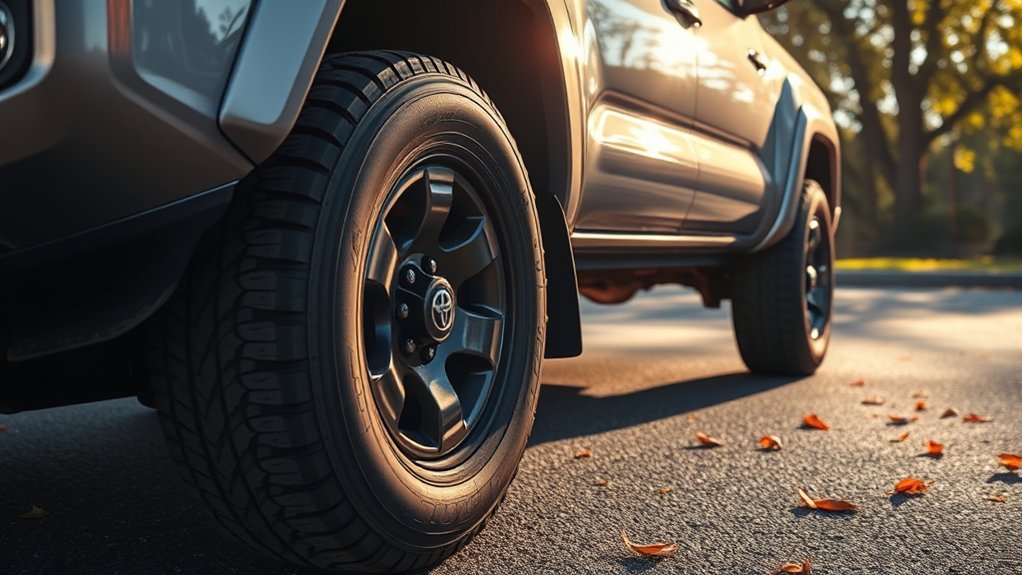
A new hum, drone, thump, or vibration after rotating your Toyota Tacoma tires usually means the rotation moved an existing tire wear problem to a more noticeable position. It can also point to low tire pressure, an out-of-balance wheel, a loose lug nut, misalignment, mismatched tires, or a worn wheel bearing.
Quick Answer
If your Toyota Tacoma is noisy after tire rotation, start with safety checks: lug nut torque, tire pressure, visible tire damage, and proper tire seating. If the noise is a steady hum, cupped tire wear or wheel balance may be the cause. Grinding, wobble, or noise that changes while turning needs professional inspection.
Key Takeaways
- Noise after rotation often comes from uneven tread wear that becomes louder in a new wheel position.
- Stop driving and recheck the truck if you hear thumping, feel severe vibration, or suspect loose lug nuts.
- Cold tire pressure, wheel balance, alignment, tire condition, and matching tire type should all be checked.
- A growl, grinding sound, wobble, or noise that changes during turns can point to a wheel bearing or wheel-end issue.
- Toyota maintenance guidance for the checked Tacoma schedule includes tire rotation at 5,000 miles or 6 months.
At a Glance
| Time Required | 10 to 20 minutes for basic checks; longer if a shop checks balance, alignment, or bearings. |
| Difficulty | Easy for pressure and visual checks; moderate to professional for balance, alignment, and wheel-bearing diagnosis. |
| Tools Needed | Tire pressure gauge, tread depth gauge or penny, flashlight, and a torque wrench if you are checking wheel fasteners. |
| Cost | Basic inspection is usually free if you do it yourself. Shop charges vary for balance, alignment, tire replacement, or bearing repair. |
Why Your Tacoma May Be Noisy After Tire Rotation
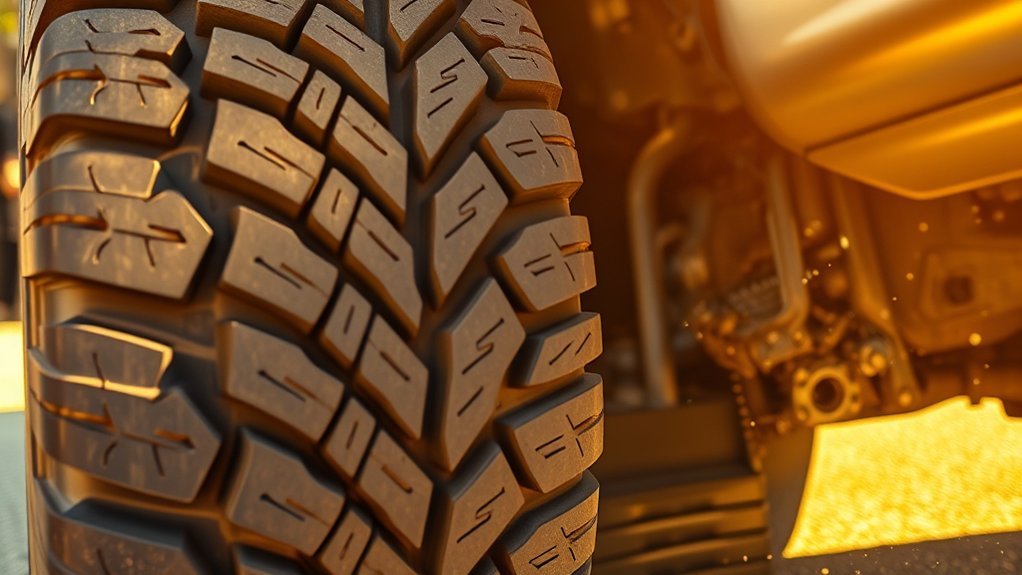
Tire rotation changes where each tire contacts the road. A tire that sounded quiet on the rear axle may sound louder on the front because the front wheels carry steering forces and send more vibration through the cabin.
The most common causes are uneven tread wear, cupping, feathering, low or uneven tire pressure, wheel imbalance, incorrect rotation pattern, mismatched tires, loose or improperly torqued lug nuts, alignment problems, and worn wheel bearings. The key is to match the sound to the symptom instead of guessing.
| Noise or symptom | Likely cause | What to check first |
| Steady hum or drone that changed after rotation | Uneven tread wear, cupping, or aggressive tread pattern | Inspect tread blocks and compare all four tires. |
| Vibration that rises with speed | Wheel imbalance, bent wheel, or out-of-round tire | Have the wheel and tire assembly balanced. |
| Pulling, crooked steering wheel, or edge wear | Alignment or suspension issue | Check alignment and inspect steering and suspension parts. |
| Grinding, growling, or noise that changes while turning | Possible wheel bearing, brake, CV, or wheel-end issue | Schedule a professional inspection before driving far. |
| Thump, clunk, or harsh shake right after service | Loose wheel, incorrect seating, or installation problem | Stop safely and verify wheel installation. |
Warning: Do not keep driving if the Tacoma shakes hard, thumps after rotation, feels unstable, or may have loose lug nuts. Pull over safely and have the wheel installation checked before continuing.
[Products Worth Considering]

EVOULTES heavy duty tire inflator with an integrated gauge delivers accurate pressure readings from 10–120 PSI, helping you inflate, deflate, and check tires in one tool. The 16.5-inch extended dual-head air chuck with swivel base reaches hard-to-access dual wheel valves on trucks and RVs. A brass trigger core and side-mounted air release valve make operation smooth, with standard 1/4" NPT threading and quick-connect compatibility for easy setup.

The JACO FlowPro Tire Inflator measures, inflates, and airs down tires up to 100 PSI with battery-free operation and ±2% accuracy after calibration. It features a glowing pressure dial for night visibility, a heavy-duty steel build with a hybrid hose, and a precision push-to-inflate thumb trigger. The patented Lightning Air Chuck locks on for a secure seal, and the kit includes quick-connect hardware for easy inline use with your air compressor.

This portable cordless tire inflator delivers up to 160 PSI with fast 17 L/min airflow to help you quickly top up tires and get back on the road. It features dual power mode, running on a 21V rechargeable battery or a 12V DC adapter for convenient roadside use. An automatic shut-off with digital pressure gauge helps prevent overinflation, and a built-in LED light improves visibility in low-light conditions.
First Safety Checks Before You Keep Driving
Start with the simple checks because they can prevent a small issue from turning into a dangerous one. If a shop performed the rotation, you can still ask them to recheck the work.
- Check lug nut torque: Use the torque value in your Tacoma owner’s manual or service information. Do not guess, and do not use an impact wrench as the final torque check.
- Confirm the wheel sits flat on the hub: Dirt, rust flakes, or a poorly seated wheel can cause vibration.
- Check cold tire pressure: Use the Tire and Loading Information label on the driver-side door area or your owner’s manual. The number on the tire sidewall is not the recommended operating pressure.
- Inspect for visible damage: Look for sidewall bubbles, cuts, exposed cords, missing wheel weights, bent rims, nails, or uneven tread blocks.
- Confirm all tires match: Tire size, load rating, type, and tread design should match unless Toyota or your tire maker gives a specific exception.
- Check directional tires: Directional tires must roll in the arrow direction molded on the sidewall. If they are crossed to the wrong side, noise and poor wet grip can result.
Toyota’s checked Tacoma maintenance guide lists tire rotation at 5,000 miles or 6 months and says to check tires for damage and uneven wear during rotation. You can verify your exact model year through the Toyota owner manuals and warranty page.
How Worn or Uneven Tires Contribute to Noise
Worn tires do not always get loud simply because the tread is shallow. The bigger problem after rotation is often uneven wear. Feathered, cupped, chopped, or heel-toe tread blocks can create a humming sound when that tire moves to a new position.
Run your hand lightly over the tread surface while the truck is parked. If the blocks feel sharp in one direction and smoother in the other, the tire may be feathered. If the tread has repeated dips or scallops, the tire may be cupped. These patterns can come from alignment problems, worn suspension parts, incorrect pressure, or wheel imbalance.
The NHTSA TireWise guide recommends checking tread monthly and explains that treadwear indicators show when a tire is worn enough to need replacement. If the treadwear bars are flush with the tread, replace the tire instead of trying to quiet it with another rotation.
Note: A tire with uneven wear may stay noisy even after pressure, balance, and alignment are corrected. Those repairs can stop the wear from getting worse, but they cannot rebuild damaged tread.
Signs of Misalignment and Their Impact on Tire Noise
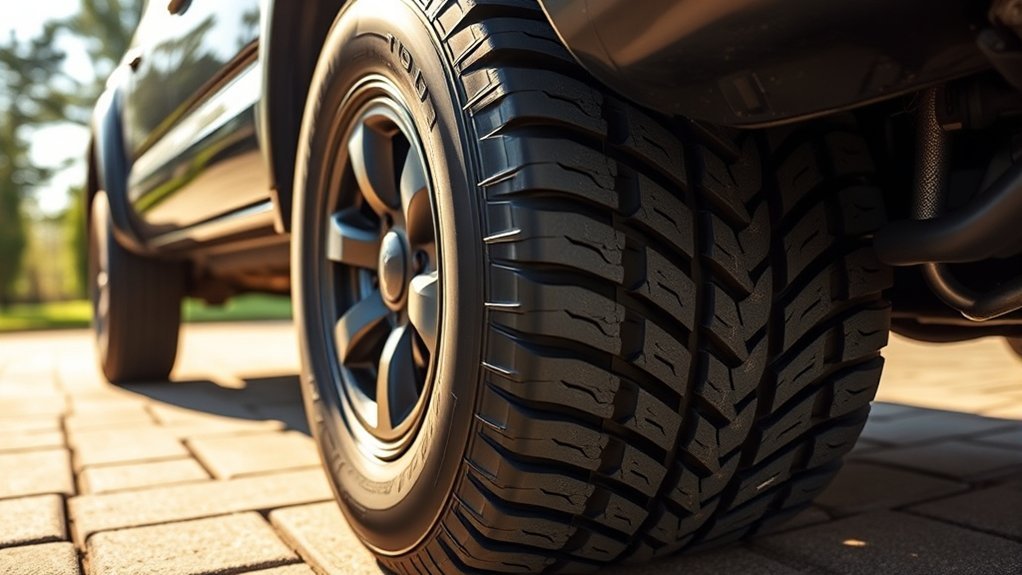
Misalignment means the wheels do not point at the correct angles while the Tacoma travels straight. That can make the tires scrub across the road instead of rolling cleanly, which increases tread wear and road noise.
Watch for these signs:
- Steering pull: The truck drifts left or right on a straight, level road.
- Off-center steering wheel: The wheel sits crooked while the truck tracks straight.
- Uneven shoulder wear: One edge of the tire wears faster than the other.
- Feathered tread: The tread feels sharp when you move your hand one way across it.
- Vibration with tire wear: The truck may feel rougher at highway speeds.
NHTSA explains that wheel alignment helps maximize tire life and helps prevent a vehicle from veering on a straight, level road. Alignment is especially worth checking after a curb hit, pothole impact, suspension repair, lift kit installation, or repeated uneven tire wear.
How to Spot Bad Wheel Bearings Early
A wheel bearing can sound like tire noise, so do not replace parts based on sound alone. Still, bearing trouble becomes more likely when the sound is a growl, rumble, or grinding noise that gets louder with vehicle speed or changes when you steer left or right.
Common warning signs include:
- Humming, rumbling, or growling: The noise may be present while driving straight and may intensify with slight steering input.
- Grinding while moving: This can suggest mechanical damage in the wheel-end system.
- Wheel vibration or wobble: This can also come from tires, wheels, suspension, or severe misalignment, so it needs inspection.
- ABS or brake symptoms: A loose or damaged hub assembly can affect nearby sensors or brake behavior.
Timken’s wheel hub bearing technical guide notes that humming, rumbling, growling, grinding, vibration, and wobble can all be linked to bearing or wheel-end issues. If you hear harsh grinding or feel wheel looseness, schedule service before driving long distances.
How Misalignment Causes Tire Noise
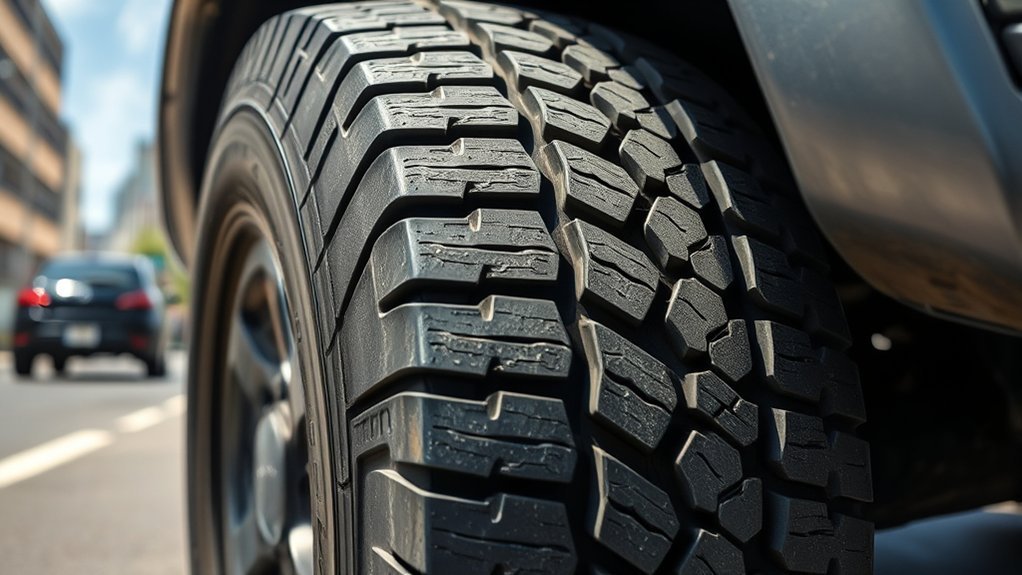
Alignment problems create noise by changing how the tire meets the pavement. Toe, camber, and caster angles all affect tracking, steering feel, and tire contact.
- Toe problems make the tires point slightly inward or outward. This can scrub the tread and create feathering.
- Camber problems tilt the tire too far inward or outward. This often wears one shoulder faster.
- Caster problems affect steering return and stability. They usually feel more like handling trouble than tire hum.
A tire rotation does not create uneven wear by itself. It often reveals wear that was already developing in another wheel position.
If the Tacoma was quiet before rotation but now hums from the front, the rotated front tire may already have cupping or feathering. A balance and alignment check can help confirm whether the tire is the only problem or whether a suspension issue is causing the pattern.
[Products Worth Considering]

This AUTOWN flat tire repair kit is designed for quick, reliable puncture repairs using a plug kit and spiral probe tool to simplify installation. Built for durability and safe handling, it offers strong adhesion and flexibility to help maintain tire air tightness. With a portable storage case and a multi-vehicle approach, it’s suitable for cars, motorcycles, ATVs, tractors, lawn mowers, RVs, jeeps, and trucks.

Wykodra tire plugs provide quick vulcanizing repairs for tubeless tires, helping you seal punctures and get back on the road. The industrial-strength rubber creates a long-lasting, leak-resistant bond and is designed for emergency fixes without removing the tire. Choose between two standard plug sizes with color-matched options for small to larger damage across many vehicles and off-road uses.
Step-by-Step Troubleshooting Checklist
Use this order so you check the safest and simplest items first.
- Listen to the noise type: A hum points more toward tread pattern or bearings. A shake points more toward balance or installation. A thump can point to a loose wheel, tire damage, or a separated tire.
- Check cold pressure in all tires: Include the spare if it was part of the rotation. Adjust pressure to the Tacoma tire placard or owner’s manual.
- Look for missing wheel weights: A missing weight can cause vibration that starts after the wheel position changes.
- Inspect tread wear: Compare inner shoulders, outer shoulders, and center tread across all four tires.
- Confirm rotation pattern: Follow the owner’s manual and tire sidewall instructions. Directional tires should not be crossed side to side.
- Road-test carefully: Note whether the sound changes with speed, road surface, braking, or turning.
- Return to the shop if needed: Ask for lug torque verification, balance check, alignment inspection, and wheel-end inspection.
Pro Tip: Tell the technician when the noise started, which tire positions were changed, and whether the sound changes while turning. That detail helps separate tire noise from bearing, brake, or suspension noise.
Best Practices for Tire Rotation and Maintenance
Rotate your Tacoma tires on the schedule in your owner’s manual or maintenance guide. For the checked 2023 Tacoma maintenance guide, Toyota lists scheduled maintenance every 5,000 miles or 6 months and includes tire rotation at that interval.
Good tire maintenance should include more than moving the tires around. At each rotation, check pressure, tread depth, sidewall condition, valve stems, wheel damage, and wear patterns. NHTSA also recommends checking the owner’s manual for the correct rotation frequency and pattern.
Use these habits to reduce future noise:
- Check cold tire pressure at least monthly and before long trips.
- Rotate tires on time, but follow special instructions for directional, staggered, or spare-involved setups.
- Balance wheels when new tires are installed or when vibration appears.
- Check alignment when the truck pulls, the steering wheel is off-center, or tread wear looks uneven.
- Inspect steering, suspension, and ball joints if cupping returns after balance and alignment.
- Replace tires that show treadwear bars, exposed cords, sidewall bubbles, or severe uneven wear.
What to Do If Noise Persists After Rotation?
If the noise continues after basic checks, do not keep rotating tires randomly. A clear inspection path will save time and help you avoid replacing the wrong part.
Check Tire Installation
Confirm the lug nuts are tightened to the correct Toyota specification for your exact model year and wheel type. Also make sure the wheel is seated flat against the hub and that no debris sits between the wheel and mounting surface.
Inspect the tire pressure on all four tires. If one tire is several pounds low, the tread can flex differently and sound louder. If the Tacoma has aftermarket wheels or tires, also confirm the size, load rating, and hub fitment are correct.
Inspect Wheel Balance and Alignment
Wheel balance and wheel alignment are different checks. Balance corrects weight distribution in the wheel and tire assembly. Alignment adjusts wheel angles so the tires roll straight and meet the road correctly.
If your Tacoma vibrates mainly at highway speed, ask for a balance check first. If it pulls, wears one tire edge, or has a crooked steering wheel, ask for an alignment check. If both symptoms appear, the truck may need both services.
Evaluate Tire Condition
Look closely at all four tires, not only the tire that seems loud. You are checking for uneven wear, dry cracking, sidewall bubbles, nails, punctures, tread separation signs, and mismatched tread designs.
If one tire has cupping or feathering, moving it to another position may make the noise louder. A shop may be able to confirm this by rotating that tire to another position again or by road-force balancing the wheel and tire assembly.
Get a Wheel-End Inspection
If the noise is a growl, grind, or rumble that rises with speed, ask a technician to inspect the wheel bearings, brakes, hubs, CV joints, and suspension parts. Tire noise and bearing noise can sound similar from the driver’s seat, so a hands-on inspection matters.
A worn wheel bearing can become a safety issue. Do not rely on a quick driveway guess if the wheel feels loose, the sound changes sharply during turns, or the truck feels unstable.
Frequently Asked Questions
Is it normal for a Tacoma to be louder after tire rotation?
A mild change in road noise can happen if the rotation moved unevenly worn tires to the front. It is not normal to have harsh vibration, thumping, grinding, or a loose-wheel feeling. Those symptoms need immediate inspection.
How do I tell if a wheel bearing is bad in a Tacoma?
A bad wheel bearing may cause humming, rumbling, growling, grinding, wheel vibration, or noise that changes when you turn. These signs can also come from tires, brakes, CV joints, or suspension parts, so have the wheel-end system inspected before replacing parts.
Can tire rotation cause a wheel bearing noise?
Rotation does not usually damage a wheel bearing by itself. It can make an existing bearing issue easier to notice because the service draws attention to wheel noise, or because tire noise and bearing noise sound similar after the tire positions change.
Should I get an alignment after every tire rotation?
You do not need an alignment after every rotation unless your Tacoma pulls, the steering wheel is off-center, the tires wear unevenly, or the truck recently hit a curb, pothole, or trail obstacle. Balance is the better first check when the main symptom is speed-related vibration.
Will noisy tires quiet down after rotation?
Sometimes they quiet down after a short break-in period, especially if the noise comes from mild tread pattern differences. If the tire is cupped, feathered, damaged, underinflated, or out of balance, the noise usually stays until the root cause is fixed.
Conclusion
A noisy Toyota Tacoma after tire rotation is usually a clue, not a diagnosis. Start with the urgent checks: lug nut torque, wheel seating, tire pressure, and visible tire damage. Then look at tread wear, balance, alignment, and wheel-bearing symptoms.
If the sound is a mild hum and the tires show uneven wear, the rotation likely made old tread wear more noticeable. If the sound is grinding, thumping, or paired with vibration or wobble, stop guessing and schedule a professional inspection. A careful check protects your tires, your suspension, and your safety on the road.
Sources
- Toyota 2023 Tacoma Warranty & Maintenance Guide — Tacoma maintenance intervals, tire rotation schedule, and tire inspection guidance.
- NHTSA TireWise — tire pressure, treadwear indicators, balance, alignment, tire sizing, and rotation guidance.
- Michelin Tire Rotation Guide — uneven wear, road noise, vibration, and general rotation guidance.
- Timken Symptoms of a Worn Wheel Hub Bearing — wheel-bearing noise and wheel-end symptom guidance.

Related Articles
How Tire Weight Affects Toyota Tacoma Performance
How does tire weight influence your Toyota Tacoma's performance and efficiency? Discover the surprising effects that could change your driving experience.
Read More
Tire Noise Levels by Tire Type on a Toyota Tacoma
A comprehensive look at how tire types affect noise levels in your Toyota Tacoma reveals surprising insights that could enhance your driving experience.
Read More
How To Choose Tires for a Dual Use Toyota Tacoma
Unlock the secrets to selecting the perfect tires for your dual-use Toyota Tacoma, ensuring optimal performance and comfort on every adventure. Discover more inside!
Read More