
Toyota Hilux Tire Rubbing on Fender: How to Diagnose It
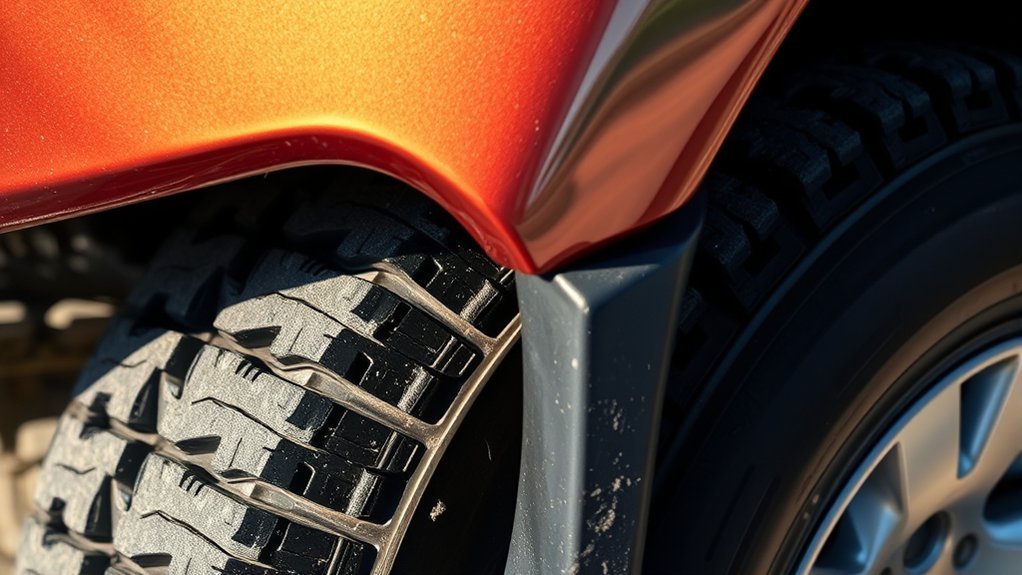
If your Toyota Hilux tires are rubbing against the fender, you should first check for oversized tires and verify they match OEM specifications. Look for signs of suspension sag or worn shocks, as these can reduce clearance. Perform a full lock turn to see if the tires contact the fender wells. Finally, inspect wheel alignment to prevent uneven wear. Identifying these issues early can save you from costly repairs, and there’s more you can do to fix it effectively.
Immediate Solutions for Tire Rubbing
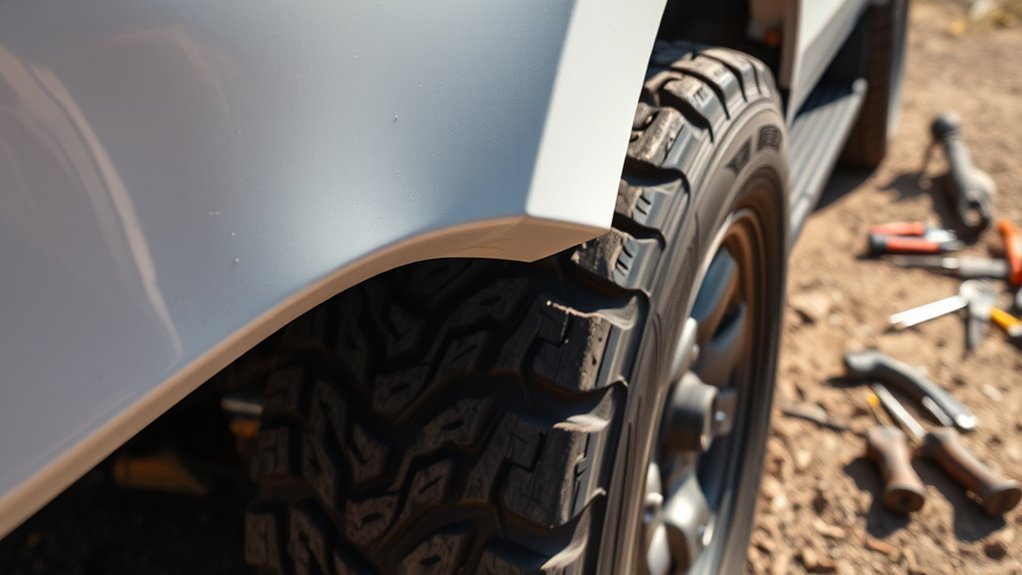
If you’re facing tire rubbing issues with your Toyota Hilux, there are several immediate solutions you can implement to improve your driving experience. Start with wheel spacer removal; this can greatly increase clearance between your tires and fender liners, reducing rubbing. Upgrading to aftermarket upper control arms (UCAs) is another effective option, as they enhance suspension geometry and provide extra wheel clearance.
Consider performing a body mount chop (BMC) to alleviate contact between oversized tires and the body mount, especially during sharp turns. Additionally, trimming plastic wheel well liners can further improve clearance and minimize rubbing. Don’t forget to regularly check your tire alignment and verify your suspension height is ideal; misalignment or sagging shocks can worsen rubbing issues. By taking these steps, you’ll reclaim your driving experience and enjoy a smoother ride without the hassle of tire rubbing.
Understanding Tire Rubbing: Causes and Symptoms
Understanding tire rubbing is vital for maintaining your Toyota Hilux’s performance and safety, especially if you’ve upgraded to larger tires. Tire rubbing typically occurs when oversized tires, like 285/70/17 KO2s, lack adequate tire clearance, resulting in fender contact during sharp turns or while reversing.
Several factors contribute to this issue. Using wheel spacers can push your tires closer to the fender, exacerbating rubbing. Additionally, suspension sag from worn shocks or bushings lowers your vehicle’s clearance, increasing the likelihood of contact. Even a minor misalignment—just two degrees—can lead to uneven tire wear and enhance rubbing risk.
Lastly, it’s essential to inspect your fender liner for any looseness or damage. A compromised liner can allow constant contact between the tire and vehicle body, leading to further complications. Understanding these causes helps you take proactive measures for your Hilux’s longevity and performance.
Diagnosing Tire Rubbing: A Step-by-Step Guide
To start diagnosing tire rubbing on your Toyota Hilux, first check the tire size against the OEM specifications found on the door jamb. If your tires are oversized, they’re likely causing the issue. Next, assess your suspension by bouncing the front corners to spot any sagging that might reduce clearance and lead to contact with the fenders.
Tire Size Inspection
When diagnosing tire rubbing on your Toyota Hilux, start by checking the installed tire size against the OEM specifications listed on the door jamb. Oversized tires are a common culprit for rubbing issues. Here are some steps to follow:
- Perform a full lock turn to observe any contact between the tires and fender wells.
- Verify your tire width doesn’t exceed +20mm from stock specifications.
- Regularly inspect your tire pressure and tread wear, as under-inflated or worn tires can worsen rubbing.
- If you still experience rubbing, consider downsizing to a tire size that aligns with manufacturer recommendations.
Taking these steps will help you mitigate interference and maintain a smooth driving experience.
Suspension Condition Assessment
After checking the tire size, the next step is evaluating the suspension condition of your Toyota Hilux. Start with a suspension inspection by bouncing the front corners; if they don’t rebound smoothly or sag excessively, worn shocks or bushings may be the culprit. Measure the hub-to-fender gap—anything less than 13 inches suggests sag, potentially causing tire contact during turns. Inspect for uneven tire wear; baldness on the inner tread can indicate a toe-out alignment issue contributing to rubbing. Regularly schedule a four-wheel alignment, as even a two-degree misalignment can greatly increase tire rubbing. Finally, watch for nose diving during turns, indicating the need for shock replacement to restore vehicle height and clearance for better handling.
Check Your Tire Size Against OEM Specifications
When checking for tire rubbing issues on your Toyota Hilux, start by verifying the OEM specifications listed on the door jamb label. Measure your tire’s width and profile to guarantee they align with those guidelines, as exceeding them can lead to serious clearance problems. If your tires are larger than recommended, consult a professional to explore solutions and prevent unwanted contact with your vehicle’s components.
Verify OEM Specifications
To guarantee your Toyota Hilux performs at its best and avoids tire rubbing, it’s important to verify that your tire size matches the OEM specifications. Here’s how you can do that:
- Check the tire size on the door jamb for the manufacturer’s recommended specs.
- A common size is 265/70R17; going larger can lead to rubbing.
- Compare your current tires’ overall diameter and width against OEM specs.
- Remember, oversized tires, especially those exceeding +20mm in width, can cause issues during turns or reversing.
Consult your vehicle’s manual or a tire size calculator to find the acceptable range for your specific model. Choosing the right tire brand and tread pattern can also enhance your Hilux’s performance and clearance.
Measure Tire Width
Measuring your tire width accurately is essential for ensuring your Toyota Hilux avoids rubbing issues. Start by checking the tire size printed on your vehicle’s door jamb; it should match the original equipment manufacturer (OEM) specifications. Grab a measuring tape to confirm the actual width of your tires. Remember, a width increase of +20mm can lead to significant clearance problems, especially during sharp turns or reversing. If you find your tires exceed OEM specifications, consider downsizing or adjusting your setup. Also, keep an eye on tire pressure and tread depth; both can impact performance and may contribute to rubbing if not properly maintained. Staying within OEM guidelines can liberate you from unnecessary rubbing headaches.
Assess Tire Profile
After you’ve measured your tire width, it’s time to assess the tire profile against OEM specifications. This tire profile evaluation is essential for avoiding rubbing issues. Check the tire size on your vehicle’s door jamb to verify it meets manufacturer recommendations. Here’s what to take into account during your aspect ratio analysis:
- Tire Width: Wider tires over +20mm can increase rubbing risks.
- Aspect Ratio: A larger profile height can exacerbate clearance problems.
- Full Lock Turn: Perform this while stationary to check for any rubbing.
- Consult Professionals: If issues persist, seek expert advice on alternative sizes.
How to Spot Suspension Sag?
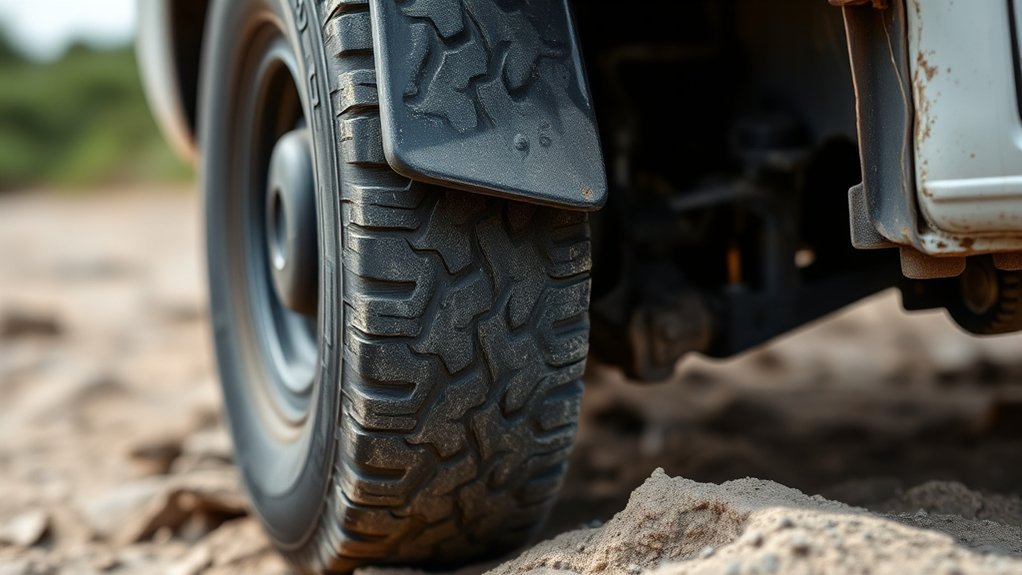
When you’re evaluating your Toyota Hilux for suspension sag, a few key indicators can help you identify potential issues. Start by measuring the hub-to-fender gap; if it’s less than 13 inches, that’s often a sign of sagging suspension. Next, bounce the front corners of your vehicle; excessive nose dive during turns may indicate worn shock absorbers or springs. Pay attention to uneven tire wear patterns, as sagging can lead to misalignment, causing abnormal tread wear. Additionally, check for noticeable differences in ride height between the front and rear—this can be a clear indication of sagging. Finally, regularly monitor your vehicle’s handling; if it feels less responsive or bouncy, it’s time for some suspension maintenance. Addressing these issues early can enhance your vehicle’s performance and prolong the life of your suspension system.
Checking Wheel Alignment
To guarantee your Toyota Hilux drives smoothly and avoids tire rubbing, checking the wheel alignment is vital. Misalignment can lead to significant issues, so understanding its importance and frequency is essential for maintaining peak performance.
Here are some key points to keep in mind:
- A four-wheel alignment guarantees all wheels are positioned correctly, reducing uneven tire wear.
- Even a two-degree misalignment can cause up to 15% of tire rubbing issues.
- Hitting potholes can change wheel angles, increasing the risk of fender contact during turns.
- Inspect tread wear patterns; inner baldness often indicates toe-out issues that could lead to rubbing.
Investing in a professional alignment typically takes about 45 minutes and costs around $150. It’s a worthwhile expense to enhance vehicle handling and prevent ongoing rubbing problems, ensuring your Hilux remains a reliable companion on the road.
Common Techniques for Fixing Tire Rubbing
Maintaining proper wheel alignment is just the beginning when it comes to preventing tire rubbing on your Toyota Hilux. One effective solution is wheel spacer removal, which narrows your truck’s width and enhances clearance during turns. If you’re running larger tires, consider upgrading to aftermarket upper control arms. These UCAs offer added suspension travel, reducing rubbing issues considerably.
Another technique is performing a body mount chop (BMC). This involves grinding down the metal behind the tires, creating necessary space for movement. Additionally, wheel well trimming can be a game-changer. By trimming plastic liners, you allow more room for your tires, especially during tight turns.
Don’t forget about regular alignment checks after any modifications. Even slight misalignments can lead to increased rubbing and uneven tire wear. With these techniques, you can liberate your Hilux from tire rubbing woes and enjoy a smoother ride.
Frequently Asked Questions
How to Test for Tire Rubbing?
To test for tire rubbing, check tire pressure and make necessary suspension adjustments. Perform full lock turns and inspect for clearance between the tire and fender, ensuring no contact occurs during movement.
Will Your Tires Get Damaged if It Rubs the Fender Lining?
Yes, your tires will get damaged if they rub the fender lining. Poor fender alignment causes uneven tire wear, risking blowouts and reduced performance. Regular checks can save you from costly replacements and enhance your ride’s safety.
What Would Cause a Tire to Rub?
Your tire might rub due to oversized tire size exceeding specifications, insufficient suspension lift, or worn shocks. Misalignment can also cause friction, especially during sharp turns or heavy loads, leading to unwanted contact with the fender.
Conclusion
So, you thought your Toyota Hilux was just a rugged beast, not a tire-rubbing drama queen? Ironically, the very features that make it tough can lead to those pesky fender rubs. By diagnosing the issue accurately and understanding the root causes—like tire size or suspension sag—you can keep your ride smooth and stylish. Remember, fixing tire rubbing isn’t just about making your truck look good; it’s about preserving those off-road adventures you love.

Related Articles

Why a Toyota Hilux Pulls to One Side After Alignment
Understanding why your Toyota Hilux pulls to one side after alignment could reveal hidden issues—discover the solutions to restore your vehicle's performance.
Read More
Why Your Toyota Hilux Spare Tire Does Not Fit
Can mismatched tire sizes and aftermarket modifications lead to your Toyota Hilux spare tire not fitting? Discover the critical factors that could affect your safety.
Read More
Toyota Hilux Tire Keeps Going Flat: Common Causes
Discover why your Toyota Hilux tire keeps going flat and uncover the essential tips to prevent recurring issues that could leave you stranded.
Read More