Toyota Camry Tire Bubble or Bulge: What Causes It and Is It Dangerous?
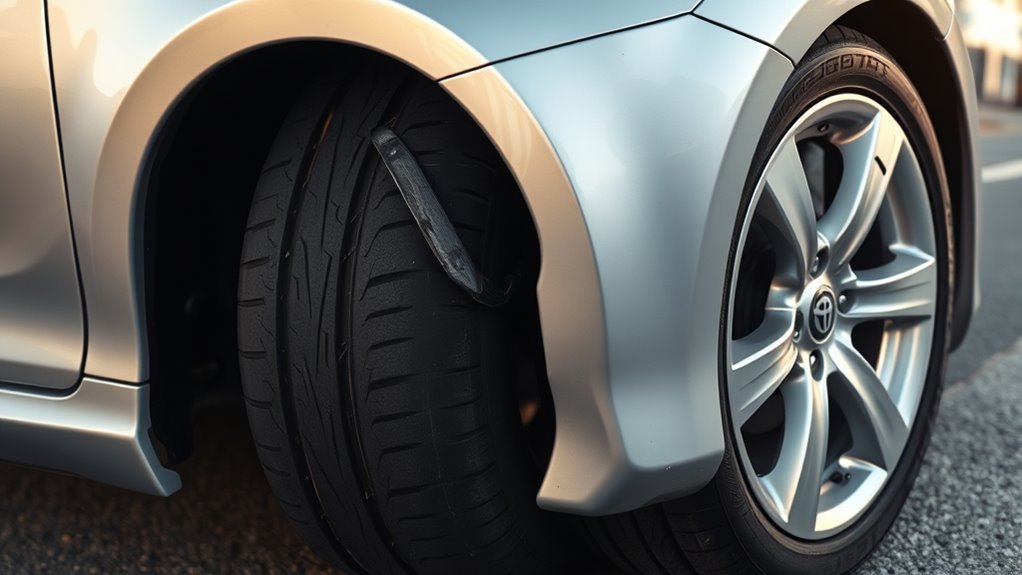
A tire bubble on your Toyota Camry is a bulge in the sidewall or tread caused by internal cord damage, usually from potholes, curbs, speed bumps, underinflation, or overload. Yes, it’s dangerous: the tire can suddenly blow out, especially at speed, and you can lose control. You can’t safely patch it. Replace the tire immediately and inspect the others for damage. Keep going to see how to spot and prevent it.
What Is a Tire Bubble on a Camry?
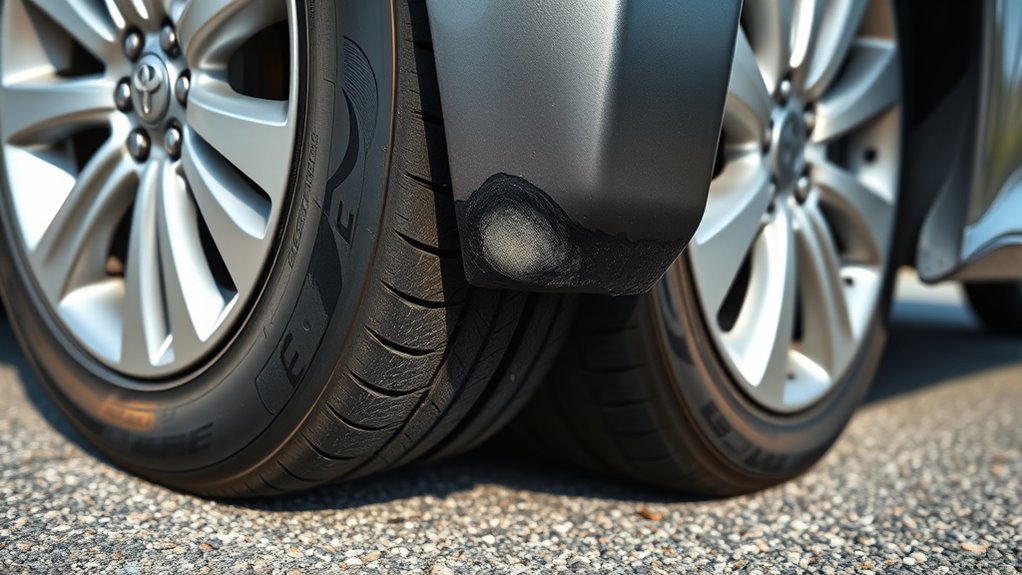
A tire bubble on a Toyota Camry is a visible bulge in the tire’s sidewall or tread that signals internal structural damage. You’re seeing the outer rubber lose support because the tire’s internal layers have separated. This damage often follows an impact from a pothole, curb, or road debris, where compressive force breaks the tire’s carcass. You can’t treat it as a cosmetic issue; it means the tire has lost structural integrity. For your tire maintenance, inspect each tire regularly, especially after hard impacts or rough roads. During safety checks, look for any raised area, uneven swelling, or deformation along the sidewall and tread. Keep your Camry’s tire pressure at the recommended level, because proper inflation helps reduce stress on the tire and can help prevent bubbles from forming. If you find one, you need to replace the tire, not patch it, so you protect your freedom to drive with confidence.
Is a Tire Bubble Dangerous to Drive On?
Yes—a tire bubble is dangerous to drive on because it signals a serious structural failure in the tire’s sidewall or tread. You’re driving with compromised tire safety, and the risk of a sudden blowout rises sharply, especially at highway speeds. If the bubble ruptures, you can lose control of the Camry in seconds, creating severe driving risks for you and everyone nearby. NHTSA data show that tire failures contribute to tens of thousands of crashes each year, so this isn’t a minor defect. Don’t try to patch or monitor a bulged tire; it can’t be repaired. Replace it immediately and avoid further driving whenever possible. Continuing to use it can also accelerate uneven wear and damage suspension parts or the rim, which adds cost and reduces your ability to move freely and safely. Action now protects your autonomy and keeps the road safer for everyone.
What Causes Tire Bubbles on a Toyota Camry?
You can get tire bubbles on your Toyota Camry when pothole, curb, or road-debris impacts compress and damage the tire’s internal structure. Wear, heat, UV exposure, ozone, and manufacturing defects can weaken the sidewall and separate internal layers, creating a bulge. Underinflation or overload increases flexing and stress, which raises heat and makes bubble formation more likely.
Impact Damage Causes
Tire bubbles on a Toyota Camry usually result from impact damage that breaks down the tire’s internal structure, especially after hitting potholes, curbs, or speed bumps too hard. A pothole impact can pinch the sidewall and separate internal layers, while a hard speed bump hit can create a bulge that weakens the casing. If you drive over road hazards too fast, the compressive force can overload the tire’s support cords and trigger hidden damage. You also raise the risk when you exceed the vehicle’s load rating or keep driving briefly on a flat tire. Check your tires after any jolt, because early inspection helps you spot structural failure before a bubble turns dangerous and robs you of control.
Wear And Weak Spots
As a Toyota Camry tire ages, heat, UV exposure, and normal wear can weaken the rubber and create soft spots that are more likely to bulge under stress. You’re seeing rubber degradation, where the compound loses strength and flexibility, especially along the sidewall and shoulder. These weak spots can’t resist road loads as well, so a small defect can grow into a visible bubble. Careful tire maintenance helps you catch this early: inspect for cracks, scuffs, and uneven texture, and replace tires that show structural weakening. If you notice a bulge, don’t ignore it or keep driving hard. A compromised tire can fail suddenly, putting your freedom of movement and your safety at risk.
Underinflation And Overloading
| — | — | — |
|---|---|---|
| Low pressure | Sidewall flex | Bubble |
| Heavy load | Tire deformation | Bulge |
| Cold temps | Faster pressure loss | Blowout |
Follow Toyota’s load and pressure limits exactly. If you overpack the car or ignore gauge readings, you’re forcing the tire to carry beyond design limits, and that pressure can split the casing.
Can You Fix a Tire Bubble?
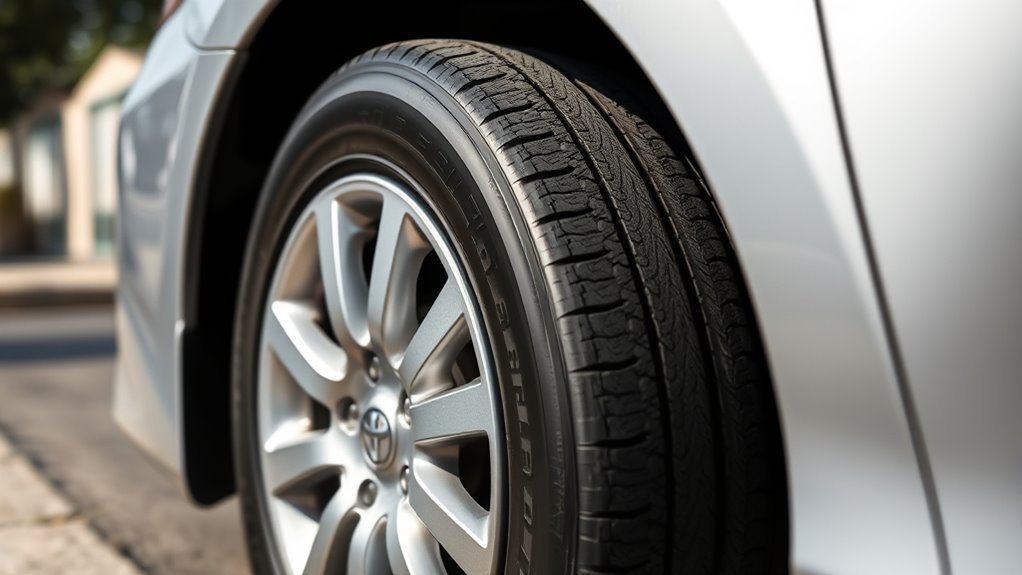
You can’t safely fix a tire bubble with a patch or plug because the bulge shows internal sidewall damage. That structural damage leaves the tire at high risk of a sudden blowout, especially at speed. For safety and performance, you need to replace the tire immediately rather than attempt repair.
Bubble Repair Limits
A tire bubble cannot be repaired because the bulge means the tire’s internal structure has been damaged, and patches or plugs won’t restore its strength. Once bubble formation starts, your tire integrity is already compromised, so no sealant can rebuild the broken cords or belts inside. You can’t safely rely on a cosmetic fix, and manufacturers like Michelin advise replacement instead. If you keep driving, the weakened area can fail without warning, raising blowout risk and reducing control. Regular inspections help you catch damage early, but after a bubble appears, repair limits are clear: the tire remains structurally unsound. For your freedom on the road, treat the bubble as a hard stop and remove the tire from service immediately.
Replacement Over Repair
Once a tire bubble appears, replacement is the only safe fix because the bulge means the tire’s internal structure has already failed. You can’t restore weakened cords or sidewall separation with a patch, plug, or heat. For your Toyota Camry, compare tire replacement options before driving further.
| Issue | Action |
|---|---|
| Bulge visible | Remove tire |
| Pothole impact | Inspect immediately |
| High-speed driving | Avoid completely |
| Out-of-service tire | Replace now |
| Safety considerations | Prioritize risk control |
Manufacturing defects and wear can trigger this damage, but the response stays the same: install a new tire. Michelin and regulators treat bulged tires as dangerous and out of service because blowout risk rises sharply, especially at speed. Regular inspections help you catch damage early and stay in control.
What Should You Do If You Spot One?
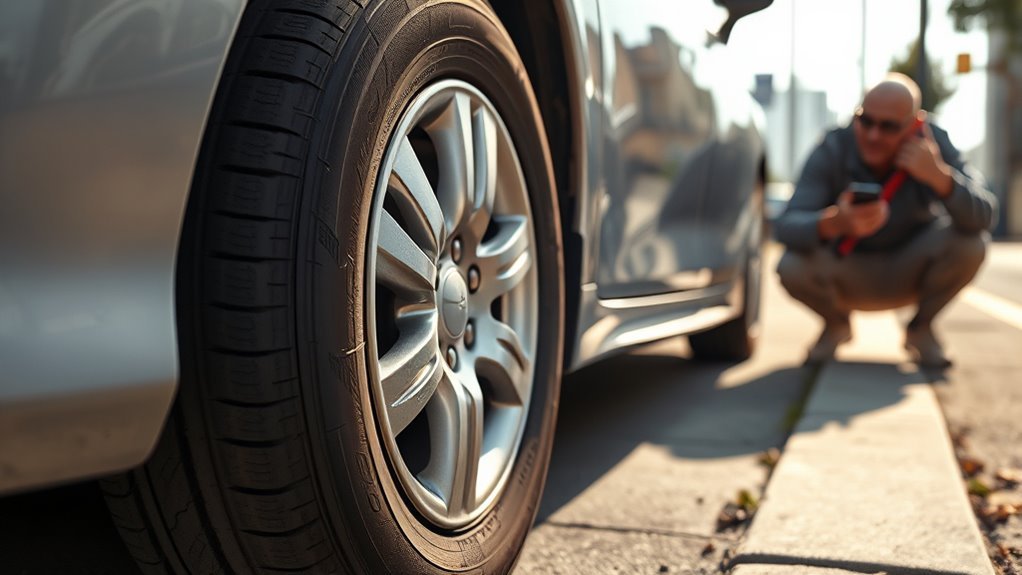
If a tire bubble or bulge appears on your Toyota Camry, stop driving immediately and arrange for a replacement tire, since this damage can’t be repaired and can lead to a sudden blowout or loss of control. Park on level ground, set the brake, and keep clear of traffic. Treat this as a tire maintenance emergency, not a minor defect. Use basic safety tips: don’t inflate the tire, don’t drive it to “see how far it lasts,” and don’t ignore vibration or pulling. Inspect the other tires for cuts, tread separation, or sidewall damage, because one failure can signal broader problems. Then take the car to a qualified mechanic or tire shop for a full inspection of the tire, wheel, suspension, and alignment. Hidden rim damage can also trigger repeat failures. Acting quickly protects your freedom to drive without risking a catastrophic crash. The NHTSA links tire failures to thousands of crashes each year.
How Do You Prevent Tire Bubbles on a Camry?
You can reduce the risk of tire bubbles on your Camry by keeping tire pressure within Toyota’s recommended range, since both underinflation and overinflation increase stress on the sidewall. Check pressure with a reliable gauge at least monthly and before long trips. Use these tire maintenance tips to spot issues early: inspect each tire for bulges, cuts, and uneven tread wear, and don’t ignore small deformities. Avoid striking potholes, curbs, and speed bumps at speed, because impact forces can damage internal plies and trigger a bubble. Keep your Camry within its rated load limit; overloading raises heat and flex, which weakens the tire structure. Rotate and align your tires on schedule so wear stays even and hidden damage doesn’t spread. These preventive measures protect your freedom to drive confidently, reduce roadside failures, and help your tires last longer without compromising safety.
Frequently Asked Questions
How Long Can a Camry Tire Bubble Last Before Failing?
It can fail anytime, so you shouldn’t rely on it for a trip. You need immediate tire maintenance; a bubble weakens the sidewall and threatens driving safety. Drive slowly only to a shop.
Does a Tire Bubble Affect Camry Alignment or Suspension?
Yes, a tire bubble can throw your Camry’s alignment off and stress suspension parts, though it doesn’t usually cause the damage directly. You should inspect it now; proper tire maintenance and safety tips matter.
Can a Spare Tire Be Used After Discovering a Bubble?
Yes, you can use a spare tire, if it’s properly inflated and rated for your Camry. Prioritize spare tire safety and tire maintenance: install it promptly, drive cautiously, and replace the damaged tire immediately.
Are Tire Bubbles Covered Under Toyota Warranty?
Usually, you won’t get tire warranty coverage for a bubble caused by impact or road hazard damage. Check your Toyota tire warranty and dealer terms; you may need a separate road-hazard plan for relief.
Should Both Tires on an Axle Be Replaced Together?
Yes, you should replace both tires on an axle together: you protect traction, you preserve tire maintenance, you match tread wear, and you reduce instability. If one tire’s damaged, you’ll keep control and stay safer.
Conclusion
If you spot a bubble on your Camry’s tire, don’t treat it like a harmless bruise—it’s a weak spot with a habit of turning into a blowout at the worst moment. You can’t repair the damaged sidewall safely, so replace the tire right away. Inspect curbs, potholes, and low-pressure tires before they leave their mark. A small bulge may look quiet, but it’s your tire’s loudest warning that trouble’s already started.

Related Articles
Toyota Camry Front Tires Wearing on Inside Edge: Causes and Fixes
Stopping your Camry’s inside-edge tire wear could save your tires, but the hidden cause may surprise you.
Read More
Why Are Toyota Camry Rear Tires Wearing Faster Than the Front?
Behind uneven Toyota Camry tire wear lies a hidden rear-alignment or suspension issue that could be quietly ruining your tires.
Read More
How to Replace a Toyota Camry TPMS Sensor: What the Process Involves
Prepare to master the process of replacing a Toyota Camry TPMS sensor and discover essential tips that can save you time and hassle.
Read More