
Toyota Camry Flat Tire: Common Causes and How to Prevent Them
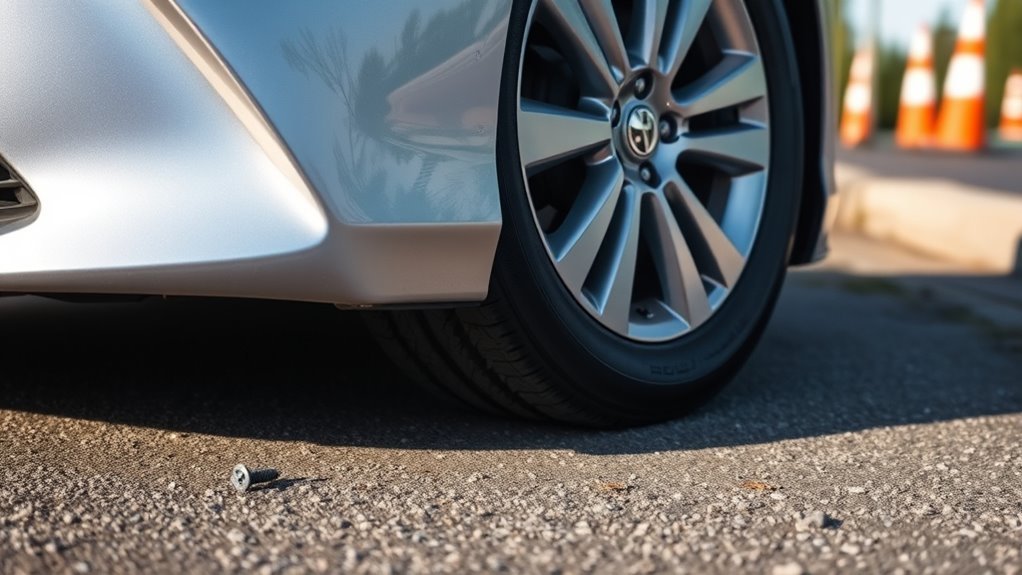
If your Toyota Camry has a flat tire, you’ll usually notice thumping, heavy steering, vibration, or a low tire-pressure warning. Common causes include nails, screws, glass, valve stem leaks, bead damage, underinflation, overinflation, worn tread, and pothole or curb impact. Slow down, pull over safely, and inspect the tire for cuts, bulges, or debris. Keep pressures correct, rotate tires regularly, and replace aging rubber; more details can help you prevent repeat failures.
How to Tell If Your Toyota Camry Has a Flat Tire?
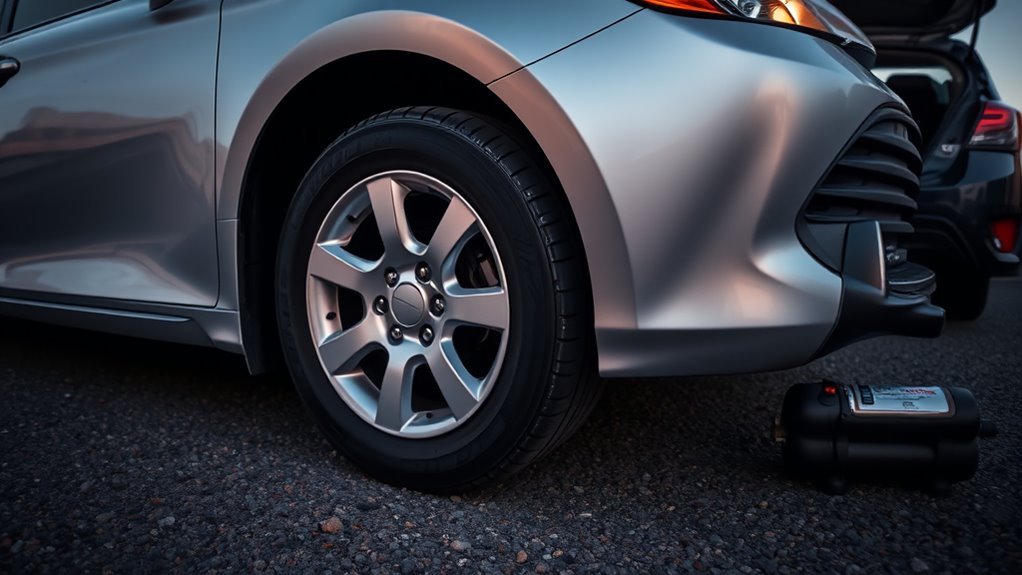
If your Toyota Camry has a flat tire, you’ll usually notice clear warning signs before the tire fails completely. You may hear a thumping sound from one wheel, feel the steering pull, or notice heavier-than-normal effort at the wheel. Those symptoms often mean pressure loss or structural damage. Watch the tire pressure warning light; when it comes on, one tire is under-inflated and needs inspection. You might also feel vibration or rough handling through the steering wheel, which can signal a flat or incorrect inflation. Don’t ignore visual cues. Scan each tire for punctures, cracks, bulges, or obvious low air pressure. Uneven tread wear can also point to a developing problem. Consistent tire maintenance and pressure checks help you catch faults early, keep control, and avoid sudden blowouts. When you stay alert to these signals, you keep your mobility intact and refuse preventable breakdowns.
What to Do Right After a Flat Tire
If you hear thumping, feel heavy steering, or see the tire pressure warning light, you’ve likely got a flat tire. You should slow down immediately, switch on your hazard lights, and move to a flat, safe area away from traffic. These first actions let you confirm the failure and reduce the risk of further damage or loss of control.
Recognize Flat Tire Signs
A flat tire usually announces itself with a thumping sound, heavy steering, or vibration through the steering wheel, all of which can signal rapid air loss. You should diagnose it fast. Check tire pressure versus the others, then inspect tread wear and sidewalls for cuts, punctures, or bulges. A tire that looks visibly lower than the rest is suspect.
| Sign | Meaning |
|---|---|
| Thumping | Uneven contact from deflation |
| Heavy steering | Reduced support at one corner |
| Vibration | Tire may be losing shape |
| Low profile | Air pressure is dropping |
These cues tell you your Camry needs attention, not hesitation. Stay calm, verify the fault, and prepare to exit the road safely. Early recognition protects control, preserves freedom of movement, and limits damage to the wheel and suspension.
Pull Over Safely
When your Camry starts pulling, vibrating, or thumping from a suspected flat, ease off the accelerator and slow down gradually while keeping the wheel steady, then switch on your hazard lights immediately. Use safe braking only as needed, and avoid hard stops or sharp turns that can unsettle the car and worsen tire damage. Scan for a flat, open shoulder, parking lot, or other level space away from traffic. Once you’re stopped, shift to park and set the parking brake so the vehicle can’t roll. Stay calm, stay visible, and don’t rush into repairs. From a safe distance, inspect the tire for cuts, punctures, sidewall bulges, or debris. This quick triage helps you secure your Camry, protect your freedom of movement, and decide your next move without added risk.
Road Debris and Sharp Objects
Road debris like nails, screws, and broken glass can puncture your Camry’s tire and cause a slow leak or sudden blowout. You can reduce this risk by inspecting your tires regularly for embedded sharp objects and checking pressure often. You should also avoid littered or under-construction roads and drive with caution when conditions look hazardous.
Common Road Hazards
Nails, screws, broken glass, and other road debris are common causes of Camry flat tires, often creating either a sudden blowout or a slow leak. You’ll see the highest risk on littered or under-construction roads, where sharp hazards strike the tread and sidewall.
| Hazard | Effect | Sign |
|---|---|---|
| Nail | Puncture | Pressure drop |
| Screw | Slow leak | Repeated inflation |
| Glass | Cut | Air loss |
| Debris | Impact damage | Vibration |
| Rubble | Tread injury | Visible scar |
For road safety, scan the route before you commit, and avoid known debris zones when you can. Regular tire inspections help you catch embedded objects early, before they compromise performance. Keep your tires maintained and replace worn rubber on schedule, so you stay in control and keep moving.
Preventing Sharp Punctures
Sharp debris is one of the easiest tire threats to miss until it’s already causing a leak or blowout. You need debris awareness every time you drive, especially on littered streets or near construction zones. Nails, screws, and glass can embed in your Camry tire and create slow leaks that turn into sudden failure. During tire maintenance, inspect tread and sidewalls for cuts, embedded objects, and unusual pressure loss. If you spot damage, don’t delay; even a small puncture can worsen quickly. Choose cleaner routes when you can, and avoid roadside clutter where sharp hazards collect. A quick visual check before and after travel helps you catch trouble early, protect your freedom of movement, and keep your tires road-ready.
Valve Stem Damage and Tire Bead Leaks
Valve stem damage and tire bead leaks are two common slow-leak sources you should inspect when a Toyota Camry loses pressure without an obvious puncture. Check valve stem integrity for cracks, corrosion, loose cores, or aged rubber that can let air seep out and weaken handling. If you spot damage, replace the stem before the leak worsens. Then inspect the tire bead where the tire seats on the rim. Corrosion, dirt, or poor seating can break the seal and bleed pressure over time. For quick diagnosis, apply soapy water around the stem and bead; steady bubbles confirm an active leak. If the bubbles persist, you’ll need professional repair or remounting. Consistent tire bead maintenance and stem checks help you keep pressure stable, extend tire life, and avoid surprise flats. Stay proactive, because small defects can quietly drain performance and limit your freedom on the road.
Overinflated and Underinflated Tires
After checking for stem or bead leaks, verify tire pressure next, because overinflated and underinflated tires can both cause flats on your Toyota Camry. Read the placard inside the driver’s door or owner’s manual, then match PSI with a reliable gauge. This tire maintenance step keeps handling stable and failure risk low.
| Condition | Effect | Action |
|---|---|---|
| Overinflated | Stress rises, blowout risk climbs | Release air to spec |
| Underinflated | Heat builds, wear accelerates | Inflate to spec |
| Correct PSI | Even tread, balanced grip | Keep monitoring weekly |
Temperature swings can shift readings, so pressure monitoring isn’t optional. Check weekly, and always before long trips. If one tire drops again, inspect for a slow leak instead of assuming it’s normal. Proper inflation protects your freedom to drive confidently, reduces uneven tread wear, and helps your Camry stay responsive.
Worn or Aging Tires
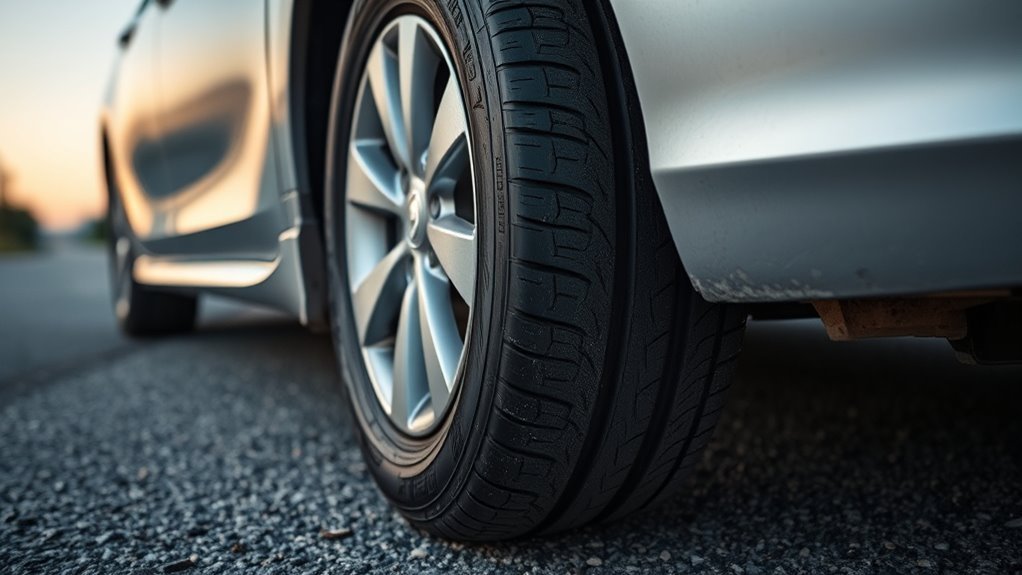
Worn or aging tires can flat out fail when tread depth gets too low, because reduced rubber depth leaves your Toyota Camry more vulnerable to punctures and poor traction on wet or slippery roads. You should treat tire maintenance as a safety check, not a chore. Use a tread depth gauge during tread inspection; replace the tire when it reaches 2/32 of an inch or less. Look for cracks, bulges, and uneven wear patterns, since they signal structural fatigue and a rising flat risk. Even if tread looks acceptable, aging rubber hardens and degrades after about 6 years, so time matters too. Rotate your tires every 5,000 to 7,500 miles to promote even wear and keep all four tires earning their keep. With regular checks, you stay in command, reduce surprise failures, and keep your Camry rolling free from preventable roadside setbacks.
Pothole and Curb Impact Damage
Potholes can hit your Toyota Camry’s tires hard enough to cause bulges, tread separation, or even a blowout, so you need to treat every impact as a possible tire failure point. After any strike, inspect the sidewalls, tread, and wheel lip for cuts, blisters, or bent rims. A curb hit can deform the rim and damage the tire bead, creating a slow leak that drops pressure over time. If you hear a thump, feel vibration, or notice uneven steering, check for internal tire damage immediately. Roadside pothole repair may not fix hidden belt separation, so don’t assume the tire’s safe because it still holds air. Curb avoidance matters because repeated scuffs can weaken the wheel and compromise sealing. You can reduce risk by driving cautiously through known hazard zones and by keeping tire pressure at spec, which helps the tire absorb shock more evenly and limits the force transferred from impact to the structure.
How to Prevent Flat Tires in Your Camry
To reduce flat tires in your Camry, keep the tires at the manufacturer-recommended PSI by checking pressure at least once a month and before long trips. Correct inflation is core tire maintenance: it limits sidewall stress, heat buildup, and tread irregular wear. Inspect each tire weekly for cuts, cracks, embedded objects, or bulges; these indicators often precede air loss. Rotate tires every 5,000 to 7,500 miles to distribute wear evenly and reduce blowout risk. Choose tire quality over bargain pricing; durable compounds and stronger construction resist punctures and tread failure better. You should also scan your route before you drive and avoid roads littered with debris or deep potholes whenever you can. That simple habit cuts impact damage and keeps you moving on your own terms. If you stay disciplined with pressure, inspection, rotation, and tire quality, you’ll lower flat-tire risk and preserve traction, efficiency, and control.
When to Get Professional Tire Help

If your Camry pulls hard, feels heavy to steer, or triggers the tire-pressure warning light, get it checked right away, because those symptoms can indicate a leak or loss of tire integrity. You don’t need to guess; you need diagnostic action. Use these tire maintenance tips to decide when to call for professional assistance:
- A technician should inspect valve stem damage, since cracked stems can bleed air slowly and quietly.
- Ask for a bead and rim check if you suspect a complex leak or sidewall separation.
- If you don’t have tools, jack points, or confidence, request roadside help like ToyotaCare.
Regular professional inspections can catch uneven wear, hidden punctures, and pressure loss before they trap you. That kind of support keeps you mobile, independent, and in control. When the issue goes beyond a simple top-off, let a pro restore the tire’s seal and your safe, efficient drive.
Frequently Asked Questions
Why Does My Tire Keep Going Flat but There Is No Damage?
You’ve likely got slow air leaks from a valve stem, bead corrosion, or a poor seal, not visible damage. Check tire pressure often, and inspect for temperature-driven drops or overinflation-related pressure instability.
How to Fix a Toyota Camry Flat Tire?
First things first: pull over, hazards on. Use your emergency kit for tire changing; jack the Camry on level ground, swap to the spare, then tighten lugs. If you’re unsure, call roadside assistance.
Conclusion
Like a watchman guarding a castle, your Camry’s tires tell you when trouble is near—soft steering, a sagging sidewall, or warning lights are their quiet alarms. If you act fast, inspect regularly, keep pressure correct, and avoid road hazards, you can stop a small breach from becoming a stranded night. When wear, leaks, or impact damage go beyond your tools, you don’t guess—you call a tire professional and keep your drive safe.

Related Articles

Toyota Camry Tire Losing Air Slowly: Causes and How to Find the Leak
Detect why your Toyota Camry tire keeps losing air slowly and learn the easiest ways to find the hidden leak before it gets worse.
Read More
How to Protect Toyota Camry Tires From UV Damage and Cracking
How can you safeguard your Toyota Camry tires from harmful UV damage and cracking? Discover essential tips to extend their lifespan and enhance safety.
Read More
Toyota Camry Tire Noise While Driving: What Each Sound Means
Grab the meaning behind your Toyota Camry’s tire noise while driving—each sound hints at a different problem, and the clues may surprise you.
Read More