
Toyota Camry Tire Losing Air Slowly: Causes and How to Find the Leak

If your Toyota Camry tire is losing air slowly, start by treating it as a leak until you prove otherwise. The usual causes are a small tread puncture, leaking valve core or valve stem, bead leak at the rim, wheel corrosion, rim damage, or normal pressure change from temperature. Check the tire cold, compare it with the driver-door placard pressure, then use soapy water to find where air is escaping.
Quick Answer
A Camry tire that keeps losing air usually has a tread puncture, valve-stem leak, bead leak, or rim corrosion. Check the pressure when the tire is cold, spray soapy water on the tread, valve, bead, and rim edge, and look for bubbles. Do not keep driving on a severely underinflated tire.
Key Takeaways
- A single Camry tire that drops faster than the others usually has a leak, not just a temperature-related pressure change.
- The fastest DIY test is soapy water: bubbles show the leak at the tread, valve stem, bead, or rim.
- A small puncture in the repairable tread area may be fixed with a professional plug-patch repair, but sidewall and shoulder damage usually means tire replacement.
- A plug by itself should be treated as temporary, not a proper permanent repair.
- Always inflate to the pressure on the Camry’s driver-door placard or owner’s manual, not the maximum PSI printed on the tire sidewall.
At a Glance
| Time Required | 10–30 minutes to diagnose most slow leaks |
| Difficulty | Easy for diagnosis; repair depends on leak location |
| Tools Needed | Tire pressure gauge, spray bottle, dish soap and water, flashlight, tire inflator, chalk or marker, and gloves |
| Cost | Usually free to diagnose at home; professional valve, plug-patch, bead, or rim work varies by shop and damage |
Warning: If one tire is far below the others, do not keep driving normally. Inflate it before moving the car, install the spare if your Camry has one, or call roadside assistance. Driving on a severely underinflated tire can overheat and damage the tire from the inside.
Why Your Camry Tire Keeps Losing Air
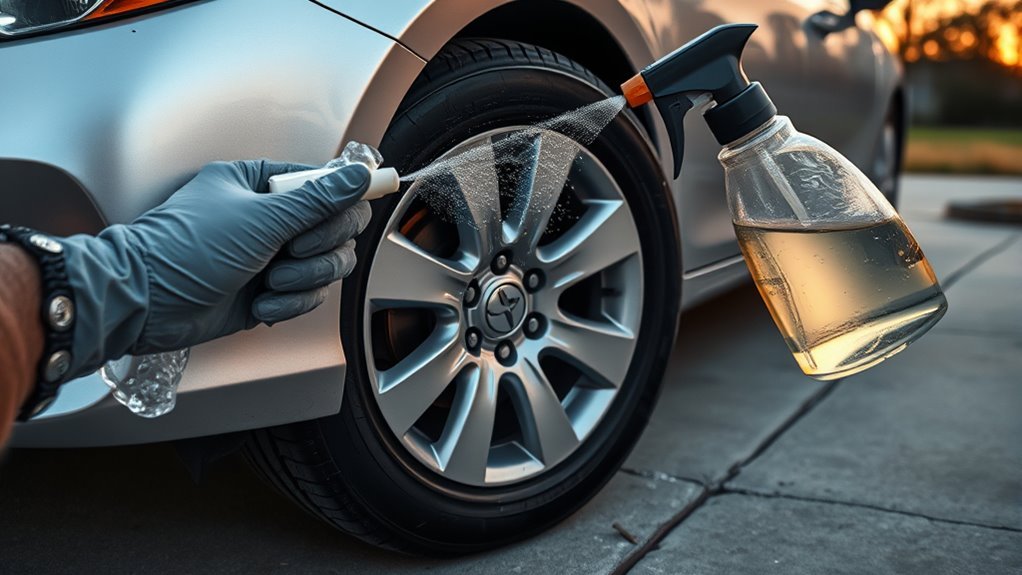
If one Camry tire keeps losing air while the other three stay close to spec, the most likely cause is a slow leak in that tire, valve, bead, or wheel. A nail, screw, staple, glass shard, or road debris can make a tiny tread hole that leaks only a few PSI per day or week.
The valve area is another common leak point. The valve core can loosen, the rubber stem can crack, or corrosion around a metal stem can let air escape. The bead area can also leak when the tire does not seal tightly against the rim. Dirt, old bead sealer, corrosion, curb damage, or a bent wheel can all break that seal.
Normal air loss and temperature changes can also lower pressure, but they usually affect all tires in a similar pattern. If only one tire drops repeatedly, look for a leak.
[Products Worth Considering]

This compact capsule-style tire repair kit helps you quickly fix punctures and plug flats with minimal effort. The rugged stainless steel shell protects the contents for reliable roadside use, while the simple plug assembly makes repairs fast and tool-free. Suitable for motorcycles, cars, ATVs, UTVs, and even mountain bikes.

This multi-function tire valve stem removal tool set makes it fast to remove, install, bleed, and clean valve cores for easier tire maintenance. It includes valve core removers, a 4-way spool tool, replacement valve caps, and spare cores to handle replacements and repairs with confidence. Universal compatibility suits cars, trucks, motorcycles, bicycles, and more for roadside convenience.

The JACO FlowPro Tire Inflator measures, inflates, and airs down tires up to 100 PSI with battery-free operation and ±2% accuracy after calibration. It features a glowing pressure dial for night visibility, a heavy-duty steel build with a hybrid hose, and a precision push-to-inflate thumb trigger. The patented Lightning Air Chuck locks on for a secure seal, and the kit includes quick-connect hardware for easy inline use with your air compressor.
Temperature Changes That Affect Tire Pressure
Temperature can make your Camry’s tire pressure move even when there is no puncture. A common rule of thumb is that tire pressure changes about 1 PSI for every 10°F change in air temperature. Cold weather lowers pressure, while heat raises it.
That is why a tire-pressure warning may appear on a cold morning and disappear after driving. The tire warms up, pressure rises, and the warning may turn off. That does not prove the tire is correctly inflated. It only means the system is no longer seeing pressure below its warning threshold.
For the most accurate reading, check tire pressure when the tires are cold: before driving or after the car has been parked for at least three hours. Use the recommended cold inflation pressure on the Camry’s driver-door placard or owner’s manual, not the maximum PSI printed on the tire sidewall. Toyota’s owner guidance also recommends using soapy water at the valve after adjustment to check for leakage: Toyota Owners tire inflation procedure.
Note: TPMS is a warning system, not a replacement for manual pressure checks. Check all tires monthly when cold, including the spare tire if your Camry has one.
How to Find a Camry Tire Leak Fast
Start with a simple pressure comparison. Measure all four tires cold and write down each reading. If one tire is several PSI lower than the others, inflate it to the placard pressure and test it for leaks before driving far.
- Park safely. Use a flat, well-lit area away from traffic. Set the parking brake.
- Check cold pressure. Compare the tire reading with the driver-door placard pressure.
- Inspect the tread. Look for nails, screws, staples, cuts, shiny metal, or embedded glass.
- Spray soapy water. Mix water with a few drops of dish soap, then spray the tread, valve stem, bead area, and rim edge.
- Watch for bubbles. Steady growing bubbles mark the escape point.
- Mark the leak. Use chalk or tape so the tire shop can find it quickly.
- Recheck after inflation. If pressure drops again within hours or overnight, the leak is active.
If you cannot find the leak on the exposed tread, move the car a few feet and inspect the part of the tire that was touching the ground. A small screw can hide in the tread until the wheel rotates.
Pro Tip: Do not remove a nail or screw until you are ready to repair the tire or take it to a shop. Pulling it out can turn a slow leak into a fast leak.
Check the Valve Stem for Leaks
Check the valve stem next because it is quick and often overlooked. Remove the valve cap, inspect the rubber or metal stem, and look for cracking, dry rot, corrosion, looseness, or a missing cap. Then spray soapy water directly on the valve opening and around the stem base.
If bubbles form at the center of the valve, the valve core may be loose or damaged. A shop can usually tighten or replace the core quickly. If bubbles form around the rubber base where the stem enters the rim, the full valve stem may need replacement.
Do not ignore a leaking valve stem. A small valve leak can become a faster leak after highway driving, pothole impact, or temperature changes.
Look for Bead Leaks Around the Rim
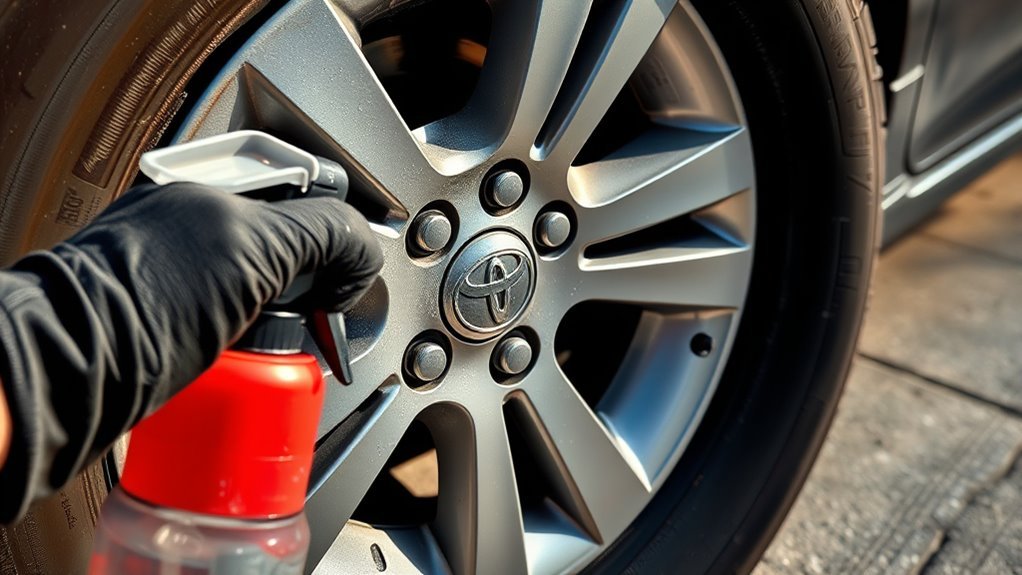
A bead leak happens when the tire does not seal tightly against the wheel. On a Camry, this can happen after corrosion, dirt buildup, tire service, curb impact, or an older tire losing flexibility at the bead.
| Symptom | Test | What It Means |
|---|---|---|
| Slow air loss | Spray soapy water around the bead | Bubbles mark the leak path at the rim edge |
| Low pressure returns after inflation | Recheck the bead after the tire sits overnight | A poor bead seal may be opening as pressure drops |
| Leak started after tire service | Inspect the bead seat and rim edge | Debris, corrosion, or damaged bead sealer may be preventing a full seal |
A bead leak usually needs the tire removed from the wheel. The technician can clean the rim, inspect the bead seat, apply bead sealer if appropriate, and remount the tire. If the wheel is bent or corroded too deeply, cleaning alone may not hold.
Check the Rim for Corrosion and Damage
If the tread and valve look fine, inspect the wheel. Aluminum alloy wheels can corrode at the bead seat, especially where road salt, moisture, or old tire sealant collects. Steel wheels can rust. Either problem can create tiny air paths between the tire and rim.
A tire can be healthy and still lose air if the wheel bead seat is corroded, bent, cracked, or dirty.
Look for these rim problems:
- Corrosion: white powder, flaking metal, rust, or pitted areas near the bead seat.
- Dents or bends: damage at the outer lip from potholes or curb strikes.
- Hairline cracks: small cracks in alloy wheels that can leak only under load.
- Old sealer or dirt: hardened material that prevents the tire bead from sealing evenly.
If you see wheel damage, have the rim inspected before replacing the tire. A new tire may still leak if the wheel cannot seal.
Can This Camry Tire Leak Be Repaired?
A Camry tire leak can often be repaired if the damage is a small puncture in the repairable tread area. It should not be repaired if the puncture is in the sidewall, shoulder, bead area, or if the tire was driven while severely underinflated and damaged internally.
| Leak Location | Usually Repairable? | Best Fix |
|---|---|---|
| Small puncture in center tread | Yes, if no internal damage | Professional plug-patch repair after demount inspection |
| Sidewall or shoulder | No | Replace the tire |
| Valve core or valve stem | Yes | Replace the valve core or full stem |
| Bead leak | Often | Demount tire, clean bead seat, reseal, and remount |
| Cracked or badly bent rim | No, not as a tire repair | Repair or replace the wheel |
The U.S. Tire Manufacturers Association recommends repair only when the damage is limited to the tread area and the puncture is no larger than 1/4 inch, or 6 mm. A proper repair also requires removing the tire from the wheel to inspect the inside: USTMA tire repair basics.
[Products Worth Considering]

This AUTOWN flat tire repair kit is designed for quick, reliable puncture repairs using a plug kit and spiral probe tool to simplify installation. Built for durability and safe handling, it offers strong adhesion and flexibility to help maintain tire air tightness. With a portable storage case and a multi-vehicle approach, it’s suitable for cars, motorcycles, ATVs, tractors, lawn mowers, RVs, jeeps, and trucks.

EVOULTES heavy duty tire inflator with an integrated gauge delivers accurate pressure readings from 10–120 PSI, helping you inflate, deflate, and check tires in one tool. The 16.5-inch extended dual-head air chuck with swivel base reaches hard-to-access dual wheel valves on trucks and RVs. A brass trigger core and side-mounted air release valve make operation smooth, with standard 1/4" NPT threading and quick-connect compatibility for easy setup.
When to Use a Plug, Patch, Plug-Patch, or New Stem
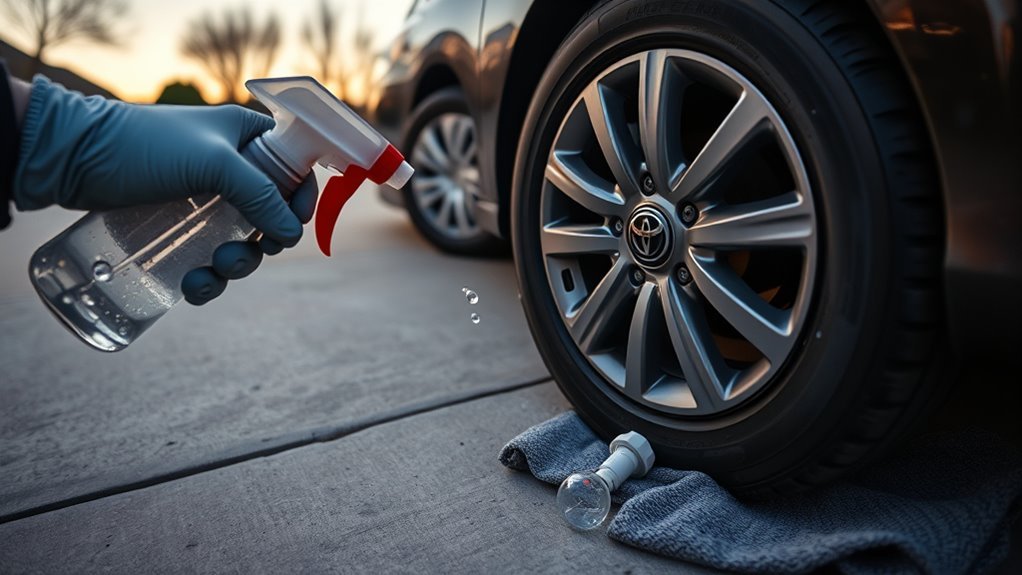
A string plug can slow or stop a tread leak in an emergency, but it should not be treated as the final repair. A plug alone does not seal the inner liner properly. A patch alone seals the inner liner but does not fill the puncture channel. The proper permanent repair for many small tread punctures is a combination repair that fills the injury and seals the inner liner.
Use this simple rule:
- Temporary plug: use only as a short-term emergency measure for a small tread puncture when you need to get to a tire shop.
- Professional plug-patch: choose for a repairable puncture in the tread after the tire is removed and inspected inside.
- New valve core: use when bubbles come from the center of the valve.
- New valve stem: use when bubbles form around the stem base or the stem is cracked, corroded, or damaged.
- New tire: use when there is sidewall damage, shoulder damage, a large puncture, internal damage, severe wear, or overlapping repairs.
Warning: Do not permanently repair punctures in the sidewall or shoulder. Those areas flex heavily, and a repair there can fail suddenly.
The Tire Industry Association also states that on-the-wheel string plug repairs are not recommended as permanent repairs and that the only proper repair requires demounting the tire, inspecting the inside, filling the injury, and sealing the inner liner: Tire Industry Association tire repair guidance.
How to Keep Camry Tires Inflated
Once the leak is fixed, keeping your Camry’s tires inflated is mostly about routine checks and using the right pressure target. Check tire pressure at least once a month when the tires are cold. Also check before long trips, after a sharp temperature drop, and any time the TPMS light comes on.
Use this maintenance routine:
- Use the placard pressure. Find it on the driver-door jamb or in the owner’s manual.
- Check cold. Measure before driving or after the car has been parked for at least three hours.
- Use a good gauge. Do not rely only on a gas-station inflator gauge or the dashboard warning light.
- Check all tires. Include the spare tire if your Camry has one.
- Recheck after repair. Measure the repaired tire again after 24 hours and after several days.
- Inspect during rotations. Ask the shop to inspect valve stems, bead seats, tread wear, and rim damage.
Proper inflation also helps fuel economy and tire life. FuelEconomy.gov says underinflated tires can lower gas mileage by about 0.2% for every 1 PSI drop in the average pressure of all tires: FuelEconomy.gov gas mileage tips.
What to Do If the TPMS Light Keeps Coming Back
If the TPMS light comes back after you inflate the tire, do not keep resetting it without finding the cause. Recheck all four tires cold. If the same tire is low again, you probably have a leak. If all tires are low after a cold snap, adjust them to the placard pressure and recheck the next morning.
Federal TPMS rules require the warning to illuminate when one or more tires are significantly underinflated, but TPMS is not a substitute for regular pressure checks. The system may not warn you until the tire is already well below the recommended cold pressure: 49 CFR 571.138 tire pressure monitoring systems.
When to Call a Tire Shop
Call a tire shop or roadside assistance if the tire is too low to drive on, if the leak is fast, if the puncture is near the sidewall, if the rim is bent or cracked, or if you cannot find the leak with soapy water. Also get professional help if the tire was driven while nearly flat, because internal sidewall damage may not be visible from the outside.
A shop can remove the tire, inspect the inner liner, test the wheel in a dunk tank, replace the valve stem, clean the bead seat, and confirm whether the tire is safe to repair. That inspection matters because a tire can look fine from the outside but be damaged inside.
Frequently Asked Questions
Can a tire lose air without having a leak?
Yes. Tires can lose pressure from normal air permeation and temperature drops. However, if one Camry tire loses air much faster than the others, it usually has a leak at the tread, valve stem, bead, or rim.
Can a slow leak be fixed on a tire?
Yes, many slow leaks can be fixed if the damage is in the repairable tread area, the puncture is small, and the tire has no internal damage. Valve-stem and bead leaks can often be fixed too. Sidewall damage, shoulder damage, large punctures, and cracked rims usually require replacement or wheel repair.
Is it safe to drive a Camry with a slow tire leak?
It may be safe only long enough to reach air or a nearby repair shop if the tire is still close to the recommended pressure. If the tire is severely underinflated, do not drive normally. Inflate it, install the spare, or call roadside assistance.
Should I use tire sealant for a slow leak?
Tire sealant can be useful in an emergency, but it should not be treated as a permanent repair. It can also make tire service messier and may affect some TPMS sensors. Use it only when necessary, then have the tire professionally inspected.
Why does my Camry tire lose air only in cold weather?
Cold air lowers tire pressure. If all four tires drop by a similar amount after a cold night, temperature may be the main reason. If only one tire drops much more than the others, check for a leak.
Conclusion
If your Camry tire keeps losing air, diagnose it before it becomes a flat or a damaged tire. Check the pressure cold, inflate to the driver-door placard pressure, and use soapy water on the tread, valve stem, bead, and rim edge. Bubbles reveal the leak. A small tread puncture may be repairable with a professional plug-patch, but sidewall damage, major underinflation damage, a cracked rim, or a badly damaged tire calls for replacement or wheel repair.
Sources
- NHTSA TireWise tire safety — cold tire pressure, vehicle placard pressure, tire blowouts, and TPMS basics
- 49 CFR 571.138 tire pressure monitoring systems — monthly cold pressure checks and TPMS warning requirements
- Toyota Owners tire inflation pressure procedure — Camry tire pressure measurement, adjustment, and soapy-water valve leak check
- U.S. Tire Manufacturers Association tire repair basics — repairable tread puncture limits and plug-patch requirements
- Tire Industry Association tire repair guidance — why tire repairs require demount inspection and why plug-only repairs are temporary
- FuelEconomy.gov gas mileage tips — underinflation and fuel economy impact

Related Articles

Toyota Camry All-Season Tires Explained: What They Can and Can’t Do
In exploring Toyota Camry all-season tires, discover their benefits and limitations—are they really the right choice for your driving needs?
Read More
Toyota Camry Tire Traction in Ice and Snow: A Practical Winter Driving Guide
Learn essential tips for maximizing tire traction on ice and snow in your Toyota Camry, ensuring your winter driving is safe and confident. Discover more now!
Read More
Do Toyota Camry Tires Need Snow Chains? When They Help and When They Don’t
How do snow chains enhance your Toyota Camry's winter driving safety, and when should you avoid using them? Discover the essential details inside!
Read More