Hyundai Sonata Tire Feathering: Causes, Diagnosis & Fixes
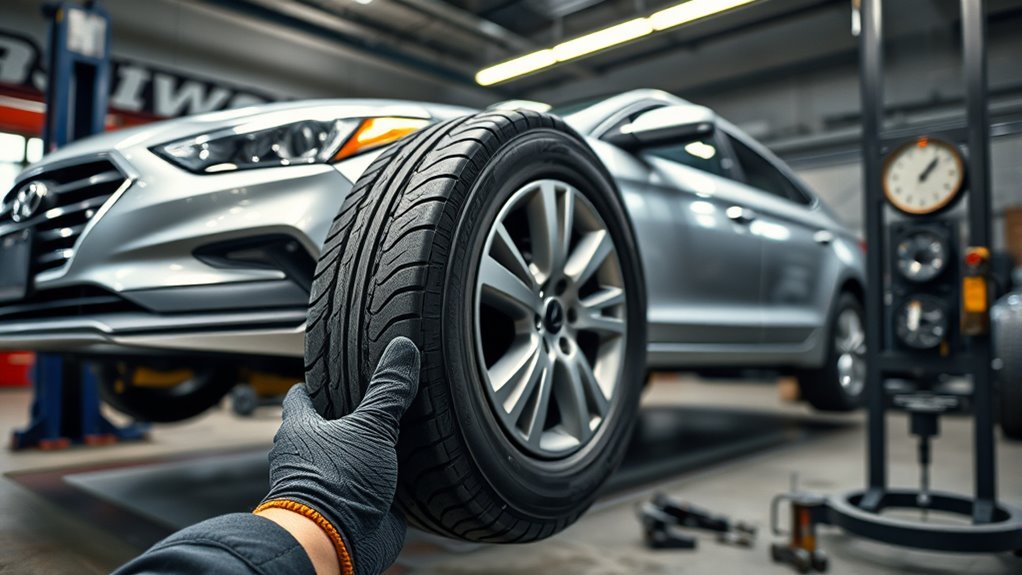
If your Hyundai Sonata’s tires feel sharp in one direction and smooth in the other, you may be seeing tire feathering. This uneven, sawtooth-style tread wear usually points to an alignment or suspension issue, especially incorrect toe settings. Catching it early can reduce road noise, protect traction, and help you avoid replacing tires sooner than necessary.
Quick Answer
Tire feathering on a Hyundai Sonata is usually caused by tire scrub from out-of-spec toe alignment, worn steering or suspension parts, low or uneven tire pressure, or a recent pothole/curb impact. Check the tread by touch, verify cold tire pressure, then schedule a professional alignment and suspension inspection.
Key Takeaways
- Feathering feels directional: one side of the tread rib feels sharp or raised, while the opposite side feels smoother.
- Toe alignment is the first suspect: toe-in or toe-out can drag the tread sideways and create a sawtooth pattern.
- Do not rely only on TPMS: check tire pressure monthly with a gauge and use the cold PSI on the driver-door label or owner’s manual.
- An alignment stops new damage: it usually will not “erase” existing feathered tread, but it can prevent the pattern from getting worse.
At a Glance
| Time Required | 10–20 minutes for a driveway inspection; 45–90 minutes for a professional alignment |
| Difficulty | Easy to inspect; professional equipment required to correct alignment |
| Tools Needed | Tire pressure gauge, flashlight, tread depth gauge or penny, work gloves, and a service appointment if wear is confirmed |
| Cost | Inspection is usually free to low-cost; alignment commonly costs less than replacing a set of prematurely worn tires |
Understanding Tire Feathering in Your Hyundai Sonata
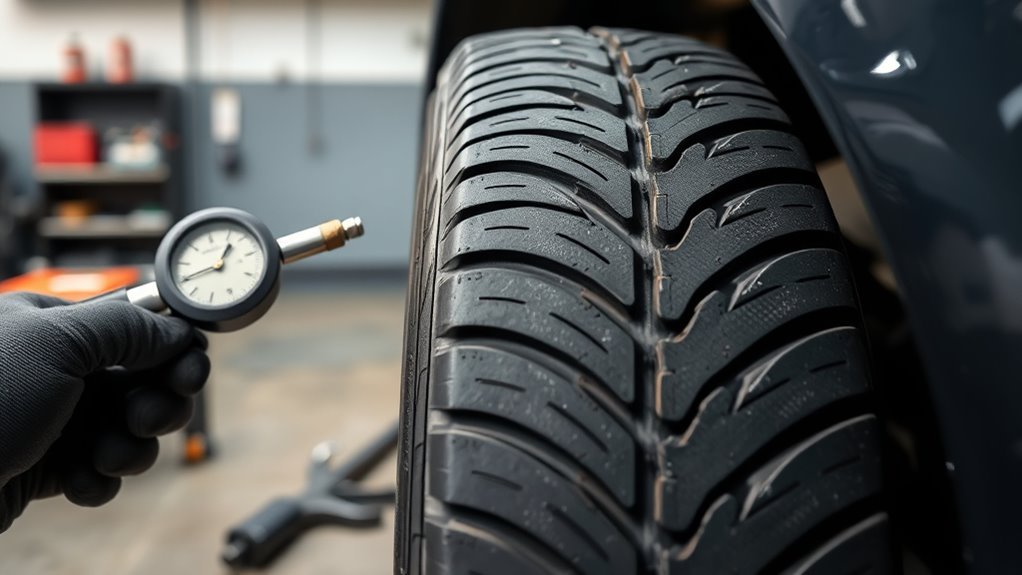
Tire feathering is an irregular wear pattern where the tread ribs feel lower or smoother on one side and higher or sharper on the other. When you run your hand across the tread, the tire may feel like tiny saw teeth. That directional sharpness is different from simple low tread depth.
On a Hyundai Sonata, feathering often points to a tire that is not rolling straight down the road. Instead, the tread is being lightly scrubbed sideways with every rotation. Tire manufacturers commonly connect feathered tread wear with improper alignment settings such as excessive toe, and sometimes caster or worn suspension parts. For reference, Goodyear describes out-of-spec toe-in as a common cause of the scuffing that leads to feathering, while Bridgestone separates feather-edge wear from one-sided camber wear.
Note: Tire pressure, tire size, and rotation pattern can vary by Sonata model year, trim, wheel size, and tire type. Always use your driver-side door Tire and Loading Information Label and your Hyundai owner’s manual as the final reference.
Common Causes of Tire Feathering
Several issues can create or worsen feathered tread on a Hyundai Sonata. The most common are alignment, steering, suspension, and tire maintenance problems.
[Products Worth Considering]

The GOOLOO A6 Gear delivers rapid, cordless inflation with a powerful 21,000 RPM motor and up to 160 PSI, inflating car tires in under a minute. Its 7500mAh battery provides up to 45 minutes of operation and fast Type‑C charging, while preset modes and multi‑unit options ensure precise control for cars, bikes, and balls. Integrated LED flashlight and smart auto shut‑off add safety and convenience for emergencies.

The Milton 555e digital tire inflator delivers fast, accurate pressure readings with a backlit display and multiple unit options, making tire inflation quick and easy. Its durable 20" EPDM rubber hose and grip‑head chuck provide reliable connection, while the ±1 PSI accuracy ensures precise inflation for cars, bikes, and trucks.

The CRAFTSMAN 3-in-1 tire inflator combines a high‑pressure air compressor, car vacuum, and dust blower into one compact tool, delivering up to 160 PSI for quick tire inflation and powerful suction for interior cleaning. Its dual power options—20 V cordless battery or 12 V car plug—provide flexibility for roadside emergencies or garage use, while the LCD display and LED light ensure precise control and visibility in low‑light conditions.
1. Toe Alignment Out of Specification
Toe describes whether the front of the tires points slightly inward or outward when viewed from above. If toe-in or toe-out is outside the manufacturer’s specifications, the tread can scrub across the road instead of rolling cleanly. That sideways scrub is one of the main reasons feathering develops.
2. Worn Steering or Suspension Components
Worn tie rod ends, ball joints, control arm bushings, shocks, or struts can let the wheel angle shift while driving. Even if the car was aligned once, worn parts can keep the alignment from staying correct. If your Sonata clunks over bumps, pulls, wanders, or has a steering wheel that sits off-center, have the suspension and steering checked before paying for another alignment.
3. Pothole, Curb, or Road-Hazard Impact
A hard hit can bend or shift a steering or suspension part. The U.S. Tire Manufacturers Association notes that potholes and other road hazards can cause alignment issues, and misaligned wheels can lead to rapid, uneven tread wear.
4. Incorrect Tire Pressure
Pressure problems may not be the classic cause of feathering, but they can make uneven wear worse. NHTSA recommends monthly tire pressure checks with an accurate gauge and says the correct pressure is the vehicle manufacturer’s cold PSI, not the number printed on the tire sidewall. Cold means the tire has not been driven on for at least three hours.
5. Aggressive Driving and Missed Rotation
Hard cornering, sudden braking, quick starts, and skipped rotations can speed up irregular wear. Rotating tires does not fix a bad alignment, but it can help spread normal wear more evenly when the tires and suspension are otherwise healthy.
NHTSA says proper tire pressure affects safety, tire durability, and fuel consumption. A TPMS warning light is helpful, but it is not a substitute for regular pressure checks with a gauge.
How to Spot Tire Feathering
You can often identify feathering before the tire looks badly worn. Park on a flat surface, let the tires cool, and inspect all four tires in good light.
- Look across the tread ribs. Feathering often appears as a wavy, angled, or sawtooth pattern instead of an even surface.
- Run your hand across the tread. Wear gloves and move your hand from the inside edge to the outside edge, then back again. Feathered tread usually feels sharper in one direction and smoother in the other.
- Compare inner and outer edges. Inside-edge feathering can point to a different alignment direction than outside-edge feathering, so check both shoulders.
- Check tread depth. Use a tread depth gauge or penny test. The USTMA says tires at 2/32 inch of tread should be replaced.
- Listen while driving. Feathered tires often create a humming, growling, or rough road noise that changes with speed.
- Notice steering symptoms. Pulling, wandering, vibration, or an off-center steering wheel are signs that the tire wear may be tied to alignment, balance, or suspension trouble.
Warning: Do not keep driving on a tire with exposed cords, a sidewall bulge, deep cracks, a visible puncture, or severe vibration. Install the spare if safe and appropriate for your Sonata, or call roadside assistance.
[Products Worth Considering]

The AIRSURE portable tire inflator delivers 150 PSI, inflating tires three times faster than standard pumps while featuring a real‑time LCD display and auto shut‑off for safety. It includes a USB charging port and LED light for emergencies, and works with cars, bikes, motorcycles, and sports balls, making it a versatile companion for road trips and outdoor adventures.

The BLACK+DECKER 20V Cordless Inflator offers versatile power options—120V AC, 12V car, and 20V battery—to inflate tires, sport balls, and large inflatables quickly. Its digital gauge and automatic shutoff ensure precise pressure control, while the high‑volume hose speeds up inflating bigger items. Includes multiple adapters for ball needles, Presta valves, and large hoses, making it a complete solution for home, road, and outdoor use.
Tire Feathering vs. Cupping vs. Camber Wear
Not every uneven tire pattern is feathering. Correctly naming the wear pattern helps the shop diagnose the right cause.
| Wear Pattern | What It Looks or Feels Like | Likely Cause |
|---|---|---|
| Feathering | Tread ribs feel sharp one way and smooth the other way | Toe alignment, caster issues, or worn steering/suspension parts |
| Cupping or scalloping | Dips, cups, or patchy low spots around the tire | Worn shocks/struts, imbalance, or poor tire-to-road contact |
| One-sided shoulder wear | Inside or outside shoulder is much lower than the rest of the tread | Camber issue, worn suspension parts, or chronic under/overloading |
| Center or both-edge wear | Center wears faster, or both outer edges wear faster | Overinflation, underinflation, or load-related wear |
Practical Solutions for Preventing Tire Feathering
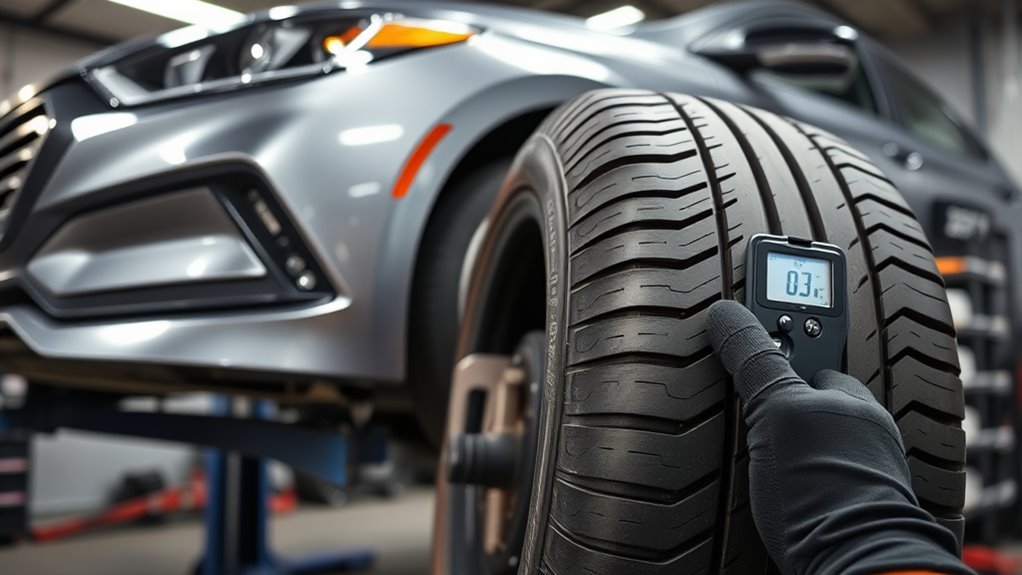
Preventing tire feathering is mostly about keeping the tire rolling straight, evenly loaded, and properly inflated. Use this schedule as a practical guide, but follow your Sonata owner’s manual first.
| Action | Recommended Frequency | Why It Helps |
|---|---|---|
| Check cold tire pressure | Monthly and before long trips | Helps prevent abnormal wear and keeps the tire loaded correctly |
| Inspect tread and sidewalls | Monthly | Catches feathering, cuts, bulges, cracks, and low tread early |
| Rotate tires | About every 5,000–8,000 miles, or the owner’s manual interval | Promotes more even wear when rotation is allowed for your tire setup |
| Check alignment | After pothole/curb impacts, when symptoms appear, and periodically | Corrects toe, camber, and caster before they destroy tread |
| Inspect steering and suspension | Annually or when clunks, vibration, or pulling appear | Worn parts can make alignment drift again after service |
Pro Tip: Ask the alignment shop for a before-and-after printout. The printout shows whether toe, camber, and caster were out of specification and confirms whether the adjustment brought them back into range.
Can Feathered Tires Be Fixed?
An alignment can fix the cause of feathering, but it usually cannot instantly fix tread that is already worn into a sawtooth shape. After the alignment and any needed suspension repairs, the tread may smooth out slightly over time, but deep feathering can remain noisy until the tires are replaced.
Here is the safest order of repair:
- Inspect the tire condition. Replace tires with exposed cords, bulges, cracks, puncture damage, or tread at the legal wear limit.
- Set tire pressure cold. Use the Sonata’s driver-door label or owner’s manual, not the PSI molded into the tire sidewall.
- Check suspension and steering first. Replace worn tie rods, ball joints, bushings, shocks, or struts before alignment.
- Perform a four-wheel alignment. This is especially important if the rear wheels can affect thrust angle or steering wheel position.
- Rotate only if appropriate. Follow the owner’s manual and tire direction rules. Some staggered or directional tire setups have limits.
- Recheck wear after a few hundred miles. If the pattern keeps getting worse, return to the shop with the alignment printout.
When to Seek Professional Help for Tire Care
Schedule professional tire or alignment service if you feel feathering, hear new tire growl, notice vibration, see rapid edge wear, or hit a pothole hard enough to move the steering wheel off center. A technician can measure toe, camber, and caster, check balance, inspect suspension parts, and confirm whether the tire is still safe to use.
You should seek urgent help if the Sonata pulls strongly, shakes at highway speed, has visible tire damage, or shows cords through the tread. Driving on a compromised tire can reduce control and increase the risk of a blowout.
Keep a simple tire-care record with the date, mileage, pressure readings, rotation, alignment results, and any parts replaced. That record helps you spot repeat problems and gives the shop a clearer starting point if feathering returns.
Frequently Asked Questions
Can tire feathering be fixed?
The cause can usually be fixed with proper tire pressure, suspension repair if needed, and a professional alignment. Existing feathered tread may not become perfectly smooth again, so badly worn or noisy tires may still need replacement.
Does the Hyundai warranty cover a nail in a tire?
A nail puncture is usually treated as road-hazard damage rather than a Hyundai new-vehicle defect. However, separate tire manufacturer coverage, dealer tire protection, or Hyundai Tire Center road-hazard coverage may apply if you bought tires through that program. Check your warranty booklet, tire invoice, and dealer paperwork.
What is the main cause of tire feathering?
The most common alignment-related cause is incorrect toe, meaning the tires point slightly inward or outward instead of tracking straight. Worn steering or suspension parts can also let toe change while driving, which makes feathering worse.
What alignment angle causes feathering?
Toe is the first angle to check when tread feels feathered. Excessive toe-in or toe-out makes the tire scrub sideways. Caster and camber can contribute to irregular wear, but camber is more often linked with one-sided shoulder wear.
Is it safe to drive with feathered tires?
Mild feathering may not be an immediate emergency, but it should be inspected soon because it can reduce ride quality, increase noise, and signal an alignment or suspension problem. Do not drive on tires with cords, bulges, deep cracks, or severe vibration.
How often should I rotate Hyundai Sonata tires?
Follow the maintenance schedule in your Sonata owner’s manual. If no specific interval is listed and your tire setup allows rotation, a common tire-industry range is about every 5,000–8,000 miles, or sooner if uneven wear appears.
Can tire balance cause feathering?
Imbalance more often causes vibration and patchy or cupped wear, but it can make uneven tire contact worse. If you feel vibration along with feathering, ask the shop to check both wheel balance and alignment.
Conclusion
Tire feathering on a Hyundai Sonata is not just a cosmetic tread issue. It is a clue that the tires may be scrubbing, bouncing, or riding at the wrong angle. Start with a cold tire pressure check and a hands-on tread inspection, then have the alignment, steering, and suspension checked if the tread feels sharp in one direction. Fixing the cause early helps your Sonata ride quieter, track straighter, and get more life from each set of tires.
Sources
- NHTSA TireWise — tire pressure, cold PSI guidance, TPMS limitations, tread checks, rotation, balance, and alignment safety guidance.
- U.S. Tire Manufacturers Association Tire Care Essentials — tread depth, rotation interval guidance, and alignment concerns after pothole or road-hazard impacts.
- Goodyear Tire Feathering Guide — feathering causes, including out-of-spec toe and suspension-related issues.
- Bridgestone Tire Tread Wear & Causes — feather-edge wear, camber wear, and common tread-wear pattern differences.
- Hyundai Vehicle Tire Safety and Maintenance — Hyundai tire maintenance, TPMS notes, natural tire-pressure loss, tread checks, and Hyundai Tire Center road-hazard coverage note.
- Hyundai Warranty Information — Hyundai warranty overview and reminder to verify which warranties apply to a specific vehicle.

Related Articles

Danger of Using Summer Tires in Winter on a Hyundai Sonata
Potentially perilous, using summer tires in winter on your Hyundai Sonata can compromise safety—discover the hidden dangers that await you on icy roads.
Read More
Can You Mix Nitrogen and Air in Hyundai Sonata Tires? Answered
Discover the implications of mixing nitrogen and air in your Hyundai Sonata tires—are the benefits worth the risks? Explore the answer inside!
Read More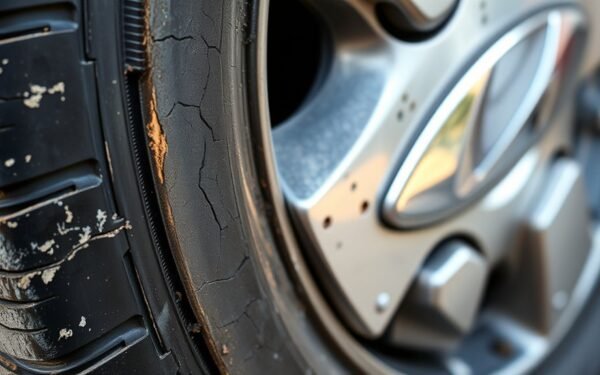
How to Tell If Hyundai Sonata Tires Are Too Old to Use Safely
Understand how to assess the age of your Hyundai Sonata tires and discover crucial signs of deterioration that could compromise your safety on the road.
Read More