
Hyundai Sonata Tire Treadwear Rating Explained (UTQG Guide)
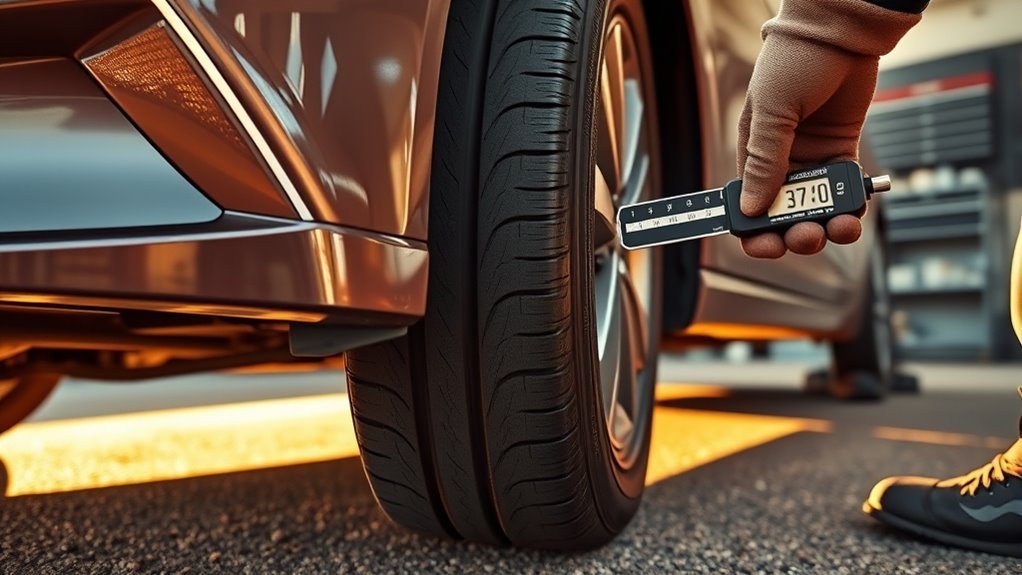
Sonata tire treadwear ratings are easiest to understand when you treat them as a comparison tool, not a promise of exact mileage. The number you see in the UTQG code tells you how the tire’s treadwear performed relative to a control tire, while the traction and temperature grades help you compare wet stopping and heat resistance.
Quick Answer
Many common Hyundai Sonata all-season and touring replacement tires fall around the 400–700 UTQG treadwear range, while performance tires may be lower for better grip. Always check the exact tire sidewall, because UTQG is a relative wear rating, not a guaranteed mileage estimate.
Key Takeaways
- UTQG treadwear is a relative rating: a 400-rated tire should wear longer than a 200-rated tire in the test system, but it does not guarantee 40,000 miles.
- For daily Sonata driving, a higher-treadwear touring or grand-touring all-season tire usually gives the best balance of comfort, wet grip, and service life.
- Do not choose by treadwear alone. Match the correct size, load index, speed rating, traction grade, temperature grade, and driving conditions.
- Use the driver-side door placard and your Hyundai owner’s manual for the correct tire size and cold pressure.
At a Glance
| Time Required | 2–5 minutes per tire |
| Difficulty | Easy |
| Tools Needed | Flashlight or phone light, tire pressure gauge, and your Sonata’s door placard or owner’s manual |
| Cost | Free if you are only reading the rating; replacement cost depends on tire size and model |
Typical Sonata Tire Treadwear Ratings
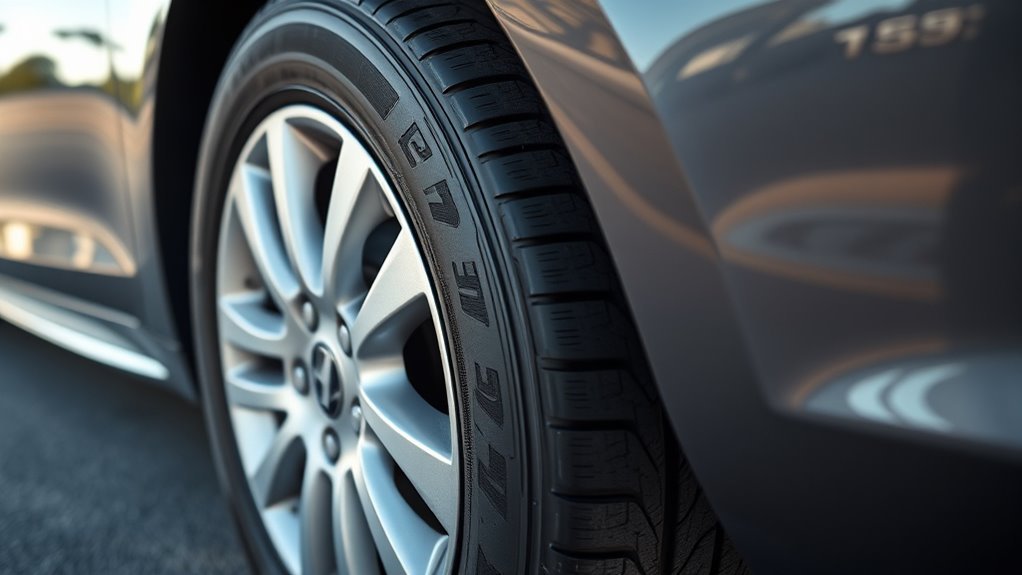
There is no single treadwear rating for every Hyundai Sonata. The number depends on the tire brand, tire model, size, trim level, and whether the tire is built for touring comfort, fuel efficiency, sport handling, or winter traction.
As a practical shopping guide, many daily-driving Sonata tires land in these general ranges:
| Tire Type | Common Treadwear Range | Best For |
|---|---|---|
| Touring / grand-touring all-season | About 500–700 | Commuting, comfort, lower noise, longer tread life |
| Balanced all-season | About 400–600 | Everyday driving with a mix of comfort, wet grip, and value |
| Performance all-season or summer performance | Often 200–500 | Sharper steering and grip, usually with shorter tread life |
| Winter / snow tires | May not show UTQG | Cold weather, snow, and ice traction |
Note: UTQG ratings are most useful when comparing tires in the same general category. A 600-rated touring tire and a 300-rated performance tire are built for different priorities, so the higher number is not automatically the better tire for every driver.
[Products Worth Considering]

Keep your tires properly inflated with this analog VONDIOR tire pressure gauge, designed for fast, easy readings without batteries. The swiveling, two-axis hose and large glow dial help you measure at any tire angle with instant visibility. Built with a protective rubber shield, it supports durable, low-maintenance use for cars and trucks.

Monitor tire tread wear with a smart, color-coded depth gauge that shows clear condition ranges at a glance. The bar is range marked for fast, easy readings, helping you maintain safer traction and performance. Each gauge is portable with a pocket clip, and the set includes 20 units for daily use and sharing.

Measure tire tread depth quickly and accurately with this LUMITECO dial gauge that reads in 1/32" increments up to 14/32". The color-coded green/yellow/red zones make it easy to judge tire wear and know when replacement is needed. A rugged, compact design with a protective pouch helps keep the gauge ready for use on cars, trucks, motorcycles, and more.
Where to Find the Sonata Tire UTQG Code
Look on the tire sidewall for a line that reads something like TREADWEAR 500 TRACTION A TEMPERATURE A. Under the federal UTQG system, the quality grades appear on the sidewall where applicable, between the tire shoulder and the tire’s maximum section width.
Sidewall Location
The UTQG code is usually molded into the outer sidewall, but not always on the side facing outward. If you do not see it, turn the steering wheel for better access to the front tires, use a flashlight, or check the inside sidewall when the car is safely parked.
| Sidewall Marking | What It Tells You |
|---|---|
| Treadwear 500 | Relative treadwear rating compared with the control tire |
| Traction A or AA | Wet straight-line stopping traction grade |
| Temperature A | Heat resistance grade |
| Size, load index, and speed rating | Fitment and load/speed capability; match these to the Sonata’s placard and owner’s manual |
Exempt Tire Types
Some tires may not display UTQG. Federal UTQG rules do not apply to several categories, including winter-type snow tires, space-saver or temporary-use spare tires, deep-tread tires, tires with nominal rim diameters of 12 inches or less, and certain limited-production tires.
If your Sonata has winter tires or a temporary spare, do not assume the tire is defective because the UTQG code is missing. Use the tire manufacturer’s specifications, the DOT date code, tread depth, and the vehicle owner’s manual instead.
Reading the Treadwear Number: What Those Digits Mean
The treadwear number is the first part of the UTQG code. According to NHTSA tire guidance, treadwear grades indicate a tire’s relative wear rate. A control tire is assigned a grade of 100, and other tires are compared with that control tire. For example, a tire graded 200 should wear twice as long as the control tire under the UTQG test comparison.
That does not mean a 500-rated tire will always last a fixed number of miles. Actual Sonata tire life depends on:
- Inflation pressure
- Rotation schedule
- Wheel alignment
- Driving style
- Road surface
- Vehicle load
- Climate and heat exposure
- Tire compound and category
- Whether the tire is used in the correct season
Warning: Do not use UTQG as a substitute for tire inspections. Replace tires that are worn to 2/32 inch, have exposed cords, bulges, cracking, puncture damage that cannot be safely repaired, or severe uneven wear.
Why UTQG Does Not Convert Directly to Miles
It is tempting to read a treadwear number as mileage: 400 equals 40,000 miles, 600 equals 60,000 miles, and so on. That shortcut is not reliable. UTQG is a relative comparison system, not a mileage warranty.
A tire with a 600 treadwear grade should generally be built for longer wear than a similar tire with a 300 grade, but your real-world results can be very different. A properly inflated, rotated, aligned tire used mostly for calm highway driving may last much longer than the same tire used for aggressive city driving, potholes, heavy loads, or poor alignment.
Use UTQG to compare tire wear potential, then use the mileage warranty, owner reviews, and your maintenance habits to estimate real service life.
Typical OE and Replacement Treadwear Ranges for the Sonata
Original equipment tires on a Hyundai Sonata are chosen to balance comfort, noise, fuel economy, handling, and cost. Replacement tires give you more choice, so the “right” treadwear rating depends on how you drive.
For most Sonata owners, a touring or grand-touring all-season tire with a treadwear rating of 500 or higher is a strong starting point. It usually favors longer wear, a quieter ride, and predictable everyday handling. If you drive a Sonata N Line or prefer sharper response, a lower-treadwear performance tire may feel better, but you should expect faster wear.
Pro Tip: Before buying replacement tires, compare the UTQG rating with the tire’s mileage warranty. If a tire has a high treadwear number but a short or limited warranty, read the warranty exclusions closely.
Traction and Temperature Ratings Sonata Drivers Should Know
UTQG is more than treadwear. The full code also includes traction and temperature grades. A Sonata tire with a long-wearing compound is not a good choice if it sacrifices too much wet traction for your climate.
[Products Worth Considering]

Milton S-921 pencil tire pressure gauge helps you maintain optimal tire pressure for passenger cars with accurate readings in PSI and kPa. It features a built-in deflator valve for convenient pressure adjustments, plus a single chuck head and nylon indicator bar for easy use on the go. Built from durable plated brass and designed for reliable performance, it’s a practical road trip and cold-weather maintenance tool.

This tire inflator with pressure gauge delivers long-lasting performance with a durable rubber-protected gauge and sturdy build. The longer hose and 360 swivel air chuck help you seal the valve securely and keep your hands free while measuring, inflating, or deflating. It’s battery-free for reliable use and provides ±2 PSI accuracy in the mid-range for most typical tires, with universal compatibility for 1/4 NPT compressor outputs.

Steelman white tire marking crayons provide high-contrast, semi-permanent marks for repairing and inspecting tires and equipment. They write on wet or dry, smooth or coarse surfaces including rubber, metal, glass, and wood, making them ideal for puncture location and damage outlining. The lead- and zinc-free crayons resist weather and fading yet wipe away when you no longer need the marks.
Traction Grades Explained
Traction grades show how well a tire stops on wet pavement in the UTQG test. NHTSA lists the grades from highest to lowest as AA, A, B, and C. For rainy climates, prioritize a strong traction grade along with good treadwear.
Remember that UTQG traction is not the same as snow traction, ice traction, cornering grip, or hydroplaning resistance. For winter conditions, use a tire designed for winter service rather than relying on the UTQG traction letter.
Temperature Ratings Meaning
Temperature grades show a tire’s resistance to heat. NHTSA lists temperature grades from highest to lowest as A, B, and C. Heat matters because sustained high temperature can contribute to tire deterioration, blowouts, and tread separation.
For a Sonata used on long highway trips, in hot climates, or with frequent higher-speed driving, an A temperature grade is the safest default when available in the correct size, load index, and speed rating.
Real-World Factors That Speed Up Treadwear on a Sonata
Even a high-treadwear tire can wear quickly if the car is not maintained. The most common causes of fast or uneven treadwear on a Sonata include:
- Underinflation: wears the shoulders and builds heat.
- Overinflation: concentrates wear in the center of the tread.
- Poor alignment: causes feathering, inner-edge wear, or outer-edge wear.
- Worn suspension: can create cupping or scalloped tread.
- Hard acceleration and braking: removes tread faster, especially on softer performance tires.
- Skipped rotations: lets front and rear tires wear at different rates.
- Heavy loads: increase stress and heat, especially if pressure is not adjusted according to the vehicle placard and manual.
NHTSA recommends checking tire pressure at least once a month when tires are cold, checking tread regularly, and using the driver-side tire label or owner’s manual for the correct cold inflation pressure. The pressure molded on the tire sidewall is not the vehicle’s recommended everyday pressure.
Choosing the Right Treadwear Rating for Your Sonata: Warranty Tips
Choose the treadwear rating around your real driving profile, not just the biggest number on the sidewall.
- Mostly commuting: look for a touring or grand-touring all-season tire around 500–700 treadwear with strong wet traction.
- Spirited driving: consider a performance all-season tire, but expect a lower treadwear number and shorter warranty.
- Snow and ice: choose winter tires when conditions require them; they may not show UTQG.
- High annual mileage: compare treadwear rating, warranty mileage, rolling resistance, ride comfort, and road-noise reviews.
For treadwear warranty claims, keep your purchase receipt, mileage at installation, rotation records, alignment records, and tire-pressure maintenance notes. Many warranties require proof that tires were rotated on schedule and kept at the correct pressure.
Sonata Tire Replacement Checklist
Before replacing Sonata tires, run through this checklist:
- Confirm the correct size: use the driver-side door placard and your Hyundai owner’s manual.
- Match the load index and speed rating: do not downgrade these without professional guidance.
- Check UTQG: compare treadwear, traction, and temperature together.
- Match the tire to your climate: all-season, summer, winter, or all-weather tires behave differently.
- Check the DOT date code: avoid old “new” tires that have spent years in storage.
- Register the tires: tire registration helps manufacturers contact you if a recall affects your tire line.
- Plan maintenance: schedule rotations, pressure checks, alignment checks, and tread-depth inspections.
Frequently Asked Questions
What is a good UTQG treadwear number for a Hyundai Sonata?
For most Sonata drivers, a treadwear number around 500 or higher is a good starting point for daily commuting. If you want more grip and sharper handling, a lower-rated performance tire may be acceptable, but it will usually wear faster.
Is UTQG 600 AA good?
Yes, UTQG 600 AA is generally a strong rating for a daily-driving tire because it combines a high relative treadwear number with the highest wet-traction grade. Still, check the temperature grade, tire size, load index, speed rating, and warranty before buying.
Is UTQG the same as treadwear?
No. Treadwear is only one part of UTQG. The full UTQG code includes treadwear, traction, and temperature. For example, “Treadwear 500 Traction A Temperature A” gives all three grades.
How many miles is a 600 treadwear tire good for?
A 600 treadwear tire is designed to wear longer than a lower-rated tire in the UTQG comparison system, but the number does not guarantee a specific mileage. Use the tire’s mileage warranty and your maintenance habits as a better real-world guide.
Do winter tires have UTQG ratings?
Many winter-type snow tires are exempt from UTQG requirements, so they may not show treadwear, traction, or temperature grades. Judge winter tires by winter-service markings, manufacturer specifications, tread depth, age, and condition.
Where should I find the correct Sonata tire size and pressure?
Use the Tire and Loading Information Label on the driver-side door edge or doorjamb, plus your Hyundai owner’s manual. Do not use the maximum pressure molded on the tire sidewall as the normal recommended cold tire pressure.
Conclusion
The best Sonata tire treadwear rating is the one that matches your driving, climate, and maintenance habits. A 500–700 treadwear touring tire is often a good fit for commuting and long tread life, while a lower-rated performance tire may trade mileage for grip. Read the full UTQG code, confirm the correct size and pressure from the door placard, and keep up with pressure checks, rotations, alignment, and tread inspections.
Sources
- NHTSA TireWise — UTQG treadwear, traction, temperature, tire pressure, tread depth, rotation, and tire-safety guidance.
- 49 CFR § 575.104 Uniform Tire Quality Grading Standards — official federal UTQG scope, exemptions, sidewall placement, and grading rules.
- Hyundai Owner’s Manual Portal — model-year-specific Hyundai owner manual information for tire size, pressure, and maintenance guidance.
- U.S. Tire Manufacturers Association Tire Care & Safety — tire pressure, tread, rotation, and alignment maintenance basics.
[Products Worth Considering]

Accurately measure tire tread depth with a calibrated gauge marked from 0 to 1 inch in 1/32 inch increments. The color-coded bar helps you quickly identify tread condition ranges, supporting safe driving for trucks, motorcycles, automobiles, and passenger vehicles.

Get precise tire readings with the ETENWOLF T300 Plus digital gauge, calibrated to ANSI B40.7 Grade 2A for reliable accuracy. It measures across a wide 3–200 PSI range and includes thermal compensation for dependable performance from extreme cold to heat. The bright LED display, LED illumination, and replaceable AAA batteries make it easy to check pressures quickly, even in low light.

The Continental Grand Prix 5000 is an allround road bike tire engineered for faster rolling, improved ride comfort, and enhanced puncture protection. It features a Vectran Breaker cut-protection layer, Lazer Grip micro-profile tread for confident cornering control, and Active Comfort Technology to damp vibration for smoother rides. BlackChili compound optimizes grip and speed for everyday performance and long-lasting confidence.

Related Articles

Danger of Using Summer Tires in Winter on a Hyundai Sonata
Potentially perilous, using summer tires in winter on your Hyundai Sonata can compromise safety—discover the hidden dangers that await you on icy roads.
Read More
Can You Mix Nitrogen and Air in Hyundai Sonata Tires? Answered
Discover the implications of mixing nitrogen and air in your Hyundai Sonata tires—are the benefits worth the risks? Explore the answer inside!
Read More
How to Tell If Hyundai Sonata Tires Are Too Old to Use Safely
Understand how to assess the age of your Hyundai Sonata tires and discover crucial signs of deterioration that could compromise your safety on the road.
Read More