
How to Prevent Tire Dry Rot on a RAV4: Storage and Care Tips
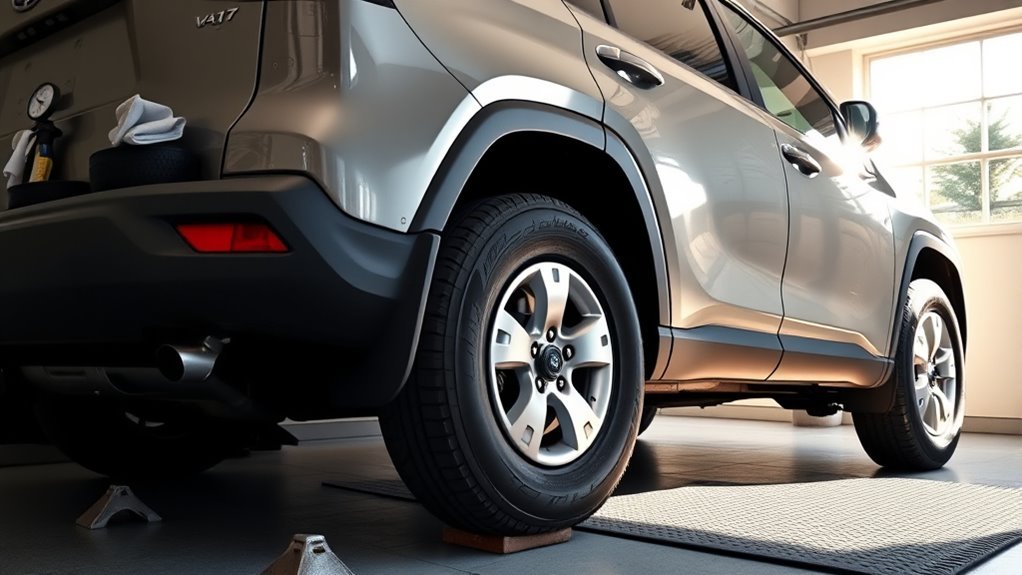
Tire dry rot on a RAV4 is usually a mix of age, sunlight, heat, ozone, poor storage, underinflation, and long periods of sitting. You cannot stop tire rubber from aging forever, but you can slow cracking and weathering by keeping the tires clean, correctly inflated, shaded, protected from chemicals, and inspected on a regular schedule.
Quick Answer
To prevent tire dry rot on your RAV4, check cold tire pressure regularly, park away from direct sun when possible, clean tires with mild soap and water, avoid petroleum-based dressings, move the vehicle periodically, and store unused tires indoors in a cool, dry, dark place away from ozone, heat, fuels, oils, and solvents.
Key Takeaways
- Use the cold PSI shown on your RAV4’s Tire and Loading Information Label, not the maximum PSI printed on the tire sidewall.
- Sunlight, heat, ozone, long-term parking, and harsh chemicals can speed up tire cracking and sidewall weathering.
- Clean and fully dry tires before storage, then keep them indoors or covered away from direct sunlight and moisture.
- Replace or professionally inspect tires with deep cracks, bulges, exposed cords, repeated air loss, vibration, or severe age-related damage.
At a Glance
| Time Required | 10–15 minutes for a monthly inspection; 30–60 minutes to clean and prepare tires for storage. |
| Difficulty | Easy for inspection and cleaning; moderate if lifting the vehicle for long-term storage. |
| Tools Needed | Tire pressure gauge, mild soap, water, bucket, soft brush, microfiber towel, tire covers or storage bags, and properly rated jack stands for long-term parking. |
| Cost | Usually $0–$80, depending on whether you already own a gauge, covers, bags, or cleaning supplies. |
Immediate Actions to Prevent Tire Dry Rot on Your RAV4

Start with the habits that reduce the biggest dry-rot risks: underinflation, sun exposure, harsh chemicals, and long periods of sitting. These steps work for daily-driven RAV4s, weekend vehicles, and RAV4s stored for part of the year.
[Products Worth Considering]

The GOOLOO A6 Gear delivers rapid, cordless inflation with a powerful 21,000 RPM motor and up to 160 PSI, inflating car tires in under a minute. Its 7500mAh battery provides up to 45 minutes of operation and fast Type‑C charging, while preset modes and multi‑unit options ensure precise control for cars, bikes, and balls. Integrated LED flashlight and smart auto shut‑off add safety and convenience for emergencies.

The Milton 555e digital tire inflator delivers fast, accurate pressure readings with a backlit display and multiple unit options, making tire inflation quick and easy. Its durable 20" EPDM rubber hose and grip‑head chuck provide reliable connection, while the ±1 PSI accuracy ensures precise inflation for cars, bikes, and trucks.

The CRAFTSMAN 3-in-1 tire inflator combines a high‑pressure air compressor, car vacuum, and dust blower into one compact tool, delivering up to 160 PSI for quick tire inflation and powerful suction for interior cleaning. Its dual power options—20 V cordless battery or 12 V car plug—provide flexibility for roadside emergencies or garage use, while the LCD display and LED light ensure precise control and visibility in low‑light conditions.
1. Check cold tire pressure on a schedule
Check all four tires when they are cold, meaning the RAV4 has been parked for at least three hours. Use the PSI shown on the Tire and Loading Information Label on the driver-side doorjamb or in your Toyota owner’s manual. Toyota notes that the recommended cold tire inflation pressure and tire size are displayed on the tire and loading information label, and NHTSA also says the vehicle manufacturer’s recommended pressure is the correct pressure, not the maximum pressure printed on the tire sidewall. Toyota Owners and NHTSA TireWise both emphasize correct inflation as part of tire safety.
Note: Your RAV4’s TPMS light is helpful, but it is not a substitute for manual pressure checks. TPMS usually warns only after a tire is significantly underinflated, so use a gauge even when the dashboard light is off.
2. Park out of direct sunlight when possible
UV rays and heat can speed up sidewall weathering. If your RAV4 sits outside, park in shade when practical, use quality tire covers, and avoid leaving the same side of the vehicle exposed to harsh sun for weeks at a time.
3. Clean the tires gently
Wash the sidewalls and tread with warm water, mild soap, and a soft brush. Rinse well and dry the tires before applying covers or storage bags. Avoid petroleum-based cleaners, solvents, fuels, oils, and harsh degreasers because these can damage rubber compounds.
4. Drive or move the RAV4 periodically
If the vehicle is safe to drive, regular use helps flex the tires and reduces the chance of flat spots. If the RAV4 is parked for storage, move it occasionally or take weight off the tires. Movement helps with flat spotting, but it does not reverse tire aging or repair existing cracks.
5. Inspect before highway trips
Before a long drive, check pressure, tread depth, sidewalls, valve stems, and visible cracks. Dry rot is more than cosmetic when cracks are deep, spread around the sidewall, or appear with bulges, vibration, or air loss.
NHTSA reports that 511 people died in tire-related crashes in 2024, and poor tire maintenance can lead to flat tires, blowouts, or tread separation.
What Is Tire Dry Rot and Why It Matters?
Tire dry rot is not biological rot. It is rubber aging and weather cracking caused by time, oxygen, heat, sunlight, ozone, chemical exposure, poor storage, and lack of use. On a RAV4, it often shows up as small cracks in the sidewall, cracks inside tread grooves, faded or chalky rubber, stiffness, or repeated pressure loss.
Dry rot matters because tires are the only part of your RAV4 touching the road. As rubber becomes brittle, the tire may lose flexibility, grip, and structural strength. Severe cracking, bulges, or pressure loss can increase the risk of tire failure, especially at highway speed or in hot weather.
Warning: Do not keep driving on a tire with deep sidewall cracks, exposed cords, a bulge, a visible split, sudden vibration, or repeated air loss. Install the spare if appropriate for the situation and have the tire inspected by a qualified tire professional.
What Causes Tire Dry Rot on a RAV4?
Dry rot usually comes from several conditions working together. The most common causes include:
- Sun and UV exposure: outdoor parking can dry and weaken sidewall rubber over time.
- Heat and temperature swings: hot pavement, direct sun, garages with high heat, and repeated heat cycles can speed aging.
- Ozone exposure: electric motors and equipment such as generators, compressors, furnaces, switches, sump pumps, and some central vacuum systems can produce ozone that damages rubber.
- Long-term parking: tires that sit in one position can develop flat spots and weather cracking in the contact area.
- Underinflation: low pressure increases flexing and heat buildup while driving.
- Chemical contact: gasoline, solvents, oils, lubricants, and petroleum-based tire dressings can degrade tire rubber.
- Age: tire rubber changes over time even when tread depth still looks acceptable.
How to Inspect RAV4 Tires for Dry Rot
Inspect your RAV4 tires at least monthly and before road trips. Good light helps, so use a flashlight if the vehicle is parked in a garage or shaded driveway.
- Check both sidewalls. Look for small spiderweb cracks, deep cracks, cuts, bubbles, bulges, or areas that look gray and chalky.
- Look inside the tread grooves. Dry rot can appear between tread blocks, not just on the outer sidewall.
- Inspect the valve stems. Cracked valve stems can cause slow air loss that looks like a tire problem.
- Measure tread depth. NHTSA says tires are not safe and should be replaced when tread is worn to 2/32 inch.
- Check pressure with a gauge. A tire that keeps losing air after proper inflation needs professional inspection.
- Read the DOT date code. The last four digits of the DOT Tire Identification Number show the week and year the tire was made. For example, 2422 means the tire was made in the 24th week of 2022.
- Do not forget the spare. Spare tires age too, especially because they are rarely used or replaced.
Pro Tip: Take close-up photos of any cracks once a month. If the cracks spread, deepen, or appear with pressure loss, vibration, or bulging, stop treating it as cosmetic wear and get the tire inspected.
[Products Worth Considering]

The AIRSURE portable tire inflator delivers 150 PSI, inflating tires three times faster than standard pumps while featuring a real‑time LCD display and auto shut‑off for safety. It includes a USB charging port and LED light for emergencies, and works with cars, bikes, motorcycles, and sports balls, making it a versatile companion for road trips and outdoor adventures.

The BLACK+DECKER 20V Cordless Inflator offers versatile power options—120V AC, 12V car, and 20V battery—to inflate tires, sport balls, and large inflatables quickly. Its digital gauge and automatic shutoff ensure precise pressure control, while the high‑volume hose speeds up inflating bigger items. Includes multiple adapters for ball needles, Presta valves, and large hoses, making it a complete solution for home, road, and outdoor use.
Why Regular Tire Checks Matter
Regular tire checks help you catch dry rot before it becomes a roadside problem. They also protect handling, braking, ride quality, and fuel economy. Make tire inspection part of your normal RAV4 maintenance routine.
- Spot dry rot early: small cracks are easier to monitor than advanced sidewall splitting.
- Maintain tire pressure: correct cold inflation reduces heat buildup and uneven stress.
- Monitor tread depth: worn tread reduces wet-road grip and can make an already-aged tire more dangerous.
- Catch slow leaks: repeated air loss may point to valve-stem damage, bead leaks, punctures, or cracking.
- Plan replacement early: tire age and visible damage can matter even before the tread is fully worn out.
Essential Tips for Safe Tire Storage
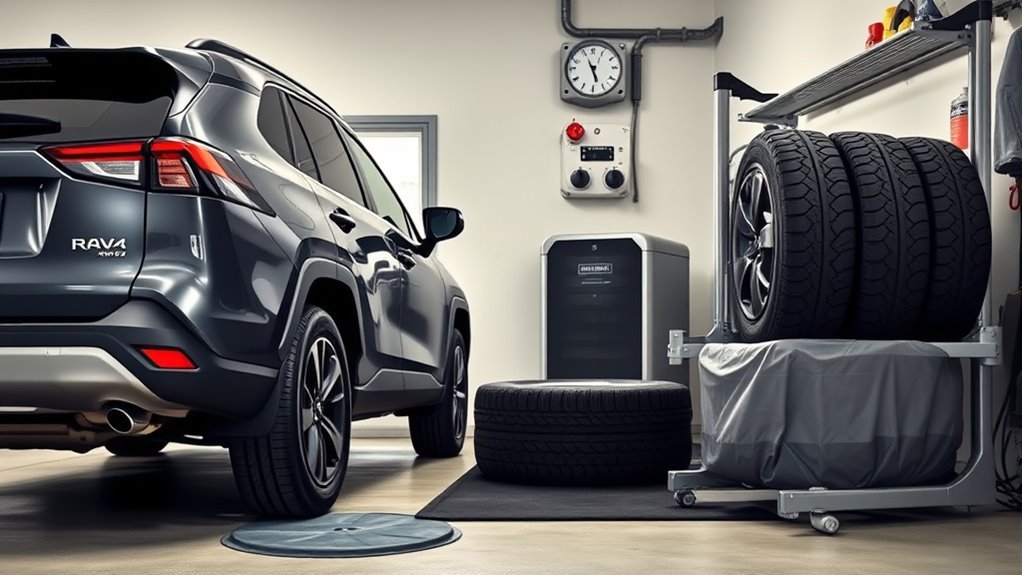
Proper storage is one of the best ways to slow tire dry rot, especially if you switch seasonal tires or park your RAV4 for weeks at a time. The goal is simple: clean, dry, cool, dark, stable, and away from rubber-damaging chemicals.
| Tip | What to Do | Why It Helps |
|---|---|---|
| Temperature Control | Store tires in a cool, dry, dark indoor area with stable temperatures. | Reduces heat stress and slows rubber aging. |
| UV Protection | Use opaque covers or store tires away from windows and direct sunlight. | Prevents UV rays from accelerating surface cracks. |
| Clean Before Storing | Use water, mild soap, and a soft brush, then dry each tire fully. | Removes grime, road salt, oils, and residue that can attack rubber. |
| Limit Ozone and Chemical Exposure | Keep tires away from generators, compressors, furnaces, sump pumps, fuels, oils, solvents, and lubricants. | Ozone and chemicals can speed cracking and rubber deterioration. |
| Use Bags Correctly | Once tires are clean and dry, place each tire in a large airtight plastic bag and remove as much air as practical. | Helps reduce air and ozone exposure during storage. |
How to store tires mounted on wheels
If your tires are mounted on wheels, stack them flat or hang them from a suitable tire rack. Do not let the stack get unstable or so high that it can tip over.
How to store tires without wheels
If the tires are not mounted on wheels, store them upright on the tread and rotate their position occasionally. Avoid hanging unmounted tires because it can distort the bead area.
How to store a RAV4 parked long-term
If your RAV4 will sit for more than a month, clean and inflate the tires to the vehicle’s recommended cold pressure, park on a clean dry surface, use tire covers, and move the vehicle periodically if it is safe to do so. For longer storage, consider taking weight off the tires with properly rated jack stands placed at the lift points specified in your Toyota owner’s manual.
Warning: Never work under a RAV4 supported only by a jack. Use correctly rated jack stands on a solid, level surface and follow the lift-point instructions in the owner’s manual.
Choosing the Best Tire Care Products
The safest tire-care products are usually the simplest. For routine cleaning, mild soap, water, and a soft brush are enough. If you use a tire cleaner or dressing, choose a non-petroleum, water-based product and follow the tire manufacturer’s directions.
- Use mild cleaners: avoid harsh degreasers, solvents, gasoline, and petroleum-based products.
- Do not apply dressing to the tread: slick residue on the tread can reduce traction.
- Avoid heavy “wet look” buildup: repeated layers of dressing can attract dirt and hide cracks.
- Clean before covering: trapping grime or moisture under covers can make storage conditions worse.
- Skip dressing before storage: tires do not need a shine product before being stored; clean and dry is better.
When to Replace Dry-Rotted RAV4 Tires
Minor surface checking may be monitored, but dry rot becomes a safety concern when the rubber is visibly damaged or the tire no longer holds pressure reliably. Replace the tire or have it inspected before driving if you notice:
- Deep cracks in the sidewall or between tread blocks.
- Any bulge, bubble, split, or exposed cord.
- Repeated pressure loss after inflation.
- Vibration, thumping, or new road noise.
- Tread worn to 2/32 inch.
- Cracks spreading quickly or appearing on multiple tires.
- Tires that are six to 10 years old, depending on the tire maker’s and vehicle maker’s replacement guidance, even if tread remains.
NHTSA says some vehicle and tire manufacturers recommend replacing tires that are six to 10 years old regardless of treadwear. Use the DOT date code to check tire age, and ask a tire professional if you are unsure whether cracking is cosmetic or structural.
Frequently Asked Questions
How do I keep tires from getting flat spots during storage?
Keep the tires inflated to the recommended cold pressure, park on a clean level surface, move the vehicle periodically if it is safe, and consider taking weight off the tires with properly rated jack stands for long-term storage. If the tires are off the vehicle, store mounted tires stacked or hung and unmounted tires upright.
Can tire dry rot be repaired?
No. Tire dressings can make rubber look darker, but they cannot restore aged or cracked rubber. A tire with deep cracks, bulges, exposed cords, or repeated air loss should be replaced or inspected by a qualified tire professional before driving.
Are tire covers worth it for a RAV4 parked outside?
Yes, tire covers are useful if your RAV4 sits outside for long periods. Choose opaque, weather-resistant covers that block sunlight while allowing the tire area to stay dry. Do not trap wet tires under covers; clean and dry them first.
How often should I check my RAV4 tire pressure?
Check tire pressure at least monthly and before long trips. Toyota’s RAV4 manual guidance also recommends checking inflation pressure every two weeks on applicable models. Always check when tires are cold and use the PSI on the Tire and Loading Information Label.
Does tire shine prevent dry rot?
Tire shine does not fix or prevent dry rot by itself. Some products may contain ingredients that are not ideal for rubber, and any slick product on the tread can reduce traction. For prevention, focus on correct pressure, shade, gentle cleaning, and proper storage.
Should I replace all four RAV4 tires if one has dry rot?
Inspect all four tires and the spare because tires installed at the same time often age together. If one tire has severe cracking, the others may be close behind. On AWD models, ask a tire professional or Toyota service center about matching tread depth and tire specifications before replacing only one tire.
Conclusion
To protect your RAV4’s tires from dry rot, remember the basics: check, clean, shade, store, and inspect. Keep tires at the correct cold pressure, wash them gently, protect them from UV exposure, store them in a cool dry indoor space when possible, and look closely for cracks, bulges, air loss, age, and tread wear. Tire dry rot cannot be reversed, so early prevention and timely replacement are the safest approach.
Sources
- NHTSA TireWise — tire pressure, tread depth, tire aging, TPMS limits, tire-related crash safety data, and replacement warning signs.
- Toyota Owners: RAV4 Tire Inflation Pressure — RAV4 tire pressure label and cold inflation guidance.
- U.S. Tire Manufacturers Association: Tire Storage Recommendations — storage risks from sunlight, ozone, and damaging environmental conditions.
- Michelin: Storing My Tires — cleaning, indoor storage, sunlight/ozone avoidance, and long-term vehicle storage advice.
- Continental: Storing Tires — airtight bags, UV protection, ozone sources, chemical avoidance, and mounted vs. unmounted storage.

Related Articles

Toyota RAV4 TPMS Reset: Easy Steps That Work
Unlock the secrets to resetting your Toyota RAV4's TPMS effortlessly—discover the essential steps to ensure your tires are always safe.
Read More
Toyota RAV4 Tire Rotation: DIY Steps & Pattern
Take control of your Toyota RAV4's tire maintenance with our simple DIY rotation guide—discover the best steps for optimal performance and longevity!
Read More
Mix Tire Brands on a Toyota RAV4? Expert Guide
Keeping your RAV4 safe? Learn when mixing tire brands risks traction, ABS/TCS and AWD damage — and what exact matches you must insist on.
Read More