
RAV4 Tire Pressure in Hot Weather: 30–35 PSI Guide
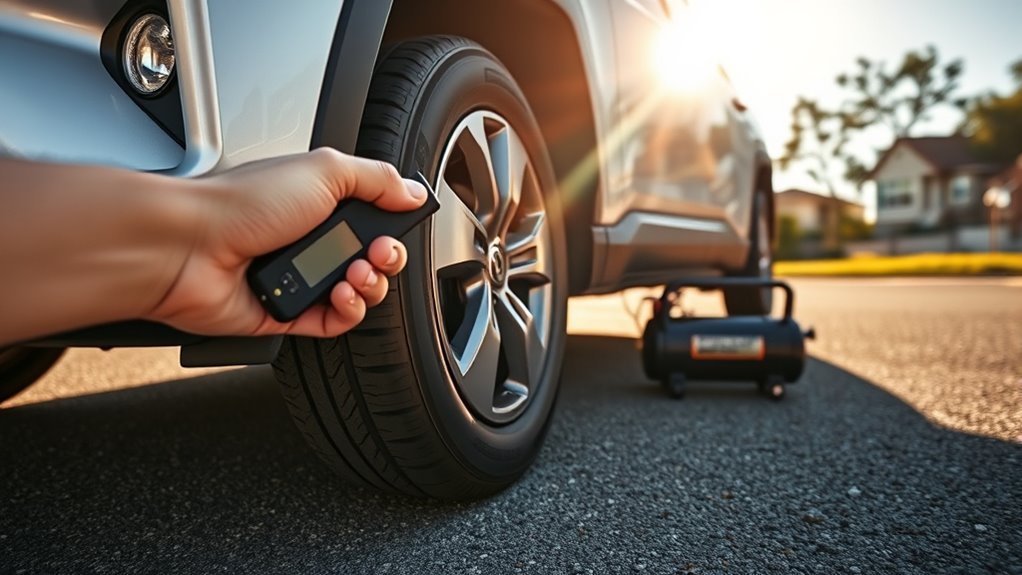
Hot weather can push your Toyota RAV4 tire pressure higher than you expect. That can affect grip, ride comfort, tire wear, and safety on long drives. For most RAV4 models, the best target is the pressure listed on the driver’s side door jamb, not the number molded into the tire sidewall.
Quick Answer
Most Toyota RAV4 models use a cold tire pressure near 30 to 35 PSI, but your door jamb label gives the right number for your exact trim and tire size. Check pressure when the tires are cold, before driving or at least three hours after parking. Summer heat can raise pressure, so don’t bleed air from hot tires unless the pressure is clearly unsafe.
Key Takeaways
- Use the tire pressure listed on your RAV4 driver’s side door jamb as your main guide.
- Check tire pressure when the tires are cold for the most accurate reading.
- Expect tire pressure to change by about 1 PSI for every 10°F shift in air temperature.
- Watch for under-inflation signs, such as poor handling, uneven wear, or lower fuel economy.
- Get professional tire help if the Tire Pressure Monitoring System light stays on after correction.
Why Tire Pressure Matters for Your RAV4 in Hot Weather
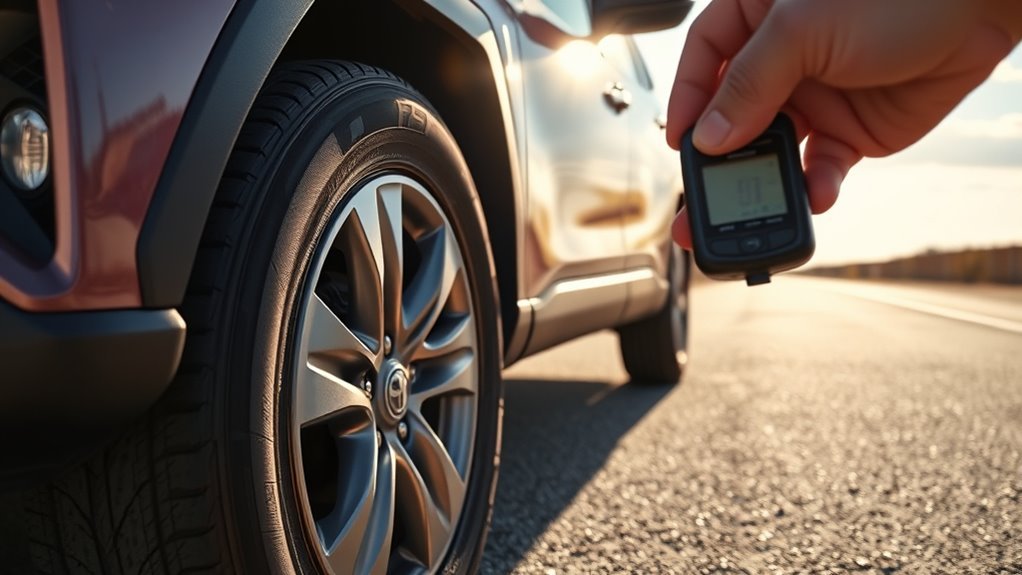
Your RAV4 needs the right tire pressure to brake, steer, and carry weight safely. Low pressure lets tires flex too much, which builds heat and speeds up wear. High pressure can reduce the contact patch, which may hurt grip and ride comfort.
Check your tire pressure at least every two weeks during hot weather. Check in the morning when the tires feel cool, since direct sun and driving heat can raise the reading. Good pressure habits help reduce blowout risk, improve fuel use, and make your RAV4 feel more stable.
[Products Worth Considering]

EVOULTES heavy duty tire inflator with an integrated gauge delivers accurate pressure readings from 10–120 PSI, helping you inflate, deflate, and check tires in one tool. The 16.5-inch extended dual-head air chuck with swivel base reaches hard-to-access dual wheel valves on trucks and RVs. A brass trigger core and side-mounted air release valve make operation smooth, with standard 1/4" NPT threading and quick-connect compatibility for easy setup.

This portable cordless tire inflator delivers up to 160 PSI with fast 17 L/min airflow to help you quickly top up tires and get back on the road. It features dual power mode, running on a 21V rechargeable battery or a 12V DC adapter for convenient roadside use. An automatic shut-off with digital pressure gauge helps prevent overinflation, and a built-in LED light improves visibility in low-light conditions.

The Fanttik X10 Pro is a cordless portable tire inflator that reaches up to 150 PSI and can inflate an R15 tire in about 35 seconds for quick roadside or home top-ups. With AccuInFlate auto-stop and smart start/stop controls, it helps maintain accurate pressure and frees your hands once the target is reached. A high-visibility digital display and preset modes make it easy to set and monitor inflation for cars, motorcycles, bikes, and balls.
Recommended Tire Pressure for Your Toyota RAV4
Most Toyota RAV4 models call for cold tire pressure in the 30 to 35 PSI range. Many trims list 33 or 35 PSI, but tire size, model year, load, and trim can change the exact number. Always use your driver’s side door jamb label or owner’s manual as the final source.
Do not use the maximum PSI printed on the tire sidewall as your daily target. That number shows the tire’s maximum rated pressure, not the pressure Toyota chose for your vehicle. The vehicle label gives the best balance of handling, comfort, load support, and tire life.
How to Find the Correct PSI for Your RAV4
Open the driver’s door and look for the tire and loading information label on the door jamb. This label lists the cold tire pressure for the front, rear, and spare tire if your model has one. Match the pressure to the tire size shown on the label.
If you use a different tire size or carry heavy loads, check the owner’s manual or ask a tire professional. Keep a reliable gauge in your glove box so you can check pressure before long trips. The dashboard warning light helps, but it should not replace regular pressure checks.
How Temperature Changes Affect Tire Pressure
Air expands as it warms, so summer heat can raise your tire pressure. A common rule of thumb says tire pressure changes by about 1 PSI for every 10°F change in air temperature. That change can make a normal tire look high after a hot drive.
Check pressure before driving, or wait at least three hours after parking. If you must check hot tires, compare the result with care and recheck later when they cool. Never drop pressure from a hot tire just because it reads slightly above the cold target.
How to Adjust Tire Pressure for Seasonal Changes
Seasonal pressure changes can sneak up on you. A tire that looked fine during cooler weather may read higher after several hot days. A tire may also read low after a sudden temperature drop.
Use your RAV4 cold tire pressure target year-round, then adjust when the tires are cold. Avoid setting pressure far below the label value during summer, since under-inflation creates more heat while driving.
| Temperature Increase (°F) | Typical Pressure Change (PSI) |
|---|---|
| 10 | +1 |
| 20 | +2 |
| 30 | +3 |
| 40 | +4 |
| 50 | +5 |
Understanding Temperature’s Impact on Tire Pressure
Temperature changes affect the air inside each tire. As heat rises, the air expands and pressure increases. As the air cools, pressure drops.
This matters because your RAV4 tire pressure label uses cold pressure. A hot tire reading can look higher even when your tire started at the right pressure. That is why timing matters as much as the number on the gauge.
Temperature Fluctuations Explained
Hot roads, direct sunlight, and highway driving all add heat to your tires. Use these habits to avoid poor readings:
- Check tire pressure in the morning before sunlight warms the tires.
- Use the same gauge each time so your readings stay consistent.
- Compare each tire to the pressure listed on your RAV4 door jamb.
- Recheck pressure after major weather swings or long road trips.
Effects on Tire Pressure
Wrong tire pressure can change how your RAV4 drives. Low pressure can make steering feel sluggish, increase tire heat, and reduce fuel economy. High pressure can make the ride harsh and increase center tread wear.
Keeping pressure near the recommended cold setting gives your tires the best chance to work as designed. It also helps your RAV4 maintain steady braking and handling in hot weather.
Warning: Do not ignore a tire that keeps losing air, since a slow leak can turn into a dangerous failure.
How to Check Your RAV4 Tire Pressure
Checking your RAV4’s tire pressure takes only a few minutes. You need a tire pressure gauge, access to an air pump, and your RAV4’s recommended PSI. Follow these steps when the tires are cold.
- Park on a level surface: Let the tires cool before you check them.
- Remove the valve cap: Place the cap somewhere safe so you don’t lose it.
- Press the gauge firmly: Push it straight onto the valve stem until the hissing stops.
- Read the pressure: Compare the number with the driver’s side door jamb label.
- Add or release air: Adjust in small amounts, then check again.
- Replace the valve cap: Tighten it by hand to help keep dirt and moisture out.
Check all four tires, not just the one that looks low. If your RAV4 has a full-size spare, check that tire too. A spare tire will not help much if it has lost pressure while stored.
Signs of Under-Inflation and Their Consequences
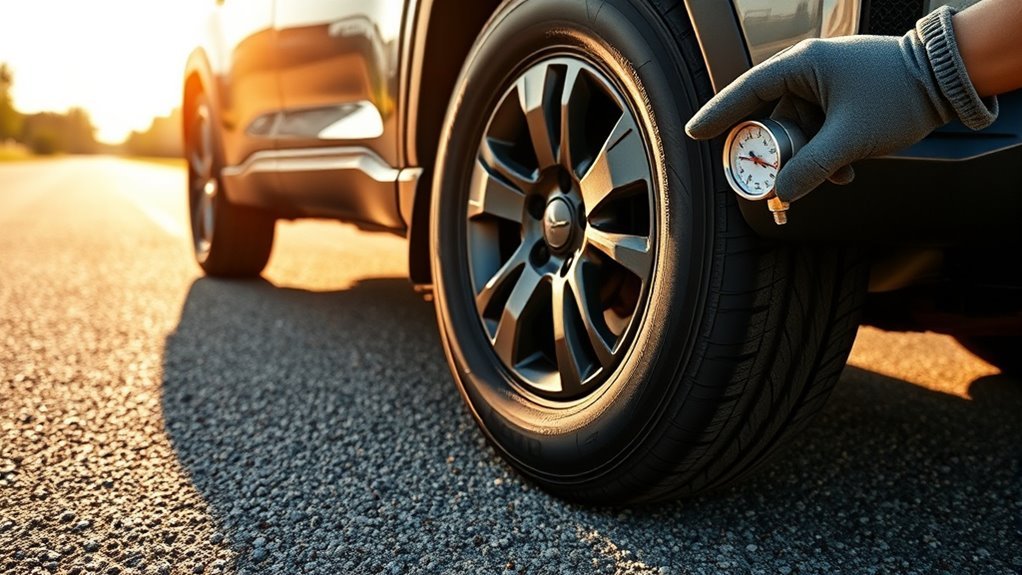
If your RAV4 feels slow to respond or takes longer to stop, check the tires first. Under-inflated tires can hurt safety, fuel economy, and tire life. They can also overheat faster in hot weather.
Common Signs of Low Tire Pressure
Look for these common signs before a small issue becomes expensive:
- Low gauge reading: A reading below the door jamb target means the tire needs air.
- Outer-edge wear: Wear on both outer shoulders can point to low pressure.
- Poor handling: Soft tires can make your RAV4 feel less stable.
- Lower fuel economy: Low pressure increases rolling resistance and can use more fuel.
Visual checks help, but they do not replace a gauge. Some tires look normal even when they need air.
Potential Safety Risks
Under-inflated tires flex more than they should. That extra flex builds heat, especially on hot roads and during highway speeds. Heat can damage the tire structure and raise the risk of failure.
Low pressure can also reduce steering response and increase stopping distance. If one tire sits much lower than the others, your RAV4 may pull to one side. Fix the pressure issue before you keep driving far.
Tire Pressure Risks of Over-Inflation
Over-inflated tires can also create problems. When pressure runs too high, the center of the tread may carry more load than it should. That can lead to uneven wear and a rougher ride.
Too much pressure may reduce the tire’s contact patch on the road. That can hurt traction, especially on wet pavement or rough surfaces. Keep the pressure close to Toyota’s cold tire setting unless a tire expert gives you a load-based reason to adjust it.
- Reduced traction: A smaller contact patch can reduce grip.
- Uneven wear: Extra center tread wear can shorten tire life.
- Harsher ride: High pressure can make bumps feel sharper.
- Higher damage risk: Over-inflated tires can react poorly to potholes and road debris.
[Products Worth Considering]
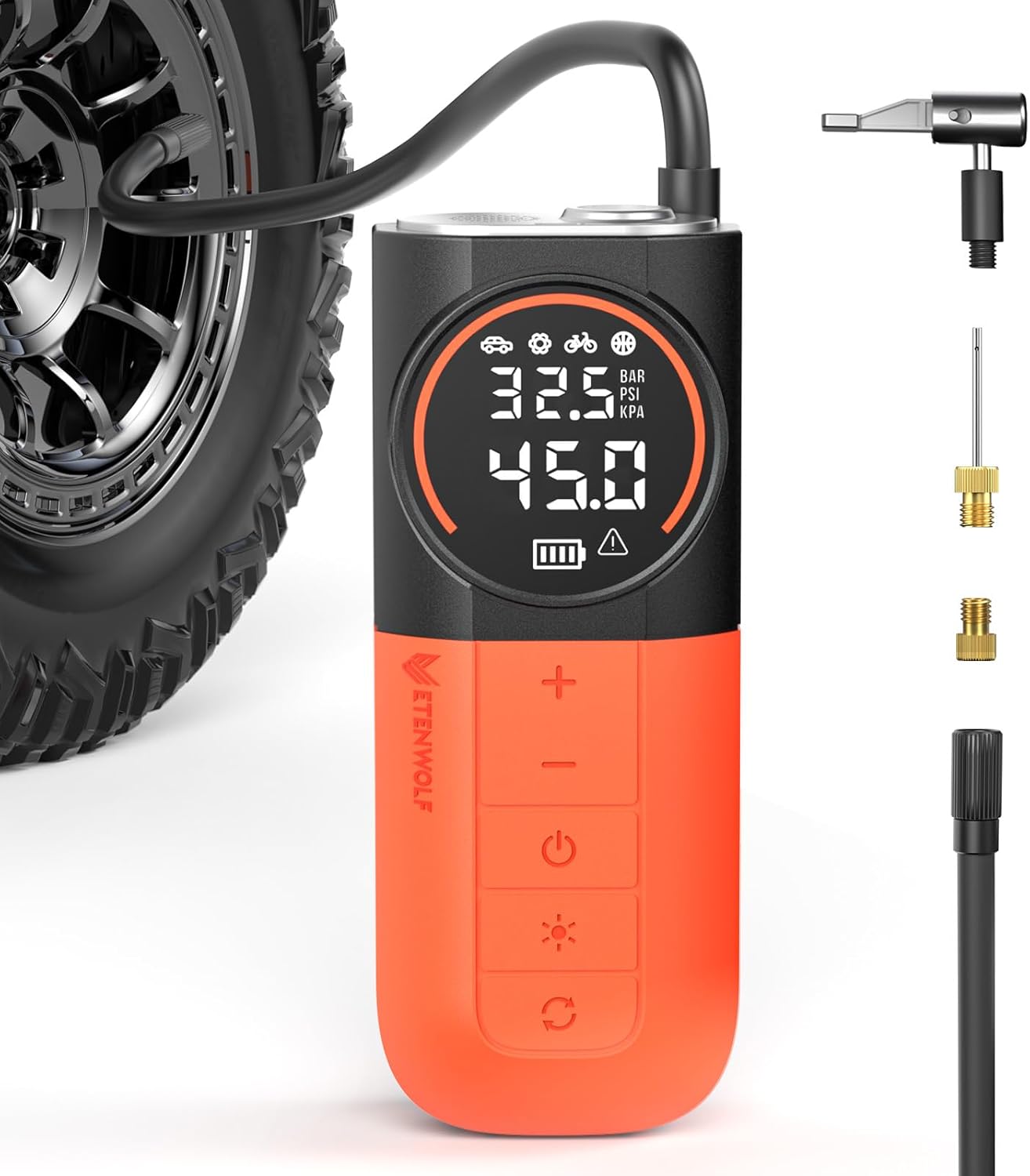
The ETENWOLF S1 cordless tire inflator delivers ultra-fast inflation with up to 160 PSI and a 20 L/min airflow for quicker tire top-offs. Its 5200mAh battery and cooling system support inflating many tires and sports balls on a single charge, while the digital pressure gauge and multi-unit display help you reach the right pressure accurately. With preset modes, pressure memory, an auto-stop feature, and an LED flashlight, it’s built for easy roadside and everyday use.

The JACO FlowPro Tire Inflator measures, inflates, and airs down tires up to 100 PSI with battery-free operation and ±2% accuracy after calibration. It features a glowing pressure dial for night visibility, a heavy-duty steel build with a hybrid hose, and a precision push-to-inflate thumb trigger. The patented Lightning Air Chuck locks on for a secure seal, and the kit includes quick-connect hardware for easy inline use with your air compressor.
Top Tips for Summer Tire Pressure Management
Good summer tire care starts with a steady routine. Check your RAV4 tire pressure every two weeks and before long trips. Use the cold pressure listed on the driver’s side door jamb.
Keep a simple gauge in your vehicle so you do not depend on gas station equipment alone. Many air pump gauges take rough readings because they see heavy use. Check pressure again with your own gauge after you add air.
Pro tip: Measure tire pressure before sunrise or before your first drive for the most useful summer reading.
Do not forget tire tread and sidewall condition. Cracks, bulges, nails, or deep cuts need quick attention. Proper pressure helps, but damaged tires still need repair or replacement.
Seasonal Adjustments: Preparing Your RAV4 for Hot Weather
Before hot weather arrives, give your RAV4 a tire check. Set all tires to the correct cold pressure, then inspect tread depth and wear patterns. Uneven wear may point to alignment, suspension, or pressure issues.
- Check pressure cold: Use the door jamb pressure as your target.
- Inspect tread: Look for uneven wear, shallow tread, or exposed cords.
- Look at sidewalls: Check for cracks, bulges, cuts, or objects stuck in the tire.
- Plan rotation: Follow Toyota’s maintenance schedule for tire rotation intervals.
Hot weather also makes road trips more common. Check pressure before loading passengers, luggage, or roof cargo. Extra weight can make correct pressure even more important.
Understanding Your TPMS Warning Light
Your Toyota RAV4 uses a Tire Pressure Monitoring System (TPMS) to warn you when tire pressure drops too low. The system helps, but it does not replace manual checks. A tire can lose some pressure before the warning light turns on.
If the TPMS light comes on, check all tires with a gauge as soon as you can safely stop. Add air to match the cold tire pressure label, then drive for a short time if your model needs movement to reset the system. If the light stays on, check your owner’s manual or get professional help.
A flashing TPMS light can point to a system fault instead of simple low pressure. A shop can test the sensors and reset the system if needed.
When Should You Get Professional Tire Help?
Some tire problems need more than an air pump. Get help from a tire shop or Toyota service center when you notice these warning signs:
- TPMS light stays on: The tire may still have a pressure issue or a sensor fault.
- Repeated pressure loss: A slow leak may come from a nail, valve stem, or rim issue.
- Vibration or pulling: The tire, wheel balance, or alignment may need service.
- Uneven tire wear: A professional can check pressure history, alignment, and suspension parts.
- Visible damage: Bulges, cuts, or exposed cords mean you should stop using that tire.
Frequently Asked Questions
What Is the Best Tire Pressure for a Toyota RAV4?
The best tire pressure for your Toyota RAV4 is the cold PSI printed on the driver’s side door jamb label. Many RAV4 models fall between 30 and 35 PSI, but your trim, tire size, and model year matter.
Does PSI Go up or Down When Tires Are Hot?
PSI goes up when tires get hot. A common rule says tire pressure changes by about 1 PSI for every 10°F change in air temperature, so hot tires can read higher after driving.
Should I Put More Air in My Tires in Summer?
You should not add extra air just because it is summer. Set your tires to the cold pressure listed on your RAV4 door jamb label, then recheck them when the tires are cool.
Can I Drive With the TPMS Light On?
You can usually drive a short distance to a safe place, but you should check the tires right away. If a tire looks flat, feels unstable, or loses air fast, stop driving and get help.
How Often Should I Check RAV4 Tire Pressure in Hot Weather?
Check your RAV4 tire pressure every two weeks and before long trips. Recheck after big temperature swings, tire service, or a dashboard warning light.
Conclusion
The right tire pressure helps your Toyota RAV4 brake, steer, and ride the way it should. Use the cold PSI listed on your driver’s side door jamb, then check it every two weeks. Pay attention to the TPMS light, uneven wear, and pressure that keeps dropping. A few minutes with a tire gauge can make every hot-weather drive safer and smoother.

Related Articles

Toyota RAV4 TPMS Reset: Easy Steps That Work
Unlock the secrets to resetting your Toyota RAV4's TPMS effortlessly—discover the essential steps to ensure your tires are always safe.
Read More
Toyota RAV4 Tire Rotation: DIY Steps & Pattern
Take control of your Toyota RAV4's tire maintenance with our simple DIY rotation guide—discover the best steps for optimal performance and longevity!
Read More
Mix Tire Brands on a Toyota RAV4? Expert Guide
Keeping your RAV4 safe? Learn when mixing tire brands risks traction, ABS/TCS and AWD damage — and what exact matches you must insist on.
Read More